My Shopping Cart
| Bulk Discounts Prices | |
| Quantity | Price |
| 1 | $10.95 |
Delivery will be calculated separately.
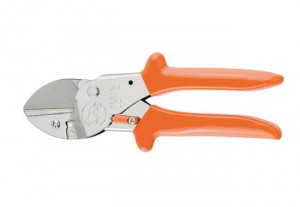
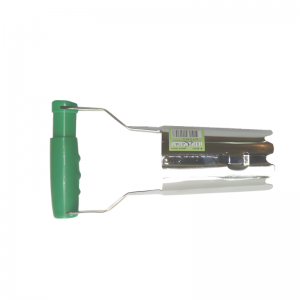
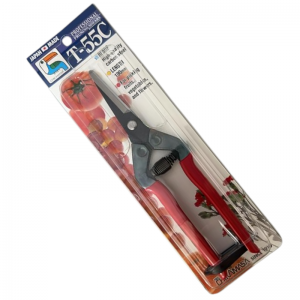
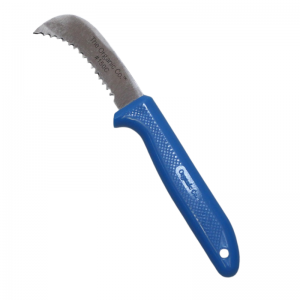
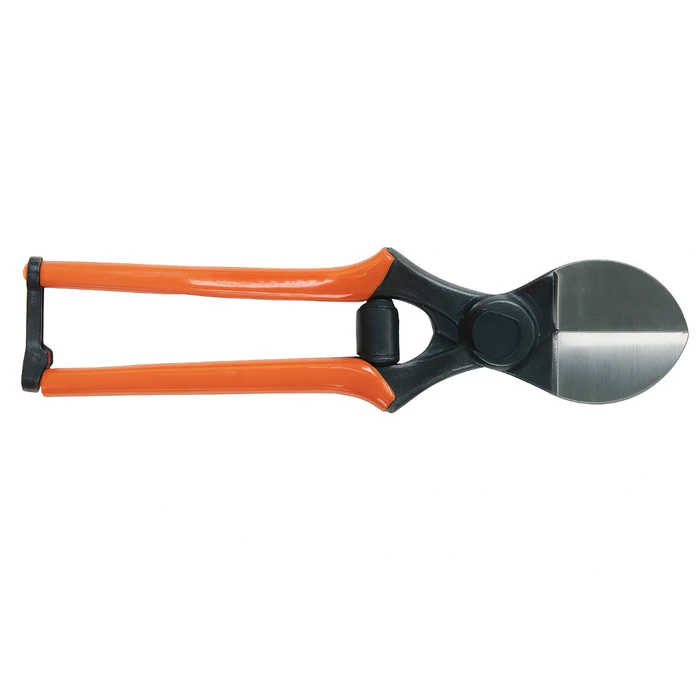
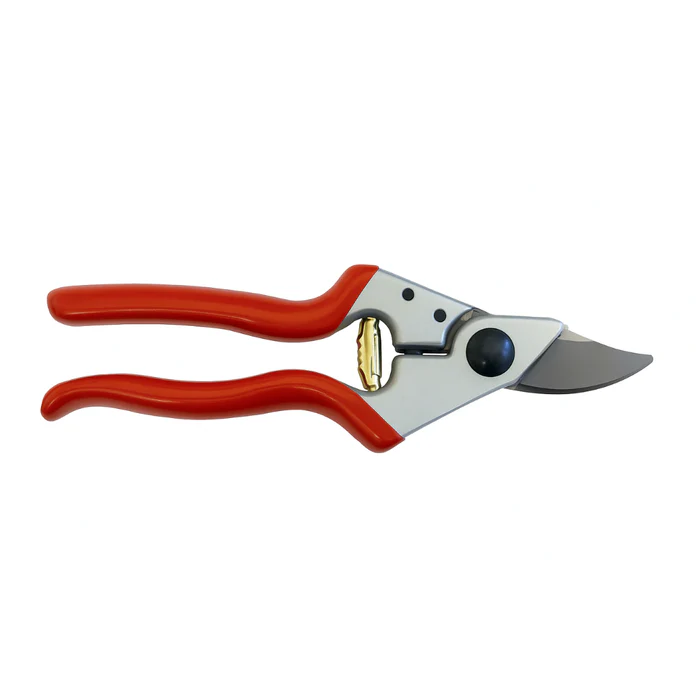
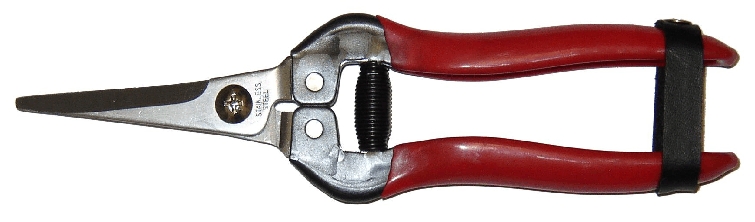
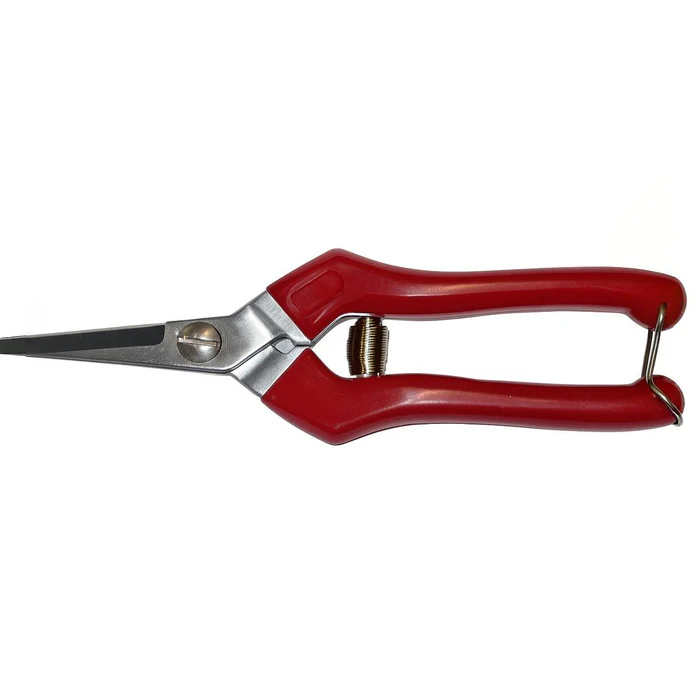
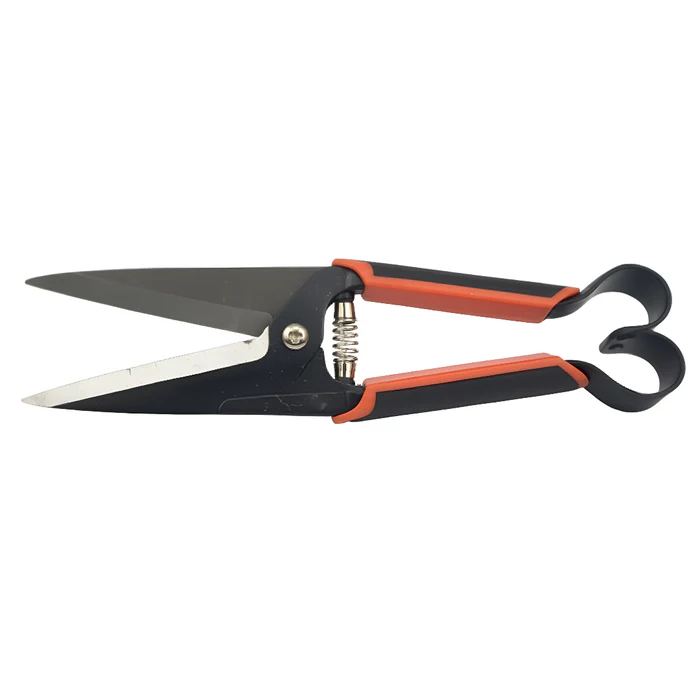
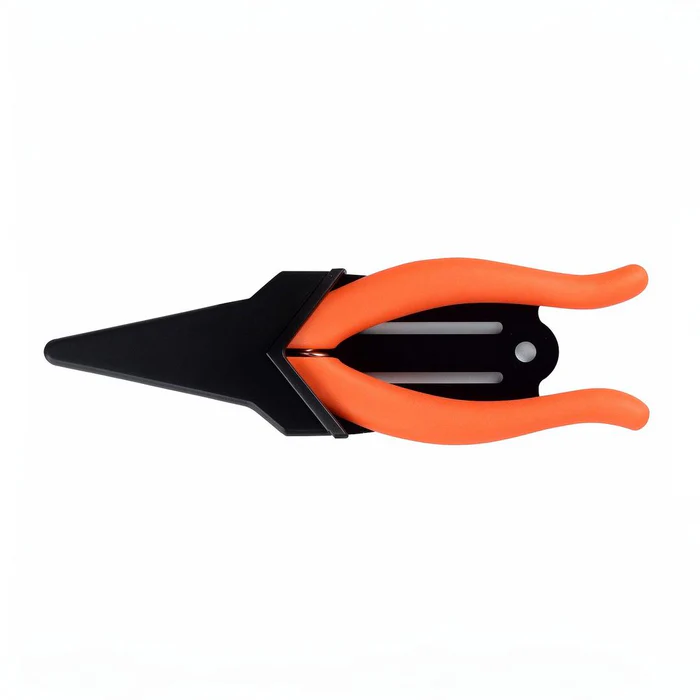
When precision and ease matter most, the RYSET Large Picking Snip delivers clean, efficient cuts every time. Designed for gardeners, growers, and horticultural professionals, this high-quality snip features sharp 62mm stainless steel bypass blades that glide smoothly through green stems, flowers, herbs, and soft fruit. Its lightweight plastic handle provides comfort and control during extended use, making it the perfect tool for delicate pruning and harvest work.
Best For: Home gardeners, greenhouse growers, nursery professionals, and vineyard workers who require a precise, lightweight, and comfortable tool for trimming, harvesting, and maintaining healthy plants.
This product is sold as a single Large Picking Snip with a 62mm blade.
| Brand | RYSET |
|---|---|
| Blade Length | 62mm |
| Blade Type | Stainless Steel Bypass |
| Handle Material | Durable Plastic |
| Colour | Orange/Black |
| Type | Handheld Picking Snip |
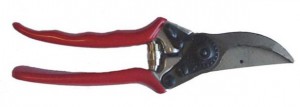
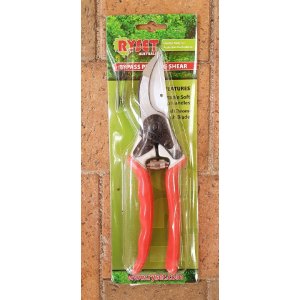
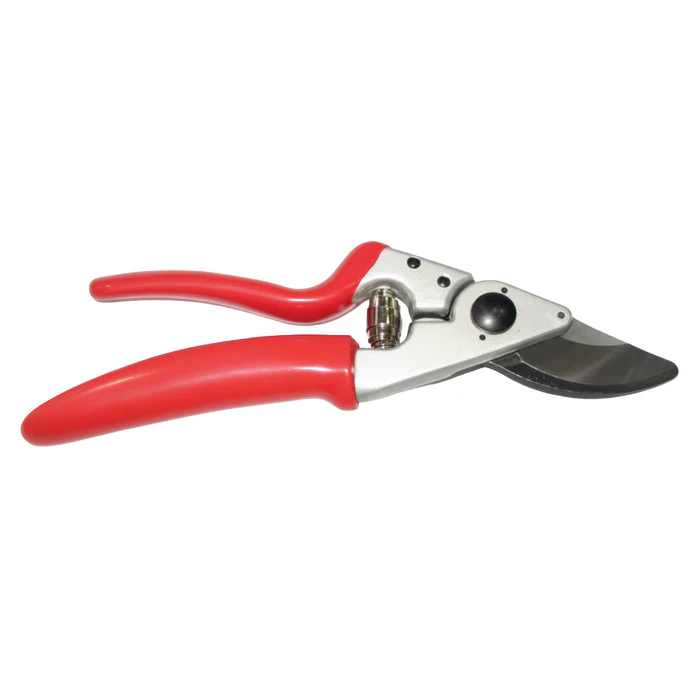
Bypass or Parrot-beak secateurs: as the name suggests the blade bypasses the counter blade to make a cut. (i.e. the action is similar to scissors). ?One blade is convex and the other concave. The main reason you would use the bypass to cut smaller branches and dense foliage as the blades are thinner and allow easier manoeuvrability e.g. with vines or roses.
Anvil secateurs: Have an upper blade which pushes down to an anvil counter blade (i.e. they close to a flat surface). The blade is bigger than the Bypass and the action tends to slice rather than squash the branch. Anvil secateurs will give a clean cut. Anvil is used for softer wooded trees and plants like Cherries, Pear and Olives.
Double-Blade secateurs: Have two identical blades if you compare to the anvil or bypass type? These secateurs make a cut by slicing the branch from two sides of the stem. Since you are cutting equally from both sides you tend to finish the cut in the middle of the stem where a lip is present. The reason for the lip at the end of the stem is to create angles each side and ensure that no water can settle on the cut to help the wound heal without the added risk of infection.
When you use secateurs on a regular basis you need to take into account the clunk/jarring factor to reduce the impact for RSI (Repetitive Strain Injury) purposes of each of these models:
The clunk or jar factor is what you feel at the end of a cut. A bypass secateurs gives the biggest clunk and you find these types of secateurs are not the choice of Arborists. Whereas Double-blade type secateurs have some jarring and the Anvil has no jarring at all and is usually the choice for Arborists.
What else to look for when choosing the right secateurs?
Everyone has a different sized-hands and secateurs are made in a facade of different sizes and shapes. Feel the secateurs in your hands open and close them like you are making a cut and feel if your hand can extend the reach of the handles when open. ?Rolling handles may be an option or not. The rolling handle model are usually more expensive and may not be better for the fit of your hand.
Everyone has a different sized-hands and secateurs are made in a facade of different sizes and shapes. ?Feel the secateurs in your hands open and close them like you are making a cut and feel if your hand can extend the reach of the handles when open. ?Rolling handles may be an option or not. The rolling handle model are usually more expensive and may not be better for the fit of your hand.
Here are some other facts about secateurs:
The next time you look for secateurs, take into consideration the application and frequency of use. ?Choose what is comfortable and practical for your application!
More about:
INFORMATION SHEET - THE OLIVE CENTRE
Girdling is a readily used practice in citrus and stone fruit orchards where it is typically used as a technique to increase fruit size.
Biennial bearing can be a serious problem in olive trees which can result in heavy crop losses to producers. Under non-irrigated conditions, yields can fall substantially or drop to zero making the production year uneconomical to harvest. Girdling may be a practice if done under the right conditions and timing could increase the production of an olive tree.
What does Girdling or cincturing involve?
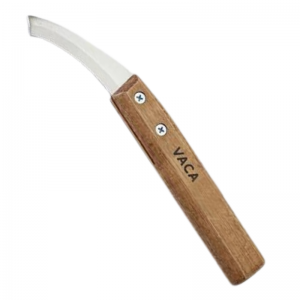
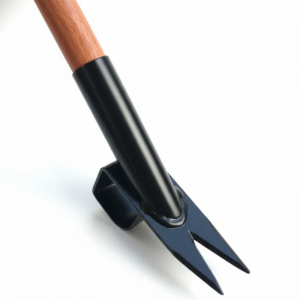
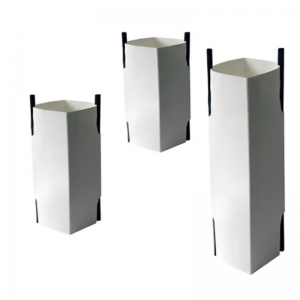
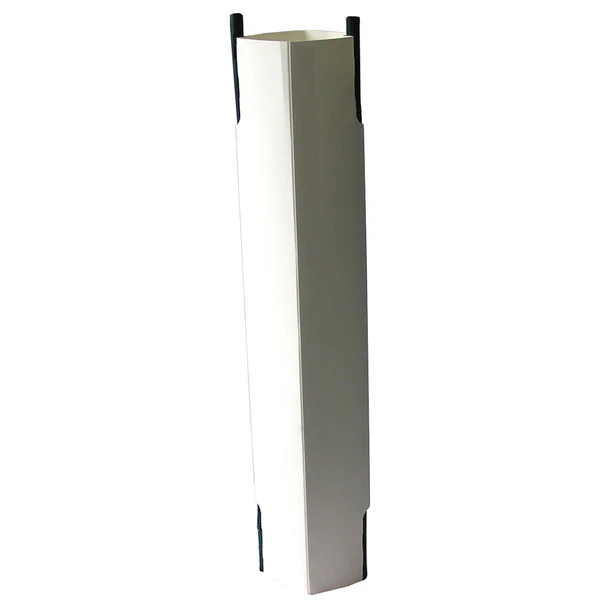
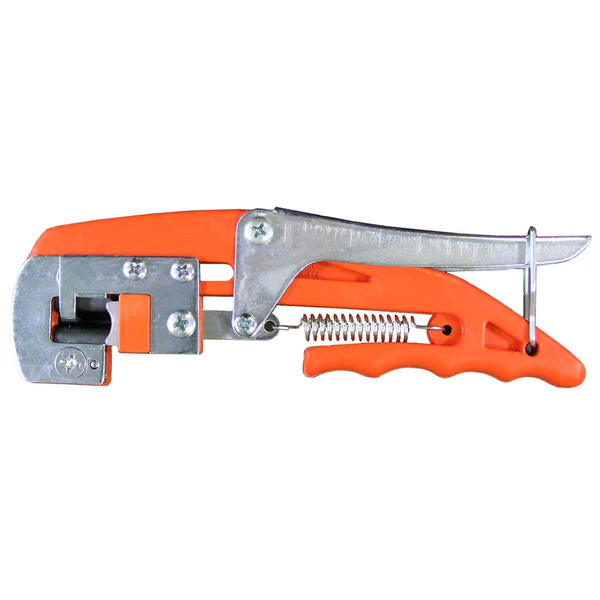
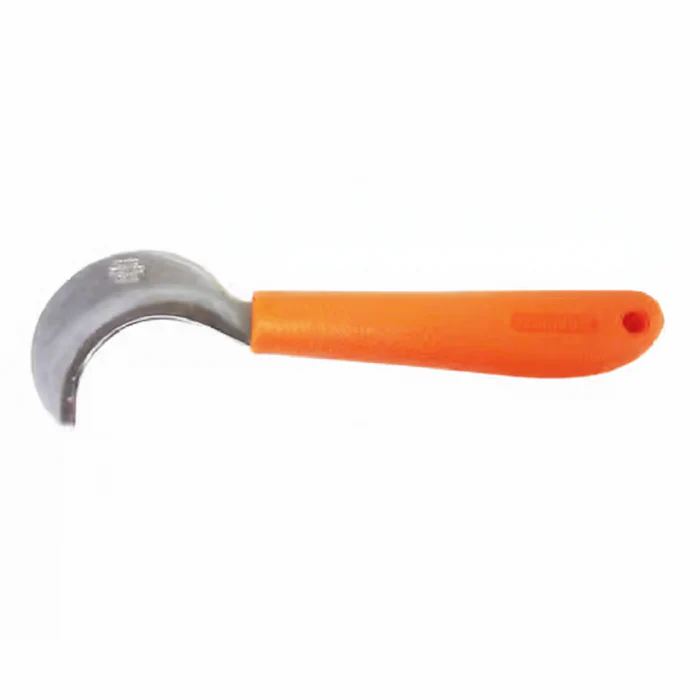
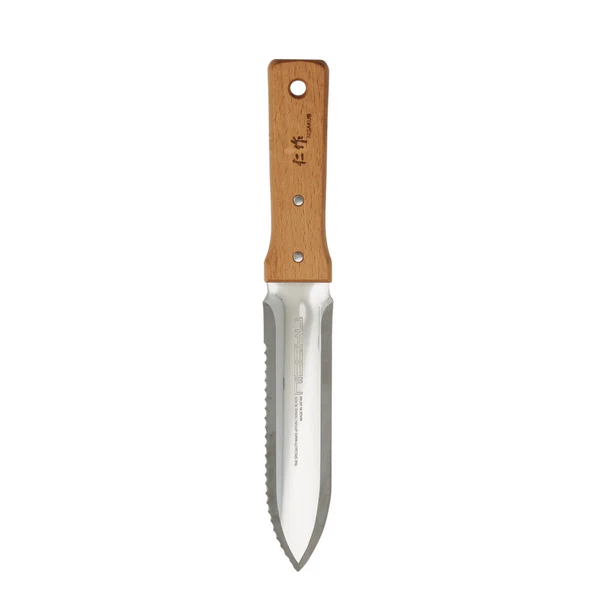
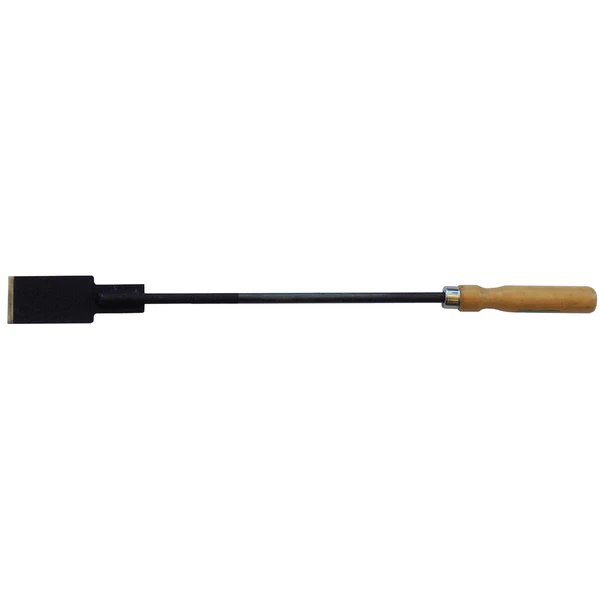
Girdling also known as cincturing which is a horticultural practice involving eliminating up to a 1.5cm strip of bark around the trunk to stop the translocation of photosynthates to the root system. A girdling knife or cincturing tool is used to cut the bark of the olive tree.
Researchers in Israel* found that 15mm scaffolds covered with CaCO3 mineral oil and wax or PVC cover were most effective in facilitating wound healing. PVC treatment was more rapid in wound healing. During the first prevailing year after girdling found a 40% in increase yield. Another study from Spain~ that looked into optimal widths and timing found that removing a 15mm band of bark 30 days before full bloom increased the fruit weight from 3.9g in the ungirdled trial to 4.7g.
Wounds with untreated scaffolds in the Israel study saw a drop in yield.
The width of the scaffold and healing duration as well as the time of year in which the girdling was carried out all had bearing on an increase or decrease in production. The Israel study found that girdling olive trees increased the yield in the season following treatment with later girdling causing an increase in fruit set only.
Several scaffolds were used in the studies from 30mm to 5mm where the 5mm girdles were reported to heal too quickly and had no effect on increased production.
It was also noted that trees that were about to produce a high yield did not respond to girdling and in some cases actually reduced the yield. Long-term studies need to be conducted to ascertain if alternate scaffold girdling should be considered.
The studies were interesting because there is potential that girdling practiced correctly in an olive grove may have a positive outcome for increased yield output however, the width of the girdle, healing timing, and time of year need to be taken into account when considering employing this technique in a commercial grove and can also have a positive effect on production in the alternate bearing years.
* STUDY
*S. Lavee, A Hadkal, Y Ben Tal
Department ofOiei and Viticulture, ARO, Volcani Center, Bet Dagan, Israel
ABSTRACT
The effect of scaffold girdling on the productivity of olive trees was studied on four cultivars grown under intensive irrigated conditions. Girdling increased the yield when done in midwinter (December-February) and to a lesser extent in April. A girdling width of 10-15 mm covered with PVC tape was most effective and promoted rapid healing. Uncovered girdling wounds healed very slowly, with a resultant decline of the scaffold. Girdling increased both inflorescence formation and fruit set. With cv Manzanillo young scaffolds were more responsive than old ones. The responses of different scaffolds on the same tree to girdling were independent of each other. The degree of response of a scaffold to girdling depended on the potential yield of the scaffold in the year of treatment. No direct prevailing effect of the girdling on of the following year's yield was noted.
Read the full study: Girdling olive trees, a partial solution to biennial bearing. I. Methods, timing and direct tree response: Journal of Horticultural Science: Vol 58, No 2
~ STUDY
López-Rivares, E. P. ; Suárez-García, M. P.
Escuela Universitaria de Ingeniería Técnica Agrícola, Seville, Spain.
ABSTRACT
Six-year-old multi-trunk olive trees (cv. Manzanilla) growing under controlled irrigation in an 'off' year were girdled at monthly intervals from 15 Dec. to 15 Apr., removing 10 mm-wide rings of bark. In a separate trial, trees of the same cultivar growing under similar conditions were girdled by removing a 5-, 10- or 15-mm-wide ring of bark in Apr., i.e. a month before full bloom. Ungirdled trees served as controls. Girdling date had no significant effect on either flowering or fruit set. Removing a 15-mm-band of bark at 30 days before full bloom increased individual fruit weight from 3.9 g in the ungirdled control to 4.7 g.
Read the full study: Olive tree girdling: optimum timing and widths.
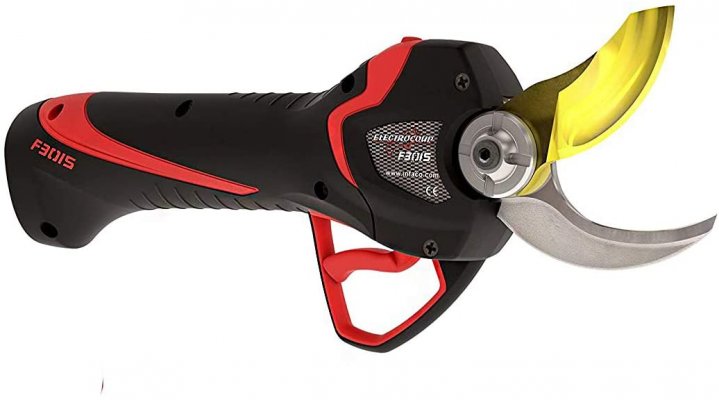
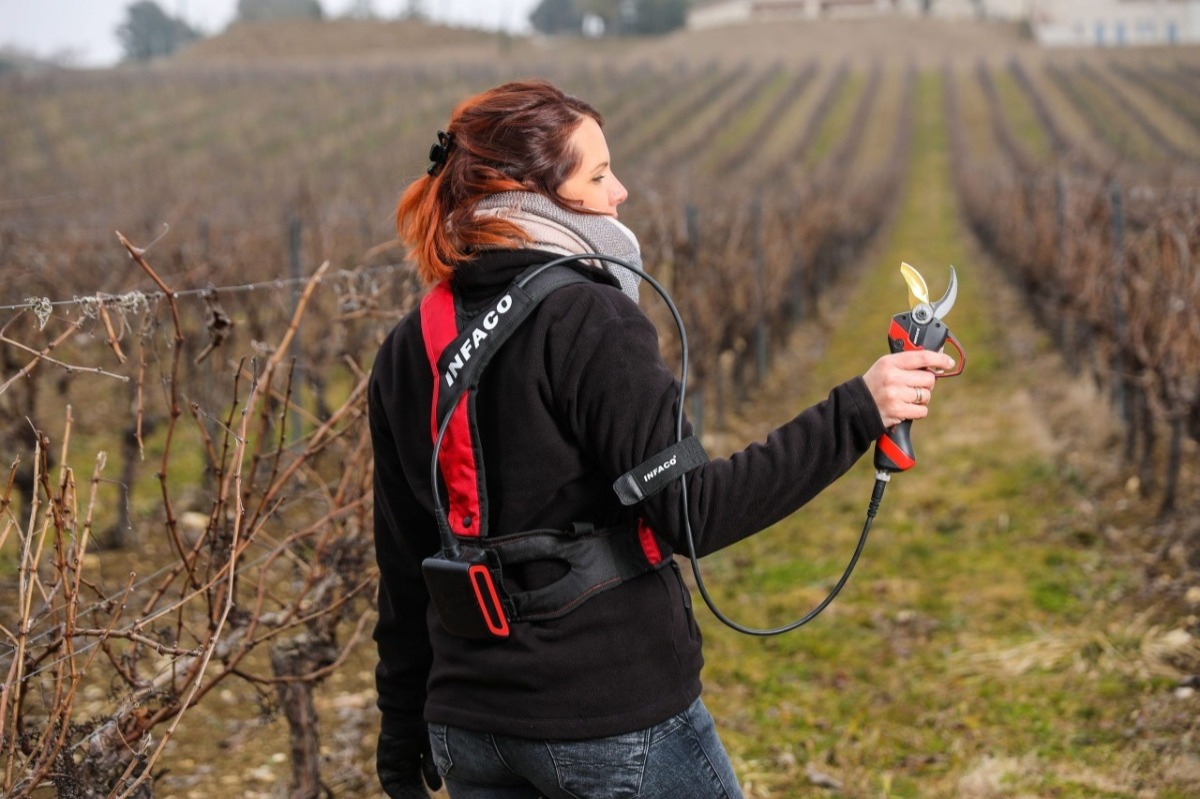
The F3020 Electrocoup Electric Pruner
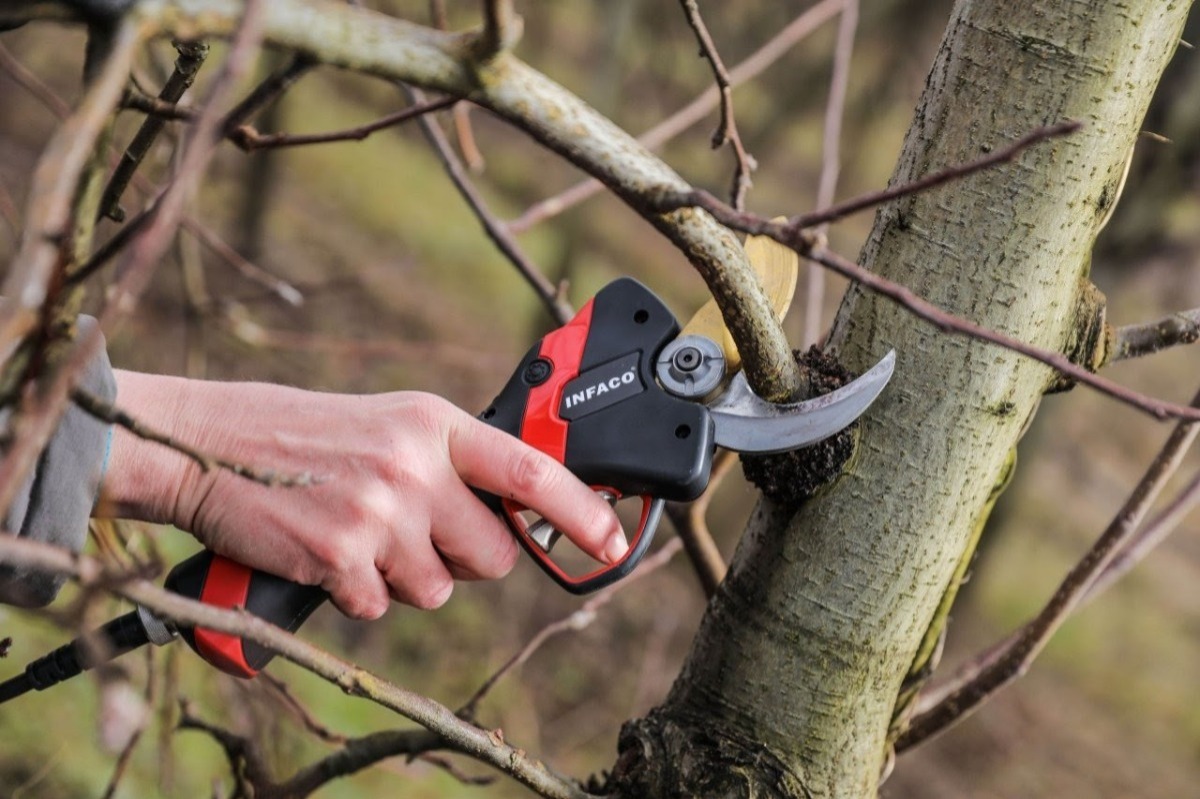
INFACO is proud to present the latest, most technologically advanced electric shears on the market.
The Electrocoup F3020 offers a technologically advanced secateur packed with a multitude of features.
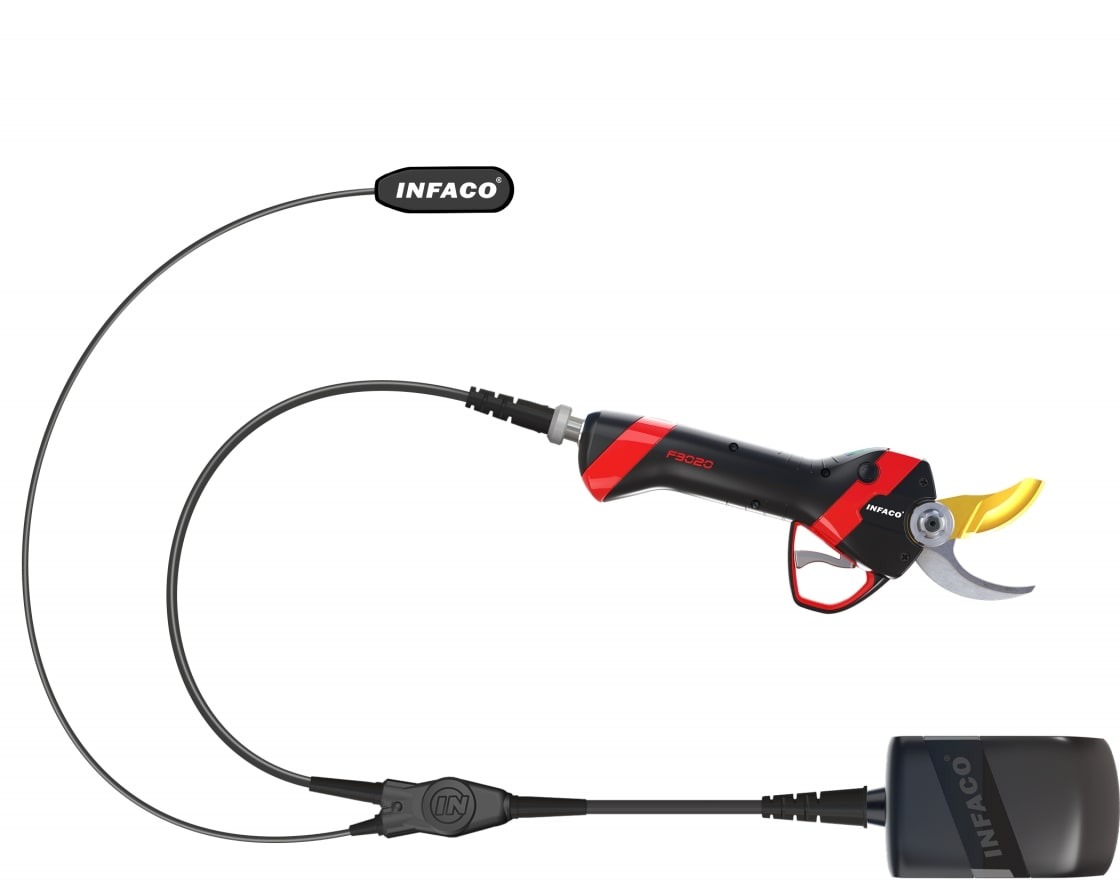
The F3020 Electrocoup weighs less and is more compact, which offers improved efficiency and faster-cutting speed, making the new generation F3020 a total advancement in features. The separate battery and shear design ensures the handpiece has minimal weight, maximising ergonomics, reducing fatigue, and providing a streamlined, efficient day of pruning.
____________________________________________________________________
____________________________________________________________________
____________________________________________________________________
The Electrocoup F3020 pruners are now fitted with some of the most hi-tech and powerful microcontrollers in the market that are used in mobile phones and computer technology. This technology results in improved user function and innovation, enabling more data to be compiled and analysed by the pruning shear to improve the F3020 performance.
Progressive Blade Advance at Full Speed (+15% vs F3015)
The Standard mode is for experienced users and for those who are willing to take full advantage of the tool's increased cutting speed capabilities.
____________________________________________________________________
Progressive Blade Advance is at a slightly reduced speed
The Soft Mode is for users who prefer a slower cutting speed or beginners who are new to the trade. Same speed as the previous model F3015. (Refer to the video to see soft mode in operation.
____________________________________________________________________
The new patented shear holder provides the cutting head protection and storage in just two actions.
Available for Standard and Medium heads.
** Fitted with Quick Lock-Unlock
The removable accessory holder is included with your F3020 kit and allows you to store your smartphone within easy reach.
A large zipped central pocket guarantees safe storage of sharpening stone, burnishing tools, etc.
The Electrocoup F3020's new Cobalt L100B Lithium-ion battery weighs just 698 grams compared to 810 grams from the F3015. Its voltage is now 36 Volts as compared to the 48 Volts*** on the old F3015 model. However, the 48V battery from previous units is compatible with the new F3020. We can offer an optional 48V battery if you would like to make your previous units cross-compatible.
Its sleek design and small footprint will give you a day of pruning without recharging. With its versatile carrying system, the F3020 battery can be easily slipped into the user's pocket or clipped to a belt, giving the user an effortless pruning experience.
Battery used with Shoulder Straps and Waist Belt
Battery Used with Waistbelt Only
Battery Clipped on to Trousers
How long does it take to charge the battery?
The new F3020 Chargers are designed to charge the battery in 2 hours. Similar to its predecessor, the new charger enables the battery to be charged up to 90% in 1.5 hours and a full charge is achieved in 2 hours.
Can the battery remain on the vest while charging?
The new connector plug allows for the battery to be charged while on the vest, making it more practical and easier to use.
How does the Battery Sleep Mode work?
The "Sleep Function" on the charger helps the battery fall into an extended storage state, thus optimising its storage life. Recharging the battery is no longer required during the off-season. Just press the sleep button once after the pruning season, and it does its thing for the next few hours. Once the sleep process is complete, the battery can be stored in its case in a cool, dry place until the following season.
Infaco, the manufacturer of the Electrocoups, have always prioritised user safety over the years. A true pioneer in technology, the company has continually invested time and resources to ensure an innovative and safe experience for its users operating the Electrocoups. Today, the all-new Electrocoup F3020 comes fitted with the wireless DSES system and is a standard feature on all units.
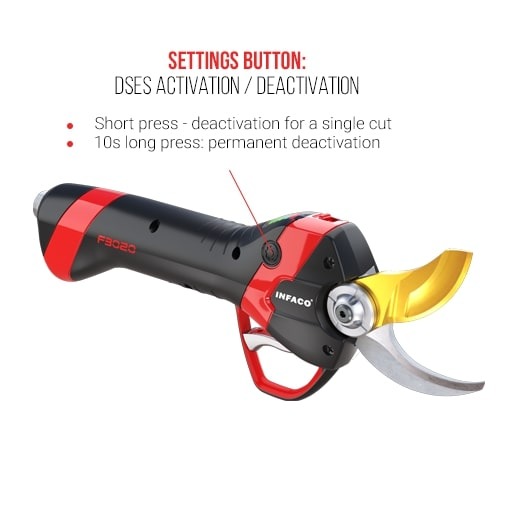
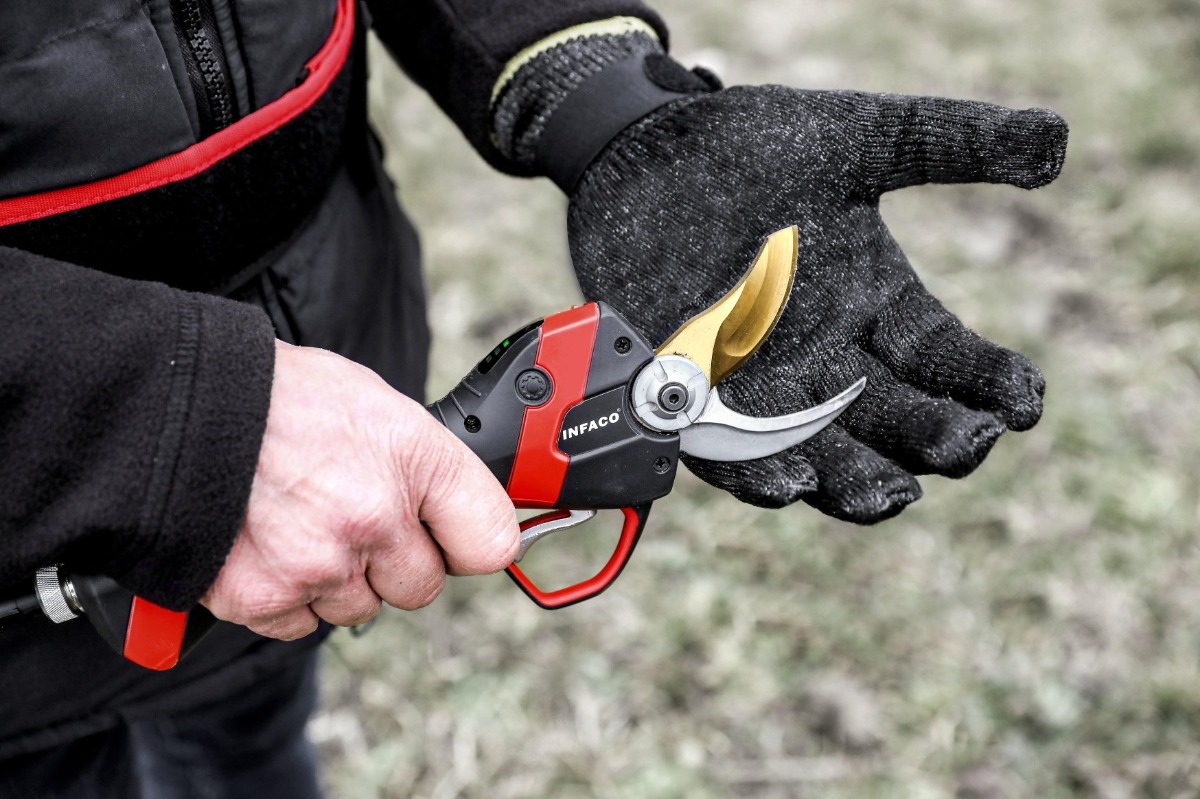
The Wireless DSES system comprises a conductive metal trigger enabling a connection between the user's body and the pruner's patented electronic system. While operating, if and when the cutting head touches any part of the opposite hand, the pruning shear blade opens instantly, thereby preventing accidents.
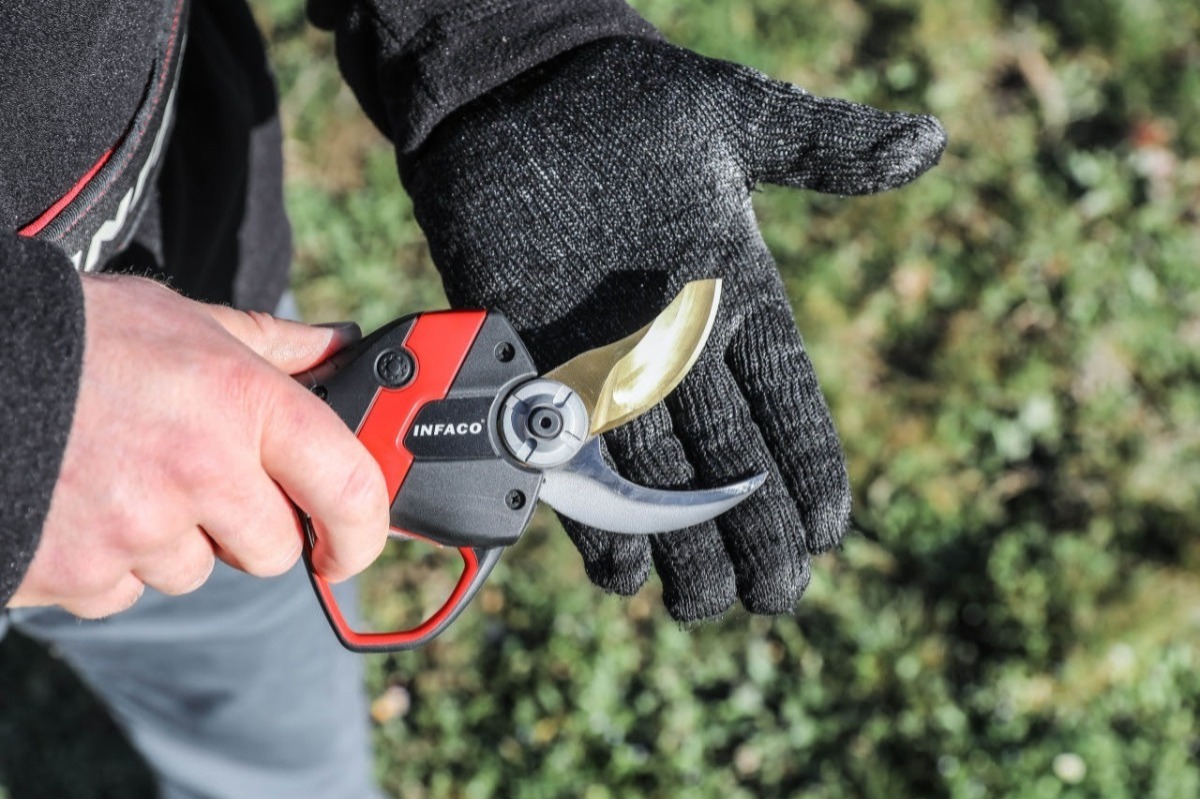
The Wireless DSES system operates in direct contact with the skin. However, each individual has their own level of conductivity. In order to achieve a continuous level of high conductivity and better protection, INFACO recommends the use of its special conductive gloves.
The Wireless DSES system may sometimes trigger unintended opens on damp wood, sappy wood or when close to the ground. To prevent this from happening, users now have the option of turning OFF & ON the DSES feature when required, using the settings button.
Contrary to the wireless system, the wired DSES option requires the user to wear the conductive glove that is physically connected to the handpiece by a power supply cable. The wired DSES system provides the user the same protection while reducing unintentional opening of the blade because of damp or sappy wood.
Similar to its most recent predecessors, Electrocoups remain the only shears in the world with 3 interchangeable heads with adjustable blade opening and DSES safety systems. One of the tool's main assets is its versatility to use multiple cutting heads. With the options of the Standard Kit, Medium Kit or the Maxi Kit, users can easily swap the heads over in under 5 mins to meet the demands of the cutting application. Kits are optional and not part of the standard kit. Please ask for details.
Ideal for pruning grapevines and orchard pruning. This kit achieves the highest results for cutting rate and power.
Designed especially for fruit growers, forestry, and landscaping. This kit offers a higher cutting capacity while maintaining speed for relevant applications.
Perfect for cutting back vines, shaping fruit trees, and tree lopping. This kit with a single-piece blade-rack combo will give unrivaled cutting capacity.
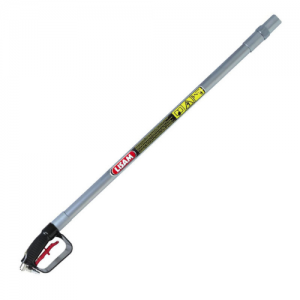
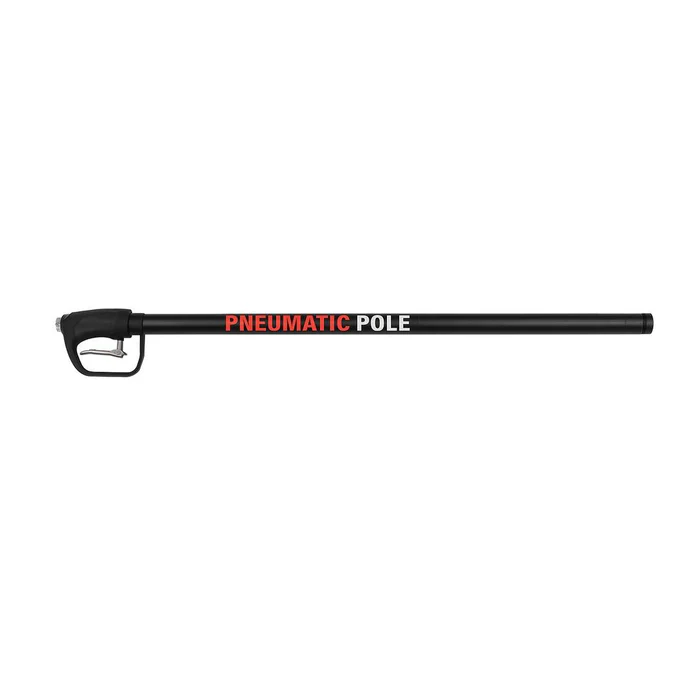
Infaco's design engineers have completely revolutionized the pole system by creating an ergonomic and innovative solution. There are 2 different kinds of pole options available with this new model. First option is the pole can be connected to the battery through a cord and the second option is the battery can be plugged in at the bottom of the pole. Both options have the cord on the sliding handle eliminated and replaced by a more advanced wireless Bluetooth technology making it easy and convenient to use.
Pole size options in the image to right.
____________________________________________________________________
Extension Pole with Wired Battery Connection
Extension Pole with Plug In Battery
Battery not included with Pole
____________________________________________________________________
Regular blade sharpening reduces the cutting force exerted on the motor of the Electrocoup and also helps to reduce motor stress. Infaco recommends the use of the optional electric sharpener to help keep the blade profile sharp. Thanks to its 3-pin connector plug, the A48V3 electric sharpener is now compatible with the Electrocoup F3005, F3010, F3015, and F3020 batteries. It saves significant time on daily sharpening and maintains a good cutting profile on the blade.
See video at 1:02 for the A48V3 Electric Sharpener in action.
The new tungsten carbide burnisher helps maintain a good cutting edge on the blade. A sharp blade guarantees a good, clean cut and reduces the risk of spreading wood diseases. In addition to 2 recommended daily sharpening sessions with the stone, it is also advised to use the new Carbide Burnisher to maintain a sharp edge on the blade for a good, clean cut.
With the latest innovations in wireless connectivity, the Electrocoup F3020 pruning shears can be connected to the newly designed INFACO mobile app (available exclusively on Android and iOS compatible smartphones) through the Bluetooth Control Box.
The app provides a wide array of features that assist Electrocoup users in day-to-day operations:
The app also allows users (without the Bluetooth Control Box)
SMART PRUNING FOR STRONGER, HIGHER-YIELD OLIVE TREES
By Marcelo Berlanda, Agronomist & Consultant for The Olive Centre
“Olive trees must put out fresh growth each year to produce fruit.”
Training shapes the tree to support efficient harvesting and encourage early production
When trees reach the canopy size best suited to their environment, yields may begin to drop. This often happens because the inner canopy receives limited sunlight, leading to leaf loss and a reduced Leaf-to-Wood Ratio. If a tree grows beyond its ideal size, it creates challenges for mechanical harvesters. Excess height and width, along with thick branches, can strain or damage harvesting equipment, reduce fruit removal efficiency, and slow the harvest. Because olive trees need to produce new shoots annually to maintain fruiting, consistent growth is essential—and pruning becomes an important management practice. Pruning improves fruit size, oil content, light penetration, and the Leaf-to-Wood Ratio. It also stimulates fresh growth and lowers water and fertiliser demand.
1- TREE TRAINING
Purpose: Establish early productivity with stronger yields, extend the productive lifespan of the tree, enhance fruit quality, and prepare trees for the harvesting system used in the grove.
Timing: Training occurs within the first three years of the tree’s development.
In the first year, pruning is minimal (assuming nursery trees arrive with a good structure). Remove lower or overly vigorous branches that compete with the central leader. The goal is to maintain an upright main trunk with outward-growing horizontal branches. Water shoots should be removed so they do not compete for nutrients and moisture.
During the second and third years, gradually remove lower branches below approximately 600–1000 mm.
A balance is essential. Removing too much canopy reduces the tree’s photosynthetic area, slowing its progress until new growth resumes.
Light pruning involves removing only small sections of foliage (such as a few short shoots), which keeps the tree stable. This can be done from August through late May.
Heavy pruning removes larger amounts of foliage, prompting a stronger regrowth response but also increasing frost risk. Heavy cuts should generally be delayed until late September unless conditions are warm enough to begin earlier.
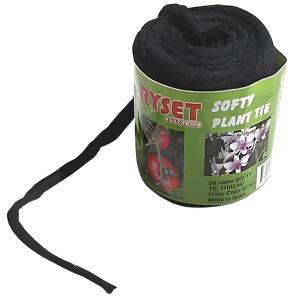
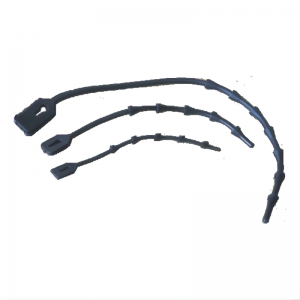
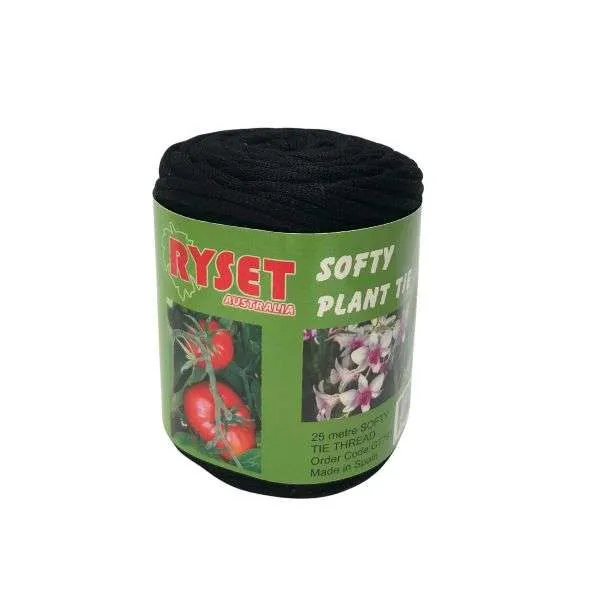
Tree training may also include tying and skirting as part of shaping and preparation.
2- PRODUCTION
Young trees contain many non-productive branches because they are still actively growing. Once these branches mature and begin producing fruit, they eventually become exhausted and stop fruiting. At that point, they need to be removed to make room for new productive growth and renewal of the canopy.
LoIf the bloom is light, pruning should focus mainly on non-productive wood to preserve as much fruiting potential as possible. In years with heavy bloom, pruning can be more assertive without significantly reducing the crop.
Timing: From bud break through early December.
3- AFTER HARVEST (CLEANING)
The goal at this stage is to remove large damaged branches left behind after mechanical harvest. This step can be postponed by applying copper after harvest and waiting until spring to remove the affected wood.
Read More: ● Marcelo Berlanda ● Mechanical Pruning ● Mechanical Harvesting
Marcelo Berlanda’s “Pruning for Production” guide highlighted why olive pruning is vital to sustain yields. This article builds on that foundation, focusing on how to encourage the growth of productive fruiting wood in Australian olive groves.
Olive trees bear fruit on one-year-old shoots – the growth produced in the previous season. Ensuring a steady supply of these young, fruitful shoots each year is critical for consistent yields. Without renewal, canopies fill with aging wood that carries fewer leaves and buds, leading to lower productivity. Pruning is therefore geared toward a few fundamental objectives :
Understanding how and when olive fruiting buds form helps refine pruning practices. Unlike deciduous fruit trees, olives do not have a true winter dormancy – their buds remain in a state of quiescence and will grow when conditions permit. Flower buds initiate relatively late: studies have shown that olive buds begin differentiating into inflorescences about 2 months before bloom (around late winter/early spring in the local climate). This means the buds on this year’s spring flowering shoots were formed in the late summer or autumn of last year, on the previous year’s wood. Crucially, those buds needed sufficient resources and light while they were forming.
Several physiological factors influence fruitful bud development:
Takeaway: Productive fruiting wood arises from a balance – neither too vegetative nor too weak – and it needs sunlight. Pruning is the tool to create that balance by removing what’s unproductive and making space for fruitful shoots under the right environmental conditions.
Having set the physiological context, we now turn to pruning methods that encourage renewal of fruiting wood. The approach will vary with the age of the tree and the orchard system (traditional vs. high-density), but several general principles apply:
By applying these pruning techniques, growers encourage a continuous supply of young fruiting wood while avoiding the pitfalls of over-pruning. The result is a tree that renews itself gradually: always plenty of 1-year shoots ready for the next crop, and no big shocks to the tree’s system.
Olive orchards in Australia range from traditional low-density plantings to modern high-density (HD) and super-high-density (SHD) groves. The principles of fruiting wood renewal apply to all, but the methods and intensity of pruning are adjusted to each system’s needs :
In summary, the pruning strategy must fit the system: gentle but regular for intensive hedges, somewhat heavier but less frequent for large traditional trees, and always aimed at keeping enough young wood in the pipeline. Regardless of system, the fundamentals remain: capture sunlight, encourage new shoots, and remove what’s unproductive.
Pruning not only influences yields – it also plays a significant role in Integrated Pest and Disease Management (IPDM). A well-pruned olive canopy is generally healthier and easier to protect. Here’s how encouraging productive wood ties in with pest and disease considerations:
In summary, a sound pruning regimen is a cornerstone of IPM in olives. It reduces pest and disease pressure naturally by altering the micro-environment and improving the efficacy of other controls. Always balance the need for opening the canopy with the tree’s productive capacity – a healthy medium density (not too sparse) is the target, so that you don’t invite sunscald or stress. With those caveats, pruning is one of the most cost-effective pest management tools a grower has.
Beyond pruning itself, several environmental and cultural factors influence how well an olive tree can produce new, fruitful wood. Understanding these helps growers create conditions that favour the continual renewal of fruiting shoots:
In summary, productive fruiting wood is not just about cutting branches – it’s the outcome of the whole orchard management system. Pruning is the mechanical stimulus, but water, nutrients, and overall tree stress levels determine how the tree responds. The best results come when pruning is synced with these factors: prune to shape the growth, irrigate and fertilise to support it (but not overdo it), and protect the tree from stresses that could derail the process. By doing so, growers in Australia can maintain olive canopies that are youthful, vigorous, and laden with fruitful shoots year after year.
Encouraging productive fruiting wood in olives is both an art and a science. The art lies in “reading” the tree – knowing which branches to remove and which to spare – while the science lies in understanding olive physiology and applying evidence-based practices. In this follow-up to Marcelo Berlanda’s pruning guide, we have underlined the key strategies:
Sources: This article integrates findings from peer-reviewed studies and reputable industry publications, including research by Gómez-del-Campo et al. on light and yield distribution, Tombesi and Connor on pruning and olive physiology, Rousseaux et al. on bud dormancy and flowering, and Australian olive industry resources (NSW DPI, AOA IPDM manual) on best practices. These sources reinforce the recommendations above and ensure advice is aligned with the latest understanding of olive tree management.