Adjustable Steel Bulb Planter
Delivery not included
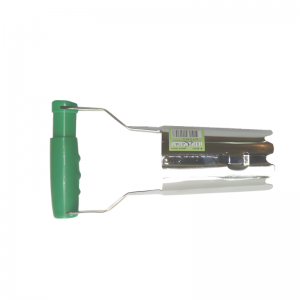
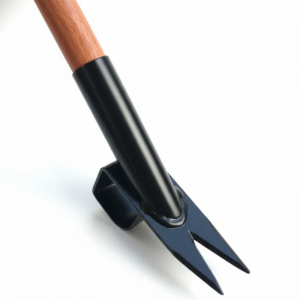
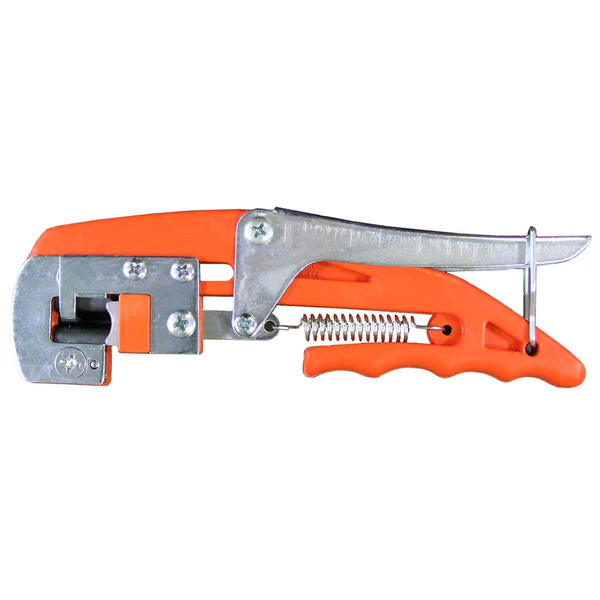
Heavy-duty adjustable steel bulb planter designed for clean hole formation, controlled soil release, and consistent planting depth in garden and orchard environments.
Adjustable steel bulb planter with ergonomic handle, depth markings, and automatic soil release for efficient and uniform planting.
The Adjustable Steel Bulb Planter is a durable and practical planting tool developed to simplify bulb and seedling planting while reducing manual effort. Manufactured from high-hardness steel, this planter is built to withstand repeated use in garden and light agricultural soils without bending or deforming over time. Its adjustable handle and blade mechanism allow soil to be released cleanly from the tool after insertion, speeding up planting and improving workflow efficiency.
Integrated depth markings help achieve uniform planting depth, supporting consistent plant growth and professional results. The ergonomically designed handle provides a comfortable grip and improved control, while the balanced construction keeps the tool lightweight and easy to carry during extended planting tasks.
Where this product is used
This bulb planter is used in home gardens, orchards, nurseries, and small agricultural settings. It is suitable for planting flower bulbs, vegetable seedlings, and young plants where accurate depth control, clean holes, and ease of use are important.
Adjustable Steel Bulb Planter – Technical Specifications
| Specification |
Details |
| Product type |
Manual bulb planter |
| Material |
Steel body with ergonomic handle |
| Soil release system |
Adjustable handle and blade mechanism |
| Depth marking |
Integrated depth indicators |
| Overall dimensions |
25 × 13.2 × 6.2 cm |
| Unit weight |
1.3 kg |
Why choose this product
This adjustable steel bulb planter is designed to deliver consistent planting results with minimal effort. The automatic soil release mechanism enhances efficiency, the depth markings facilitate uniform planting, and the steel construction ensures a long service life. Its ergonomic handle design enhances comfort, making it suitable for both casual gardeners and regular planting tasks.
Guidelines on Using
Insert the planter vertically into prepared soil to the desired depth using the depth markings as a guide. Squeeze the handles to release the soil and remove the planter cleanly. Place the bulb or seedling, then refill the hole as required. Clean the planter after use and store it in a dry location to maintain durability.