My Account
Sign-in / Join

Sign-in

Hi My Account

Dashboard

Logout

Cart

My Shopping Cart

Subtotal
${{total.toFixed(2)}}
QUOTE

Canvas Fruit Picking Bag – 0.5 Bushel

Delivery charges apply
Bulk Discounts Prices
Quantity Price
1 $85.07
Quantity

DAGT969
  • Description
  • Features
  • Enquiry
  • Specifications
  • Knowledge
Canvas Fruit Picking Bag – 0.5 Bushel

Delivery charges apply

Durable and ergonomic canvas fruit picking bag designed for efficient, comfortable harvesting in orchards and gardens. The 0.5 bushel capacity makes it ideal for lighter loads and controlled picking, including olives and small fruit.

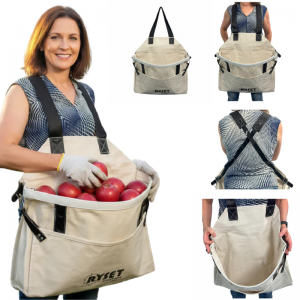
0.5 bushel canvas fruit picking bag with padded cross-over straps and long exit chute for comfortable harvesting.

The Canvas Fruit Picking Bag – 0.5 Bushel is a practical and robust harvesting solution designed for growers who require durability, comfort, and gentle fruit handling in a compact capacity. Constructed from heavy-duty canvas, the bag is built to withstand regular use in orchard and garden environments while maintaining its structure and reliability over time.

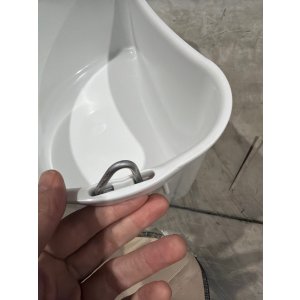
The padded cross-over shoulder straps distribute weight evenly across the body, reducing strain and fatigue during extended picking sessions. A plastic reinforcement hoop keeps the opening stable and open, allowing fast, hands-free picking. The long exit chute, secured with steel clips, enables controlled and gentle emptying of fruit into bins or containers, helping minimise bruising and product damage.

Where this product is used

This fruit picking bag is used in orchards, groves, and gardens for harvesting olives, apples, citrus, stone fruit, and similar produce. The 0.5 bushel size is particularly suited to lighter harvest loads and precision picking.
 

Canvas Fruit Picking Bag – 0.5 Bushel – Technical Specifications

Specification Details
Product type Fruit picking bag
Capacity 0.5 bushel
Material Heavy duty canvas
Strap design Padded cross-over shoulder straps
Exit system Long exit chute with steel clips
Reinforcement Plastic hoop to maintain bag opening

Why choose this product

The 0.5 bushel canvas fruit picking bag offers an excellent balance of durability and comfort for lighter harvesting tasks. Its ergonomic strap system reduces fatigue, while the reinforced opening and exit chute improve picking speed and fruit protection. This size is ideal for olives and other small fruit where controlled handling is essential.

Guidelines

Wear the bag using the padded cross-over straps and adjust for a secure fit. Pick fruit directly into the open bag supported by the reinforcement hoop. When ready to empty, release the steel clips on the exit chute and gently guide fruit into bins or containers. Clean and dry the bag after use to extend service life.

Frequently Asked Questions

 
General main key features

• Heavy-duty canvas for long-lasting use
• Padded straps for improved comfort
• Cross-over strap design for better weight distribution
• Long exit chute with steel clips for easy emptying
• Plastic reinforcement hoop to keep the opening stable
  • :
  • :
  • :
  • :
  • :

Enhancing Olive Harvesting with Advanced Mechanical Solutions
The study, which focused on the ‘Ortice’ and ‘Ortolana’ olive cultivars, found that this technology achieved a mechanical harvesting yield of approximately 97%, highlighting its potential to significantly enhance productivity and cost-effectiveness in modern olive farming. If you are looking for small-scale olive oil processing machines, olive oil processing machine prices, compact olive oil processing equipment for boutique groves, olive oil ex
Please log in to view the entire article

Mechanical Tree Shaker Preventive‑Maintenance Guide - HUB

Mechanical tree shakers are the backbone of modern olive and nut harvesting, delivering the high-frequency vibrations needed to detach fruit efficiently. But the same forces that maximise yield also put extreme stress on the machine itself. Without a structured preventive-maintenance program, vibration can quickly loosen fasteners, wear through hydraulic hoses, rub down electrical insulation, and accelerate pump and bearing failure.
Please log in to view the entire article
Cab%20record%20sheet%20-%20Mechanical%20Harvester.pdf

New Research Unlocks Olive Harvesting Efficiency For Better Fruit Removal - HUB

Mechanical trunk shakers have transformed olive harvesting in modern olive groves. A new study: Damping behaviour of olive trees under trunk shaking (Ghonimy, Alharbi & Ibrahim, 2025) provides growers with the first detailed breakdown of how vibration energy moves through olive trees and the soil beneath them. The findings reveal how attachment height, trunk diameter, and the tree-soil interaction determine whether ...
Please log in to view the entire article

The Essential Equipment Guide to Harvesting Olives

Harvesting is one of the most critical and labour-intensive stages in olive production, traditionally consuming up to 80% of orchard costs. Today, growers are turning to modern solutions that combine efficiency with fruit quality. From powerful mechanical trunk shakers and self-propelled buggies, to versatile electric and pneumatic harvesters, and essential tools like nets, rakes, and trailers.
Please log in to view the entire article

European Olive Oil Market Update: Production, Stocks, and Price Pressure

Spain and Italy report surging olive oil production and record stock levels, softening EU prices and reshaping global trade dynamics, with direct implications for Australia’s import-reliant market.
Please log in to view the entire article

The Svalbard Global Seed Vault Receives Olive Seeds for the First Time

OLIVE GENETIC PRESERVATION

The Svalbard Global Seed Vault Receives Olive Seeds for the First Time


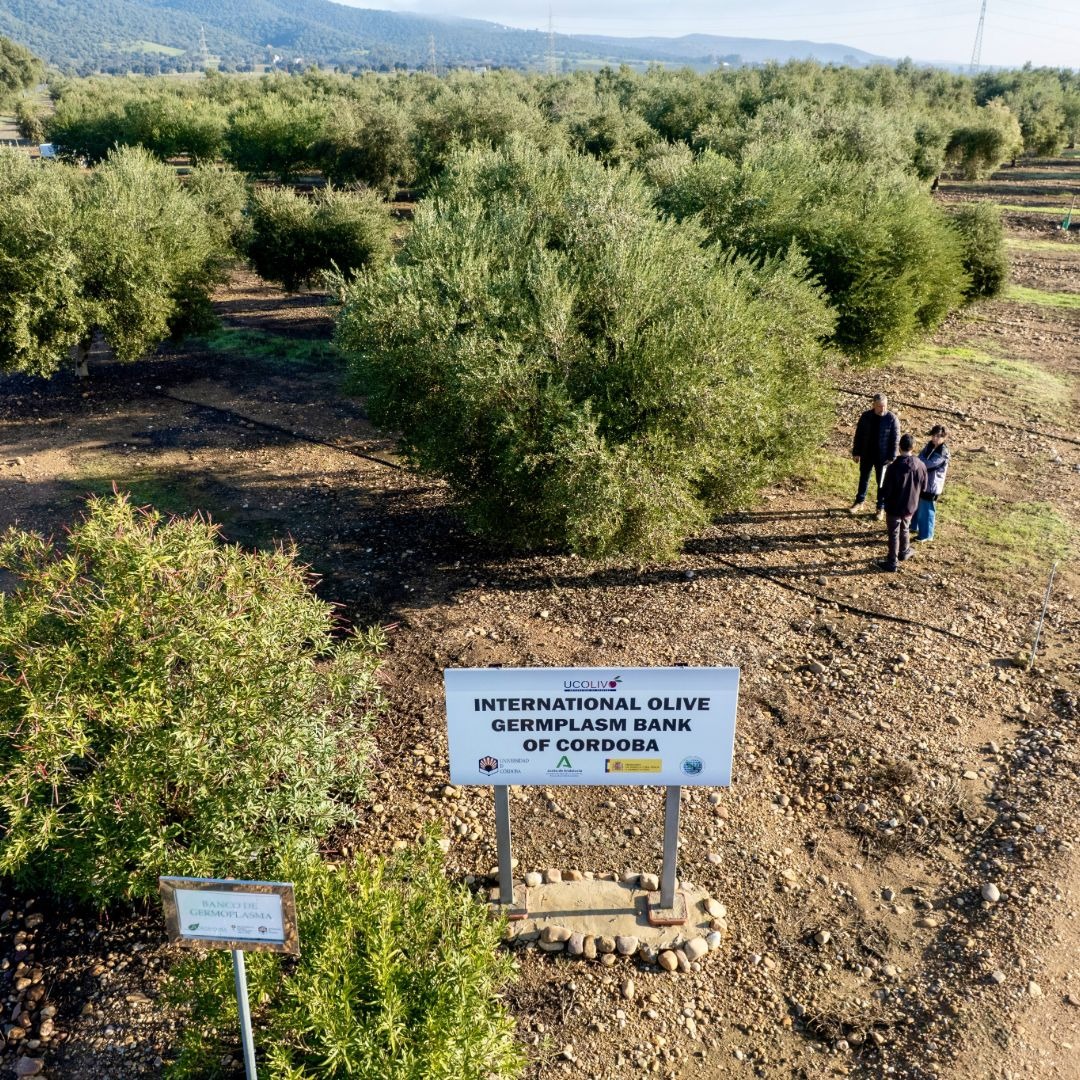
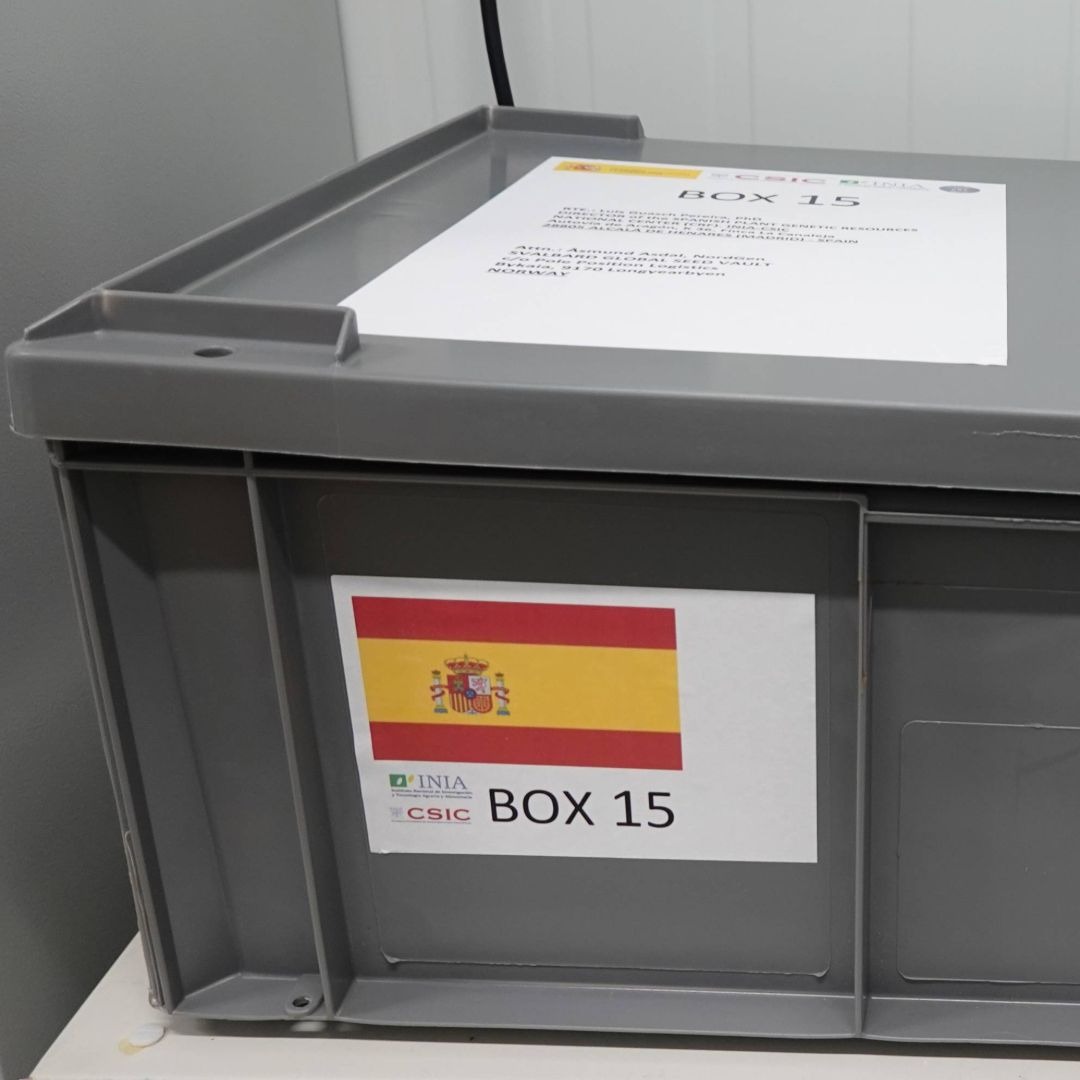
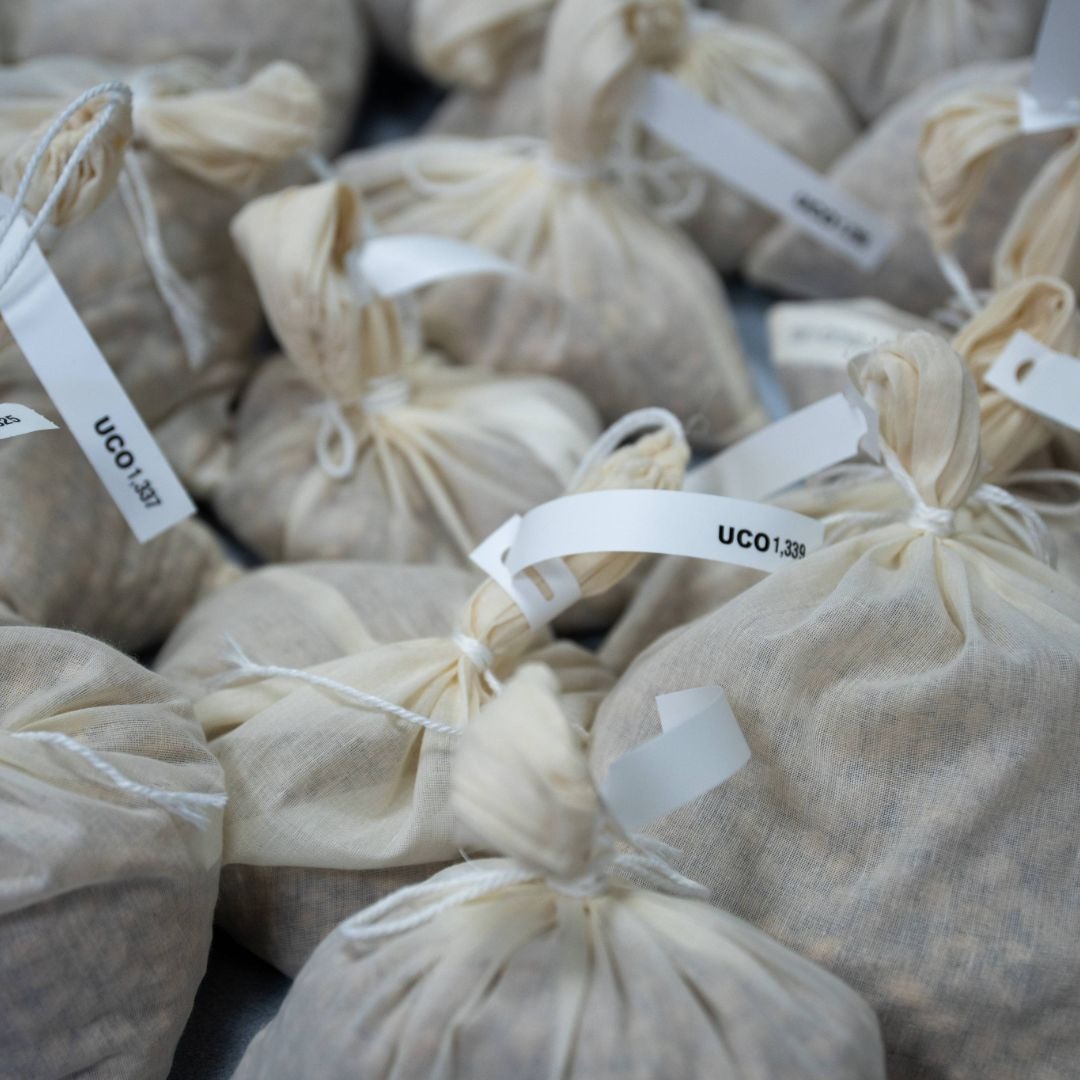
In a landmark moment for global agricultural preservation, olive seeds have been deposited for the first time in the Svalbard Global Seed Vault - the world’s most secure facility for safeguarding crop diversity.

Located deep within the Arctic permafrost of Norway’s Svalbard archipelago, the Seed Vault serves as a global backup system for the planet’s agricultural biodiversity. Often described as the “doomsday vault,” it protects seeds against the risks of climate change, natural disasters, conflict, and biodiversity loss.

Now, for the first time in history, olive seeds are part of that global legacy.

A Historic Milestone for the Olive Sector

The deposit marks a significant step forward in protecting one of the world’s most iconic and culturally important crops. Olive trees have sustained civilizations for thousands of years, symbolising peace, resilience and nourishment. Preserving their genetic diversity ensures that this legacy continues for generations to come.

Jaime Lillo Lopez, Executive Director of the International Olive Council (IOC), highlighted the importance of the moment:

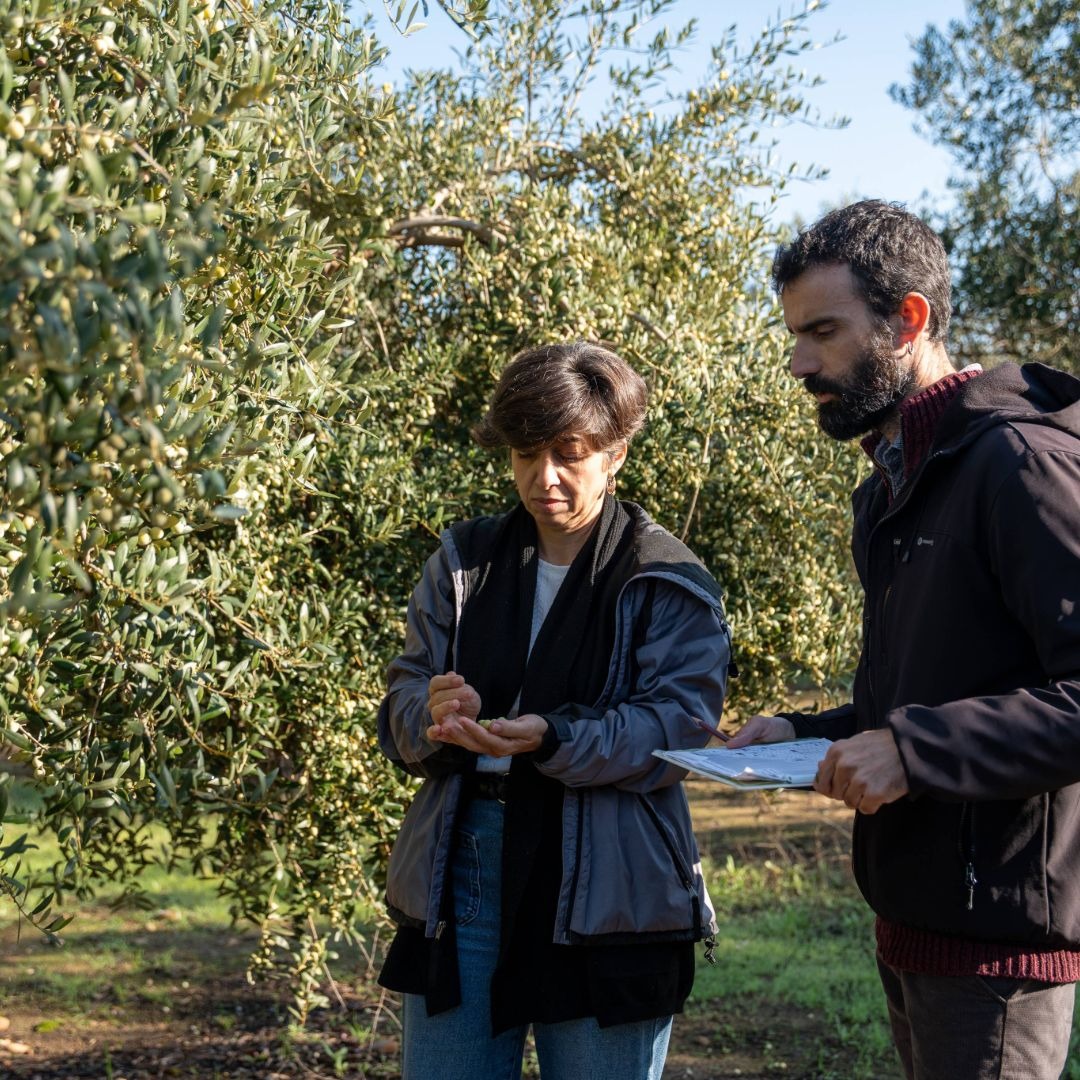
“The seeds we have deposited are the legacy of farmers who, throughout history, selected the most resistant trees - those that produced the best fruit or adapted to diverse soils, climates and diverse conditions. These seeds are a guarantee that future generations will continue to enjoy such an extraordinary product as olive oil.”

His words underscore what this deposit truly represents: not just seeds, but centuries of accumulated knowledge, adaptation, and agricultural selection.

A Global Collaboration for Agricultural Resilience


This initiative was launched within the framework of the European H2020 GEN4OLIVE project, a research programme dedicated to unlocking and conserving olive genetic diversity. It was subsequently promoted by the IOC, the Food and Agriculture Organization of the United Nations (FAO), and Spain’s Ministry of Agriculture, Fisheries and Food.

The collaboration extended to leading academic and research institutions, including:

  • Universidad de Córdoba (UCO)
  • Universidad de Granada (UGR)
  • Plant Genetic Resources Centre (CRF-INIA)
  • National Institute for Agricultural and Food Research and Technology (INIA)
  • Spanish National Research Council (CSIC)
This broad coalition demonstrates that conserving traditional and wild olive varieties is not merely a scientific exercise - it is a collective commitment to strengthening agricultural resilience and ensuring long-term food security.

Organisations such as NordGen and the Crop Trust, along with representatives including Juan Antonio Polo Palomino, Abderraouf Laajimi, Álvaro Toledo, Dr. Kent Nnadozie, Concepción Muñoz Diez, Hristofor Miho and Pablo Morello Parra, also played key roles in bringing this milestone to fruition.

Olive Genetics

For olive growers and producers worldwide, this development carries profound implications.

Olive trees are uniquely adapted to marginal soils, water scarcity, and variable climates. However, increasing pressures from:

  • Climate variability
  • Emerging pests and diseases
  • Water limitations
  • Soil degradation
  • Shifting production zones
Make genetic diversity more important than ever.

Traditional and wild olive varieties contain traits that may hold the key to:

  • Improved drought tolerance
  • Disease resistance
  • Adaptation to new climatic conditions
  • Enhanced oil quality characteristics
  • Resilience to environmental stress
By preserving these genetic resources in the Svalbard Global Seed Vault, the industry is effectively safeguarding a toolbox for future breeding, research and innovation.

From Mediterranean Heritage to Arctic Safeguard


The symbolic power of Mediterranean olive genetics being stored in Arctic ice is profound. It reflects the global importance of olives - no longer confined to traditional growing regions but increasingly cultivated across diverse climates worldwide.

As olive production expands into new regions, including areas facing climatic volatility, the value of preserved genetic material grows exponentially. The Svalbard deposit ensures that even in worst-case scenarios, the genetic foundation of the olive sector remains secure.

A Commitment Beyond Science

This initiative goes beyond seed banking.

It represents recognition that agricultural biodiversity is a shared global responsibility. Farmers, researchers, governments, and international organisations are united by a common understanding: safeguarding crop diversity is essential for future food systems.

The olive industry - deeply rooted in tradition - is demonstrating that it is equally committed to innovation, resilience and long-term stewardship.

Securing the Future of Olive Oil

For growers, processors, and industry stakeholders, this historic deposit sends a message: the olive sector is planning for the long term.

Preserving traditional and wild varieties ensures that future generations will continue to:

  • Cultivate olives in changing climates
  • Maintain oil quality standards
  • Protect regional characteristics and heritage
  • Develop improved cultivars
  • Sustain global olive oil production
The olive tree has endured for millennia. By placing its seeds in the world’s most secure seed vault, the global community has taken a decisive step to ensure it thrives for millennia more.

Solar Parks vs Olive Groves: What’s Really Happening in Spain’s “Sea of Olives”

Spain’s push for solar energy is creating tensions in Andalusia as photovoltaic projects overlap with major olive-growing landscapes.
Please log in to view the entire article

New Research Highlights the Health Value of Olive Oil Polyphenols

New clinical research shows olive oil polyphenols may improve metabolic health markers linked to cardiovascular disease and metabolic syndrome.
Please log in to view the entire article

Seed Oils vs Extra Virgin Olive Oil: What the Science Says

An evidence-based comparison shows extra virgin olive oil is more stable, less processed and richer in beneficial compounds than most seed oils.
Please log in to view the entire article

U.S. Olive Oil Market Faces Policy Crossroads as Standards, Tariffs and Trust Take Centre

U.S. Olive Oil Market Faces Policy Crossroads as Standards, Tariffs and Trust Take Centre Stage
Please log in to view the entire article

"Get Drizzling" 2026 - A National Marketing Campaign For Olive Oil

Get Drizzling 2026: The Chef’s Secret to Extraordinary Dishes The Australian Olive Oil Association’s 2026 Get Drizzling campaign returns this Autumn. Discover how a simple drizzle of olive oil transforms flavor and texture with insights from top chefs like Khanh Ong and Darren Robertson. Master the finishing touch that turns everyday meals into restaurant-quality masterpieces.
Please log in to view the entire article

Queensland Fruit Fly and Olives: A Secondary Pest with Strategic Implications

PESTS & DISEASES

Queensland Fruit Fly and Olives: A Secondary Pest with Strategic Implications for Australian Growers


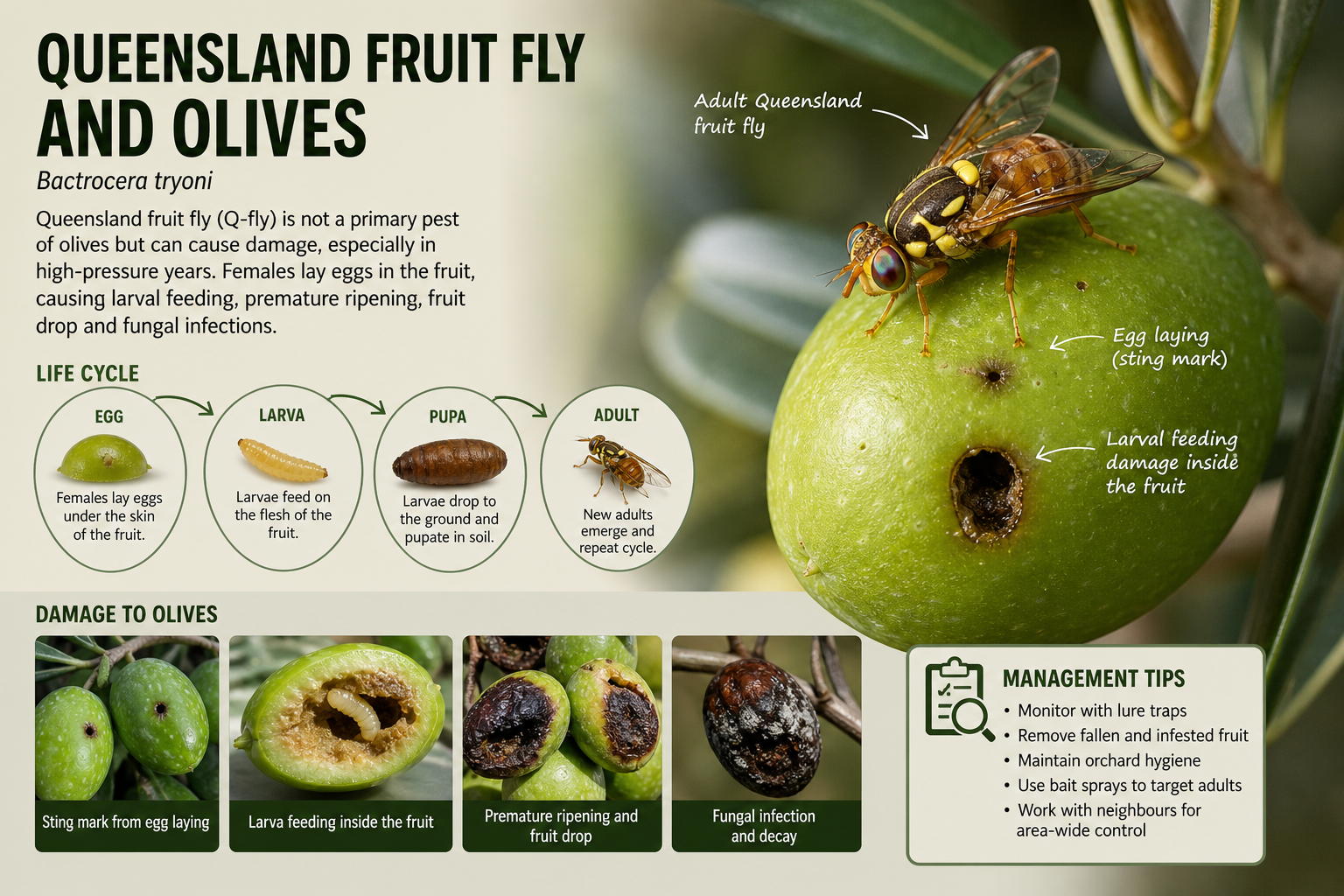
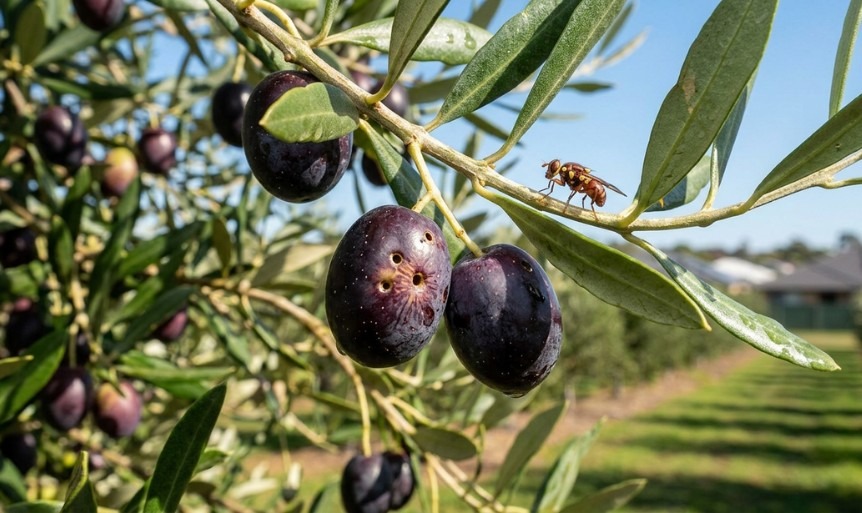
Queensland fruit fly (Bactrocera tryoni), commonly known as Q-fly, is Australia’s most economically significant horticultural pest. Its widespread impact on the stone fruit, citrus, and vegetable industries is well documented. However, its interactions with olives are less widely understood and often underestimated.

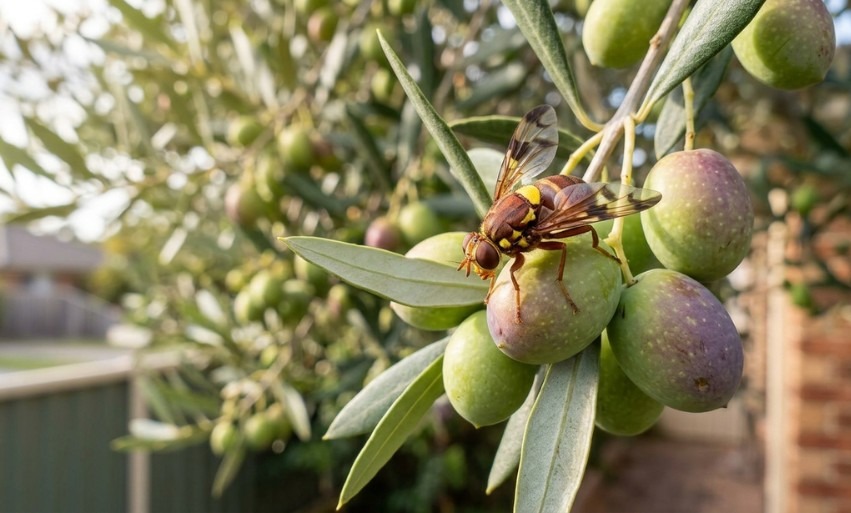
For olive growers, Q-fly occupies a grey zone i.e. it is not a primary pest, yet it can cause issues in olives. Under the right conditions, it can shift from a background risk to a notable issue affecting both production and fruit quality. This article explores the current scientific understanding of Q-fly in olive systems and outlines practical implications for commercial growers.

A Highly Adaptable Pest


Q-fly is a native Australian species with an exceptionally broad host range, attacking more than 200 fruit and vegetable species. Its success stems from high adaptability and it thrives across varied climatic zones, readily shifts between host crops, and persists in mixed agricultural and peri-urban environments.

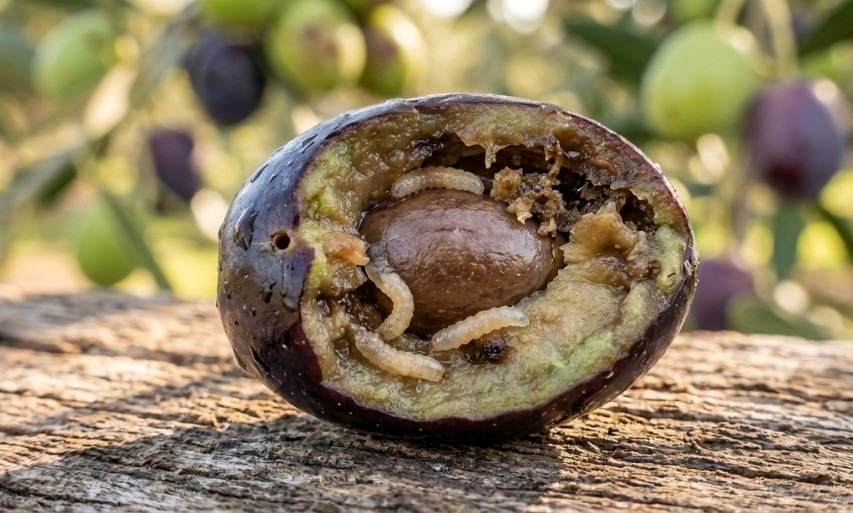
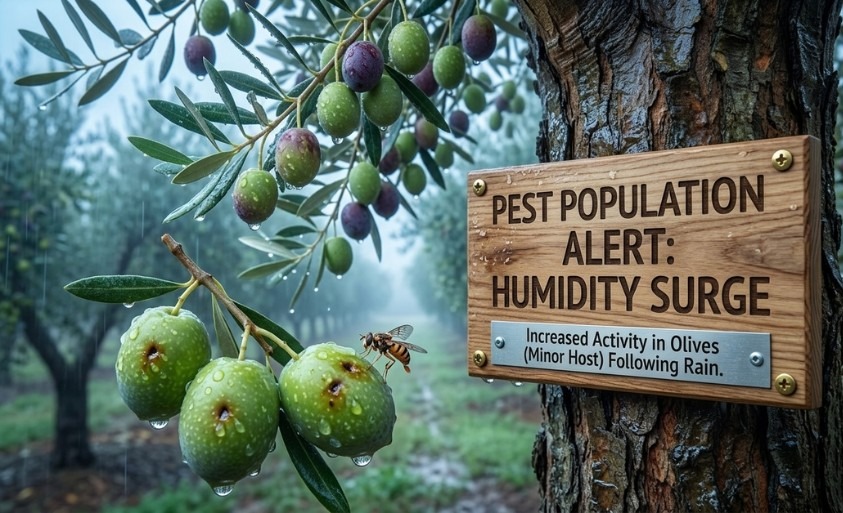
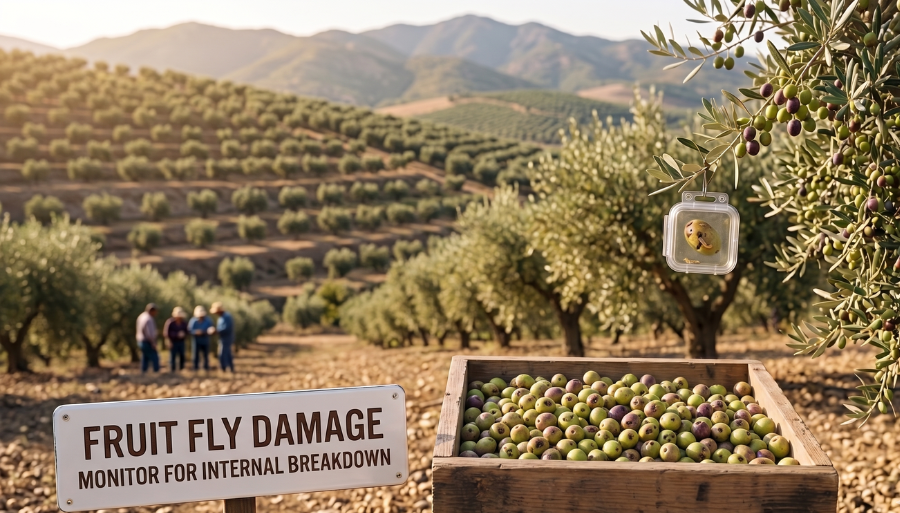
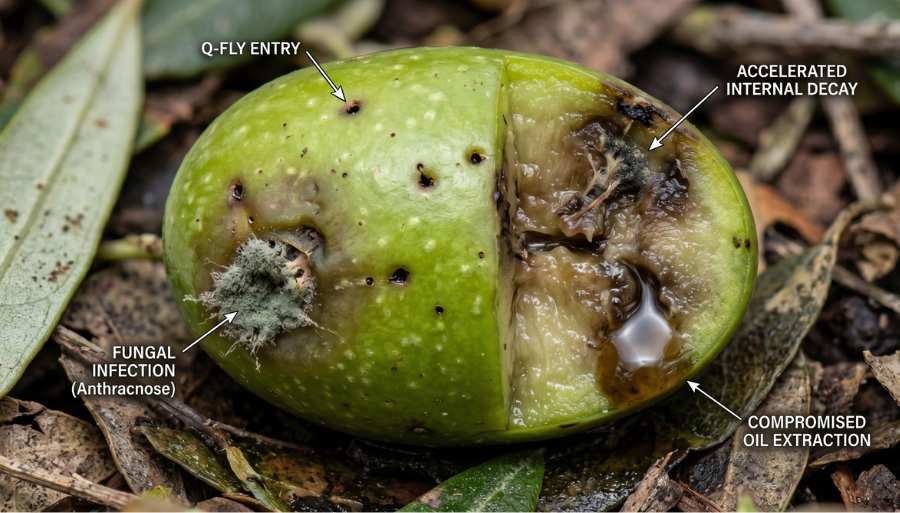
Female flies lay eggs directly into fruit, where larvae feed on the pulp. This internal feeding leads to fruit breakdown, premature drop, and entry points for secondary fungal pathogens. Population build-up is strongly driven by temperature, humidity, and host availability, with rapid increases occurring during warm, wet conditions.


Where Do Olives Fit?

Olives (Olea europaea) are generally considered a minor or occasional host for Queensland fruit fly. However, this label can be misleading.

Australian research and field observations show that:


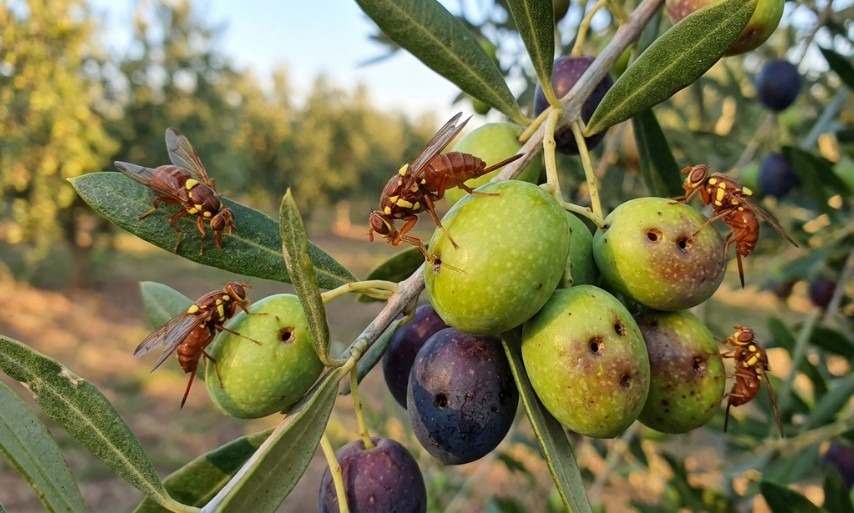
Q-fly females can and do oviposit in olive fruit.


Larval development can occur when conditions are favourable.


Damage tends to be sporadic but can become locally significant.


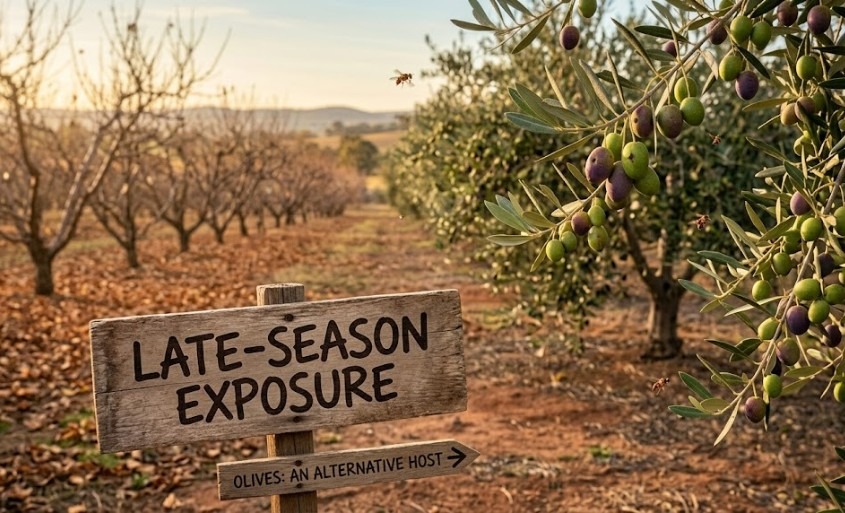
Importantly, olives often serve as a late-season host. When preferred summer fruits are no longer available, olive groves can help sustain fruit fly populations into autumn, integrating them into the wider ecological landscape supporting Q-fly.

When Risk Increases

For most olive growers, Q-fly is not a constant threat, but risk escalates under certain conditions:


Late-Season Exposure


Olives frequently remain on trees after stone fruit and other summer crops have finished. Residual fly populations may then target olives as an alternative host.


High Population Pressure

Seasons with above-average rainfall and humidity can trigger significant Q-fly surges, increasing attacks on less-preferred hosts like olives.


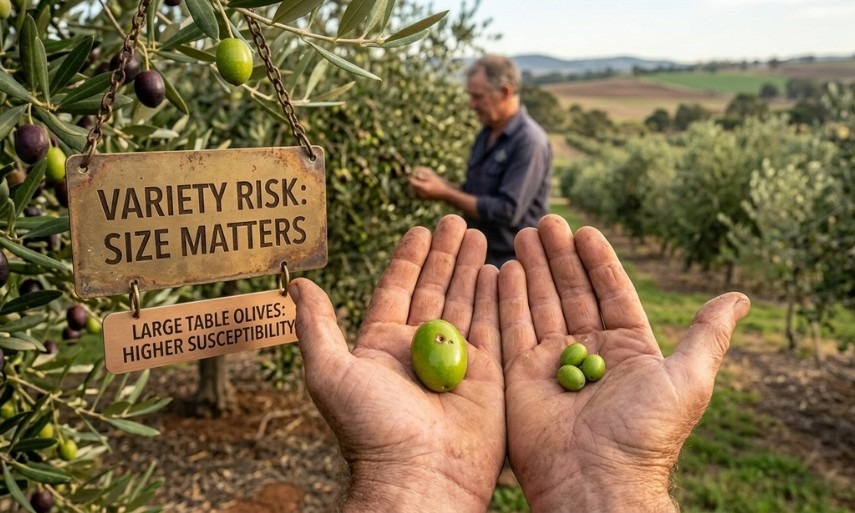
Variety and Fruit Size

Larger-fruited table olive varieties tend to be more susceptible than smaller oil cultivars, likely due to greater suitability for oviposition.


Regional Context

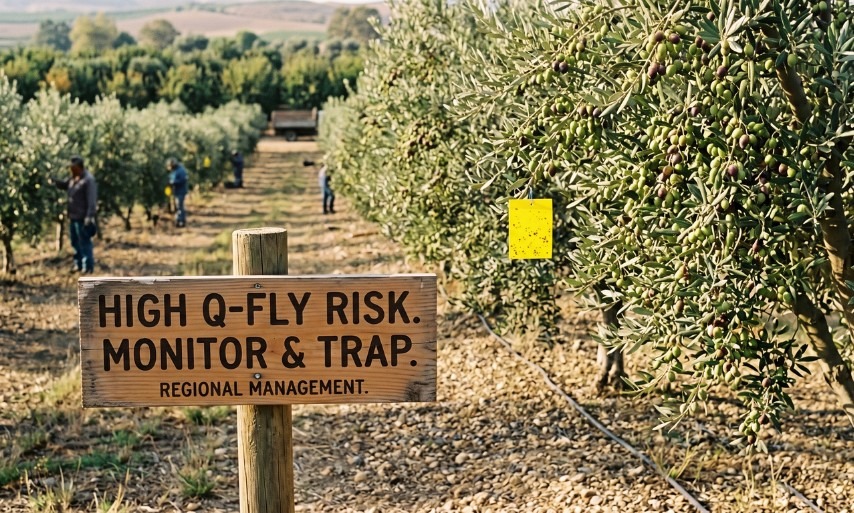
Groves located near stone fruit orchards, citrus blocks, or unmanaged backyard hosts face substantially higher pressure. Because Q-fly is highly mobile, isolated on-farm management has limited impact.


The Real Issue: Quality, Not Just Yield

Direct yield losses from Q-fly in olives are usually modest. The more serious consequences relate to fruit quality.


Physical Damage

Egg-laying punctures (“stings”) and larval feeding cause premature softening, fruit drop, and internal breakdown.


Disease Interaction

Q-fly entry wounds create ideal infection sites for fungal pathogens such as anthracnose. This can accelerate fruit decay, increase rot incidence, and compromise outcomes during oil extraction.


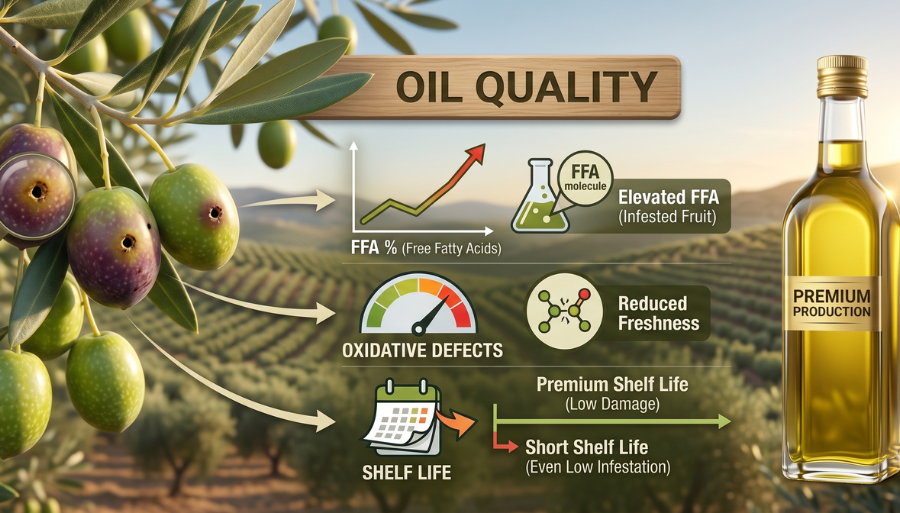
Oil Quality

Infested fruit can elevate free fatty acids (FFA), introduce oxidative defects, and shorten shelf life. Even low levels of damaged fruit can affect overall oil quality in premium production systems.


Biosecurity and Market Access

Beyond on-farm impacts, Q-fly is a regulated biosecurity pest. Its presence can trigger:


  • Movement restrictions between regions
  • Mandatory treatment or certification requirements
  • Limitations on interstate or export market access
For growers supplying premium or distant markets, proactive Q-fly management is essential for regulatory compliance and supply chain reliability.

Management in Olive Systems

Q-fly is opportunistic, management in olives should be integrated, cost-effective, and scaled to actual risk.


Monitoring

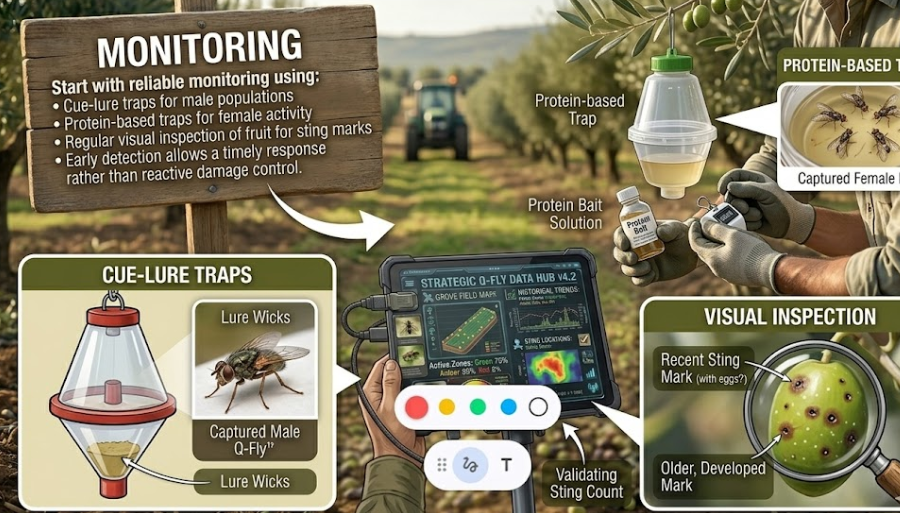
Start with reliable monitoring using:

  • Cue-lure traps for male populations
  • Protein-based traps for female activity
  • Regular visual inspection of fruit for sting marks
Early detection allows a timely response rather than reactive damage control.

Orchard Hygiene

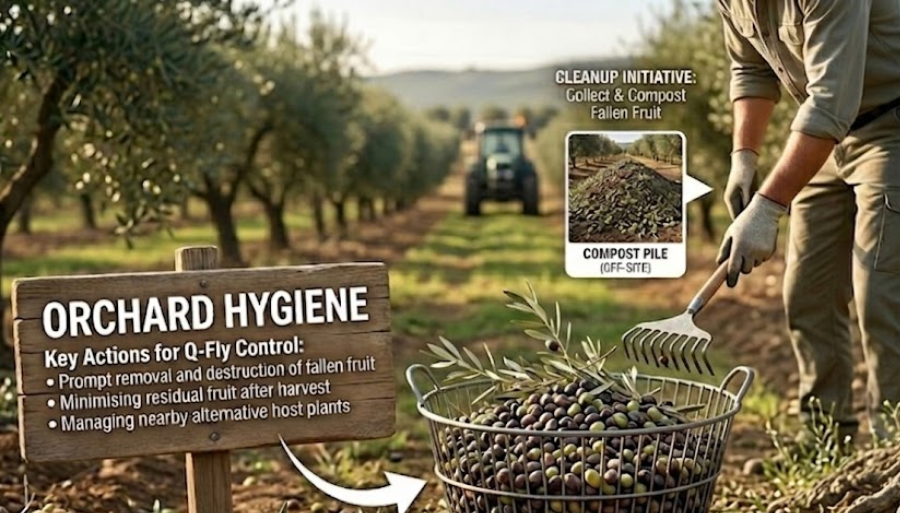
Sanitation remains one of the most effective tools:

  • Prompt removal and destruction of fallen fruit
  • Minimising residual fruit after harvest
  • Managing nearby alternative host plants where practical
These steps reduce breeding sites and limit population carry-over.

Baiting and Control

Protein bait sprays targeting female flies are a proven option, especially in higher-risk areas. Their efficacy increases markedly when applied as part of coordinated area-wide programs rather than isolated efforts.


Area-Wide Approaches

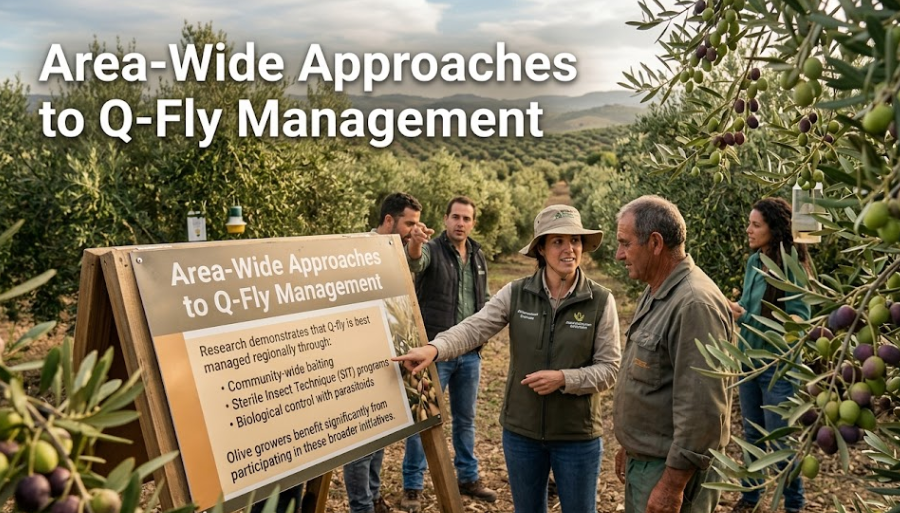
Research demonstrates that Q-fly is best managed regionally through:

  • Community-wide baiting
  • Sterile Insect Technique (SIT) programs
  • Biological control with parasitoids

Olive growers benefit significantly from participating in these broader initiatives.


Looking Ahead With A Changing Risk Profile

Climate variability is likely to reshape Q-fly dynamics. Warmer temperatures and shifting rainfall patterns may extend the fly’s active season, improve overwintering survival, and increase pressure in regions previously considered lower risk. Combined with expanding horticultural plantings that provide continuous host availability, Q-fly is expected to remain a persistent secondary consideration for the Australian olive industry.

Final Perspective

Queensland fruit fly is not the primary pest challenge for olive growers, but it is a highly adaptable opportunist within the same production environment. In most seasons, it remains in the background; in challenging seasons, it can contribute to quality downgrades, disease pressure, and market complications.

The recommended approach is not alarm, but informed awareness: monitor early, manage regionally, and recognise that olive groves form part of the broader fruit fly ecosystem rather than existing outside it.