My Shopping Cart
| Bulk Discounts Prices | |
| Quantity | Price |
| 1 | $23.09 |
Delivery charges apply and are calculated based on location.
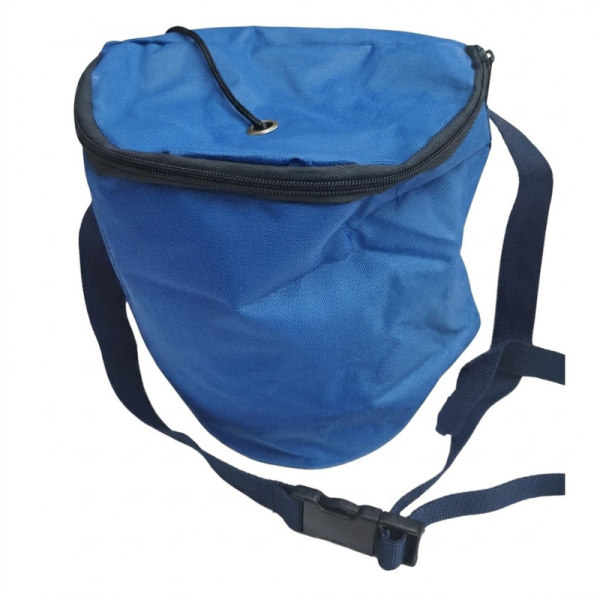
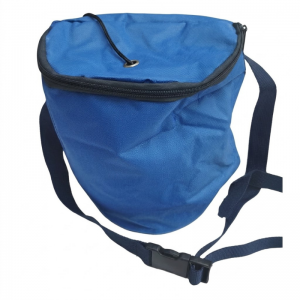
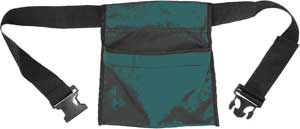
The Clew Holder Bag is an essential ergonomic accessory for professionals and home gardeners alike. Designed to hold rolls of tree tie, twine, or thread securely, this bag eliminates the time spent fetching, stretching, or reaching for materials. By keeping your tying material right at your waist, you can work faster and more efficiently across the orchard, vineyard, or garden.
The name "Clew" comes from the traditional word for a ball of thread, and this bag ensures yours never becomes a knotted mess. Simply place the roll in the bag, pull the tie end from the centre of the roll, and feed it through the integrated top eye-hole. Once zipped, the entire roll can be dispensed as needed without snagging or tangling.
Ergonomic Poly Construction: Manufactured from durable poly-material with internal bag supports to maintain its shape, this waist bag features a top cover with a strong industrial zip. The included waist strap and buckle allow for a secure, comfortable fit during long hours of field work.
| Specification | Details |
|---|---|
| Product Name | Clew Holder Bag |
| Material | High-Durability Ergonomic Poly |
| Closure | Top Cover with Heavy-Duty Zip |
| Attachments | Adjustable Waist Strap & Buckle |
| Dispensing Feature | Integrated Top Eye-Hole |
| Internal Support | Built-in rigid bag supports |
THE OLIVE CENTRE BLOG - Pest & Diseases
Scientific Name: Frankliniella occidentalis
Western flower thrips is the most widely distributed thrips species, occurring throughout all olive-growing districts in California. It has a wide host range, feeding on grasses, field and forage crops, vegetables, and fruit crops.
Western flower thrips are tiny insects about 0.05 inch (1 mm) long, with two pair of fringed wings. Adults vary in color from white to yellow with slight brown spots on the top of the abdomen, to yellowish with an orange thorax and brown abdomen, to completely dark brown. Different color forms predominate according to the time of year.
Eggs are inserted into leaves, flower parts, and fruit. First-instar nymphs are light yellow, turning golden yellow after the first molt. When they are ready to pupate, nymphs drop to the ground and pupate in protected places.
Western flower thrips migrate into olives after adjoining grasses dry up in spring, causing serious damage to fruit. Ascolano is most susceptible, although other cultivars can be damaged. Developing fruit is scarred and dimpled by thrips feeding. Damaged fruit is culled before processing. Olive groves adjoining drying grain fields are most susceptible to damage.
Managing vegetation in and around olive groves in important in reducing the potential for damage from western flower thrips. Avoid discing orchard cover crops while trees are in bloom. Disc open areas adjacent to groves as early as possible to prevent thrips’ development and migration to olive trees.
There is no current California registration for any chemical treatment. In years when this pest is particularly damaging and a special local need registration is approved, apply treatments at full bloom if thrips are migrating to olives and their presence has been noted in the bloom.
(Information sourced from UC IPM Pest Management Guidelines)
SMART PRUNING FOR STRONGER, HIGHER-YIELD OLIVE TREES
By Marcelo Berlanda, Agronomist & Consultant for The Olive Centre
“Olive trees must put out fresh growth each year to produce fruit.”
Training shapes the tree to support efficient harvesting and encourage early production
When trees reach the canopy size best suited to their environment, yields may begin to drop. This often happens because the inner canopy receives limited sunlight, leading to leaf loss and a reduced Leaf-to-Wood Ratio. If a tree grows beyond its ideal size, it creates challenges for mechanical harvesters. Excess height and width, along with thick branches, can strain or damage harvesting equipment, reduce fruit removal efficiency, and slow the harvest. Because olive trees need to produce new shoots annually to maintain fruiting, consistent growth is essential—and pruning becomes an important management practice. Pruning improves fruit size, oil content, light penetration, and the Leaf-to-Wood Ratio. It also stimulates fresh growth and lowers water and fertiliser demand.
1- TREE TRAINING
Purpose: Establish early productivity with stronger yields, extend the productive lifespan of the tree, enhance fruit quality, and prepare trees for the harvesting system used in the grove.
Timing: Training occurs within the first three years of the tree’s development.
In the first year, pruning is minimal (assuming nursery trees arrive with a good structure). Remove lower or overly vigorous branches that compete with the central leader. The goal is to maintain an upright main trunk with outward-growing horizontal branches. Water shoots should be removed so they do not compete for nutrients and moisture.
During the second and third years, gradually remove lower branches below approximately 600–1000 mm.
A balance is essential. Removing too much canopy reduces the tree’s photosynthetic area, slowing its progress until new growth resumes.
Light pruning involves removing only small sections of foliage (such as a few short shoots), which keeps the tree stable. This can be done from August through late May.
Heavy pruning removes larger amounts of foliage, prompting a stronger regrowth response but also increasing frost risk. Heavy cuts should generally be delayed until late September unless conditions are warm enough to begin earlier.
Tree training may also include tying and skirting as part of shaping and preparation.
2- PRODUCTION
Young trees contain many non-productive branches because they are still actively growing. Once these branches mature and begin producing fruit, they eventually become exhausted and stop fruiting. At that point, they need to be removed to make room for new productive growth and renewal of the canopy.
LoIf the bloom is light, pruning should focus mainly on non-productive wood to preserve as much fruiting potential as possible. In years with heavy bloom, pruning can be more assertive without significantly reducing the crop.
Timing: From bud break through early December.
3- AFTER HARVEST (CLEANING)
The goal at this stage is to remove large damaged branches left behind after mechanical harvest. This step can be postponed by applying copper after harvest and waiting until spring to remove the affected wood.
Read More: ● Marcelo Berlanda ● Mechanical Pruning ● Mechanical Harvesting
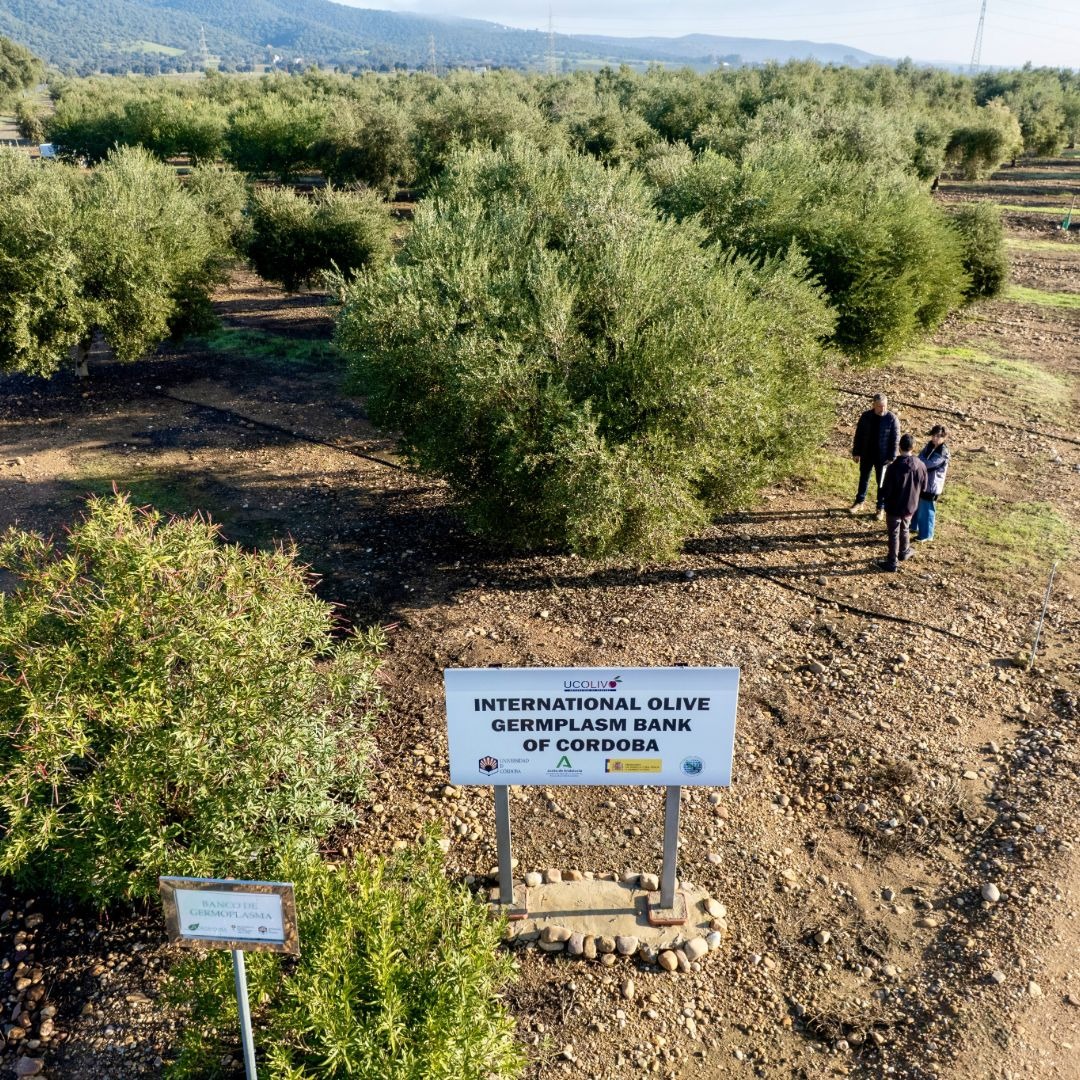
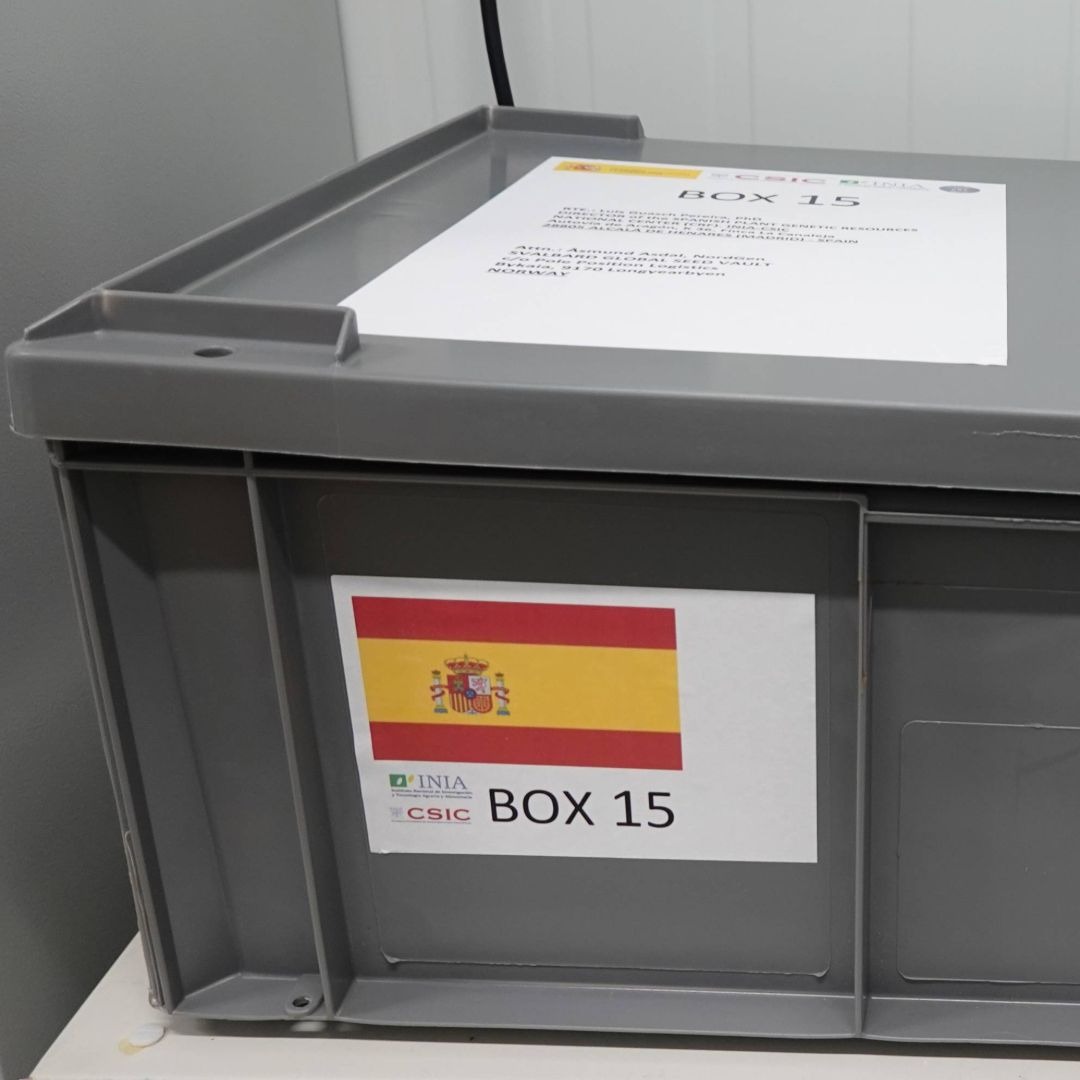
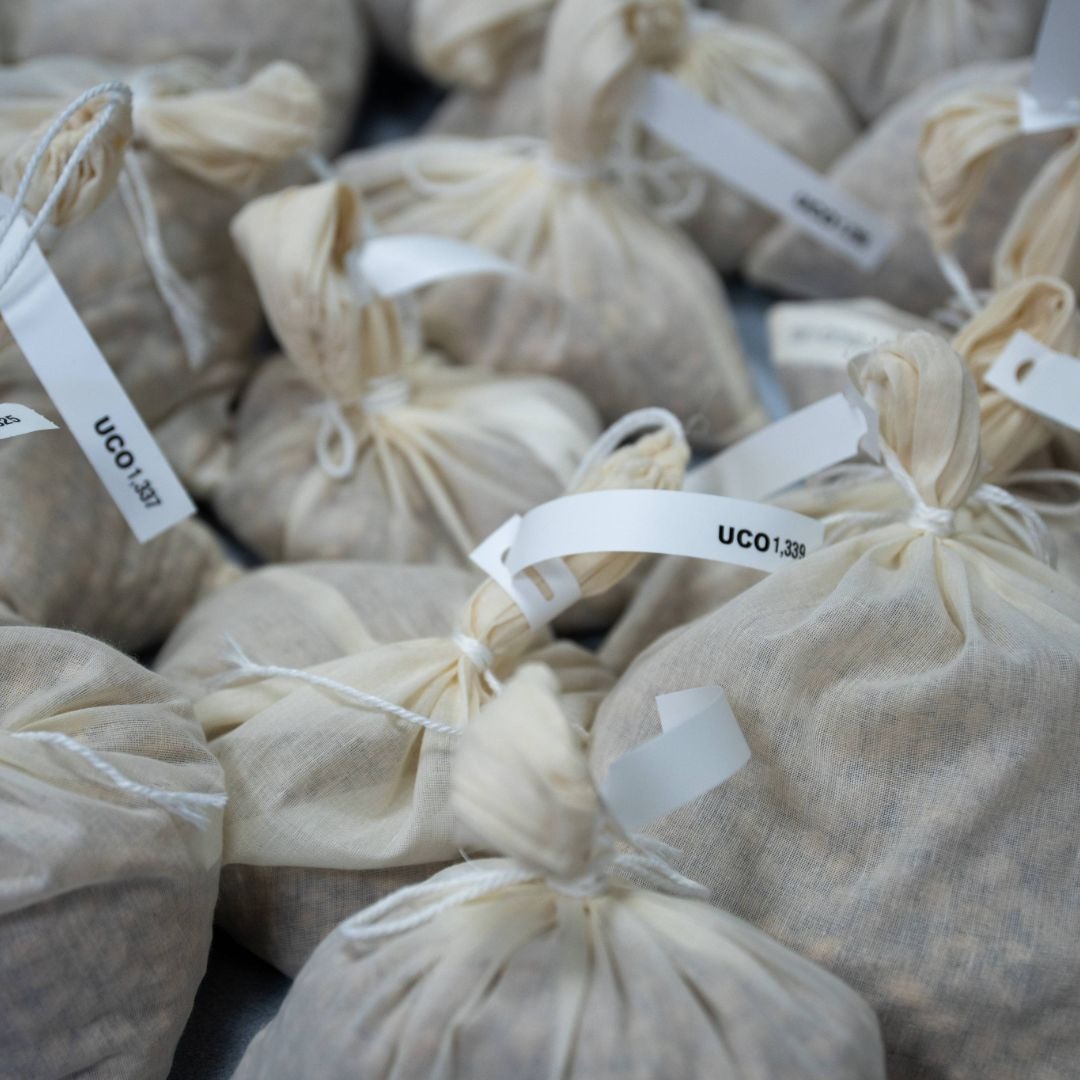
In a landmark moment for global agricultural preservation, olive seeds have been deposited for the first time in the Svalbard Global Seed Vault - the world’s most secure facility for safeguarding crop diversity.
Located deep within the Arctic permafrost of Norway’s Svalbard archipelago, the Seed Vault serves as a global backup system for the planet’s agricultural biodiversity. Often described as the “doomsday vault,” it protects seeds against the risks of climate change, natural disasters, conflict, and biodiversity loss.
Now, for the first time in history, olive seeds are part of that global legacy.
The deposit marks a significant step forward in protecting one of the world’s most iconic and culturally important crops. Olive trees have sustained civilizations for thousands of years, symbolising peace, resilience and nourishment. Preserving their genetic diversity ensures that this legacy continues for generations to come.
Jaime Lillo Lopez, Executive Director of the International Olive Council (IOC), highlighted the importance of the moment:
“The seeds we have deposited are the legacy of farmers who, throughout history, selected the most resistant trees - those that produced the best fruit or adapted to diverse soils, climates and diverse conditions. These seeds are a guarantee that future generations will continue to enjoy such an extraordinary product as olive oil.”
His words underscore what this deposit truly represents: not just seeds, but centuries of accumulated knowledge, adaptation, and agricultural selection.
This initiative was launched within the framework of the European H2020 GEN4OLIVE project, a research programme dedicated to unlocking and conserving olive genetic diversity. It was subsequently promoted by the IOC, the Food and Agriculture Organization of the United Nations (FAO), and Spain’s Ministry of Agriculture, Fisheries and Food.
The collaboration extended to leading academic and research institutions, including:
Organisations such as NordGen and the Crop Trust, along with representatives including Juan Antonio Polo Palomino, Abderraouf Laajimi, Álvaro Toledo, Dr. Kent Nnadozie, Concepción Muñoz Diez, Hristofor Miho and Pablo Morello Parra, also played key roles in bringing this milestone to fruition.
For olive growers and producers worldwide, this development carries profound implications.
Olive trees are uniquely adapted to marginal soils, water scarcity, and variable climates. However, increasing pressures from:
Traditional and wild olive varieties contain traits that may hold the key to:
The symbolic power of Mediterranean olive genetics being stored in Arctic ice is profound. It reflects the global importance of olives - no longer confined to traditional growing regions but increasingly cultivated across diverse climates worldwide.
As olive production expands into new regions, including areas facing climatic volatility, the value of preserved genetic material grows exponentially. The Svalbard deposit ensures that even in worst-case scenarios, the genetic foundation of the olive sector remains secure.
This initiative goes beyond seed banking.
It represents recognition that agricultural biodiversity is a shared global responsibility. Farmers, researchers, governments, and international organisations are united by a common understanding: safeguarding crop diversity is essential for future food systems.
The olive industry - deeply rooted in tradition - is demonstrating that it is equally committed to innovation, resilience and long-term stewardship.
For growers, processors, and industry stakeholders, this historic deposit sends a message: the olive sector is planning for the long term.
Preserving traditional and wild varieties ensures that future generations will continue to: