My Shopping Cart
A successful Grove Management Plan must cover these key areas:
"A grove without an effective irrigation system is unlikely to deliver consistent yields year after year. Many growers still underestimate the water needs of olive trees, and few actually monitor soil moisture levels. This is why so many groves have never achieved a commercial crop." Marcelo Berlanda Specialist Olive Consultant
Water stress negatively affects flowering, fruit set, oil accumulation (oil production), fruit size (table olives), fruit quality, and overall tree health. However, many growers lack a proper system to monitor soil moisture or manage irrigation effectively.
Marcelo recommends:
"Growers should inspect soil moisture weekly during spring and summer, and every two weeks in autumn and winter. Use a shovel to dig at least 400mm under the tree canopy to check moisture. If the soil is hard to dig, it’s too dry – even if the canopy shows no visible signs of stress."
Advanced soil moisture monitoring tools can also provide reliable data on a digital display or computer dashboard.
For optimal grove health, growers must consistently check soil moisture and prevent water stress.
As discussed previously, taking leaf samples is essential to assess your trees’ nutritional status. This information guides the creation of a fertiliser program, a critical component for boosting or maintaining yields.
Typically, no fertiliser is needed in winter, unless you’re addressing soil amendments. However, some groves have severe nutrient deficiencies requiring fertiliser even in winter. Where proper irrigation systems aren’t in place, growers must broadcast fertiliser before rain to allow rainfall to incorporate nutrients into the soil profile, an inefficient use of resources but often the only option.
When applying fertiliser in these conditions, target the area beneath the canopy and, if possible, cultivate the soil to improve incorporation and reduce product loss.
Olives need four essential nutrients: Nitrogen, Phosphorus, Potassium, and Calcium. Check product labels carefully. As a general guideline, aim for:
Avoid pruning during the coldest part of winter and when it’s wet or foggy to reduce the risk of bacterial and fungal disease spread.
The main goals of pruning are to remove dead wood, reduce canopy size, restore tree balance, encourage healthy new growth, and increase fruit set in spring.
Tip: After pruning, apply a copper-based spray to protect wounds from infection by fungi and bacteria.
Pest & disease management is crucial for sustaining yield and tree health. Winter’s colder temperatures reduce insect activity, offering a prime time to tackle pest issues.
Set up a comprehensive Pest and Disease Monitoring Program. During winter, check-marked trees (previously affected by pests or diseases) every two weeks; in spring, check weekly. Look under leaves and on new growth for signs like crawlers, yellow spots, black sooty mould, or anything unusual.
Proactive, weekly management is essential for a successful grove.
If you need further assistance, please contact us.
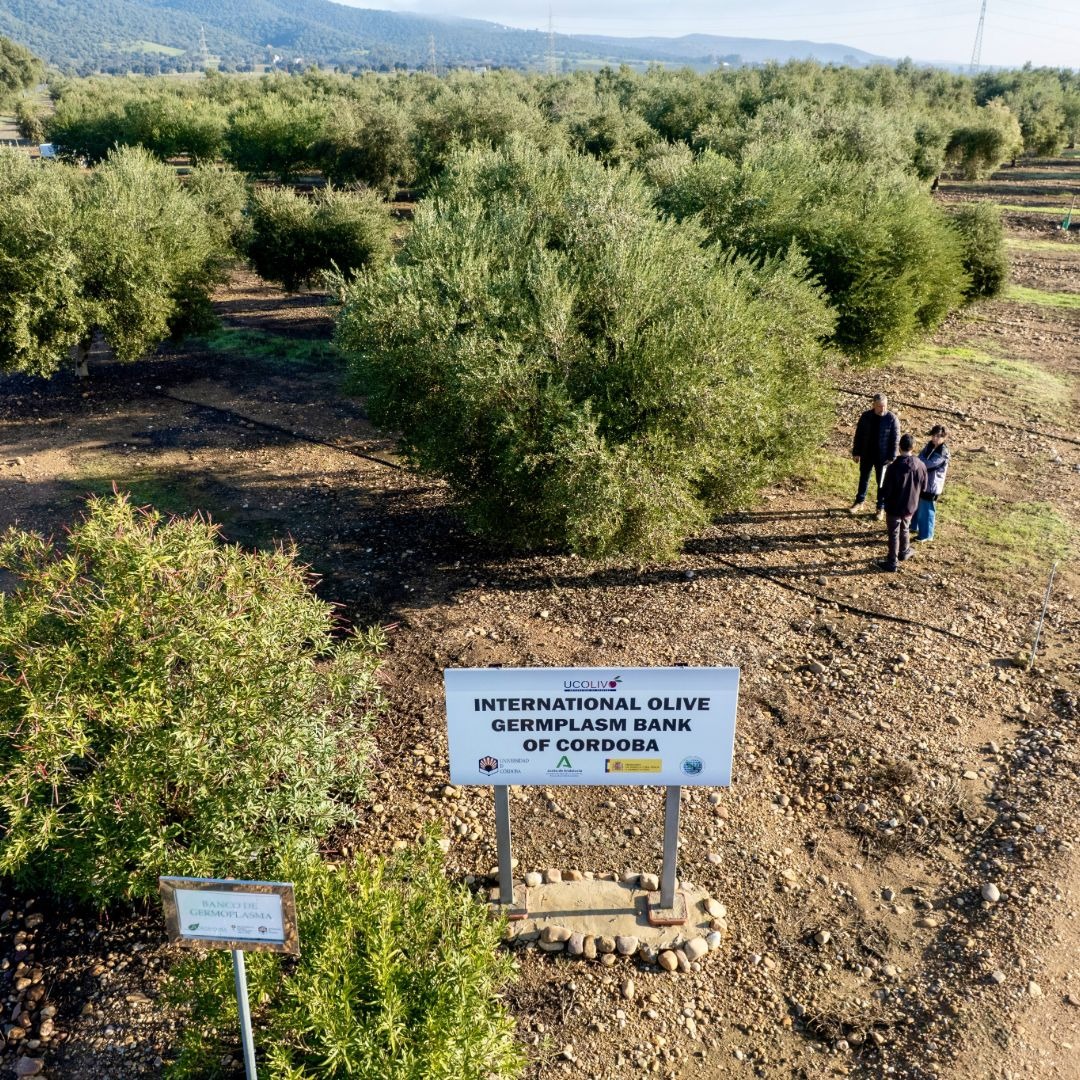
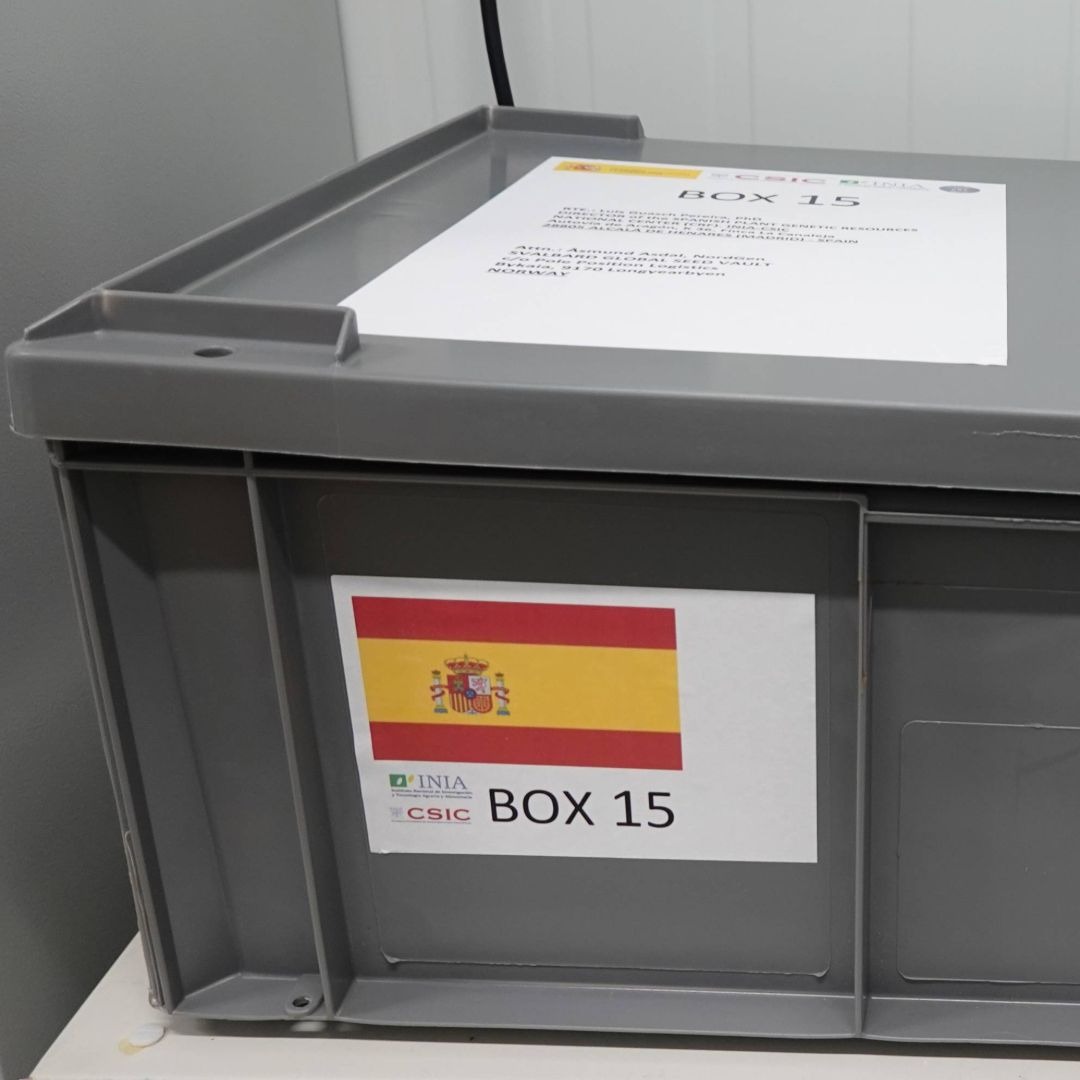
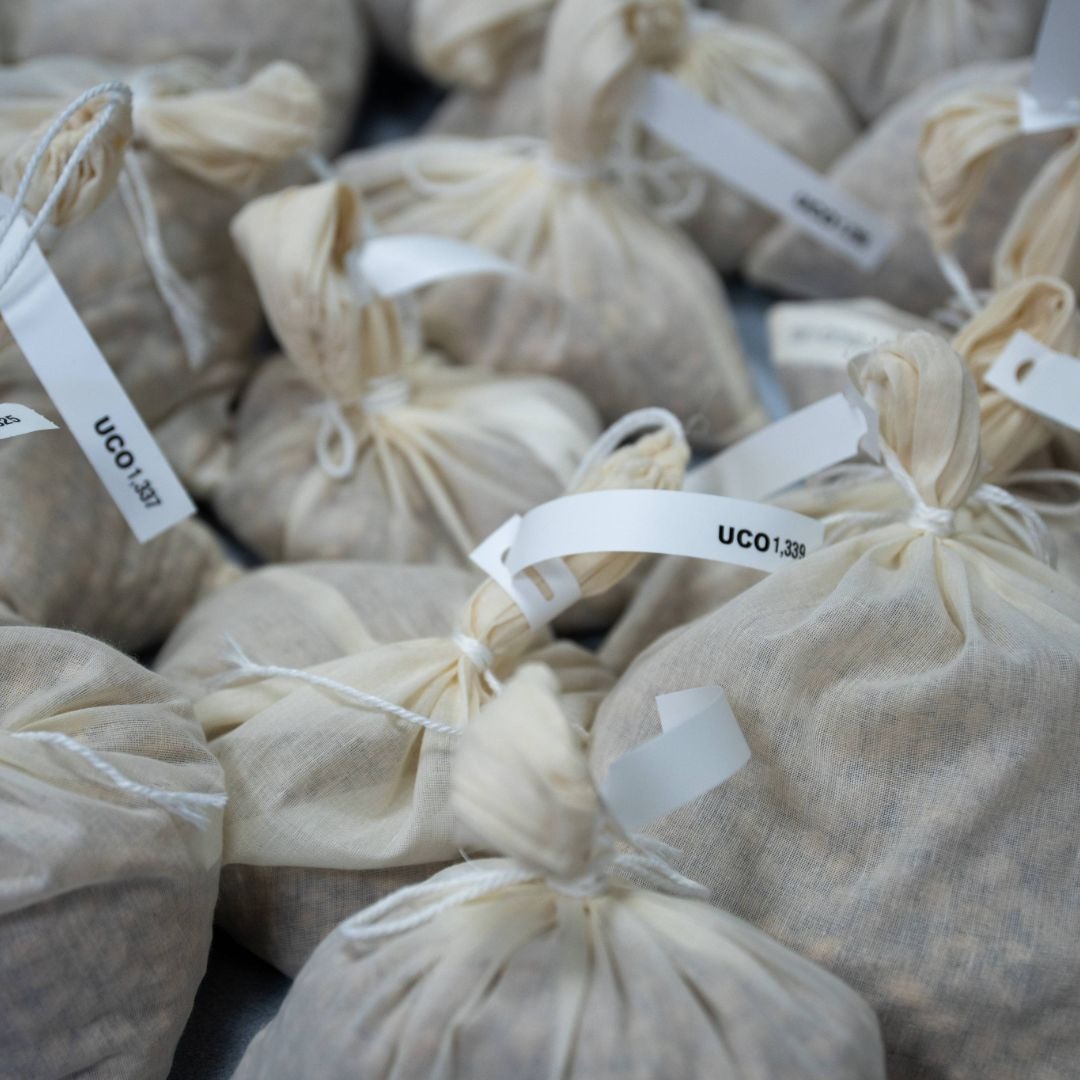
In a landmark moment for global agricultural preservation, olive seeds have been deposited for the first time in the Svalbard Global Seed Vault - the world’s most secure facility for safeguarding crop diversity.
Located deep within the Arctic permafrost of Norway’s Svalbard archipelago, the Seed Vault serves as a global backup system for the planet’s agricultural biodiversity. Often described as the “doomsday vault,” it protects seeds against the risks of climate change, natural disasters, conflict, and biodiversity loss.
Now, for the first time in history, olive seeds are part of that global legacy.
The deposit marks a significant step forward in protecting one of the world’s most iconic and culturally important crops. Olive trees have sustained civilizations for thousands of years, symbolising peace, resilience and nourishment. Preserving their genetic diversity ensures that this legacy continues for generations to come.
Jaime Lillo Lopez, Executive Director of the International Olive Council (IOC), highlighted the importance of the moment:
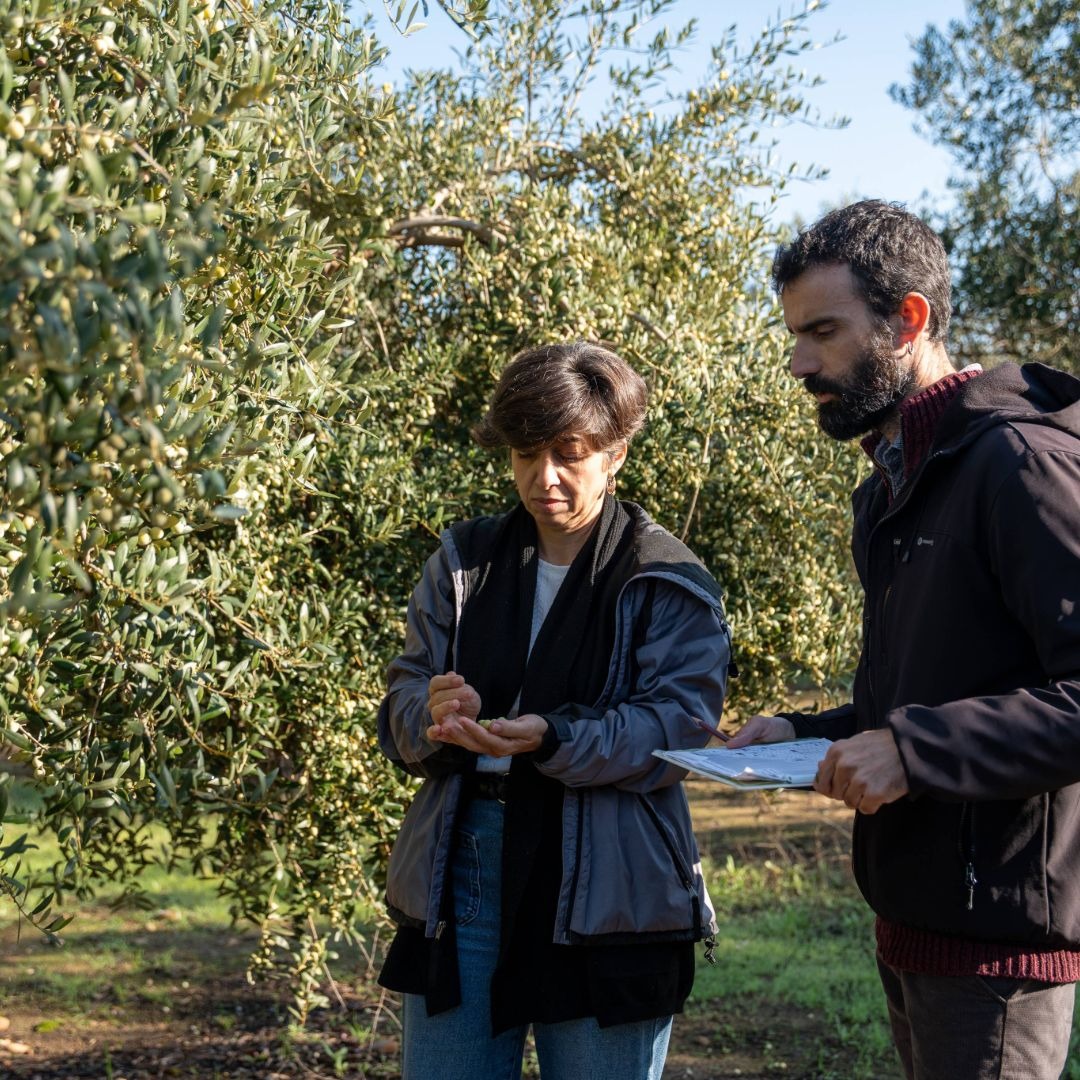
“The seeds we have deposited are the legacy of farmers who, throughout history, selected the most resistant trees - those that produced the best fruit or adapted to diverse soils, climates and diverse conditions. These seeds are a guarantee that future generations will continue to enjoy such an extraordinary product as olive oil.”
His words underscore what this deposit truly represents: not just seeds, but centuries of accumulated knowledge, adaptation, and agricultural selection.
This initiative was launched within the framework of the European H2020 GEN4OLIVE project, a research programme dedicated to unlocking and conserving olive genetic diversity. It was subsequently promoted by the IOC, the Food and Agriculture Organization of the United Nations (FAO), and Spain’s Ministry of Agriculture, Fisheries and Food.
The collaboration extended to leading academic and research institutions, including:
Organisations such as NordGen and the Crop Trust, along with representatives including Juan Antonio Polo Palomino, Abderraouf Laajimi, Álvaro Toledo, Dr. Kent Nnadozie, Concepción Muñoz Diez, Hristofor Miho and Pablo Morello Parra, also played key roles in bringing this milestone to fruition.
For olive growers and producers worldwide, this development carries profound implications.
Olive trees are uniquely adapted to marginal soils, water scarcity, and variable climates. However, increasing pressures from:
Traditional and wild olive varieties contain traits that may hold the key to:
The symbolic power of Mediterranean olive genetics being stored in Arctic ice is profound. It reflects the global importance of olives - no longer confined to traditional growing regions but increasingly cultivated across diverse climates worldwide.
As olive production expands into new regions, including areas facing climatic volatility, the value of preserved genetic material grows exponentially. The Svalbard deposit ensures that even in worst-case scenarios, the genetic foundation of the olive sector remains secure.
This initiative goes beyond seed banking.
It represents recognition that agricultural biodiversity is a shared global responsibility. Farmers, researchers, governments, and international organisations are united by a common understanding: safeguarding crop diversity is essential for future food systems.
The olive industry - deeply rooted in tradition - is demonstrating that it is equally committed to innovation, resilience and long-term stewardship.
For growers, processors, and industry stakeholders, this historic deposit sends a message: the olive sector is planning for the long term.
Preserving traditional and wild varieties ensures that future generations will continue to: