My Account
Sign-in / Join

Sign-in

Hi My Account

Dashboard

Logout

Cart

My Shopping Cart

Subtotal
${{total.toFixed(2)}}
QUOTE

Premium Harvest Bucket With Strap – 18 Litre

Delivery charges apply
Bulk Discounts Prices
Quantity Price
1 $74.40
Quantity

DAGT966
  • Description
  • Features
  • Enquiry
  • Specifications
  • Knowledge
Premium Harvest Bucket With Strap – 18 Litre

Delivery charges apply

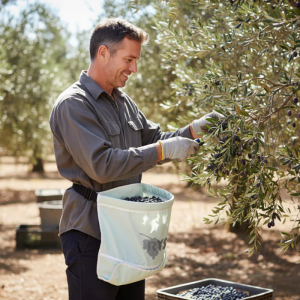
Extra heavy duty fruit harvesting bucket designed for comfort, durability, and efficient picking of olives, cherries, and other fruit.

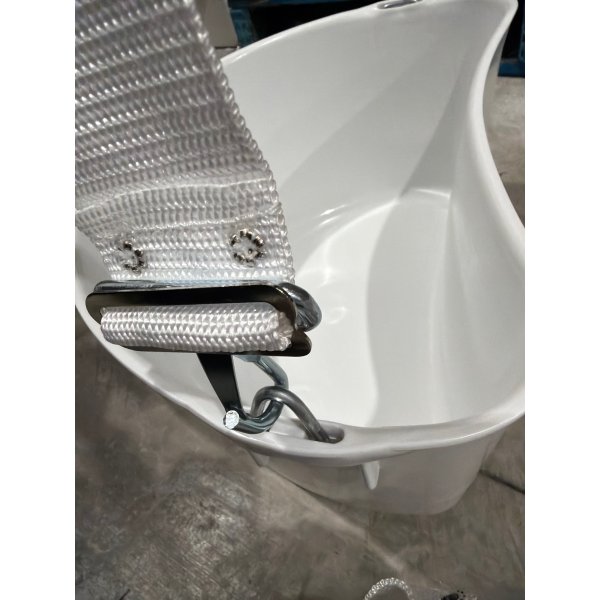
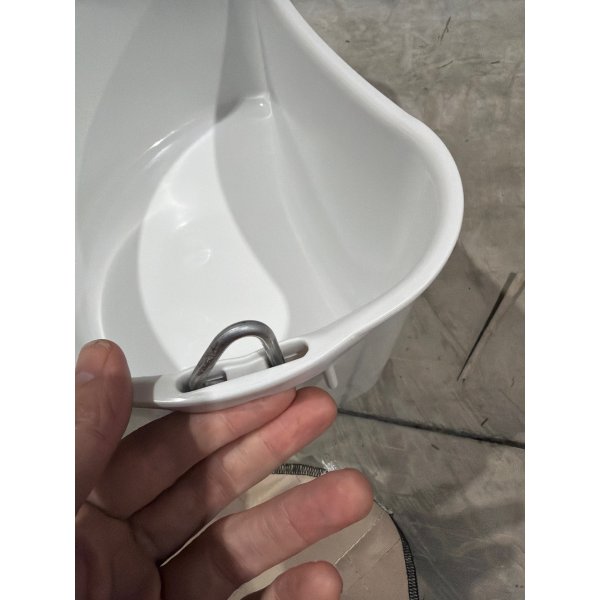
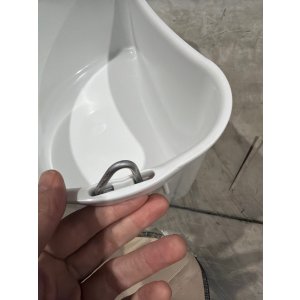
Premium 18 litre kidney shaped harvest bucket with adjustable lumbar harness for comfortable fruit picking.

The Premium Harvest Bucket With Strap is a professional-grade harvesting solution built for growers who require strength, comfort, and reliability during fruit picking. Manufactured from extra heavy duty HDPE, this kidney shaped bucket is designed to sit comfortably against the body, reducing strain while allowing efficient movement through orchards and groves.

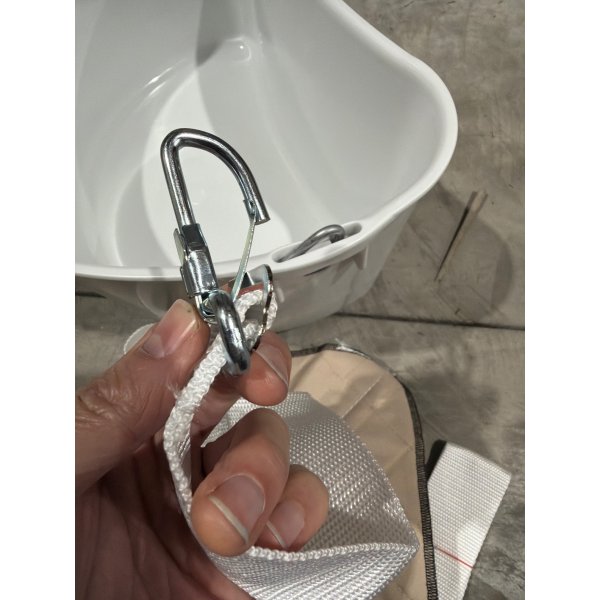
The bucket is supplied with a padded lumbar harness featuring adjustable double straps, providing excellent weight distribution across the lower back and shoulders. Quick-release clips allow the harness to be easily detached from the bucket for fast emptying and handling. With an internal volume of approximately 18 litres, this bucket is ideal for harvesting olives, cherries, and other small to medium fruits while minimising fruit damage and picker fatigue.

Where this product is used

This harvest bucket is used in orchards, groves, and farms for hand harvesting olives, cherries, and similar fruit. It is suitable for commercial harvesting operations as well as serious small-scale growers who require durable equipment.
 

Premium Harvest Bucket With Strap – Technical Specifications

Specification Details
Product type Fruit harvesting bucket
Bucket shape Kidney shaped
Material Extra heavy duty HDPE
Internal volume Approximately 18 litres
Dimensions 44 cm (L) × 30 cm (W) × 20 cm (D)
Harness type Lumbar harness with adjustable double straps
Release system Quick-release clips
Weight (with harness) 1.5 kg
Manufacturing origin Made in the USA

Why choose this product

The Premium Harvest Bucket With Strap is designed to handle demanding harvest conditions while prioritising picker comfort. Its rigid HDPE construction ensures long service life, while the kidney shaped design and lumbar harness reduce fatigue during extended picking sessions. The quick-release harness system allows fast unloading without removing the bucket completely.

Guidelines

Fit the lumbar harness and adjust the straps for a secure, comfortable position. Harvest fruit directly into the bucket while moving through the orchard. When full, release the clips to detach the harness and empty the bucket into bins or crates. Clean after use to maintain hygiene and prolong service life.

Frequently Asked Questions
The Premium Harvest Bucket With Strap is ideal for hand harvesting olives, cherries, and other small to medium fruits. It is suitable for use in orchards, olive groves, and farms where durability, comfort, and efficient fruit handling are required, making it appropriate for both commercial operations and serious small-scale growers.
The padded lumbar harness with adjustable double straps distributes weight evenly across the lower back and shoulders, significantly reducing fatigue. This design improves comfort and stability when the bucket is full, allowing pickers to work longer with less physical strain.
The bucket is fitted with quick-release clips that allow the harness to be detached quickly and easily. This enables fast emptying into bins or crates without removing the bucket completely, improving efficiency and reducing downtime during harvesting.
Yes. The 18 litre capacity is designed to balance productivity with fruit protection. It allows sufficient volume for efficient harvesting while avoiding excessive weight and pressure that can bruise fruit, particularly olives and cherries.

 
General main key features

• Extra heavy duty HDPE construction for durability
• Kidney shaped design for improved comfort
• Adjustable lumbar harness with double straps
• Quick-release clips for fast emptying
• Ideal for olives, cherries, and similar fruit
  • :
  • :
  • :
  • :
  • :

Mechanical Harvesting, Pruning & Bottling Contractors

View Industry Contracting Services in a full screen map

PRUNING SERVICES

Gallard Pruning Services
John Gallard
0428 761 798, john@gallardservices.com.au
Servicing Hunter Valley and other areas upon request.

Mulching service
Peter Birch - Thunderbolt's Olives
0428 669 157, thunderboltsolives@bigpond.com
Mulches wood up to 300mm diameter
Servicing NSW areas

BOTTLING CONTRACTORS

Olive Oil Packaging Service
Kent Hallett
PO Box 114,Riverton SA 5412
PH: (08) 8847 2255, FAX: (08) 8847 2676

EV Olives
Eberhard Kunze
203 Everton Road, Markwood VIC 3678
PH: 03 5727 0209, Email: ekunze@netc.net.au
Service: Contract Bottling & Cask Filling

Fini Olives
Jim Hollingworth
237 Orange Springs Road, Regan's Ford, Gin Gin WA 6503
PH: 08 9259 4131, Email: jimh@finiolives.com.au

FRUIT TESTING SERVICES

Groverite Australia
Email: racquel@pukaraestate.com.au

MECHANICAL HARVESTING CONTRACTORS

John Daniel - Tarlia Olive Estate
Servicing NSW, QLD, SA, TAS, VIC & WA
John Daniel resides in Lewiston on the outskirts of Adelaide, SA.
Email: jtdaniel@adam.com.au

Olympus Olive Contractors & Transport
Tige & Joy Boyd, RSD L260 Lockwood Vic 3539
olympusolives@impulse.net.au
PH: 03 5435 3644 Mob: 0429 056 437 Fax: 03 5435 3704
Servicing QLD, NSW & VIC

Peter Haslett - Haslett Harvesting
PO Box 164 Paringa, SA 5340
mail@haslettharvesting.com.au
08 8595 8046 (AH)
Servicing SA.

Ashville Contracting Pty Ltd
P.O. Box 828 Merbein Victoria 3505
Contact; Ashley Munro
Ph: 0428840235 or 03 50253305
Fax 03 50253305
Email ashville@ncable.com.au

Puma Olive Harvesting
Self propelled tractor mounted shaker.Capable of 1T/hr.
Contact: Fran Goryan
Ph: 0408 897 869 or 08 8823 3287
Servicing SA only.

Andrew Bucknell
Ph: 02 6343 7101 or 0428 232 798
bucknell@westnet.com.au
6 years experience, Sicma F3 harvester
Looking to expand into QLD and SA
Click here to download information for Andrew Bucknell

La Barre Olives
An average of 40 - 60 trees / Hour
Sicma Harvester, Operator has 5 years full time experience
Please contact La Barre Olives for more info
Ph: 02 6344 3170
denanteuil@bigpond.com

Preston Valley Grove
Sicma Speedy Harvester
Contact Mick Ryan for more info
Ph: 0419 907 701, email:info@prestonvalleygrove.com.au

Barilla Olive Harvesting
Lot 286 Stebonheath Rd, Munno Para Downs. S.A. 5015
Shaker Harvesting, grove layout is important, please book early.
Servicing South Australia
Contact: Steve Barilla
Ph: 0411 402 405, email:bariloil@tpg.com.au

National Olive Harvesters Pty. Ltd.
1 Nelson Road Lameroo S.A. 5302
Over-the-row Style Harvesting,Shaker Harvesting
Servicing: ACT,NSW,QLD,SA,TAS,VIC & WA
Contact: Ian Mead
Ph:0885774062 or 0427879125
E-mail: iwmead@internode.on.net

EV Olives
Eberhard Kunze
203 Everton Road, Markwood VIC 3678
PH: 03 5727 0209 or 0408 519 955, Email: ekunze@netc.net.au
Service: Contract harvesting
New generation harvester, small or large jobs, bin hire, fruit transport
& processing

Enhancing Olive Harvesting with Advanced Mechanical Solutions

The study, which focused on the ‘Ortice’ and ‘Ortolana’ olive cultivars, found that this technology achieved a mechanical harvesting yield of approximately 97%, highlighting its potential to significantly enhance productivity and cost-effectiveness in modern olive farming. If you are looking for small-scale olive oil processing machines, olive oil processing machine prices, compact olive oil processing equipment for boutique groves, olive oil ex
Please log in to view the entire article

The Critical Role of Branch Inclination in Trunk Shaker Performance

Olive orchards worldwide include traditional (density below 250 trees/ha) & more intensive (800 trees/ha) systems, with trunk shakers commonly used for mechanical harvesting in both. According to the International Olive Council (IOC) data from 2023, traditional orchards account for over 70% of global plantings, while intensive ones represent 25%. Variability in tree geometry, such as branch inclination, influences vibration propagation...
Please log in to view the entire article

Mechanical Tree Shaker Preventive‑Maintenance Guide - HUB

Mechanical tree shakers are the backbone of modern olive and nut harvesting, delivering the high-frequency vibrations needed to detach fruit efficiently. But the same forces that maximise yield also put extreme stress on the machine itself. Without a structured preventive-maintenance program, vibration can quickly loosen fasteners, wear through hydraulic hoses, rub down electrical insulation, and accelerate pump and bearing failure.
Please log in to view the entire article
Cab%20record%20sheet%20-%20Mechanical%20Harvester.pdf

Mechanical Harvesting and the Role of Branch Inclination in Vibration Transmission - HUB

Trunk shakers apply forced vibration at the tree trunk, which propagates through the canopy and detaches ripe olives. However, the success of this process isn't solely dependent on the machine’s frequency or power. The geometry of the tree itself... particularly the inclination angle of its branches... plays a pivotal role in determining how efficiently that vibration moves through the canopy.....
Please log in to view the entire article

New Research Unlocks Olive Harvesting Efficiency For Better Fruit Removal - HUB

Mechanical trunk shakers have transformed olive harvesting in modern olive groves. A new study: Damping behavior of olive trees under trunk shaking (Ghonimy, Alharbi & Ibrahim, 2025) provides growers with the first detailed breakdown of how vibration energy moves through olive trees and the soil beneath them. The findings reveal how attachment height, trunk diameter, and the tree-soil interaction determine whether ...
Please log in to view the entire article

The Essential Equipment Guide to Harvesting Olives


OLIVE HARVESTING

The Essential Equipment Guide to Harvesting Olives

Harvest time in the olive industry is a defining moment for olive oil and table olive producers. Efficient harvesting not only determines yield and profitability but also impacts fruit quality and timing for processing. Traditionally, picking olives by hand with poles, rakes, and nets was an arduous, labour-intensive process - in fact, manual harvesting with rakes and nets can account for 50% of an orchard’s production costs. Today the rising labour shortages and tighter margins, modern growers are increasingly turning to mechanisation to save time and money. The Olive Centre, a specialist supplier for the Australian olive industry, offers a full spectrum of harvesting equipment to address these needs - from state-of-the-art mechanical shakers like the Sicma harvesters to portable electric comb rakes, pneumatic rakes, nets, wheelable frames, and other accessories. This range of tools, paired with research-driven best practices, allows commercial groves to optimise harvest efficiency while maintaining fruit quality. Below, we explore each category of harvesting equipment available through The Olive Centre, focussing on key features, suitable applications, and insights from recent studies and field experience.


Mechanical Harvesters: Trunk Shakers and Self-Propelled Buggies

Mechanical harvesters are the heavyweights of olive harvesting - high frequency vibration systems built into the machines that shake fruit off trees with speed and efficiency. The Olive Centre provides a leading range of mechanical harvesters, including tractor-mounted shaker heads, skid-steer loader attachments, and dedicated self-propelled “buggy” harvesters. These systems use a vibrating head equipped with a clamp system that attaches to the tree’s trunk or main branches, transmitting high-frequency oscillations that travel with force to the higher branches holding olives to their stems. The result is a rapid cascade of olives into catching systems, often an inverted umbrella or frame beneath the tree. In well-designed groves, a single mechanical shaker can typically harvest 40–60 trees per hour (with a clamp-and-shake cycle of only 5-7 seconds per tree) - a dramatic improvement over manual picking rates. One Australian field review notes the jump from roughly 100 kg of olives per hour using the latest pneumatic or electric hand tools to approximately 500 kg per hour with efficient mechanical harvesting machines. This efficiency in throughput allows growers to bring in the crop at optimal ripeness and throughput, provided the subsequent milling capacity keeps pace. 


 A Sicma B411 Plus self-propelled olive harvester with its 6 m catching umbrella deployed.  The Olive Centre’s partnership with Sicma gives Australian growers access to Italian-engineered mechanical harvesters known for efficiency and robust design.    


Modern trunk shakers come in various configurations to suit different operations and grove terrain. The Olive Centre’s lineup includes tractor PTO-driven models (e.g., vibrating heads mounted on a tractor’s three-point linkage or front-end loader), retrofittable kits for skid-steer loaders and telehandlers, and stand-alone self-propelled units often nicknamed “buggies.” For example, the Sicma B411 Plus is a compact 4-wheel-drive buggy harvester with a telescopic vibrating head and a 6-meter diameter catching umbrella. This machine can clamp onto trunks up to ~40 cm in diameter and shake the fruit free, which falls into the umbrella. The built-in catch frame on such harvesters typically holds 200–300 kg of olives, and can be emptied through a hydraulic trap door into bins or trailers for easy collection. Thanks to features like high-frequency self-centering shaker heads and rubberised clamps, these systems minimise bark damage while maximising fruit removal. 

In fact, a recent Italian field study on two olive cultivars achieved a 97% fruit removal rate using an advanced vibrating head and catch-frame system - virtually clearing trees in one shake. Mechanical harvesters are the workhorses of modern olive groves, enabling the timely harvest of large tonnages with a fraction of the manpower once required. 

Practical considerations: Adopting trunk shakers does require that groves be compatible with the machinery. 

  • Adequate tree spacing (commonly ~7- 8 m × 5 m or more between trees) and a single main trunk form are ideal to allow machinery access and efficient vibration transfer. 
  • Trunk clearance - Trees are often pruned to have a clear trunk at least 1 m high, which improves the shaker’s grip and vibration transmission through the canopy. 
  • Sufficient tractor power and hydraulics are also key - for instance, a tractor-mounted shaker may demand ~80–100 HP and ~100 L/min hydraulic flow to operate effectively. 
  • Terrain is another factor: on steep slopes (greater than ~20% incline), standard wheeled harvesters may struggle with stability and access. In such cases, tracked carriers or smaller equipment might be necessary, or growers may rely more on handheld tools. 
Despite these considerations, when conditions align, mechanical harvesting can drastically reduce picking costs and duration. Crucially, studies have found that mechanical shaking does not degrade olive oil quality compared to hand-picking, as long as fruit is handled properly - it enables harvesting at the optimal timing for peak oil quality, which can actually improve final product outcomes. By working closely with The Olive Centre, growers can select a mechanical harvester matched to their grove’s tree size, layout, and terrain. The payoff is a more sustainable operation: lower labour requirements, faster harvest completion, and a better chance of capturing olives at ideal ripeness. 

Hand-held - Electric and Pneumatic Harvesting Comb Rakes      

Not every olive grove can accommodate a large shaker in their operation, and not every producer needs one. Electric and pneumatic olive harvesters - essentially motorised or air-powered “comb” or “rake” units – fill an important role for small to mid-sized producers and for groves on difficult terrain. These are handheld or pole-mounted tools with vibrating tines that comb through the olive branches, knocking olives off much faster than purely manual picking. The Olive Centre offers several options in this category: 

  • Electric rakes, such as the Infaco Electro’liv battery-powered harvester (available in a 48 V lithium model or a 12 V version that runs off a vehicle battery) and Lisam pneumatic olive rakes that connect to an air compressor. Electric harvesters tend to be lightweight, portable, and quiet - ideal for small crews moving tree to tree with backpack batteries or long cables. 
  • Pneumatic rakes, on the other hand, are favored by some larger operations that have tractor-mounted air compressors; they deliver very high-speed combing action and can run continuously as long as the air supply is maintained. Both types often feature interchangeable plastic or carbon-fiber tines (“fingers”) that oscillate or rotate to strike olives off the branches into waiting nets or sheets on the ground.  The Olive Centre can offer any of the Australian Airmac compressor range.

Despite being smaller-scale than trunk shakers, electric and pneumatic harvesters substantially improve productivity over manual hand picking. Field data and grower reports suggest a single worker with a modern pneumatic or electric rake can harvest on the order of 80–120 kg of olives per hour (depending on tree yield and skill) - several times what hand picking would yield. One recent analysis noted about 100 kg/hour as a benchmark using the latest pneumatic or electric rakes. These tools are therefore very useful for reducing labour hours and addressing seasonal labour shortages, which have become a recurrent obstacle in olive production. They also excel in groves where tree spacing or steep hilly terrain make it impractical to bring in heavy machinery. Operators can simply lay out nets under a tree and work through the canopy with the powered rake, a method that is far less fatiguing than beating branches with poles.  

Handheld harvesters do require proximity to each tree and are typically used by multiple workers. The efficiency per person is lower than a single large shaker with a catch frame (which can outpace a whole team of people), so producers must balance equipment investment with their useage capability and available labor. In many cases, electric or pneumatic combs are the preferred solution for small olive groves, where gentle handling and selective harvesting might be needed. They cause minimal damage when used properly, though some fruit bruising can occur – so harvested olives, especially table varieties, usually are collected onto nets or padding and not dropped from excessive heights to avoid bruising. Research into gentler harvesting continues: for instance, trials in California have combined canopy shaking with trunk shaking to improve efficiency for table olives. This method increased fruit removal by 75% and delivered higher-quality, less-damaged fruit compared to using either method alone. While such dual-method harvesters are still in development for table olives, it underscores that even in the realm of smaller-scale equipment, innovation is boosting performance. The Olive Centre stays abreast of these developments, supplying trusted brands (like Electric tools by Infaco, & Pneumatic equipment by Lisam) that have a track record in international olive cultivation. For growers, electric and pneumatic harvesters represent a relatively affordable and versatile investment to significantly cut harvest time and labour costs without the need for heavy machinery and a much bigger budget. 

Nets, Rakes, Catching Frames and Other Harvesting Accessories

Harvesting equipment is not just about the machines that detach olives - it also encompasses all the tools that catch, collect, and transport the fruit once it’s off the tree. The Olive Centre offers a wide array of catch and carry” accessories to support efficient harvesting operations. Among these are harvest nets and catching frames. Traditionally, tarps or nets are spread under olive trees to collect olives as they are hand-picked or knocked down with poles. Today’s purpose-made olive nets are durable, UV-resistant, and come in various sizes that can be fitted around trunk bases. They drastically reduce the time needed to gather fallen olives and prevent fruit loss on the ground. Some modern harvesters use an umbrella-style catching frame – essentially a large circular net on a frame that can be deployed under the tree (either by a person or as an attachment on a machine) to catch olives as they rain down. The Olive Centre offers products like a 5–6 m diameter catching frame that can be positioned around the trunk to funnel olives into an Industry-standard Orange Crate and will fit about 20kgs of fruit per crate. Such frames can be a game-changer for groves still harvested by hand or with electric or pneumatic combs, as they keep fruit off the soil (maintaining cleanliness and quality) and make collection faster. 

Image:  Major Catching Harvest Frame


The introduction of nets and basic mechanical aids in the mid-20th century was one of the first steps to mechanising olive harvests, replacing ladders and ground picking to reduce work time and safety risks for workers.

Another staple harvest accessory is hand rakes and picking tools. These simple, hand-driven rake devices (often plastic combs capable of making them a reachable unit by installing a broom handle) allow pickers to strip olives from branches more efficiently than by handpicking each fruit.  A broom handle sourced at a local hardware store can be inserted into the back of the handle to make these reach greater heights.   The Olive Centre’s catalogue includes these manual rakes that are useful for growers starting out, for very small operations or used with a large team.  .

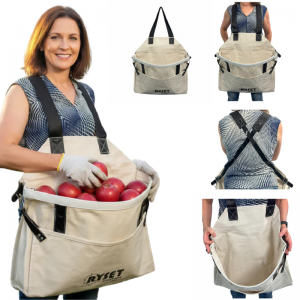
Picking bags and baskets are also important: workers can wear a picking bag to drop olives into as they hand-pick or move along the rows, then empty the bags into crates or bins periodically. Good picking bags distribute weight, are not too large and often have a quick-release bottom to safely transfer olives without spillage and impact which minimises bruising. 

Crates and bins round out the harvest accessories – The Olive Centre provides vented plastic orange olive crates (around 15–20 kg capacity each) and heavy-duty pallet bins (~400 kg capacity) to safely store and transport harvested olives. These containers are food-grade and ventilated to prevent heat buildup or fermentation of olives before milling. They can be moved with tractors or forklifts, streamlining the post-harvest logistics.

Image:  Orange Olive Crate

When it comes to moving bulk olives in the field, trailers and bins become essential. Many mechanical harvesting setups integrate with trailers; for example, a tractor shaking unit might drop fruit onto a towed trailer with a catching cloth, or a self-propelled buggy like the Sicma has its own bin reservoir that can be emptied into a trailer via a trap door. Even independent of mechanical shakers, growers often use tractor-pulled trailers to ferry filled pallet bins from the grove to the processing area. The Olive Centre can supply specialised bin trailer equipment and tipping mechanisms that make this process more efficient. The overall goal of all these accessories is to preserve fruit quality and save labour between the tree and the mill. Every hour saved collecting olives from the ground or transferring them to storage is efficiency gained in getting the olives to processing, which can be critical for oil quality. Research consistently emphasises rapid processing of olives after harvest (generally within 24 hours is best practice) to maintain low free fatty acidity and high polyphenol content. By using proper harvest aids - nets to keep olives clean, bins to avoid fruit piles overheating, and trailers to quickly haul fruit - producers can better achieve those quality goals.  

Optimising Harvest Efficiency and Fruit Quality: Research Insights

Equipping an olive operation with the right tools is half the battle; the other half is using them in an optimised harvest strategy. Fortunately, extensive academic and industry research offers guidance on how to mechanise effectively without compromising the olives. One key concept is fruit detachment force (FDF) - essentially, how strongly an olive is attached to its branch. FDF decreases as olives ripen, which is why oil olives (allowed to ripen longer) are generally easier to remove, whereas table olives (picked green) are much more stubborn. A University of California study noted that table olives have a fruit removal force of about 0.5 kg - meaning they require significantly more shaking or even chemical loosening to enhance fruit removal. Oil olives, usuall progressed in manturation (compared to green table fruit), have a lower detachment force, and modern high-density oil cultivars are usually harvested by over-the-row machinery like an Moresil, Oxbo, New Holland or Colossus. This explains why trunk shakers and canopy shakers are an innovation mainly needed for table olive orchards (to address their high FDF), whereas oil olive groves in super-high-density (SHD) systems can be harvested by modified grape harvesters that strip fruit with minimal effort. For producers, understanding their varieties’ detachment characteristics can inform which equipment to use and whether strategies like applying an abscission agent (fruit loosening spray) might be worthwhile. In ongoing trials, compounds like ethephon are being tested to reduce olive attachment strength and thus increase mechanical harvester efficiency.  Use fruit loosening agents with caution as improper use can defolate the entire tree.

Another insight from research is the importance of grove design and pruning in mechanical harvesting success. A tree with an open, accessible structure (single trunk, properly managed canopy) should yield better results with shakers. Studies from Europe have documented that tree architecture and pruning style significantly affect vibration transmission and fruit removal. Many growers now implement mechanical pruning and keep trees shorter to accommodate harvest machinery - a necessary adaptation as “there is no mechanical harvesting without orchard and canopy adaptation,” as one agricultural engineer famously put it. This might mean switching to hedgestyle planting (250–300 trees/ha) if one plans to use over-the-row harvesters, or simply maintaining a 6– 8 m spacing and a vase or single leader form for traditional orchards using trunk shakers. The Olive Centre, beyond just providing equipment, also provides grove consulting services to help producers plan such transitions, ensuring that investments in machinery are matched by an orchard setup that maximises efficiency and minimises fruit loss. 

Finally, research confirms that speed and timing of harvest are crucial for quality. Mechanical harvesters enable a very fast picking ....  entire blocks can be harvested at the optimal ripeness window rather than stretched over weeks. By concentrating harvest in the optimal period, growers can obtain olives at peak oil quality and get them milled promptly. 

Evidence from studies in Spain and Italy shows that when olives are harvested at the right maturity and processed quickly, mechanisation does not impair oil quality metrics; on the contrary, timely harvesting can result in higher-quality extra virgin olive oil compared to a protracted hand harvest, where some fruit inevitably becomes overripe or delays in processing occur due to extended time duration needed. 

For table olives, minimising bruising is a bigger concern, and the research offers pointers - for instance, experiments have shown harvesting in the cool pre-dawn hours can reduce fruit bruising and respiration, improving the condition of mechanically harvested table olives. Such findings are encouraging producers to adjust harvest schedules and techniques (e.g., adding padding to catch frames or using conveyors instead of dropping olives into bins) to protect fruit quality.  
Tthe modern olive grower has an unprecedented range of harvesting equipment at their disposal, and when these tools are coupled with informed practices, the results are compelling: lower costs, higher efficiency, and preserved quality. Offering industry leading equipment - from Sicma’s cutting-edge shakers to nimble electric rakes, and all the supporting gear - reflects the evolving landscape of olive harvesting. By leveraging both technology and research-based know-how, commercial olive producers can confidently tackle the critical harvest season, bringing in the crop efficiently and at peak quality to ultimately produce better oil and table olives for the market.

Conclusion

Harvesting will always be a pivotal and challenging aspect of olive production, but it no longer needs to be a bottleneck. The range of equipment available through TheOliveCentre.com empowers growers to choose solutions tailored to their grove size, layout, and production goals. Whether it’s a robust mechanical harvester shaking 500 kg of olives per hour into an umbrella, or a team of workers with electric combs and nets swiftly stripping trees on a hillside, each approach offers advantages that can improve the bottom line. Importantly, ongoing innovation - much of it supported by academic and government research from Australia and abroad - continues to refine these tools and techniques for greater efficiency, ensuring that higher productivity does not come at the expense of fruit quality. With The Olive Centre’s expertise and equipment range (including their partnership with world-class harvesting machine manufacturers), Australian olive growers have access to the best of both worlds: advanced technology proven in international groves, and local knowledge and support to implement it successfully. The result is a harvest that’s faster, easier, and more profitable – helping producers focus on what comes next, turning those olives into exceptional oil and table olives for consumers to enjoy. 

References

  • Amanda Bailey (2024). On Olives Blog: Technical overview of harvesting equipment and grove management for mechanical efficiency.
  • AgriEngineering (2025). ‘Review on mechanical olive harvesting efficiency, costs, and quality outcomes’, AgriEngineering Journal, 7(2)
  • Amanda Bailey, On Olives Blog (2024). Technical overview of harvesting equipment and grove management for mechanical efficiency.
  • Sicma Harvesting Equipment (Product specifications). B411 Plus and related models with integrated catching umbrellas.
  • University of California, Davis (2023). Studies on fruit detachment force and mechanical harvesting of table and oil olives. Department of Plant Sciences. Davis, CA.
  • Spanish and Italian field trials (2019–2024). Results on vibration transmission, tree architecture, and fruit removal efficiency (97% removal with vibrating head systems).  (2019–2024). ‘Tree architecture, vibration transmission and fruit removal efficiency in mechanical olive harvesting’, European Journal of Agronomy.
  • (2022–2024). ‘Impacts of harvest timing and handling on extra virgin olive oil quality’, Journal of Food Quality.

CO₂ Chilling Injury In Fresh Olives

HARVESTING

CO₂ Chilling Injury In Fresh Olives: Physiological Disorders, Symptoms And Storage Management

Fresh olives are highly sensitive to storage temperature and atmospheric composition before processing. While cold storage is commonly used to slow respiration and delay deterioration, inappropriate temperature or gas conditions can trigger serious physiological and physical disorders. Among these, chilling injury, carbon dioxide injury, and nailhead disorder are the most significant causes of quality loss in stored olives.

Research has shown that elevated carbon dioxide (CO₂) levels, particularly when combined with extended storage duration, substantially increase the severity of chilling-related damage. Understanding the interaction between temperature, storage time, cultivar sensitivity, and atmospheric composition is essential for growers and processors seeking to protect fruit quality prior to processing.

Physiological And Physical Disorders In Stored Olives

Chilling injury (CI)

Chilling injury is one of the most damaging postharvest physiological disorders affecting fresh olives stored before processing. It develops when olives are exposed to temperatures below their tolerance threshold for prolonged periods.

Chilling injury can become a major cause of deterioration under the following conditions:

  • More than 2 weeks at 0°C (32°F) 
  •  More than 5 weeks at 2°C (36°F) 
  •  More than 6 weeks at 3°C (38°F)
The disorder initially develops internally, making early detection difficult. Internal browning begins in the flesh surrounding the pit and progressively radiates outward toward the skin as storage time increases. When skin browning becomes visible, the injury is already advanced and typically associated with severe quality loss.

Cultivar susceptibility plays a critical role. The established order of sensitivity to chilling injury is Sevillano (most susceptible), followed by Ascolano, Manzanillo, and Mission (least susceptible).


Nailhead disorder

Nailhead is a physical storage disorder characterised by surface pitting and spotting of the olive skin. It results from the death and collapse of epidermal cells, creating air pockets beneath the fruit surface. These air pockets cause the characteristic pitted or hammered appearance.

Nailhead typically develops under moderate cold storage rather than extreme chilling, with symptoms observed when olives are stored at 10°C (50°F) for six weeks or longer, or at 7.5°C (45.5°F) for twelve weeks or longer.

Although nailhead does not always involve internal browning, it significantly reduces visual quality and marketability and may increase susceptibility to secondary decay during extended storage.


Carbon dioxide injury

Carbon dioxide injury occurs when olives are exposed to CO₂ concentrations greater than 5% for extended periods. This disorder often overlaps with chilling injury and significantly intensifies tissue damage.

Symptoms of carbon dioxide injury include internal browning similar to chilling injury, increased incidence and severity of decay, and accelerated loss of firmness and fruit integrity.

Elevated CO₂ disrupts normal respiratory metabolism, leading to cellular damage and increased vulnerability to physiological failure. While controlled atmospheres can be beneficial under carefully managed conditions, excessive CO₂ consistently results in poorer storage outcomes.


Controlled atmosphere comparison 

Controlled atmospheres using reduced oxygen and moderate carbon dioxide levels help maintain firmness and green skin colour when storage temperatures are kept above 5°C.


Interaction Between Temperature And Atmospheric Composition

The interaction between storage temperature and atmospheric composition is critical in determining olive storage success. Elevated CO₂ levels intensify chilling injury even at temperatures that might otherwise be considered safe.

By contrast, controlled atmospheres containing approximately 2% oxygen combined with up to 5% carbon dioxide have been shown to maintain flesh firmness and preserve green skin colour when olives are stored at 5°C (41°F) or higher.

This highlights the importance of managing storage conditions as an integrated system rather than relying on temperature control alone.

Practical Implications For Growers And Processors

Physiological and physical storage disorders can result in substantial economic losses through reduced yield, downgraded quality, and increased waste. These risks are particularly pronounced during seasons of high production when fruit must be held before processing.

Key strategies to minimise postharvest losses include avoiding storage temperatures below 5°C, limiting exposure to CO₂ concentrations above 5%, reducing storage duration wherever possible, and accounting for cultivar-specific sensitivity when planning harvest and storage logistics.

Conclusion

CO₂ chilling injury and related physiological disorders represent a significant challenge in fresh olive storage. The combined effects of low temperature, extended storage duration, elevated carbon dioxide levels, and cultivar susceptibility determine the severity of damage.

By maintaining appropriate temperature ranges, managing atmospheric composition carefully, and tailoring storage practices to cultivar characteristics, growers and processors can significantly reduce postharvest losses and maintain olive quality before processing.

References

Postharvest Technology Center, University of California, Davis