My Shopping Cart
| Specification | Details |
|---|---|
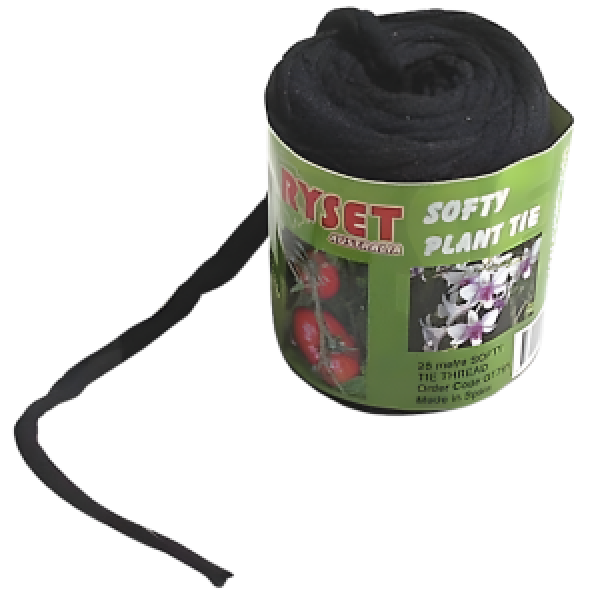
| Product type | Elastic plant tie thread |
| Roll length | 25 metres |
| Material | Soft woven elastic fabric |
| Flat width | Approximately 30 mm |
| Formed tie diameter | Approximately 5–6 mm when bunched |
| Colour | Black |
| Manufacturing origin | Italy |
OLIVE HARVESTING
Harvest time in the olive industry is a defining moment for olive oil and table olive producers. Efficient harvesting not only determines yield and profitability but also impacts fruit quality and timing for processing. Traditionally, picking olives by hand with poles, rakes, and nets was an arduous, labour-intensive process - in fact, manual harvesting with rakes and nets can account for 50% of an orchard’s production costs. Today the rising labour shortages and tighter margins, modern growers are increasingly turning to mechanisation to save time and money. The Olive Centre, a specialist supplier for the Australian olive industry, offers a full spectrum of harvesting equipment to address these needs - from state-of-the-art mechanical shakers like the Sicma harvesters to portable electric comb rakes, pneumatic rakes, nets, wheelable frames, and other accessories. This range of tools, paired with research-driven best practices, allows commercial groves to optimise harvest efficiency while maintaining fruit quality. Below, we explore each category of harvesting equipment available through The Olive Centre, focussing on key features, suitable applications, and insights from recent studies and field experience.
Mechanical harvesters are the heavyweights of olive harvesting - high frequency vibration systems built into the machines that shake fruit off trees with speed and efficiency. The Olive Centre provides a leading range of mechanical harvesters, including tractor-mounted shaker heads, skid-steer loader attachments, and dedicated self-propelled “buggy” harvesters. These systems use a vibrating head equipped with a clamp system that attaches to the tree’s trunk or main branches, transmitting high-frequency oscillations that travel with force to the higher branches holding olives to their stems. The result is a rapid cascade of olives into catching systems, often an inverted umbrella or frame beneath the tree. In well-designed groves, a single mechanical shaker can typically harvest 40–60 trees per hour (with a clamp-and-shake cycle of only 5-7 seconds per tree) - a dramatic improvement over manual picking rates. One Australian field review notes the jump from roughly 100 kg of olives per hour using the latest pneumatic or electric hand tools to approximately 500 kg per hour with efficient mechanical harvesting machines. This efficiency in throughput allows growers to bring in the crop at optimal ripeness and throughput, provided the subsequent milling capacity keeps pace.
A Sicma B411 Plus self-propelled olive harvester with its 6 m catching umbrella deployed. The Olive Centre’s partnership with Sicma gives Australian growers access to Italian-engineered mechanical harvesters known for efficiency and robust design.
Modern trunk shakers come in various configurations to suit different operations and grove terrain. The Olive Centre’s lineup includes tractor PTO-driven models (e.g., vibrating heads mounted on a tractor’s three-point linkage or front-end loader), retrofittable kits for skid-steer loaders and telehandlers, and stand-alone self-propelled units often nicknamed “buggies.” For example, the Sicma B411 Plus is a compact 4-wheel-drive buggy harvester with a telescopic vibrating head and a 6-meter diameter catching umbrella. This machine can clamp onto trunks up to ~40 cm in diameter and shake the fruit free, which falls into the umbrella. The built-in catch frame on such harvesters typically holds 200–300 kg of olives, and can be emptied through a hydraulic trap door into bins or trailers for easy collection. Thanks to features like high-frequency self-centering shaker heads and rubberised clamps, these systems minimise bark damage while maximising fruit removal.
In fact, a recent Italian field study on two olive cultivars achieved a 97% fruit removal rate using an advanced vibrating head and catch-frame system - virtually clearing trees in one shake. Mechanical harvesters are the workhorses of modern olive groves, enabling the timely harvest of large tonnages with a fraction of the manpower once required.
Practical considerations: Adopting trunk shakers does require that groves be compatible with the machinery.
Not every olive grove can accommodate a large shaker in their operation, and not every producer needs one. Electric and pneumatic olive harvesters - essentially motorised or air-powered “comb” or “rake” units – fill an important role for small to mid-sized producers and for groves on difficult terrain. These are handheld or pole-mounted tools with vibrating tines that comb through the olive branches, knocking olives off much faster than purely manual picking. The Olive Centre offers several options in this category:
Despite being smaller-scale than trunk shakers, electric and pneumatic harvesters substantially improve productivity over manual hand picking. Field data and grower reports suggest a single worker with a modern pneumatic or electric rake can harvest on the order of 80–120 kg of olives per hour (depending on tree yield and skill) - several times what hand picking would yield. One recent analysis noted about 100 kg/hour as a benchmark using the latest pneumatic or electric rakes. These tools are therefore very useful for reducing labour hours and addressing seasonal labour shortages, which have become a recurrent obstacle in olive production. They also excel in groves where tree spacing or steep hilly terrain make it impractical to bring in heavy machinery. Operators can simply lay out nets under a tree and work through the canopy with the powered rake, a method that is far less fatiguing than beating branches with poles.
Handheld harvesters do require proximity to each tree and are typically used by multiple workers. The efficiency per person is lower than a single large shaker with a catch frame (which can outpace a whole team of people), so producers must balance equipment investment with their useage capability and available labor. In many cases, electric or pneumatic combs are the preferred solution for small olive groves, where gentle handling and selective harvesting might be needed. They cause minimal damage when used properly, though some fruit bruising can occur – so harvested olives, especially table varieties, usually are collected onto nets or padding and not dropped from excessive heights to avoid bruising. Research into gentler harvesting continues: for instance, trials in California have combined canopy shaking with trunk shaking to improve efficiency for table olives. This method increased fruit removal by 75% and delivered higher-quality, less-damaged fruit compared to using either method alone. While such dual-method harvesters are still in development for table olives, it underscores that even in the realm of smaller-scale equipment, innovation is boosting performance. The Olive Centre stays abreast of these developments, supplying trusted brands (like Electric tools by Infaco, & Pneumatic equipment by Lisam) that have a track record in international olive cultivation. For growers, electric and pneumatic harvesters represent a relatively affordable and versatile investment to significantly cut harvest time and labour costs without the need for heavy machinery and a much bigger budget.
Harvesting equipment is not just about the machines that detach olives - it also encompasses all the tools that catch, collect, and transport the fruit once it’s off the tree. The Olive Centre offers a wide array of “catch and carry” accessories to support efficient harvesting operations. Among these are harvest nets and catching frames. Traditionally, tarps or nets are spread under olive trees to collect olives as they are hand-picked or knocked down with poles. Today’s purpose-made olive nets are durable, UV-resistant, and come in various sizes that can be fitted around trunk bases. They drastically reduce the time needed to gather fallen olives and prevent fruit loss on the ground. Some modern harvesters use an umbrella-style catching frame – essentially a large circular net on a frame that can be deployed under the tree (either by a person or as an attachment on a machine) to catch olives as they rain down. The Olive Centre offers products like a 5–6 m diameter catching frame that can be positioned around the trunk to funnel olives into an Industry-standard Orange Crate and will fit about 20kgs of fruit per crate. Such frames can be a game-changer for groves still harvested by hand or with electric or pneumatic combs, as they keep fruit off the soil (maintaining cleanliness and quality) and make collection faster.
Image: Major Catching Harvest Frame
The introduction of nets and basic mechanical aids in the mid-20th century was one of the first steps to mechanising olive harvests, replacing ladders and ground picking to reduce work time and safety risks for workers.
Another staple harvest accessory is hand rakes and picking tools. These simple, hand-driven rake devices (often plastic combs capable of making them a reachable unit by installing a broom handle) allow pickers to strip olives from branches more efficiently than by handpicking each fruit. A broom handle sourced at a local hardware store can be inserted into the back of the handle to make these reach greater heights. The Olive Centre’s catalogue includes these manual rakes that are useful for growers starting out, for very small operations or used with a large team. .
Picking bags and baskets are also important: workers can wear a picking bag to drop olives into as they hand-pick or move along the rows, then empty the bags into crates or bins periodically. Good picking bags distribute weight, are not too large and often have a quick-release bottom to safely transfer olives without spillage and impact which minimises bruising.
Crates and bins round out the harvest accessories – The Olive Centre provides vented plastic orange olive crates (around 15–20 kg capacity each) and heavy-duty pallet bins (~400 kg capacity) to safely store and transport harvested olives. These containers are food-grade and ventilated to prevent heat buildup or fermentation of olives before milling. They can be moved with tractors or forklifts, streamlining the post-harvest logistics.
Image: Orange Olive Crate
When it comes to moving bulk olives in the field, trailers and bins become essential. Many mechanical harvesting setups integrate with trailers; for example, a tractor shaking unit might drop fruit onto a towed trailer with a catching cloth, or a self-propelled buggy like the Sicma has its own bin reservoir that can be emptied into a trailer via a trap door. Even independent of mechanical shakers, growers often use tractor-pulled trailers to ferry filled pallet bins from the grove to the processing area. The Olive Centre can supply specialised bin trailer equipment and tipping mechanisms that make this process more efficient. The overall goal of all these accessories is to preserve fruit quality and save labour between the tree and the mill. Every hour saved collecting olives from the ground or transferring them to storage is efficiency gained in getting the olives to processing, which can be critical for oil quality. Research consistently emphasises rapid processing of olives after harvest (generally within 24 hours is best practice) to maintain low free fatty acidity and high polyphenol content. By using proper harvest aids - nets to keep olives clean, bins to avoid fruit piles overheating, and trailers to quickly haul fruit - producers can better achieve those quality goals.
Equipping an olive operation with the right tools is half the battle; the other half is using them in an optimised harvest strategy. Fortunately, extensive academic and industry research offers guidance on how to mechanise effectively without compromising the olives. One key concept is fruit detachment force (FDF) - essentially, how strongly an olive is attached to its branch. FDF decreases as olives ripen, which is why oil olives (allowed to ripen longer) are generally easier to remove, whereas table olives (picked green) are much more stubborn. A University of California study noted that table olives have a fruit removal force of about 0.5 kg - meaning they require significantly more shaking or even chemical loosening to enhance fruit removal. Oil olives, usuall progressed in manturation (compared to green table fruit), have a lower detachment force, and modern high-density oil cultivars are usually harvested by over-the-row machinery like an Moresil, Oxbo, New Holland or Colossus. This explains why trunk shakers and canopy shakers are an innovation mainly needed for table olive orchards (to address their high FDF), whereas oil olive groves in super-high-density (SHD) systems can be harvested by modified grape harvesters that strip fruit with minimal effort. For producers, understanding their varieties’ detachment characteristics can inform which equipment to use and whether strategies like applying an abscission agent (fruit loosening spray) might be worthwhile. In ongoing trials, compounds like ethephon are being tested to reduce olive attachment strength and thus increase mechanical harvester efficiency. Use fruit loosening agents with caution as improper use can defolate the entire tree.
Another insight from research is the importance of grove design and pruning in mechanical harvesting success. A tree with an open, accessible structure (single trunk, properly managed canopy) should yield better results with shakers. Studies from Europe have documented that tree architecture and pruning style significantly affect vibration transmission and fruit removal. Many growers now implement mechanical pruning and keep trees shorter to accommodate harvest machinery - a necessary adaptation as “there is no mechanical harvesting without orchard and canopy adaptation,” as one agricultural engineer famously put it. This might mean switching to hedgestyle planting (250–300 trees/ha) if one plans to use over-the-row harvesters, or simply maintaining a 6– 8 m spacing and a vase or single leader form for traditional orchards using trunk shakers. The Olive Centre, beyond just providing equipment, also provides grove consulting services to help producers plan such transitions, ensuring that investments in machinery are matched by an orchard setup that maximises efficiency and minimises fruit loss.
Finally, research confirms that speed and timing of harvest are crucial for quality. Mechanical harvesters enable a very fast picking .... entire blocks can be harvested at the optimal ripeness window rather than stretched over weeks. By concentrating harvest in the optimal period, growers can obtain olives at peak oil quality and get them milled promptly.
Evidence from studies in Spain and Italy shows that when olives are harvested at the right maturity and processed quickly, mechanisation does not impair oil quality metrics; on the contrary, timely harvesting can result in higher-quality extra virgin olive oil compared to a protracted hand harvest, where some fruit inevitably becomes overripe or delays in processing occur due to extended time duration needed.
For table olives, minimising bruising is a bigger concern, and the research offers pointers - for instance, experiments have shown harvesting in the cool pre-dawn hours can reduce fruit bruising and respiration, improving the condition of mechanically harvested table olives. Such findings are encouraging producers to adjust harvest schedules and techniques (e.g., adding padding to catch frames or using conveyors instead of dropping olives into bins) to protect fruit quality.
Tthe modern olive grower has an unprecedented range of harvesting equipment at their disposal, and when these tools are coupled with informed practices, the results are compelling: lower costs, higher efficiency, and preserved quality. Offering industry leading equipment - from Sicma’s cutting-edge shakers to nimble electric rakes, and all the supporting gear - reflects the evolving landscape of olive harvesting. By leveraging both technology and research-based know-how, commercial olive producers can confidently tackle the critical harvest season, bringing in the crop efficiently and at peak quality to ultimately produce better oil and table olives for the market.
Harvesting will always be a pivotal and challenging aspect of olive production, but it no longer needs to be a bottleneck. The range of equipment available through TheOliveCentre.com empowers growers to choose solutions tailored to their grove size, layout, and production goals. Whether it’s a robust mechanical harvester shaking 500 kg of olives per hour into an umbrella, or a team of workers with electric combs and nets swiftly stripping trees on a hillside, each approach offers advantages that can improve the bottom line. Importantly, ongoing innovation - much of it supported by academic and government research from Australia and abroad - continues to refine these tools and techniques for greater efficiency, ensuring that higher productivity does not come at the expense of fruit quality. With The Olive Centre’s expertise and equipment range (including their partnership with world-class harvesting machine manufacturers), Australian olive growers have access to the best of both worlds: advanced technology proven in international groves, and local knowledge and support to implement it successfully. The result is a harvest that’s faster, easier, and more profitable – helping producers focus on what comes next, turning those olives into exceptional oil and table olives for consumers to enjoy.
At the 5th International Conference on Sustainable Agriculture and Biosystems, researchers in Iran presented findings on why fruit and flower drop occurs in fruit trees and what growers can do to reduce losses. Drawing on their work, we explore the phenomenon of fruit and flower drop, the underlying causes, and practical remedies for orchard managers.
Fruit trees contribute significantly to agricultural economies across the world. Their production supports farm income, provides employment for skilled horticulturists, and underpins industries ranging from fresh produce to processing and food manufacturing. Cultivation involves a complex mix of practices: careful irrigation management, balanced fertilisation, pruning, pest control, and the application of modern technologies. Beyond economics, fruit trees are valued for their nutritional contributions, supplying sugars, oils, proteins, vitamins, and essential minerals through both fresh consumption and processed goods.
Fruit and flower drop is a natural occurrence in many tree species. Its extent varies according to cultivar, climate, soil type, and orchard practices. In some cases, drop is beneficial, helping the tree regulate excessive fruit load through “natural thinning.” But when drop is excessive or occurs at the wrong stage, it becomes detrimental, reducing yields and profitability.
Researchers typically divide drop into three categories:
Environmental Factors
The underlying mechanism of drop is closely linked to plant hormones. As fruits grow, the concentration of auxins (growth-promoting hormones) declines, while ethylene levels rise. This shift lowers the fruit detachment force (FDF), weakening the connection between fruit and tree. The abscission zone (the separation layer) becomes increasingly sensitive to ethylene, causing fruit drop. Environmental conditions such as temperature and humidity interact with these hormonal signals to intensify drop.
Growers can apply several strategies to reduce drop and improve fruit set:
While some degree of fruit and flower drop is unavoidable, excessive losses can usually be mitigated through careful orchard management. Attention to fertilisation, irrigation, pest control, and pollination provides the best defence against unnecessary drop.
Al-Dulaimy, A.F.Z., Alalaf, A.H., Al-Hayali, R.E.Y., & ALTaey, D.K.A. (2023). Flowers and Fruits Drop in Fruit Trees … Causes and Solutions: A review. Practical Advice
Presented at the 5th International Conference for Agricultural and Environment Sciences. IOP Conf. Ser.: Earth Environ. Sci. 1158 042010. Read Full Article
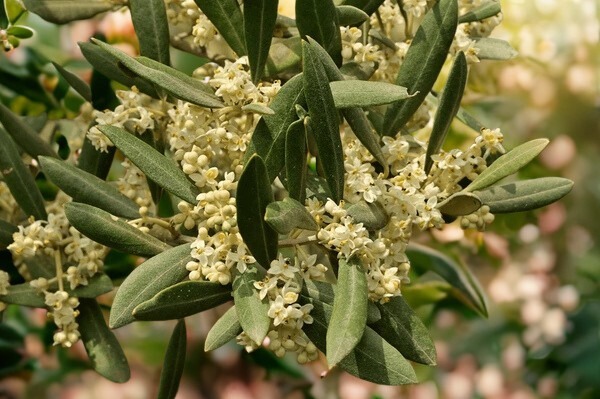
Photo credit: “Landscape view of the flowers of an olive tree (Olea europaea)” by Zsolyomi, available on Shutterstock (Asset ID: 2470400251). Licensed via Shutterstock Royalty-Free License.

Introduction
Managing a professional olive production enterprise requires a holistic operational system that covers every aspect of grove management – from seasonal field practices to financial tracking and technology integration. This report outlines a comprehensive system designed for professional olive producers in Australia (with relevance internationally), detailing best-practice management structures, cost tracking methods, data monitoring and decision-support tools, forecasting techniques, and ready-to-use workflows and templates. By implementing a structured approach with clear planning, recordkeeping, and modern tech integration, olive growers can improve productivity, sustainability, and profitability. The following sections break down the components of this system with practical guidelines and examples.
Effective olive grove management is multi-faceted, involving year-round planning and execution of tasks. It is helpful to organise these tasks by season and category, ensuring nothing is overlooked throughout the year. Table 1 provides an overview of key seasonal activities in an Australian context (southern hemisphere), which can be adjusted for other regions (the timing of seasons will differ in the northern hemisphere ). Each activity should be supported by detailed record-keeping and adherence to best practices for orchard maintenance, irrigation, nutrition, pest control, pruning, and harvest.
Proactive seasonal planning is vital. By mapping out activities month-by-month, growers can ensure each critical task is done at the right time. Many producers use a yearly task calendar or planner to schedule operations. For example, the Australian Olive Association’s Yearly Orchard Planner outlines monthly tasks ranging from machinery servicing in the off-season to timely fertiliser applications and harvest prep. Such a planner ensures cross-over tasks (e.g. tractor maintenance benefiting both grove and other farm enterprises) are efficiently scheduled. It’s important to adjust the calendar to local climate patterns and whether the grove is in the southern or northern hemisphere. Regular planning meetings (e.g. before each season change) can help assign responsibilities and resources for upcoming tasks.
Accurate record keeping underpins all aspects of the operational system. Every activity – from spray applications to harvest yields – should be logged. This not only aids internal decision-making but also is often required for compliance (e.g. chemical use records) or quality assurance programs (such as the OliveCare® code of best practice ). Key records to maintain include:
General orchard maintenance activities ensure the grove’s long-term health and accessibility. These include ground cover management, upkeep of equipment, and maintaining the orchard environment:
Efficient water management is crucial for olive production, especially in Australia’s climate, where seasonal droughts are common. Olives are relatively drought-tolerant, but strategic irrigation greatly improves yield and oil quality in most Australian growing regions. Key components of irrigation management include:
Overall, irrigation in an olive operational system should be proactive and precision-focused. Given water scarcity concerns, Australian producers in particular benefit from these efficient practices – a fact evidenced by large groves like Boundary Bend investing heavily in irrigation technology research to “use less water but retain optimum productivity”. Well-managed irrigation not only saves water and energy, but also directly contributes to consistent yields and oil quality.
Proper fertilisation of olive trees ensures they have the nutrients needed for vegetative growth, fruiting, and recovering after harvest. The nutrition program should be based on soil and leaf analysis plus the grove’s yield goals. Key points include:
Pest and disease management in olives should follow an Integrated Pest and Disease Management (IPDM) approach. This means using a combination of monitoring, cultural practices, biological controls, and chemical controls when needed. Key elements for a professional group include:
Pruning is a cornerstone of olive grove management, directly influencing yield, tree health, and harvest efficiency. A well-structured pruning program in a professional system includes:
Harvest is the culmination of the season and requires careful logistical planning to execute efficiently and preserve fruit quality. A comprehensive operational system addresses harvest in several ways:
By detailing harvest logistics in the operational system, a grower ensures that this critical period is handled smoothly. It’s often said that in olives, “90% of the quality is influenced by what happens on the farm” – timely harvest and proper handling are a big part of that. Thus, the comprehensive plan treats harvest not as a rushed event but as a well-orchestrated project each year.
Understanding and controlling the cost of production is essential for a sustainable olive business. This part of the system involves setting up templates and tools to track all costs, from orchard inputs to labour and equipment, and calculating metrics like cost per hectare and cost per tonne of olives (or per litre of oil). A professional approach includes:
| Cost Category | Example Items | Cost (AUD/ha) | Share of Total (%) |
|---|---|---|---|
| Labour – Harvest | Picking crew wages or harvester contract, supervision, and fuel | $1,200 | 35% (highest single cost) |
| Irrigation | Water purchase, pumping energy (diesel/electric), irrigation maintenance parts | $600 | 18% |
| Fertilisation | Fertilisers (N, P, K), soil amendments, and application labour | $550 | 16% |
| Pruning | Labour or contract pruning, tool maintenance, brush mulching | $450 | 13% (varies by manual vs mechanical) |
| Pest & Disease Control | Pesticides, fungicides, traps, application labour (spraying) | $300 | 9% |
| Other Labour (non-harvest) | Irrigation management, mowing, and general supervision (portion of manager wages) | $200 | 6% |
| Machinery & Fuel | Tractor fuel, maintenance, depreciation (portion allocated) | $150 | 4% |
| Miscellaneous | Monitoring tech, insurance, admin, etc. | $100 | 3% |
| * Total (per hectare per year) | $3,550 | 100% | |
Table Note: The above breakdown is illustrative. Actual costs will differ by grove and system (e.g. superintensive groves might have higher harvest costs due to machinery leases but lower per-unit labour, etc.). The IOC study figures in the table (italicised) are from a traditional system example and show the relative importance of harvest, irrigation, and fertiliser inputs. Tracking your own costs allows you to refine these numbers for your operation.
Modern olive farming can greatly benefit from data-driven decision support, using sensors and information technology (the realm of IoT – Internet of Things and smart farming). Integrating such systems into daily operations turns raw data (weather, soil moisture, pest counts, etc.) into actionable insights. In this comprehensive system, the following integrations are recommended:
To run a sustainable olive operation, one must not only react to the present conditions but also anticipate the future. Forecasting tools help in predicting yields, planning resources and finances, and strategising for the long term. This section details how to incorporate forecasting into the operational system:
In the operational system, it’s wise to formalise yield forecasting. For instance, schedule a “yield forecast review” meeting mid-season (maybe 6–8 weeks post flowering) to discuss all available info (fruit set, tree health, etc.) and come to a forecast. Update it again just before harvest with more solid numbers (e.g. from sample picking an olive bin from a tree or small plot and weighing). Document these forecasts and later compare them to actual yield to improve your methods over time.
Forecasting is not only about yield – it’s equally about financials. A robust operational system will include:
By treating budgeting and financial forecasting as an integral part of the operational system (rather than an afterthought at tax time), professional growers ensure that agronomic decisions are grounded in financial reality. It also impresses stakeholders (banks, investors) when the business can show proactive financial planning.
Beyond the annual scale, a comprehensive system should guide strategic planning over the long term:
To translate all the above components into day-to-day action, the system should provide clear workflows and ready-to-use templates. These resources ensure consistency, save time, and serve as training tools for staff. Below are some of the key templates and checklists recommended, along with their purpose:
In the resources library of industry organisations, many of these templates are available. The Australian Olive Association, for instance, provides resources like the Yearly Orchard Planner, an IPDM manual, and other guides which include checklists and record sheets (often accessible to members). International bodies like the IOC or FAO have Good Agricultural Practices manuals that contain sample record forms. The key is to adopt and customise these to your farm’s needs, then consistently use them.
By having structured workflows and templates, the operation runs in a systematised way rather than relying on memory or ad hoc decisions. This reduces risk (e.g. missing a spray or forgetting to service something) and improves training – new staff can quickly learn the ropes by following established formats. Moreover, in the event a manager is away, the existence of clear checklists and templates means the team can continue to function with minimal disruption, since the “recipe” for tasks is documented.
To support the comprehensive system described, certain technologies and software tools are highly beneficial. Below, we provide recommendations for tools that are either commercially available or emanate from credible research institutions, ensuring they are reliable and suitable for professional use. These cover farm management platforms, specialised olive cultivation tools, and general agtech solutions:
In conclusion, a comprehensive operational system for professional olive producers weaves together agronomic best practices, detailed record-keeping, cost management, and technology integration and planning into one coherent framework. By implementing a structured management calendar, maintaining meticulous records of both activities and expenses, and leveraging modern sensors and software, growers can achieve a high level of control and insight into their operations. This system is designed to be holistic – covering the soil beneath the trees to the finances underpinning the enterprise – and adaptive, allowing for localisation (Australian conditions in this context, but with practices applicable globally) and continuous improvement as new knowledge or tools emerge.
Crucially, the system emphasises that planning and monitoring are as important as doing. Seasonal checklists and annual planners ensure proactive management rather than reactive firefighting. Cost templates and forecasting tools ensure that production is not just good in the grove but also economically sustainable. Meanwhile, data from IoT sensors and decision support models enable precision farming – applying the right intervention at the right time and place, which is both cost-effective and environmentally responsible.
Implementing this comprehensive system may require an initial investment in time (to set up templates, train staff) and capital (for technology or new equipment), but the returns are seen in higher yields, better quality, lower wastage of inputs, and improved ability to cope with challenges (be it a pest outbreak or a drought year). As demonstrated by progressive growers and supported by research, the integration of traditional olive cultivation wisdom with cutting-edge agtech forms the blueprint for the future of olive production.
By following the structured approach outlined in this report, professional olive producers in Australia – and those in similar olive-growing regions worldwide – can enhance the productivity and sustainability of their groves. They will be well-equipped to produce olive oil and table olives of the highest quality, with an operation that is efficient, resilient, and ready to capitalise on innovations and market opportunities. The ultimate goal of this system is to ensure that every aspect of the olive orchard, from bud to bottle, is managed with excellence and foresight – securing both the profitability of the enterprise and the legacy of the grove for years to come.
Sources: