My Account
Sign-in / Join

Sign-in

Hi My Account

Dashboard

Logout

Cart

My Shopping Cart

Subtotal
${{total.toFixed(2)}}
QUOTE

Ryset Canvas Fruit Picking Bag – Commercial Harvest Bag

Delivery charges apply
Sizes
Quantity

DAGTRPB
  • Description
  • Features
  • Enquiry
  • Specifications
  • Knowledge
Ryset Canvas Fruit Picking Bag – Commercial Harvest Bag

Delivery charges apply

Heavy-duty canvas fruit picking bag designed for professional harvesting, offering durability, comfort, and gentle fruit handling.

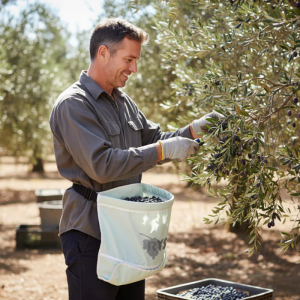
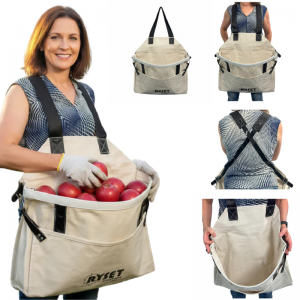
Ryset heavy duty canvas fruit picking bag with padded cross-over straps and long exit chute for commercial harvesting.

The Ryset Canvas Fruit Picking Bag is a professional-grade harvesting solution engineered for commercial fruit growers and serious pickers who demand durability, comfort, and efficiency in the field. Constructed from heavy duty canvas, this picking bag is built to withstand daily use in demanding orchard environments while maintaining its shape and performance over time.

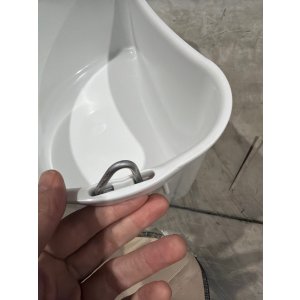
Designed with picker ergonomics in mind, the bag features padded cross-over shoulder straps that distribute weight evenly across the body, significantly reducing fatigue during long harvesting sessions. A reinforced plastic hoop at the top keeps the bag open, allowing fast, hands-free picking without collapse. The long exit chute, secured with hardened steel clips, enables controlled and gentle release of fruit into bins or crates, helping minimise bruising and preserve fruit quality.

Available in four capacity sizes, the Ryset picking bag is suitable for a wide range of fruit types and harvesting scales, from small orchards to large commercial operations.

Where this product is used

This fruit picking bag is used in orchards and farms for harvesting olives, apples, citrus, stone fruit, pears, and other similar produce. It is ideal for commercial harvesting where durability, picker comfort, and gentle fruit handling are critical.
 

Ryset Canvas Fruit Picking Bag – Technical Specifications

Specification Details
Product type Commercial fruit picking bag
Brand Ryset
Material Heavy duty canvas
Strap design Padded cross-over shoulder straps
Exit system Long exit chute with hardened steel clips
Reinforcement Plastic hoop to maintain bag opening
Available capacities 0.5, 1.0, 1.5, and 2.0 bushel


Available size options

Small – 0.5 bushel capacity (fits up to approximately 8.5 kg of olive fruit)
Medium – 1.0 bushel capacity
Large – 1.5 bushel capacity
Extra large – 2.0 bushel capacity

Why choose this product

The Ryset Canvas Fruit Picking Bag is built for longevity, comfort, and fruit protection. Its heavy duty canvas construction resists wear and tearing, while the ergonomic strap system reduces strain on the picker. The long exit chute allows controlled unloading, helping maintain fruit quality and efficiency during harvest.

Guidelines

Wear the bag using the padded cross-over straps and adjust for a secure, comfortable fit. Pick fruit directly into the open bag, supported by the reinforcement hoop. When ready to unload, open the exit chute using the steel clips and gently release fruit into bins or containers. Clean and dry the bag after use to prolong service life.

Frequently Asked Questions


General main key features

• Heavy duty canvas construction for long service life
• Padded cross-over straps for improved comfort
• Long exit chute for gentle fruit release
• Plastic reinforcement hoop for hands-free picking
• Designed for commercial harvesting use
  • :
  • :
  • :
  • :

Enhancing Olive Harvesting with Advanced Mechanical Solutions
The study, which focused on the ‘Ortice’ and ‘Ortolana’ olive cultivars, found that this technology achieved a mechanical harvesting yield of approximately 97%, highlighting its potential to significantly enhance productivity and cost-effectiveness in modern olive farming. If you are looking for small-scale olive oil processing machines, olive oil processing machine prices, compact olive oil processing equipment for boutique groves, olive oil ex
Please log in to view the entire article

Mechanical Tree Shaker Preventive‑Maintenance Guide - HUB

Mechanical tree shakers are the backbone of modern olive and nut harvesting, delivering the high-frequency vibrations needed to detach fruit efficiently. But the same forces that maximise yield also put extreme stress on the machine itself. Without a structured preventive-maintenance program, vibration can quickly loosen fasteners, wear through hydraulic hoses, rub down electrical insulation, and accelerate pump and bearing failure.
Please log in to view the entire article
Cab%20record%20sheet%20-%20Mechanical%20Harvester.pdf

New Research Unlocks Olive Harvesting Efficiency For Better Fruit Removal - HUB

Mechanical trunk shakers have transformed olive harvesting in modern olive groves. A new study: Damping behaviour of olive trees under trunk shaking (Ghonimy, Alharbi & Ibrahim, 2025) provides growers with the first detailed breakdown of how vibration energy moves through olive trees and the soil beneath them. The findings reveal how attachment height, trunk diameter, and the tree-soil interaction determine whether ...
Please log in to view the entire article

The Essential Equipment Guide to Harvesting Olives

Harvesting is one of the most critical and labour-intensive stages in olive production, traditionally consuming up to 80% of orchard costs. Today, growers are turning to modern solutions that combine efficiency with fruit quality. From powerful mechanical trunk shakers and self-propelled buggies, to versatile electric and pneumatic harvesters, and essential tools like nets, rakes, and trailers.
Please log in to view the entire article

Antioxidant Use to Minimise Leaf Drop in Olive Fruit Abscission Treatments | Fruit Looseni

Antioxidants Reduce Leaf Drop in Olive Fruit Abscission Treatments. Research shows antioxidants can protect olive leaves while promoting fruit abscission, making mechanical harvesting more efficient and sustainable... more...
Please log in to view the entire article

The Svalbard Global Seed Vault Receives Olive Seeds for the First Time

OLIVE GENETIC PRESERVATION

The Svalbard Global Seed Vault Receives Olive Seeds for the First Time


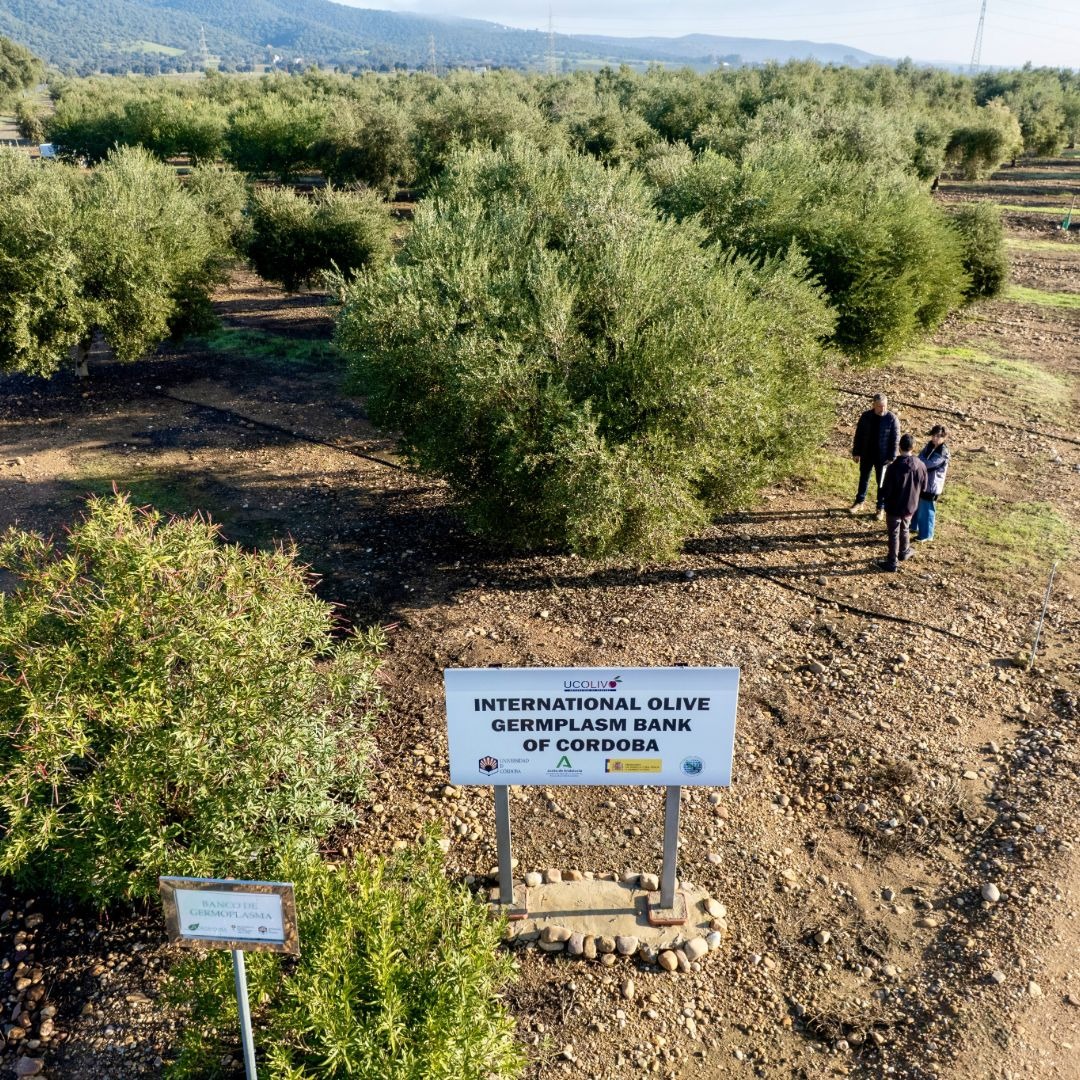
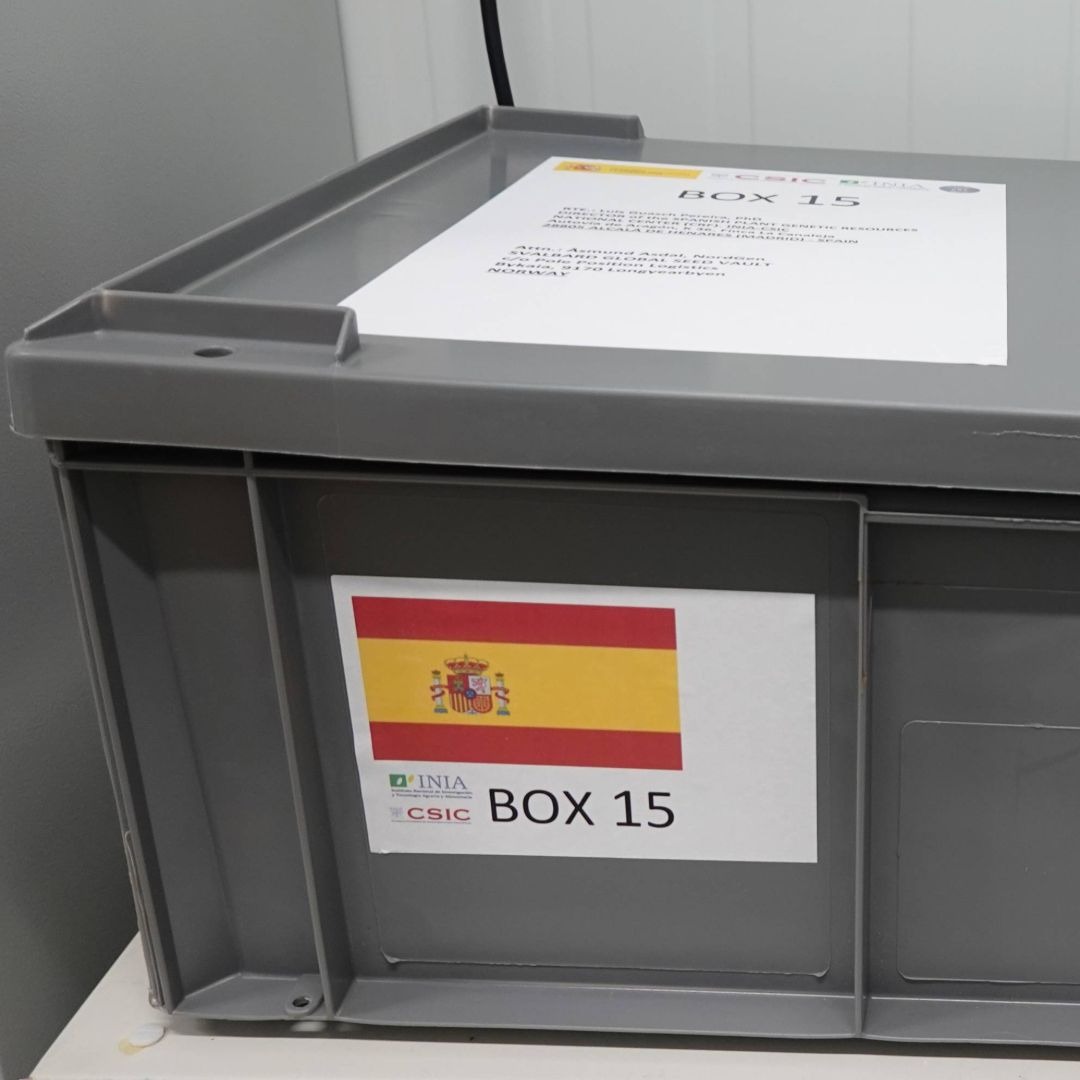
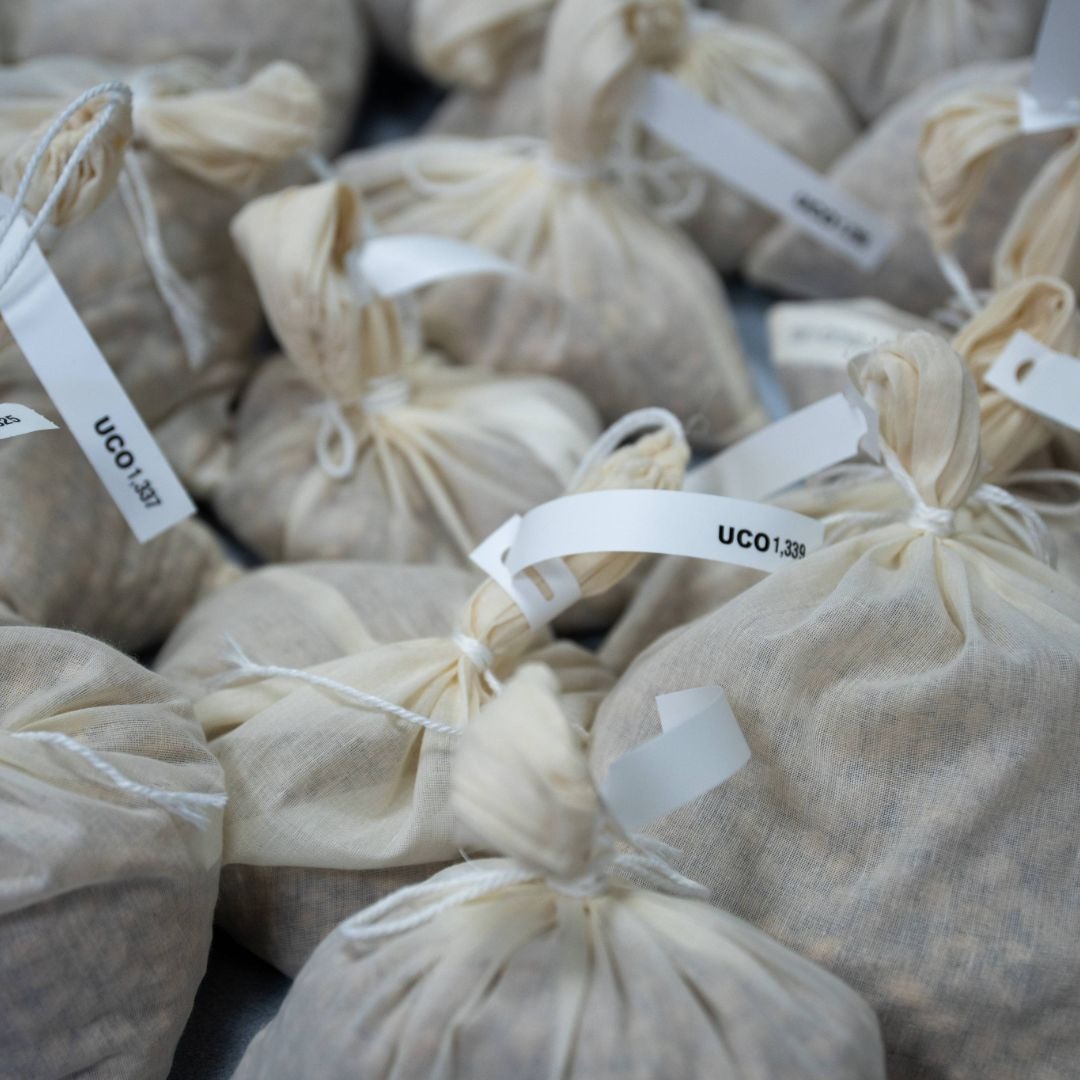
In a landmark moment for global agricultural preservation, olive seeds have been deposited for the first time in the Svalbard Global Seed Vault - the world’s most secure facility for safeguarding crop diversity.

Located deep within the Arctic permafrost of Norway’s Svalbard archipelago, the Seed Vault serves as a global backup system for the planet’s agricultural biodiversity. Often described as the “doomsday vault,” it protects seeds against the risks of climate change, natural disasters, conflict, and biodiversity loss.

Now, for the first time in history, olive seeds are part of that global legacy.

A Historic Milestone for the Olive Sector

The deposit marks a significant step forward in protecting one of the world’s most iconic and culturally important crops. Olive trees have sustained civilizations for thousands of years, symbolising peace, resilience and nourishment. Preserving their genetic diversity ensures that this legacy continues for generations to come.
Jaime Lillo Lopez, Executive Director of the International Olive Council (IOC), highlighted the importance of the moment:

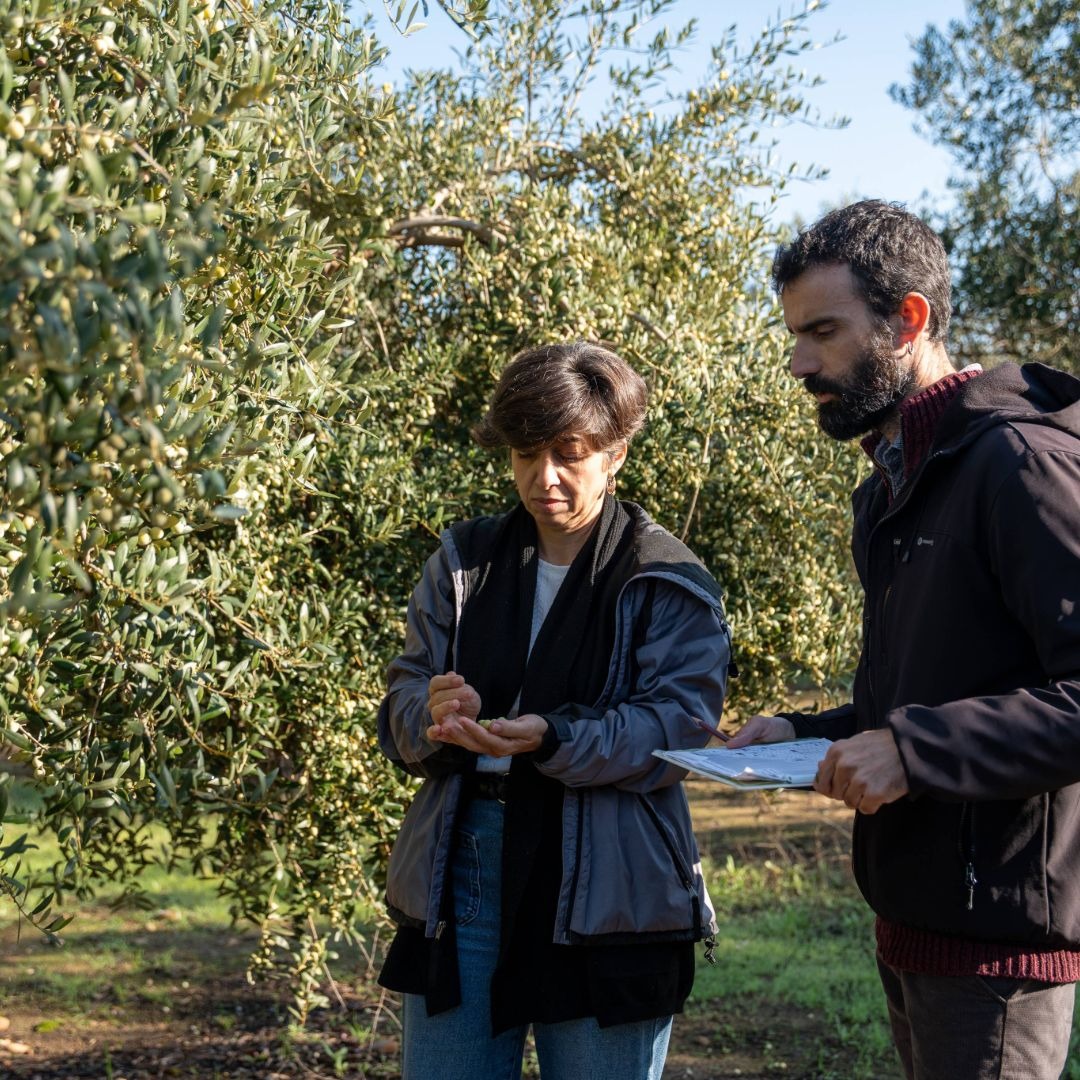
“The seeds we have deposited are the legacy of farmers who, throughout history, selected the most resistant trees - those that produced the best fruit or adapted to diverse soils, climates and diverse conditions. These seeds are a guarantee that future generations will continue to enjoy such an extraordinary product as olive oil.”

His words underscore what this deposit truly represents: not just seeds, but centuries of accumulated knowledge, adaptation, and agricultural selection.

A Global Collaboration for Agricultural Resilience


This initiative was launched within the framework of the European H2020 GEN4OLIVE project, a research programme dedicated to unlocking and conserving olive genetic diversity. It was subsequently promoted by the IOC, the Food and Agriculture Organization of the United Nations (FAO), and Spain’s Ministry of Agriculture, Fisheries and Food.

The collaboration extended to leading academic and research institutions, including:

  • Universidad de Córdoba (UCO)
  • Universidad de Granada (UGR)
  • Plant Genetic Resources Centre (CRF-INIA)
  • National Institute for Agricultural and Food Research and Technology (INIA)
  • Spanish National Research Council (CSIC)
This broad coalition demonstrates that conserving traditional and wild olive varieties is not merely a scientific exercise - it is a collective commitment to strengthening agricultural resilience and ensuring long-term food security.

Organisations such as NordGen and the Crop Trust, along with representatives including Juan Antonio Polo Palomino, Abderraouf Laajimi, Álvaro Toledo, Dr. Kent Nnadozie, Concepción Muñoz Diez, Hristofor Miho and Pablo Morello Parra, also played key roles in bringing this milestone to fruition.

Olive Genetics

For olive growers and producers worldwide, this development carries profound implications.

Olive trees are uniquely adapted to marginal soils, water scarcity, and variable climates. However, increasing pressures from:

  • Climate variability
  • Emerging pests and diseases
  • Water limitations
  • Soil degradation
  • Shifting production zones
Make genetic diversity more important than ever.

Traditional and wild olive varieties contain traits that may hold the key to:

  • Improved drought tolerance
  • Disease resistance
  • Adaptation to new climatic conditions
  • Enhanced oil quality characteristics
  • Resilience to environmental stress
By preserving these genetic resources in the Svalbard Global Seed Vault, the industry is effectively safeguarding a toolbox for future breeding, research and innovation.

From Mediterranean Heritage to Arctic Safeguard


The symbolic power of Mediterranean olive genetics being stored in Arctic ice is profound. It reflects the global importance of olives - no longer confined to traditional growing regions but increasingly cultivated across diverse climates worldwide.

As olive production expands into new regions, including areas facing climatic volatility, the value of preserved genetic material grows exponentially. The Svalbard deposit ensures that even in worst-case scenarios, the genetic foundation of the olive sector remains secure.

A Commitment Beyond Science

This initiative goes beyond seed banking.

It represents recognition that agricultural biodiversity is a shared global responsibility. Farmers, researchers, governments, and international organisations are united by a common understanding: safeguarding crop diversity is essential for future food systems.

The olive industry - deeply rooted in tradition - is demonstrating that it is equally committed to innovation, resilience and long-term stewardship.

Securing the Future of Olive Oil

For growers, processors, and industry stakeholders, this historic deposit sends a message: the olive sector is planning for the long term.

Preserving traditional and wild varieties ensures that future generations will continue to:

  • Cultivate olives in changing climates
  • Maintain oil quality standards
  • Protect regional characteristics and heritage
  • Develop improved cultivars
  • Sustain global olive oil production
The olive tree has endured for millennia. By placing its seeds in the world’s most secure seed vault, the global community has taken a decisive step to ensure it thrives for millennia more.

New Research Highlights the Health Value of Olive Oil Polyphenols

New clinical research shows olive oil polyphenols may improve metabolic health markers linked to cardiovascular disease and metabolic syndrome.
Please log in to view the entire article

The 2026 Olive Harvest Has Begun in Australia

Australia’s 2026 olive harvest has begun, with early reports showing strong fruit size and the first varieties now arriving at processing facilities.
Please log in to view the entire article

U.S. Olive Oil Market Faces Policy Crossroads as Standards, Tariffs and Trust Take Centre

U.S. Olive Oil Market Faces Policy Crossroads as Standards, Tariffs and Trust Take Centre Stage
Please log in to view the entire article

Does Nitrogen and Potassium Really Increase Olive Oil Content

New research shows nitrogen and potassium increase olive oil yield by growing larger fruit, not by increasing oil concentration in the pulp.
Please log in to view the entire article

"Get Drizzling" 2026 - A National Marketing Campaign For Olive Oil

Get Drizzling 2026: The Chef’s Secret to Extraordinary Dishes The Australian Olive Oil Association’s 2026 Get Drizzling campaign returns this Autumn. Discover how a simple drizzle of olive oil transforms flavor and texture with insights from top chefs like Khanh Ong and Darren Robertson. Master the finishing touch that turns everyday meals into restaurant-quality masterpieces.
Please log in to view the entire article