My Account
Sign-in / Join

Sign-in

Hi My Account

Dashboard

Logout

Cart

My Shopping Cart

Subtotal
${{total.toFixed(2)}}
QUOTE

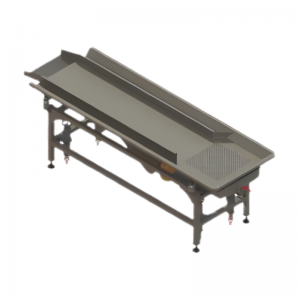
Barigelli B/L 20 Olive Washing Machine

Delivery calculated separately
Call for price
Quantity

V1C/L
  • Description
  • Features
  • Enquiry
  • Specifications
  • Knowledge
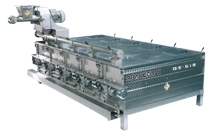
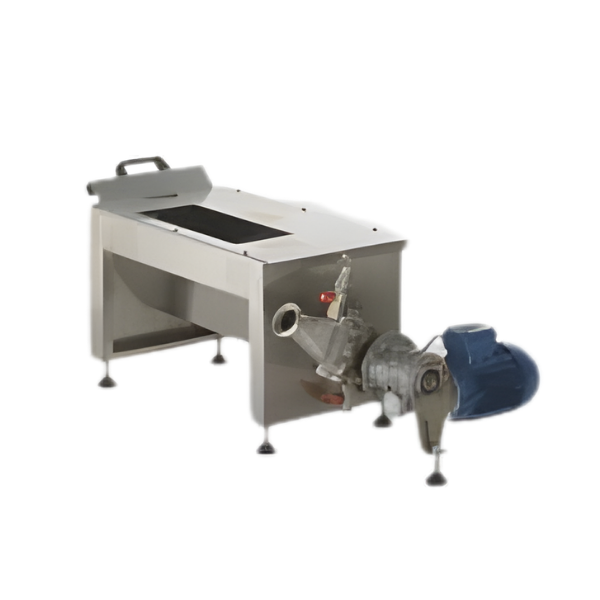
Barigelli Olive Washing Machine Mod. B/L 20

Delivery calculated separately


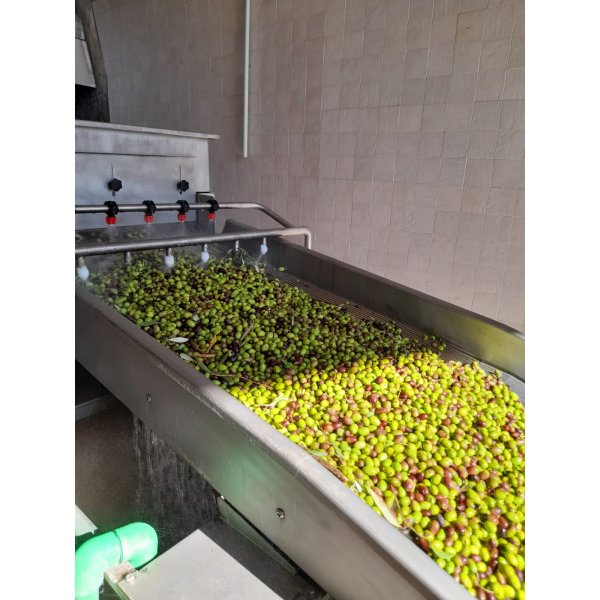
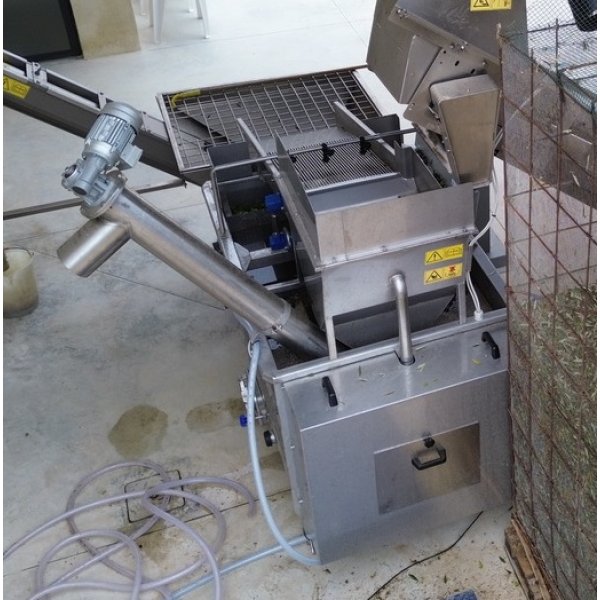
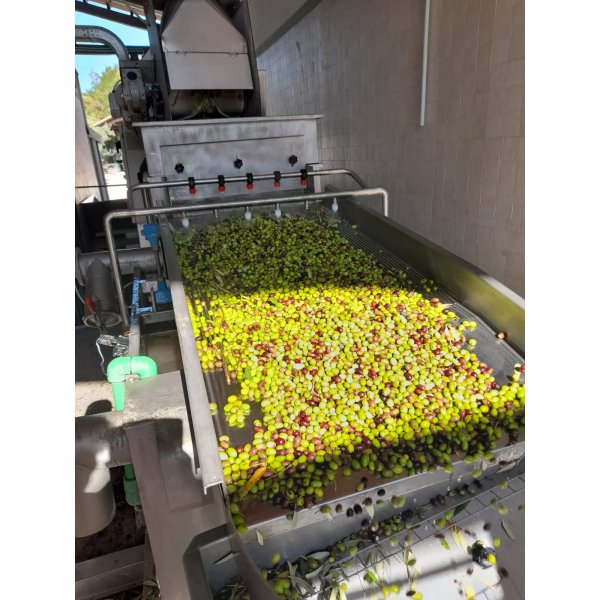
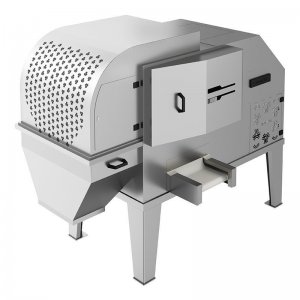
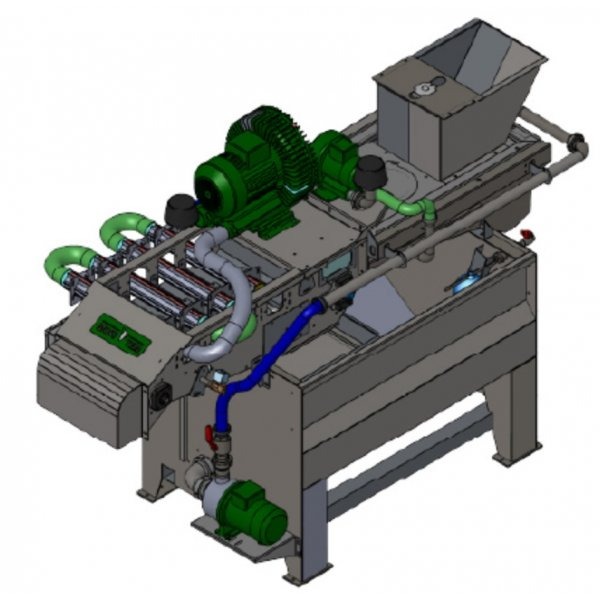
The Barigelli Olive Washing Machine Mod. B/L 20 is a high-performance washer designed for professional olive processing lines. Built from AISI 304 stainless steel, this system ensures hygienic and efficient washing of olives before crushing and extraction.
The machine removes dust, leaves, stones, twigs, and other foreign materials while handling olives gently to protect fruit integrity. Rapid-discharge taps allow fast water exchange during continuous production, and the integrated foreign body removal device improves both cleaning quality and production safety.
With a washing capacity of 800 kg per hour, the B/L 20 is engineered for olive mills that require reliability, hygiene, and consistent performance in their pre-crushing workflow.

Uses – For Olive Cleaning and Pre-Processing

The Barigelli B/L 20 is specifically designed for pre-processing in olive oil extraction lines, ensuring that olives enter the crusher completely clean and free from contaminants.
It is suitable for small to large mills where consistent sanitation, efficient debris removal, and rapid workflow are essential for maintaining oil quality. This washing machine supports both continuous and batch washing cycles, offering flexibility for different processing environments.

Technical Specification
Specification Value
Product Name Barigelli Olive Washing Machine Mod. B/L 20
Function Washes olives and removes foreign matter
Capacity 800 kg per hour
Main Material AISI 304 stainless steel
Motor – Foreign Body Removal 0.37 kW
Motor – Leaf Removal 0.37 kW
Centrifugal Pump Motor 3.0 kW at 2,900 rpm
Screen Motor 0.55 kW
Wash Tub Dual taps for rapid water discharge
Operation Continuous or batch washing cycles
Power Supply 400 V, 50 Hz, 3 phase
Approx. Dimensions 1,350 mm W x 1,350 mm L x 2,230 mm H
Approx. Weight 200 kg
Country of Manufacture Italy

Compatibility

This machine is fully compatible with Barigelli olive elevators, receiving hoppers, and leaf removal equipment. It can also be integrated into existing Clemente, Alfa Laval, or Pieralisi washing and crushing lines, allowing easy installation in modern olive processing plants.

Why Choose This Product

The Barigelli B/L 20 provides powerful, reliable and hygienic olive washing performance. Its foreign body removal system protects downstream equipment and improves oil purity. Rapid-discharge taps make water exchange fast and efficient, while its stainless steel design ensures long-term durability. This machine is ideal for olive mills seeking dependable cleaning performance, low maintenance and consistent product quality.

Shipping and Packaging

The B/L 20 is crated securely for transport. Storage should be in a clean, dry environment. Delivery charges apply.


Frequently Asked Questions 


Key Features

● AISI 304 stainless-steel construction for corrosion resistance and hygiene
● Integrated foreign body removal system
● Dual wash tubs with rapid-discharge taps
● Efficient centrifugal pump for water circulation
● Easy access for cleaning and maintenance
● Compatible with continuous olive processing lines
● Low water consumption with high washing efficiency
● Handles up to 800 kg of olives per hour
  • :
  • :
  • :
  • :
  • :
  • :
  • :
  • :

Olive Oil Extraction: Investing in the Right Equipment for Quality Production

OLIVE OIL PROCESSING

Olive Oil Extraction & Investing in the Right Equipment for Quality Production

For businesses and serious growers considering olive oil extraction, the idea of owning a machine for under $10,000 may seem like an attractive entry point. However, achieving high-quality olive oil requires advanced extraction technology that meets food-grade standards. The extraction process is highly technical, demanding specialised equipment to maintain oil integrity and efficiency. This guide will help you understand the essential components of olive oil processing, the investment required, and the best options for entering the market.

The Technology Behind High-Quality Olive Oil Extraction

Many low-cost machines marketed for oil extraction—often priced around $2,000—are screw presses designed for seed and nut oils. These do not meet the requirements for proper olive oil extraction. Producing premium extra virgin olive oil requires specialised machinery that includes:

  • Crushing Systems – Designed to handle the hard-pitted structure of olives while maintaining a low processing temperature to preserve oil quality.
  • Malaxation Tanks – Controlled mixing at precise temperatures allows natural enzymes to release oil from the olive paste while preventing oxidation.
  • Centrifugal Separation – Essential for separating oil, water, and solids efficiently to ensure high yield and purity.

Without these advanced components, it is impossible to produce high-quality olive oil that meets commercial standards.

Breaking Down the Olive Oil Extraction Process

1. Crushing: The First Step to Extraction

  • Requires high-strength crushers to break down tough olive pits.
  • Must operate at low temperatures to preserve the oil’s sensory and nutritional properties.
  • Ensures paste consistency for effective malaxation.

2. Malaxation: Controlling Time & Temperature

  • A slow, controlled mixing process that activates natural enzymes. 
  • Requires low-velocity mixing with high torque to prevent excess oxygen exposure. 
  • Essential for maximizing oil yield and quality.

3. Centrifugal Separation: The Final Stage

  • Uses a decanter centrifuge to separate oil from water and solids. 
  •  A crucial step for achieving purity and optimal extraction efficiency.

Each of these stages demands industrial-grade technology, making low-cost extraction machines impractical for producing high-quality olive oil.

How to Get Started with Olive Oil Extraction

Option 1: Invest in a Professional-Grade Machine – The Frantoino Olive Oil Press

For those serious about maintaining full control over their production, the Frantoino Olive Oil Press is an excellent entry-level option. With a processing capacity of up to 50kg per hour, it delivers professional-quality results in a compact and efficient design. Owning your own machine ensures complete flexibility and control over your olive oil production.

Option 2: Purchase a Pre-Owned Olive Oil Press

If you’re looking for a cost-effective alternative, buying a used machine can provide savings while still allowing you to own your equipment. Though used machines can be harder to source, platforms such as Olive Machinery list available second-hand units.

Option 3: Use a Commercial Olive Processing Service

For those not ready to invest in machinery, a local processing facility provides access to high-grade extraction equipment without the capital investment. To find a processor near you, use The Olive Centre’s Processor Map.

Conclusion: Finding the Right Solution for Your Scale Of Olive Oil Production

Producing high-quality olive oil requires investment in the right equipment and processes. Whether you choose to own a professional machine like the Frantoino, explore second-hand options, or utilise a local processing service, there are solutions to suit different business needs. For those prioritising full control and flexibility, investing in specialized extraction equipment is the best path forward. However, used equipment and local processors provide accessible alternatives for those looking to test the market before committing to a larger investment.

Starting Out with Olive Oil Extraction: What You Really Need to Know

OLIVE OIL PROCESSING SOLUTIONS

Starting Out with Olive Oil Extraction: What You Really Need to Know

If you are looking for small-scale olive oil processing machines, olive oil processing machine prices, compact olive oil processing equipment for boutique groves, olive oil extraction machines for home use, olive oil press machines in Australia, the best home olive oil presses, and affordable olive oil processing machines for sale - many of which are available through The Olive Centre’s renowned range of processing, milling and extraction solutions.

Thinking about pressing your own olive oil for under $10,000 may seem tempting, especially for hobby growers. But when it comes to creating top-tier olive oil, a simple, budget-friendly machine won’t meet the needs. Producing quality oil requires carefully managed steps and solid equipment. Here's a clear look at how the process works and how beginners can get started without compromising quality.

What Technology Do You Need For Olive Oil Extraction

Some machines, often sold for a few thousand dollars, claim to produce olive oil. But most of these are screw presses, which are more suited for seeds or nuts - not olives. For real olive oil extraction, you’ll need machinery built specifically to crush, knead, and separate the oil from the paste using centrifugal force. This setup ensures a high yield and preserves the oil’s natural flavour and antioxidants.

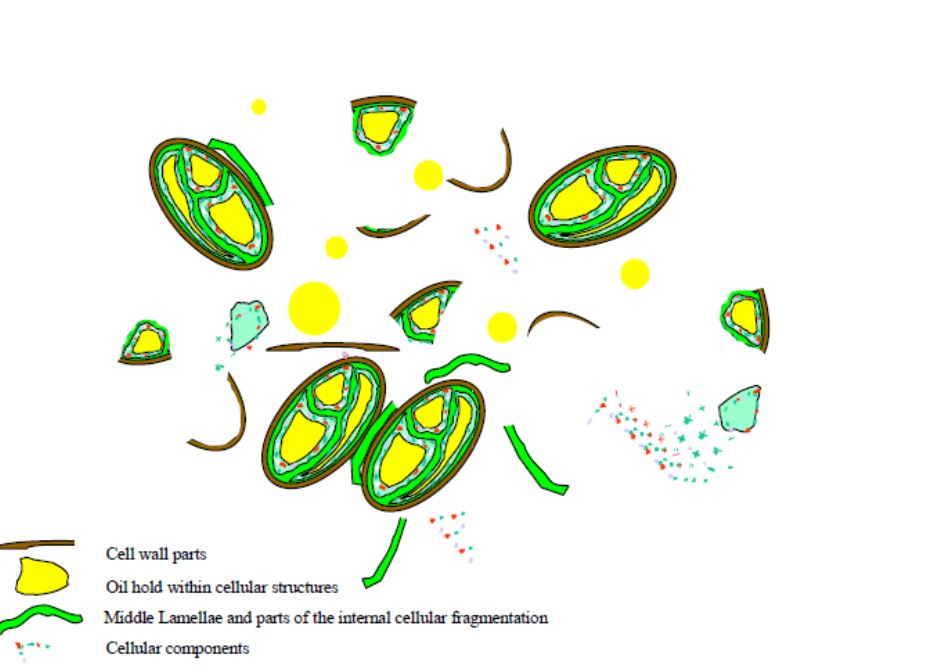
Getting into the actual steps means dealing with tough-skinned olives that need force to break down. From the initial crush to the slow and steady malaxing process, each part of extraction must be carefully controlled. Especially during malaxation, the paste needs to be stirred slowly and kept at the right temperature to let natural enzymes do their job and without this process the cell wall structure of the olive is not broken down to release the oil. This lets the oil separate cleanly during the separation phase of extraction. Machines under $10,000 typically lack the components and processes required to extract olive oil.  

The Extraction Process: What Every Step Demands

Olive oil extraction calls for power, control, and precision. Here's what’s involved:

  • STEP 1:  Breaking down hard olive pits: Only strong crushers can handle the pressure needed. Without enough power, the crushed paste won’t have the right texture, and the next stage can’t work effectively. This step should also happen at a low temperature to keep the paste’s quality intact.
  • STEP 2:  Malaxing needs specific control: This step isn't just stirring. It has to be slow and carefully timed. Machines must deliver high torque at low speeds to avoid mixing in air, which can ruin flavour. Enzymes inside the paste break open the oil cells, letting droplets rise. Without steady malaxation and heat control, the oil’s character drops.
  • STEP 3:  Separation through centrifugal force: Once malaxing is done, the mixture must be spun at high speed to separate oil, water, and solids. Only well-designed decanters can do this effectively.
All of these parts show why high-quality machinery isn’t cheap. Machines made with stainless steel and food-grade components cost more for a reason - they protect the oil's quality from start to finish.

Three Entry Points for Olive Oil Production

If you're ready to begin, there are three practical routes depending on your budget and goals:

1. Buy Your Own Press - Frantoino Olive Oil Machine If you want full control and plan to press olives regularly, the Frantoino is a strong entry-level choice. It processes up to 50 kg per hour and gives you hands-on management of every step. You get compact, professional-grade results at home, making this machine perfect for small-scale producers who want flexibility and independence.

2. Consider Pre-Owned Equipment - Not everyone wants to invest in a brand-new setup right away. Buying a used press can cut costs without cutting quality - if you find the right machine. While second-hand units aren't always easy to locate, Olive Machinery has a section for used presses that may suit your needs. This option offers ownership without the higher initial spend.

3. Use a Nearby Processing Service - If you don’t want to buy a machine yet, look into local services that let you use commercial-grade equipment without owning it. This gives you access to professional tools without long-term costs. The Olive Centre’s processor map helps you find a service near you. This option is ideal for first-timers or those with smaller harvests.

Final Advice: Picking the Best Start for You

Getting into olive oil production takes careful thought, but there are solid options for newcomers. Whether you want full control, a used machine that is cheaper on the budget, or access to a local press (see map-link below), there’s a solution that can work for your setup.

If control and consistency matter most, owning a machine like the Frantoino puts you in charge. If budget matters more, used equipment or shared services let you start small and grow. The key is to understand what each step requires and match that to the method that fits your goals.

Resources


Process Your Own Olives: Bringing Oliomio Technology to Australian Growers


Olive Oil Processing- OliomioTechnology

Process Your Own Olives: Bringing Oliomio Technology to Australian Growers

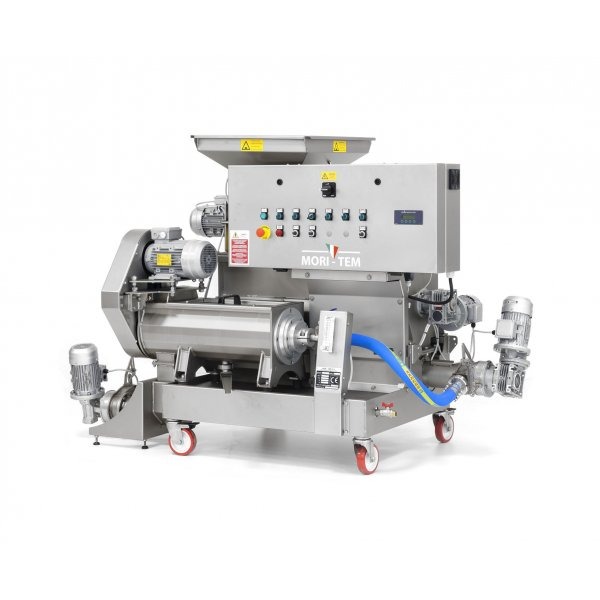
For decades, engineers have envisioned a compact, efficient, and hygienic machine capable of producing extra virgin olive oil on-site. That dream is now a reality. Modern technology has made it possible for growers to produce their own extra virgin olive oil using a self-contained, economical system that delivers professional-grade results.

This innovation empowers Australian olive growers to add value to their produce - from picking and processing to bottling - using their own equipment. Beyond personal production, it opens the door for entrepreneurs to establish contract processing businesses, pressing olives for others with ease and precision.
The Evolution of Olive Processing

Centrifugal extraction technology was a revolution in the olive oil industry. It replaced older, labour-intensive systems with continuous-flow designs that offered greater hygiene, improved labour efficiency, and higher capacity. These advances quickly made the traditional hydraulic press obsolete.

In the past, Mediterranean growers would haul heavy sacks of freshly picked olives - often already fermenting - to local mills. There, they would join the community in spreading the crushed paste onto mats and watching as hydraulic presses squeezed out the golden liquid. It was a scene rich with tradition, aroma, and anticipation.

Today, the romance of that process has given way to something far more refined. Continuous-flow extraction plants now accept fruit within 48 hours of harvest to prevent overheating and fermentation. Delivered in ventilated plastic crates, the olives enter stainless steel systems that maintain strict hygiene standards, emerging as pure, high-quality oil. The process may lack the old-world spectacle, but it ensures superior product consistency and safety.


Introducing the Oliomio Advantage 

    This video showcases the compact, hygienic, and efficient design that makes Oliomio technology ideal for Australian growers seeking professional results on-site.  
Enter Oliomio - a new generation of small to medium-scale, continuous-flow olive oil extraction machines Oliomio systemsthat bring commercial-grade performance within reach of individual growers. Recognised as a global leader in compact olive oil production, Oliomio combines innovation, quality, and affordability in one sleek unit.

Currently,  hundreds of Australian processors are already achieving outstanding results with Oliomio systems, producing exquisite extra virgin olive oil from their own fruit. True to its name - Oliomio, meaning “My Oil” - this technology gives growers full control over every stage of production, from fruit to finished bottle.

Each Genuine Oliomio machine is backed by excellent technical support  provided by The Olive Centre, the exclusive Australian distributor. The Olive Centre offers on-site installation and comprehensive after-sales care to ensure growers get the best possible results from their investment.

A New Chapter for Australian Olive Growers

The rise of accessible, high-performance extraction equipment marks a turning point for the Australian olive industry. Growers can now operate with greater independence, reduce processing costs, and elevate the quality of their oil - all while maintaining the authenticity and freshness that consumers demand.

As The Olive Centre team notes, this innovation was made possible thanks to the enthusiasm and vision of Australian olive growers themselves. Their commitment to excellence has driven this exciting step forward in local production.

Whether you’re looking to press your own olives or launch a boutique processing service, Oliomio offers a practical, proven pathway to success. For more information and a free information booklet, contact The Olive Centre - and take the first step toward making “My Oil” truly your own.


OliomioProcessing Machines

Frantoino BIO olive oil processor by Oliomio

HYDROLAVA OLIVE WASHING UNIT

MORI-TEM FR.250 Olive Crusher

Oliomio 500 Series with Group Malaxing

Olive Belt Elevator by Oliomio

Speedy SV Oil Filling Machine - 2, 4 & 6 Valve - Sottovuoto – Vacuum Filling by MORI TEM

Other Oliomio Machines

MORI-TEM DMT Series Olive Oil Extraction Decanter Units

Knocker Pump Paste Transfer

MORI-TEM Electrical Installations – Cultivar & Tecnotem Line

See More:   Oliomio Machinery

Barigelli Olive Oil Machinery Installations | Commercial Production

OLIVE OIL PROCESSING MACHINERY

Barigelli Machinery Installations - Commercial Production Lines

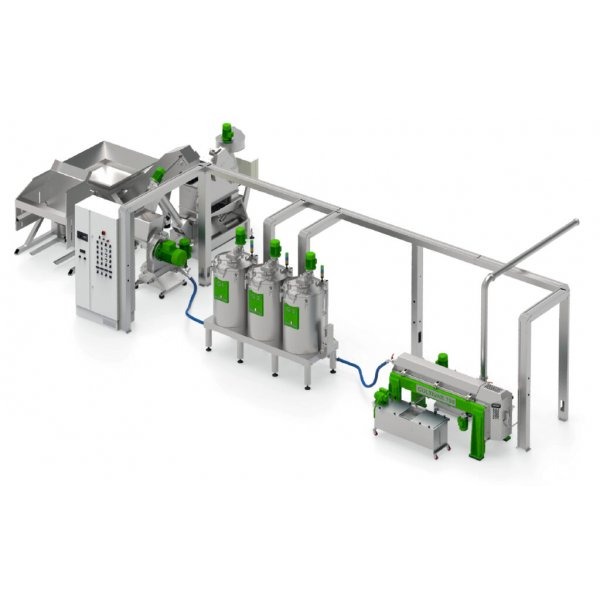
Barigelli olive oil machinery installations detail the complete journey from fruit preparation to final oil extraction. Each installation shows how individual components-crushers, malaxers, decanters, and clarification systems - work in synchrony to deliver consistent, high-quality olive oil. The following sections summarise each functional stage of the production line, referencing installation examples.


Watch how advanced Barigelli olive oil processing systems operate, showcasing efficient and reliable technology for modern olive oil production.
 

Crushing and Malaxing Units

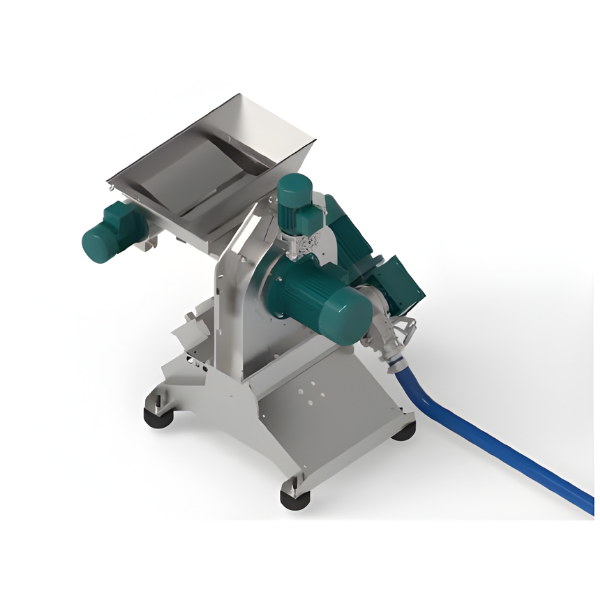
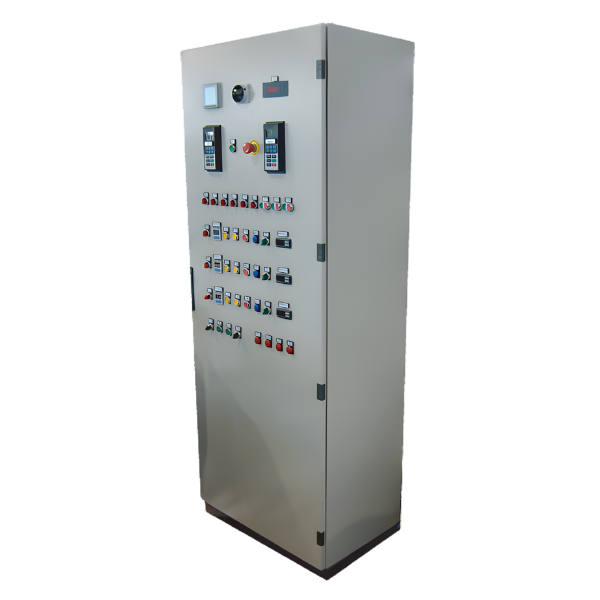
Barigelli Crusher And Malaxing Unit With Integrated Control Panel

This installation combines olive crushing and paste malaxing in a compact continuous system. The crusher prepares the olive paste uniformly before transferring to the malaxing tanks, where controlled mixing optimises oil separation. Integrated control settings manage paste temperature, timing, and batch flow to maximise extraction efficiency.


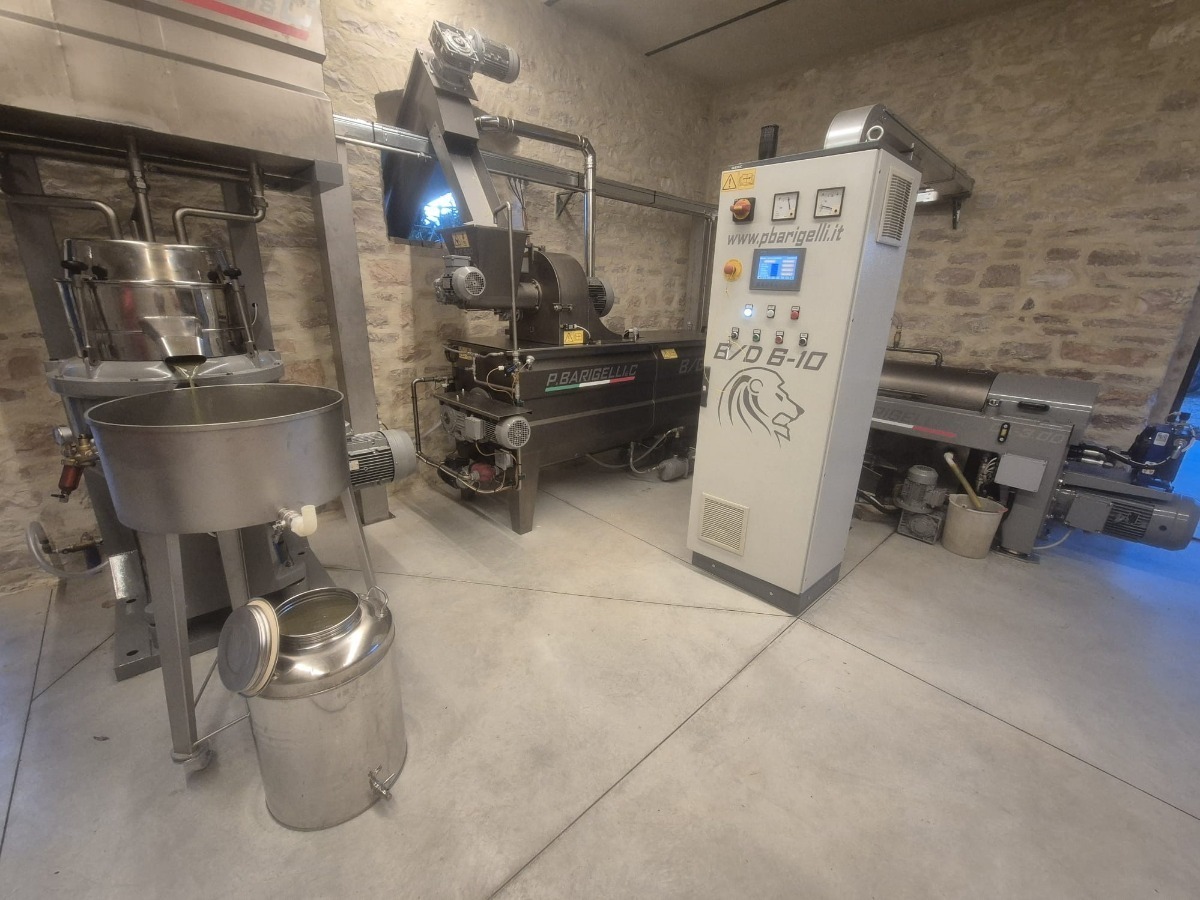
Image: Vertical Separator with Stand, Malaxing Unit with Crusher, Decanter & Control Panel, all connected with raceway.

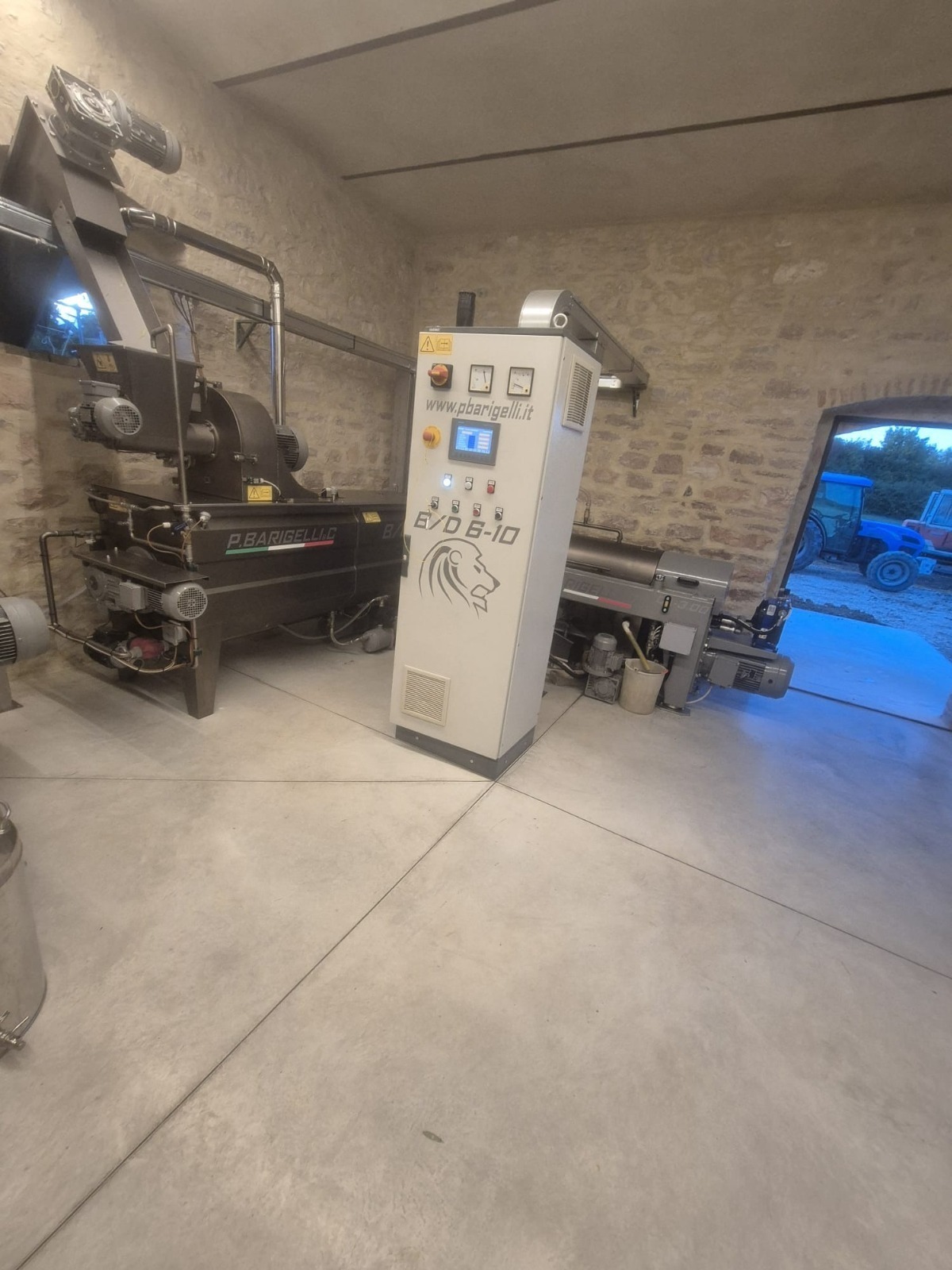
Barigelli BVD 6-10 Olive Oil Extraction Line with Control Panel

This installation showcases the Barigelli BVD 6-10 olive oil extraction system equipped with an integrated control panel. The setup includes a crusher, malaxing system, and decanter, designed for continuous olive oil processing. The control panel allows operators to manage temperature, timing, and extraction parameters for optimal oil yield and quality.

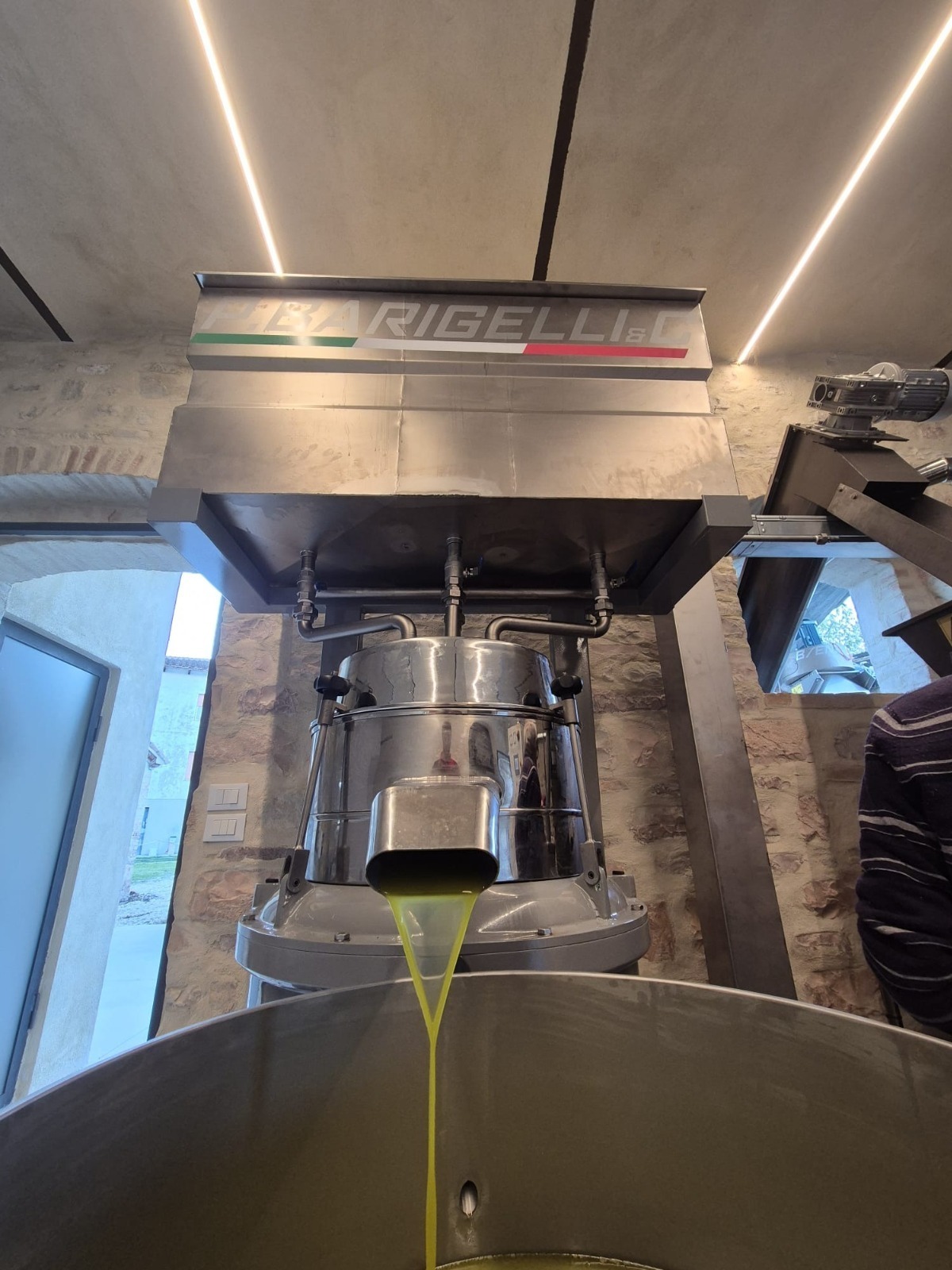
Barigelli Separator with Fresh Olive Oil Flow

Barigelli stainless steel vertical separator in operation, showcasing freshly extracted olive oil flowing smoothly from the outlet into the collection tank. The design ensures efficient liquid separation of oil while preserving aroma, colour, and quality of extra virgin olive oil.

       Barigelli Decanter Evolution and Mobile Olive Oil Extraction Units

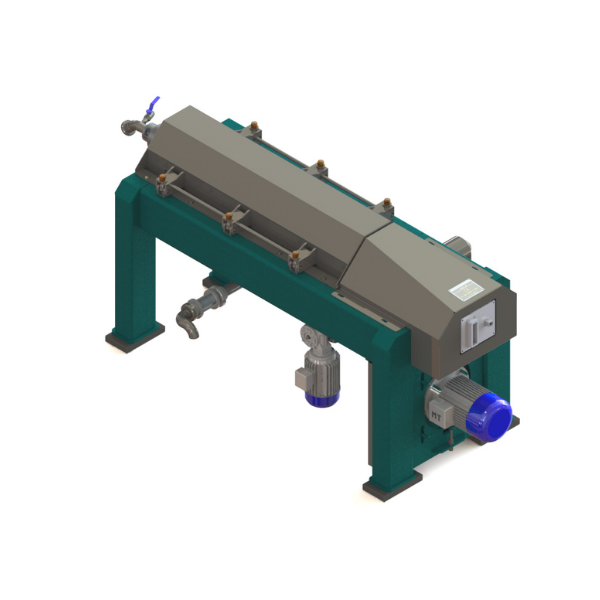
Barigelli’s high-capacity decanter systems are designed to separate oil, water, and solids in a single continuous process. The horizontal design ensures high separation efficiency, reduced energy consumption, and easy maintenance access for operators.

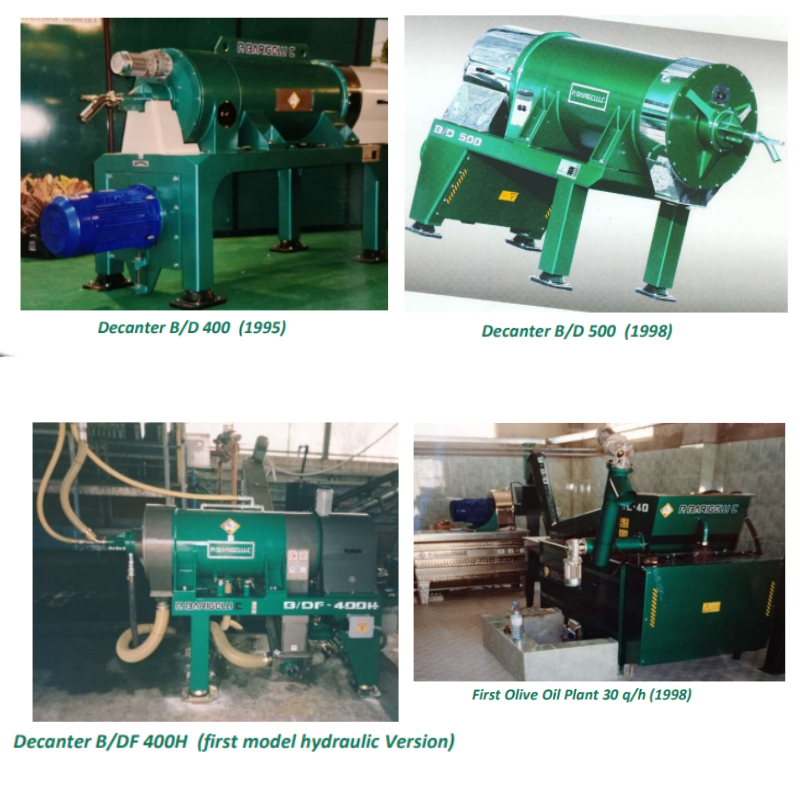
Barigelli Early Decanter Models and First Olive Oil Plant

Barigelli’s pioneering olive oil extraction technology - from the early B/D 400 (1995) and B/D 500 (1998) decanters to the B/DF 400H hydraulic version and the first complete olive oil plant (1998). These models mark the foundation of Barigelli’s innovation in continuous olive oil processing systems.

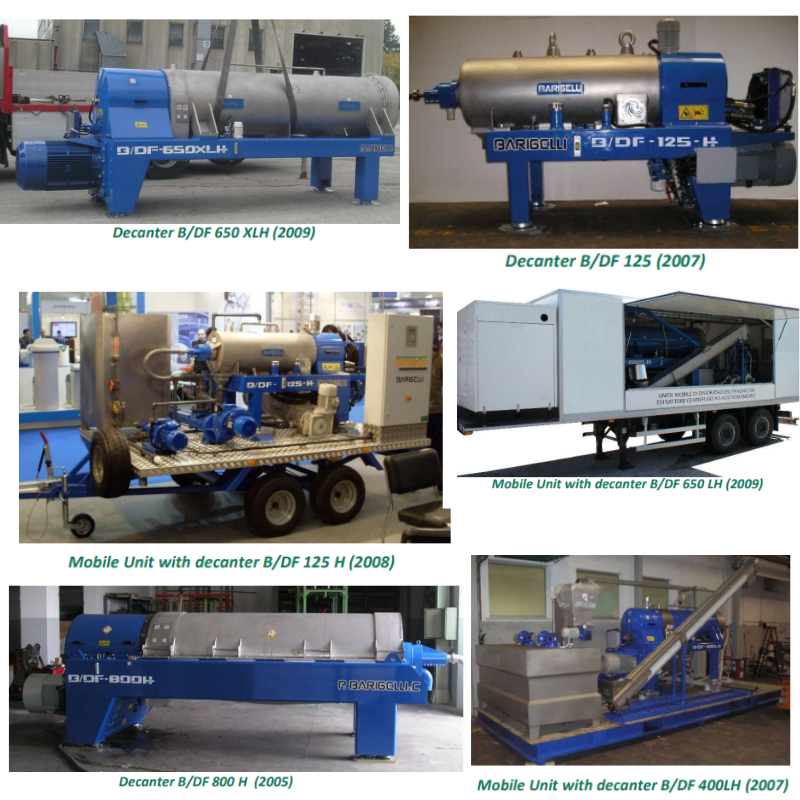
Barigelli Decanter and Mobile Extraction Units (2005 - 2009)

Barigelli’s advanced range of decanters and mobile olive oil extraction units was developed between 2005 and 2009. The models include B/DF 125 (2007), B/DF 800H (2005), and B/DF 650 XLH (2009), alongside mobile versions such as the B/DF 125H (2008) and B/DF 400LH (2007). These systems represent a leap in continuous extraction technology, combining high efficiency, portability, and precision oil separation.


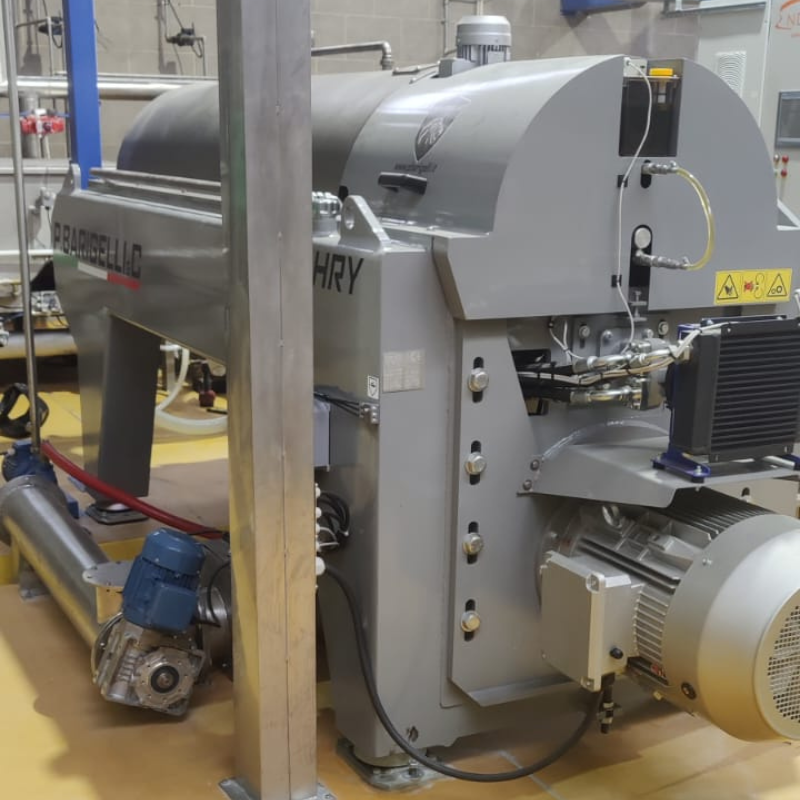
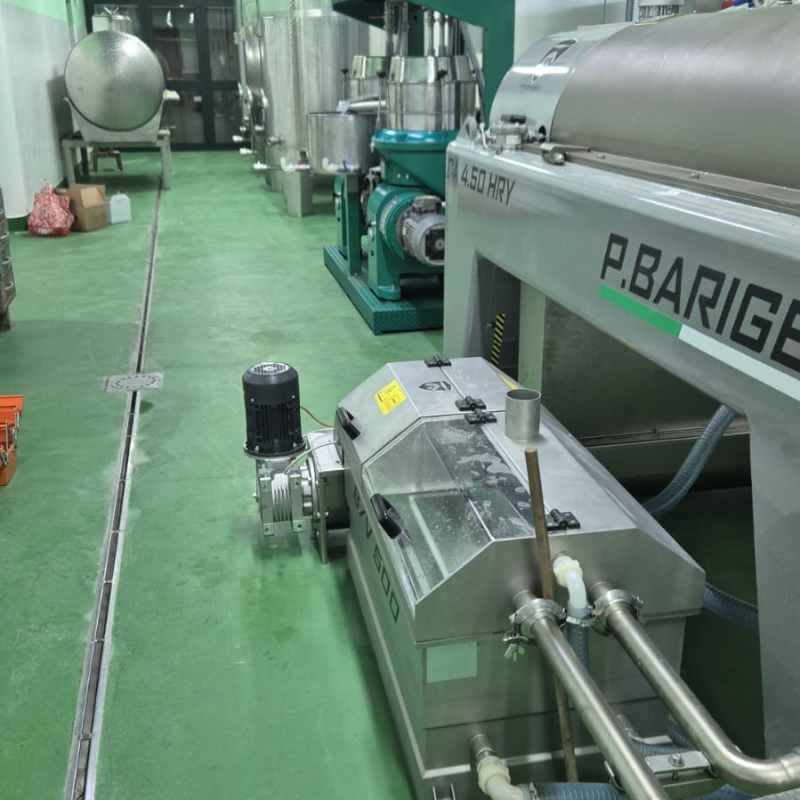
Barigelli 4.50 HRY Decanter – High-Capacity Olive Oil Extraction Unit

Barigelli 4.50 HRY decanter, a robust, stainless steel horizontal centrifuge engineered for large-scale olive oil extraction. The machine efficiently separates oil, water, and solids through continuous processing, ensuring maximum recovery and superior oil clarity.

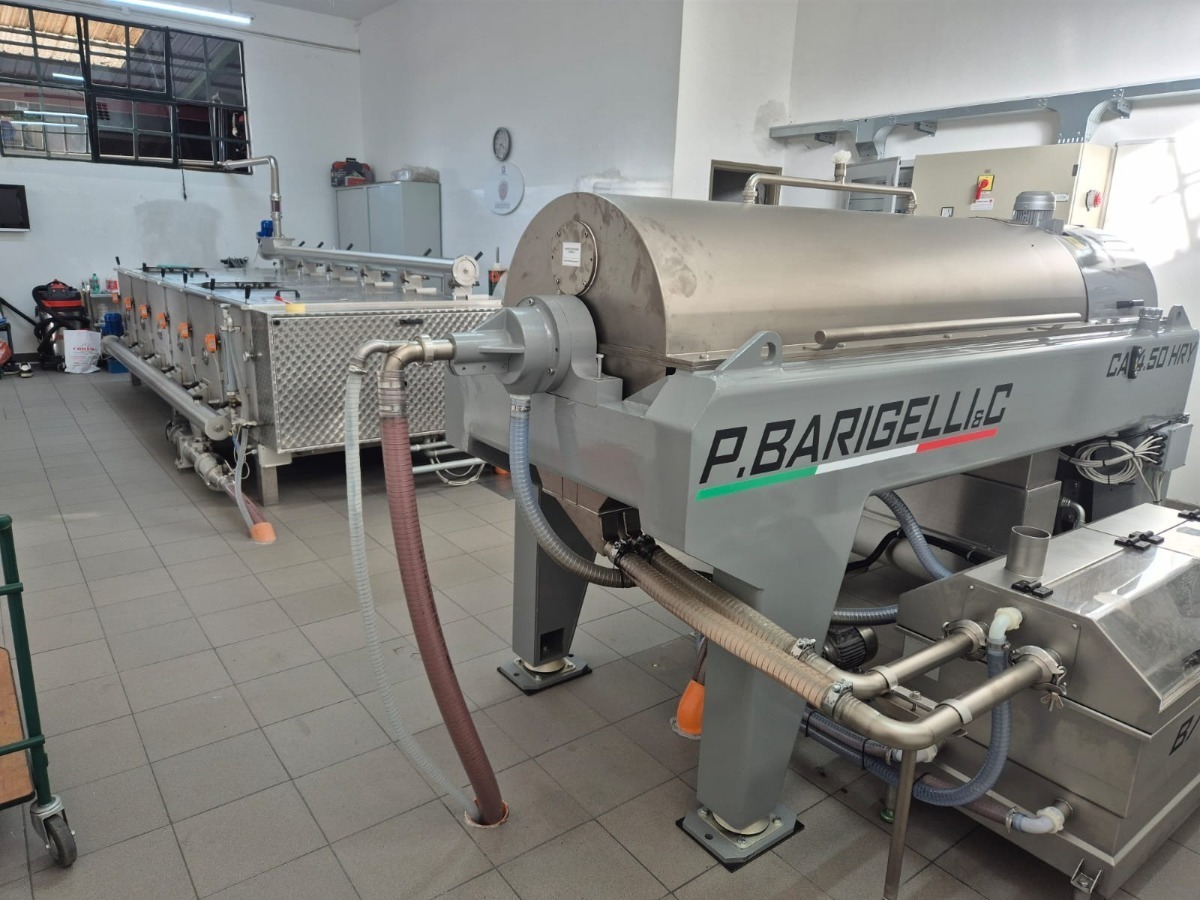
Barigelli 4.50 HRY Olive Oil Extraction Line – Full Processing Installation

Barigelli 4.50 HRY olive oil extraction setup featuring stainless steel decanters, pumps, and separator units. The continuous line integrates crushing, malaxing, decanting, and final clarification, designed for high-capacity and consistent extra virgin olive oil production.

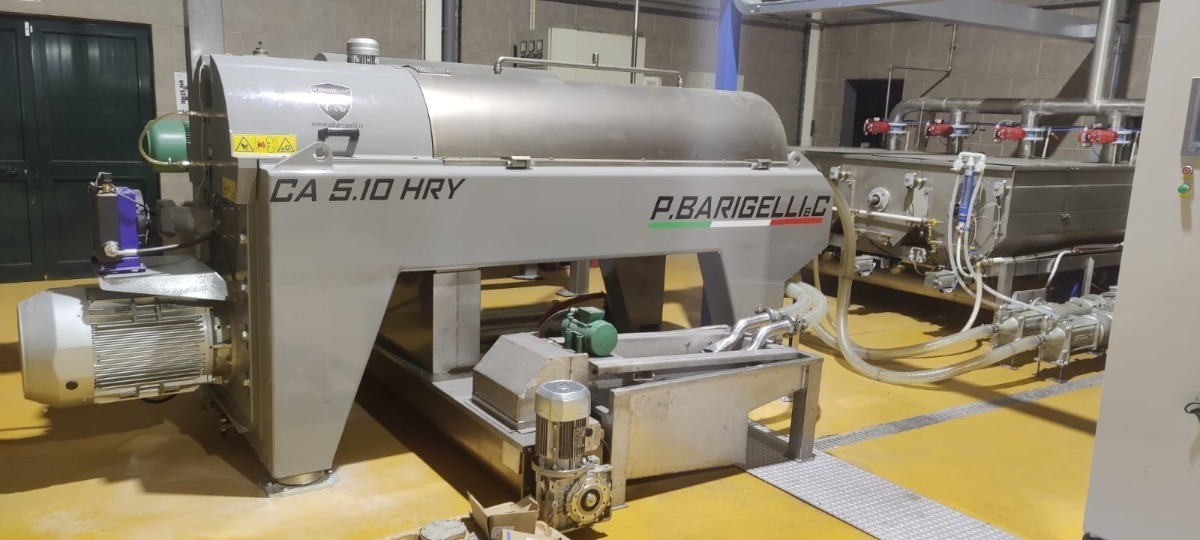
Barigelli CA 5.10 HRY Decanter - Advanced Olive Oil Extraction System

Barigelli CA 5.10 HRY decanter, a high-efficiency centrifuge designed for large-scale olive oil extraction. Built with precision stainless steel, the system separates oil, water, and solids in a continuous process, ensuring maximum yield and superior oil quality.

Multi-Malaxing Tank Bank Installation For Expanded Production

Different malaxing setups can be offered in a linear system, stacked or as a bank setup.

Oil Clarification System


      Barigelli Olive Oil Processing Installation


      Barigelli Olive Oil Processing Installation is working
                            

Oil clarification are critical step that can help to maintain the purity, stability, and quality of extra virgin olive oil. Once oil has been separated in the decanter, it still contains microscopic solids, waxes, and water traces. Vertical separators separate unwanted parts to minimise fermentation and cloudiness, ensuring that the oil remains bright, aromatic, and longer-lasting. Barigelli systems feature stainless-steel food-grade modules integrated directly into the processing line, allowing continuous operation without halting production or creating bottlenecks. Their modular construction supports single or multi-stage malaxation.

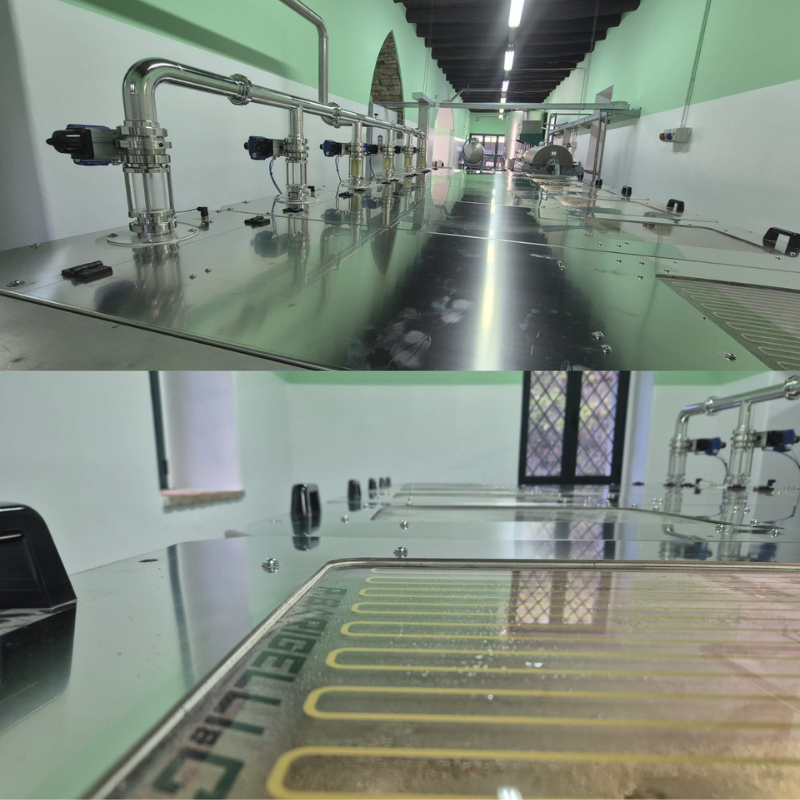
Barigelli Stainless-Steel Feed Line

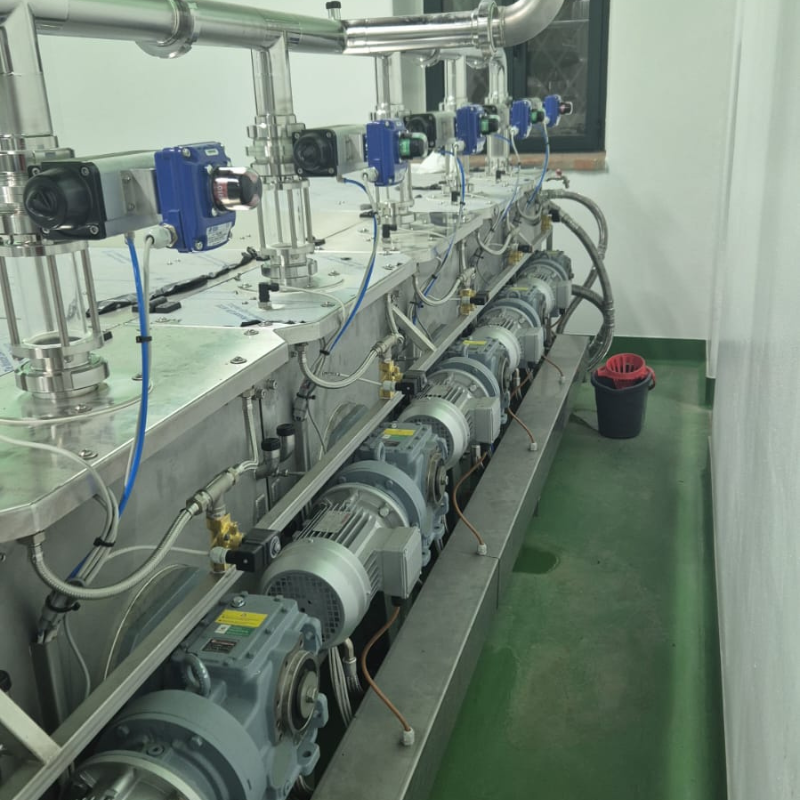
Barigelli stainless-steel feed system with inline sight-glass valves and transparent inspection panels. Designed for continuous olive oil feed.

Barigelli Olive Paste Malaxing Tank

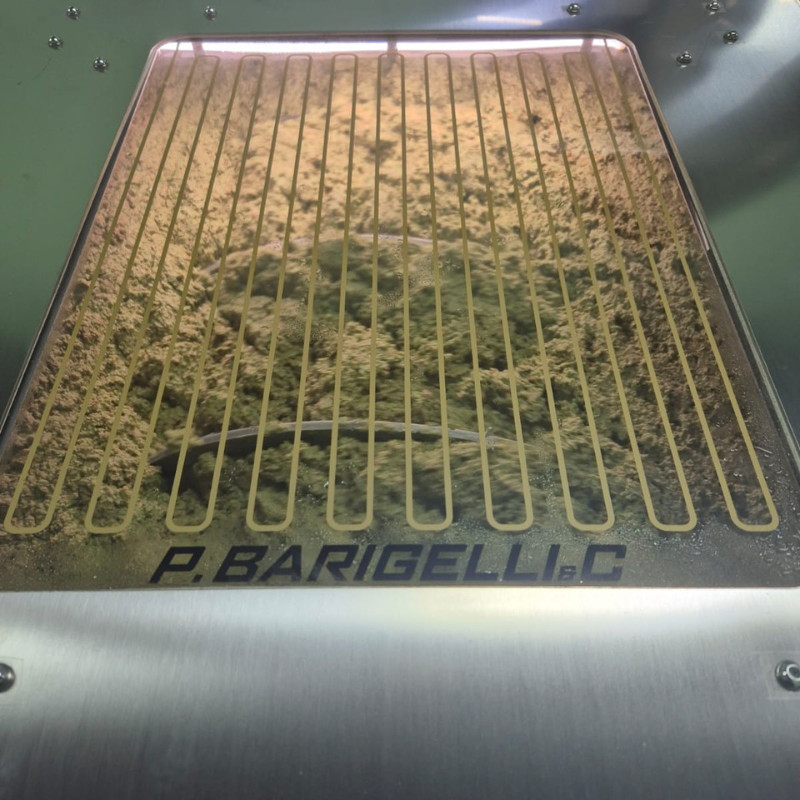
 Barigelli Malaxing tank showing olive paste during the malaxation phase. The transparent inspection lid allows operators to monitor flow and sediment removal, ensuring consistent oil purity before final separation.

Barigelli Inline Sight Glass – Continuous Monitoring

Barigelli transparent sight chamber showing paste flow during malaxation. The precision assembly allows real-time visual monitoring of paste flow.

Barigelli Multi-Stage Malaxing Line - Automated Transfer

Barigelli multi-tank malaxing facilitates automatic paste transfer with solenoids.

Barigelli Complete Processing and Automation Systems with Mobile Olive Oil Units

Barigelli’s complete olive oil processing lines integrate every stage of production into a single automated system. From olive crushing to oil clarification, each unit ensures precision control, continuous flow, and consistent extraction results tailored to the producer’s scale.

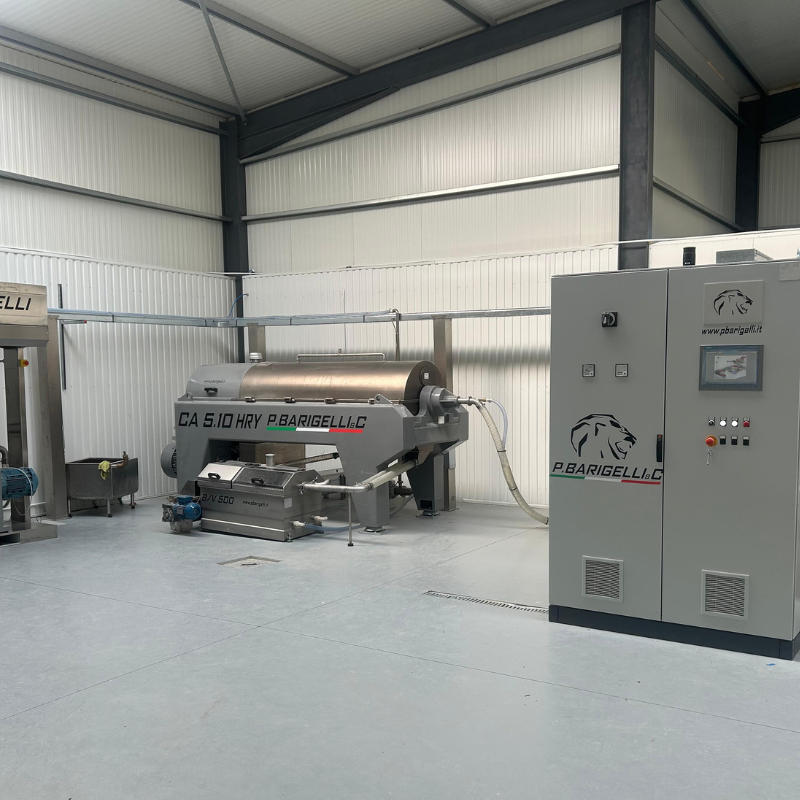
Barigelli CA 510 HRY Decanter with Central Control Cabinet.

A fully installed Barigelli line featuring the CA 510 HRY horizontal decanter and automated control system. This configuration offers real-time process monitoring, stable separation, and high extraction efficiency within a compact plant layout.

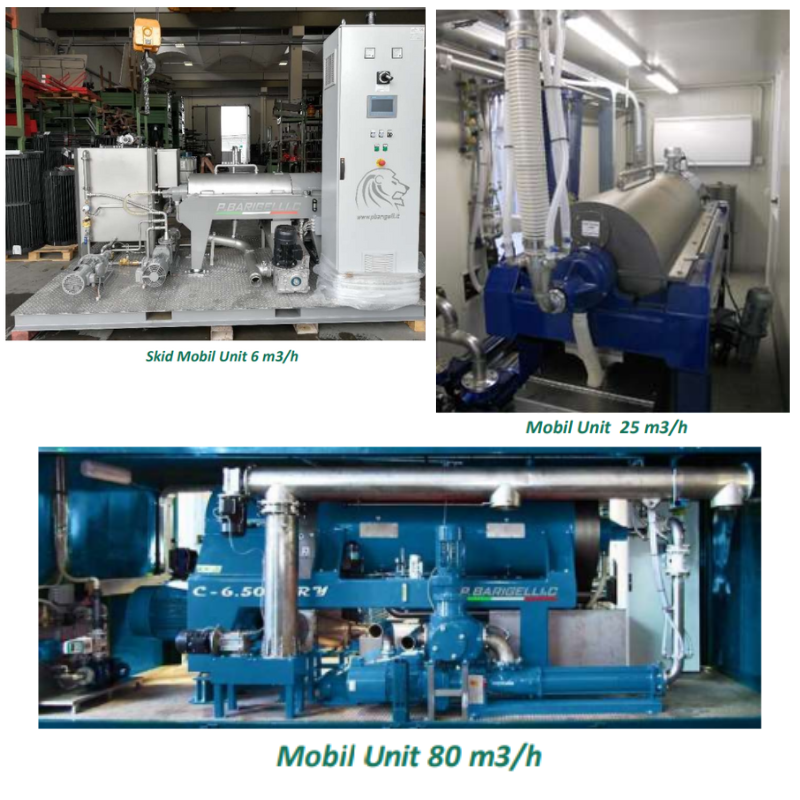
Barigelli Mobile Processing Units - Skid and Modular Systems (6–80 m³/h).

A series of mobile Barigelli units designed for flexible deployment in field or facility operations. Available in multiple capacities (6, 25, and 80 m³/h), these compact systems provide full olive oil extraction and clarification capability on-site for portable or remote production environments.

Power and Water Consumption

Type

Decanter Type Working Capacity Installed Power Power Consumption Water Consumption L/hr


Kg/hr kW kW 2 Phase 3 Phase
6 - 10 Junior B/D 300 300/500 22.5 15 0 -
20 - 25 B/D 400 800/1100 50 28 0 160/250
35 - 45 B/D 400L
1400/1800 50 34 0 160/250
50 - 60 B/D 500
2000/2500 75 55 0 200/350
70 - 95 B/D 500L
3000/4000 90 75 0 250/350
115 - 150 B/D 650
6000/7000 140 110 0 500/700
150 - 200 B/D 650L
7000/9000 170 125 0 700/900


Each Barigelli installation demonstrates efficient integration of key processing stages—crushing, malaxing, decanting, clarification, and control - within a single automated framework. The result is precise, continuous olive oil production tailored to modern operational standards. These installations reflect the reliability and scalability essential for both boutique and industrial olive oil processors.

Videos

Global Olive Oil Prices Soar to Record Highs in 2023 Amid Spain’s Severe Drought Crisis

The global olive oil market has entered unprecedented territory. In 2023, Spain’s severe drought has crippled the world’s largest producer, driving olive oil prices to record highs and reshaping global supply chains. As European consumers face steep costs, Australian producers are experiencing strong demand and record export returns. This article examines the climatic and economic forces behind this crisis.
Please log in to view the entire article

How to Value Olive Oil Processing Machinery and Farm Equipment In Australia

See our practical, Australian-focused guide explaining how to accurately value olive oil processing machinery and farm equipment using depreciation, market comparisons, insurance replacement value and return-on-investment methods.
Please log in to view the entire article

Opportunities for Australian EVOO Exports to India

India’s olive oil market is small but rapidly growing, with rising health awareness, premiumisation and tariff reductions under the Australia-India ECTA creating new opportunities for Australian extra virgin olive oil exporters.
Please log in to view the entire article

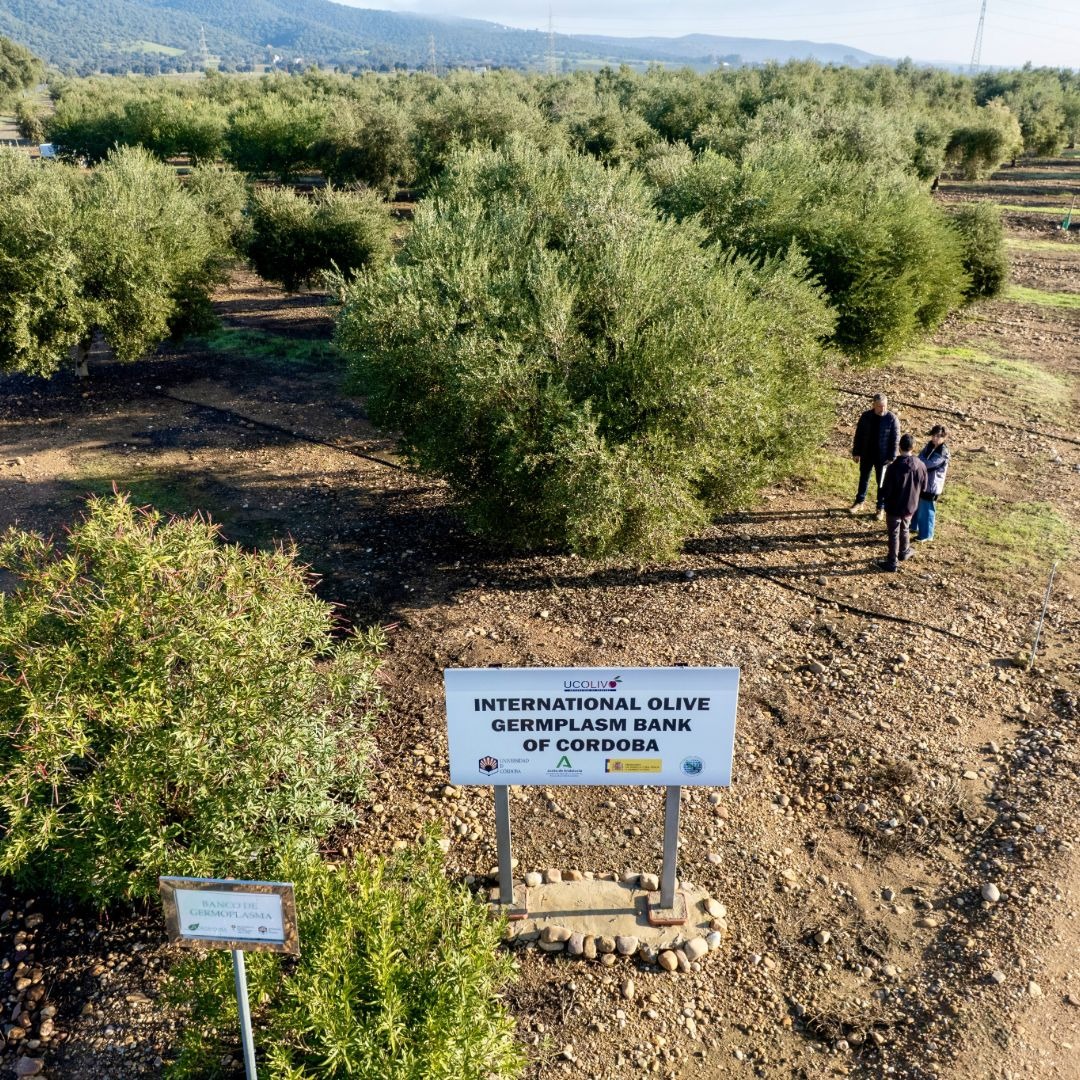
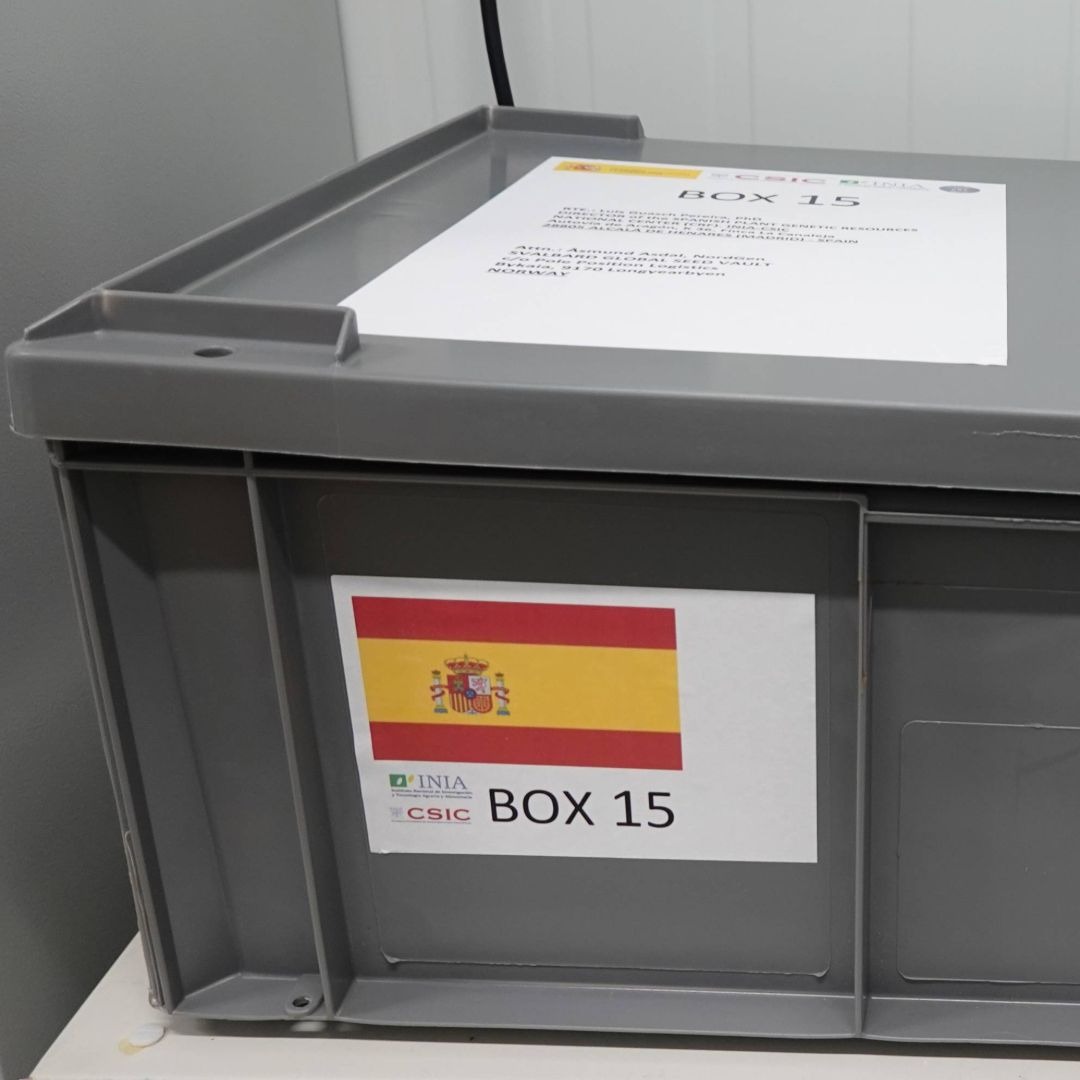
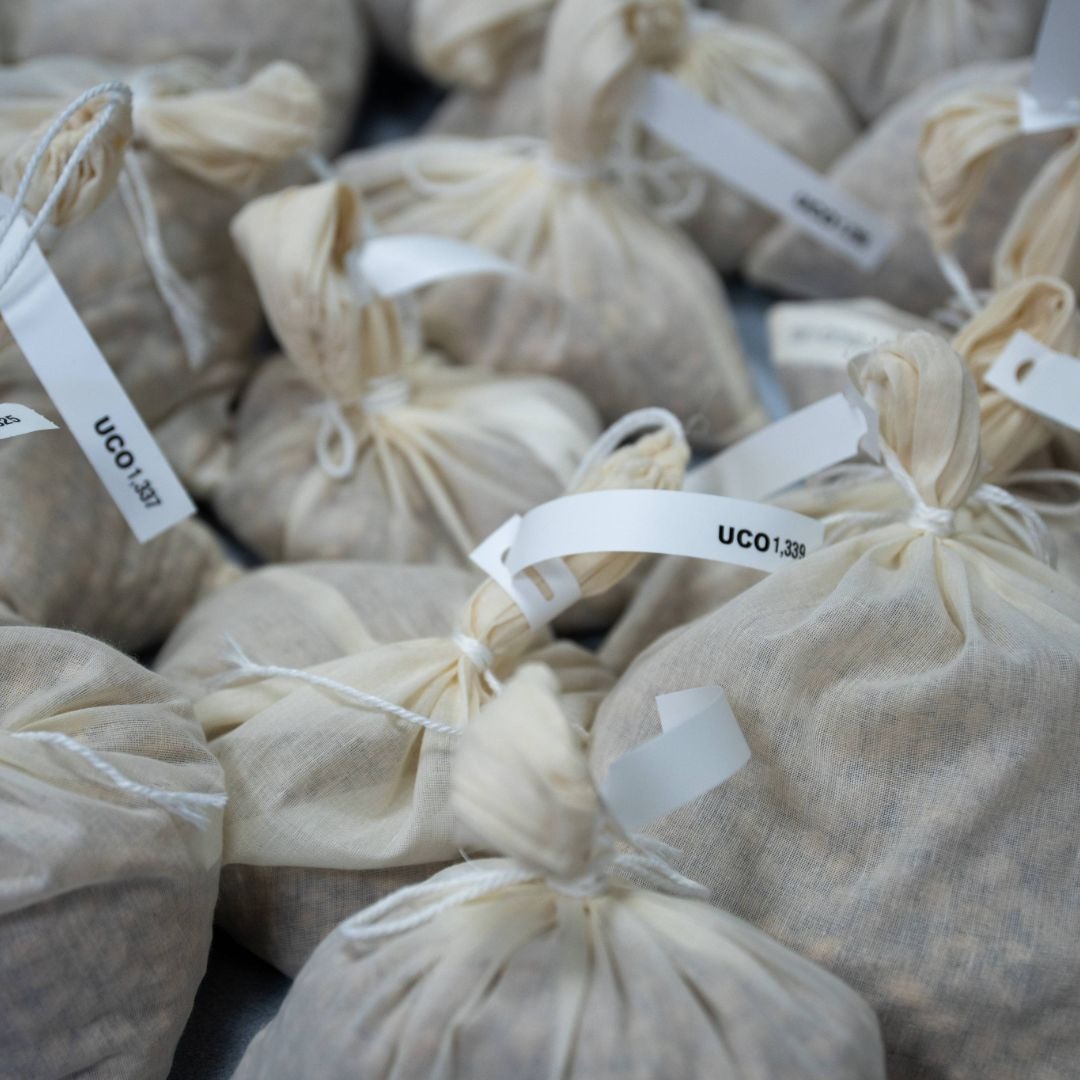
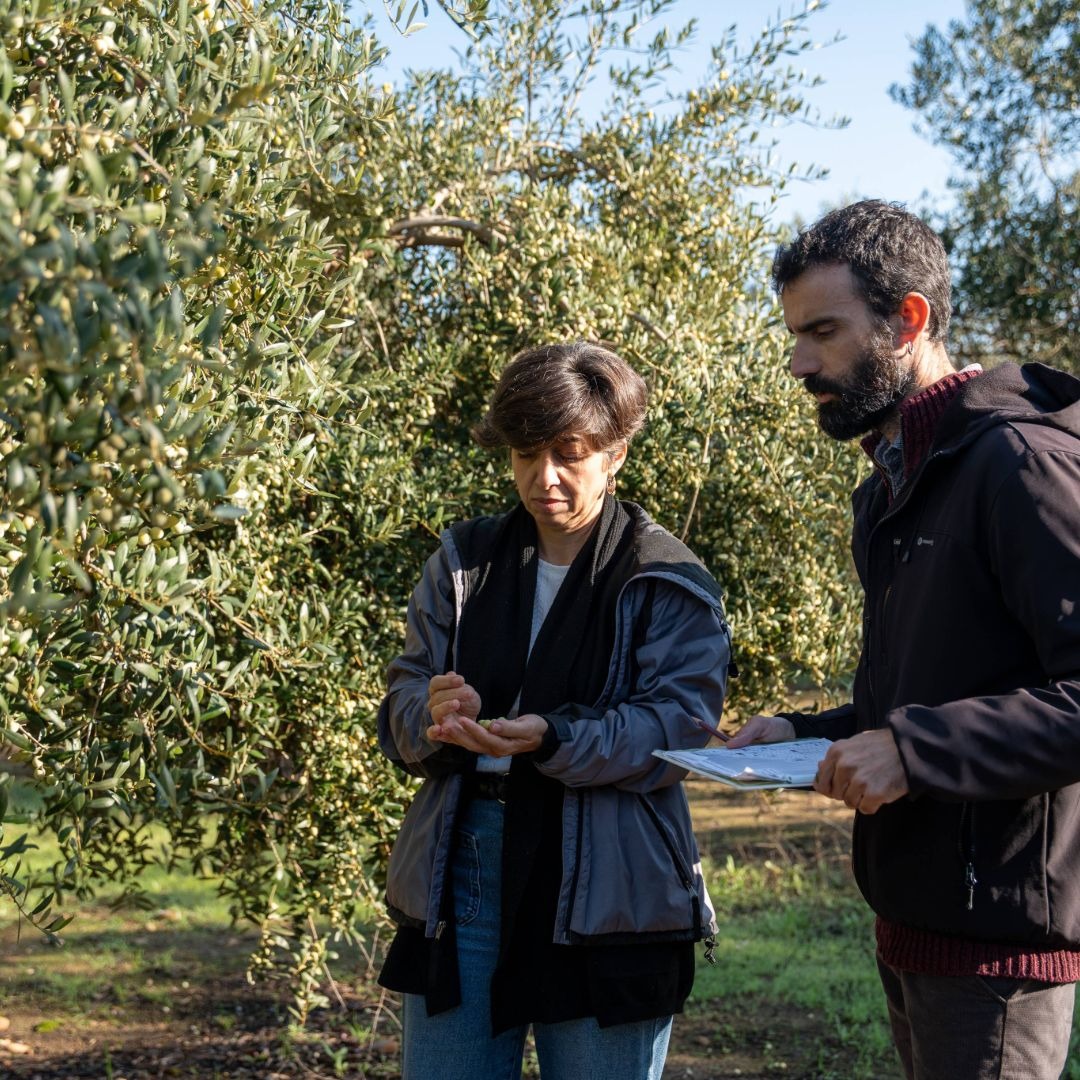
The Svalbard Global Seed Vault Receives Olive Seeds for the First Time

OLIVE GENETIC PRESERVATION

The Svalbard Global Seed Vault Receives Olive Seeds for the First Time


In a landmark moment for global agricultural preservation, olive seeds have been deposited for the first time in the Svalbard Global Seed Vault - the world’s most secure facility for safeguarding crop diversity.

Located deep within the Arctic permafrost of Norway’s Svalbard archipelago, the Seed Vault serves as a global backup system for the planet’s agricultural biodiversity. Often described as the “doomsday vault,” it protects seeds against the risks of climate change, natural disasters, conflict, and biodiversity loss.

Now, for the first time in history, olive seeds are part of that global legacy.

A Historic Milestone for the Olive Sector

The deposit marks a significant step forward in protecting one of the world’s most iconic and culturally important crops. Olive trees have sustained civilizations for thousands of years, symbolising peace, resilience and nourishment. Preserving their genetic diversity ensures that this legacy continues for generations to come.

Jaime Lillo Lopez, Executive Director of the International Olive Council (IOC), highlighted the importance of the moment:

“The seeds we have deposited are the legacy of farmers who, throughout history, selected the most resistant trees - those that produced the best fruit or adapted to diverse soils, climates and diverse conditions. These seeds are a guarantee that future generations will continue to enjoy such an extraordinary product as olive oil.”

His words underscore what this deposit truly represents: not just seeds, but centuries of accumulated knowledge, adaptation, and agricultural selection.

A Global Collaboration for Agricultural Resilience


This initiative was launched within the framework of the European H2020 GEN4OLIVE project, a research programme dedicated to unlocking and conserving olive genetic diversity. It was subsequently promoted by the IOC, the Food and Agriculture Organization of the United Nations (FAO), and Spain’s Ministry of Agriculture, Fisheries and Food.

The collaboration extended to leading academic and research institutions, including:

  • Universidad de Córdoba (UCO)
  • Universidad de Granada (UGR)
  • Plant Genetic Resources Centre (CRF-INIA)
  • National Institute for Agricultural and Food Research and Technology (INIA)
  • Spanish National Research Council (CSIC)
This broad coalition demonstrates that conserving traditional and wild olive varieties is not merely a scientific exercise - it is a collective commitment to strengthening agricultural resilience and ensuring long-term food security.

Organisations such as NordGen and the Crop Trust, along with representatives including Juan Antonio Polo Palomino, Abderraouf Laajimi, Álvaro Toledo, Dr. Kent Nnadozie, Concepción Muñoz Diez, Hristofor Miho and Pablo Morello Parra, also played key roles in bringing this milestone to fruition.

Olive Genetics

For olive growers and producers worldwide, this development carries profound implications.

Olive trees are uniquely adapted to marginal soils, water scarcity, and variable climates. However, increasing pressures from:

  • Climate variability
  • Emerging pests and diseases
  • Water limitations
  • Soil degradation
  • Shifting production zones
Make genetic diversity more important than ever.

Traditional and wild olive varieties contain traits that may hold the key to:

  • Improved drought tolerance
  • Disease resistance
  • Adaptation to new climatic conditions
  • Enhanced oil quality characteristics
  • Resilience to environmental stress
By preserving these genetic resources in the Svalbard Global Seed Vault, the industry is effectively safeguarding a toolbox for future breeding, research and innovation.

From Mediterranean Heritage to Arctic Safeguard


The symbolic power of Mediterranean olive genetics being stored in Arctic ice is profound. It reflects the global importance of olives - no longer confined to traditional growing regions but increasingly cultivated across diverse climates worldwide.

As olive production expands into new regions, including areas facing climatic volatility, the value of preserved genetic material grows exponentially. The Svalbard deposit ensures that even in worst-case scenarios, the genetic foundation of the olive sector remains secure.

A Commitment Beyond Science

This initiative goes beyond seed banking.

It represents recognition that agricultural biodiversity is a shared global responsibility. Farmers, researchers, governments, and international organisations are united by a common understanding: safeguarding crop diversity is essential for future food systems.

The olive industry - deeply rooted in tradition - is demonstrating that it is equally committed to innovation, resilience and long-term stewardship.

Securing the Future of Olive Oil

For growers, processors, and industry stakeholders, this historic deposit sends a message: the olive sector is planning for the long term.

Preserving traditional and wild varieties ensures that future generations will continue to:

  • Cultivate olives in changing climates
  • Maintain oil quality standards
  • Protect regional characteristics and heritage
  • Develop improved cultivars
  • Sustain global olive oil production
The olive tree has endured for millennia. By placing its seeds in the world’s most secure seed vault, the global community has taken a decisive step to ensure it thrives for millennia more.

Solar Parks vs Olive Groves: What’s Really Happening in Spain’s “Sea of Olives”

Spain’s push for solar energy is creating tensions in Andalusia as photovoltaic projects overlap with major olive-growing landscapes.
Please log in to view the entire article

Value Adding: Turning Olive Pomace into World's Healthiest Flour

New technology is converting olive pomace into a nutrient-rich olive flour, offering mills a way to create value from what was once considered a processing by-product.
Please log in to view the entire article

Lab-on-a-Fruit: A New Way to Predict Olive Oil Quality Before Milling

New research introduces a “lab-on-a-fruit” method that can analyse olives before milling to predict olive oil aroma, phenolics and fatty acid composition.
Please log in to view the entire article

Seed Oils vs Extra Virgin Olive Oil: What the Science Says

An evidence-based comparison shows extra virgin olive oil is more stable, less processed and richer in beneficial compounds than most seed oils.
Please log in to view the entire article

"Get Drizzling" 2026 - A National Marketing Campaign For Olive Oil

Get Drizzling 2026: The Chef’s Secret to Extraordinary Dishes The Australian Olive Oil Association’s 2026 Get Drizzling campaign returns this Autumn. Discover how a simple drizzle of olive oil transforms flavor and texture with insights from top chefs like Khanh Ong and Darren Robertson. Master the finishing touch that turns everyday meals into restaurant-quality masterpieces.
Please log in to view the entire article