My Account
Sign-in / Join

Sign-in

Hi My Account

Dashboard

Logout

Cart

My Shopping Cart

Subtotal
${{total.toFixed(2)}}
QUOTE

Oliomio Profy 200

Delivery will be calculated separately
Please call for price
Machine
Quantity

FA.Oliomio.Profy
  • Description
  • Features
  • Enquiry
  • Specifications
  • Documents
  • Knowledge
  • Blog
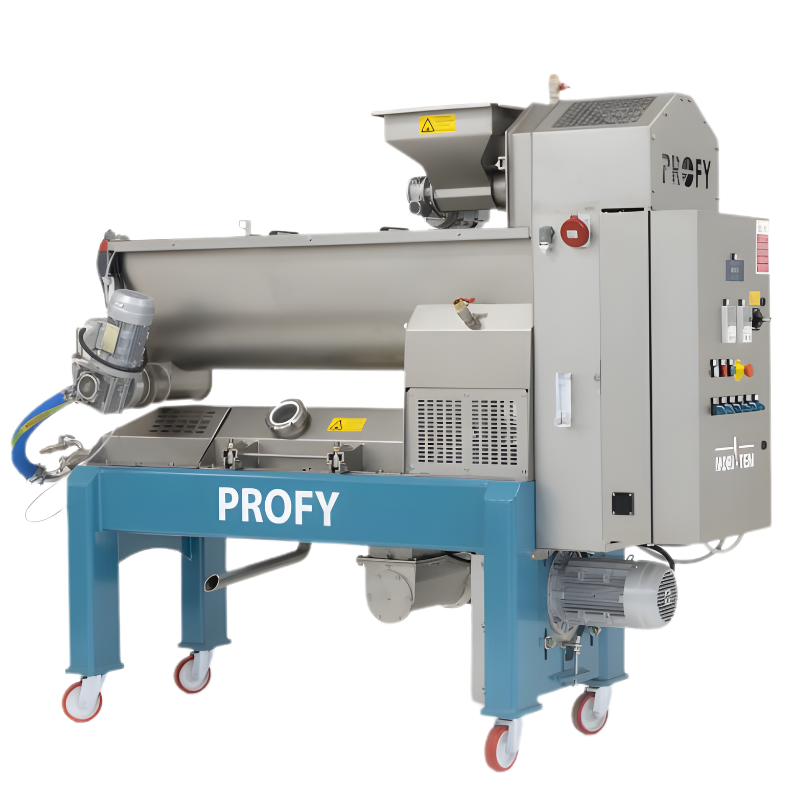
Oliomio Profy 200Compact, stainless-steel olive oil extraction system

Delivery will be calculated separately


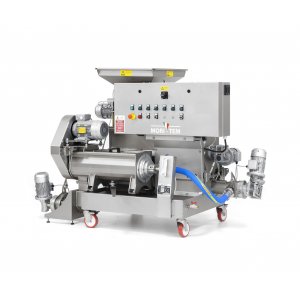
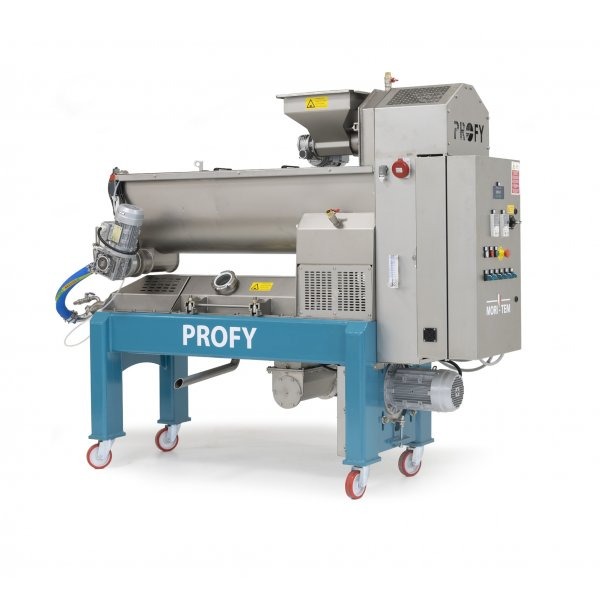
The Oliomio PROFY 200 is a high-performance, fully integrated olive oil extraction system engineered for professional processors seeking consistent output, superior oil quality, and streamlined operation. Built as a true monobloc plant, it combines crushing, malaxing, and centrifugation into one efficient, compact unit ideal for medium-scale commercial production.

Designed with food-grade stainless-steel construction and temperature-controlled processing, the PROFY 200 ensures minimal oxidation and maintains the ideal thermal profile throughout extraction. Its automated paste transfer system enhances workflow efficiency while ensuring steady throughput across every stage of processing.

With advanced technology incorporated into the decanter and auger system, the machine is engineered to deliver exceptionally clean oil with no temperature rise during extraction. This guarantees a premium final product while offering operators reliability, safety, and smooth daily operation.

Uses – For (industry/application)

The Oliomio PROFY 200 is designed for professional olive oil producers, boutique mills, agricultural businesses, contract processors, and growers seeking a continuous extraction solution that delivers premium-quality extra virgin olive oil with dependable efficiency.

Technical Specifications – Oliomio 200 Profy​
Specification Value
Model Oliomio PROFY 200
Hourly Production 150–200 kg/h
Power Requirements 9 kW (380V, 3-phase, 50 Hz)
Electrical Connection 5-pole socket (3 phases + neutral + earth), 32A
Crusher Type FR_250 knife/hammer crusher
Malaxers 2 x 2GL_100 malaxers (closed system)
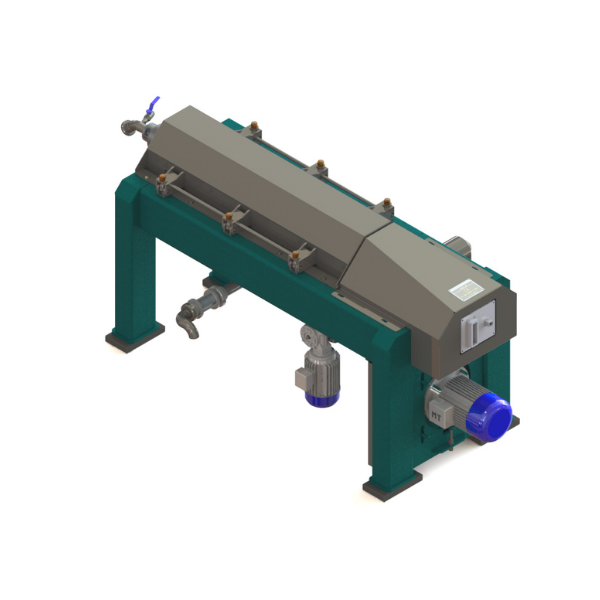
Decanter DMT_2 horizontal decanter with waste discharge pump
Auger System 2.0 auger for clean product extraction
Weight 950 kg
Width 86 cm
Length 233 cm
Height 174 cm
Optional Extras Crusher inverter, temperature controller

Why Choose This Product

The Oliomio PROFY 200 offers a seamless blend of performance and quality, making it a standout option for professional olive oil producers. Its monobloc construction ensures that all processing phases remain integrated, allowing operators to manage production easily without unnecessary complexity or manual intervention.

Thanks to its sophisticated thermal stability and closed malaxing design, the unit safeguards the natural aromas and phenolic compounds essential to premium extra virgin olive oil. Producers benefit from consistent quality output, even during extended milling sessions.

The PROFY 200’s decanter technology delivers exceptionally clean oil, thanks to its advanced 2.0 auger that prevents temperature rise during separation. This preserves sensory attributes while maintaining the integrity of the final product.

Engineered for reliability, durability, and operational efficiency, the Oliomio PROFY 200 is an investment that supports both small- and medium-sized processors seeking high throughput without compromising on oil excellence.​
Oliomio 120 200 Profy decanter.PNG Oliomio 120 200 Profy malaxer.PNG

Frequently Asked Questions:

Oil quality depends on preserving the olive’s natural compounds during every stage of processing. The Oliomio Profy 200 is engineered to prevent temperature fluctuations greater than 1–2°C between the inlet and outlet of the crusher, a critical factor in maintaining oil integrity. Excess heat can degrade delicate aromatic esters, destroy phenolic compounds, and accelerate oxidation — all of which reduce oil quality.

The closed malaxing system gently kneads the olive paste under controlled, oxygen-limited conditions. This allows oil droplets to coalesce naturally without exposing the paste to air or heat. The design of the FR_250 hammer crusher and 2GL_100 dual malaxers ensures consistent processing temperatures while preserving sensory and nutritional characteristics.

Finally, the horizontal DMT_2 decanter separates oil from water and solids without thermal stress. Its 2.0 auger design produces cleaner oil with minimal emulsification. Together, these systems ensure that the finished extra virgin olive oil retains its fruity aroma, balanced flavour profile, and low acidity — meeting international quality standards.
The Oliomio Profy 200 is designed for seamless, continuous operation with minimal handling. The workflow proceeds as follows:
  • Crushing: Olives enter the FR_250 hammer crusher, which rapidly converts the fruit into paste without generating excess heat.
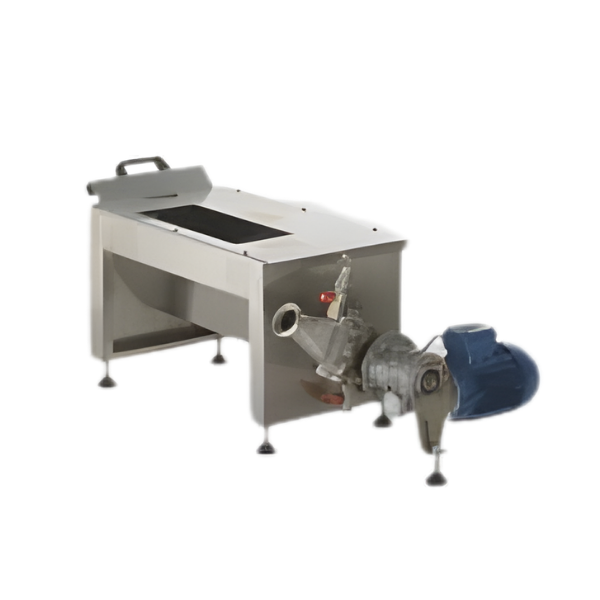
  • Malaxing: The paste flows directly into Malaxer 1, where it is gently mixed to promote oil droplet aggregation. Once full, it automatically transfers to Malaxer 2 for continued kneading.
  • Separation: The pump on Malaxer 2 sends the homogenised paste to the DMT_2 decanter, which separates oil, water, and solids in a continuous cycle.
  • Discharge: Waste materials are evacuated automatically through the integrated discharge pump.
This automated sequence reduces manual intervention and ensures consistent batch timing, improving both efficiency and hygiene. Because the Profy system is self-contained, there are no transfer hoses or open-air holding tanks that could introduce oxidation or temperature instability. The compact layout also simplifies installation and cleaning, making it particularly suitable for facilities with limited space or seasonal production cycles.

 
Key Features

● Fully integrated crusher, dual malaxers and decanter system
● Continuous production at 180–200 kg/hour
● Temperature variation maintained below 2°C across extraction
● Closed malaxing chamber to minimise oxidation
● Italian-made stainless-steel construction
● Easy-access design for fast washdown and hygiene
● Horizontal decanter designed for cleaner, cooler extraction

Standard voltage: 9kW 3ph 380V 50Hz. (5-pole socket (3 phases + neutral + ground) 32A)

Optionals: - crusher inverter - temperature controller
  • :
  • :
  • :
  • :
  • :
  • :
  • :
  • :
  • :
File Title File Description Type Section
Profy_Line.pdf Oliomio PROFY Olive Oil Processing Line Brochure Brochures Document
Scheda_Profy-22_ING-2023_2.pdf Oliomio Profy Oliomio Profy User Manual Manuals Document

Olive Oil Extraction: Investing in the Right Equipment for Quality Production

OLIVE OIL PROCESSING

Olive Oil Extraction & Investing in the Right Equipment for Quality Production

For businesses and serious growers considering olive oil extraction, the idea of owning a machine for under $10,000 may seem like an attractive entry point. However, achieving high-quality olive oil requires advanced extraction technology that meets food-grade standards. The extraction process is highly technical, demanding specialised equipment to maintain oil integrity and efficiency. This guide will help you understand the essential components of olive oil processing, the investment required, and the best options for entering the market.

The Technology Behind High-Quality Olive Oil Extraction

Many low-cost machines marketed for oil extraction—often priced around $2,000—are screw presses designed for seed and nut oils. These do not meet the requirements for proper olive oil extraction. Producing premium extra virgin olive oil requires specialised machinery that includes:

  • Crushing Systems – Designed to handle the hard-pitted structure of olives while maintaining a low processing temperature to preserve oil quality.
  • Malaxation Tanks – Controlled mixing at precise temperatures allows natural enzymes to release oil from the olive paste while preventing oxidation.
  • Centrifugal Separation – Essential for separating oil, water, and solids efficiently to ensure high yield and purity.

Without these advanced components, it is impossible to produce high-quality olive oil that meets commercial standards.

Breaking Down the Olive Oil Extraction Process

1. Crushing: The First Step to Extraction

  • Requires high-strength crushers to break down tough olive pits.
  • Must operate at low temperatures to preserve the oil’s sensory and nutritional properties.
  • Ensures paste consistency for effective malaxation.

2. Malaxation: Controlling Time & Temperature

  • A slow, controlled mixing process that activates natural enzymes. 
  • Requires low-velocity mixing with high torque to prevent excess oxygen exposure. 
  • Essential for maximizing oil yield and quality.

3. Centrifugal Separation: The Final Stage

  • Uses a decanter centrifuge to separate oil from water and solids. 
  •  A crucial step for achieving purity and optimal extraction efficiency.

Each of these stages demands industrial-grade technology, making low-cost extraction machines impractical for producing high-quality olive oil.

How to Get Started with Olive Oil Extraction

Option 1: Invest in a Professional-Grade Machine – The Frantoino Olive Oil Press

For those serious about maintaining full control over their production, the Frantoino Olive Oil Press is an excellent entry-level option. With a processing capacity of up to 50kg per hour, it delivers professional-quality results in a compact and efficient design. Owning your own machine ensures complete flexibility and control over your olive oil production.

Option 2: Purchase a Pre-Owned Olive Oil Press

f you’re looking for a cost-effective alternative, buying a used machine can provide savings while still allowing you to own your equipment. Though used machines can be harder to source, platforms such as Olive Machinery list available second-hand units.

Option 3: Use a Commercial Olive Processing Service

For those not ready to invest in machinery, a local processing facility provides access to high-grade extraction equipment without the capital investment. To find a processor near you, use The Olive Centre’s Processor Map.

Conclusion: Finding the Right Solution for Your Scale Of Olive Oil Production

Producing high-quality olive oil requires investment in the right equipment and processes. Whether you choose to own a professional machine like the Frantoino, explore second-hand options, or utilise a local processing service, there are solutions to suit different business needs. For those prioritising full control and flexibility, investing in specialized extraction equipment is the best path forward. However, used equipment and local processors provide accessible alternatives for those looking to test the market before committing to a larger investment.

Oliomio Equipment Cleaning Guide

Maintaining the cleanliness of your Oliomio olive processing equipment is essential for ensuring hygiene, peak operational performance, and the long-term durability of your machinery. Below is a recommended cleaning procedure for key components of your system:
Please log in to view the entire article

Olive Oil Testing is Changing And What Growers Needs to Know

The International Olive Council (IOC) has recently updated its trade standard, which sets the world’s benchmark for olive oil quality. These standards are what laboratories and authorities use to decide if an oil is “extra virgin”, “virgin” or “lampante” and whether it can be sold in export markets. In June 2025, the European Union formally supported a series of major testing changes at the 121st IOC Council of Members meeting. These changes ..
Please log in to view the entire article
trade-standard-REV-14-Eng.pdf

Physiological and Biochemical Processes of Olive Fruit Ripening and Olive Oil Quality - HU

Olive fruit ripening is a gradual process shaped by physiology, biochemistry, and climate. This article explores ripening stages, oil formation, and how harvest timing impacts olive oil yield and quality.
Please log in to view the entire article

Wagga Wagga Edible Oils Laboratory to Remain Open – A Positive Outcome for Industry

INDUSTRY NEWS

Wagga Wagga Edible Oils Laboratory to Remain Open – A Positive Outcome for Industry


The decision for the Wagga Wagga Edible Oils Laboratory to remain operational has been welcomed by Australia’s olive and edible oil industry, following earlier concerns that the facility would cease operations in late 2025. Located at the Wagga Wagga Agricultural Institute (WWAI), the laboratory has long been a cornerstone of Australia’s oil testing infrastructure, supporting olive growers, processors, exporters, and oilseed producers with accredited analytical services. The confirmation that testing services will continue provides much-needed certainty for the sector, particularly for regional producers who rely on timely, independent, and affordable laboratory access.

Confirmation of Ongoing Services

Located within the Wagga Wagga Agricultural Institute, the DPI’s edible oils laboratory has been one of Australia’s few facilities accredited to NATA, AOCS, and International Olive Council (IOC) standards. It has played a critical role in verifying olive oil quality, authenticity, and export compliance, as well as providing trusted testing for canola and other oilseeds. 

In a recent communication from the NSW Department of Primary Industries and Regional Development (DPIRD), the Oil Testing Service confirmed that oil testing operations at Wagga Wagga will continue, including:

  • Nutritional analysis
  • Shelf-life prediction testing
  • Labelling compliance services
  • Edible oil testing, including olive oil
  • Oilseed testing, such as canola
The laboratory is continuing to accept samples for analysis, and the Feed Quality Service laboratory at Wagga Wagga will also continue to operate as normal, ensuring continuity across multiple agricultural testing services.

This clarification reverses earlier expectations of closure and addresses industry concern about the potential loss of a critical regional facility.

Industry Reaction

Industry stakeholders have welcomed the announcement, recognising the importance of maintaining a government-backed testing laboratory that supports quality assurance, regulatory compliance, and market confidence.

The Wagga Wagga laboratory’s proximity and accessibility have made it an essential service for small to mid-sized producers, particularly those in New South Wales and surrounding regions. Continued operation reduces the need to send samples interstate, helping manage costs, turnaround times, and logistical complexity.

The laboratory also plays an important role in supporting research and development activities linked to olive oil quality, oilseed performance, and broader agricultural science programs.

As Australia continues to be reputable for high-quality extra virgin olive oil, access to reliable and independent testing remains critical. The decision to maintain services at Wagga Wagga helps safeguard industry standards, consumer trust, and export readiness.

The continuation of the laboratory is seen as a positive signal for regional agricultural services and a reminder of the value these facilities provide to Australia’s food and farming sectors.

Looking Ahead

While broader challenges remain across agricultural research and testing infrastructure, the confirmation that the Wagga Wagga Edible Oils Laboratory will remain open offers reassurance to producers and processors alike.

Industry participants are encouraged to continue engaging with DPIRD services and to make use of the laboratory’s testing capabilities as part of their ongoing quality assurance and compliance programs.

For further information:

Process Your Own Olives: Bringing Oliomio Technology to Australian Growers


Olive Oil Processing- OliomioTechnology

Process Your Own Olives: Bringing Oliomio Technology to Australian Growers

For decades, engineers have envisioned a compact, efficient, and hygienic machine capable of producing extra virgin olive oil on-site. That dream is now a reality. Modern technology has made it possible for growers to produce their own extra virgin olive oil using a self-contained, economical system that delivers professional-grade results.

This innovation empowers Australian olive growers to add value to their produce - from picking and processing to bottling - using their own equipment. Beyond personal production, it opens the door for entrepreneurs to establish contract processing businesses, pressing olives for others with ease and precision.

The Evolution of Olive Processing

Centrifugal extraction technology was a revolution in the olive oil industry. It replaced older, labour-intensive systems with continuous-flow designs that offered greater hygiene, improved labour efficiency, and higher capacity. These advances quickly made the traditional hydraulic press obsolete.

In the past, Mediterranean growers would haul heavy sacks of freshly picked olives - often already fermenting - to local mills. There, they would join the community in spreading the crushed paste onto mats and watching as hydraulic presses squeezed out the golden liquid. It was a scene rich with tradition, aroma, and anticipation.

Today, the romance of that process has given way to something far more refined. Continuous-flow extraction plants now accept fruit within 48 hours of harvest to prevent overheating and fermentation. Delivered in ventilated plastic crates, the olives enter stainless steel systems that maintain strict hygiene standards, emerging as pure, high-quality oil. The process may lack the old-world spectacle, but it ensures superior product consistency and safety.


Introducing the Oliomio Advantage 

    This video showcases the compact, hygienic, and efficient design that makes Oliomio technology ideal for Australian growers seeking professional results on-site.  
Enter Oliomio - a new generation of small to medium-scale, continuous-flow olive oil extraction machines Oliomio systemsthat bring commercial-grade performance within reach of individual growers. Recognised as a global leader in compact olive oil production, Oliomio combines innovation, quality, and affordability in one sleek unit.

Currently,  hundreds of Australian processors are already achieving outstanding results with Oliomio systems, producing exquisite extra virgin olive oil from their own fruit. True to its name - Oliomio, meaning “My Oil” - this technology gives growers full control over every stage of production, from fruit to finished bottle.

Each Genuine Oliomio machine is backed by excellent technical support  provided by The Olive Centre, the exclusive Australian distributor. The Olive Centre offers on-site installation and comprehensive after-sales care to ensure growers get the best possible results from their investment.

A New Chapter for Australian Olive Growers

The rise of accessible, high-performance extraction equipment marks a turning point for the Australian olive industry. Growers can now operate with greater independence, reduce processing costs, and elevate the quality of their oil - all while maintaining the authenticity and freshness that consumers demand.

As The Olive Centre team notes, this innovation was made possible thanks to the enthusiasm and vision of Australian olive growers themselves. Their commitment to excellence has driven this exciting step forward in local production.

Whether you’re looking to press your own olives or launch a boutique processing service, Oliomio offers a practical, proven pathway to success. For more information and a free information booklet, contact The Olive Centre - and take the first step toward making “My Oil” truly your own.


OliomioProcessing Machines

Frantoino BIO olive oil processor by Oliomio

HYDROLAVA OLIVE WASHING UNIT

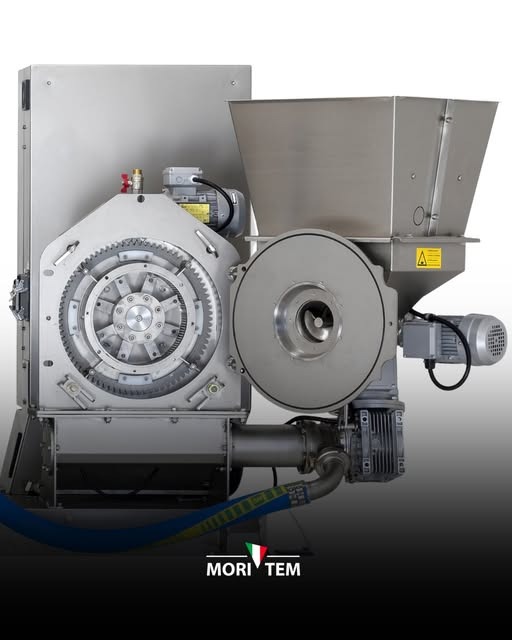
MORI-TEM FR.250 Olive Crusher

Oliomio 500 Series with Group Malaxing

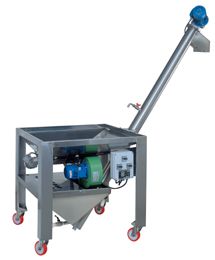
Olive Belt Elevator by Oliomio

Speedy SV Oil Filling Machine - 2, 4 & 6 Valve - Sottovuoto – Vacuum Filling by MORI TEM

Other Oliomio Machines

MORI-TEM DMT Series Olive Oil Extraction Decanter Units

Knocker Pump Paste Transfer

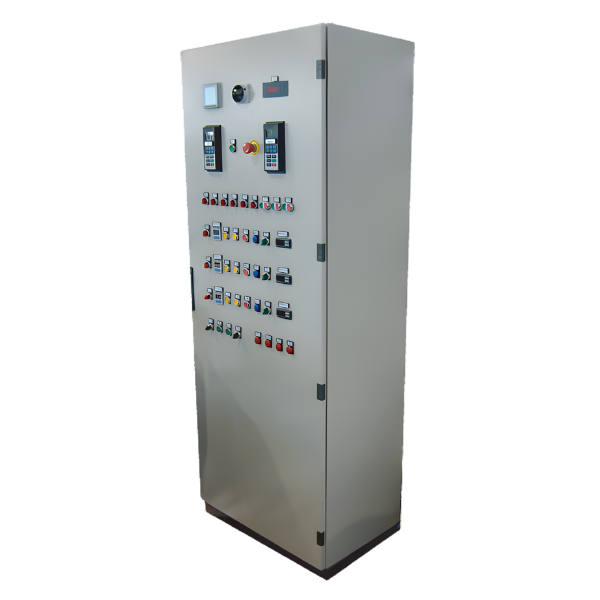
MORI-TEM Electrical Installations – Cultivar & Tecnotem Line

See More:   Oliomio Machinery

Modern Olive Oil Extraction with Oliomio (MORITEM) Systems


TECHNOLOGY SPOTLIGHT: OLIOMIO BY MORI-TEM

Modern Olive Oil Extraction with Oliomio Systems by Mori-TEM


Fundamentals of Olive Oil Extraction and Quality

Modern extra virgin olive oil (EVOO) production relies on continuous centrifugal extraction, which has largely replaced traditional presses. In a continuous system, olives are cleaned, crushed into paste, and then malaxed (gently mixed) before a horizontal decanter centrifuge separates oil from water and solids. This process is far more efficient and hygienic than the old press-and-mat method, which is now considered obsolete. Key quality factors include processing fruit quickly to avoid fermentation, maintaining low temperatures during malaxation, and minimising exposure to oxygen. For example, transporting olives in ventilated crates and crushing/milling within 24-48 hours of harvest helps prevent heat buildup and unwanted fermentation that could spoil flavour. Cleaning and de-leafing the fruit before crushing is also critical - removing leaves, dirt, and debris ensures no off-flavours or contaminants make it into the oil. Mordern mills typically incorporate washing and leaf-removal steps for this reason. 


Temperature control is paramount during extraction. EVOO is generally produced under “cold-press” conditions, meaning malaxation is kept around ≤27 °C to preserve aromatic compounds and polyphenols. Longer malaxation times or higher temperatures can increase yield but will reduce polyphenol content and flavour freshness. Recent research confirms that malaxation time and temperature must be optimised per cultivar e.g., one study found that extending malaxation from 15 to 90 minutes caused polyphenols to drop by up to 70%. In Australian groves, where harvest season temperatures can be high, processors often monitor paste temperature closely and may use heat exchangers or vacuum conditions to control it. Shorter malaxation (20-40 minutes) at moderate temperatures is commonly employed to balance oil yield with quality retention. Equally important is timing from harvest - olives allowed to sit too long (especially in warm conditions) will start fermenting. Using shallow, well-ventilated bins and milling within a day of picking is recommended to keep olives cool and intact. Big Horn Olive Oil in USA, for instance, emphasises rapid processing: they cold-press olives within 2 hours of harvest to “lock in freshness and antioxidants,” drastically reducing oxidation time in between. Such practices help Australian producers achieve long shelf life (18 - 24 months) and vibrant flavour in their EVOO whereas Cockatoo Grove has a Midnight EVOO where they pick and press in the cool of the night.

Harvest Timing and Olive Oil Quality ~ Australian Insight

Ongoing research in Australia has highlighted how harvest timing and orchard factors influence oil quality. As olives mature on the tree, oil yield rises, but phenolic compounds (antioxidants) tend to drop. In field trials across New South Wales and Victoria, early-harvest olives produced oils with higher polyphenol content and longer shelf stability, whereas late-picked fruit gave more mellow oils with lower antioxidant levels. Free fatty acidity and peroxide (rancidity indicators) remained low until fruit became overripe, but antioxidant-rich components like tocopherols and polyphenols decreased as the fruit matured, leading to reduced oxidative stability in late-season oils. Australian producers must therefore balance quantity vs quality: an early pick yields robust, pungent oils rich in healthful polyphenols, while a later pick yields more volume with milder taste. The table below (adapted from industry data) illustrates this trade-off: 

Harvest Time Oil Yield (% by weight) Flavor Profile Antioxidant Level
Early (greener fruit) ~12-16% (lower) Green, grassy, intensely fruity; pronounced bitterness & pungency High (rich in polyphenols)
Mid-Season ~15-18% (moderate) Balanced fruitiness; moderate pepperiness Moderate
Late (ripe fruit) ~20-28% (higher) Mild, buttery, nutty; low bitterness/pungency Lower (fewer polyphenols)
Table: Effect of harvest timing on olive oil characteristics (indicative values for common varieties).

Other local research has examined irrigation effects on oil quality. Water-stressed olive trees (common in Australian summers) often produce smaller, more bitter fruit with higher polyphenol content, whereas heavily irrigated trees yield plumper olives with diluted phenolics but higher total oil output. For example, a study found that deficit-irrigated trees had the highest polyphenol levels (and earlier fruit ripening) in dry years, while fully irrigated trees gave greater oil yields at the cost of some phenolic concentration. These findings underscore that post-harvest decisions (when to pick, how to handle fruit before milling/crushing) are just as crucial as the milling technology itself. Cutting-edge extraction equipment can maximise quality potential, but growers must still deliver quality olives to the mill and process them with urgency to produce premium Australian EVOO.


  Oliomio Profy 200 | Self-contained Olive Oil Processing Machine  
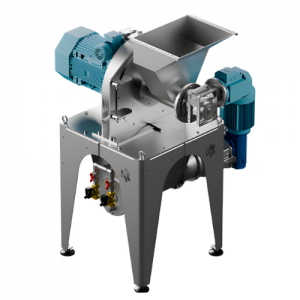
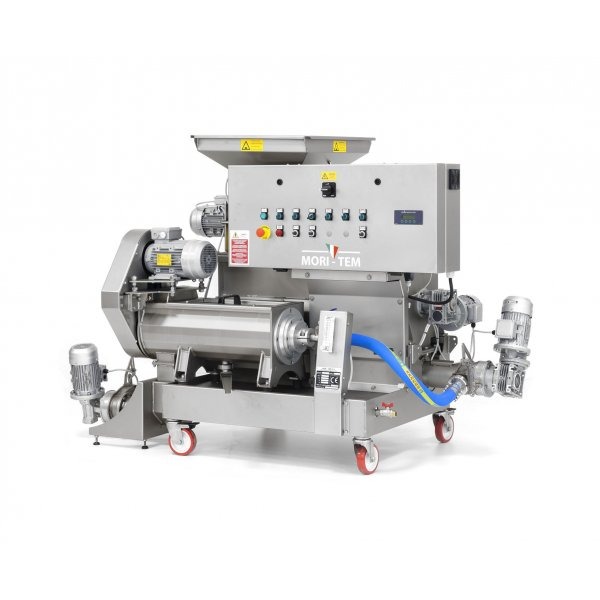
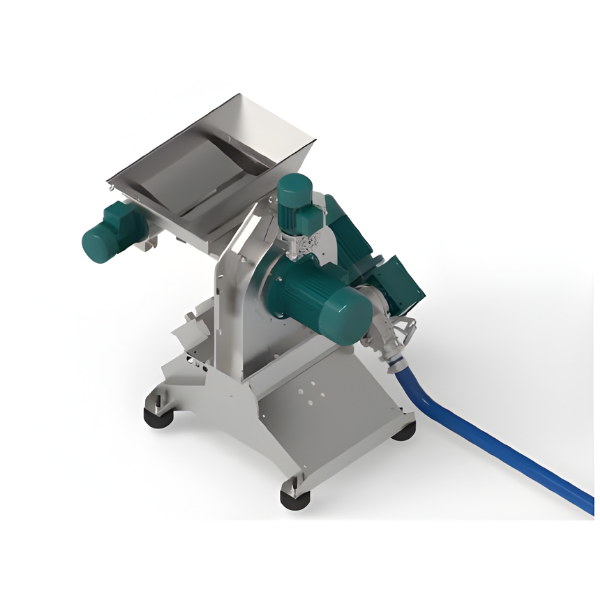
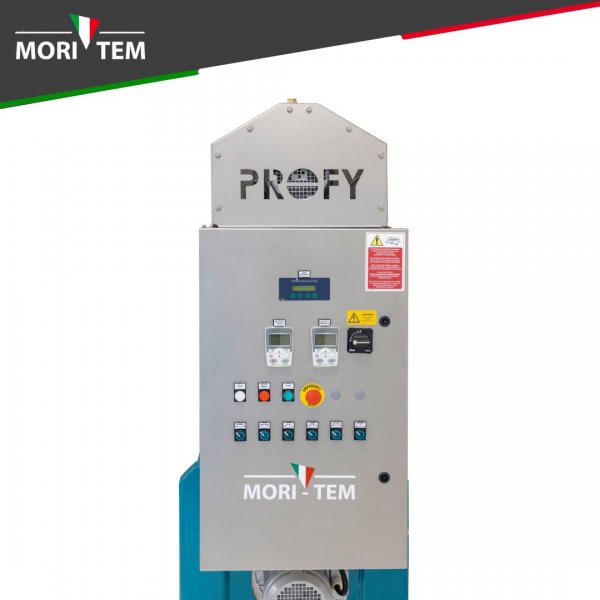
Figure: An example of a modern Mori-TEM “Oliomio” compact mill (Profy model) featuring an all-in-one crusher, malaxer, and two-phase decanter. Oliomio (Italian for “My Oil”) is the brand of continuous olive oil processing systems by MORI-TEM, designed to bring commercial-grade extraction to small and medium producers. These systems encapsulate crushing, mixing, and centrifugal separation into a streamlined unit, allowing growers to mill their own olives on-site with minimal labour. All Oliomio machines share a few fundamental design features aimed at oil quality and hygiene.
  • Two-Phase Centrifugation: Oliomio decanters operate without added dilution water, separating oil and wet pomace directly. This “2-phase” process leaves the oil richer in polyphenols (since no wash-water strips them out) and avoids producing large volumes of wastewater. As one Queensland producer noted, using a two-phase Oliomio mill “leaves the oil in its natural state” with all its aroma and antioxidants. In contrast, older three-phase systems required water addition and hence washed out some flavour and nutrients. 
  • Integrated Continuous Flow: Unlike traditional presses or early monoblock mills, Oliomio machines run a continuous flow process. Olives go in one end, and oil (plus separated pomace) comes out the other, with no manual intermediate handling. Even the smaller models use augers or pumps to move paste through the crusher → malaxer → decanter stages without stopping. This boosts throughput and prevents paste from sitting exposed to air. (Entry-level models like the older Spremoliva C30 were discontinuous, requiring batch-wise malaxing, but the latest Oliomio range is fully continuous for capacities ≥50 kg/hour .) Continuous design also improves labour efficiency and throughput; operators can just keep feeding olives and collect oil, rather than pressing batch by batch.
  • Compact, Hygienic Construction: Oliomio units are built entirely from food-grade stainless steel (AISI 304), with sanitary design principles to meet strict hygiene standards. There are no porous bags or mats as in old presses - all surfaces contacting the olive paste or oil are smooth stainless steel, easy to wash and disinfect. Many models include CIP (clean-in-place) features like built-in washing jets for the malaxer and decanter drum. Automated washing cycles allow thorough cleanup between batches or at day’s end, which is vital for preventing residue buildup and off-flavours. This focus on cleanliness is a major upgrade from traditional mills, where remnants in mats or presses could turn rancid. 
  • Automation & Control: Despite their small size, Oliomio machines are equipped with modern control systems. Standard features across the range include inverter-driven motors (variable frequency drives) to adjust the crusher speed and decanter bowl speed. By tuning these speeds, an operator can optimise extraction for different olive varieties or ripeness levels. A flow meter for precise water dosing (used sparingly, e.g., to flush the decanter or facilitate paste flow in difficult batches) is also built in. Malaxer temperature is thermostatically controlled; midrange and larger Oliomio models have digital temperature readouts and automatic heating elements to maintain the set malaxation temperature. Safety and ease-of-use are considered as well - control panels consolidate the start/stop and adjustment functions, and protections like emergency stops and motor overload controls are provided. Overall, these systems bring a level of automation once seen only in large industrial mills down to the farm scale.
  • Energy Efficiency: By using inverter motors and a compact footprint, Oliomio mills are relatively energy-efficient for their output. For instance, the standard Oliomio 80 model runs on a single-phase 220V supply, drawing ~3 kW, meaning it can be used without special electrical infrastructure. Even the 100 kg/hr “Gold” model, despite its higher capacity and automatic features, uses only about a 4 kW motor and can be configured for single or three-phase power. This efficient power usage is partly due to the elimination of heavy hydraulic presses and due to optimised decanter designs that don’t require excessive dilution water or prolonged processing. The continuous process also avoids idle time between batches, making the best use of energy to process a given tonnage of olives.

Range of Oliomio Equipment - Models and Features 

MORI-TEM offers a spectrum of Oliomio mills to suit different scales, from artisanal boutique producers up to small commercial cooperatives. All share the principles above, but with varying throughputs and degrees of automation. Below is an overview of the current Oliomio lineup and its characteristics:

  • Frantoino Bio - A compact entry-level continuous mill designed for boutique production. With a throughput of roughly 50 - 60   kg of olives per hour (up to ~0.4   ton per 8-hour day), the Frantoino Bio enables a small grove to produce its own oil efficiently. It is a self-contained unit performing crushing, malaxing, and separation in one chassis, and runs on single-phase power (≈3 kW) for easy setup. Despite its small size, it incorporates a knife crusher, a horizontal malaxer, and an innovative 2-phase decanter centrifuge. An inverter control allows adjustment of the crusher and decanter speeds to adapt to fruit conditions. The Frantoino Bio also features an adjustable nozzle system on the decanter, which lets the operator fine-tune the oil/pomace separation for olives of different water content. Standard fittings include a paste feeding screw with variable speed and a malaxer heating jacket (basic thermostat control) to facilitate cold extraction. This model is ideal for artisanal olive farms, niche producers, or research labs - anyone processing on the order of a few hundred kilos per day - who wants a professional-grade yet portable mill. Built entirely in stainless steel, the Frantoino Bio emphasises hygiene and simplicity, requiring only a single operator. (Optional add-ons: a mini olive washer/de-leafer and a waste paste pump can be attached to make a complete milling line.)
  • Oliomio 80 Plus - A step up in capacity, the Oliomio 80 can process 70 - 80 kg/hour and is recommended for about 0.6 tons of olives per day. This model includes more advanced controls: it has a horizontal continuous malaxer with temperature regulation and a digital display on the control panel. The crusher is of the knife type, and the decanter is a modern two-phase design similar to Frantoino’s, but larger. Like all Oliomios, it features an inverter to fine-tune decanter and crusher RPM, a flowmeter for any process water, and an automatic drum-washing system to ease cleaning. The Oliomio 80 is often the choice for small farms and estates in Australia that are expanding production - it’s still operable on single-phase power (3 kW) but offers fully continuous processing with better throughput. Notably, the malaxer on the 80 Plus is insulated and has a built-in heater and temperature sensor/visualizer, allowing true control of paste conditions. Growers processing on the order of 5-10 tons per harvest find that this model hits a sweet spot in being compact yet sufficiently automated. (Typically paired with the DLE “Baby” washer/leaf remover and a small plate filter unit for polishing the oil .) Quality-wise, the Oliomio 80 is engineered to let producers crush olives immediately after picking, yielding high-quality EVOO with minimal oxidation.
  • Oliomio Gold - Introduced as “Oliomio’s newest” small-scale extractor, the Gold model pushes capacity to 90-100 kg/hour while adding full automation features. It is designed for a daily throughput of ~700-800 kg (0.7-0.8 ton) of olives in an 8-hour shift. The Oliomio Gold includes all features of the 80 Plus and more: for example, it has completely automatic self-cleaning of the machine via an integrated washing circuit. At the end of processing (or between batches), the operator can activate the cleaning cycle to flush the malaxer and decanter, which reduces labour and ensures no cross-contamination between different batches or varieties. Additionally, the Gold has dual motor options - it can be ordered in single-phase 4 kW or three-phase 4 kW versions, giving flexibility to farms with industrial power available. This model also features a second screw conveyor with variable speed that feeds olives into the crusher automatically (improving consistency of throughput), as well as an included pomace (waste) discharge pump (PSS.1) to eject the wet pomace without manual shovelling. Optional accessories for the Gold include an olive destoning kit and an inverter to adjust the malaxer’s internal stirring speed for even finer control. In practice, the Gold has become popular with estate producers and regional mills in Australia who value its “press-and-forget” automation - one can continuously feed in fruit and the machine manages the rest (crush, mix, extract, self-clean), producing a clean, high-quality oil with minimal staffing. Its throughput (~100 kg/h) often matches the picking rate of a small mechanical harvester, making it a great fit for mid-sized groves. 
  • Oliomio Profy 200 - The Profy is a higher-capacity monobloc mill, named for its “professional” capabilities. With 150-200   kg/hour throughput, it serves small commercial operations or cooperative processing facilities. The Oliomio Profy is essentially a compact two-malm (two malaxer) plant in one frame. It consists of a heavy-duty FR_250 crusher (which can be configured as knife or hammer crushing), a dual-stage malaxing system (paste flows from Malaxer #1 to Malaxer #2 automatically), and a DMT_2 two-phase decanter. This configuration allows semi-continuous operation even at higher volumes: while one malaxer is being filled with fresh paste, the other is feeding the decanter, thus optimising utilisation. The Profy’s design pays special attention to oil quality: for example, it notes that the difference in paste temperature between crusher inlet and outlet should not exceed 1-2 °C - an indicator of gentle handling with minimal friction heat. The malaxers are completely enclosed (with vapour locks) to prevent excessive oxidation of the olive paste. The decanter is a high-efficiency horizontal centrifuge with a specialised 2.0 auger, designed to produce a cleaner oil without temperature increase during extraction. Thanks to the integrated waste pump, even at this scale, the system cleanly expels pomace. The Profy 200 requires three-phase power (about 9 kW installed) and features options like a crusher speed inverter and an advanced temperature controller for the malaxer. In Australia, an Oliomio Profy (≈150 kg/hr) is considered an “ideal capacity” for collaborative mills - it’s enough to allow multiple small growers to process their olives locally without having to invest in a very large plant. Growers can retain control over their product and timing, while the machine’s compact footprint and ease of use lower the barriers to entry for professional olive oil production. As evidence of its success, hundreds of Australian producers have adopted Oliomio systems (many of them in the 80-200 kg/hr range), enabling on-farm processing and contract milling services that deliver award-winning EVOO.


To summarise the small-to-medium Oliomio models discussed above, the table below compares their capacities and key features:

Oliomio Model Throughput Key Features Typical Application
Spremoliva C30 30-40 kg/hour Batch malaxer (discontinuous); basic mini-press setup; no built-in heating or automation Hobbyists, micro-batch or lab use (older design)
Frantoino Bio ~50-60 kg/hour Continuous 2-phase system; single malaxer; simple controls; single-phase power; adjustable decanter nozzles Boutique farms, artisanal producers, pilot plants
Oliomio 80 Plus ~70-80 kg/hour Continuous flow; horizontal malaxer with heating & temperature display; inverter speed control; basic CIP wash kit Small farms (~0.5-1 ton/day harvest); estate olive groves
Oliomio Gold ~90-100 kg/hour Enhanced automation (auto malaxer & drum washing, variable-speed feed auger)waste pump included; single or 3-phase Medium farms (~0.8 ton/day); premium boutique mills needing labour-saving features
Oliomio Profy 200 ~150-200 kg/hour Dual malaxers for semi-continuous processing; heavy-duty crusher; closed/vacuum malaxing; full automation; waste pump Cooperative regional mills; small commercial processors (~1.5-2  ton/day)

Table: Comparison of select Oliomio continuous mill models (MORI-TEM). All feature two-phase extraction, stainless steel construction, and integrated crushers and decanters; higher models add more automation and capacity. Note how the traditional press is absent - even the smallest Oliomio brings modern centrifugal extraction to the farm, highlighting the leap in technology from the old press or “monoblocco” mills of past decades.  

Medium-Scale Modular Systems: Sintesi, Forma, Cultivar, TecnoTEM

For producers scaling beyond the monobloc units, MORI-TEM offers modular olive mill installations that handle larger throughputs while prioritising quality. These systems - marketed under names like Sintesi, Forma, Cultivar, and TecnoTEM Oliomio Sintesi Series - break the extraction process into separate machines (e.g., independent crusher, malaxer group(s), decanter, separator) designed to work in harmony. They introduce features like multiple malaxers for higher throughput, vacuum malaxation technology, and advanced control systems. Importantly, they still operate on the continuous two-phase principle and embody the same hygiene and automation ethos as the smaller Oliomio range. Here’s an overview of each series:

  • Oliomio Sintesi Series: Sintesi (Italian for “synthesis”) plants are engineered for small-to-medium facilities that demand top oil quality, including high polyphenol content. With nominal processing speeds of 140-500 kg/hour, Sintesi fills the gap between compact mills and large industrial ones. A hallmark of Sintesi is its vacuum malaxing system: it uses vertical, closed malaxers under slight vacuum to malax the olive paste with minimal oxygen exposure. This gentle handling helps retain aroma compounds and prevent phenolic losses due to oxidation. The temperature control is uniform across all malaxers (“global”) and can be precisely managed to keep conditions cold. The system can be run in continuous mode or in batches, providing flexibility for producers who might want to separate distinct varietals or ripeness batches. Structurally, the crusher in Sintesi lines is separate from the malaxer (often a standalone mill with its own inverter speed control) and feeds paste via an electric valve and pump. Each malaxing vessel has an outlet with a dedicated elliptical piston pump to transfer paste to the decanter smoothly and consistently. The decanter itself is a horizontal twophase unit similar in concept to the Oliomio small mills but scaled up; it features MORI-TEM’s special 2.0 auger design that maximises oil yield without needing dilution water and avoids any paste temperature increase during extraction. Cleaning is made easy - Sintesi malaxers have fully opening lids giving access to all internal surfaces, and optional automatic washing systems are available to rinse the equipment between runs. In summary, Sintesi marries state-of-the-art quality control with moderate capacity. It’s targeted at operations like boutique olive mills processing a few tonnes per day, high-end producers focusing on nutraceutical-grade EVOO, or collaborative ventures where multiple growers share a facility but want to keep each batch’s quality optimal. By dramatically reducing oxidation, Sintesi can produce oils with exceptionally high sensory and healthy qualities - effectively “super premium” oils - even at a farm scale. 
  • Forma Series: The Forma line represents MORI-TEM’s solution for standard medium-sized olive oil factories, with production throughput ranging roughly from 180 to 1000 kg/hour depending on configuration. “Forma” systems are modular and can be configured in 2, 3, or 4 malaxer setups (often denoted 2GL, 3GL, 4GL for the number of malaxing units). Unlike Sintesi, Forma malaxers are generally horizontal (open-top trough style) but can still be closed during operation to avoid air contact. The design allows batch separation in a continuous process: on a 2GL (two-malaxer) Forma, the crusher is mounted atop the malaxers and can direct paste into Malaxer #1 or #2 selectively. This means two different olive batches can be handled in staggered timing - highly useful if a mill processes different varieties or ripeness lots in one day. In the 3GL and 4GL versions, the crusher is entirely separate (feeding via a tube), and paste allocation to each malaxer is automated by valves. An underlying philosophy of Forma is optimising flavour formation and extraction efficiency. For example, engineers highlight the management of oxygen at the crusher inlet: introducing a controlled small amount of air at crushing can activate the lipoxygenase pathway in olive paste, which creates desirable aromatic compounds (the “green” fruity aromas). However, it must be balanced - excess oxygen would oxidise those aromas later. Forma crushers thus allow fine-tuning of oxygen ingress to strike this balance. Similarly, the thermal delta between incoming olive paste and outgoing paste from the crusher is kept minimal (around 1-2 °C difference) to avoid heating the paste during the initial grind. Once in the malaxers, paste is kept in closed conditions with jackets to control temperature effectively. On 3GL/4GL models, paste transfer from malaxers to the decanter is managed by synchronised pumps and automated valves, maintaining a continuous feed without manual intervention. The decanter in Forma systems is similar to that in Sintesi - a high-yield, 2-phase horizontal centrifuge with a special auger that requires no added water and ensures no additional heat is generated as the oil is extracted. Cleaning and maintenance are facilitated by large openings (the entire top cover of each malaxer can flip open), eliminating dead spots where paste could accumulate. The Forma line is well-suited to cooperative mills, family operations scaling up, or new olive ventures aiming for ~0.5 to 5 tons/hour capacity with modularity. A producer can start with a 2-malaxer setup and potentially expand to more malaxers as volumes grow. With Forma, every piece of the process is under control (crush, oxygen, temp, malax, extract), which is why MORI-TEM touts that it “allows extraction of a great product” when coupled with their support and the producer’s own best practices.
  • Cultivar Series: The Cultivar series is built for high-capacity farm or estate production, in the range of 650 to 4000 kg/hour throughput. These are essentially small industrial plants optimised for single-estate operation with low oxidation impact. They share many design elements with Sintesi (in fact, “Sintesi” and “Cultivar” both employ vacuum malaxation), but are scaled to much larger throughputs. In Cultivar systems, the crusher is separate and includes an inverter control to adjust crushing speed/ intensity. As with Forma, there is emphasis on controlling oxygen at the crusher for flavour and keeping the paste temperature rise negligible. However, malaxation in Cultivar is done in closed vertical malaxers under a light vacuum - similar to Sintesi, but these malaxers are bigger and oriented vertically to facilitate the handling of large paste volumes. The slight vacuum environment (a mild negative pressure) during malaxation further reduces oxidation, which is especially beneficial when malaxing for longer times or with larger batches. Temperature control is applied globally across all malaxers to keep conditions uniform. Paste is pumped in and out of the malaxers automatically via valves and piston pumps, as in other series. Cultivar’s horizontal decanter is designed for maximal oil recovery with high quality, again using the 2.0 auger to avoid dilution water and prevent any thermal increase. Given the large flow rates, the Cultivar decanter must handle a heavy throughput while still achieving a clean separation; Mori-TEM’s design focuses on maintaining oil quality even at scale (e.g., by effectively removing fruit water and solids without needing a polishing separator for the oil). Cleaning these large systems is addressed through fully opening lids (like Forma) and optional automatic washing systems to reduce downtime between production runs. Cultivar installations are often custom-tailored to an estate’s needs - for example, an Australian grove with a few thousand tons of olives might choose a Cultivar 1000 (around 1   ton/hr) line to process their entire crop on-site at peak ripeness, ensuring ultimate freshness. These systems let big producers avoid transporting olives long distances to external mills (which can cause fruit damage and delays). With Cultivar, even large Australian olive farms can implement immediate, oxidation-minimised processing “at the tree,” delivering oil that competes with the best artisanal products. It represents a farm-scale adoption of the same principles of quality: controlled oxygen, gentle handling, and sanitation on a grander throughput. Notably, despite their size, Cultivar systems still pride themselves on producing a “good quality product” with the support of Mori-TEM’s expertise - essentially debunking the notion that large-scale mills must sacrifice quality for quantity.  
  • TecnoTEM Series: TecnoTEM is the high-end line intended for customised continuous processes and third-party manufacturers (hence “techno”), spanning roughly 400 to 4000 kg/ hour capacities. These plants are built to be modular and flexible for special requirements – for instance, an olive mill that also wants to experiment with enzyme dosing, or a facility that processes both olives and other fruits might opt for TecnoTEM for its configurability. In practice, a TecnoTEM installation might look similar to a Forma (with horizontal malaxers) but with additional bells and whistles or integration into a larger production line. The design priorities include the same fundamentals: minimise oxygen, minimise heat, maximise extraction efficiency. The TecnoTEM malaxers are closed (though not necessarily vacuum) and temperature-controlled. Each malaxer has an automatic valve-fed inlet and an elliptical piston pump on the outlet to send paste forward, ensuring consistent flow to the decanter. Full opening lids allow thorough cleaning just as in other series. The decanter uses the two-phase system with the special auger design, yielding a clean oil without added water and with no temperature rise during separation. Essentially, TecnoTEM takes the Forma concept and opens it up to client-specific configurations - whether that’s integrating multiple crushing lines, adding intermediate storage/malaxer buffering, or hooking up to an external clarifier or filtering system as part of a continuous pipeline. It’s often chosen by contract milling operations or large enterprises that require a robust, continuous mill that can run 24/7 in peak season and handle different processing modes (continuous for large batches, but perhaps also able to do discontinuous for specialty lots). The emphasis on “third-party manufacturing” suggests these systems are also built with reliability and standardisation in mind - a custom mill can be assembled from proven MORI-TEM components to meet the exact needs of the producer. For example, an Australian regional olive press centre that processes olives for dozens of growers might use a TecnoTEM line to accommodate varying daily volumes and ensure each client’s olives are processed optimally. Despite the scale and bespoke nature, Mori-TEM underscores that even TecnoTEM equipment “allows extraction of a great product” when operated with their guidance. In other words, technical customisation does not come at the expense of oil quality - all the core design choices (hygiene, controlled mixing, rapid processing) remain oriented toward producing high-grade EVOO. 

Comparing Modern Systems to Traditional Presses and Older Mills 

It is instructive to contrast the above Oliomio technologies with the outdated systems they have superseded - namely, the classic hydraulic press and early-generation farm mills (older “monoblocchi” units). Traditional olive presses involved grinding olives (often with stone mills) into paste, spreading that paste onto fibre mats, stacking them, and then applying tons of pressure in a press to squeeze out the oil/water mixture. This method, while romantic, had numerous drawbacks: it was labour-intensive and slow, exposed the olive paste to air for prolonged times, and was hard to keep clean. The mats and press equipment could harbour yeasts or moulds and were difficult to sanitise thoroughly. It was not uncommon for olives to begin fermenting in the interim between harvest and pressing - indeed, historical accounts describe farmers bringing sacks of olives to the mill that were “often already fermenting” by the time they were pressed. The result was oil of inconsistent quality and stability. Continuous centrifuge systems like Oliomio eliminated these problems by moving to an enclosed, stainless-steel process where olives are milled almost immediately after picking, drastically cutting the chance for fermentation or oxidation. The greater hygiene and speed of continuous extraction have improved average oil quality and made defects from processing (such as fusty or musty flavours from fermentation) much rarer in modern operations. As a report on introducing Oliomio technology in Australia noted, “centrifugal extraction…replaced older, labour-intensive systems with continuous-flow designs”, offering better hygiene, efficiency, and capacity - effectively rendering the old press method obsolete in quality-oriented production. 

Early small-scale continuous mills (from the 1990s-2000s) were a huge step up from presses, but they lacked some refinements of today’s Oliomio models. For example, many older farm mills did not have automated temperature control for malaxation, nor continuous malaxer flow. The very first “Oliomio” monoblock (created by Tuscan innovator Giorgio Mori) was revolutionary for being compact and continuous, but subsequent generations have added further improvements. A comparison of features illustrates this evolution: the older Spremoliva 30 could only malax in batch mode (no simultaneous crushing while decanting) and had no heating system or temperature display on the malaxer. By contrast, an Oliomio 80 or Gold today has fully continuous malaxing with automated temperature control and readout. Earlier mills often used fixed-speed motors and one-size-fits-all settings, whereas new systems employ inverter drives and adjustable nozzles to accommodate different olive conditions (small, watery olives vs. large, fleshy ones, etc.). Another big leap is in automation: tasks like pomace removal and equipment washing, once manual, are now handled by integrated pumps and wash cycles in machines like the Gold and Profy. This not only reduces labour but also ensures more consistent cleanliness batch after batch. In terms of energy and water usage, modern two-phase decanters are also more sustainable - they eliminate the need for large volumes of dilution water required by traditional three-phase decanters (saving water and the energy to heat it) and produce a simpler waste stream (wet pomace) that can be repurposed or composted more easily than press liquor or black water from old systems.

Crucially, oil quality has improved with each technical advance. Traditional pressing often left higher sediment and water in the oil, necessitating longer settling or filtration and risking quicker oxidation. Continuous centrifugation yields cleaner oil immediately, and the lack of air contact preserves freshness. Chemical measures like peroxide value and UV stability are typically superior in oil produced by a modern continuous mill versus an old press, when starting with the same fruit. The ability to crush and extract within hours of harvest, at controlled temperatures, means free fatty acid levels stay extremely low and the positive flavour notes are maximised. Australian producers who have adopted the latest Oliomio systems consistently report better quality and consistency in their oils, even when processing smaller batches. As an example, Spring Gully Olives in Queensland upgraded to a two-phase Oliomio (150 kg/hr) and found it ideal: it allowed them to process their own crop and offer custom processing to neighbouring groves, all while producing oil that needed no further refining - “the 150 kg per hour Oliomio is an ideal capacity which allows small growers to have their own oil processed…and it leaves the oil in its natural state”. This kind of feedback underlines how modern machinery empowers even small-scale growers to achieve high extraction efficiency and premium quality that rivals the big producers.

In summary, the latest Mori-TEM Oliomio systems represent a convergence of advanced engineering and practical on-farm olive oil production. They enable professional, hygienic, and quality-focused extraction at scales from a few dozen kilograms up to several tonnes per hour. By carefully controlling each step - from fruit cleaning and crushing with minimal oxidation, to malaxation under controlled atmosphere, to efficient two-phase centrifuge separation - these machines ensure that the oil produced reflects the true potential of the olives. Australian growers using Oliomio equipment benefit not only from improved oil quality and shelf life, but also from greater independence and flexibility: they can harvest at optimal times and process immediately, rather than rushing to a distant community mill or risking fruit spoilage. The result is fresher, more flavorful extra virgin olive oil that meets the high standards of a sophisticated global market. And with the range of Oliomio models and configurations now available, producers can choose a setup tailored to their grove’s size and business model - whether it’s a one-person boutique press or a regional processing hub servicing multiple farms. The technology has truly opened a new chapter for the industry, one where tradition and innovation blend to produce the finest EVOO. Each bottle of oil pressed with these modern systems tells the story of careful harvest timing, immediate processing, and gentle extraction - a story that resonates strongly with Australia’s drive for quality and the world’s appreciation of premium extra virgin olive oil.


Australian Olive Growers Face Lower Yields After Unseasonal Weather

INDUSTRY UPDATE: AUSTRALIAN OLIVE GROWERS 2023 SEASON

Australian Olive Growers Face Lower Yields After Unseasonal Weather

   
The Australian olive industry has faced a tough growing season, with unpredictable weather conditions significantly influencing the 2023 olive harvest. Prolonged periods of unseasonably cold and wet weather shortened the growing cycle, slowed fruit ripening, and delayed harvest schedules, according to David Valmorbida, President of the Australian Olive Oil Association (AOOA). 

“Earlier in the season, the industry was anticipating an excellent harvest,” Mr Valmorbida said. “However, persistent cold weather and rainfall during May and June, particularly across south-east Australia, have taken their toll.”

Although the Australian olive harvest is not officially recorded each year, the AOOA estimates that the 2023 season will produce between 18 and 19 million litres of olive oil from roughly 110,000 to 120,000 tonnes of olives.

This compares with last year’s output of 14–15 million litres and the record-breaking 2021 crop, which yielded 20–22 million litres of oil.

Mr Valmorbida explained that these fluctuations reflect the biennial cycle of olive production. “This is what we call an ‘on’ year for olives. While we were expecting an excellent yield earlier in the year, harvest results always depend heavily on weather conditions, and this season has been quite mixed for many growers.”

“The oil yield per tonne is noticeably lower than average due to the cooler growing period,” he added, “but the quality of the oil remains excellent because the fruit had more time to ripen gradually.”

Around the world, olive oil prices have reached record highs in Spain, Italy, and Greece, driven by a severe global shortage of olive oil. Hot temperatures, minimal rainfall during key stages of the growing season, and extended drought conditions across southern Spain have drastically reduced European output. In addition, the ongoing conflict in Ukraine has disrupted the production of vegetable and seed oils, increasing global demand for olive oil as an alternative.

In Australia, growers are currently achieving $6–$7 per litre for larger commercial volumes of olive oil, with even higher prices for export batches, premium small-lot oils, and organic extra virgin olive oil.
“With this global shortage, some of the larger Australian producers are in a strong position to export olive oil to Europe and receive competitive returns,” Mr Valmorbida said.

“While that’s encouraging news for the Australian olive oil industry, globally the sector is under pressure,” he continued. “There’s currently a 35–40 percent shortfall in available products, combined with escalating packaging costs, especially for glass and tin materials.”

“These factors, along with rising labour and energy expenses, are leading to higher retail prices for consumers,” he noted.

Mr Valmorbida concluded with a reminder to consumers: “It’s important to remember there’s no product quite like olive oil—its distinctive flavour, health benefits, and culinary versatility make it irreplaceable.”

#oliveharvest2024 #harvest2024

About the Australian Olive Oil Association

The Australian Olive Oil Association (AOOA) is a not-for-profit, independent organisation dedicated to promoting the quality, integrity, and fair trade of olive oil in Australia. Membership is open to olive oil producers, distributors, industry stakeholders, and related organisations.

Since 1993, AOOA has been a signatory to the International Olive Council (IOC) global quality control program. Each year, the Association coordinates independent laboratory testing of leading olive oil brands to ensure compliance with IOC standards.

In addition, the AOOA Certified Quality Seal Program upholds even stricter quality criteria, allowing AOOA-member products to distinguish themselves in both domestic and international markets.


For more information: 

Jan Jacklin, General Manager, Australian Olive Oil Association gm@aooa.com.au www.aooa.com.au

Photo credit:  Julia, olive grove – Kyneton Olives” by avlxyz is licensed under CC BY-SA 2.0. To view a copy of this license, visithttps://creativecommons.org/licenses/by-sa/2.0/?ref=openverse

How do I obtain Technical Assistance or locate parts for my olive oil processing machine?

Technical Assistance & Parts Help

For your olive oil processing machinery

Olive Oil Processing Machinery Technician Assistance & Parts 

Please insert the date you would like to nominate as an indication of when you need the required service or parts
Add as many files as you need

How to match an Olive Oil Processing Machine for my requirements

New Olive Oil Processing Machinery - Producer requirements

Grove Information

Select all that apply to your grove

Olive Harvesting

Environment

Length x Width x Height in metres
In degrees celcius please

Other considerations

Further Comments / Questions / Special Requirements

Thank you for your information please submit to our Team