My Account
Sign-in / Join

Sign-in

Hi My Account

Dashboard

Logout

Cart

My Shopping Cart

Subtotal
${{total.toFixed(2)}}
QUOTE
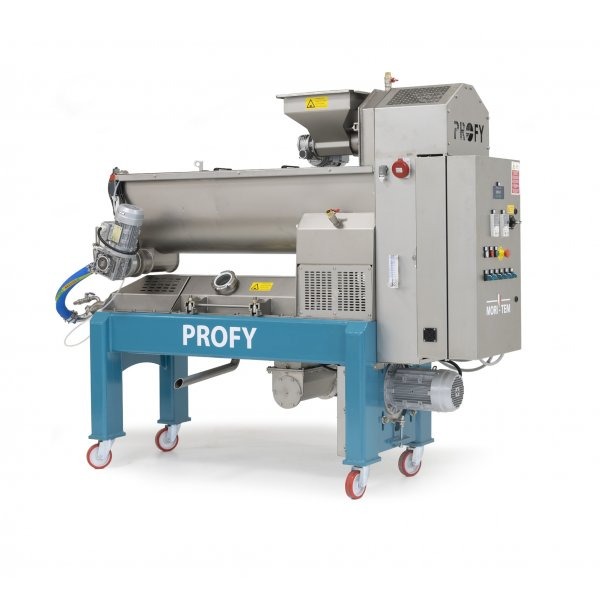
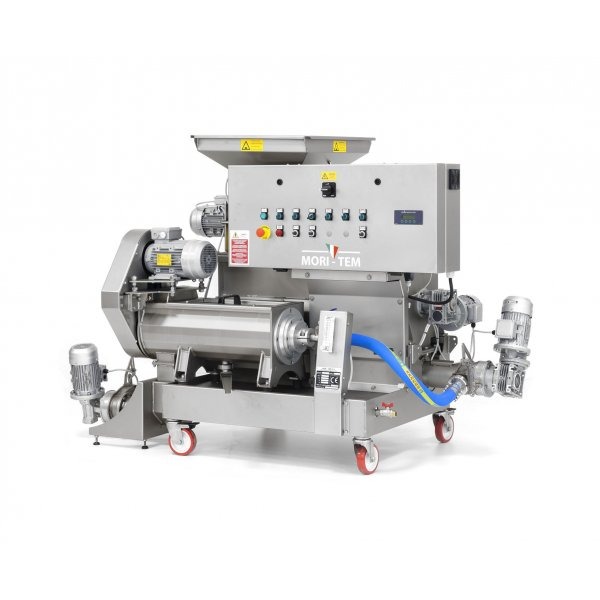
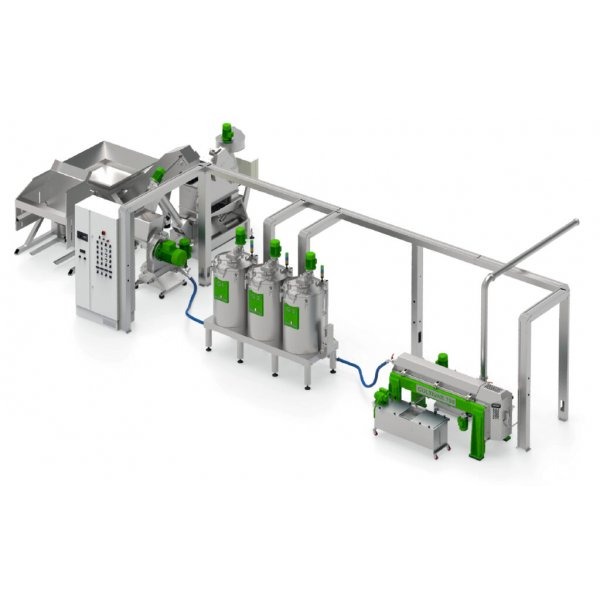
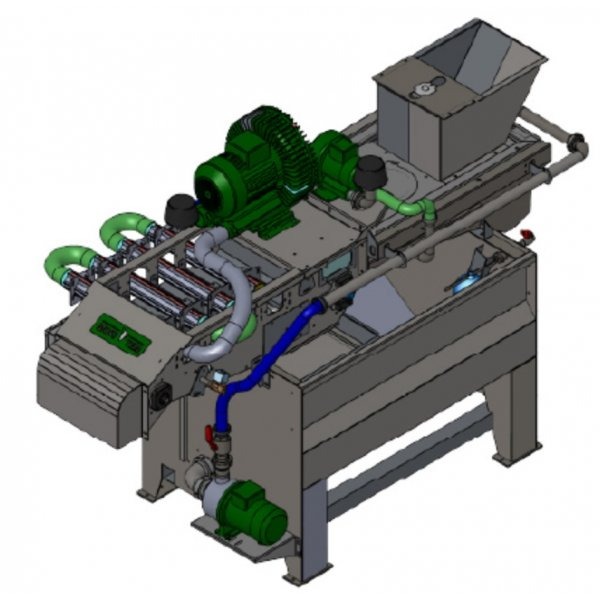
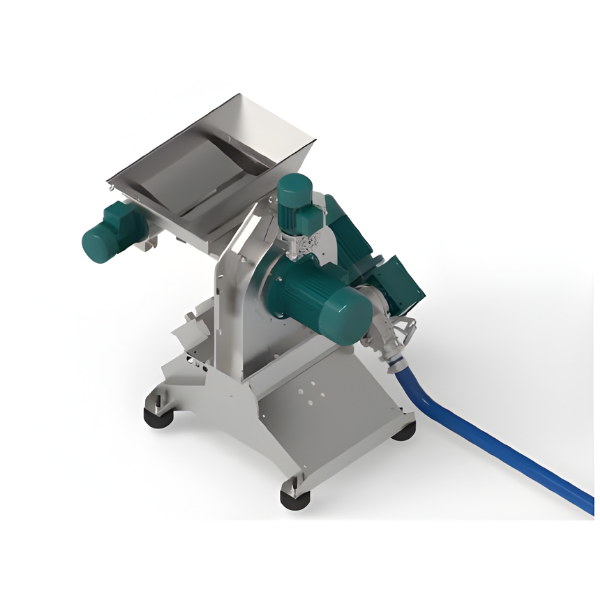
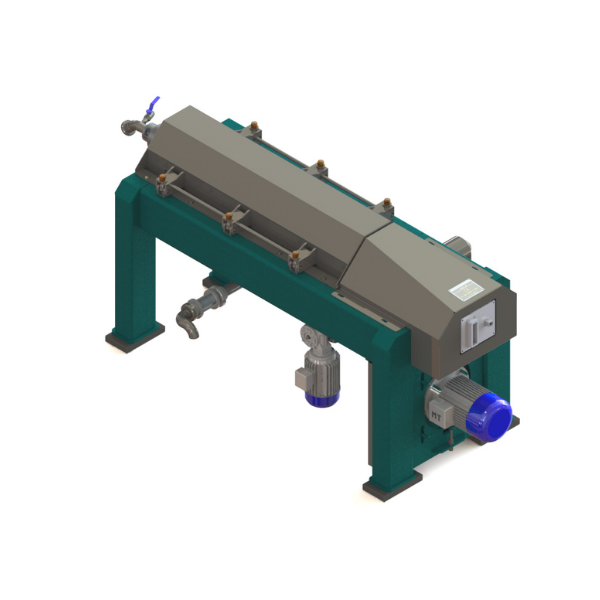
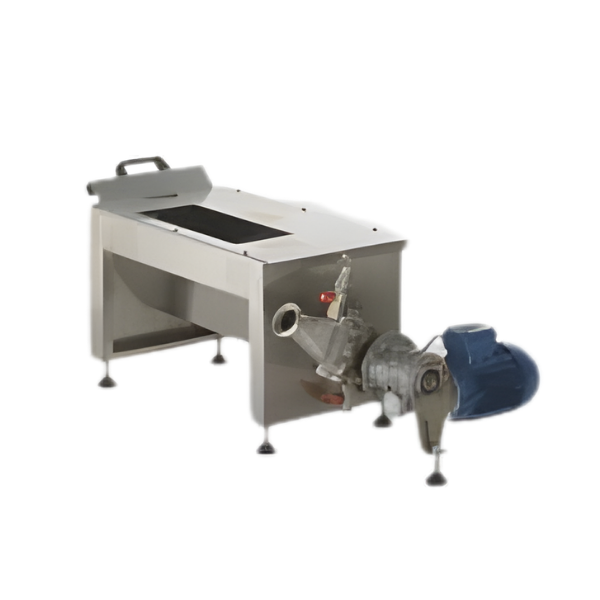
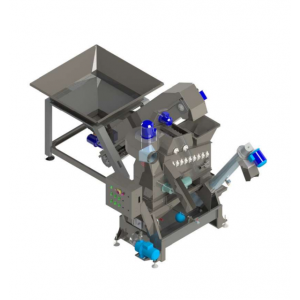
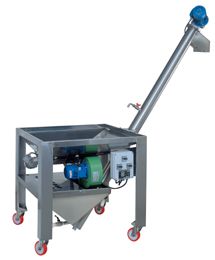
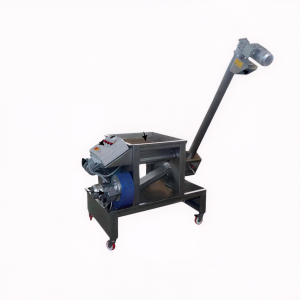
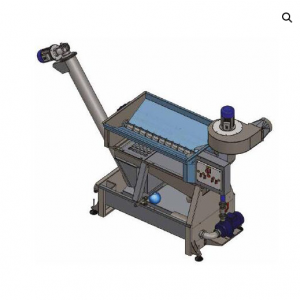
Barigelli Olive Washing Machine (Mod B/L 80)

Call for Price
Quantity

V1B/L80
  • Description
  • Enquiry
  • Knowledge
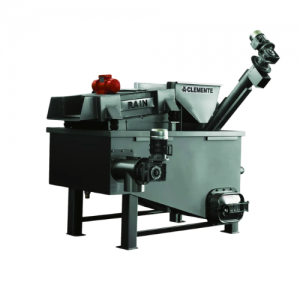
Stainless Steel complete with: device for removal of foreign bodies.
Wash tubs with two taps for the rapid discharge of washing water if necessary,
 

Key Adjustable Parameters in Olive Oil Processing Machinery for Quality & Yield Optimizati

Efficient and high-quality olive oil extraction depends on fine-tuning multiple process variables. Below are critical control points and potential adjustment areas within modern olive oil production systems:
Please log in to view the entire article

Process Your Own Olives: Bringing Oliomio Technology to Australian Growers


Olive Oil Processing- OliomioTechnology

Process Your Own Olives: Bringing Oliomio Technology to Australian Growers

For decades, engineers have envisioned a compact, efficient, and hygienic machine capable of producing extra virgin olive oil on-site. That dream is now a reality. Modern technology has made it possible for growers to produce their own extra virgin olive oil using a self-contained, economical system that delivers professional-grade results.

This innovation empowers Australian olive growers to add value to their produce - from picking and processing to bottling - using their own equipment. Beyond personal production, it opens the door for entrepreneurs to establish contract processing businesses, pressing olives for others with ease and precision.

The Evolution of Olive Processing

Centrifugal extraction technology was a revolution in the olive oil industry. It replaced older, labour-intensive systems with continuous-flow designs that offered greater hygiene, improved labour efficiency, and higher capacity. These advances quickly made the traditional hydraulic press obsolete.

In the past, Mediterranean growers would haul heavy sacks of freshly picked olives - often already fermenting - to local mills. There, they would join the community in spreading the crushed paste onto mats and watching as hydraulic presses squeezed out the golden liquid. It was a scene rich with tradition, aroma, and anticipation.

Today, the romance of that process has given way to something far more refined. Continuous-flow extraction plants now accept fruit within 48 hours of harvest to prevent overheating and fermentation. Delivered in ventilated plastic crates, the olives enter stainless steel systems that maintain strict hygiene standards, emerging as pure, high-quality oil. The process may lack the old-world spectacle, but it ensures superior product consistency and safety.


Introducing the Oliomio Advantage 

    This video showcases the compact, hygienic, and efficient design that makes Oliomio technology ideal for Australian growers seeking professional results on-site.  
Enter Oliomio - a new generation of small to medium-scale, continuous-flow olive oil extraction machines Oliomio systemsthat bring commercial-grade performance within reach of individual growers. Recognised as a global leader in compact olive oil production, Oliomio combines innovation, quality, and affordability in one sleek unit.

Currently,  hundreds of Australian processors are already achieving outstanding results with Oliomio systems, producing exquisite extra virgin olive oil from their own fruit. True to its name - Oliomio, meaning “My Oil” - this technology gives growers full control over every stage of production, from fruit to finished bottle.

Each Genuine Oliomio machine is backed by excellent technical support  provided by The Olive Centre, the exclusive Australian distributor. The Olive Centre offers on-site installation and comprehensive after-sales care to ensure growers get the best possible results from their investment.

A New Chapter for Australian Olive Growers

The rise of accessible, high-performance extraction equipment marks a turning point for the Australian olive industry. Growers can now operate with greater independence, reduce processing costs, and elevate the quality of their oil - all while maintaining the authenticity and freshness that consumers demand.

As The Olive Centre team notes, this innovation was made possible thanks to the enthusiasm and vision of Australian olive growers themselves. Their commitment to excellence has driven this exciting step forward in local production.

Whether you’re looking to press your own olives or launch a boutique processing service, Oliomio offers a practical, proven pathway to success. For more information and a free information booklet, contact The Olive Centre - and take the first step toward making “My Oil” truly your own.


OliomioProcessing Machines

Frantoino BIO olive oil processor by Oliomio

HYDROLAVA OLIVE WASHING UNIT

MORI-TEM FR.250 Olive Crusher

Oliomio 500 Series with Group Malaxing

Olive Belt Elevator by Oliomio

Speedy SV Oil Filling Machine - 2, 4 & 6 Valve - Sottovuoto – Vacuum Filling by MORI TEM

Other Oliomio Machines

MORI-TEM DMT Series Olive Oil Extraction Decanter Units

Knocker Pump Paste Transfer

MORI-TEM Electrical Installations – Cultivar & Tecnotem Line

See More:   Oliomio Machinery

Barigelli Olive Oil Machinery Installations | Commercial Production

OLIVE OIL PROCESSING MACHINERY

Barigelli Machinery Installations - Commercial Production Lines

Barigelli olive oil machinery installations detail the complete journey from fruit preparation to final oil extraction. Each installation shows how individual components-crushers, malaxers, decanters, and clarification systems - work in synchrony to deliver consistent, high-quality olive oil. The following sections summarise each functional stage of the production line, referencing installation examples.


Watch how advanced Barigelli olive oil processing systems operate, showcasing efficient and reliable technology for modern olive oil production.
 

Crushing and Malaxing Units

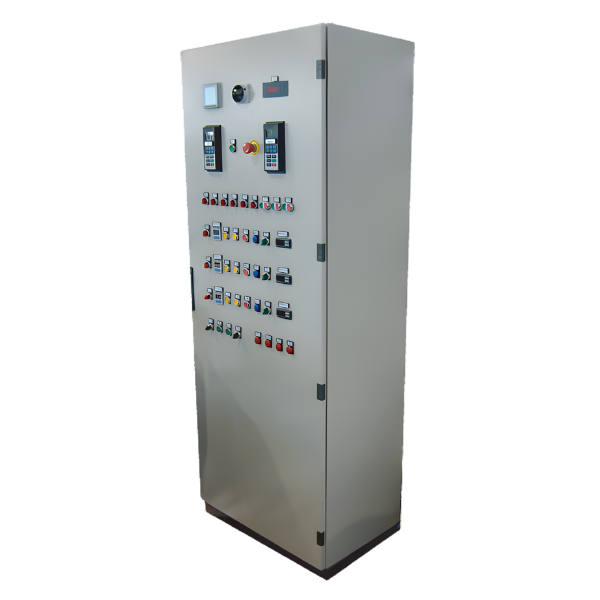
Barigelli Crusher And Malaxing Unit With Integrated Control Panel

This installation combines olive crushing and paste malaxing in a compact continuous system. The crusher prepares the olive paste uniformly before transfer to the malaxing tanks, where controlled mixing optimises oil separation. Integrated control settings manage paste temperature, timing, and batch flow to maximise extraction efficiency.


Image:  Vertiical Separator with Stand, Malaxing Unit with Crusher, Decanter & Control Panel all connected with raceway.

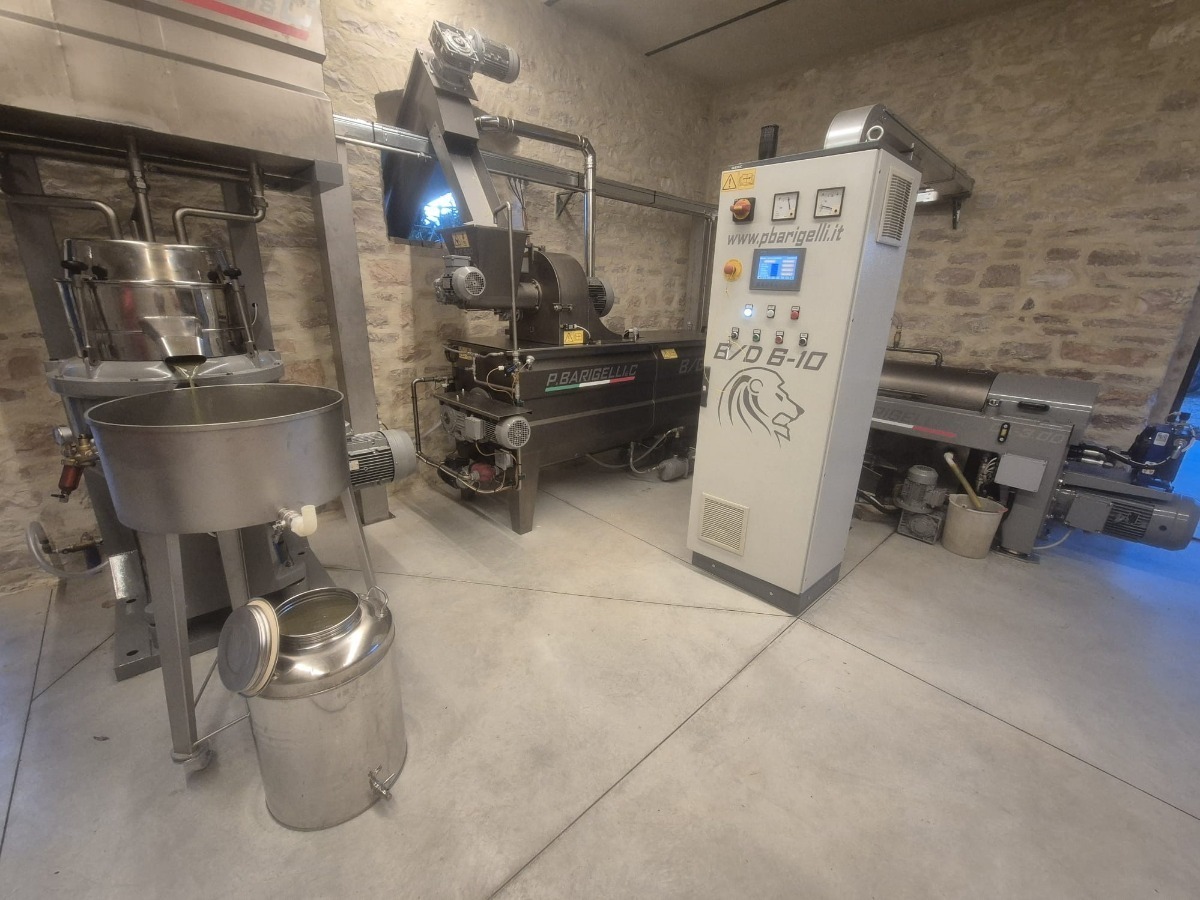
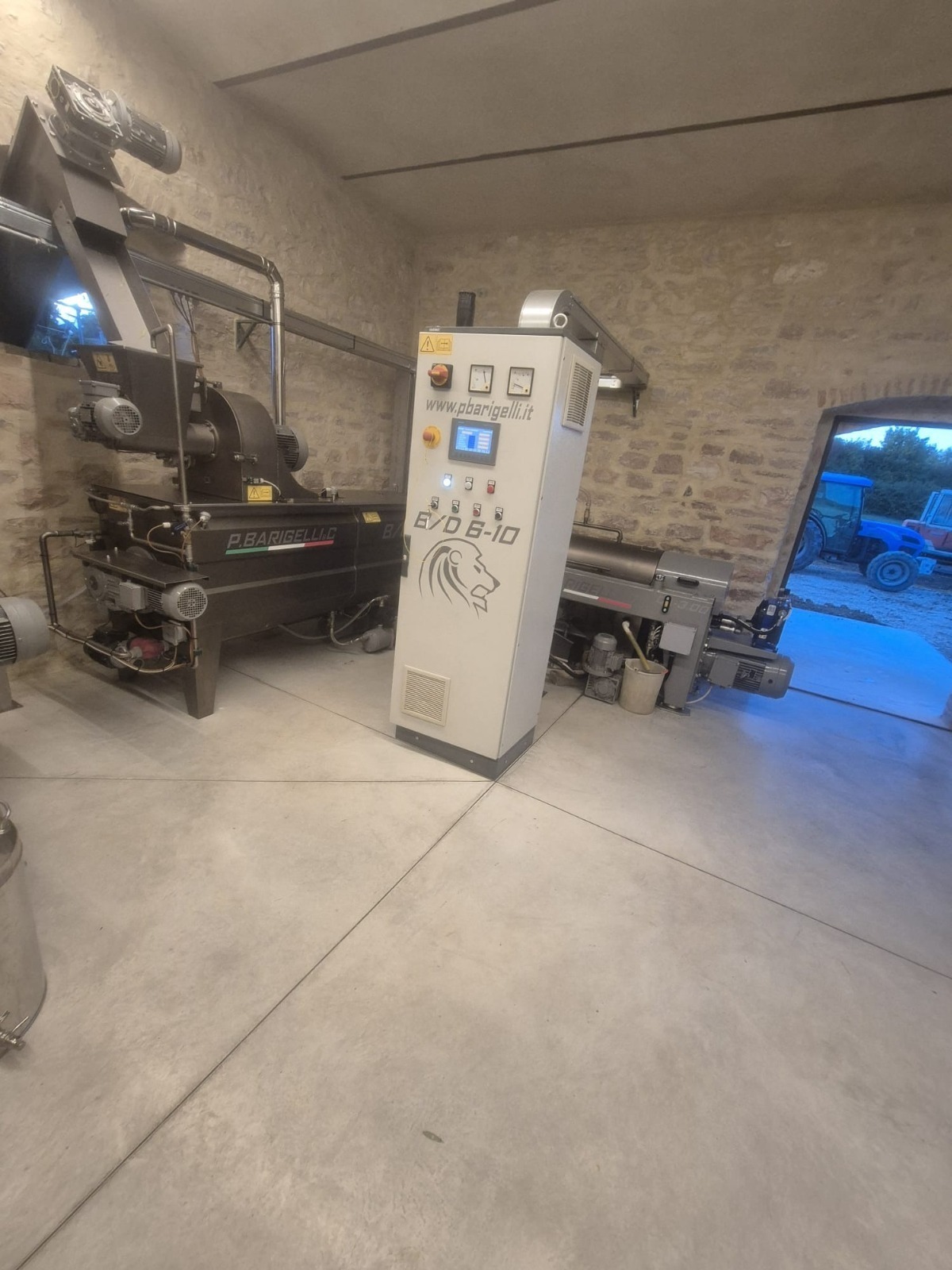
Barigelli BVD 6-10 Olive Oil Extraction Line with Control Panel

This installation showcases the Barigelli BVD 6-10 olive oil extraction system equipped with an integrated control panel. The setup includes a crusher, malaxing system, and decanter, designed for continuous olive oil processing. The control panel allows operators to manage temperature, timing, and extraction parameters for optimal oil yield and quality.

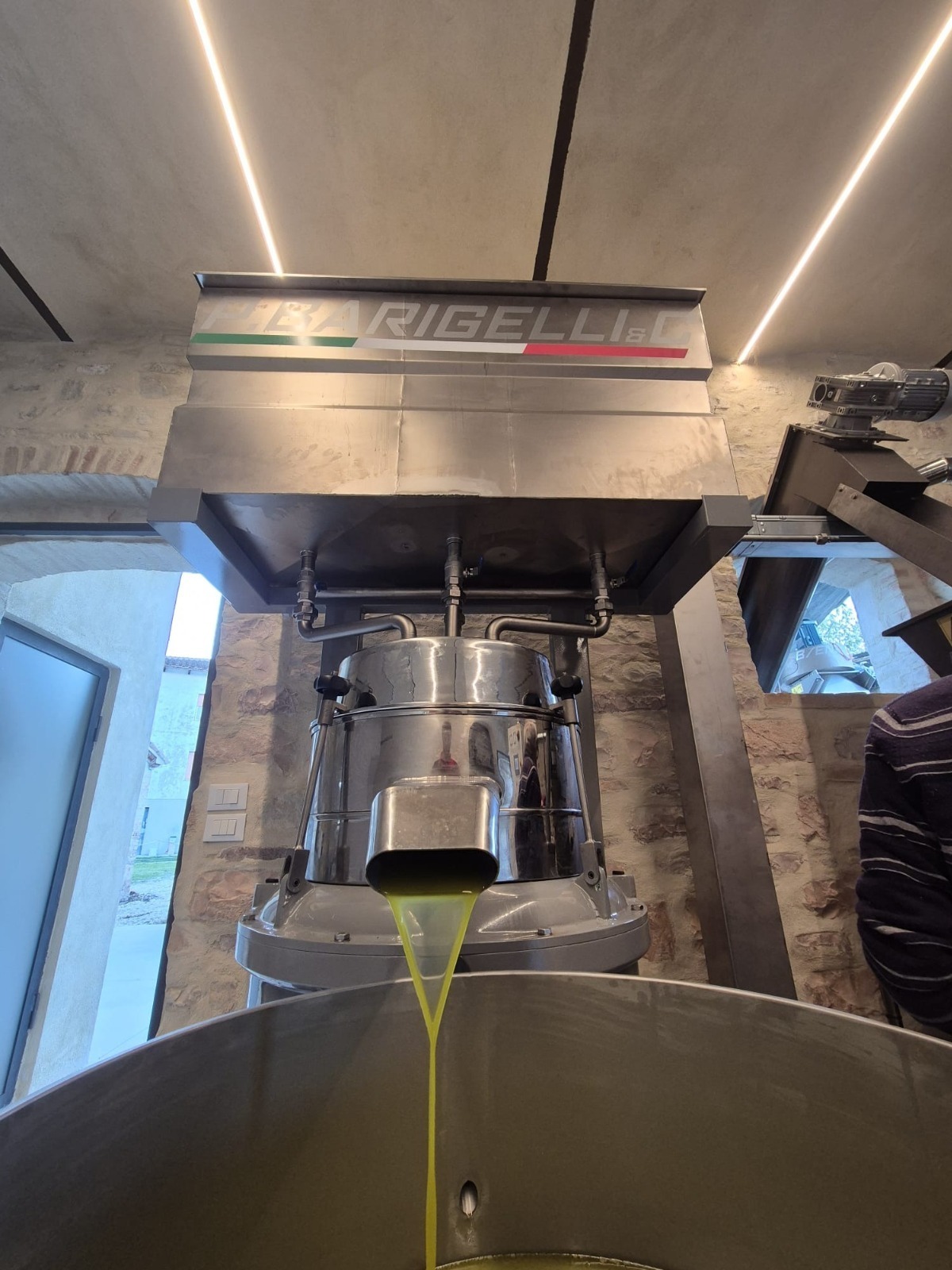
Barigelli Separator with Fresh Olive Oil Flow

Barigelli stainless steel vertical separator in operation, showcasing freshly extracted olive oil flowing smoothly from the outlet into the collection tank. The design ensures efficient liquid separation of oil while preserving aroma, colour, and quality of extra virgin olive oil.

       Barigelli Decanter Evolution and Mobile Olive Oil Extraction Units

Barigelli’s high-capacity decanter systems designed to separate oil, water, and solids in a single continuous process. The horizontal design ensures high separation efficiency, reduced energy consumption, and easy maintenance access for operators.

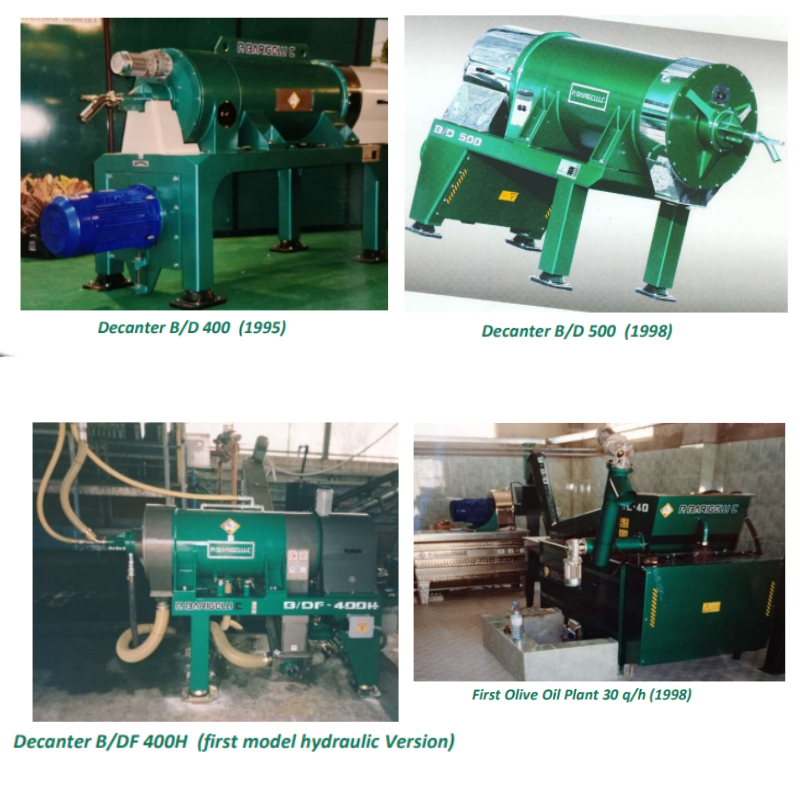
Barigelli Early Decanter Models and First Olive Oil Plant

Barigelli’s pioneering olive oil extraction technology - from the early B/D 400 (1995) and B/D 500 (1998) decanters to the B/DF 400H hydraulic version and the first complete olive oil plant (1998). These models mark the foundation of Barigelli’s innovation in continuous olive oil processing systems.

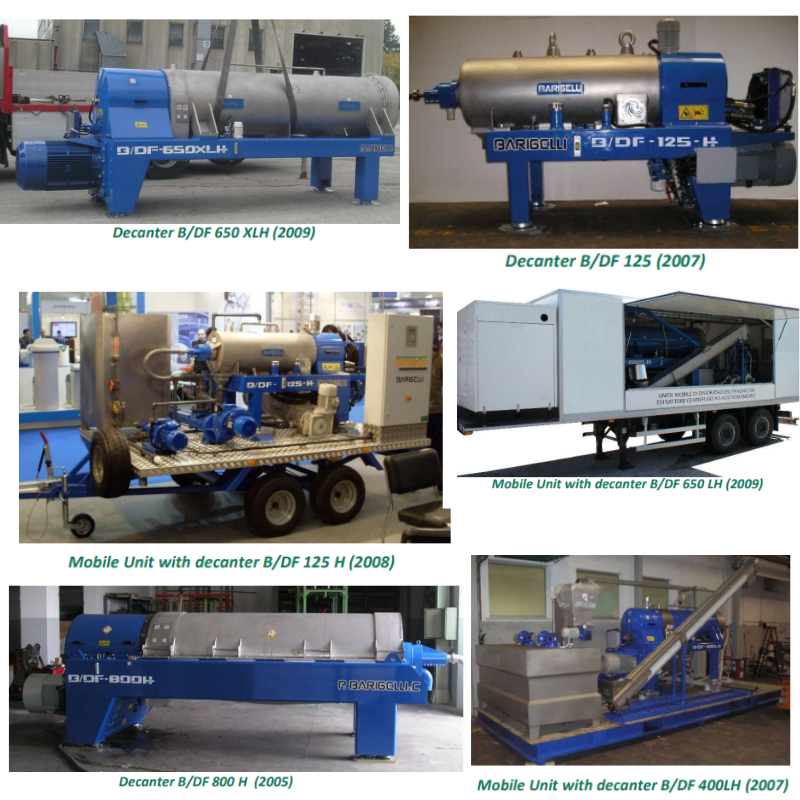
Barigelli Decanter and Mobile Extraction Units (2005 - 2009)

Barigelli’s advanced range of decanters and mobile olive oil extraction units developed between 2005 and 2009. The models include B/DF 125 (2007), B/DF 800H (2005), and B/DF 650 XLH (2009), alongside mobile versions such as the B/DF 125H (2008) and B/DF 400LH (2007). These systems represent a leap in continuous extraction technology, combining high efficiency, portability, and precision oil separation.


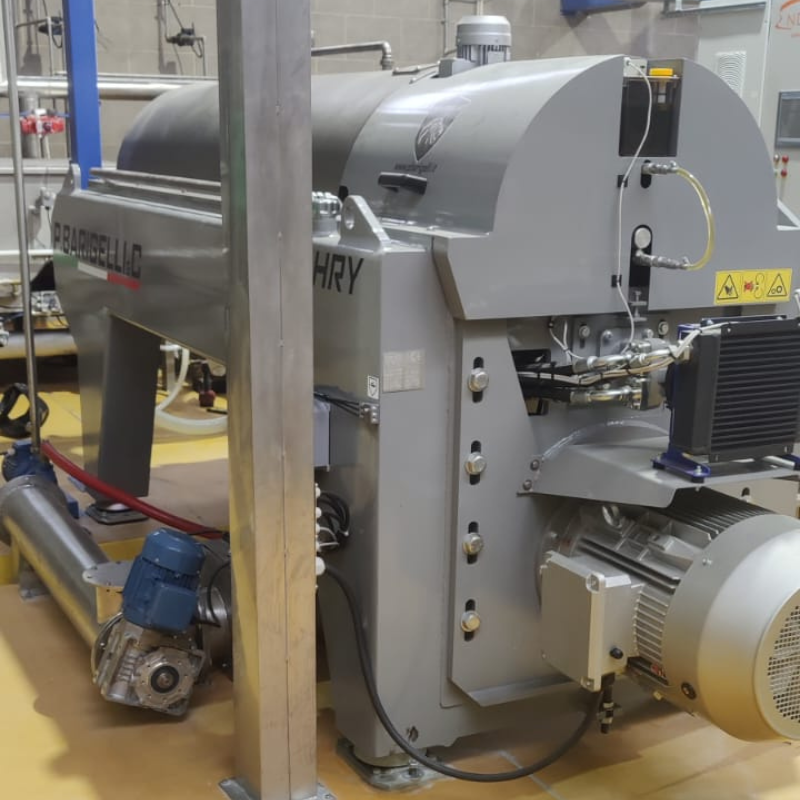
Barigelli 4.50 HRY Decanter – High-Capacity Olive Oil Extraction Unit

Barigelli 4.50 HRY decanter, a robust, stainless steel horizontal centrifuge engineered for large-scale olive oil extraction. The machine efficiently separates oil, water, and solids through continuous processing, ensuring maximum recovery and superior oil clarity.

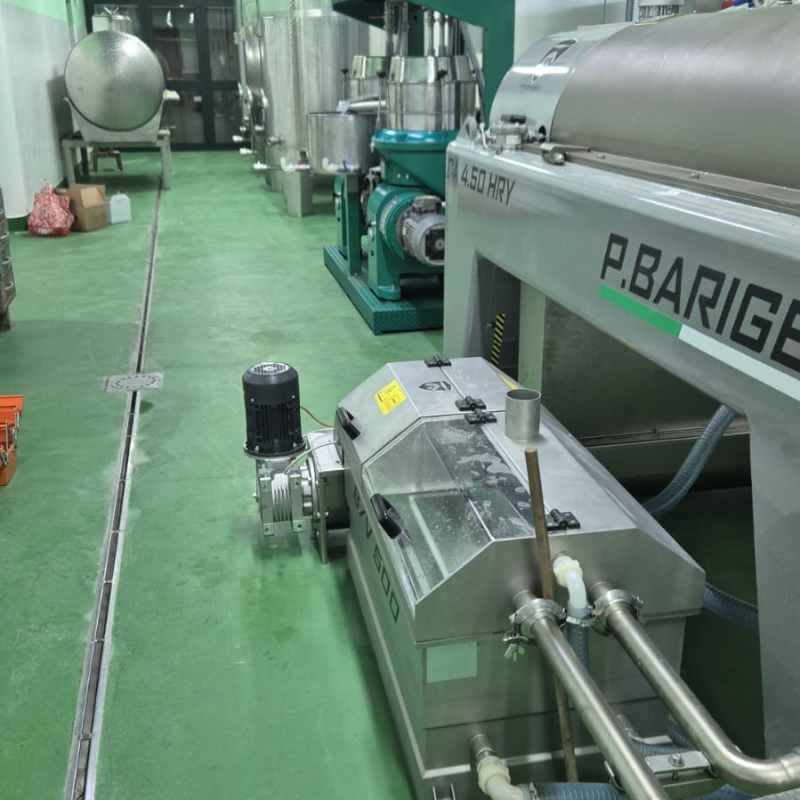
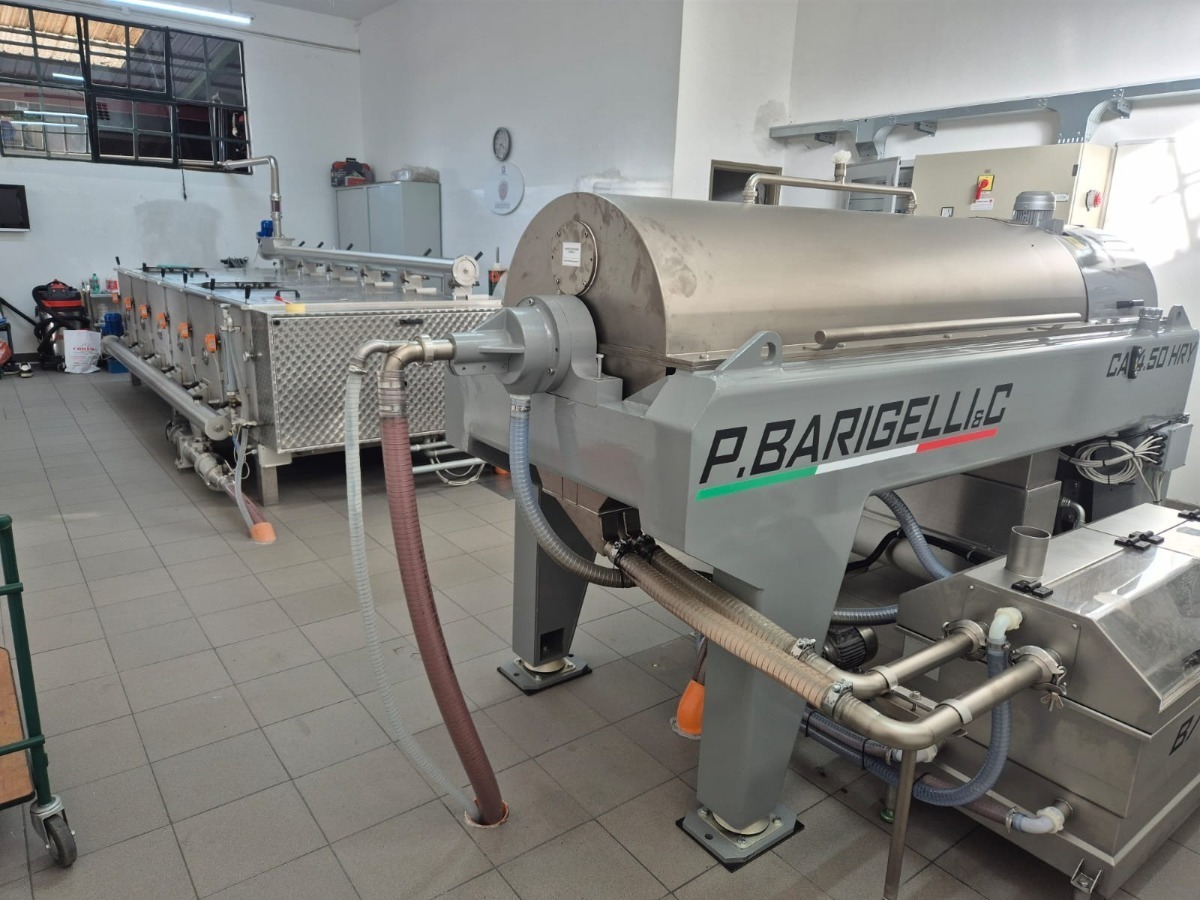
Barigelli 4.50 HRY Olive Oil Extraction Line – Full Processing Installation

Barigelli 4.50 HRY olive oil extraction setup featuring stainless steel decanters, pumps, and separator units. The continuous line integrates crushing, malaxing, decanting, and final clarification, designed for high-capacity and consistent extra virgin olive oil production.

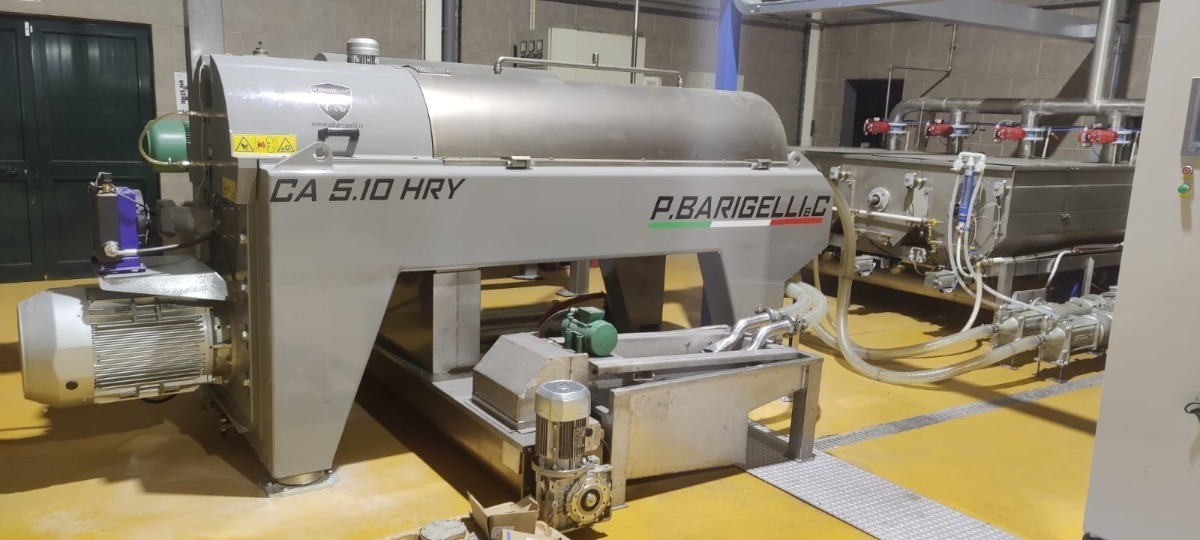
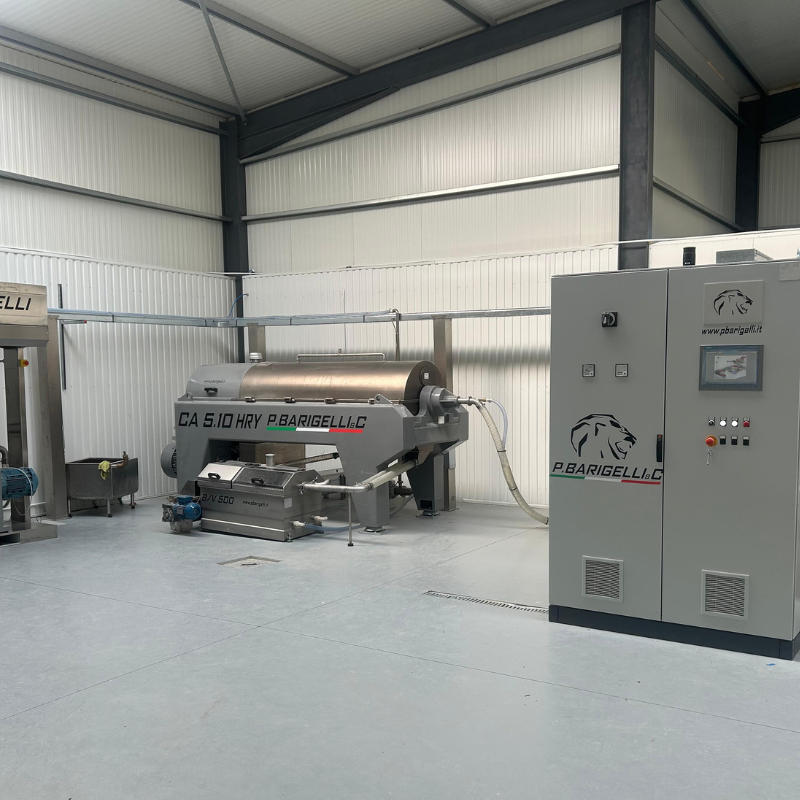
Barigelli CA 5.10 HRY Decanter - Advanced Olive Oil Extraction System

Barigelli CA 5.10 HRY decanter, a high-efficiency centrifuge designed for large-scale olive oil extraction. Built with precision stainless steel, the system separates oil, water, and solids in a continuous process, ensuring maximum yield and superior oil quality.

Multi-Malaxing Tank Bank Installation For Expanded Production

Different malaxing setups can be offered in a linear system, stacked or as a bank setup.

Oil Clarification System


      Barigelli Olive Oil Processing Installation


      Barigelli Olive Oil Processing Installation on working
                            

Oil clarification are critical steps that can help to maintain the purity, stability, and quality of extra virgin olive oil. Once oil has been separated in the decanter, it still contains microscopic solids, waxes, and water traces. Vertical separators separate unwanted parts to minimise fermentation and cloudiness, ensuring that the oil remains bright, aromatic, and longer-lasting. Barigelli systems feature stainless-steel food-grade modules integrated directly into the processing line, allowing continuous operation without halting production or creating bottlenecks. Their modular construction supports single or multi-stage malaxation.

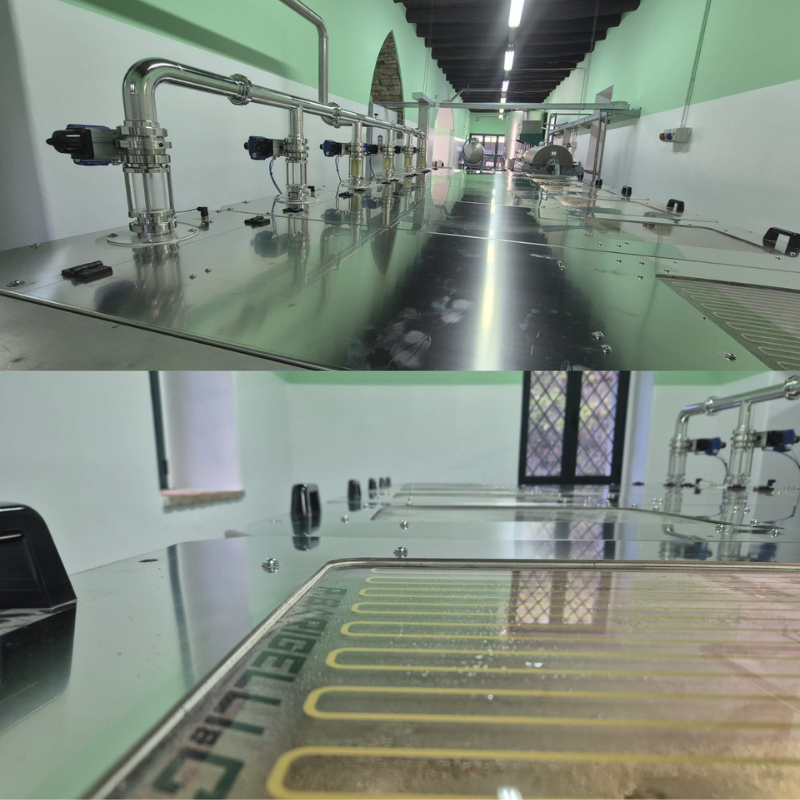
Barigelli Stainless-Steel Feed Line

Barigelli stainless-steel feed system with inline sight-glass valves and transparent inspection panels. Designed for continuous olive oil feed.

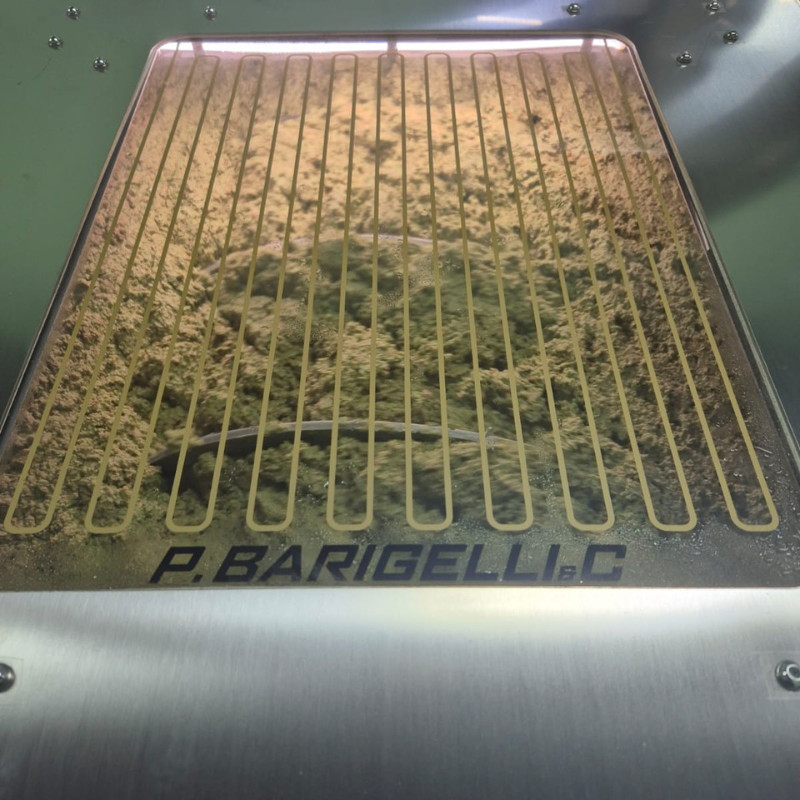
Barigelli Olive Paste Malaxing Tank

 Barigelli Malaxing tank showing olive paste during the malaxation phase. The transparent inspection lid allows operators to monitor flow and sediment removal, ensuring consistent oil purity before final separation.

Barigelli Inline Sight Glass – Continuous Monitoring

Barigelli transparent sight chamber showing paste flow during malaxation. The precision assembly allows real-time visual monitoring of paste flow.

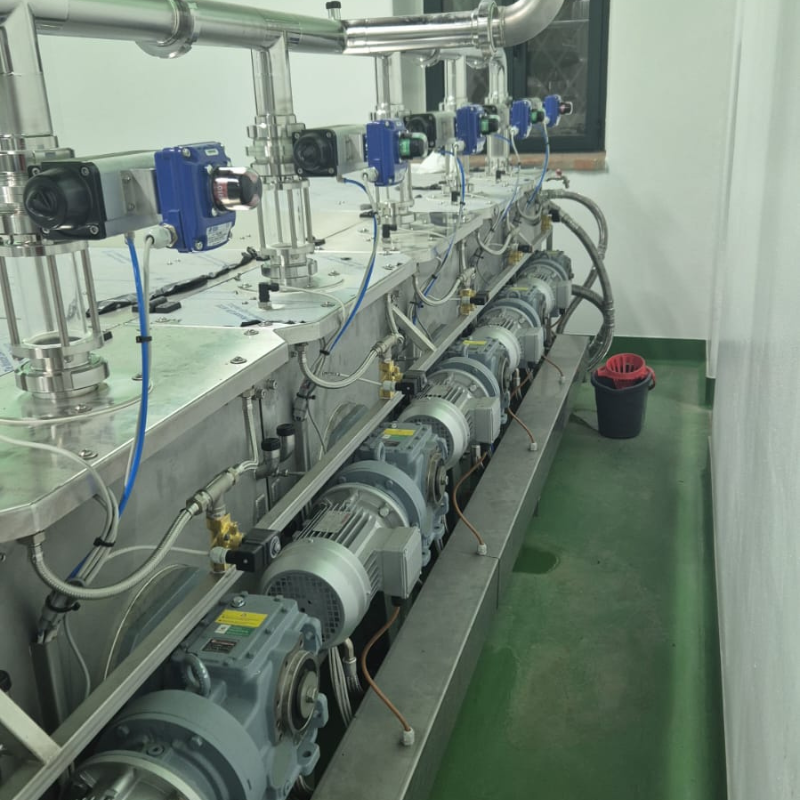
Barigelli Multi-Stage Malaxing Line - Automated Transfer

Barigelli multi tank malaxing facilitating automatic paste transfer with solenoids.

Barigelli Complete Processing and Automation Systems with Mobile Olive Oil Units

Barigelli’s complete olive oil processing lines integrate every stage of production into a single automated system. From olive crushing to oil clarification, each unit ensures precision control, continuous flow, and consistent extraction results tailored to the producer’s scale.

Barigelli CA 510 HRY Decanter with Central Control Cabinet.

A fully installed Barigelli line featuring the CA 510 HRY horizontal decanter and automated control system. This configuration offers real-time process monitoring, stable separation, and high extraction efficiency within a compact plant layout.

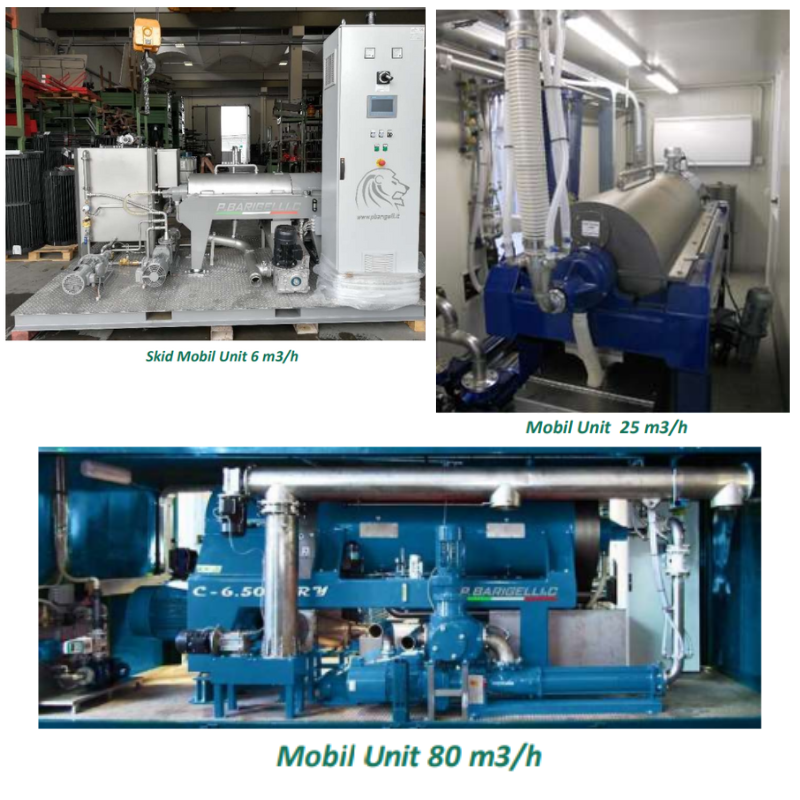
Barigelli Mobile Processing Units - Skid and Modular Systems (6–80 m³/h).

A series of mobile Barigelli units designed for flexible deployment in field or facility operations. Available in multiple capacities (6, 25, and 80 m³/h), these compact systems provide full olive oil extraction and clarification capability on-site for portable or remote production environments.

Power and Water Consumption

Type

Decanter Type Working Capacity Installed Power Power Consumption Water Consumption L/hr


Kg/hr kW kW 2 Phase 3 Phase
6 - 10 Junior B/D 300 300/500 22.5 15 0 -
20 - 25 B/D 400 800/1100 50 28 0 160/250
35 - 45 B/D 400L
1400/1800 50 34 0 160/250
50 - 60 B/D 500
2000/2500 75 55 0 200/350
70 - 95 B/D 500L
3000/4000 90 75 0 250/350
115 - 150 B/D 650
6000/7000 140 110 0 500/700
150 - 200 B/D 650L
7000/9000 170 125 0 700/900


Each Barigelli installation demonstrates efficient integration of key processing stages—crushing, malaxing, decanting, clarification, and control - within a single automated framework. The result is precise, continuous olive oil production tailored to modern operational standards. These installations reflect the reliability and scalability essential for both boutique and industrial olive oil processors.

Videos

Global Olive Oil Prices Soar to Record Highs in 2023 Amid Spain’s Severe Drought Crisis

MARKET INSIGHT: GLOBAL OLIVE OIL ECONOMY 2023

Global Olive Oil Prices Soar to Record Highs in 2023 Amid Spain’s Severe Drought Crisis

Introduction

The global olive oil industry in 2023 has entered uncharted territory, experiencing an extraordinary surge in olive oil prices driven by a combination of climatic and economic forces. At the centre of this crisis lies Spain’s devastating drought, which has crippled the world’s largest olive oil producer. This severe shortage has led to a dramatic contraction in olive oil supply, triggering price escalation and a corresponding decline in consumer demand. The ripple effects are being felt worldwide, reshaping the balance between producers and consumers alike. Meanwhile, Australian olive oil producers find themselves in a rare position of advantage, benefitting from unprecedented market highs. This article explores the causes, consequences, historical trends, and economic signals surrounding this remarkable global olive oil price spike.


The Spanish Drought and Its Impact on Supply

The ongoing drought across Spain stands as the principal factor behind the current olive oil price surge. As one of the largest olive oil-producing nations globally, Spain’s drastically reduced harvest - caused by months of extreme heat and minimal rainfall - has sharply curtailed olive oil availability in both European and international markets. This has intensified supply shortages, compelling consumers to pay more for what has long been a staple Mediterranean product. The interplay of limited supply and escalating demand has magnified price volatility, reinforcing the classic supply-and-demand imbalance now driving global markets.

Decline in Consumer Demand

As prices have risen steeply, the shortage of olive oil has led to a noticeable decline in consumption, particularly in Spain, where demand has reportedly dropped by around 35%. Consumers are now scaling back their purchases, finding olive oil increasingly unaffordable compared to other cooking oils. The once-steady household consumption patterns are shifting as people seek alternatives or modify their cooking habits. This contraction in domestic demand not only highlights the growing accessibility gap for consumers but also underscores the broader economic strain caused by high inflation and food price increases.

Australian Olive Oil Producers Reap the Rewards

Amid the turmoil, Australian olive oil producers are experiencing a windfall. Thanks to limited global supply, Australian growers are commanding record prices exceeding AUD $8 per litre, marking the highest levels ever recorded in the nation’s olive oil industry. This lucrative period presents a rare opportunity for Australian exporters, with demand from Europe - including Spain itself - now turning toward Australian supplies. For producers Down Under, this unique reversal of roles underscores how regional climate resilience and diversified production can translate into significant financial gains when global shortages arise.

Historical Context: How the Market Reached 2023

The olive oil market’s volatility is not a new phenomenon. Previous spikes occurred in 1996, 2006, and 2015, each triggered by weather-related supply constraints. Yet, the 2023 price explosion stands out as the most dramatic in recorded history -over 40% higher than any previous price peak, and roughly double the magnitude of earlier surges. This extreme escalation reflects not just climatic hardship but a clear pricing bubble forming within the market, echoing the cyclical nature of commodity pricing.

Cyclical Trends and Economic Correlations

The olive oil sector has long followed cyclical pricing patterns, typically alternating between low and high price phases roughly every decade. The current surge aligns almost perfectly with the predicted start of another 10-year cycle, occurring just three years into its anticipated timeline. Furthermore, a notable correlation has been identified between the Australian Food Inflation Index and the Global Olive Oil Price Index as reported by the International Monetary Fund (IMF). This connection illustrates the deep interdependence between food commodity pricing and global economic conditions.

While the IMF’s benchmark prices are denominated in USD, for the purposes of this analysis they have been converted to AUD to track the trend relative to Australian markets. These benchmark indicators -based on the world’s largest olive oil exporters -serve as a reliable gauge of overall market direction, confirming how global shortages and inflationary pressures move in tandem.

   Global olive oil prices show a recurring 10-year cycle, driven by droughts, crop shortages, and rising production costs

Technical Indicators: Signals of an Overbought Market

From a technical analysis perspective, the Relative Strength Indicator (RSI) is often used to measure price momentum and potential overextension in markets. On recent olive oil price charts, the RSI (represented in purple) indicates that prices have once again entered overbought territory - a level seen during previous speculative phases. Historically, such readings have preceded market corrections or reversals, suggesting that the current surge may not be sustainable in the long term.

Analysts caution that as the European olive harvest begins in September and October 2023, an influx of new oil supplies could help ease prices, though the timing and extent of this correction remain uncertain. Until then, speculative trading and limited inventory continue to support inflated market values.

Conclusion

The record-breaking olive oil prices of 2023, primarily triggered by Spain’s drought-induced production collapse, mark a turning point for the global olive oil economy. With consumer demand declining under the pressure of soaring prices and Australian producers thriving amid the scarcity, the industry is experiencing a dramatic rebalancing. Historical precedents, cyclical trends, and market indicators all point toward a complex, transitional period defined by volatility and uncertainty.

As the world’s producers, traders, and consumers adapt to these new market dynamics, one truth remains clear: olive oil - celebrated for its taste, health benefits, and cultural significance - continues to be at the mercy of both climate change and economic cycles. Stakeholders across the value chain must remain alert, flexible, and forward-thinking as the olive oil market navigates this extraordinary phase of transformation.

Other Sources

CO₂ Chilling Injury In Fresh Olives

HARVESTING

CO₂ Chilling Injury In Fresh Olives: Physiological Disorders, Symptoms And Storage Management

Fresh olives are highly sensitive to storage temperature and atmospheric composition before processing. While cold storage is commonly used to slow respiration and delay deterioration, inappropriate temperature or gas conditions can trigger serious physiological and physical disorders. Among these, chilling injury, carbon dioxide injury, and nailhead disorder are the most significant causes of quality loss in stored olives.

Research has shown that elevated carbon dioxide (CO₂) levels, particularly when combined with extended storage duration, substantially increase the severity of chilling-related damage. Understanding the interaction between temperature, storage time, cultivar sensitivity, and atmospheric composition is essential for growers and processors seeking to protect fruit quality prior to processing.

Physiological And Physical Disorders In Stored Olives

Chilling injury (CI)

Chilling injury is one of the most damaging postharvest physiological disorders affecting fresh olives stored before processing. It develops when olives are exposed to temperatures below their tolerance threshold for prolonged periods.

Chilling injury can become a major cause of deterioration under the following conditions:

  • More than 2 weeks at 0°C (32°F) 
  •  More than 5 weeks at 2°C (36°F) 
  •  More than 6 weeks at 3°C (38°F)
The disorder initially develops internally, making early detection difficult. Internal browning begins in the flesh surrounding the pit and progressively radiates outward toward the skin as storage time increases. When skin browning becomes visible, the injury is already advanced and typically associated with severe quality loss.

Cultivar susceptibility plays a critical role. The established order of sensitivity to chilling injury is Sevillano (most susceptible), followed by Ascolano, Manzanillo, and Mission (least susceptible).


Nailhead disorder

Nailhead is a physical storage disorder characterised by surface pitting and spotting of the olive skin. It results from the death and collapse of epidermal cells, creating air pockets beneath the fruit surface. These air pockets cause the characteristic pitted or hammered appearance.

Nailhead typically develops under moderate cold storage rather than extreme chilling, with symptoms observed when olives are stored at 10°C (50°F) for six weeks or longer, or at 7.5°C (45.5°F) for twelve weeks or longer.

Although nailhead does not always involve internal browning, it significantly reduces visual quality and marketability and may increase susceptibility to secondary decay during extended storage.


Carbon dioxide injury

Carbon dioxide injury occurs when olives are exposed to CO₂ concentrations greater than 5% for extended periods. This disorder often overlaps with chilling injury and significantly intensifies tissue damage.

Symptoms of carbon dioxide injury include internal browning similar to chilling injury, increased incidence and severity of decay, and accelerated loss of firmness and fruit integrity.

Elevated CO₂ disrupts normal respiratory metabolism, leading to cellular damage and increased vulnerability to physiological failure. While controlled atmospheres can be beneficial under carefully managed conditions, excessive CO₂ consistently results in poorer storage outcomes.


Controlled atmosphere comparison 

Controlled atmospheres using reduced oxygen and moderate carbon dioxide levels help maintain firmness and green skin colour when storage temperatures are kept above 5°C.


Interaction Between Temperature And Atmospheric Composition

The interaction between storage temperature and atmospheric composition is critical in determining olive storage success. Elevated CO₂ levels intensify chilling injury even at temperatures that might otherwise be considered safe.

By contrast, controlled atmospheres containing approximately 2% oxygen combined with up to 5% carbon dioxide have been shown to maintain flesh firmness and preserve green skin colour when olives are stored at 5°C (41°F) or higher.

This highlights the importance of managing storage conditions as an integrated system rather than relying on temperature control alone.

Practical Implications For Growers And Processors

Physiological and physical storage disorders can result in substantial economic losses through reduced yield, downgraded quality, and increased waste. These risks are particularly pronounced during seasons of high production when fruit must be held before processing.

Key strategies to minimise postharvest losses include avoiding storage temperatures below 5°C, limiting exposure to CO₂ concentrations above 5%, reducing storage duration wherever possible, and accounting for cultivar-specific sensitivity when planning harvest and storage logistics.

Conclusion

CO₂ chilling injury and related physiological disorders represent a significant challenge in fresh olive storage. The combined effects of low temperature, extended storage duration, elevated carbon dioxide levels, and cultivar susceptibility determine the severity of damage.

By maintaining appropriate temperature ranges, managing atmospheric composition carefully, and tailoring storage practices to cultivar characteristics, growers and processors can significantly reduce postharvest losses and maintain olive quality before processing.

References

Postharvest Technology Center, University of California, Davis