My Shopping Cart
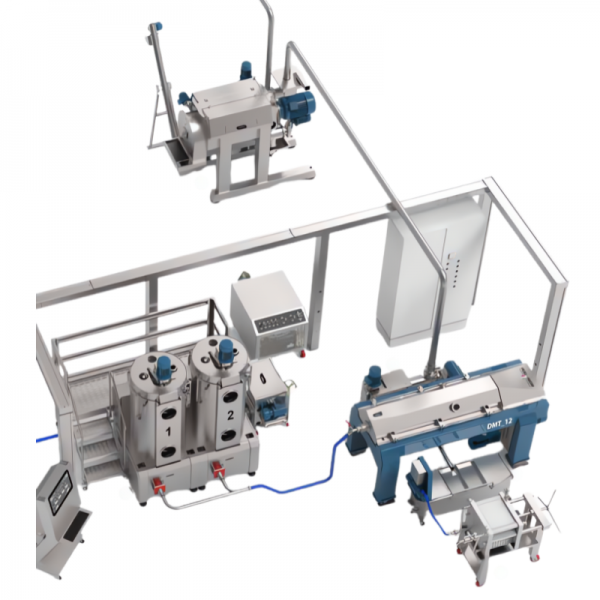
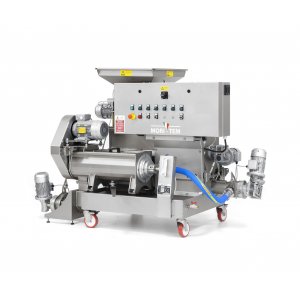
| Specification | Cultivar 1000 2GV | Cultivar 1000 3GV |
|---|---|---|
| Production Capacity | Up to 1000 kg/hour | Up to 1000 kg/hour |
| Cycle Type | Continuous / Non-continuous | Continuous / Non-continuous |
| Malaxing System | 2 Vertical Malaxers (2GV_400) | 3 Vertical Malaxers (3GV_400) |
| Crushing Unit | FLAVOUR FR.350 Knife Crusher with inverter control | FLAVOUR FR.350 Knife Crusher with inverter control |
| Temperature Control | Hot/Cold Unit C2_W13 + Plate Heat Exchanger | Hot/Cold Unit C2_W13 + Plate Heat Exchanger |
| Plant Control | Electromechanical control panel | PLC 4.0 touchscreen automation |
| Decanter System | DMT_12 Unidirectional Two-Phase Decanter | DMT_12 Unidirectional Two-Phase Decanter |
| Pomace Management | Piston Pump PP.130 or PSS.1 | Piston Pump PP.180 or PSS.2 |
| Oil Filtration | CP.2S_50 Tank + EUR 20 Filter (40x40 plates) | CP.2S_50 Tank + EUR 20 Filter (40x40 plates) |
| Pit Separation | SN.1000 Pit Separator | SN.1500 Pit Separator |
| Construction Material | AISI 304 Stainless Steel | |
| Country of Manufacture | Italy | |
| Compliance | CE / Food Contact Standards | |
| Section | Component | Model / Description |
|---|---|---|
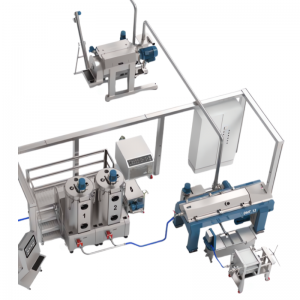
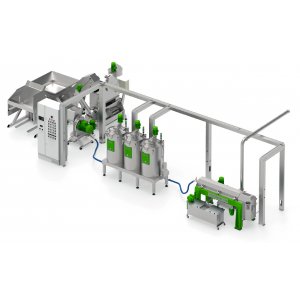
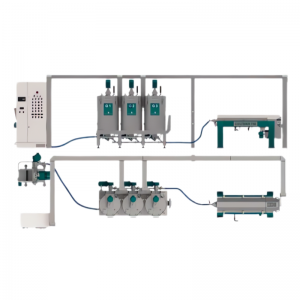
| Olive Reception | Lifting-Tipping Unit | SR.1 / EN.300 Belt Elevator with Weighing Module |
| Cleaning | Leaf Remover and Washing Machine | DLE Super_T / DLE Super_TD + IDROLAVA 30 Cooling System |
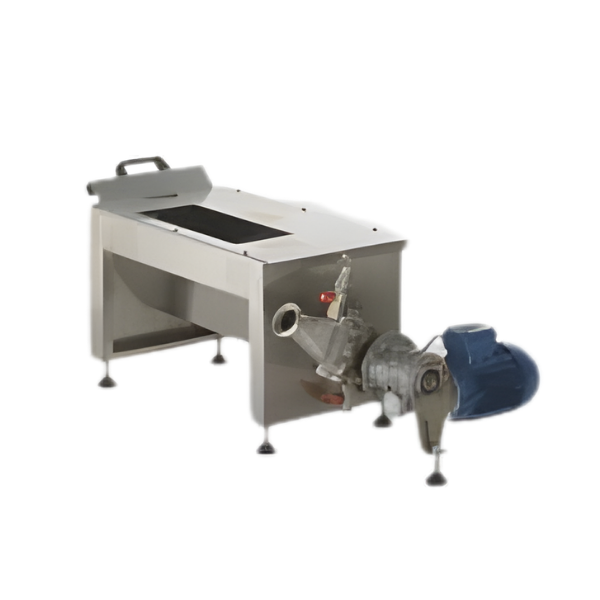
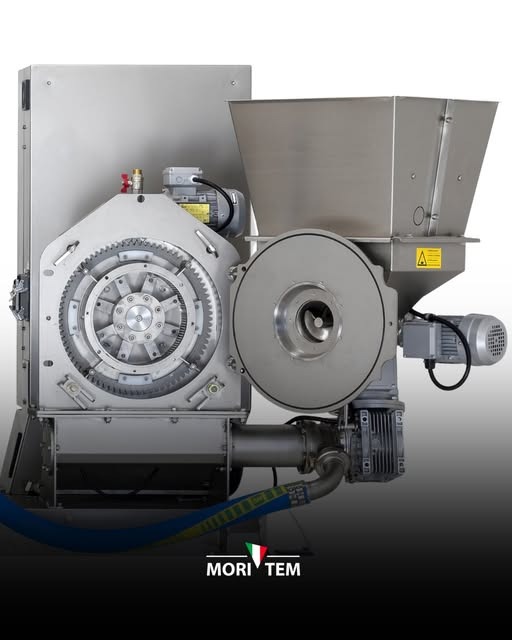
| Crushing Group | Knife Crusher | FLAVOUR FR.350 with Anti-Heating Channels |
| Malaxing Group | Vertical Units | 2GV_400 or 3GV_400 with Thermal Jacket and Vacuum System |
| Temperature Management | Hot/Cold Unit | C2_W13 with Plate Heat Exchanger |
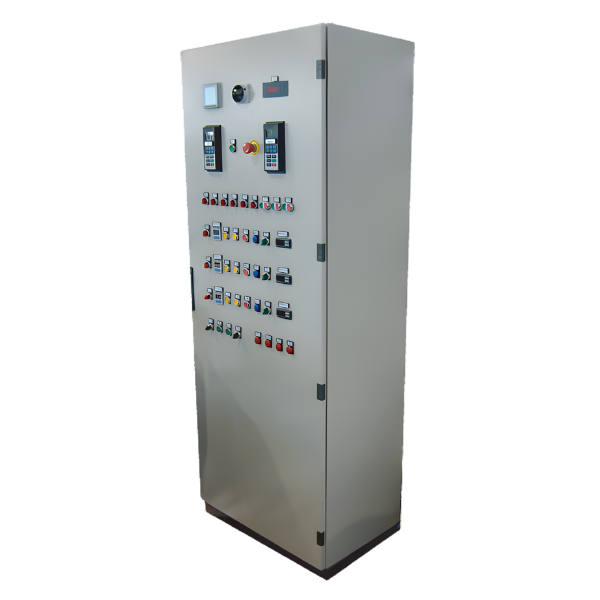
| Control Systems | Plant Management Panels | Electromechanical or PLC 4.0 with Touchscreen |
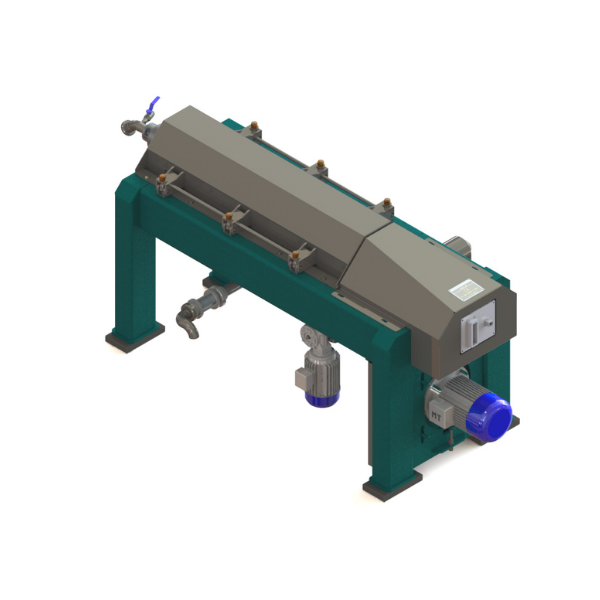
| Extraction | Decanter | DMT_12 Unidirectional Two-Phase Decanter |
| Oil Filtration | Tank and Filter | CP.2S_50 Mono Tank + EUR 20 Filter |
| Pomace Handling | Pump | Piston Pump PP.130–PP.180 or PSS.1–PSS.2 |
| Pit Separation | Dry Pit Separator | SN.1000 / SN.1500 |
| Bottling | Filling and Capping Unit | OSC.12 Fill-Cap / Bimo Filling Machine |
| File | Title | File Description | Type | Section |
|---|---|---|---|---|
| Cultivar_Brochure.pdf | Oliomio Cultivar Olive Oil Processing Brochure by Toscana Enologica Mori | Brochures | Document |
Many configurations are available. Speak with one of our expert staff about your requirements
Click here to see our range of Oliomio olive oil machines
About the Oliomio Estate owned by the makers of Oliomio & Frantoino....
This is what started it all... the first Oliomio 50 machine ..... see the operational video.(for informational purposes only)
For decades, engineers have envisioned a compact, efficient, and hygienic machine capable of producing extra virgin olive oil on-site. That dream is now a reality. Modern technology has made it possible for growers to produce their own extra virgin olive oil using a self-contained, economical system that delivers professional-grade results.
This innovation empowers Australian olive growers to add value to their produce - from picking and processing to bottling - using their own equipment. Beyond personal production, it opens the door for entrepreneurs to establish contract processing businesses, pressing olives for others with ease and precision.
Centrifugal extraction technology was a revolution in the olive oil industry. It replaced older, labour-intensive systems with continuous-flow designs that offered greater hygiene, improved labour efficiency, and higher capacity. These advances quickly made the traditional hydraulic press obsolete.
In the past, Mediterranean growers would haul heavy sacks of freshly picked olives - often already fermenting - to local mills. There, they would join the community in spreading the crushed paste onto mats and watching as hydraulic presses squeezed out the golden liquid. It was a scene rich with tradition, aroma, and anticipation.
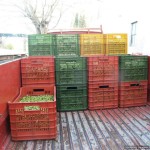
Today, the romance of that process has given way to something far more refined. Continuous-flow extraction plants now accept fruit within 48 hours of harvest to prevent overheating and fermentation. Delivered in ventilated plastic crates, the olives enter stainless steel systems that maintain strict hygiene standards, emerging as pure, high-quality oil. The process may lack the old-world spectacle, but it ensures superior product consistency and safety.
Currently, hundreds of Australian processors are already achieving outstanding results with Oliomio systems, producing exquisite extra virgin olive oil from their own fruit. True to its name - Oliomio, meaning “My Oil” - this technology gives growers full control over every stage of production, from fruit to finished bottle.
Each Genuine Oliomio machine is backed by excellent technical support provided by The Olive Centre, the exclusive Australian distributor. The Olive Centre offers on-site installation and comprehensive after-sales care to ensure growers get the best possible results from their investment.
The rise of accessible, high-performance extraction equipment marks a turning point for the Australian olive industry. Growers can now operate with greater independence, reduce processing costs, and elevate the quality of their oil - all while maintaining the authenticity and freshness that consumers demand.
As The Olive Centre team notes, this innovation was made possible thanks to the enthusiasm and vision of Australian olive growers themselves. Their commitment to excellence has driven this exciting step forward in local production.
Whether you’re looking to press your own olives or launch a boutique processing service, Oliomio offers a practical, proven pathway to success. For more information and a free information booklet, contact The Olive Centre - and take the first step toward making “My Oil” truly your own.
See More: Oliomio Machinery
OLIVE OIL PROCESSING MACHINERY
Barigelli olive oil machinery installations detail the complete journey from fruit preparation to final oil extraction. Each installation shows how individual components-crushers, malaxers, decanters, and clarification systems - work in synchrony to deliver consistent, high-quality olive oil. The following sections summarise each functional stage of the production line, referencing installation examples.
This installation combines olive crushing and paste malaxing in a compact continuous system. The crusher prepares the olive paste uniformly before transfer to the malaxing tanks, where controlled mixing optimises oil separation. Integrated control settings manage paste temperature, timing, and batch flow to maximise extraction efficiency.
Image: Vertiical Separator with Stand, Malaxing Unit with Crusher, Decanter & Control Panel all connected with raceway.
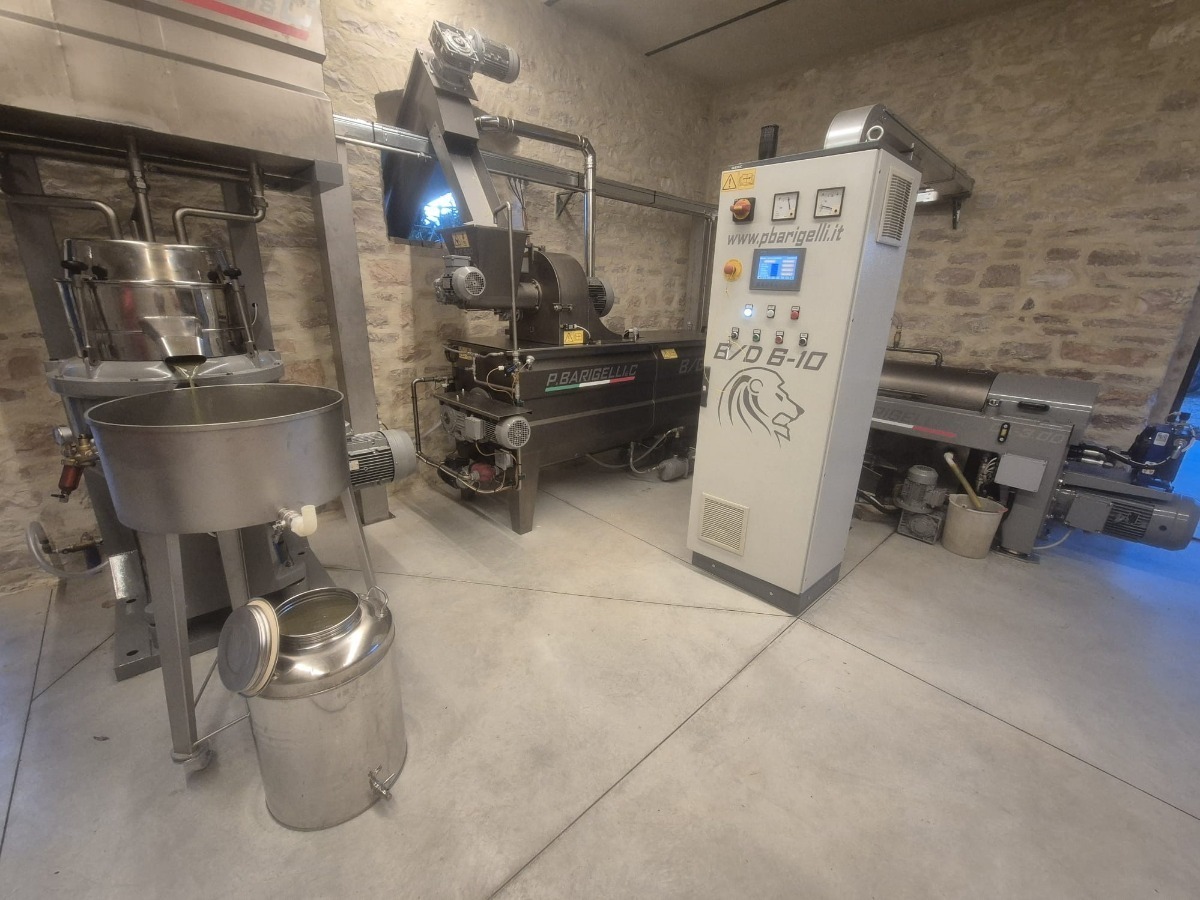
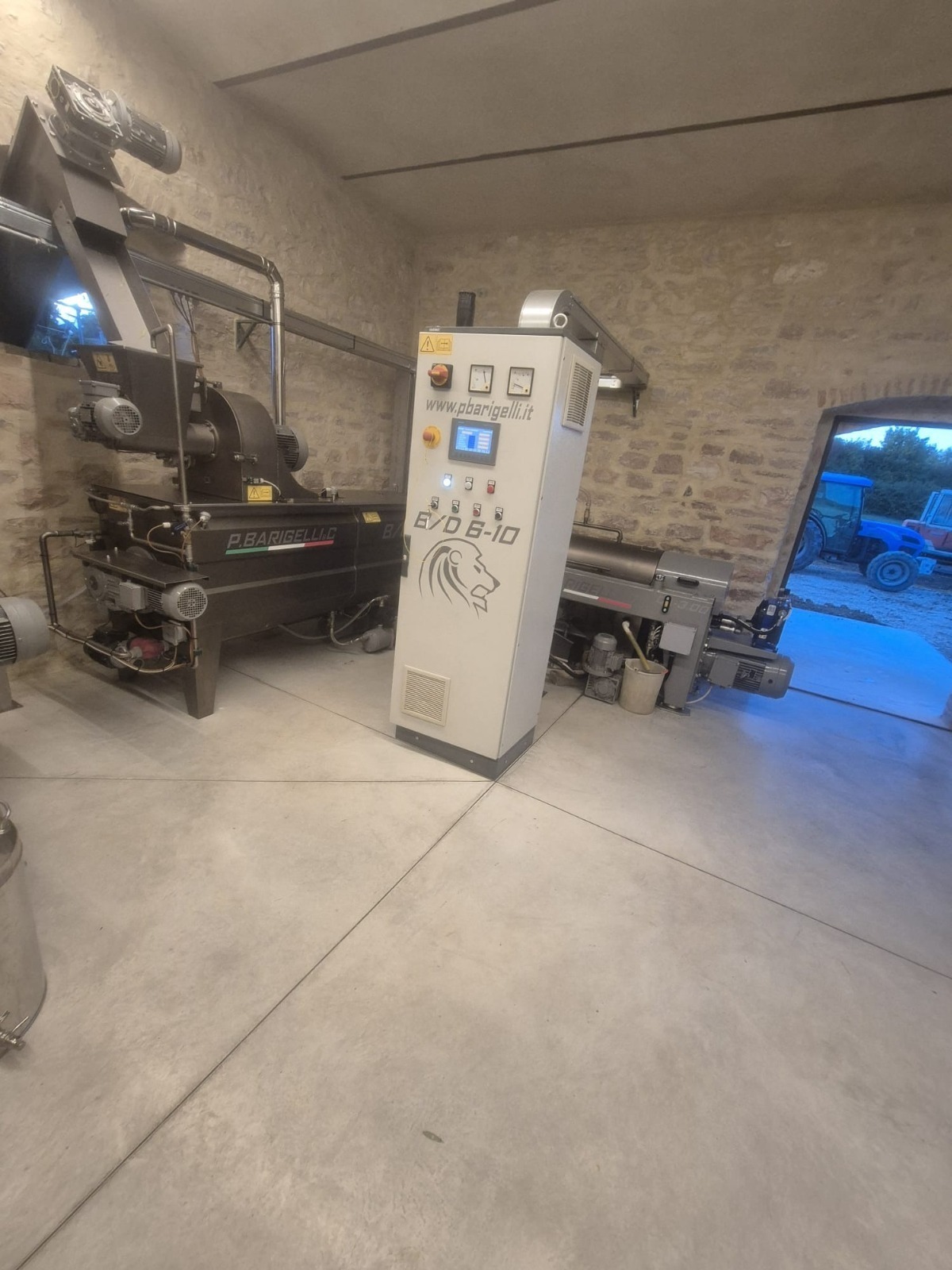
This installation showcases the Barigelli BVD 6-10 olive oil extraction system equipped with an integrated control panel. The setup includes a crusher, malaxing system, and decanter, designed for continuous olive oil processing. The control panel allows operators to manage temperature, timing, and extraction parameters for optimal oil yield and quality.
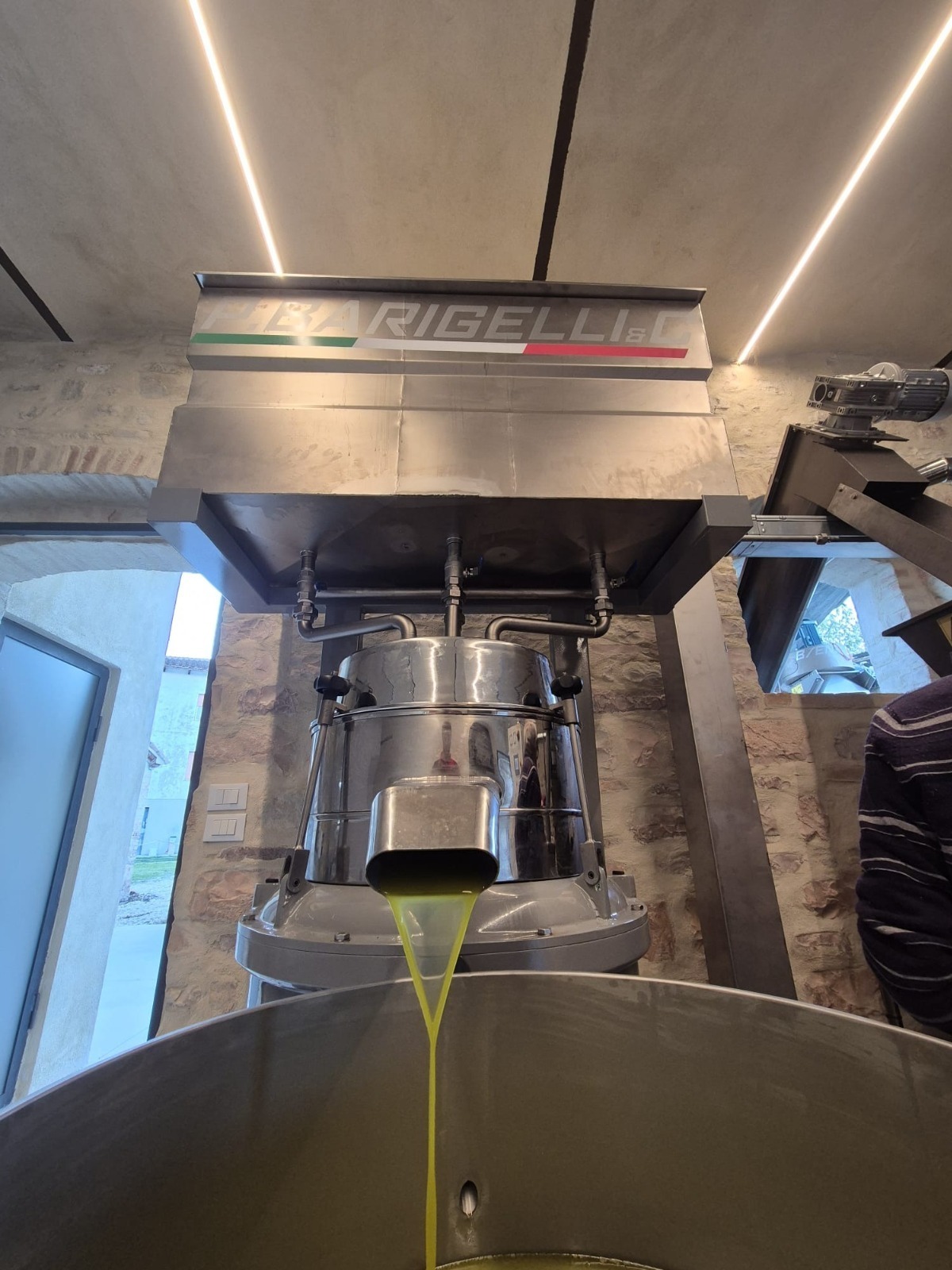
Barigelli stainless steel vertical separator in operation, showcasing freshly extracted olive oil flowing smoothly from the outlet into the collection tank. The design ensures efficient liquid separation of oil while preserving aroma, colour, and quality of extra virgin olive oil.
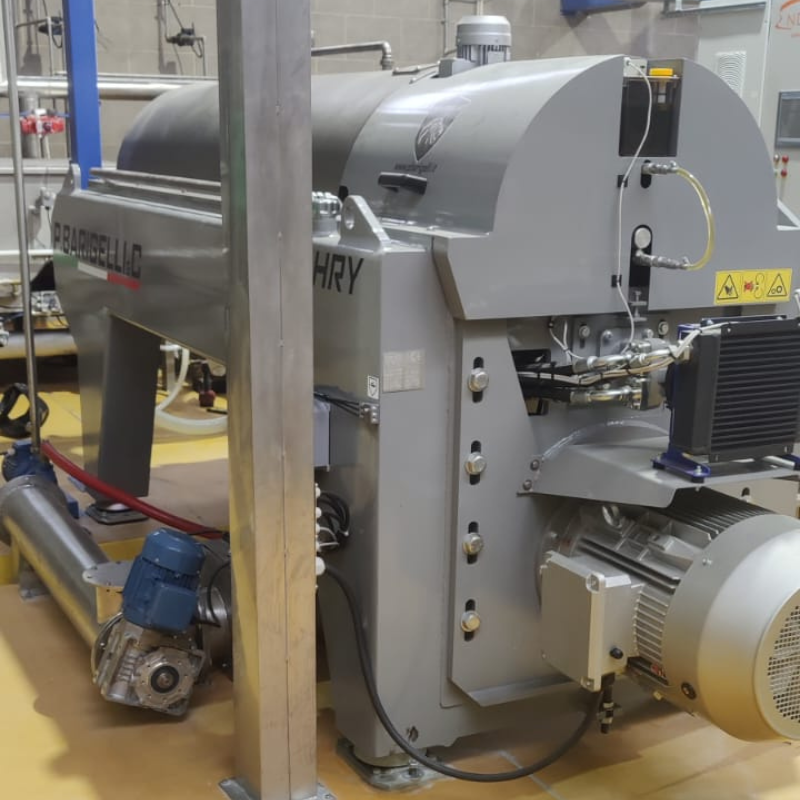
Barigelli’s high-capacity decanter systems designed to separate oil, water, and solids in a single continuous process. The horizontal design ensures high separation efficiency, reduced energy consumption, and easy maintenance access for operators.
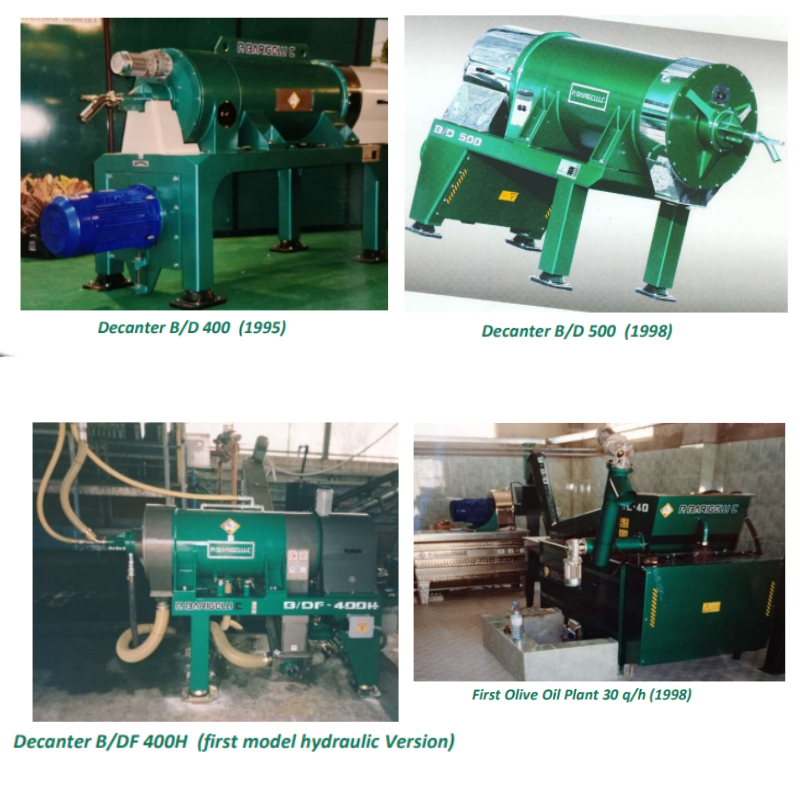
Barigelli Early Decanter Models and First Olive Oil Plant
Barigelli’s pioneering olive oil extraction technology - from the early B/D 400 (1995) and B/D 500 (1998) decanters to the B/DF 400H hydraulic version and the first complete olive oil plant (1998). These models mark the foundation of Barigelli’s innovation in continuous olive oil processing systems.
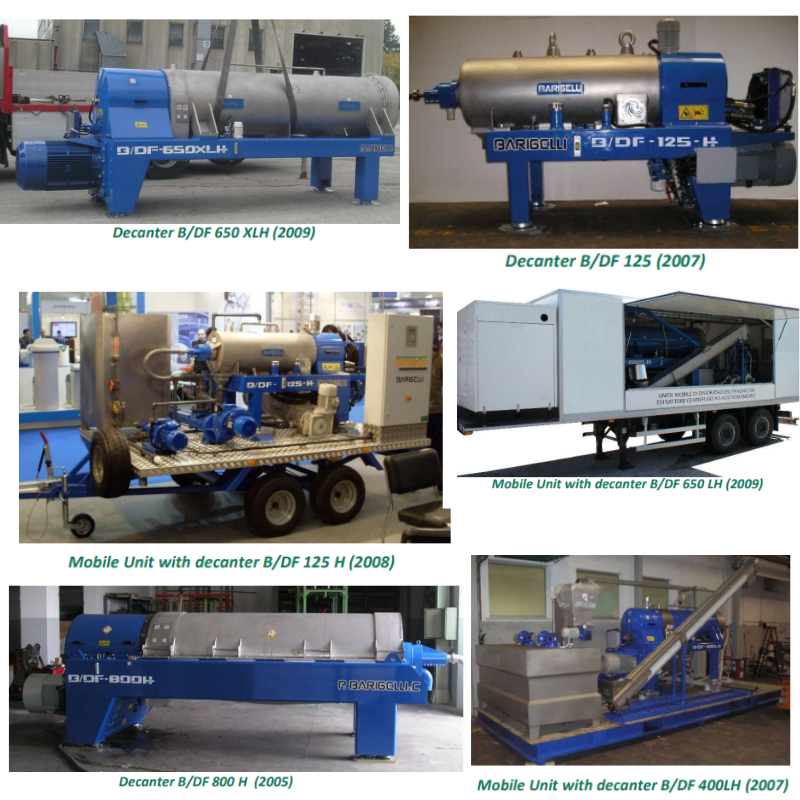
Barigelli Decanter and Mobile Extraction Units (2005 - 2009)
Barigelli’s advanced range of decanters and mobile olive oil extraction units developed between 2005 and 2009. The models include B/DF 125 (2007), B/DF 800H (2005), and B/DF 650 XLH (2009), alongside mobile versions such as the B/DF 125H (2008) and B/DF 400LH (2007). These systems represent a leap in continuous extraction technology, combining high efficiency, portability, and precision oil separation.
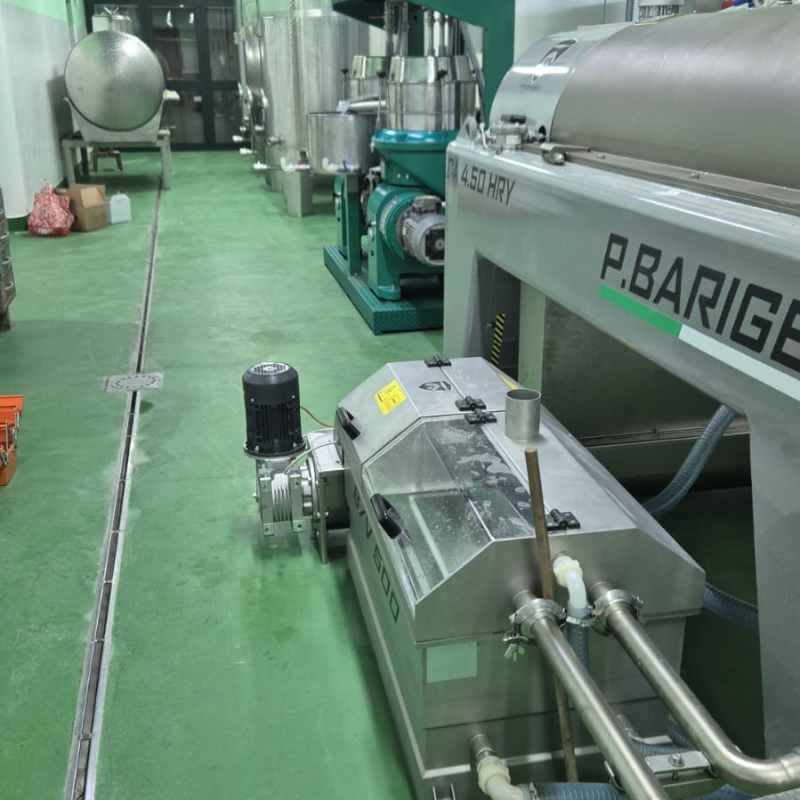
Barigelli 4.50 HRY olive oil extraction setup featuring stainless steel decanters, pumps, and separator units. The continuous line integrates crushing, malaxing, decanting, and final clarification, designed for high-capacity and consistent extra virgin olive oil production.
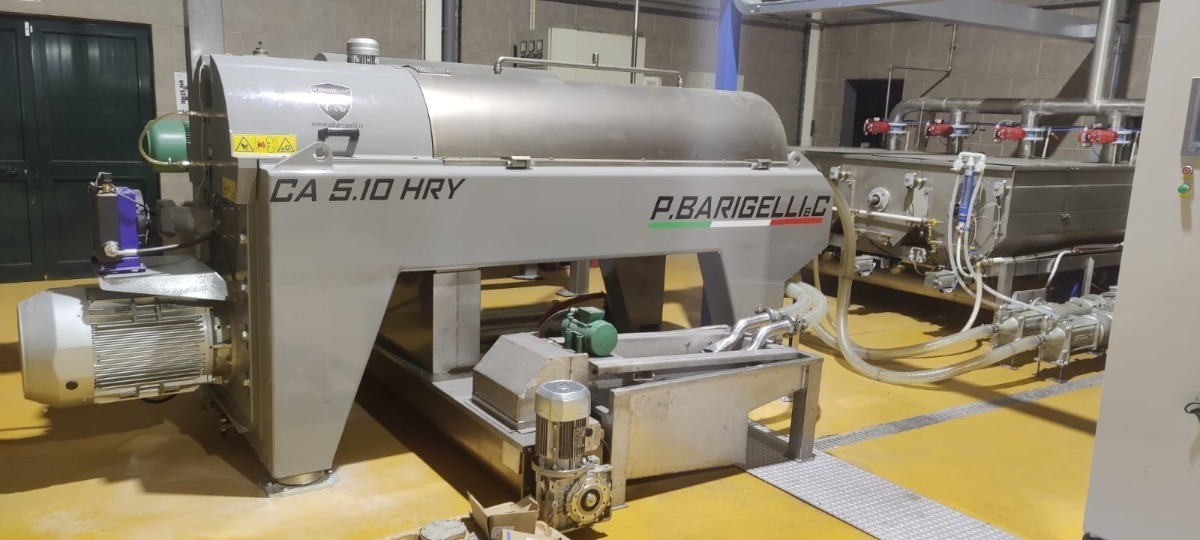
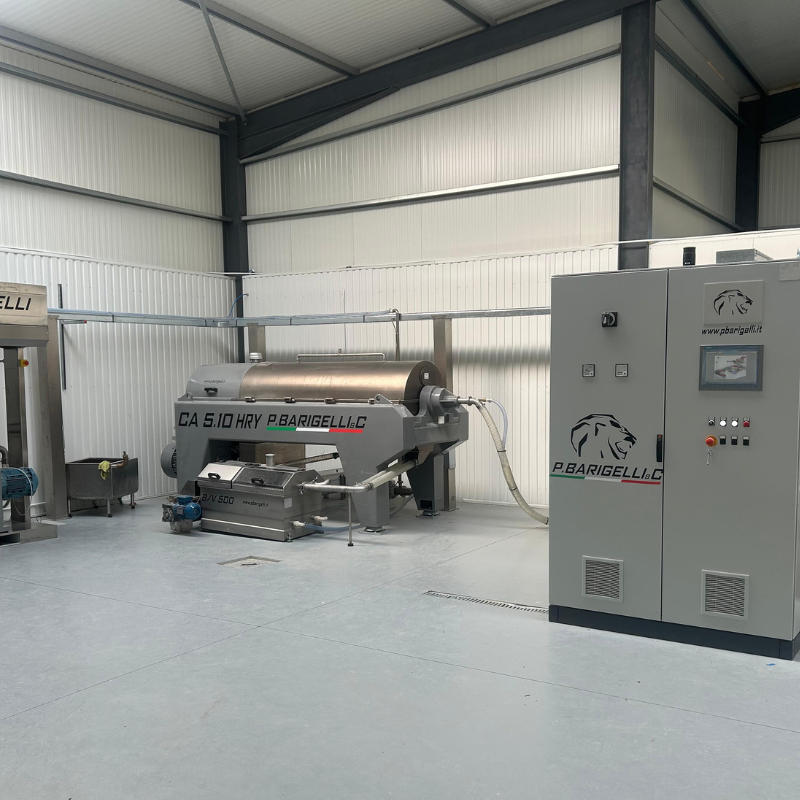
Barigelli CA 5.10 HRY decanter, a high-efficiency centrifuge designed for large-scale olive oil extraction. Built with precision stainless steel, the system separates oil, water, and solids in a continuous process, ensuring maximum yield and superior oil quality.
Different malaxing setups can be offered in a linear system, stacked or as a bank setup.
Barigelli Olive Oil Processing Installation
Barigelli Olive Oil Processing Installation on working
Oil clarification are critical steps that can help to maintain the purity, stability, and quality of extra virgin olive oil. Once oil has been separated in the decanter, it still contains microscopic solids, waxes, and water traces. Vertical separators separate unwanted parts to minimise fermentation and cloudiness, ensuring that the oil remains bright, aromatic, and longer-lasting. Barigelli systems feature stainless-steel food-grade modules integrated directly into the processing line, allowing continuous operation without halting production or creating bottlenecks. Their modular construction supports single or multi-stage malaxation.
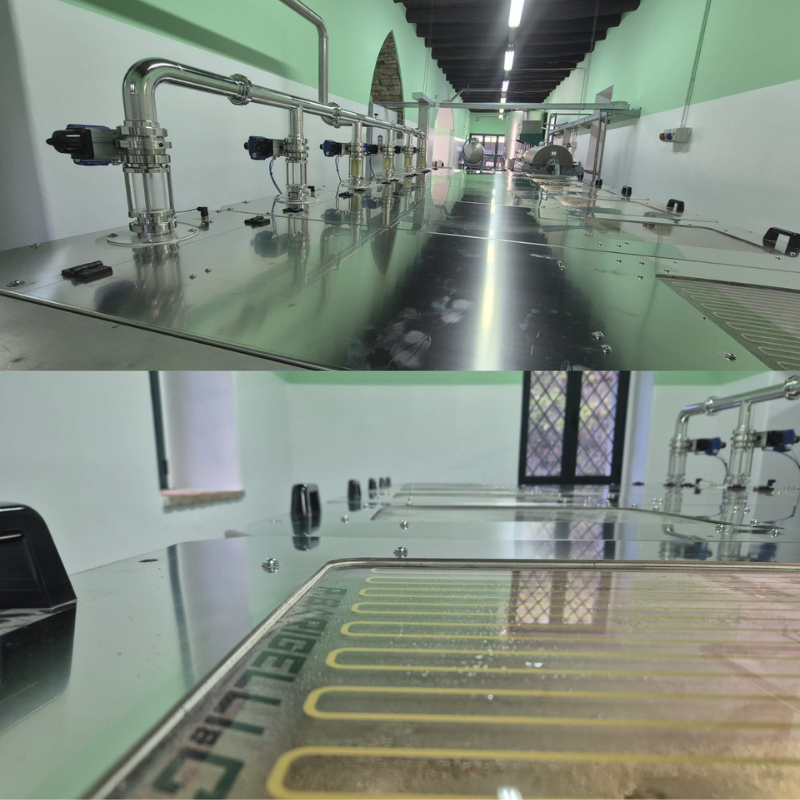
Barigelli stainless-steel feed system with inline sight-glass valves and transparent inspection panels. Designed for continuous olive oil feed.
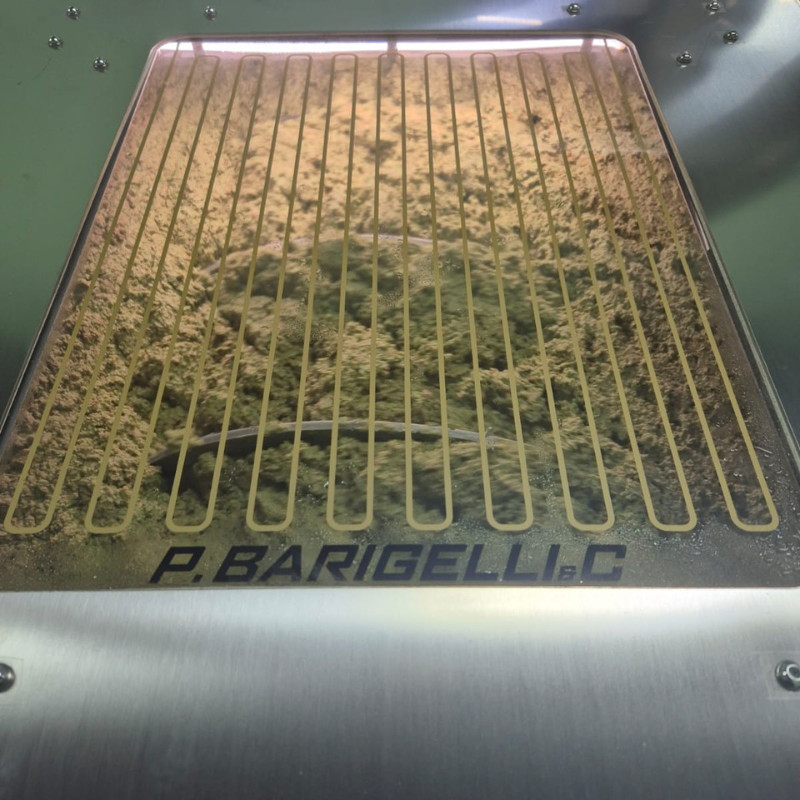
Barigelli Malaxing tank showing olive paste during the malaxation phase. The transparent inspection lid allows operators to monitor flow and sediment removal, ensuring consistent oil purity before final separation.
Barigelli transparent sight chamber showing paste flow during malaxation. The precision assembly allows real-time visual monitoring of paste flow.
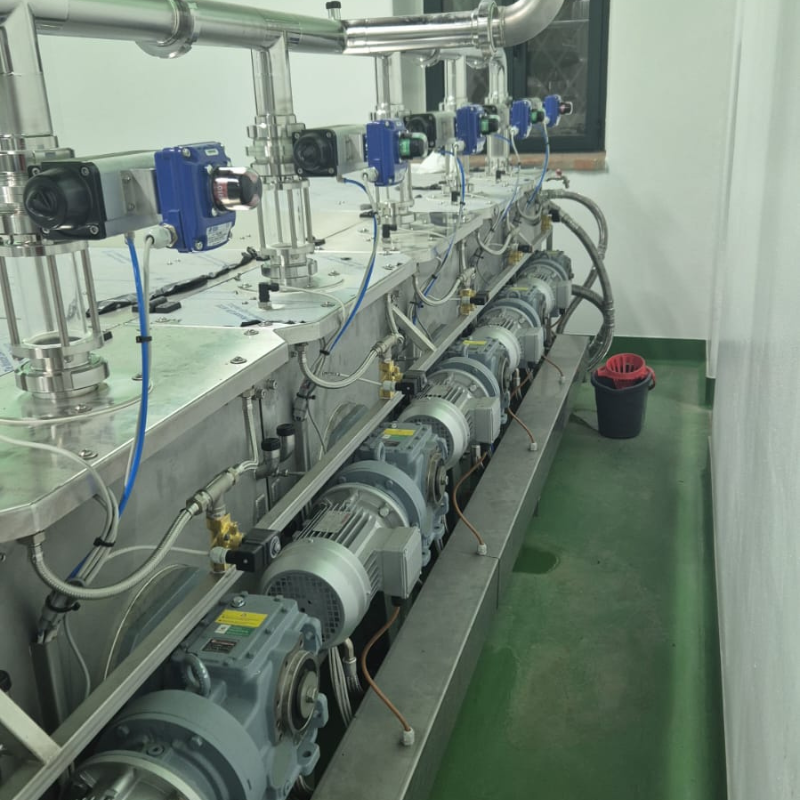
Barigelli multi tank malaxing facilitating automatic paste transfer with solenoids.
Barigelli’s complete olive oil processing lines integrate every stage of production into a single automated system. From olive crushing to oil clarification, each unit ensures precision control, continuous flow, and consistent extraction results tailored to the producer’s scale.
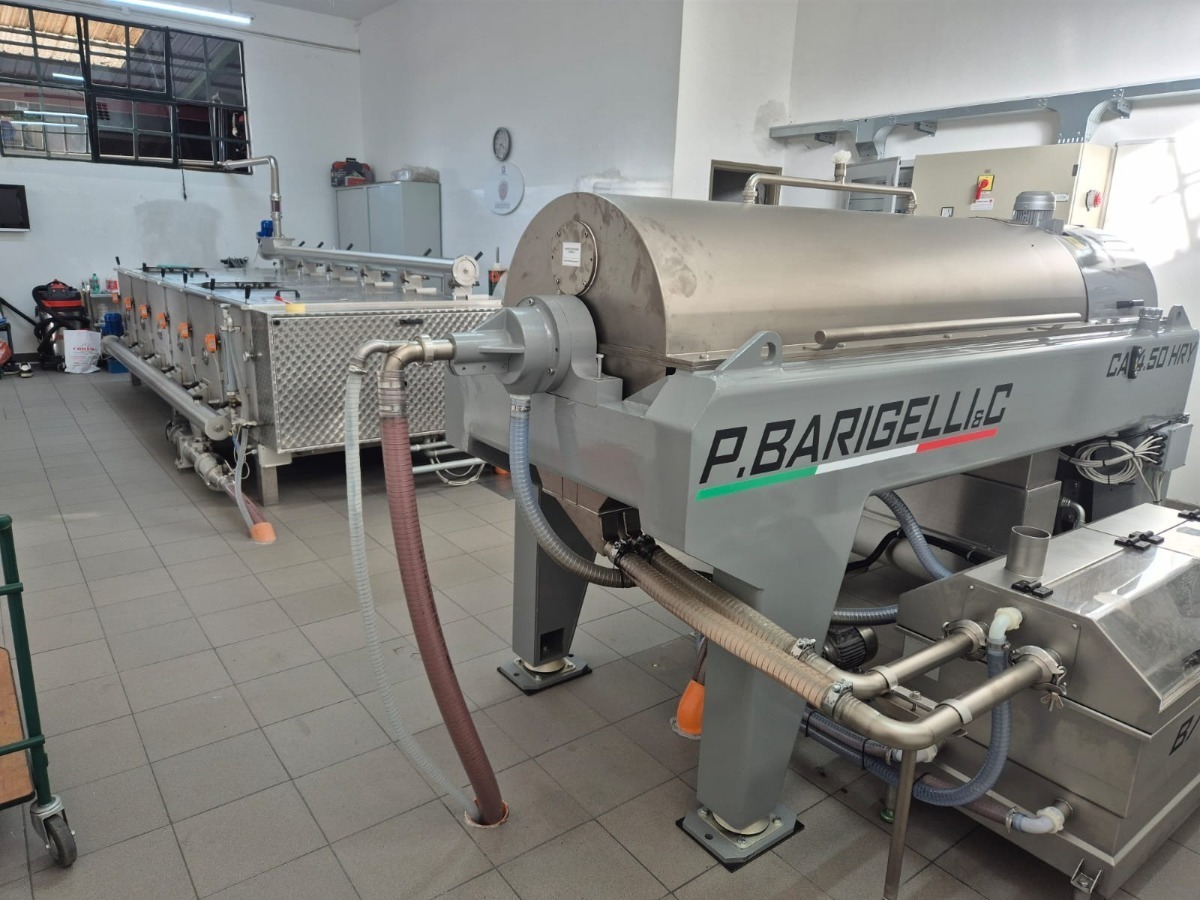
A fully installed Barigelli line featuring the CA 510 HRY horizontal decanter and automated control system. This configuration offers real-time process monitoring, stable separation, and high extraction efficiency within a compact plant layout.
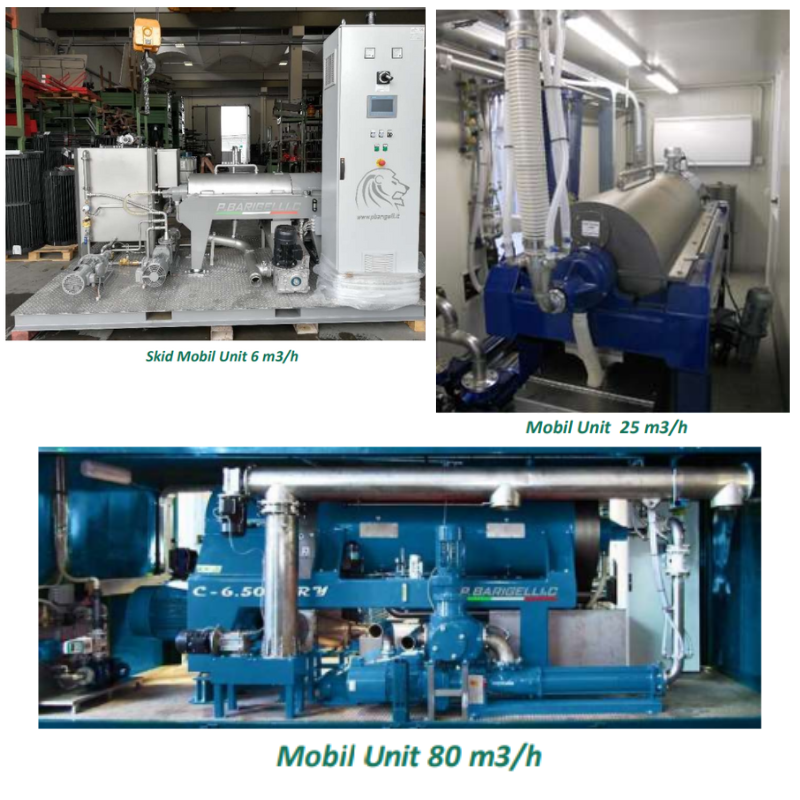
A series of mobile Barigelli units designed for flexible deployment in field or facility operations. Available in multiple capacities (6, 25, and 80 m³/h), these compact systems provide full olive oil extraction and clarification capability on-site for portable or remote production environments.
|
Type |
Decanter Type | Working Capacity | Installed Power | Power Consumption | Water Consumption | L/hr | ||
|
|
|
Kg/hr | kW | kW | 2 Phase | 3 Phase | ||
| 6 - 10 Junior | B/D 300 | 300/500 | 22.5 | 15 | 0 | - | ||
| 20 - 25 | B/D 400 | 800/1100 | 50 | 28 | 0 | 160/250 | ||
| 35 - 45 |
B/D 400L |
1400/1800 | 50 | 34 | 0 | 160/250 | ||
| 50 - 60 |
B/D 500 |
2000/2500 | 75 | 55 | 0 | 200/350 | ||
| 70 - 95 |
B/D 500L |
3000/4000 | 90 | 75 | 0 | 250/350 | ||
| 115 - 150 |
B/D 650 |
6000/7000 | 140 | 110 | 0 | 500/700 | ||
| 150 - 200 |
B/D 650L |
7000/9000 | 170 | 125 | 0 | 700/900 | ||
|
|
|
|
|
|
|
|
||
Each Barigelli installation demonstrates efficient integration of key processing stages—crushing, malaxing, decanting, clarification, and control - within a single automated framework. The result is precise, continuous olive oil production tailored to modern operational standards. These installations reflect the reliability and scalability essential for both boutique and industrial olive oil processors.
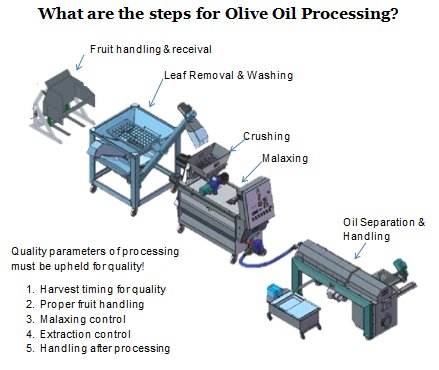
Modern extra virgin olive oil (EVOO) production relies on continuous centrifugal extraction, which has largely replaced traditional presses. In a continuous system, olives are cleaned, crushed into paste, and then malaxed (gently mixed) before a horizontal decanter centrifuge separates oil from water and solids. This process is far more efficient and hygienic than the old press-and-mat method, which is now considered obsolete. Key quality factors include processing fruit quickly to avoid fermentation, maintaining low temperatures during malaxation, and minimising exposure to oxygen. For example, transporting olives in ventilated crates and crushing/milling within 24-48 hours of harvest helps prevent heat buildup and unwanted fermentation that could spoil flavour. Cleaning and de-leafing the fruit before crushing is also critical - removing leaves, dirt, and debris ensures no off-flavours or contaminants make it into the oil. Mordern mills typically incorporate washing and leaf-removal steps for this reason.
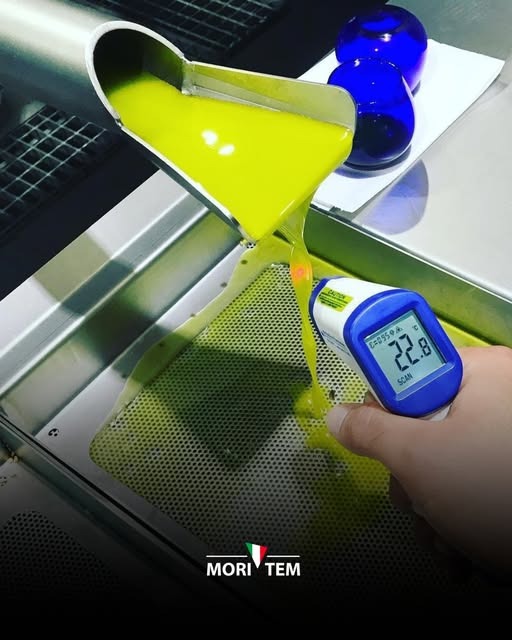
Temperature control is paramount during extraction. EVOO is generally produced under “cold-press” conditions, meaning malaxation is kept around ≤27 °C to preserve aromatic compounds and polyphenols. Longer malaxation times or higher temperatures can increase yield but will reduce polyphenol content and flavour freshness. Recent research confirms that malaxation time and temperature must be optimised per cultivar e.g., one study found that extending malaxation from 15 to 90 minutes caused polyphenols to drop by up to 70%. In Australian groves, where harvest season temperatures can be high, processors often monitor paste temperature closely and may use heat exchangers or vacuum conditions to control it. Shorter malaxation (20-40 minutes) at moderate temperatures is commonly employed to balance oil yield with quality retention. Equally important is timing from harvest - olives allowed to sit too long (especially in warm conditions) will start fermenting. Using shallow, well-ventilated bins and milling within a day of picking is recommended to keep olives cool and intact. Big Horn Olive Oil in USA, for instance, emphasises rapid processing: they cold-press olives within 2 hours of harvest to “lock in freshness and antioxidants,” drastically reducing oxidation time in between. Such practices help Australian producers achieve long shelf life (18 - 24 months) and vibrant flavour in their EVOO whereas Cockatoo Grove has a Midnight EVOO where they pick and press in the cool of the night.
Ongoing research in Australia has highlighted how harvest timing and orchard factors influence oil quality. As olives mature on the tree, oil yield rises, but phenolic compounds (antioxidants) tend to drop. In field trials across New South Wales and Victoria, early-harvest olives produced oils with higher polyphenol content and longer shelf stability, whereas late-picked fruit gave more mellow oils with lower antioxidant levels. Free fatty acidity and peroxide (rancidity indicators) remained low until fruit became overripe, but antioxidant-rich components like tocopherols and polyphenols decreased as the fruit matured, leading to reduced oxidative stability in late-season oils. Australian producers must therefore balance quantity vs quality: an early pick yields robust, pungent oils rich in healthful polyphenols, while a later pick yields more volume with milder taste. The table below (adapted from industry data) illustrates this trade-off:
| Harvest Time | Oil Yield (% by weight) | Flavor Profile | Antioxidant Level |
|---|---|---|---|
| Early (greener fruit) | ~12-16% (lower) | Green, grassy, intensely fruity; pronounced bitterness & pungency | High (rich in polyphenols) |
| Mid-Season | ~15-18% (moderate) | Balanced fruitiness; moderate pepperiness | Moderate |
| Late (ripe fruit) | ~20-28% (higher) | Mild, buttery, nutty; low bitterness/pungency | Lower (fewer polyphenols) |
Other local research has examined irrigation effects on oil quality. Water-stressed olive trees (common in Australian summers) often produce smaller, more bitter fruit with higher polyphenol content, whereas heavily irrigated trees yield plumper olives with diluted phenolics but higher total oil output. For example, a study found that deficit-irrigated trees had the highest polyphenol levels (and earlier fruit ripening) in dry years, while fully irrigated trees gave greater oil yields at the cost of some phenolic concentration. These findings underscore that post-harvest decisions (when to pick, how to handle fruit before milling/crushing) are just as crucial as the milling technology itself. Cutting-edge extraction equipment can maximise quality potential, but growers must still deliver quality olives to the mill and process them with urgency to produce premium Australian EVOO.
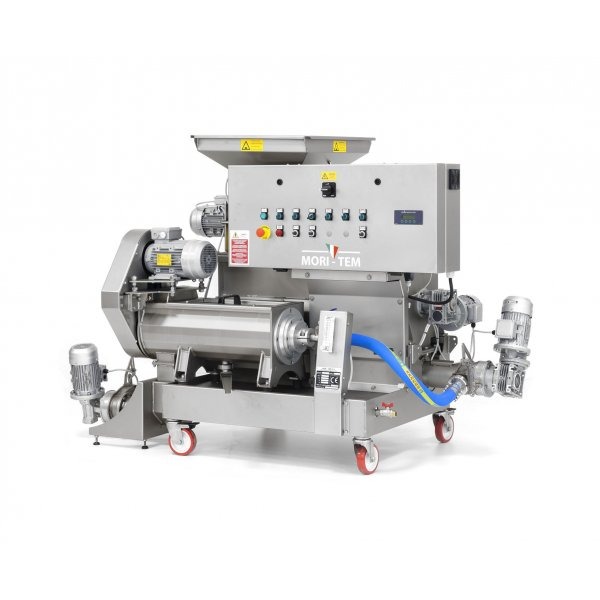
MORI-TEM offers a spectrum of Oliomio mills to suit different scales, from artisanal boutique producers up to small commercial cooperatives. All share the principles above, but with varying throughputs and degrees of automation. Below is an overview of the current Oliomio lineup and its characteristics:
To summarise the small-to-medium Oliomio models discussed above, the table below compares their capacities and key features:
| Oliomio Model | Throughput | Key Features | Typical Application |
|---|---|---|---|
| Spremoliva C30 | 30-40 kg/hour | Batch malaxer (discontinuous); basic mini-press setup; no built-in heating or automation | Hobbyists, micro-batch or lab use (older design) |
| Frantoino Bio | ~50-60 kg/hour | Continuous 2-phase system; single malaxer; simple controls; single-phase power; adjustable decanter nozzles | Boutique farms, artisanal producers, pilot plants |
| Oliomio 80 Plus | ~70-80 kg/hour | Continuous flow; horizontal malaxer with heating & temperature display; inverter speed control; basic CIP wash kit | Small farms (~0.5-1 ton/day harvest); estate olive groves |
| Oliomio Gold | ~90-100 kg/hour | Enhanced automation (auto malaxer & drum washing, variable-speed feed auger)waste pump included; single or 3-phase | Medium farms (~0.8 ton/day); premium boutique mills needing labour-saving features |
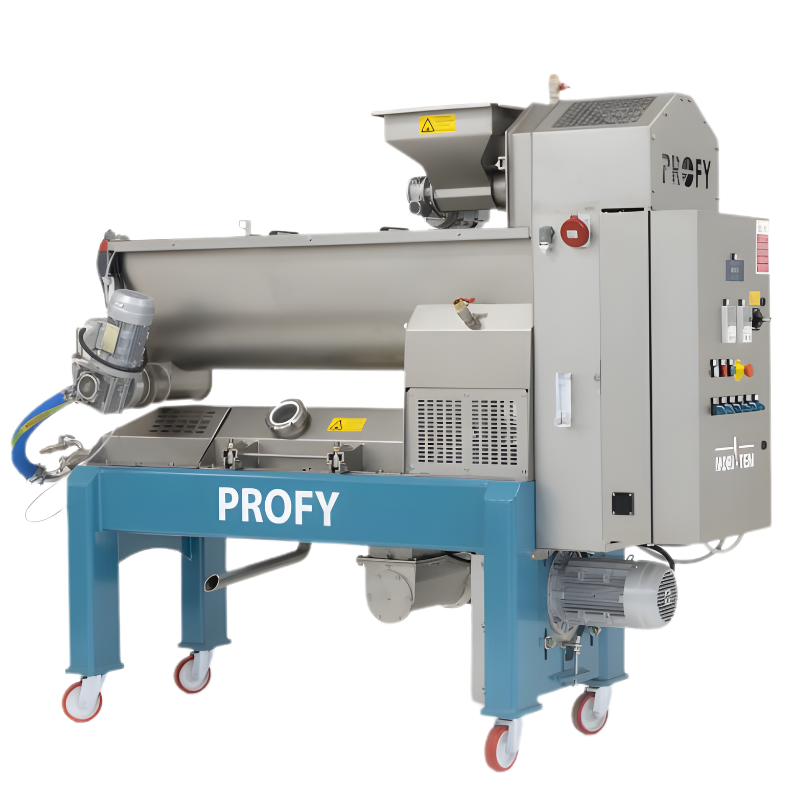
| Oliomio Profy 200 | ~150-200 kg/hour | Dual malaxers for semi-continuous processing; heavy-duty crusher; closed/vacuum malaxing; full automation; waste pump | Cooperative regional mills; small commercial processors (~1.5-2 ton/day) |
Table: Comparison of select Oliomio continuous mill models (MORI-TEM). All feature two-phase extraction, stainless steel construction, and integrated crushers and decanters; higher models add more automation and capacity. Note how the traditional press is absent - even the smallest Oliomio brings modern centrifugal extraction to the farm, highlighting the leap in technology from the old press or “monoblocco” mills of past decades.
For producers scaling beyond the monobloc units, MORI-TEM offers modular olive mill installations that handle larger throughputs while prioritising quality. These systems - marketed under names like Sintesi, Forma, Cultivar, and TecnoTEM Oliomio Sintesi Series - break the extraction process into separate machines (e.g., independent crusher, malaxer group(s), decanter, separator) designed to work in harmony. They introduce features like multiple malaxers for higher throughput, vacuum malaxation technology, and advanced control systems. Importantly, they still operate on the continuous two-phase principle and embody the same hygiene and automation ethos as the smaller Oliomio range. Here’s an overview of each series:
It is instructive to contrast the above Oliomio technologies with the outdated systems they have superseded - namely, the classic hydraulic press and early-generation farm mills (older “monoblocchi” units). Traditional olive presses involved grinding olives (often with stone mills) into paste, spreading that paste onto fibre mats, stacking them, and then applying tons of pressure in a press to squeeze out the oil/water mixture. This method, while romantic, had numerous drawbacks: it was labour-intensive and slow, exposed the olive paste to air for prolonged times, and was hard to keep clean. The mats and press equipment could harbour yeasts or moulds and were difficult to sanitise thoroughly. It was not uncommon for olives to begin fermenting in the interim between harvest and pressing - indeed, historical accounts describe farmers bringing sacks of olives to the mill that were “often already fermenting” by the time they were pressed. The result was oil of inconsistent quality and stability. Continuous centrifuge systems like Oliomio eliminated these problems by moving to an enclosed, stainless-steel process where olives are milled almost immediately after picking, drastically cutting the chance for fermentation or oxidation. The greater hygiene and speed of continuous extraction have improved average oil quality and made defects from processing (such as fusty or musty flavours from fermentation) much rarer in modern operations. As a report on introducing Oliomio technology in Australia noted, “centrifugal extraction…replaced older, labour-intensive systems with continuous-flow designs”, offering better hygiene, efficiency, and capacity - effectively rendering the old press method obsolete in quality-oriented production.
Early small-scale continuous mills (from the 1990s-2000s) were a huge step up from presses, but they lacked some refinements of today’s Oliomio models. For example, many older farm mills did not have automated temperature control for malaxation, nor continuous malaxer flow. The very first “Oliomio” monoblock (created by Tuscan innovator Giorgio Mori) was revolutionary for being compact and continuous, but subsequent generations have added further improvements. A comparison of features illustrates this evolution: the older Spremoliva 30 could only malax in batch mode (no simultaneous crushing while decanting) and had no heating system or temperature display on the malaxer. By contrast, an Oliomio 80 or Gold today has fully continuous malaxing with automated temperature control and readout. Earlier mills often used fixed-speed motors and one-size-fits-all settings, whereas new systems employ inverter drives and adjustable nozzles to accommodate different olive conditions (small, watery olives vs. large, fleshy ones, etc.). Another big leap is in automation: tasks like pomace removal and equipment washing, once manual, are now handled by integrated pumps and wash cycles in machines like the Gold and Profy. This not only reduces labour but also ensures more consistent cleanliness batch after batch. In terms of energy and water usage, modern two-phase decanters are also more sustainable - they eliminate the need for large volumes of dilution water required by traditional three-phase decanters (saving water and the energy to heat it) and produce a simpler waste stream (wet pomace) that can be repurposed or composted more easily than press liquor or black water from old systems.
Crucially, oil quality has improved with each technical advance. Traditional pressing often left higher sediment and water in the oil, necessitating longer settling or filtration and risking quicker oxidation. Continuous centrifugation yields cleaner oil immediately, and the lack of air contact preserves freshness. Chemical measures like peroxide value and UV stability are typically superior in oil produced by a modern continuous mill versus an old press, when starting with the same fruit. The ability to crush and extract within hours of harvest, at controlled temperatures, means free fatty acid levels stay extremely low and the positive flavour notes are maximised. Australian producers who have adopted the latest Oliomio systems consistently report better quality and consistency in their oils, even when processing smaller batches. As an example, Spring Gully Olives in Queensland upgraded to a two-phase Oliomio (150 kg/hr) and found it ideal: it allowed them to process their own crop and offer custom processing to neighbouring groves, all while producing oil that needed no further refining - “the 150 kg per hour Oliomio is an ideal capacity which allows small growers to have their own oil processed…and it leaves the oil in its natural state”. This kind of feedback underlines how modern machinery empowers even small-scale growers to achieve high extraction efficiency and premium quality that rivals the big producers.
In summary, the latest Mori-TEM Oliomio systems represent a convergence of advanced engineering and practical on-farm olive oil production. They enable professional, hygienic, and quality-focused extraction at scales from a few dozen kilograms up to several tonnes per hour. By carefully controlling each step - from fruit cleaning and crushing with minimal oxidation, to malaxation under controlled atmosphere, to efficient two-phase centrifuge separation - these machines ensure that the oil produced reflects the true potential of the olives. Australian growers using Oliomio equipment benefit not only from improved oil quality and shelf life, but also from greater independence and flexibility: they can harvest at optimal times and process immediately, rather than rushing to a distant community mill or risking fruit spoilage. The result is fresher, more flavorful extra virgin olive oil that meets the high standards of a sophisticated global market. And with the range of Oliomio models and configurations now available, producers can choose a setup tailored to their grove’s size and business model - whether it’s a one-person boutique press or a regional processing hub servicing multiple farms. The technology has truly opened a new chapter for the industry, one where tradition and innovation blend to produce the finest EVOO. Each bottle of oil pressed with these modern systems tells the story of careful harvest timing, immediate processing, and gentle extraction - a story that resonates strongly with Australia’s drive for quality and the world’s appreciation of premium extra virgin olive oil.
MARKET INSIGHT: GLOBAL OLIVE OIL ECONOMY 2023
Introduction
The global olive oil industry in 2023 has entered uncharted territory, experiencing an extraordinary surge in olive oil prices driven by a combination of climatic and economic forces. At the centre of this crisis lies Spain’s devastating drought, which has crippled the world’s largest olive oil producer. This severe shortage has led to a dramatic contraction in olive oil supply, triggering price escalation and a corresponding decline in consumer demand. The ripple effects are being felt worldwide, reshaping the balance between producers and consumers alike. Meanwhile, Australian olive oil producers find themselves in a rare position of advantage, benefitting from unprecedented market highs. This article explores the causes, consequences, historical trends, and economic signals surrounding this remarkable global olive oil price spike.
The ongoing drought across Spain stands as the principal factor behind the current olive oil price surge. As one of the largest olive oil-producing nations globally, Spain’s drastically reduced harvest - caused by months of extreme heat and minimal rainfall - has sharply curtailed olive oil availability in both European and international markets. This has intensified supply shortages, compelling consumers to pay more for what has long been a staple Mediterranean product. The interplay of limited supply and escalating demand has magnified price volatility, reinforcing the classic supply-and-demand imbalance now driving global markets.
Incredible to see the olive groves of Jaen, Spain. This one province produces around a fifth of the *entire* global supply of olive oil
— Secunder Kermani (@SecKermani) August 31, 2023
But a combination of drought & extreme heat has left many trees badly weakened... This years harvest looks set to be the worst in living memory pic.twitter.com/QYs41eXCwC
As prices have risen steeply, the shortage of olive oil has led to a noticeable decline in consumption, particularly in Spain, where demand has reportedly dropped by around 35%. Consumers are now scaling back their purchases, finding olive oil increasingly unaffordable compared to other cooking oils. The once-steady household consumption patterns are shifting as people seek alternatives or modify their cooking habits. This contraction in domestic demand not only highlights the growing accessibility gap for consumers but also underscores the broader economic strain caused by high inflation and food price increases.
Amid the turmoil, Australian olive oil producers are experiencing a windfall. Thanks to limited global supply, Australian growers are commanding record prices exceeding AUD $8 per litre, marking the highest levels ever recorded in the nation’s olive oil industry. This lucrative period presents a rare opportunity for Australian exporters, with demand from Europe - including Spain itself - now turning toward Australian supplies. For producers Down Under, this unique reversal of roles underscores how regional climate resilience and diversified production can translate into significant financial gains when global shortages arise.
The olive oil market’s volatility is not a new phenomenon. Previous spikes occurred in 1996, 2006, and 2015, each triggered by weather-related supply constraints. Yet, the 2023 price explosion stands out as the most dramatic in recorded history -over 40% higher than any previous price peak, and roughly double the magnitude of earlier surges. This extreme escalation reflects not just climatic hardship but a clear pricing bubble forming within the market, echoing the cyclical nature of commodity pricing.
The olive oil sector has long followed cyclical pricing patterns, typically alternating between low and high price phases roughly every decade. The current surge aligns almost perfectly with the predicted start of another 10-year cycle, occurring just three years into its anticipated timeline. Furthermore, a notable correlation has been identified between the Australian Food Inflation Index and the Global Olive Oil Price Index as reported by the International Monetary Fund (IMF). This connection illustrates the deep interdependence between food commodity pricing and global economic conditions.
While the IMF’s benchmark prices are denominated in USD, for the purposes of this analysis they have been converted to AUD to track the trend relative to Australian markets. These benchmark indicators -based on the world’s largest olive oil exporters -serve as a reliable gauge of overall market direction, confirming how global shortages and inflationary pressures move in tandem.
Global olive oil prices show a recurring 10-year cycle, driven by droughts, crop shortages, and rising production costs
From a technical analysis perspective, the Relative Strength Indicator (RSI) is often used to measure price momentum and potential overextension in markets. On recent olive oil price charts, the RSI (represented in purple) indicates that prices have once again entered overbought territory - a level seen during previous speculative phases. Historically, such readings have preceded market corrections or reversals, suggesting that the current surge may not be sustainable in the long term.
Analysts caution that as the European olive harvest begins in September and October 2023, an influx of new oil supplies could help ease prices, though the timing and extent of this correction remain uncertain. Until then, speculative trading and limited inventory continue to support inflated market values.
The record-breaking olive oil prices of 2023, primarily triggered by Spain’s drought-induced production collapse, mark a turning point for the global olive oil economy. With consumer demand declining under the pressure of soaring prices and Australian producers thriving amid the scarcity, the industry is experiencing a dramatic rebalancing. Historical precedents, cyclical trends, and market indicators all point toward a complex, transitional period defined by volatility and uncertainty.
As the world’s producers, traders, and consumers adapt to these new market dynamics, one truth remains clear: olive oil - celebrated for its taste, health benefits, and cultural significance - continues to be at the mercy of both climate change and economic cycles. Stakeholders across the value chain must remain alert, flexible, and forward-thinking as the olive oil market navigates this extraordinary phase of transformation.
Other Sources
Esterification is a natural chemical reaction where free fatty acids (FFA) combine with alcohols, typically glycerol, to form esters. This process reduces the measurable acidity of the oil. While esterification can occur in the olive paste during milling, it is usually a minor contributor to quality changes compared with factors such as fruit condition, malaxation parameters, and extraction efficiency.

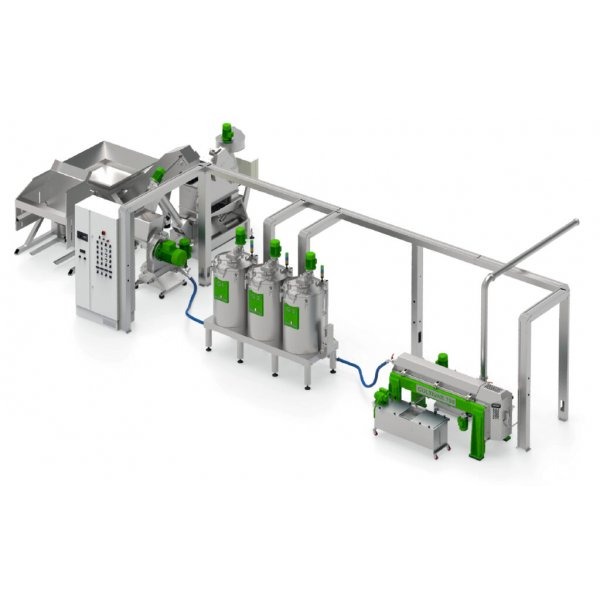
This diagram outlines the continuous olive oil extraction line: olives are crushed, malaxed, separated, clarified, and routed for bottling, while husk and wastewater are channelled to waste management systems.
Processing aids act physically or chemically on the olive paste. Some enhance enzyme activity, others alter pH or moisture, and a few influence esterification indirectly. Below is a breakdown of the main aids used by professional olive processors and how each relates to esterification.
Calcium carbonate is the processing aid most associated with apparent esterification effects.
Influence on esterification
Salt acts primarily on the physical structure of the paste rather than the oil chemistry.
Influence on esterification
Talc is inert and valued for its physical functionality.
Influence on esterification
Commercial enzyme blends can influence chemistry indirectly.
Influence on esterification
These clay minerals are used more for paste modification or clarification.
Influence on esterification
| Processing Aid | Impact on Esterification | Notes |
|---|---|---|
| Calcium Carbonate | Moderate … via pH shift | Can lower measured FFA but may affect flavour and oxidation |
| Salt (NaCl) | None | Improvements come from better separation, not chemical change |
| Talc | None | Purely physical aid for difficult pastes |
| Enzymes | Minor, indirect | Mostly physical… chemical breakdown of cell walls |
| Kaolin | None | Improves rheology only |
| Bentonite | None | Used for clarification rather than extraction |
Professional olive mills benefit from:
How vacuum olive oil processing came about? How has the olive oil extraction process changed in recent years?
"Extra Virgin olive oil is the art of those who produce it, the system helps the artist". - Giorgio Mori
We arrived at the year 2010 and realised that in recent years the method of production of extra virgin olive oil has changed a lot. ?Several years ago growers preferred to pick up the olives and store them in a warm room to dry them before processing; the system was not right as the instruments for oil extraction were not suited to process the olives in some other way.
Some years ago with the implementation of continuous extractors the waiting time before processing was considerably reduced; today everyone knows that the fruit has to be processed immediately after picking. ?We want to start from here, the fruit, which through a special system (3+ System) can give us an oil of unmistakable quality, not only chemical analysis but mainly organoleptic and healthy fresh oil being the result.
Why you should not leave anything to chance?
Human resources to implement such a system (3+system) are of primary importance. ?A skilled operator, which also must be the assessor, is careful and accurate in the cleaning of machines, this is required some days before olives are harvested you must verify the perfect functionality of the machinery and prepare the storage tanks for the new production. You should also check there are no strange odours in processing and storage rooms or within the machine itself.
The first day of work is dedicated to the cleaning of the machine using specific products such as citric acid, due to its anti-oxidative properties, to sanitise the plant completely. Once you have completed washed the machinery you begin processing with a small batch of say 300 kgs olives, this allows you to understand if the fruit is at the right degree of ripeness, naturally, the first processing will be called (LDF) reference process.
Assuming (LDF) is guaranteed to be effected in a period prior to the optimal collection time, you must be very careful to monitor the outdoor temperature which of course can be quite high > 20?C; this will bring risks of activating fruit fermentation, especially if the olives have a high sugar content. ?Throughout the working cycle, it will be necessary to quickly work with the mixing phase at low temperatures 22 - 25?C. The expert taster will taste the oil produced giving an evaluation mainly on the astringency, on the bitter intensity and on the balance of the product. Â On the basis of the results obtained it will be decided whether to start harvesting or wait a few days more.
Decisions taken, we start processing
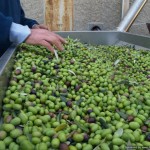
Each company now has harvesting devices or machines that help to speed up the olive harvest, these equipment should also be equipped to intensely clean the product before processing so it is necessary to install a "Twig remover"? fitted to the fruit receival section of the machine, until a few years ago was not needed due to many hand harvesting operations switched over to mechanical harvesting. Together with olives branches and twigs arrive at the olive oil extraction plant a substantial amount of leaves which in many cases reaches 15% of the harvest. The olive must arrive at the washing section completely cleaned. Cleaning consists of two steps: washing and rinsing with clean water. Eventually, the olive must be dried before arriving in the crushing process.
You may wonder why and we say that lesser amount of water you add during process higher quality product you extract.
In conclusion, the olives harvested with machinery such as shakers, the fruit suffers much stress and must be processed within the day of harvest.
Point 1 of the (3 + System) Speed Crusher and variable air flow The characteristics of extra virgin olive oil are due to the DNA of cultivars plus those modified by the crushing system. ?During crushing, oxygen is needed in the right quantity to start oxidation actions. Especially in a fast crushing system, where the crusher impeller also serves as an aspirator, you have to control the influx of oxygen through the speed variation and constant filling of the crusher loading hopper. ?In the crushing phase, ?polyphenols are available, natural antioxidants which are important for the life of the oil, but above all for the level of health for the consumer (i.e. benefit) that fresh Extra Virgin Olive Oils offer. ?It seems impossible, but after crushing, polyphenols tend to degrade considerably and especially during extraction.
Where, as producers, we act to obtain a more harmonious product naturally from the cultivars in production. ?There are more instruments that can change the organoleptic aspect/character of the product, one above all is the crushing peripheral speed. ?Another always important factor is pre-crushing that in many cases are used during an advanced season to capture colour and intensity, then the grate holes that can be varied depending on the cultivar to control paste fineness.
At last remember, that crusher blades must be sharp and that the grid, if not rotating, must be equipped with external cleaner (by way of scraper) and over-heating minimisation channels; the olive should not heat more than 2?C compared to the inlet product temperature, since it would result in a bitter oil sometimes very unpleasant. ? The crusher in the system (3 + System) should never be mounted above the mixer.
Point 2 of the (3+System) Mixers with low oxidation impact
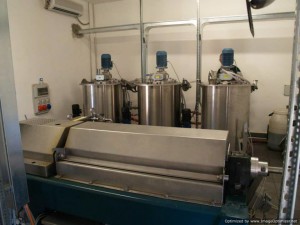
Unfortunately, mixing is a necessary process, that is why in our system we mix inside a closed tank and even with a slight depression (vacuum), in order to harness polyphenols levels, mixing times are reduced and temperatures are kept not higher than 25?C. ?The paste arrives into the mixer and once the mixing time passed it is directly transferred to the decanter for extraction. No more mixer to mixer transfer stage and loosing polyphenols on the way. The expert taster will be very important in advising the grinding time on the basis of the tasted product, analytically usually more you increase the grinding time more the polyphenols degrade.
Our system (3 + System) will only be equipped with enclosed malaxers.
Extraction, the Extra Virgin The paste arrives at decanter through a pump and enters inside the cylinder, the system acts to two outputs: one for the oil and the other for pomace and water (mixed together). At this stage, it is very important to avoid using a quantity of water higher than 5%. ?If you can work without water certainly the result will be even better (water leaches polyphenols). ?The first oil that comes out, as well as the last, must be put in a special tank containing "normal oil" not in the one containing "highest quality oil"?. ?During centrifugation, unfortunately, the polyphenols are lost. In our system to decrease this loss, there is saturation with an inert gas that cannot be used in all cases, there will be the expert taster to decide the use.
Point 3 of the (3+System) Quick Filtration Surely a decisive phase on oil quality is the (Quick Filtration). Considering the fact that our system is not equipped with a final separator, in order to remove vegetable residues and traces of dirty water, it is absolutely necessary to filter the oil immediately. Filtering at this stage will allow the oil to become + green but certainly, we treat the oil in such a way that we minimise the risk of oxidation or decay which usually occur after a few months to unfiltered oils. ?Remember that each time you move the oil with pumps or other; it suffers an oxygenation that is not healthy. From decanter to filter and then to final storage tank, these are the steps that the product must follow.
Olive Oil Storage, just as important as every other process The storage room must be air conditioned and the temperature shall move from 14-16? C. The tanks must be in stainless steel (not plastic) and saturated with inert gas or vacuum, the saturation procedure occurs through filling of gas in the tank, after the extra virgin oil is poured from lower side valve continuously and slow to avoid turbulence/aeration, the gas exits from the tank through the upper safety valve. ?Another important point: the product shall be bottled only a few days before being shipped, except in the case of stainless steel bottles where vacuum procedure is made before capping, for dark glass bottles, the passage of light is approximately 70%, then the oxidation risk is real.
Bottling Bottling extra virgin olive oil seems to be a simple operation without any difficulty, but you must be very careful to ensure that the oil goes into the bottle without creating turbulence/aeration and that before inserting the cap that all oxygen is removed that usually remains between the oil and the cap. By doing so the oxidative effect is considerably reduced. ?Finally, we remind you that if you want to avoid problems, extra virgin olive oil has to be bottled some days before delivery.
Conclusion and Recommendations

Each cultivar produces a different extra virgin olive oil, so different types of processing are required. ?The skill of the expert taster is important to get the best product; the system provides different solutions that can be interpreted in a unique way. ?An important factor that applies to all is that using our system (3 + System) you are sure to extract more polyphenols from the olives that range from 50 to over 100% compared to conventional processes. ?The water must be used only in extraction, if necessary, but always in low quantities. ?Lastly, one more important point is the cleaning of the machine which must be carried out daily and accurately in order to achieve the best product.
Find out more out about the Vacuum-style olive oil processing machines;
https://www.youtube.com/watch?v=KIOQKqTOAVM