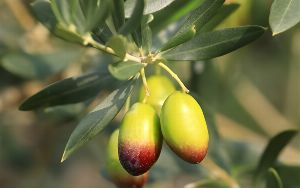
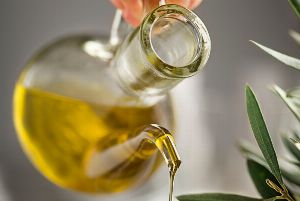
Oil formation in olives - known as lipogenesis -is one of the most vital stages of fruit development. This article explains the biology behind how oil forms in the fruit, what affects its accumulation, and how growers can manage orchard conditions to optimise both oil quantity and quality.
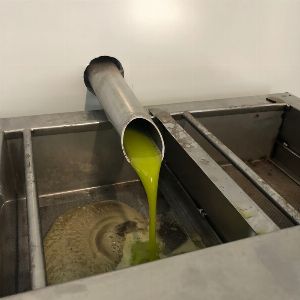
High-strength pectinase enzymes can dramatically improve olive oil yield, paste fluidity, and clarity. This article explains the difference between low- and high-strength enzyme formulations, their impact on oil release, and why quality matters more than dosage.
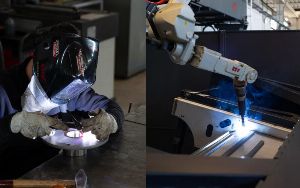
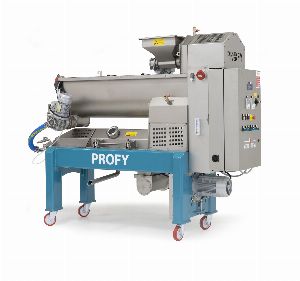
Clemente has been a pioneer in olive oil machinery design since 1963, creating reliable, high-performance systems for every stage of olive processing. From malaxing and cleaning to crushing, decanting, and pomace recovery, each installation is engineered for efficiency and quality.
Unpredictable weather has challenged Australia’s 2023 olive harvest. Extended cold and wet periods across key growing regions shortened ripening cycles and reduced yields, according to the Australian Olive Oil Association. Despite smaller volumes, oil quality remains exceptional, with producers adapting to global shortages and shifting export opportunities.
Research from the University of Perugia confirms that oils produced under vacuum retain greater nutritional value and improved stability. The innovation, showcased by MORI-TEM’s vacuum-equipped Oliomio systems, brings premium results within reach for producers of every scale. This article explores how vacuum extraction redefines quality standards in extra virgin olive oil production.
MORI-TEM’s Oliomio systems are transforming olive oil production through advanced, hygienic, and energy-efficient olive oil extraction machine. These compact continuous mills allow growers to process their own olives on-site, preserving freshness, polyphenols, and authentic flavour. Designed for Australian producers, Oliomio technology combines tradition and innovation to deliver premium extra virgin olive oil with superior quality & consistency.
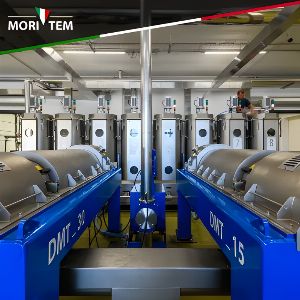
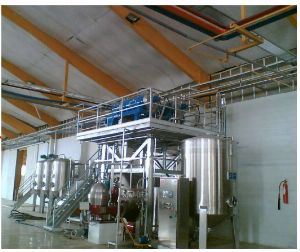
Barigelli Olive Oil Machinery Installations showcase a range of Barigelli processing solutions - from crushing and malaxing systems to high performance decanters, feed systems, manual and fully automated control lines. Each installation demonstrates precision, efficiency, and seamless integration, supporting both traditional producers and modern olive oil facilities with dependable, high-performance processing equipment.
Australian olive growers are transforming their production with Oliomio technology - a compact, hygienic, and efficient system that makes on-site olive oil processing possible. From harvesting to bottling, growers can now produce their own extra virgin olive oil with commercial-grade quality and complete control.
The confirmation that the Wagga Wagga Edible Oils Laboratory will remain operational has been welcomed by Australia’s olive and edible oil industry, providing certainty for testing, compliance, quality assurance and regional producers.
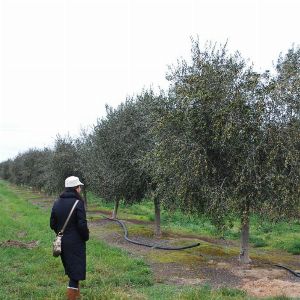
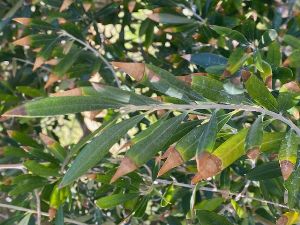
Discover how to diagnose and manage olive leaf tip dieback, a common issue caused by nutrient deficiencies, salinity, or environmental stress. Learn expert strategies for restoring tree health through balanced nutrition, soil and water management, and effective disease prevention — backed by The Olive Centre’s professional resources and products.