
New research shows nitrogen and potassium increase olive oil yield by growing larger fruit, not by increasing oil concentration in the pulp.

My Shopping Cart
New research shows nitrogen and potassium increase olive oil yield by growing larger fruit, not by increasing oil concentration in the pulp.

AgroBest’s range delivers a full, science-backed approach to olive grove nutrition and plant health, combining foliar feeds, soil conditioners, trace elements, adjuvants, and biostimulants into one integrated program. This review breaks down how each product works, which problems it solves, and when growers should use it for maximum effectiveness.
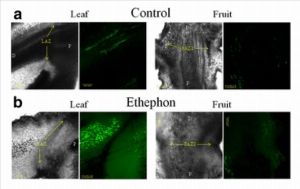
Antioxidants Reduce Leaf Drop in Olive Fruit Abscission Treatments. Research shows antioxidants can protect olive leaves while promoting fruit abscission, making mechanical harvesting more efficient and sustainable... more...

This summer cropping season is facing unprecedented challenges in fertiliser supply. Availability of MAP fertiliser (monoammonium phosphate) and DAP fertiliser (diammonium phosphate) is expected to remain extremely limited worldwide, with serious implications for growers planning their nutrient programs.

While leaves are the primary sites of photosynthesis in plants, bark photosynthesis, also known as corticular photosynthesis, plays a significant role in the carbon economy of woody plants, including olive trees (Olea europaea). This process involves the fixation of carbon dioxide (CO₂) by the green tissues in the bark, contributing to the tree's overall photosynthetic capacity, especially under stress conditions.