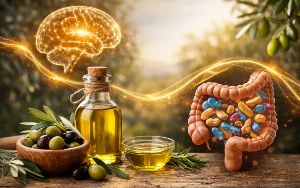
A 2026 study links virgin olive oil consumption to preserved cognitive function, highlighting its role in supporting gut microbiota and healthy brain aging.

My Shopping Cart
A 2026 study links virgin olive oil consumption to preserved cognitive function, highlighting its role in supporting gut microbiota and healthy brain aging.
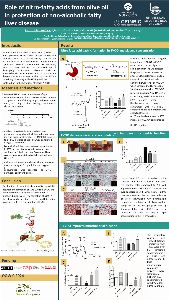
This research poster investigates how nitro-fatty acids derived from extra virgin olive oil contribute to reduced liver fat accumulation and improved mitochondrial function in non-alcoholic fatty liver disease.
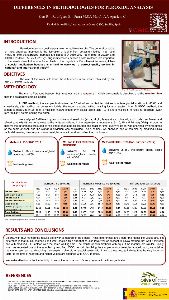
This research poster explores the valorisation of olive pomace through supercritical CO₂ extraction, evaluating antioxidant recovery, polyphenol content and the potential for high-value by-products from olive oil processing waste.
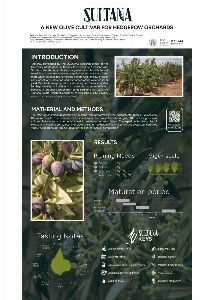
This poster presents research on a newly developed olive cultivar designed for hedgerow orchards, highlighting growth habit, pruning requirements, maturation timing, yield performance and oil quality traits.
This study examines how canopy volume influences olive production per tree and productive efficiency across traditional Portuguese olive varieties, providing guidance for pruning, water use and yield optimisation.
The confirmation that the Wagga Wagga Edible Oils Laboratory will remain operational has been welcomed by Australia’s olive and edible oil industry, providing certainty for testing, compliance, quality assurance and regional producers.
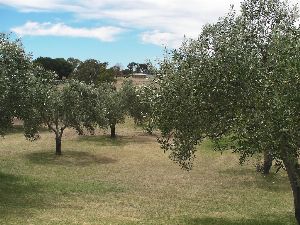
Secoiridoids Boost Stability and Longevity in ‘Corbella’ Extra Virgin Olive Oil. Researchers identify oleacein and oleocanthal as critical secoiridoids that enhance the oxidative stability, antioxidant capacity, and shelf life of ‘Corbella’ Extra Virgin Olive Oil.

At harvest time, it’s easy to get swept up in the rush of processing your olives, but remember... the care you take during harvest and processing will show up in your final product. Lab tests provide a window into the quality and authenticity of your olive oil, helping you meet quality standards and identify areas for improvement.