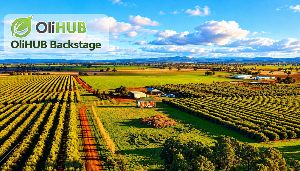
Central NSW olive growers begin developing a coordinated response to the Billimari closure, exploring shared freight, processing capacity, and harvesting strategies for 2027.

My Shopping Cart
Central NSW olive growers begin developing a coordinated response to the Billimari closure, exploring shared freight, processing capacity, and harvesting strategies for 2027.

Nelson's Kakariki Olives and Canterbury's Old French Road claim top honours at the 2026 NZ EVOO Awards following a challenging growing season.

Australian and New Zealand olive oil producers achieve top honours across regional, national, and international 2026 competitions, showcasing exceptional extra virgin quality.
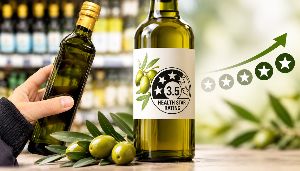
FSANZ assesses over 380 submissions on mandatory Health Star Ratings, as olive growers raise concerns over Category 3 algorithm limits for extra virgin olive oil.
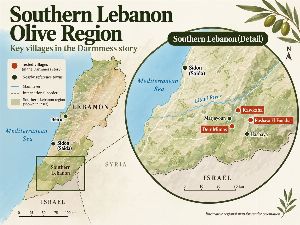
Following the destruction of Darmmess's facility, laboratory testing in Spain confirms the safety of South Lebanese olive oil, replacing regional assumptions with evidence.

Judging for the 2026 Hunter Olive Show is underway at Greta, evaluating extra virgin olive oils and table olives ahead of the October 15 awards presentation.
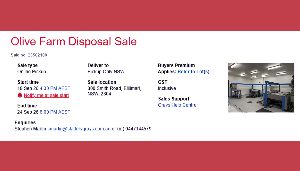
Major processing operation Billimari Olive Processors goes to auction on 18 September, signaling the end of an era and leaving a regional harvesting and processing void.

INVERELL, 3 August 2026 - The Australian olive industry is deeply saddened by the passing of Leslie ‘Les’ Parsons OAM, inaugural President of the Australian Olive Association and one of the founding leaders of the national industry. Les passed away in hospital on the morning of 3 August 2026. For the olive community, Les’s death is the loss of far more than a respected grower or former office-holder.
Billimari Olives will close after two decades, leaving a major contract harvesting and processing gap for olive growers across Central New South Wales ahead of the 2027 season.
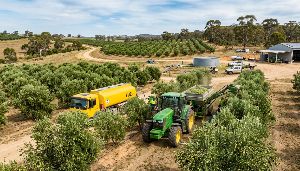
The Australian Taxation Office (ATO) has announced targeted measures for olive producers struggling with rising fuel prices. Available until 30 June 2026, these supports include flexible payment plans, potential interest remission, and PAYG instalment variations. These measures aim to alleviate cash flow pressures on critical operations such as harvesting, irrigation, and freight.