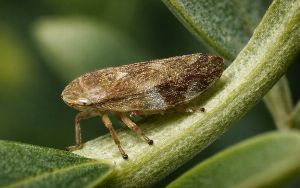
An overview of meadow spittlebug in olive production, its life cycle, monitoring strategies, and its biosecurity importance as a potential vector of Xylella fastidiosa.

My Shopping Cart
An overview of meadow spittlebug in olive production, its life cycle, monitoring strategies, and its biosecurity importance as a potential vector of Xylella fastidiosa.
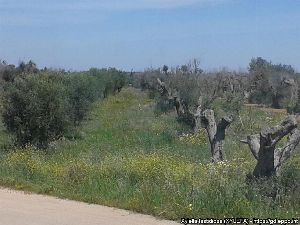
Xylella fastidiosa is one of the most destructive bacterial pathogens affecting olive trees globally. Responsible for Olive Quick Decline Syndrome, it disrupts the tree’s vascular system, leading to canopy dieback, reduced fruit set, and eventual tree mortality. This in-depth guide examines symptoms, insect transmission, containment strategies, resistant cultivars, and the far-reaching economic impact on Mediterranean and global olive production.
Plant diseases can significantly impact olive yield and oil quality if not accurately diagnosed and managed. With over 30 years of experience, Dr. Len Tesoriero provides expert plant pathology services tailored to olive growers. From laboratory diagnostics to integrated disease management planning, his science-based approach helps protect grove health, improve productivity, and ensure long-term sustainability.
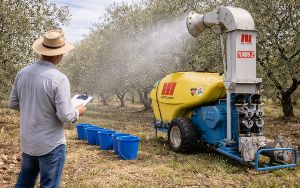
Effective pest and disease management in olive orchards depends on more than simply selecting the correct pesticide. Accurate application is critical. Proper set-up and calibration of spray equipment ensures that chemicals are applied at the correct rate per hectare, in accordance with label requirements, while maximising spray efficacy and minimising waste.
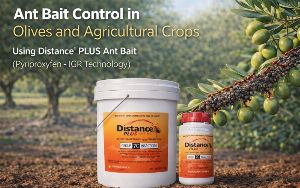
Effective ant management supports biological control of black scale in olive groves. Learn how Distance® PLUS Ant Bait using pyriproxyfen IGR technology fits within Integrated Pest and Disease Management programs.
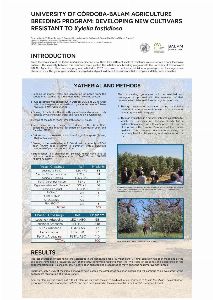
This poster outlines a breeding program focused on developing olive cultivars with resistance to Xylella fastidiosa, detailing methodology, field evaluation and early agronomic results.
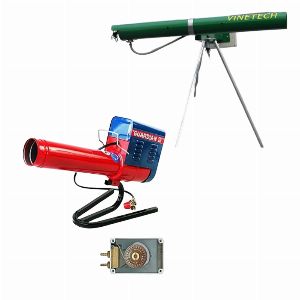
A professional comparison of the Guardian Gas Gun and Vinetech Electronic Bird Scare Gun, outlining operation, sound coverage, control features, compliance, and suitability for agricultural bird control.
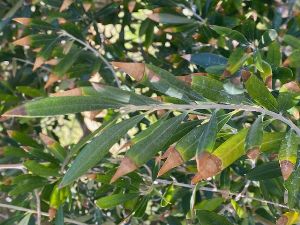
Discover how to diagnose and manage olive leaf tip dieback, a common issue caused by nutrient deficiencies, salinity, or environmental stress. Learn expert strategies for restoring tree health through balanced nutrition, soil and water management, and effective disease prevention — backed by The Olive Centre’s professional resources and products.
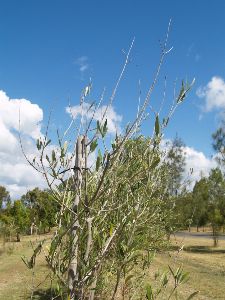
Phytophthora root rot is one of the most destructive diseases affecting Australian olive groves. Caused by several Phytophthora species thriving in waterlogged soils, it can lead to root decay, canopy collapse, and even total tree death if unmanaged. This guide explores how to identify symptoms, contributing factors, and the latest integrated management practices.
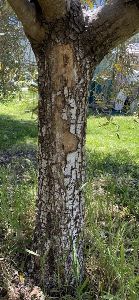
Olive trees are well adapted to hot and dry Mediterranean climates, but even they can suffer from sunburn (also called sunscald) when exposed to intense sunlight, heat stress, or when bark that was previously shaded becomes suddenly exposed. In mature or neglected/abandoned groves - especially those with heavy pruning or thin canopies - the risk can increase significantly.