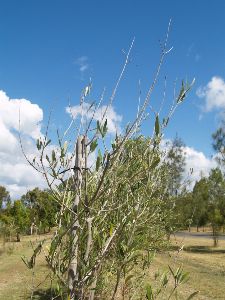
Phytophthora root rot is one of the most destructive diseases affecting Australian olive groves. Caused by several Phytophthora species thriving in waterlogged soils, it can lead to root decay, canopy collapse, and even total tree death if unmanaged. This guide explores how to identify symptoms, contributing factors, and the latest integrated management practices.
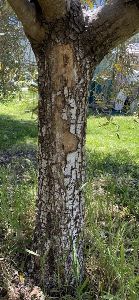
Olive trees are well adapted to hot and dry Mediterranean climates, but even they can suffer from sunburn (also called sunscald) when exposed to intense sunlight, heat stress, or when bark that was previously shaded becomes suddenly exposed. In mature or neglected/abandoned groves - especially those with heavy pruning or thin canopies - the risk can increase significantly.
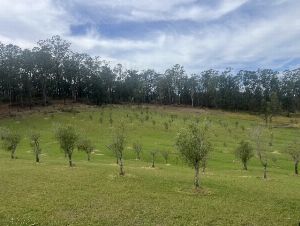
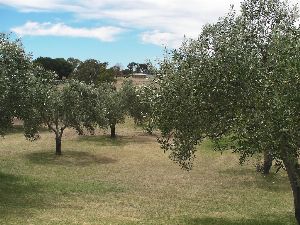
A new grove owner near Taree, NSW, faces challenges reviving a mature olive grove on heavy clay soil in a high-rainfall region. Here’s a practical guide to restoring soil health, drainage, nutrition, and yield. The grove was abandoned and in need of rejuvenation. See what steps can be considered to bring an olive grove back.
Secoiridoids Boost Stability and Longevity in ‘Corbella’ Extra Virgin Olive Oil. Researchers identify oleacein and oleocanthal as critical secoiridoids that enhance the oxidative stability, antioxidant capacity, and shelf life of ‘Corbella’ Extra Virgin Olive Oil.
The IOC’s Sydney program united global experts, producers, and chefs to advance sustainability, quality, and innovation in the olive oil sector.
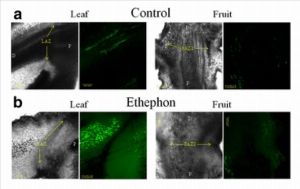
Antioxidants Reduce Leaf Drop in Olive Fruit Abscission Treatments. Research shows antioxidants can protect olive leaves while promoting fruit abscission, making mechanical harvesting more efficient and sustainable... more...
The European Commission forecasts olive oil prices will remain elevated into 2024 as drought, low stocks, and reduced yields pressure EU producers and consumers.
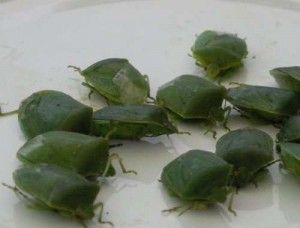
Green Vegetable Bug (GVB), Nezara viridula, is a sap-sucking “stink bug” that is generally considered a minor or sporadic pest in Australian olives. However, under certain conditions - particularly in warm, humid olive-growing regions - GVB infestations have caused severe damage in conjunction with fungal diseases. In northern New South Wales and southeast Queensland, heavy GVB activity combined with anthracnose (olive fruit rot) has led to crop
Discover the main causes of fruit and flower drop in fruit trees and learn practical remedies to reduce losses. Explore solutions like fertilisation, pruning, irrigation management, and pollination support to improve yields and orchard health.
This article explores the direct use of alperujo - olive mill waste - as a soil amendment in olive groves. Backed by an 18-month study in Spain, it evaluates soil impact, carbon levels, and nutrient balance, highlighting the potential of this circular farming practice for small producers. Find out more about Olive Mill Waste.