My Account
Sign-in / Join

Sign-in

Hi My Account

Dashboard

Logout

Cart

My Shopping Cart

Subtotal
${{total.toFixed(2)}}
QUOTE

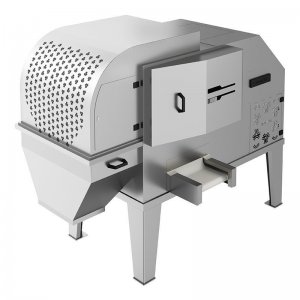
Olive Conveyor Belt – Custom Stainless Steel Transport System

Conveyor belt with ABB motors and Chiaravalli reducers.
Call for Backorder

VC.Belt.Elevator
  • Description
  • Features
  • Enquiry
  • Specifications
  • Documents
  • Knowledge
Olive Conveyor Belt – Custom-Designed Stainless Steel Transport System

The Olive Conveyor Belt is a high-performance, custom-built transport system designed for olives, fruits, and agricultural products. Manufactured from AISI 304 stainless steel, it ensures long-lasting durability, hygiene, and corrosion resistance.


Powered by ABB or Chiaravalli gear motors, the belt features rubber-coated metal rollers for smooth operation and reliable motion control. Optional components, such as a loading hopper and belt-cleaning brush system, provide added functionality for continuous, low-maintenance operation in olive processing and handling environments.
 

Uses
  • Olive industry: Transfer of freshly harvested olives from bins to washing or sorting equipment.
  • Agricultural operations: Handling fruits, vegetables, and bulk produce.
  • Processing facilities: Integration into olive leaf removal or sorting systems.
  • Custom plant layouts: Designed for specific slope, space, and product flow requirements.
  • Industrial and food applications: Transporting solid or semi-solid goods in hygienic environments.
Features
 
  • Material: AISI 304 stainless steel
  • Model: TNX
  • Width Options: 450 mm, 600 mm, 800 mm, or 1000 mm
  • Length: Customisable per facility requirements
  • Motor & Reducer: ABB and Chiaravalli – European quality assurance
  • Drive Mechanism: Two rubber-coated rollers (one connected to gear motor)
  • Power Supply: 400 V, 50 Hz, 3F+T line
  • Capacity: Variable depending on configuration
  • Accessories: Optional loading hopper and belt-cleaning brush
  • Hygiene: Stainless-steel frame with food-grade belt options
  • Design Purpose: Reliable transport with minimal maintenance
Compatibility

The Olive Conveyor Belt can be integrated with:
  • Olive leaf removers and sorting systems
  • Fruit and vegetable washing lines
  • Processing conveyors for transport between crushers, destoners, and malaxers
  • Custom automation setups within olive mills or agricultural packaging plants
The modular stainless-steel design allows seamless connection to both existing and new production lines, ensuring operational efficiency and adaptability.

Why Choose This Product

This conveyor system is ideal for producers seeking a custom-engineered transport solution that combines hygiene, strength, and flexibility. Its AISI 304 stainless-steel structure guarantees resistance to corrosion and wear, even in moist or food-handling environments.

By using ABB and Chiaravalli components, it ensures dependable performance and minimal downtime. Designed for easy cleaning and smooth product transfer, the Olive Conveyor Belt offers both quality assurance and production efficiency for olive mills and agricultural processors.
 
Specification Value
Capacity Variable (based on configuration)
Electric Motor Variable – ABB or Chiaravalli gear motor
Material AISI 304 Stainless Steel
Model TNX
Length Custom-built to suit facility layout
Width 450 mm / 600 mm / 800 mm / 1000 mm
Height Variable (according to installation)
Weight Variable
Voltage 400 V
Frequency 50 Hz
Power Line 3F + T

Frequently Asked Questions


Features
  • Material: AISI 304 stainless steel
  • Motor & Reducer: ABB or Chiaravalli – European precision engineering
  • Width Options: 450 mm, 600 mm, 800 mm, and 1000 mm
  • Drive Mechanism: Two rubber-coated metal rollers
  • Power Source: 400 V, 50 Hz, 3F+T power line
  • Accessories: Optional hopper and belt-cleaning brush
  • Capacity: Variable depending on belt configuration
  • Finish: Hygienic, easy-to-clean stainless-steel surface
  • Application: For olives, fruits, and general produce transfer
  • :
  • :
  • :
  • :
  • :
  • :
  • :
  • :
  • :
  • :
  • :
File Title File Description Type Section
Clemente_Belt_Conveyor-Belt.pdf CLEMENTE Belt Elevator Conveyor Brochures Document

The Svalbard Global Seed Vault Receives Olive Seeds for the First Time

OLIVE GENETIC PRESERVATION

The Svalbard Global Seed Vault Receives Olive Seeds for the First Time


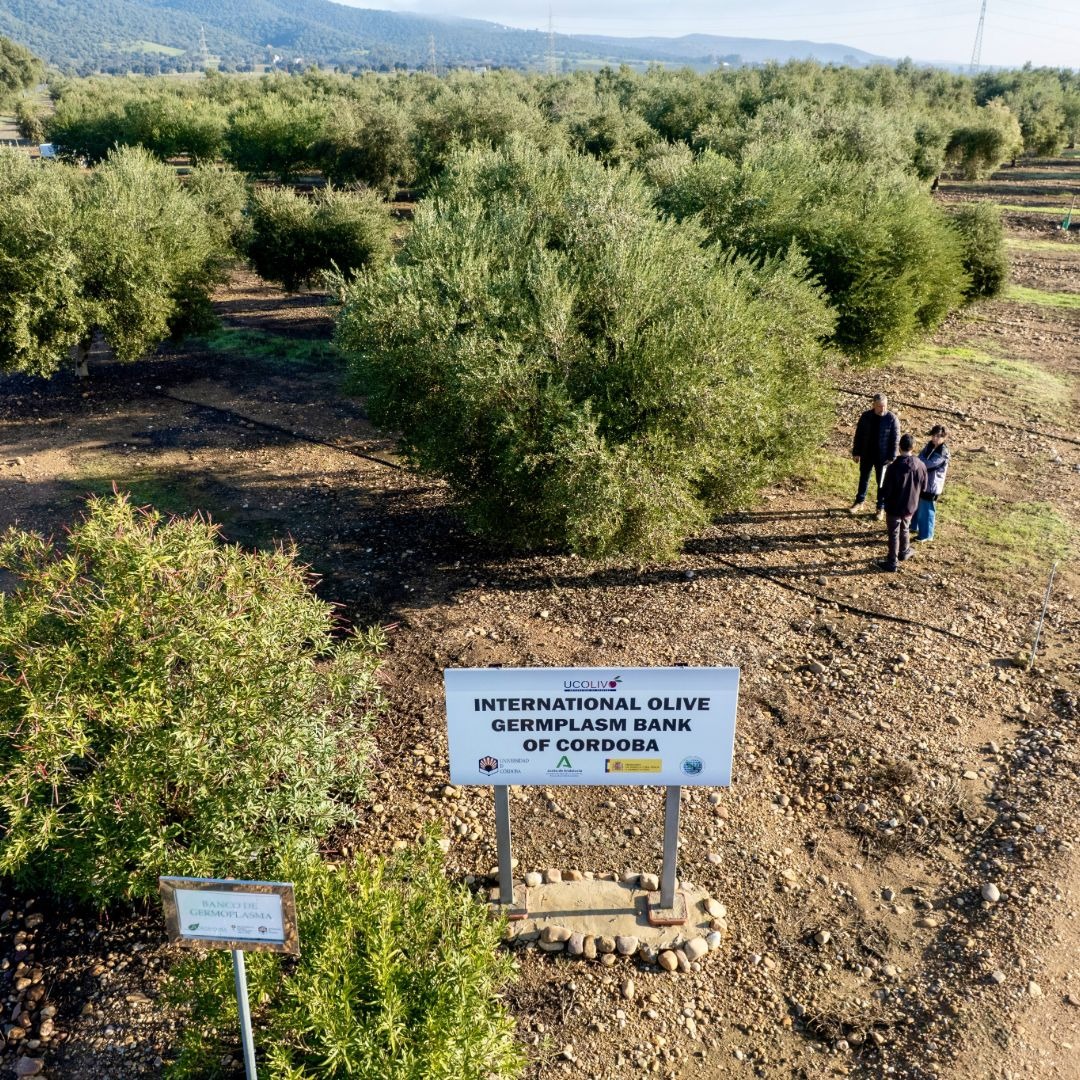
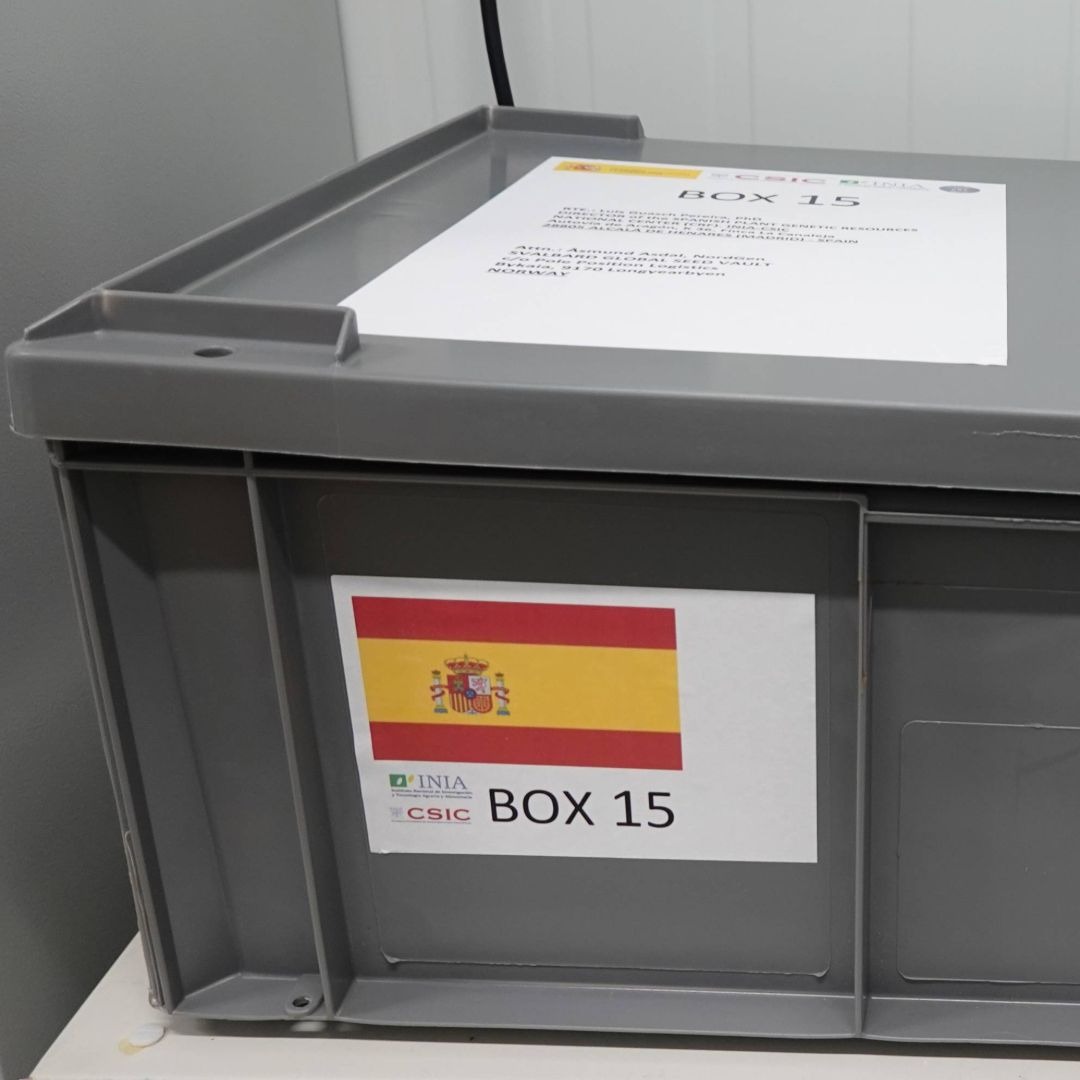
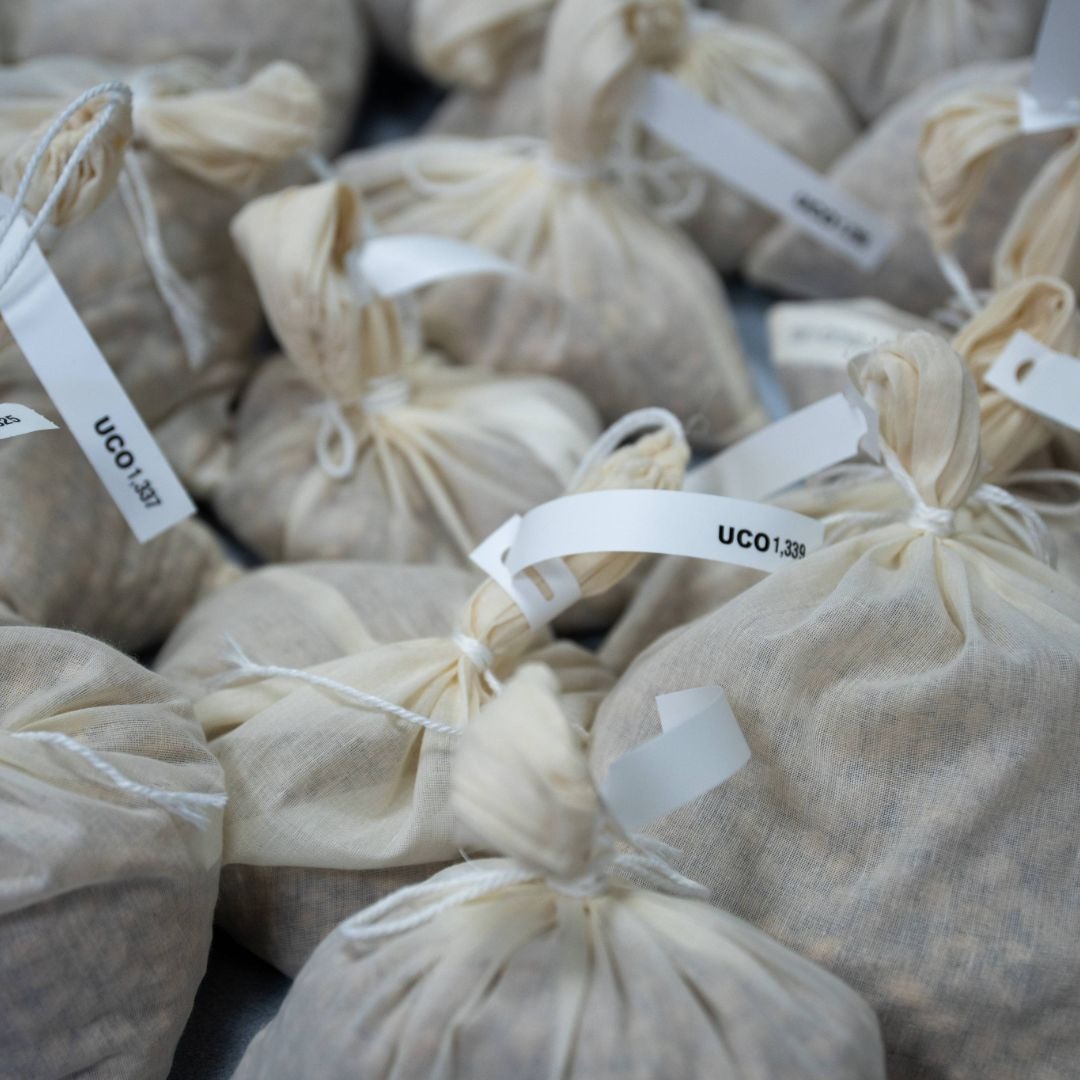
In a landmark moment for global agricultural preservation, olive seeds have been deposited for the first time in the Svalbard Global Seed Vault - the world’s most secure facility for safeguarding crop diversity.

Located deep within the Arctic permafrost of Norway’s Svalbard archipelago, the Seed Vault serves as a global backup system for the planet’s agricultural biodiversity. Often described as the “doomsday vault,” it protects seeds against the risks of climate change, natural disasters, conflict, and biodiversity loss.

Now, for the first time in history, olive seeds are part of that global legacy.

A Historic Milestone for the Olive Sector

The deposit marks a significant step forward in protecting one of the world’s most iconic and culturally important crops. Olive trees have sustained civilizations for thousands of years, symbolising peace, resilience and nourishment. Preserving their genetic diversity ensures that this legacy continues for generations to come.

Jaime Lillo Lopez, Executive Director of the International Olive Council (IOC), highlighted the importance of the moment:

“The seeds we have deposited are the legacy of farmers who, throughout history, selected the most resistant trees - those that produced the best fruit or adapted to diverse soils, climates and diverse conditions. These seeds are a guarantee that future generations will continue to enjoy such an extraordinary product as olive oil.”

His words underscore what this deposit truly represents: not just seeds, but centuries of accumulated knowledge, adaptation, and agricultural selection.

A Global Collaboration for Agricultural Resilience


This initiative was launched within the framework of the European H2020 GEN4OLIVE project, a research programme dedicated to unlocking and conserving olive genetic diversity. It was subsequently promoted by the IOC, the Food and Agriculture Organization of the United Nations (FAO), and Spain’s Ministry of Agriculture, Fisheries and Food.

The collaboration extended to leading academic and research institutions, including:

  • Universidad de Córdoba (UCO)
  • Universidad de Granada (UGR)
  • Plant Genetic Resources Centre (CRF-INIA)
  • National Institute for Agricultural and Food Research and Technology (INIA)
  • Spanish National Research Council (CSIC)
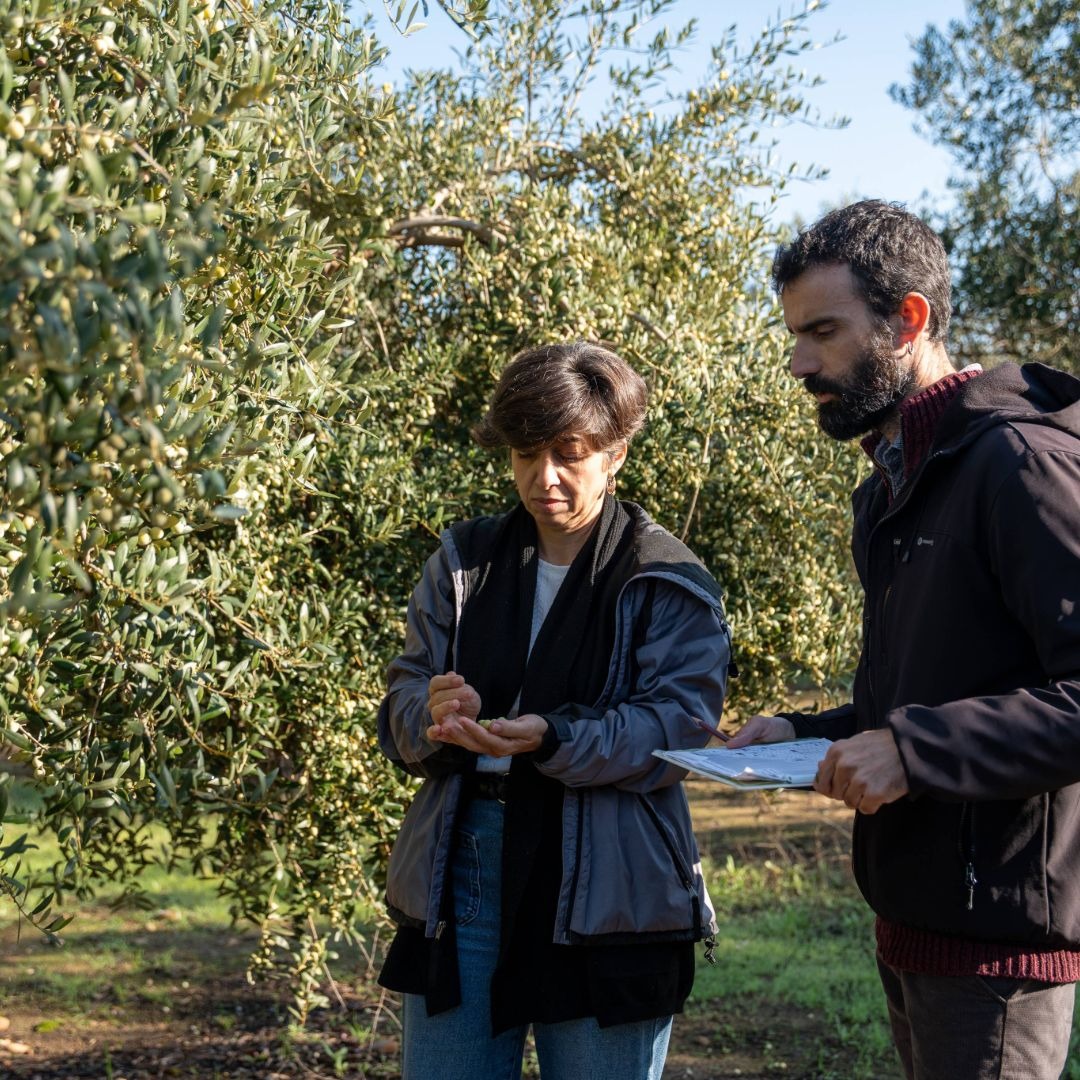
This broad coalition demonstrates that conserving traditional and wild olive varieties is not merely a scientific exercise - it is a collective commitment to strengthening agricultural resilience and ensuring long-term food security.

Organisations such as NordGen and the Crop Trust, along with representatives including Juan Antonio Polo Palomino, Abderraouf Laajimi, Álvaro Toledo, Dr. Kent Nnadozie, Concepción Muñoz Diez, Hristofor Miho and Pablo Morello Parra, also played key roles in bringing this milestone to fruition.

Olive Genetics

For olive growers and producers worldwide, this development carries profound implications.

Olive trees are uniquely adapted to marginal soils, water scarcity, and variable climates. However, increasing pressures from:

  • Climate variability
  • Emerging pests and diseases
  • Water limitations
  • Soil degradation
  • Shifting production zones
Make genetic diversity more important than ever.

Traditional and wild olive varieties contain traits that may hold the key to:

  • Improved drought tolerance
  • Disease resistance
  • Adaptation to new climatic conditions
  • Enhanced oil quality characteristics
  • Resilience to environmental stress
By preserving these genetic resources in the Svalbard Global Seed Vault, the industry is effectively safeguarding a toolbox for future breeding, research and innovation.

From Mediterranean Heritage to Arctic Safeguard


The symbolic power of Mediterranean olive genetics being stored in Arctic ice is profound. It reflects the global importance of olives - no longer confined to traditional growing regions but increasingly cultivated across diverse climates worldwide.

As olive production expands into new regions, including areas facing climatic volatility, the value of preserved genetic material grows exponentially. The Svalbard deposit ensures that even in worst-case scenarios, the genetic foundation of the olive sector remains secure.

A Commitment Beyond Science

This initiative goes beyond seed banking.

It represents recognition that agricultural biodiversity is a shared global responsibility. Farmers, researchers, governments, and international organisations are united by a common understanding: safeguarding crop diversity is essential for future food systems.

The olive industry - deeply rooted in tradition - is demonstrating that it is equally committed to innovation, resilience and long-term stewardship.

Securing the Future of Olive Oil

For growers, processors, and industry stakeholders, this historic deposit sends a message: the olive sector is planning for the long term.

Preserving traditional and wild varieties ensures that future generations will continue to:

  • Cultivate olives in changing climates
  • Maintain oil quality standards
  • Protect regional characteristics and heritage
  • Develop improved cultivars
  • Sustain global olive oil production
The olive tree has endured for millennia. By placing its seeds in the world’s most secure seed vault, the global community has taken a decisive step to ensure it thrives for millennia more.

Leipzig Australia Plans $80M Olive Grove and Business Precinct in South Australia


MAJOR GROVE EXPANSION

Leipzig Australia Plans $80M Olive Grove and Business Precinct in South Australia

A concept image for the proposed olive oil plant. Photo: Leipzig Australia.

Leipzig Australia, led by chief executive Frank Vounasis, has unveiled plans for an $80 million olive grove development near Waikerie in South Australia.

The proposed project, known as Waikerie Grove, would span 1,000 hectares and become the state’s largest olive grove. It is expected to include approximately 357,000 olive trees and produce up to 2.8 million litres of olive oil annually.

Photo: Leipzig Australia.

The development is projected to create 20 full-time positions and around 70 seasonal jobs. Management of the grove will be handled by Diana Olive Oil, supported by a 30-year supply agreement with an ASX-listed distributor.

In addition to the grove, Leipzig Australia has proposed rezoning 300 hectares of nearby land to establish an employment precinct called Waikerie Park. Plans for the precinct include an olive-crushing plant and potential complementary businesses such as an abattoir, solar farm and nursery. The broader precinct is forecast to generate 346 full-time jobs and contribute approximately $38.4 million annually to the local economy. 

According to Mr Vounasis, the olive grove will proceed regardless of whether rezoning for the employment precinct is approved. The project includes plans for a 10-13 kilometre pipeline drawing up to 900 litres per second from the River Murray to support operations.

If successful, a second 600-hectare plantation may also be developed. The rezoning proposal will now move to community consultation before being considered by the South Australian Government.

Source: The Greek Herald 30 / 12 / 2025, originally reported by The Advertiser.

Solar Parks vs Olive Groves: What’s Really Happening in Spain’s “Sea of Olives”

Spain’s push for solar energy is creating tensions in Andalusia as photovoltaic projects overlap with major olive-growing landscapes.
Please log in to view the entire article

New Grocery Supply Rules Start April 2026: What Olive Growers Need to Know

New mandatory grocery supply rules start applying from 1 April 2026, bringing stronger contract, pricing and dispute protections for olive growers supplying major supermarkets.
Please log in to view the entire article

Seed Oils vs Extra Virgin Olive Oil: What the Science Says

An evidence-based comparison shows extra virgin olive oil is more stable, less processed and richer in beneficial compounds than most seed oils.
Please log in to view the entire article

U.S. Olive Oil Market Faces Policy Crossroads as Standards, Tariffs and Trust Take Centre

U.S. Olive Oil Market Faces Policy Crossroads as Standards, Tariffs and Trust Take Centre Stage
Please log in to view the entire article