My Account
Sign-in / Join

Sign-in

Hi My Account

Dashboard

Logout

Cart

My Shopping Cart

Subtotal
${{total.toFixed(2)}}
QUOTE

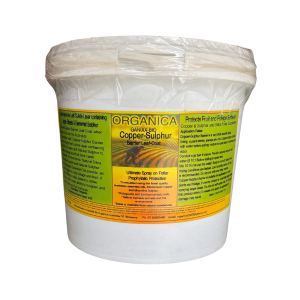
Copper Barrier Spray by Organica Australia

Protective micro-film spray
Volume Pack Size
Quantity

EAOACB
  • Description
  • Features
  • Enquiry
  • Specifications
  • Knowledge
  • Blog
Copper Barrier Spray | The Olive Centre – Fungal & Bacterial Protection with Silica and Essential Oils

Copper Barrier Spray by Organica Australia is an advanced foliar protectant formulated with micronised copper silicate, soluble silica, and natural Australian essential oils. Designed to create a fine, breathable barrier over plant foliage, it helps defend against fungal and bacterial diseases while supporting the plant’s natural immune system. The unique micro-fine latex formulation forms a flexible protective film that prevents pathogens from contacting plant tissue, while allowing air and nutrient exchange through stomatal pores. This dual-action system enhances both disease prevention and foliar health, making Copper Barrier ideal for organic growers seeking a natural, non-toxic alternative to conventional protectants.

Uses

Copper Barrier Spray provides reliable protection for a wide variety of fruit trees, vegetables, ornamental plants, and vines. It is used as a preventative treatment against fungal and bacterial infections such as leaf spot, mildew, and blight. The inclusion of soluble silica strengthens cell walls and boosts plant immunity, while the copper content helps correct copper deficiencies that can compromise plant resistance. Its flexible, micro-latex film ensures that treated foliage continues to breathe and photosynthesise, maintaining healthy growth even under high disease pressure.

How It Works

Copper Barrier operates through a dual-action protection system. When sprayed, the organic micro-latex forms a thin, elastic coating over the leaf surface, serving as a physical barrier against airborne fungal spores and bacterial propagules. These pathogens are unable to penetrate the film or establish infection, effectively halting disease development before it begins. The micronised copper silicate particles embedded within the latex layer enhance this protection by inhibiting microbial activity, while the added soluble silica strengthens the plant’s own structural defences. The layer remains permeable, ensuring that gas exchange and nutrient absorption are unaffected.

Application Guidelines

Shake or stir thoroughly before use to ensure even distribution of suspended ingredients. Dilute the product with clean water according to crop type and disease pressure. For most applications, a dilution rate of 1 part Copper Barrier to 50–100 parts water is suitable. Apply using standard foliar spray equipment, ensuring complete coverage of upper and lower leaf surfaces. For preventative use, reapply every 7–14 days or after heavy rain. Copper Barrier may be mixed with other compatible biological or mineral products but should not be combined with highly acidic or alkaline materials. Always clean spray equipment after use to prevent build-up.

Technical Specifications
 
Specification Details
Active Ingredients Micronised Copper Silicate, Soluble Silica, Australian Essential Oils
Formulation Type Micro-fine natural latex suspension
Mode of Action Forms physical barrier to prevent pathogen contact with foliage
Function Fungal and bacterial prophylactic protection; copper nutrient supplement
Country of Manufacture Australia (Queensland)
Manufacturer Organica Australia Pty Ltd
Packaging 5 L drum = 6.4 kg (dimensions: 30 × 30 × 23 cm)

Organica Product Packaging & Weight Specifications

Container Type Dimensions (cm / m) Weight Range Notes
20 Litre Drum 23 × 30 × 40 cm 23–27 kg (varies by product) Standard size for smaller quantities of Organica liquid formulations.
20 Litre Bucket 30 × 30 × 40 cm 23–27 kg (varies by product) Used for Organica paste, suspension, or heavy nutrient blends requiring a wider base.
200 Litre Drum 1.2 × 1.2 × 1.2 m 240–300 kg Commonly used for bulk product supply to farms and distributors.
1000 Litre IBC 1.2 × 1.2 × 1.2 m 1.2–1.6 tonnes Ideal for large-scale agricultural applications and long-term storage of Organica liquid nutrients.

*All weights are approximate and may vary depending on the Organica product composition and density.

Environmental & Safety Information

Copper Barrier Spray is formulated from organic-certified ingredients and is safe for use in environmentally sensitive areas. It contains no synthetic fungicides or harmful solvents and poses minimal risk to beneficial insects, pollinators, and soil microorganisms. The formulation’s natural latex and essential oils are biodegradable, ensuring that treated plants and soils remain free from chemical residues. Users should wear gloves and protective eyewear during spraying and avoid applying under extreme heat or strong sunlight to prevent film streaking.

Why Choose Copper Barrier Spray

Copper Barrier offers an innovative approach to disease prevention by combining natural plant-based barriers with proven mineral protection. Unlike traditional copper sprays, it forms an active shield that supports plant vitality while preventing infection. It is especially valued in organic and regenerative farming systems, where maintaining microbial balance and plant health is essential. With the added benefits of silica enhancement and natural essential oils, Copper Barrier Spray provides lasting protection and resilience without compromising crop quality or environmental integrity.

Frequently Asked Questions


Key Features
  • Contains micronised copper silicate for enhanced antifungal and antibacterial action
  • Enriched with soluble silica to strengthen cell walls and improve plant resilience
  • Infused with Australian essential oils for natural protective synergy
  • Forms a micro-fine latex barrier that prevents pathogen penetration
  • Non-toxic, organic-compliant formulation suitable for sustainable agriculture
  • Allows respiration, photosynthesis, and foliar nutrient uptake
  • Can help address copper deficiency while providing preventative protection
  • Made in Queensland, Australia, from premium biological ingredients
  • :
  • :
  • :
  • :
  • :
  • :
  • :

Anthracnose in Australian Olives: Identification, Impact & Management

INSIGHT FROM PLANT PATHOLOGY SPECIALISTS

Anthracnose in Australian Olives: Identification, Impact & Management

Introduction to the Problem

Anthracnose is one of the most damaging diseases of olive fruit, caused by several Colletotrichum fungi. In Australia and worldwide, this disease leads to fruit rot, premature fruit drop, and a severe decline in yield and olive oil quality. It tends to strike as olives ripen, posing a serious threat to production - infected olives often fall before harvest and yield only turbid, highly acidic oil of poor quality. Anthracnose is especially problematic in humid olive-growing regions; in Australian groves of susceptible cultivars like Barnea, Manzanillo, or Kalamata, up to 80% of the fruit can be affected in a bad season. The fungus can persist from season to season on plant material, so without proactive management, the disease pressure builds over time. Urgent pre-harvest action is critical, as waiting until symptoms explode at harvest is often too late to save the crop.

Symptoms and Disease Progression 

Olive fruit with anthracnose showing a soft, circular shoulder lesion oozing orange-pink spore masses. As olives approach maturity, anthracnose infection becomes visible as soft, sunken brown rot spots on the fruit (often near the shoulder). Under high humidity, these fruit lesions exude telltale gelatinous, orange or salmon-pink masses of spores on the surface. Affected olives start to look water-soaked or greasy – a symptom sometimes called “soapy olive” due to the slimy appearance. In the early stages, the rot may be localised, but it rapidly expands, causing the olive to collapse into a soft mush. Infections can develop and produce new spore masses very quickly (within about 4 days on a ripe fruit in moist conditions), meaning a small outbreak can turn into a major fruit rot epidemic in under a week if the weather is conducive.

Advanced anthracnose on olives – the fruit has shrivelled, browned, and begun to mummify on the tree. As the disease progresses, many infected olives shrivel, turn brown or black, and dry up. These mummified fruit often remain clinging to twigs or fall to the ground. Clusters of olives on a branch may all become infected, creating a concentration of spore-producing mummies (as shown in the image). Such dried, mummified fruit is a hallmark of late-stage anthracnose and serves as a reservoir of the fungus. In severe cases, you may find twig dieback associated with heavy fruit infection – the fungus can invade pedicels and stems, causing leaves on that shoot to wilt and die. Anthracnose can also occasionally infect flowers in spring (blossom blight), causing brown, withered blooms that drop off, though early symptoms often go unnoticed. Generally, olives show no external sign of infection until they begin to ripen, at which point lesions erupt and spore masses spread to neighbouring fruit in the canopy. 

Olive branch with multiple anthracnose-infected fruit. Many olives exhibit dark, sunken lesions and fungal spore masses, and some have dried into mummies. Without intervention, an anthracnose outbreak can escalate rapidly as harvest time nears. Infected olives may drop to the ground in large numbers, resulting in direct yield loss. Those that remain on the tree are often unusable – when pressed, they yield oil with elevated free fatty acids and unpleasant flavours, unsuitable for extra virgin grade. The disease cycle can carry over into the next season via the persistent mummified fruit and any infected twigs left on the tree, so the severity may increase each year if not managed. Thus, recognising anthracnose symptoms early (and implementing controls) is vital to preventing extensive crop and quality losses. 

Biology and Infection Cycle of Colletotrichum in Australia 

Anthracnose in olives is caused by a complex of fungi in the genus Colletotrichum. Traditionally, C. acutatum and C. gloeosporioides were identified as the culprits, but taxonomists have since split these groups into multiple species. In Australia, at least three Colletotrichum species are known to cause olive anthracnose (C. acutatum, C. gloeosporioides, and C. simmondsii), with additional species reported overseas. All produce a similar syndrome on olives. The pathogen’s life cycle allows it to survive between seasons and infect the host at multiple points: - Overwintering: The fungus persists on infected plant debris, especially mummified olives that remain on the tree or ground, and can also survive in infected twigs or leaves. These serve as the primary inoculum sources in the new season. The fungi form masses of conidia (spores) on these residues, which are spread by winter and spring rains. (Insects and birds can also passively transfer some spores on their bodies, though rain-splash is the main dispersal mechanism.)

  • Primary infection in Spring: During spring, when olive trees flower and set fruit, the anthracnose spores germinate and infect flowers, young fruit, and sometimes leaves. Prolonged wetness is required – at least 24–48 hours of moisture on the tissues – and moderate warmth (10–25 °C, with an optimum around 17–20 °C) for infections to occur. If wet, humid weather coincides with bloom or fruit set, the fungus can invade these tissues. Notably, infections at this early stage remain latent: the fungus may colonise the surface or tissue of the olive without immediate symptoms. The young fruit typically continues to develop normally over summer, harbouring quiescent infections. (Latent infection is why anthracnose is considered a “stealth” or latent disease – the damage often isn’t apparent until much later .) Leaves or shoots that become infected in spring may show some lesions or dieback, which can further harbour the pathogen. 
  • Secondary infection cycles: As autumn arrives and fruits begin to ripen, the latent infections activate. If rain or heavy dew events occur in the ripening period, those initially infected olives swiftly develop the characteristic rot and spore masses. The now-symptomatic fruit becomes a new spore source, releasing millions of conidia that rain-splash onto other olives, causing secondary infections on any remaining healthy fruit. Warm, wet weather during the harvest period greatly accelerates this cycle – new infections can produce a new generation of spores in just a few days under ideal conditions. This can lead to an exponential spread in the canopy just when the fruit is nearing maturity.
  • Cycle continuation: After harvest, any infected fruit left behind will mummify and retain the fungus. These mummies (along with infected twigs or leaves) carry the pathogen through winter. The following spring, they kickstart the cycle again by releasing spores with the rains. The disease may thus build up each year if infected material isn’t removed, especially in climates where frequent spring/ autumn rains provide regular infection opportunities. 
It’s important to note that olive cultivar susceptibility plays a role in the infection cycle. Some varieties tolerate latent infections with less damage, while others suffer quick and severe disease. Australian experience has shown that Barnea and Manzanillo are highly susceptible, often sustaining heavy losses, whereas Arbequina and Picual are relatively more resistant. (However, resistance is not absolute – in some wet years, even Arbequina and Picual have shown significant infection overseas .) The planting density and canopy structure also affect the microclimate, and thus the progression of anthracnose – dense, shady canopies or super-high-density plantings tend to retain moisture and can see faster epidemic development. Overall, anthracnose thrives when a susceptible host, the pathogen, and conducive weather coincide, following the classic disease triangle of host–pathogen– environment. 

Impacts on Oil Quality and Yield

Anthracnose directly reduces olive yields and can essentially ruin the crop’s marketable value. Infected flowers may lead to blossom drop or poor fruit set, and later infection causes fruit rot and drop before harvest. It’s not uncommon for heavily infected trees to lose a large portion of their olives to the ground before picking. Those fruits that remain on the tree are often badly rotted or desiccated and contribute little to the yield. Australian growers have reported crop losses ranging from 10–50% in moderate outbreaks to nearly total loss in extreme cases on very susceptible cultivars.

Quality degradation is a major concern even for the portion of the crop that can be harvested. Oil produced from anthracnose-infected olives is of much lower quality than oil from healthy fruit. The rotting process raises the free fatty acid levels and peroxides in the fruit, resulting in rancid or “fusty” off-flavours and high acidity in the oil. Even a relatively small percentage of diseased olives in a press batch can downgrade the entire lot of oil. For example, field observations suggest that if around 15–20% of the olives going into the mill are anthracnose-infected, the oil will likely fail to meet Extra Virgin standards. In practice, oils from anthracnose-affected fruit are often only suitable for lampante (non-food) oil due to excess acidity and defects. Aside from acidity and flavour issues, the pigments from the fungal decay can give the oil an abnormal dark, cloudy appearance (sometimes described as a reddish or brownish turbid oil). This makes anthracnose not only a yield robber but also a threat to achieving quality premiums — growers may end up with substantially reduced income even from the portion of the crop that is salvaged.

Additionally, severe anthracnose can cause longer-term impacts on the olive trees themselves. Heavy defoliation or twig dieback from infection can weaken trees and reduce the following year’s flowering wood. Repeated epidemics in successive years, therefore, can have a cumulative debilitating effect on orchard productivity. For all these reasons, anthracnose is considered a critical disease to manage for both yield and quality – preventing the disease is far more effective than trying to salvage a heavily infected crop at the last minute.

Conditions that Favour Disease Spread 

Anthracnose thrives under specific environmental conditions that are unfortunately common in parts of Australia. The fungus requires moisture and warmth to infect and spread. Extended periods of leaf wetness (from rain, heavy fog/mist, or even over-irrigation) are the single biggest factor driving outbreaks. Spores germinate and penetrate olive tissues only when free water is present for many hours. Thus, a prolonged autumn rain or back-to-back days of drizzle and dew can trigger a wave of new infections just as fruit is ripening. The disease is favoured by high humidity and rainy weather at temperatures around 10–25 °C. The optimal temperature for anthracnose development is about ~18 °C (typical of mild humid spring or autumn days), but infection can occur over a broad cool–warm range as long as moisture is available. Hot, dry conditions, on the other hand, tend to suppress the disease, which is why anthracnose is seldom a problem in arid inland groves or during drought years.

Climatically, anthracnose is most severe in regions with summer or early autumn rainfall patterns. In Australia, groves in parts of Queensland and New South Wales (where warm-season rains and humid late summers are common) experience much higher anthracnose pressure than those in Mediterranean-type climates (e.g. South Australia or Western Australia’s olive regions with dry summers). A sudden unseasonal rain spell before harvest in an otherwise dry area, however, can still cause localised outbreaks, so no region is completely immune if the weather turns wet at the wrong time. 

Within the grove, microclimate and cultural conditions also influence disease spread: - Canopy Density and Airflow: Trees that are densely foliated or closely planted retain more moisture in the canopy after rain. Poor air circulation means fruit and leaves stay wet longer, greatly increasing infection risk. It’s been observed that high-density and super-high-density plantings can see faster anthracnose development compared to widely spaced trees. Similarly, unpruned trees with dense interiors create a humid microclimate ideal for the fungus.

  • Overhead Irrigation and Drainage: Overhead sprinkler irrigation or lack of drainage can simulate the prolonged wetness that anthracnose loves. Continual wetting of foliage/fruit (or waterlogging, which increases humidity) will favour the disease. Growers in anthracnose-prone areas should avoid excessive overhead watering, especially as fruit nears maturity. 
  •  Inoculum Levels: If the grove had a history of anthracnose and many mummified fruits remain, even a short wet period can lead to a quick flare-up because there are abundant spores ready to go. Conversely, a grove that’s never had anthracnose might withstand a brief rain with minimal infection (due to lack of spores present). Unfortunately, once anthracnose establishes, spore inoculum tends to accumulate year over year if not aggressively managed. This is why the disease can seem minor initially, then “explode” after a couple of conducive seasons.
  • Cultivar Susceptibility: As noted, certain olive varieties are more prone to infection. Having a block of a very susceptible cultivar increases the likelihood of disease spread (and even nearby less-susceptible trees can receive a high spore load from those infection centres). For instance, if Barnea trees (highly susceptible) are mixed in an orchard, they can act as a nucleus for anthracnose in a wet year, spreading spores to neighbouring rows. 
In summary, warm, wet and humid conditions are the recipe for anthracnose. A “perfect storm” scenario would be a late summer/autumn period with frequent rainfall or heavy dews, mild night temperatures, and an orchard with dense canopies and lots of leftover infected fruit – under those conditions, anthracnose can cause devastating epidemics. Recognising these risk factors allows growers to take preventive steps (like spraying ahead of forecast rain, or pruning for airflow) to mitigate the disease. 

Integrated Management Strategies 

Managing olive anthracnose in Australia requires an integrated approach, combining cultural practices, careful monitoring, and strategic use of fungicides. The goal is to prevent or greatly reduce infections before they take hold, because once the fruit is rotting, options are limited. Below are key strategies: 

Cultural Controls (Orchard Hygiene & Canopy Management)

The foundation of anthracnose management is reducing the sources of the fungus and making the canopy less hospitable to it. A top priority is orchard sanitation: - Remove and destroy mummified fruit – After harvest (and even during the season), growers should remove any dried, blackened “mummy” olives that remain on the trees. These mummies are loaded with spores and will rain down infection in the next wet spell. Table olive growers often hand-pick remaining fruit; oil olive growers may need to strip or knock off leftover fruit and rake up fallen ones. Completely removing them from the grove or deep-burying them helps break the cycle. It’s laborious, but it can significantly cut back spring spore inoculum. 

  • Prune for an open canopy – Regular pruning to increase air flow and sunlight penetration into trees is critical. An open canopy dries faster after rain, reducing the wetness duration that the fungus needs. Pruning also lets fungicide sprays penetrate more effectively. Remove dense interior shoots and any dead or diseased twigs (those with dieback or remaining fruit stems from infected olives) and destroy that pruned material off-site. Pruning is best done during the dry season or winter dormancy; avoid pruning in wet conditions to prevent spreading spores on tools (disinfect pruning equipment if anthracnose is present). Proper canopy management not only helps with anthracnose but also improves overall tree health and productivity.
  • Avoid highly susceptible cultivars in high-risk areas – Where possible, choose olive varieties that are less prone to anthracnose if you are planting in a humid or summer-wet region. For example, Barnea has shown extreme susceptibility in Australia, so it may be wise to avoid planting Barnea in anthracnose-prone climates. If you already have susceptible varieties, be extra vigilant with those blocks – they might need more intensive monitoring and fungicide protection. In contrast, more tolerant varieties (like Picual or Frantoio) can be planted in higher-pressure areas with a lower risk of severe loss (though not zero). 
  • General grove hygiene – Clean up leaf litter and dead wood, as these can harbour other pathogens that might complicate disease management. While Colletotrichum primarily overwinters in fruit mummies, a healthy, well-maintained grove will better resist all diseases. Also, sanitise picking bins and equipment that might carry spore-laden pulp or debris from an infected grove to a clean one. It’s rare but possible to transfer anthracnose via contaminated equipment or clothing, especially when handling squashed infected fruit, so if moving between groves, basic sanitation can’t hurt. 
Monitoring and Early Warning:
  • Regular monitoring is vital to time interventions and assess effectiveness: - Inspect trees at key times – From spring through harvest, growers should routinely scout the orchard. In spring, check for any blossom blight or early fruitlet rot (though uncommon, flag it if seen). More critically, as fruit begins to ripen (colour change), inspect a sample of olives closely each week for any tiny brown sunken spots or signs of orange spore ooze. Early detection of a few infected fruit can warn you that anthracnose is active, giving a chance to act (for instance, applying a fungicide before it explodes). Look especially in the denser parts of trees and lower branches, where humidity is higher.
  • Weather monitoring – Pay close attention to weather forecasts, especially in the lead-up to harvest. If a significant rainfall event or period of high humidity is predicted when olives are near ripe, consider protective measures (like a preventative spray) ahead of that weather. Some growers use disease forecasting models based on temperature and leaf wetness duration – while formal models for olive anthracnose are still under development, a practical approach is to note when conditions (e.g. two days of rain with mild temperatures) could trigger infections and treat proactively. 
  • Spore trapping or lab testing – In research settings, spore traps or monitoring kits can detect Colletotrichum spores in the orchard air. While not commonly used by growers, knowing spore presence could theoretically guide sprays. More pragmatically, growers can send suspicious fruit samples to a lab (or DPI pathologist) for confirmation if unsure whether a fruit rot is anthracnose or something else. But typically, the field signs (orange-pink spore masses on rotting fruit) are distinctive enough for on-site diagnosis.
  • Record and learn – Document which blocks or varieties get anthracnose and under what conditions. Often, the disease will start in one part of a grove (for example, a low-lying section that stays damp or a block of a vulnerable cultivar). Identifying these hotspots allows targeted management – you might spray those sections first or more frequently, or harvest those blocks early to minimise exposure.
Chemical Controls (Fungicides): 

Chemical intervention is an important tool, used in conjunction with the above cultural practices and guided by monitoring. Fungicides are most effective when applied preventatively or at the very earliest stage of infection, rather than trying to “cure” heavily diseased fruit. In Australia, there are a few fungicide options available (see next section for specific products). Spray timing and coverage are critical: - Protective sprays around flowering and fruit set: Research and expert recommendations indicate that the pre-flowering through early fruit set period is a critical infection window for anthracnose. Even though symptoms won’t show until much later, applying fungicides during this period can greatly reduce the number of latent infections that establish. For example, a common strategy is two sprays – one at early bloom (white bud) and another at the small fruit stage – in spring if conditions are wet. This can protect flowers and young olives from that primary infection wave. Copper-based fungicides are often used here (they help against other diseases like peacock spot too), or other permitted fungicides can be applied according to label/permit.

  • Cover sprays before autumn rains: If significant rain is forecast during the ripening period, a preharvest protective spray is highly advisable on susceptible blocks. A fungicide application in late summer or early autumn, timed just before a rain front, can protect the fruit from new infection and possibly slow any existing infections from sporulating. This is essentially an “insurance” spray to prevent an epidemic as you approach harvest. Copper fungicides or a systemic like azoxystrobin (under permit) are options here, keeping in mind any withholding periods before harvest.
  • Continue if conditions persist: In a very wet season, multiple sprays may be needed. Fungicides generally provide a protective window of around 2–3 weeks, but heavy rain can wash residues off. Growers in high-pressure, wet conditions often follow a schedule of sprays at 3–4 week intervals from spring through harvest, focusing on times when rain is likely. For instance, in parts of Queensland, some growers spray copper every 4 weeks from flowering until picking as a preventative measure. The cost of multiple sprays has to be weighed against the potential crop loss (in severe anthracnose areas like parts of Spain, routine fungicide programs costing hundreds of dollars per hectare are standard ). Each grower should tailor the spray frequency to the orchard’s disease history and climatic risk. 
  • Fungicide selection and rotation: Use fungicides that are effective against anthracnose and rotate chemical groups to avoid resistance. Copper formulations provide broad-spectrum protection, and the fungus has virtually no resistance to copper (since it’s a multi-site contact fungicide). Strobilurin fungicides (Group 11, e.g. azoxystrobin or pyraclostrobin) are highly effective systemics against anthracnose, but they should be rotated or mixed with other fungicides because fungi can develop resistance to single-site modes of action. In some crops, Colletotrichum resistance to strobilurins has been reported, so we use them judiciously. A typical rotation might be copper, then a strobilurin, then copper again, etc., if multiple sprays are needed. Also note that azoxystrobin (Amistar®) can be phytotoxic to some apple varieties, so avoid drift if you have apple orchards nearby.
  •  Application techniques: Ensure thorough coverage of the trees when spraying. Anthracnose often starts high in the tree or in thick canopies, so complete coverage (including the tops of tall trees) is important. Use sufficient water volume and consider spray additives/spreaders to help cover fruit surfaces. Poor coverage leads to gaps in protection, which the fungus can exploit. If your trees are very large and hard to spray, aggressive pruning (to reduce tree size) might be needed as part of the integrated approach, since incomplete spray coverage on large trees is a known issue with anthracnose control. 
In summary, integrated management of olive anthracnose means attacking the problem on multiple fronts: sanitation to reduce inoculum, cultural changes to reduce wetness and susceptibility, close monitoring to time interventions, and fungicide protection at the right moments. No single method is foolproof on its own under heavy disease pressure, but together these strategies can keep anthracnose to minimal levels. The following section details the chemical options currently available for Australian olive growers as part of this integrated plan.

Fungicide Options – Registered and Permitted Chemicals 

Several chemical controls are available (either fully registered or via permit) for anthracnose in olives. Always check current APVMA registrations and permits for up-to-date usage instructions, rates, and withholding periods, as these can change. As of the mid-2020s, the key fungicide options include:

  • Copper-Based Fungicides (Group M1)Copper hydroxide, copper oxychloride, and tribasic copper sulphate formulations are widely used as protectant fungicides against anthracnose and other olive diseases. Copper is registered for olives in Australia (e.g. some copper products have a 1-day WHP on olives). Copper is applied preventatively; for example, copper hydroxide sprays from flowering through fruit development (repeated every few weeks in wet weather) can significantly suppress anthracnose. Copper fungicides are also organically acceptable in olive production. They work by creating a protective film that kills spores on contact. Note that copper is best used before infection – it has limited curative action once the fungus is inside the fruit. Good coverage is essential, and excessive use can cause leaf spotting or build-up in soils, so follow label rates.  
  • Azoxystrobin (e.g. Amistar® – Group 11) – A systemic strobilurin fungicide that is highly effective against anthracnose. In olives, azoxystrobin use has been under a minor-use permit (e.g. Permit PER14580) for anthracnose control. It can protect developing fruit and also has some curative activity (it inhibits fungal growth within tissues). Typically, a maximum of two applications per season is allowed, with a 3-week re-treatment interval and a pre-harvest withholding period (21 days under past permits). Azoxystrobin should be rotated with non-Group 11 fungicides to manage resistance. It’s a good option to apply just before a high-risk weather period, as it can move into plant tissue and provide protection for a couple of weeks. Growers should ensure any permit conditions (such as not spraying near sensitive crops like apples, as mentioned earlier) are followed. 
  • Pyraclostrobin + Metiram (Aero® – Groups 11 + M3) – This is a pre-mix of a strobilurin (pyraclostrobin) with a contact protectant (metiram). It has been used under permit in olives (Permit PER14908) for anthracnose. The combination of a systemic and a multi-site fungicide offers protective and some curative action. Like azoxystrobin, only two sprays per season were permitted, with similar timing restrictions. If available, this product can be effective, but note metiram (like mancozeb) has a 21-day WHP, and the product should not be used too close to harvest. As with any strobilurin-containing product, avoid back-to-back Aero sprays – rotate with copper or other chemistry. 
  • Mancozeb (Group M3) – A broad-spectrum protectant fungicide (multi-site mode of action) that has been used under permit for olive anthracnose in the past. Mancozeb acts similarly to metiram (both are EBDC fungicides), providing a protective barrier on fruit. It was typically allowed as a few applications up to mid-season (older permits had it not too close to harvest). Mancozeb can help as part of a rotation (it’s a different mode of action from copper and strobilurins), though by itself it’s less commonly used than copper for olives. Growers should check the current permit status for mancozeb on olives, as regulations may have changed since the previous permits (which expired in 2018 ).  
  • Other fungicides – Research is ongoing into other fungicides for anthracnose. In some countries, fungicides like tebuconazole (a DMI/triazole) or fludioxonil have been tested on olives. However, in Australia, these are not currently registered or widely permitted for olives. Always refer to the latest Australian Olive industry guidelines or APVMA resources for new permits. Also, always adhere to label or permit conditions (rate, timing, PPE, etc.) for any chemical use.
When using fungicides, ensure coverage, follow resistance management guidelines, and observe the required withholding periods (WHP) to keep olive oil safe and export-compliant. For example, copper products usually have a 1-day WHP (practically zero for oil olives, as copper residues mostly stay on skins, which are removed in pressing), whereas systemic fungicides like azoxystrobin often require ~3 weeks before harvest. Plan your spray program such that the last fungicide application is before the PHI (pre-harvest interval) window. By integrating these chemical options into an overall IPM strategy, Australian growers can substantially reduce the impact of anthracnose, protecting both yield and quality. 

Recommendations for Preventive Action and Good Hygiene

To wrap up, here is a summary checklist of preventative measures and hygiene practices for managing olive anthracnose. Adopting these practices before the disease gets out of hand will pay off at harvest:

  • Remove all old fruit (“mummies”) from trees and ground during and after harvest. Dispose of them far from the grove (burn, bury, or trash) to eliminate overwintering inoculum. This is one of the most effective ways to reduce disease carryover. 
  • Prune and destroy diseased twigs/branches during the dormant season. Cut out shoots showing dieback or withered fruit stems, as they may harbour the fungus. Also, prune generally for an open, airy canopy – sunlight and airflow will suppress fungal growth and dry out moisture faster.
  • Optimise irrigation and drainage. Avoid overhead irrigation, or if used, water in the early morning so foliage dries quickly. Do not over-water; excessive humidity and wet feet encourage anthracnose. Ensure good drainage to prevent standing water or overly humid microclimates in the grove. 
  • Plant resistant or less-susceptible cultivars in high-risk climates. For new groves in humid/ rainy areas, consider varieties like Arbequina or Picual. If susceptible varieties (e.g. Barnea, Manzanillo) are grown, be prepared to manage them intensively or harvest early to escape serious disease. 
  • Apply preventive fungicides at critical times. Protect the crop with well-timed sprays (for example, at flowering, fruit set, and pre-harvest if needed) when wet weather is anticipated. Don’t wait for severe symptoms – preventative action is far more effective. Rotate fungicide modes of action and follow label/permit directions. 
  • Monitor vigilantly. Scout your grove regularly for early signs of anthracnose, and track weather forecasts. If you catch the first signs of infection or forecasted risk conditions, you can implement controls (spraying, early harvest, etc.) before it’s too late. 
  • Maintain overall grove health. Balanced fertilisation and minimising other stresses can help trees resist infections. While anthracnose largely depends on wetness, a robust tree may suffer less damage and recover faster. Conversely, a stressed tree (nutrient deficiencies, other pests) may be more prone to severe outbreaks. 
  • Harvest promptly in risky seasons. If your region is entering a wet period and fruit is nearing maturity, consider harvesting olives as early as feasible. Anthracnose damage accelerates the longer the ripe fruit hangs in wet conditions. An early harvest can sometimes dodge the worst of an epidemic (though oil yields might be slightly lower, it’s better than losing the crop entirely). 
  • Practice good sanitation between groves. If equipment, bins, or workers move from an infected grove to another grove, clean off any plant debris or fruit residues to avoid transferring spores. It’s a minor concern relative to wind and rain spread, but good biosecurity can help limit new introductions of the pathogen.

By following these preventative and hygiene steps, growers create an environment where the anthracnose fungus struggles to get established. The key is to be proactive – once orange spores are running down your olives, the damage is largely done. Australian industry experts emphasise taking action before harvest time to protect your crop. With vigilance and an integrated strategy, even growers in higher-risk regions can successfully manage anthracnose and deliver healthy olives to the press.

Sources

  • Spooner-Hart, R., Tesoriero, L., & Hall, B. (2007). Field Guide to Olive Pests, Diseases and Disorders in Australia. RIRDC Publication No. 07/153. 
  • Spooner-Hart, R. (2005). Sustainable Pest and Disease Management in Australian Olive Production. RIRDC Publication No. 05/080. 
  • Spooner-Hart, R. (2015). Strategies for Managing the Top 5 Olive Pests and Diseases. Presentation at Olive Exposium, November 2015. 
  • Tesoriero, L. (2020). Managing Olive Anthracnose (IPDM Tutorial #7). Australian Olive Association (olivebiz).
  • Tesoriero, L. (2013). Managing Olive AnthracnoseLessons from Australia. (Seminar presentation, Olive Council Workshop). 
  • Sergeeva, V. (2012). Interview in Olive Oil Times: “The Cost of Anthracnose” by J. Butler. 

Peacock Spot in Olive Trees Explained

INFORMATION SHEET - PESTS & DISEASES

Peacock Spot

Cycloconium oleaginum or Spilocea oleaginea

During a summer long past, the casual inspection of a Kalamata tree in a home garden suggested a shortage of water at the roots of the tree. The shorter than normal distance between one set of buds and the next on the young twigs, showed that for some reason the tree growth had been slow.

The tree showed a poor fruit set which still pointed to a shortage of water, at least in the winter when the trees internal preparation for spring flowering was occurring. However, the owner of the tree insisted that it had received plenty of water throughout the year. Didn't this man understand how much water was enough, or was there another problem? A later inspection started to give some answers.

The tree had almost completely defoliated (lost its leaves) by winter, and in the spring, brand new healthy leaves were shooting vigorously. Why had an evergreen olive tree lost its leaves? Fortunately, there were still enough of the old leaves on the tree and on the ground to answer the question.

It was accurately concluded that the tree had been suffering from attacks by a problem commonly known as Olive Leaf Spot or Peacock Spot (Cycloconium  oleaginum or Spilocea oleaginea). Fungal infection by Peacock Spot had caused the leaves to drop. A drastic reduction in leaves each year meant several months of reduced photosynthesis which resulted in poor twig growth and poor fruit set. So shortage of water was not the culprit.

Sooty blotches are first seen on the leaves in winter. These blotches develop into greenish-black circular spots that measure up to 6 mm in diameter. There may be a faint yellow halo around the spot. The lower branches and south side of the tree will be more susceptible than the upper sections. This is believed to be due to the fungal spores developing faster in shaded, wet and cool conditions as happens lower on the tree and on the south side away from the sun.

Infection is normally associated with high humidity (eg rainfall) and winter conditions (cool and low light). High temperatures restrict spore germination and growth, making the disease inactive during summer.


One or more large round spots will be seen on a leaf and the spots will sometimes merge into each other. Most of the infected leaves will fall prematurely by summer. The small number of diseased leaves that remain on the tree during summer will become crusty and whitish and with the cooling of the weather in autumn, a new crop of spores are produced and spread through the tree's foliage.

To control the disease, infected trees should be thoroughly sprayed with a copper containing fungicide in late autumn. (IMPORTANT: See "Treatment" below) If the problem is severe, then another application may be needed in early winter. This treatment will often eradicate the problem completely. Your agricultural chemical wholesaler will stock a suitable copper fungicide and  application rates should be carried out according to the label's recommendation.

The following excerpt comes from "Olives - Pest Management Guidelines" (UCPMG  Publication 8, 1994). These guidelines cover most possible olive problems found  in Australia and California and are available free at http://www.ipm.ucdavis.edu/PMG/selectnewpest.olives.html if you would like a copy. (The information comes from California so all references to places, seasons, months and treatments are Californian).

Pathogen

Spilocea oleaginea

Symptoms and Damage

Sooty blotches on leaves develop into green black  circular spots 0.1 to 0.5 inch (2.5 to 12.5 mm) in diameter. There may be a faint yellow halo around the spot. More lesions develop low in the tree. Leaves fall prematurely and twig death may occur due to defoliation.

Comments on the Disease

The fungus survives on trees in old leaf lesions that have a white, crusty appearance. The margins of these lesions enlarge in fall (autumn) and a new crop of spores develops there. Infection is associated with rainfall and high moisture levels; most infections occur during the winter. High temperatures restrict spore germination and growth, thus the disease is inactive during the warm, dry summers in California.

When to Treat

Apply in late October (late April in Australia) before winter rains begin.

Treatment

Please check with your agricultural department and agricultural chemical supplier of Copper as to the suitability to olives, method of application and safety precautions needed for copper-based fungal sprays. Californian olive growers use Copper sprays.

4 Factors In Grove Management To Focus On For Next Olive Harvest

The Grove Management Plan: Essential Areas to Focus On

A successful Grove Management Plan must cover these key areas:

Irrigation

"A grove without an effective irrigation system is unlikely to deliver consistent yields year after year. Many growers still underestimate the water needs of olive trees, and few actually monitor soil moisture levels. This is why so many groves have never achieved a commercial crop."  Marcelo Berlanda Specialist Olive Consultant

Water stress negatively affects flowering, fruit set, oil accumulation (oil production), fruit size (table olives), fruit quality, and overall tree health. However, many growers lack a proper system to monitor soil moisture or manage irrigation effectively. 

Marcelo recommends:

"Growers should inspect soil moisture weekly during spring and summer, and every two weeks in autumn and winter. Use a shovel to dig at least 400mm under the tree canopy to check moisture. If the soil is hard to dig, it’s too dry – even if the canopy shows no visible signs of stress." 

Advanced soil moisture monitoring tools can also provide reliable data on a digital display or computer dashboard. 

For optimal grove health, growers must consistently check soil moisture and prevent water stress.

Nutrition

As discussed previously, taking leaf samples is essential to assess your trees’ nutritional status. This information guides the creation of a fertiliser program, a critical component for boosting or maintaining yields.

Typically, no fertiliser is needed in winter, unless you’re addressing soil amendments. However, some groves have severe nutrient deficiencies requiring fertiliser even in winter. Where proper irrigation systems aren’t in place, growers must broadcast fertiliser before rain to allow rainfall to incorporate nutrients into the soil profile, an inefficient use of resources but often the only option.

When applying fertiliser in these conditions, target the area beneath the canopy and, if possible, cultivate the soil to improve incorporation and reduce product loss.

Olives need four essential nutrients: Nitrogen, Phosphorus, Potassium, and Calcium. Check product labels carefully. As a general guideline, aim for:

Pruning

Avoid pruning during the coldest part of winter and when it’s wet or foggy to reduce the risk of bacterial and fungal disease spread.

The main goals of pruning are to remove dead wood, reduce canopy size, restore tree balance, encourage healthy new growth, and increase fruit set in spring.

Tip: After pruning, apply a copper-based spray to protect wounds from infection by fungi and bacteria.

Pest and Disease Control

Pest & disease management is crucial for sustaining yield and tree health. Winter’s colder temperatures reduce insect activity, offering a prime time to tackle pest issues.

Set up a comprehensive Pest and Disease Monitoring Program. During winter, check-marked trees (previously affected by pests or diseases) every two weeks; in spring, check weekly. Look under leaves and on new growth for signs like crawlers, yellow spots, black sooty mould, or anything unusual.

Proactive, weekly management is essential for a successful grove.

If you need further assistance, please contact us.


Fruit Loosening Agent Application Recommendation

Here is a recommendation to help guide you through some trial information to help you ascertain the correct application rates for trial.
Please log in to view the entire article

Rejuvenating An Olive Grove

A new grove owner near Taree, NSW, faces challenges reviving a mature olive grove on heavy clay soil in a high-rainfall region. Here’s a practical guide to restoring soil health, drainage, nutrition, and yield. The grove was abandoned and in need of rejuvenation. See what steps can be considered to bring an olive grove back.
Please log in to view the entire article

Managing Phytophthora Root Rot in Australian Olive Production

Phytophthora root rot is one of the most destructive diseases affecting Australian olive groves. Caused by several Phytophthora species thriving in waterlogged soils, it can lead to root decay, canopy collapse, and even total tree death if unmanaged. This guide explores how to identify symptoms, contributing factors, and the latest integrated management practices.
Please log in to view the entire article

Understanding Olive Leaf Tip Dieback: Causes, Diagnosis, and Management

Discover how to diagnose and manage olive leaf tip dieback, a common issue caused by nutrient deficiencies, salinity, or environmental stress. Learn expert strategies for restoring tree health through balanced nutrition, soil and water management, and effective disease prevention — backed by The Olive Centre’s professional resources and products.
Please log in to view the entire article

Orchard Spray Equipment: Set-Up And Calibration For Accurate Pesticide Application

Effective pest and disease management in olive orchards depends on more than simply selecting the correct pesticide. Accurate application is critical. Proper set-up and calibration of spray equipment ensures that chemicals are applied at the correct rate per hectare, in accordance with label requirements, while maximising spray efficacy and minimising waste.
Please log in to view the entire article

Xylella Fastidiosa In Olive Trees: Symptoms, Spread, Management And Global Impact

Xylella fastidiosa is one of the most destructive bacterial pathogens affecting olive trees globally. Responsible for Olive Quick Decline Syndrome, it disrupts the tree’s vascular system, leading to canopy dieback, reduced fruit set, and eventual tree mortality. This in-depth guide examines symptoms, insect transmission, containment strategies, resistant cultivars, and the far-reaching economic impact on Mediterranean and global olive production.
Please log in to view the entire article

Solar Parks vs Olive Groves: What’s Really Happening in Spain’s “Sea of Olives”

Spain’s push for solar energy is creating tensions in Andalusia as photovoltaic projects overlap with major olive-growing landscapes.
Please log in to view the entire article

New Research Highlights the Health Value of Olive Oil Polyphenols

New clinical research shows olive oil polyphenols may improve metabolic health markers linked to cardiovascular disease and metabolic syndrome.
Please log in to view the entire article

New Grocery Supply Rules Start April 2026: What Olive Growers Need to Know

New mandatory grocery supply rules start applying from 1 April 2026, bringing stronger contract, pricing and dispute protections for olive growers supplying major supermarkets.
Please log in to view the entire article

Ensuring Olive Grove Security: Minimum Resource Thresholds for Secure Production Operation

A practical guide to minimum water, fuel, fertiliser and crop protection thresholds needed to maintain olive grove productivity and avoid yield losses.
Please log in to view the entire article

How do I match a Martignani Electrostatic Sprayer for my requirements?

Martignani Commercial Sprayers

Please provide details of tractor and grove layout to assist our technical team to match the correct machine for the job

Estimation of when you require a sprayer machine by?
Olives, Nuts, or other type of orchard