My Account
Sign-in / Join

Sign-in

Hi My Account

Dashboard

Logout

Cart

My Shopping Cart

Subtotal
${{total.toFixed(2)}}
QUOTE

Billimari Olives to Close After Two Decades, Leaving Major Processing Gap in Central NSW

REGIONAL OPERATIONAL CLOSURE ANNOUNCEMENT

Billimari Olives to Close After Two Decades, Leaving Major Processing Gap in Central NSW


Growers unite as industry prepares for the loss of one of the region's largest harvesting and processing contractors.

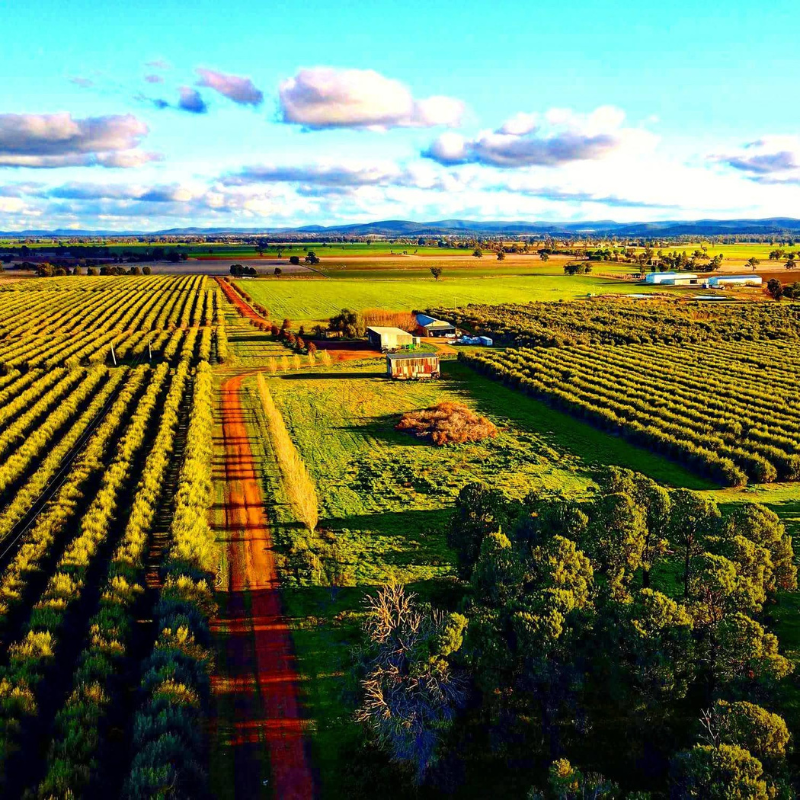
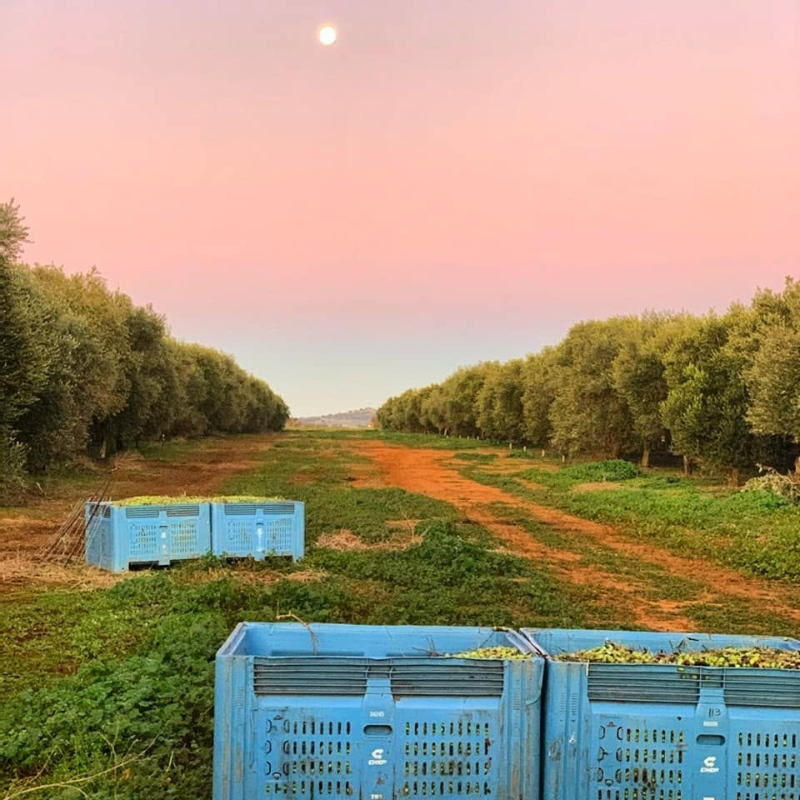
One of Central New South Wales' longest-established commercial olive processing and harvesting operations is preparing to close its doors, signalling a significant change for olive growers across the Yass, Cowra and Canowindra districts.

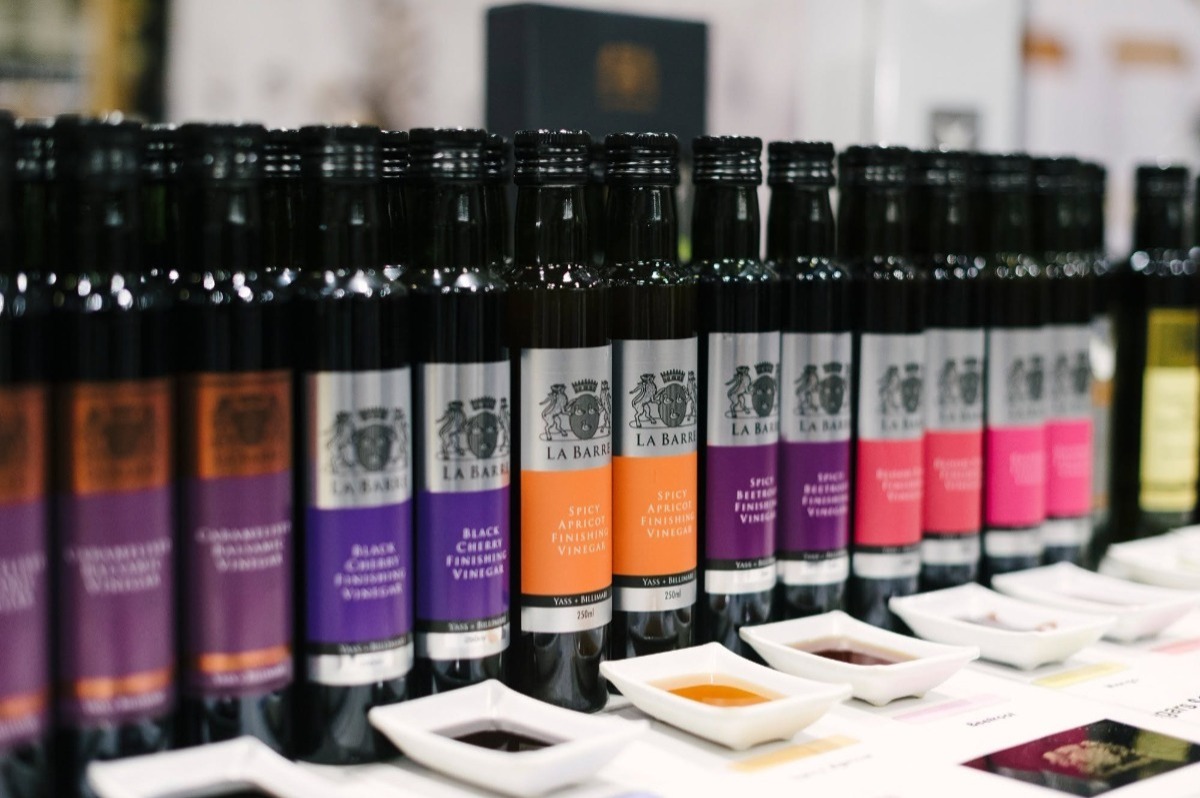
Billimari Olives (LaBarre), whose sale is understood to be in its final stages of negotiation, has made the decision to cease operations after approximately 20 years in business. The closure will leave growers without one of the region's largest contract harvesting and olive processing providers heading into the 2027 season.

The announcement has already prompted concern among growers, many of whom have begun contacting industry stakeholders to discuss alternative arrangements before next year's harvest.

According to Nick Perkins, Processing and Operations Manager, "the facility has historically processed up to 1200 tonnes per annum"  BOP operations also provided harvesting services to a core group of commercial growers throughout the region.

The operation is centred on a 2.5-tonne-per-hour olive-processing line, making it one of the larger contract facilities serving Central NSW.

Beyond contract processing, Billimari Olives has played an important role in Australia's retail olive industry. The business has supplied major supermarket chains, including Aldi, and packed olives for several flagship supermarket private-label brands.

Industry participants say the closure reflects the increasing commercial pressures facing Australian olive processors and harvesting contractors. Rising operating costs, labour shortages, equipment replacement costs and the economics of servicing increasingly dispersed groves have combined to place significant pressure on contract operators.

     

While disappointing for the region, the announcement has also sparked discussions around collaboration.

Rather than growers attempting to solve the problem individually, there is growing interest in exploring whether a coordinated regional approach could provide a sustainable solution for harvesting and processing in 2027 and beyond.

To facilitate those discussions, OliHUB will organise a regional webinar for affected growers in the coming weeks.

The webinar will provide an opportunity for producers to:

  • assess the region's combined harvesting and processing requirements;
  • identify the capacity that will be required for the 2027 harvest;
  • discuss collaborative operating models;
  • explore whether investment in new harvesting and processing equipment could be commercially justified; and
  • determine practical next steps before next season.
The main objective is to understand the collective needs of growers across the area. Once those requirements are understood producers can assess whether investment in new harvesting and processing equipment is warranted or whether local processing services have capacity.  With the loss of a processing facility capable of handling hundreds of tonnes each season, decisions made over the coming months could shape the future structure of olive production throughout Central New South Wales.


Growers interested in participating in the regional discussion are encouraged to register their interest through OliHUB. Details of the webinar will be announced shortly.  

Please email your expression of interest for the webinar to olihub@theolivecentre.com.au 

No products returned.