My Account
Sign-in / Join

Sign-in

Hi My Account

Dashboard

Logout

Cart

My Shopping Cart

Subtotal
${{total.toFixed(2)}}
QUOTE
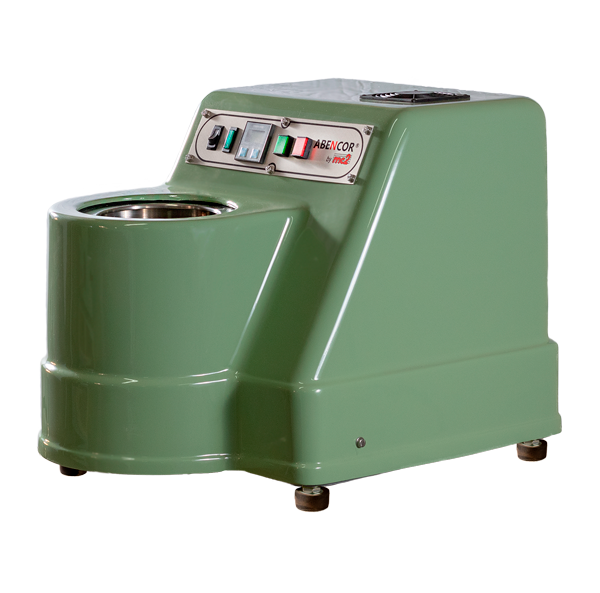
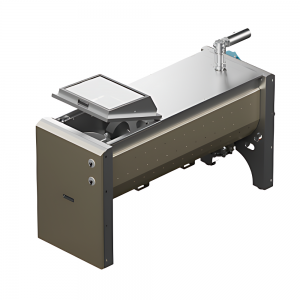
Basic Plus Olive Paste Malaxer | Clemente

Functional and Practical Olive Oil Processing System
Call for Backorder

VC.BASICPLUS
  • Description
  • Features
  • Enquiry
  • Documents
  • Knowledge
Basic Plus Olive Paste Malaxer – Clemente Olive Oil Processing System
 
Enhanced malaxation performance with simplified automation and durable stainless-steel construction.

The Basic Plus Olive Paste Malaxer by Clemente provides dependable and efficient malaxation for professional olive oil producers seeking practicality and durability without unnecessary complexity.
Building on the solid foundation of the Basic model, it incorporates additional automation accessories to streamline loading and unloading, ensuring continuous workflow and consistent product quality.
Constructed from AISI 304 stainless steel, it delivers reliable operation and long-term resilience.
The malaxer ensures a homogeneous olive paste, optimal temperature control, and smoother pomace handling for improved decanter performance and higher oil yield — an excellent choice for modern olive mills focused on simplicity and performance.

Uses
  • Designed for olive paste malaxation prior to extraction
  • Ensures uniform paste temperature and consistency
  • Supports continuous or semi-automatic extraction lines
  • Enhances decanter efficiency and oil yield
  • Suitable for small to medium-scale olive oil producers
Key Features
  • Electric gear motor for consistent, efficient mixing
  • Pneumatic butterfly valve with manual switch for automated loading/unloading
  • Panoramic anti-fog glass cover with manual opening
  • Integrated LED lighting system for internal visibility
  • Temperature and level probes for process accuracy
  • Manual quick-rinse system for easy maintenance
  • Independent hot-water circulator for each tank
  • AISI 304 stainless-steel construction ensuring hygiene and longevity
  • Compact design suitable for limited production spaces
Technical Specifications
Specification GR-B Model GR-25 Model
Capacity (L) 550 | 750 | 950 | 1150 1500 | 2000 | 2500
Electric Motor 1.5 kW 2.2 kW
Material AISI 304 Stainless Steel
Width (mm) 850 1190
Length (mm) 1980 | 2450 | 2980 | 3480 2660 | 3740 | 3800
Height (mm) 1200 1780
Weight (kg) 700 1000
Voltage (Vac) 400
Frequency (Hz) 50
Power Supply Line 3F + T

Compatibility
  • Integrates with Clemente crushers, decanters, and transfer pumps
  • Compatible with automatic heating and control systems
  • Works seamlessly within continuous olive oil extraction lines
Why Choose This Product

The Basic Plus Malaxer strikes the perfect balance between simplicity and performance.
Its pneumatic loading/unloading system speeds up production while ensuring hygienic handling of olive paste.
Durable, efficient, and user-friendly, it supports superior oil quality and smoother operation, making it ideal for producers upgrading from manual systems to a more automated yet economical solution.

Frequently Asked Questions 

The Basic Plus Olive Paste Malaxer builds upon the reliability of the standard Basic model with additional automation and control features designed to improve workflow and efficiency. The main upgrade is the inclusion of a pneumatic butterfly valve with a manual switch, allowing automated loading and unloading of olive paste for smoother, faster operation.

This feature reduces manual labour and improves process consistency, particularly in semi-automatic or continuous extraction systems. The Basic Plus also includes enhanced temperature and level sensors, integrated LED lighting, and the same independent hot-water circulation system found in higher-end models — giving operators precise control with minimal complexity.

In essence, the Basic Plus provides the same structural strength and reliability as the Basic Malaxer but adds key automation upgrades that increase throughput and reduce operator intervention.
Consistent malaxation is essential for achieving maximum oil yield and maintaining extra virgin quality. The Basic Plus Malaxer ensures even mixing and temperature stability, promoting optimal enzyme activity that helps oil droplets merge and separate efficiently during decanting.

Its independent hot-water circulator maintains uniform heat distribution in each tank, while temperature and level probes continuously monitor and adjust the process. The result is homogeneous olive paste with ideal viscosity for smooth transfer to the decanter, reducing pomace moisture and improving extraction efficiency.

By ensuring stable thermal and mechanical conditions, the Basic Plus helps mills achieve higher oil yield percentages and more consistent quality across different olive varieties and processing conditions.
Yes — the Basic Plus Malaxer is fully compatible with Clemente crushers, decanters, and transfer pumps, making it suitable for upgrading or expanding existing production setups. It connects easily into both continuous and semi-automated lines, operating seamlessly with automatic temperature and control systems.

Its compact stainless-steel design (AISI 304) allows flexible installation even in mills with limited space. The malaxer can operate as a single independent unit or as part of a multi-tank configuration for larger facilities. The 400 V, 50 Hz, 3F+T power configuration ensures standard electrical compatibility for most olive oil plants.

This plug-and-produce versatility makes the Basic Plus a practical investment for producers moving from manual handling toward automated processing — improving productivity without overcomplicating the system.
Key Features
  • Electric gear motor for consistent, efficient mixing
  • Pneumatic butterfly valve with manual switch for automated loading/unloading
  • Panoramic anti-fog glass cover with manual opening
  • Integrated LED lighting system for internal visibility
  • Temperature and level probes for process accuracy
  • Manual quick-rinse system for easy maintenance
  • Independent hot-water circulator for each tank
  • AISI 304 stainless-steel construction ensuring hygiene and longevity
  • Compact design suitable for limited production spaces
File Title File Description Type Section
basic-plus.pdf Basic Plus Olive Paste Malaxer | Clemente Functional Technical data sheet Catalogue Document

A new innovation in Olive Oil Processing the THERMOSPEED

CLEMENTE Thermospeed - The Next Generation in Olive Oil Processing

During my visit to Italy in November 2016, I had the opportunity to see an exciting new innovation being tested under scientific trial by the University of Bari - the CLEMENTE Thermospeed. 


This breakthrough technology represents the future of olive oil processing, with developments set to redefine efficiency and production performance. The Thermospeed system has demonstrated the capability to accelerate the olive oil extraction process by up to 50%, marking a significant advancement in processing speed and throughput. 

At the core of the system is an innovative design that reduces malaxation time - the critical stage where the olive paste is gently mixed before separation. The Thermospeed achieves this by pumping the olive paste through a section surrounded by a temperature-controlled tube, which can either heat or cool the paste as needed. This process optimisation helps to enhance extraction efficiency while minimising oxidation, ultimately preserving the oil’s natural quality and nutritional value. 

Early trials have shown no negative effects on olive oil quality, and research is continuing over the next 12 months to further evaluate and refine the system’s performance. 

This remarkable innovation could soon be integrated into olive oil processing facilities worldwide, offering producers an efficient, sustainable, and scientifically proven step forward in extra-virgin olive oil production.

Australian Olive Growers Face Lower Yields After Unseasonal Weather

INDUSTRY UPDATE: AUSTRALIAN OLIVE GROWERS 2023 SEASON

Australian Olive Growers Face Lower Yields After Unseasonal Weather

   
The Australian olive industry has faced a tough growing season, with unpredictable weather conditions significantly influencing the 2023 olive harvest. Prolonged periods of unseasonably cold and wet weather shortened the growing cycle, slowed fruit ripening, and delayed harvest schedules, according to David Valmorbida, President of the Australian Olive Oil Association (AOOA). 

“Earlier in the season, the industry was anticipating an excellent harvest,” Mr Valmorbida said. “However, persistent cold weather and rainfall during May and June, particularly across south-east Australia, have taken their toll.”

Although the Australian olive harvest is not officially recorded each year, the AOOA estimates that the 2023 season will produce between 18 and 19 million litres of olive oil from roughly 110,000 to 120,000 tonnes of olives.

This compares with last year’s output of 14–15 million litres and the record-breaking 2021 crop, which yielded 20–22 million litres of oil.

Mr Valmorbida explained that these fluctuations reflect the biennial cycle of olive production. “This is what we call an ‘on’ year for olives. While we were expecting an excellent yield earlier in the year, harvest results always depend heavily on weather conditions, and this season has been quite mixed for many growers.”

“The oil yield per tonne is noticeably lower than average due to the cooler growing period,” he added, “but the quality of the oil remains excellent because the fruit had more time to ripen gradually.”

Around the world, olive oil prices have reached record highs in Spain, Italy, and Greece, driven by a severe global shortage of olive oil. Hot temperatures, minimal rainfall during key stages of the growing season, and extended drought conditions across southern Spain have drastically reduced European output. In addition, the ongoing conflict in Ukraine has disrupted the production of vegetable and seed oils, increasing global demand for olive oil as an alternative.

In Australia, growers are currently achieving $6–$7 per litre for larger commercial volumes of olive oil, with even higher prices for export batches, premium small-lot oils, and organic extra virgin olive oil.

“With this global shortage, some of the larger Australian producers are in a strong position to export olive oil to Europe and receive competitive returns,” Mr Valmorbida said.

“While that’s encouraging news for the Australian olive oil industry, globally the sector is under pressure,” he continued. “There’s currently a 35–40 percent shortfall in available products, combined with escalating packaging costs, especially for glass and tin materials.”

“These factors, along with rising labour and energy expenses, are leading to higher retail prices for consumers,” he noted.

Mr Valmorbida concluded with a reminder to consumers: “It’s important to remember there’s no product quite like olive oil—its distinctive flavour, health benefits, and culinary versatility make it irreplaceable.”

#oliveharvest2024 #harvest2024

About the Australian Olive Oil Association

The Australian Olive Oil Association (AOOA) is a not-for-profit, independent organisation dedicated to promoting the quality, integrity, and fair trade of olive oil in Australia. Membership is open to olive oil producers, distributors, industry stakeholders, and related organisations.

Since 1993, AOOA has been a signatory to the International Olive Council (IOC) global quality control program. Each year, the Association coordinates independent laboratory testing of leading olive oil brands to ensure compliance with IOC standards.

In addition, the AOOA Certified Quality Seal Program upholds even stricter quality criteria, allowing AOOA-member products to distinguish themselves in both domestic and international markets.


For more information: 

Jan Jacklin, General Manager, Australian Olive Oil Association gm@aooa.com.au www.aooa.com.au

Photo credit:  Julia, olive grove – Kyneton Olives” by avlxyz is licensed under CC BY-SA 2.0. To view a copy of this license, visithttps://creativecommons.org/licenses/by-sa/2.0/?ref=openverse

Global Olive Oil Prices Soar to Record Highs in 2023 Amid Spain’s Severe Drought Crisis

MARKET INSIGHT: GLOBAL OLIVE OIL ECONOMY 2023

Global Olive Oil Prices Soar to Record Highs in 2023 Amid Spain’s Severe Drought Crisis

Introduction

The global olive oil industry in 2023 has entered uncharted territory, experiencing an extraordinary surge in olive oil prices driven by a combination of climatic and economic forces. At the centre of this crisis lies Spain’s devastating drought, which has crippled the world’s largest olive oil producer. This severe shortage has led to a dramatic contraction in olive oil supply, triggering price escalation and a corresponding decline in consumer demand. The ripple effects are being felt worldwide, reshaping the balance between producers and consumers alike. Meanwhile, Australian olive oil producers find themselves in a rare position of advantage, benefitting from unprecedented market highs. This article explores the causes, consequences, historical trends, and economic signals surrounding this remarkable global olive oil price spike.


The Spanish Drought and Its Impact on Supply

The ongoing drought across Spain stands as the principal factor behind the current olive oil price surge. As one of the largest olive oil-producing nations globally, Spain’s drastically reduced harvest - caused by months of extreme heat and minimal rainfall - has sharply curtailed olive oil availability in both European and international markets. This has intensified supply shortages, compelling consumers to pay more for what has long been a staple Mediterranean product. The interplay of limited supply and escalating demand has magnified price volatility, reinforcing the classic supply-and-demand imbalance now driving global markets.

Decline in Consumer Demand

As prices have risen steeply, the shortage of olive oil has led to a noticeable decline in consumption, particularly in Spain, where demand has reportedly dropped by around 35%. Consumers are now scaling back their purchases, finding olive oil increasingly unaffordable compared to other cooking oils. The once-steady household consumption patterns are shifting as people seek alternatives or modify their cooking habits. This contraction in domestic demand not only highlights the growing accessibility gap for consumers but also underscores the broader economic strain caused by high inflation and food price increases.

Australian Olive Oil Producers Reap the Rewards

Amid the turmoil, Australian olive oil producers are experiencing a windfall. Thanks to limited global supply, Australian growers are commanding record prices exceeding AUD $8 per litre, marking the highest levels ever recorded in the nation’s olive oil industry. This lucrative period presents a rare opportunity for Australian exporters, with demand from Europe - including Spain itself - now turning toward Australian supplies. For producers Down Under, this unique reversal of roles underscores how regional climate resilience and diversified production can translate into significant financial gains when global shortages arise.

Historical Context: How the Market Reached 2023

The olive oil market’s volatility is not a new phenomenon. Previous spikes occurred in 1996, 2006, and 2015, each triggered by weather-related supply constraints. Yet, the 2023 price explosion stands out as the most dramatic in recorded history -over 40% higher than any previous price peak, and roughly double the magnitude of earlier surges. This extreme escalation reflects not just climatic hardship but a clear pricing bubble forming within the market, echoing the cyclical nature of commodity pricing.

Cyclical Trends and Economic Correlations

The olive oil sector has long followed cyclical pricing patterns, typically alternating between low and high price phases roughly every decade. The current surge aligns almost perfectly with the predicted start of another 10-year cycle, occurring just three years into its anticipated timeline. Furthermore, a notable correlation has been identified between the Australian Food Inflation Index and the Global Olive Oil Price Index as reported by the International Monetary Fund (IMF). This connection illustrates the deep interdependence between food commodity pricing and global economic conditions.

While the IMF’s benchmark prices are denominated in USD, for the purposes of this analysis they have been converted to AUD to track the trend relative to Australian markets. These benchmark indicators -based on the world’s largest olive oil exporters -serve as a reliable gauge of overall market direction, confirming how global shortages and inflationary pressures move in tandem.

   Global olive oil prices show a recurring 10-year cycle, driven by droughts, crop shortages, and rising production costs

Technical Indicators: Signals of an Overbought Market

From a technical analysis perspective, the Relative Strength Indicator (RSI) is often used to measure price momentum and potential overextension in markets. On recent olive oil price charts, the RSI (represented in purple) indicates that prices have once again entered overbought territory - a level seen during previous speculative phases. Historically, such readings have preceded market corrections or reversals, suggesting that the current surge may not be sustainable in the long term.

Analysts caution that as the European olive harvest begins in September and October 2023, an influx of new oil supplies could help ease prices, though the timing and extent of this correction remain uncertain. Until then, speculative trading and limited inventory continue to support inflated market values.

Conclusion

The record-breaking olive oil prices of 2023, primarily triggered by Spain’s drought-induced production collapse, mark a turning point for the global olive oil economy. With consumer demand declining under the pressure of soaring prices and Australian producers thriving amid the scarcity, the industry is experiencing a dramatic rebalancing. Historical precedents, cyclical trends, and market indicators all point toward a complex, transitional period defined by volatility and uncertainty.

As the world’s producers, traders, and consumers adapt to these new market dynamics, one truth remains clear: olive oil - celebrated for its taste, health benefits, and cultural significance - continues to be at the mercy of both climate change and economic cycles. Stakeholders across the value chain must remain alert, flexible, and forward-thinking as the olive oil market navigates this extraordinary phase of transformation.

Other Sources

Clemente Olive Oil Advanced Machinery and Installations

Clemente has been a pioneer in olive oil machinery design since 1963, creating reliable, high-performance systems for every stage of olive processing. From malaxing and cleaning to crushing, decanting, and pomace recovery, each installation is engineered for efficiency and quality.
Please log in to view the entire article

Esterification in Olive Oil Extraction and the Role of Processing Aids


PROCESSING AIDS AND THEIR EFFECT ON OIL CHEMISTRY

Esterification in Olive Oil Extraction and the Role of Processing Aids

Esterification is a natural chemical reaction where free fatty acids (FFA) combine with alcohols, typically glycerol, to form esters. This process reduces the measurable acidity of the oil. While esterification can occur in the olive paste during milling, it is usually a minor contributor to quality changes compared with factors such as fruit condition, malaxation parameters, and extraction efficiency.

Why Esterification Matters

  • Directly affects FFA values, a major criterion for Extra Virgin classification
  • Influences how certain processing aids appear to improve acidity
  • Helps understand why some additives must be used carefully to avoid unintended chemical changes
  • Provides insight into the relationship between pH, temperature, and enzymatic activity during malaxation
Esterification and Hydrolysis in Olive Oil Chemistry


This diagram illustrates the reversible reactions of esterification and hydrolysis, showing how free fatty acids and glycerol form triglycerides—and how they break down again under certain milling conditions.
Process Flow Diagram for Olive Oil Extraction


This diagram outlines the continuous olive oil extraction line: olives are crushed, malaxed, separated, clarified, and routed for bottling, while husk and wastewater are channelled to waste management systems.


High-Quality Talc Used in Olive Paste Processing


    Talcoil Micronised Mineral Talc by Mivico


When added to the paste, talc increases yield and improves malaxation and decanter performance.

How Processing Aids Interact with Esterification and Oil Chemistry

Processing aids act physically or chemically on the olive paste. Some enhance enzyme activity, others alter pH or moisture, and a few influence esterification indirectly. Below is a breakdown of the main aids used by professional olive processors and how each relates to esterification.

1. Calcium Carbonate

Calcium carbonate is the processing aid most associated with apparent esterification effects.

Influence on esterification

  • Raises the pH of the paste, shifting reaction conditions
  • Can promote mild esterification of free fatty acids, producing a lower measured FFA
  • May mask poor fruit quality because the reduction in FFA does not represent a true improvement in oil integrity
Operational considerations
  • Produces very green oils
  • Can alter flavour and oxidative parameters
  • Requires precise dosing due to its aggressive action
The Olive Centre can supply controlled dosing systems to ensure correct application in mills seeking maximum extractability.  See Talc Dispenser and Enzyme dosing units

2. Salt (Sodium Chloride)

Salt acts primarily on the physical structure of the paste rather than the oil chemistry.

Influence on esterification

  • Minimal direct effect
  • Does not change paste pH in a way that promotes esterification
  • The perceived improvements in acidity are due to better separation, not chemical modification
Operational benefits
  • Improves extractability
  • Helps produce greener oils
  • Increases centrifugal efficiency of the decanter
Salt can be metered via hopper dosing units or inline auger systems.

3. Talc (Magnesium Silicate)

Talc is inert and valued for its physical functionality.

Influence on esterification

  • No chemical interaction with oil or fatty acids
  • Does not modify FFA or promote esterification
  • Its benefits come entirely from improved paste structure and reduced emulsification
Operational benefits
  • Improves oil yield in high moisture or difficult pastes
  • Enhances malaxation and decanter performance
  • Works reliably across varieties and seasonal conditions
Available talc dosing equipment can be integrated with paste blenders, malaxers, and continuous milling lines.

4. Enzymes

Commercial enzyme blends can influence chemistry indirectly.

Influence on esterification

  • Break down cell walls, releasing bound lipids and sometimes alcohol groups
  • May create conditions where minor esterification occurs naturally
  • Effects are small compared with changes in extraction efficiency
Operational benefits
  • Higher extractability
  • Reduced malaxation time
  • Often improved phenolic release
Enzyme dosing and thermal control in malaxers improve consistency and performance.

5. Kaolin and Bentonite

These clay minerals are used more for paste modification or clarification.

Influence on esterification

  • No direct chemical effect
  • Do not reduce FFA or change oil acidity
  • Their performance is purely physical, based on adsorption and improved paste rheology
Operational benefits
  • Support separation in high moisture pastes (kaolin)
  • Assist in clarification and impurity removal (bentonite)
Clay based aids should be added with care to avoid over-adsorption of oil.

Summary: Which Aids Influence Esterification?

Processing Aids & Their Effects

Processing Aid Impact on Esterification Notes
Calcium Carbonate Moderate … via pH shift Can lower measured FFA but may affect flavour and oxidation
Salt (NaCl) None Improvements come from better separation, not chemical change
Talc None Purely physical aid for difficult pastes
Enzymes Minor, indirect Mostly physical… chemical breakdown of cell walls
Kaolin None Improves rheology only
Bentonite None Used for clarification rather than extraction

Optimising Processing Aids in Olive Mill Machinery

Professional olive mills benefit from:

  • Precision dosing systems for powders and enzymes
  • Malaxers with stable temperature control to avoid unintended chemical changes
  • Decanters tuned to handle modified paste characteristics
  • Regular chemical testing to verify FFA, PV, and phenolic stability
The Olive Centre supplies processing aid dosing equipment, malaxation systems, decanter upgrades, and quality testing instruments designed to support efficient, traceable and high quality olive oil production.


How Esterification Happens and the Conditions That Allow It

CHEMICAL CONDITIONS DRIVING ESTERIFICATION

How Esterification Happens and the Conditions That Allow It

Esterification occurs when free fatty acids (FFA) in olives or olive paste react with natural alcohols—most commonly glycerol—to form esters. While this is a natural chemical reaction found in many biological systems, it usually plays only a small role during standard olive oil extraction. However, under certain processing or fruit-quality conditions, esterification can become more noticeable and can affect how acidity is interpreted during quality assessment.

Understanding when and why esterification occurs is important for mill operators, as it can influence extraction decisions, processing aid use, and the accuracy of acidity readings that determine Extra Virgin classification.

How It Comes About

Esterification begins when three conditions align:

  • Free fatty acids are already present due to fruit damage, overripeness, frost injury, or delays between harvest and milling. It is a natural chemical process, but it becomes noticeable mainly when fruit quality is not ideal or when additives change the chemistry of the paste.
  • The olive paste becomes warm and chemically active during malaxation, allowing molecular interactions to accelerate.
  • Acids and alcohols remain in contact long enough for the reaction to occur within the paste matrix.

Esterification is not inherently harmful, but it becomes more noticeable when fruit quality is compromised or when additives alter the paste’s pH and reaction environment. This means that an oil’s reduced measurable acidity may not always reflect true quality improvement.

Conditions That Promote Esterification

Esterification becomes more likely when certain environmental or operational factors occur within the mill. Understanding these allows processors to maintain better control over oil chemistry and avoid misleading test results.


1. Higher Paste Temperatures

  • Warm malaxation conditions accelerate chemical reactions. If the paste temperature rises excessively—due to long malaxation times, inadequate cooling, or equipment limitations—ester formation becomes more favourable. This can cause a measurable decrease in free acidity even though the underlying fruit quality has not improved
2. Increased Paste pH
  • Processing aids such as calcium carbonate raise the pH of the olive paste. A higher pH creates a more reactive environment, encouraging esterification and artificially lowering the measured FFA value. While this may seem beneficial, the oil’s true chemical integrity may remain unchanged or even decline if over-correction occurs.
3. Presence of Excess Free Fatty Acids
  • When olives are bruised, overripe, frost damaged, or held too long before milling, the fruit’s natural lipase activity increases FFA levels.
  • High FFA content gives esterification more raw material to work with, increasing the likelihood of esters forming during malaxation.

4. Extended Contact Time

  • Longer malaxation sessions or slow-moving processing lines keep acids and alcohols in contact for extended periods.
  • This additional time increases the probability of esterification occurring, particularly if other promoting conditions (temperature, pH) are also present.

5. Enzymatic Activity

  • During crushing, enzymes are released from olive cells. If the fruit is not fresh or has undergone stress, enzymatic activity becomes more pronounced and can indirectly support esterification pathways. Although the overall effect is small, it can still contribute to changes in measured acidity.

Why Understanding These Conditions Matters

When esterification occurs under the conditions described above, it can lower the measured FFA without actually improving the oil’s true chemical quality. This can mislead producers into thinking their processing steps or additives improved the oil, when in reality the acidity reduction was simply a chemical conversion—not a restoration of fruit integrity.

Producers who understand these mechanisms can:

  • Avoid masking fruit defects with processing aids
  • Maintain accurate interpretations of acidity values
  • Optimise malaxation and temperature control
  • Ensure extraction conditions prioritise real quality, not numerical artefacts

In simple terms: Esterification becomes noticeable when the olive paste is warm, slightly alkaline, contains damaged fruit components, or sits too long before separation. Managing these factors helps prevent misleading acidity readings and supports genuine quality improvements.

How to Value Olive Oil Processing Machinery and Farm Equipment (Australia)


VALUING OLIVE OIL PROCESSING MACHINERY IN AUSTRALIA

How to Value Olive Oil Processing Machinery and Farm Equipment (Australia)

Valuing your olive oil processing machinery – from presses and decanters to tractors and harvesters – is an important task for Australian producers. Whether you’re a small boutique grove or a commercial olive operation, knowing what your equipment is worth helps with insurance, resale, and financial planning. This guide explains how to value used olive oil processing machinery (with notes on new equipment costs), covers multiple valuation methods, and offers a practical Australian context. We’ll also include example scenarios (like a decade-old olive press vs. a nearly new separator) and provide tips to maintain your gear’s value over time.  

Equipment in an Olive Oil Operation 

Olive oil production involves specialised machinery at harvest and processing time. Key processing equipment includes olive crushers or mills (to crush olives into paste), malaxers (which slowly mix the paste), and centrifugal decanters/separators (which separate oil from water and solids). Supporting items like pumps, olive washers, and filtration units are also part of the system. Many Australian groves also use standard farm equipment such as tractors, mechanical harvesters, pruning and spraying equipment, and irrigation systems. When assessing value, focus first on the core olive oil machinery, but remember that methods discussed here apply to your tractors, harvesters, and other farm gear as well.  

Modern olive processing machinery is a significant investment. For reference, a small continuous-flow olive mill (e.g. 30 kg/hour throughput) might cost around A$20,000 new, while a large commercial plant (capable of ~1 tonne/hour) can run into the hundreds of thousands of dollars. Such figures underscore why proper valuation is essential – these assets represent major capital on the farm. Below, we outline several methods to evaluate what these machines are worth, especially as they age or when considering second-hand purchases. 

Valuation Methods for Used Machinery 

Valuing used farm equipment is not an exact science – it’s often best to use multiple methods to triangulate a reasonable value. Common approaches include using depreciation schedules, comparing recent market sales, calculating value based on income or cost savings, considering insurance replacement cost, and accounting for residual (salvage) value. Each method gives a different perspective:

  • Depreciation (Straight-Line or Declining Balance) – Calculates value loss over time based on age. 
  • Market Comparison – Looks at actual sale prices for similar equipment in the current market.
  • Income or ROI Approach – Values equipment by the income it generates or the savings it provides.
  • Insurance Replacement Value – Considers what it would cost to replace the item new, minus depreciation.
  • Residual/Salvage Value – Accounts for the minimal value at end-of-life (for scrap or parts).
Let’s break down each method in detail and how you can apply it.

Depreciation-Based Valuation (Straight-Line vs. Diminishing) 

Depreciation is the loss in value of equipment as it ages. A simple way to estimate a used machine’s value is to start from its original cost and subtract depreciation. There are two main depreciation methods: straight-line (also called prime cost) and declining-balance (diminishing value). Straight-line depreciation assumes the asset loses value evenly over its useful life, while declining-balance depreciation assumes a higher loss in early years and less in later years.

  • Determine Useful Life: First, establish the expected useful life of the machine. The Australian Taxation Office (ATO) provides guidelines for many assets. For example, olive oil processing equipment has an effective life of about 15 years according to ATO determinations. (For comparison, general farm tractors are given about a 12-year effective life .) You can use these as a baseline, though actual lifespan can vary with usage and maintenance.
  • Straight-Line Calculation: Under straight-line depreciation, each year the machine loses roughly an equal percentage of its original value. The ATO’s prime cost formula is: 
Annual Depreciation = Cost × (100% ÷ Effective Life). 

For instance, if a small olive press was purchased new for $30,000 and has a 15-year life, straight-line depreciation would be ~6.67% per year (100/15). After 10 years (two-thirds of its life), it would be about 10 × 6.67% ≈ 66.7% depreciated. In simple terms, its book value might be roughly 33% of the original cost (around $10,000 in this example). This assumes no residual value; in practice, you might add a small salvage value (see Residual Value section) instead of depreciating to zero. 

  • Declining-Balance Calculation: Declining or diminishing value depreciation accelerates the write-down in early years. The ATO’s diminishing value method uses roughly 200% of the straight-line rate. For a 15-year life asset, this means ~13.33% depreciation per year on the reducing balance. Using the same $30,000 press example, the first year depreciation would be $4,000 (13.33%), leaving $26,000 value; the next year ~$3,466 (13.33% of 26k), and so on. After 10 years, the formula would yield a remaining value of only around 20–25% of the original (about $6,000–$7,500). This method better reflects how equipment often loses value fastest when it’s newest.
In practice, many farmers use straight-line for simplicity or for setting uniform annual book values, but diminishing value gives a more realistic market pattern (high initial depreciation, then levelling off). Keep in mind these calculations provide an approximate book value, not a guaranteed market price. Real-world prices can be higher or lower depending on demand and condition. Still, depreciation schedules are useful to set a baseline. In fact, for tax purposes, you may already have a depreciation schedule – for instance, if you claimed capital allowances using ATO rates, your asset’s tax written-down value is a starting point for its value. 

Example (Depreciation Method): You bought an olive mill for $100,000 new, which is now 10 years old. Using straight-line (15-year life), its book value would be roughly $100k × (5/15) = $33k remaining. Using diminishing value (13.33% yearly), its book value might be closer to $24k–$25k after 10 years. You could cite these as a range – perhaps saying the machine is “approximately $25k–$33k based on age” – then adjust up or down for condition. If your equipment’s been exceptionally well maintained or lightly used, it might fetch more than the book value; if it’s in rough shape, it could be less.

Market Comparison Approach

One of the most practical valuation methods is to see what the market is willing to pay for similar equipment. Check recent listings and sales of comparable olive oil machinery or farm equipment. In Australia, useful platforms include: 

  • Online Marketplaces: Websites like FarmMachinerySales, Farm Tender, Gumtree, and even specialised sites (e.g. Used Olive Machinery on olivemachinery.com) list second-hand equipment. Use the search and filter functions to find gear similar to yours in make, model, age, and capacity. For example, on farmmachinerysales.com.au, you can filter by equipment type, brand, year, location, and even features, then sort by price to see the range of asking prices. This gives a ballpark of what sellers expect. Remember to note whether those are asking prices or finalised sale prices. 
  • Specialised Dealers and Classifieds: The olive industry community often shares leads on used equipment. The Australian Olive Association or local grower groups might have classifieds. The Used Olive Machinery site mentioned above compiles listings – for instance, a listing for a used Oliomio 700 processing line with ~1,936 hours was recently posted, indicating the machine was well-maintained and had a decanter refurb at 1,500 hours. While that particular listing was marked sold with the price “POA” (price on application), details like hours give context. If you find a similar model on sale, you can gauge value by comparing usage hours and condition.
  • Auction Results and Dealer Insights: Auction houses (like GraysOnline or farm clearing sales) sometimes sell olive equipment. Past auction results can signal what buyers paid. Additionally, don’t hesitate to talk to equipment dealers or valuers. Many farm machinery dealers have experience with resale values and can provide an informal appraisal or at least guidance on current market conditions. For niche machines, the dealer who sold it to you (or their competitors) might recall what similar used units went for.
Adjust for Differences: When using market comparisons, adjust for any differences between your machine and the listed ones. Key factors include age, capacity (throughput of a press in kg/hr), brand and model reputation, included accessories, recent overhauls, and location. For instance, if a press in WA is listed cheaper than one in VIC, consider freight costs or local demand differences. Also, recognise if the listings are scarce – olive presses are a niche item, so a lack of comparable sales might mean you rely more on general farm equipment trends or the other methods here. 

Example (Market Comparison): Suppose you own a 10-year-old press (same as above) and find two similar presses listed: one in NSW for $40k (fully serviced, ready for work) and one in SA for $30k (sold as-is, needs some repairs). If your machine is in good working order with maintenance records, the market approach might suggest a value in the high $30k’s. You’d then cross-check this against the $24k–$33k depreciation estimate – if the market seems to be paying a premium (perhaps due to a shortage of used presses), you might lean toward the upper end of the range. On the other hand, if no one is buying presses because many olive groves use custom processing services, you might have to price on the lower end to attract interest.

Income-Based (Cost Recovery or ROI) Approach 

Another angle is to value equipment based on the income it produces or the savings it provides. This method essentially asks: How much is this machine worth to my farm’s profitability? There are a couple of ways to think about it:

  • Return on Investment (ROI): Calculate how quickly the machine “pays for itself” through additional revenue or cost savings. For example, owning an olive press means you don’t pay an outside mill to process your olives. If a custom processor charges, say, $300 per tonne, and you press 50 tonnes a year, that’s $15,000/year saved by having your own mill. If your press has 5 years of useful life remaining, it could “generate” roughly $75,000 in savings over that time. The present value of those savings (discounting future years) might be somewhat less, but it suggests the machine is quite valuable to your operation. In reality, you’d also factor in running costs and labour, but the ROI perspective might justify that paying, for instance, $40k for a used press is reasonable because you’d recoup that cost in under 3 seasons of savings.
  • Income Stream Valuation: If the equipment directly produces income (e.g. you press oil and sell it, or you do contract pressing for other groves), you can estimate the net cash flow attributable to the machine. For instance, a separator (centrifuge) might enable higher oil yield or quality, boosting your product value by $X per year. You could then say the machine’s value is the net present value of those future cash flows. In practice, farmers often use simpler payback periods rather than complex discounted cash flow for on-farm decisions. A common rule is that machinery purchases should ideally pay back within their useful life or a set target (like 5-7 years). If a used harvester will save you hiring picking crews costing $20k/year, paying around $100k for it (5-year payback) might be justifiable, whereas a price of $200k (10-year payback) might be too steep unless the machine’s life is much longer. 
  • Cost of Alternatives: Sometimes the value is inferred by what it would cost NOT to have the machine. For example, without a sprayer, you might lose yield to disease; without an on-site press, you might have quality loss or transportation costs. Those implicit costs can be hard to quantify, but are real. If a machine prevents a $50k loss one year (by enabling timely harvest or processing), that adds to its value for your operation.
Using an income-based approach can be especially useful for equipment that is still fairly new or for unique situations. However, be cautious: a machine’s value to you (because of your specific cost structure or needs) might exceed its open-market value. If you plan to keep using the asset, the ROI tells you its worth in your business. But if you plan to sell it, a buyer will be doing their own ROI calculation for their scenario. Use this method to inform your hold-vs-sell decisions and insurance needs (you want enough insurance to cover the loss of that income potential). If the ROI analysis shows a machine is barely breaking even for you, it might be a sign that its market value is also low (perhaps better sold and the capital used elsewhere). 

Example (Income Approach): Consider a recently purchased separator (centrifuge) that cost $15,000 new and is only 2 years old. Depreciation might put it at $10k–$12k book value now. But you bought it to improve your oil quality and yield – and indeed, oil yields went up 5%, earning you an extra $5,000 in oil sales each year. If we assume it has at least 8 years of life left, that’s potentially $40k additional income coming. Even discounting future years, the value-in-use of that separator might be on the order of $30k. Of course, no one would pay $30k for a used unit when a new one is $15k, but this tells you that for your own insurance, you might want it covered for replacement cost, and that selling it would only make sense if you exit the business or get a bigger unit. In other words, the ROI approach here tells you the separator is “worth more to me on the farm than to anyone buying it,” so you’d hold onto it unless necessary. 

Insurance Replacement Value

From an insurance perspective, valuation is about ensuring you could replace the equipment if it’s damaged or lost. There are two main concepts used by insurers:

  • Replacement Cost (New for Old): This covers the full cost of buying a new equivalent machine at today’s prices. If you insure for replacement cost, you pay higher premiums, but if disaster strikes (fire, theft, etc.), the policy would pay out enough to purchase a brand-new replacement (provided you actually replace it). This is ideal for relatively new equipment or critical machinery you can’t operate without. Keep in mind the replacement cost might be higher than what you originally paid, due to inflation or newer models’ pricing. 
  • Actual Cash Value (ACV): This is essentially replacement cost minus depreciation. In insurance claims, ACV is the replacement cost less wear-and-tear deductions. For older equipment, insurers often default to ACV. In practical terms, ACV = current market value. For example, if a harvester would cost $200k new but is 10 years old, an ACV policy might value it at say $80k (after depreciation), and that’s what you’d get if it were written off. The difference between ACV and replacement can be huge – one insurance guide notes that replacement coverage pays for a new item, whereas ACV coverage factors in depreciation and can result in tens of thousands less payout on older gear.
For valuation purposes, consider what number you’d put on an insurance schedule. Many producers annually review their policy and list each item with an insured value. If you have agreed value insurance, that figure might be the cap on your payout. Thus, setting it correctly is important: too low and you’re underinsured (and may be penalised by coinsurance clauses); too high and you’re overpaying on premiums for value you’ll never recover. Typically, you’d list either the current market value (if insuring ACV) or the replacement cost (if insuring for new). 

Where to find replacement costs? Contact dealers or check current price lists for the closest equivalent new model. For instance, if your 2008 olive mill is no longer sold, find the price of the current model with a similar capacity. Don’t forget to include freight to your location and installation costs in the replacement figure, as a new machine often involves these. In Australia, companies like The Olive Centre or Olive Agencies can provide quotes for new machinery. We saw earlier that small Oliomio units started around $19.5k a few years back – those prices can guide insurance values for hobby-scale equipment. For larger systems, get a formal quote if possible, since custom setups vary widely.

Also, consider partial loss scenarios: insurance may cover repairs. If you have an older machine, parts might be scarce, so even repairs could approach replacement cost. This is another reason some farmers insure older critical items for replacement cost if they can.

Tip: Document your equipment’s details (serial numbers, specs) and keep evidence of its condition. In an insurance assessment, having maintenance logs, photos, and appraisals can support your valuation. Insurers might depreciate based on a generic schedule, but if you can show your press was fully refurbished last year, you have a case for a higher value. As one farm insurer explains, typically anything over ~8–10 years might only get ACV coverage. If your gear is older but in mint condition or has an ongoing role generating income, discuss options with your insurer – you might opt for a higher agreed value or a policy rider for replacement.

Residual and Salvage Value Considerations

No matter which method you use, don’t forget that machinery usually has some residual value at the end of its useful life. This could be as spare parts, scrap metal, or a second life in a lower-intensity setting. Incorporating residual value prevents undervaluing the asset (and avoids over-depreciating on paper). 

  • Salvage Value: This is the estimated amount you could get for the machine when you dispose of it after its useful life. For instance, large tractors might still fetch ~30–40% of their new price at 10 years old in decent condition, whereas very old, non-functional equipment might only fetch scrap steel prices. Setting a salvage value of, say, 10% of original cost is common in straight-line depreciation formulas, but it can be higher for well-built machinery. If your olive press is 20 years old and no longer suitable for prime production, you might still sell it to a hobby grower or for parts. Research scrap prices and second-hand parts demand: stainless steel components, motors, and gearboxes have value. Even if the entire machine is obsolete, a local metal recycler might pay per ton of steel.
  • Residual Functional Value: Sometimes a machine is fully depreciated in accounting terms, but still works fine. In the olive world, older-style presses (the hydraulic press with mats, as used traditionally) may be inefficient, yet a small producer or an enthusiast might buy one for a few thousand dollars for the “romance” of old-school pressing. Don’t assume that reaching the end of the official life means the value is zero. There can be a floor price for any working equipment. Even if you yourself consider it beyond use, check around – you might find a buyer regionally or even overseas (export markets for used farm equipment can offer surprising opportunities). 

When valuing for sale, you might actually set your asking price near the salvage floor if the item is very old. This makes the offering attractive to bargain hunters while ensuring you recover at least scrap value. On the flip side, if you’re buying used equipment, be wary of prices that are at or below typical scrap value – it could indicate the machine is only good for parts. 

In summary, always account for the “leftover” value. For insurance, that might not matter (since a total loss is a total loss), but for appraisals and decisions like trading in vs. running to failure, knowing the salvage value helps. For example, if a decanter’s internals are shot, it might still have a salvage value of $5,000 for the stainless steel. That $5k is effectively the bottom-line value no matter what. 

Example (Residual Value): You have a 15-year-old tractor that’s been fully depreciated on your books. However, it still runs and could be a backup or sold to a small farm. Checking online, you see similar 80 HP tractors from the mid-2000s selling for around $15,000. That’s the residual market value. Even if you only get $10k due to some issues, that’s far above scrap metal value (maybe a few thousand). Therefore, in your valuation, you wouldn’t list the tractor as $0 – you’d acknowledge, say, a $12k residual value in fair condition. This logic applies to olive equipment too: an old olive washer or oil storage tank might be fully written off in accounts, but it has residual usefulness that someone will pay for.

Comparison of Valuation Methods

Each method has its strengths. The table below summarises and compares these approaches:

Table of Comparison Valuation Methods


                 Valuation Method
How It Works Best Used For
            Straight-Line Depreciation           Spread original cost evenly over useful life (subtract salvage at the end). Example: 1/15th of the cost per year for olive machinery. Produces a steady book value decline.           Estimating book value or for tax/accounting purposes, a simple baseline for older equipment.          
            Declining-Balance Depreciation           Apply a constant percentage depreciation each year (e.g. ~13.3% for a 15-year life). Higher drop in early years, smaller later.           Modelling market value trajectory (most depreciation happens in the first half of life). Good for relatively new assets.          
            Market Comparison           Research recent sale listings or auction results for similar items. Adjust for age, condition, and location differences.           Real-world pricing for resale or purchase negotiations. Reflects supply/demand and brand premium.          
            Income/ROI Approach           Calculate value based on future earnings, savings, or cost avoidance that the equipment provides. Essentially, the net present value of its contribution.           Justifying investment decisions; valuing equipment’s worth to your business (especially for insurance or if considering selling vs. keeping).          
            Replacement Cost (Insurance)           Estimate the cost to replace with a new equivalent. For ACV, subtract depreciation from replacement cost. Consider the current new prices.           Setting insurance coverage; ensuring you’re not underinsured. Also helps in evaluating if repair costs exceed replacement costs.          
            Residual/Salvage           Assign a minimum value that the asset will retain (as scrap or second-hand parts). Often a % of original cost (e.g. 10–20% or more).           End-of-life decisions (sell or scrap) and preventing undervaluation. Useful in long-term depreciation planning and trade-in estimates.          

Each method yields a piece of the puzzle. In practice, when preparing a valuation (for example, for a financial statement or an insurance schedule), you might list multiple figures: “Depreciated value: $X; Likely market value: $Y; Replacement cost: $Z.” This gives a range and context rather than a single uncertain number  


Example Valuation Scenarios

Let’s apply the above methods to two concrete scenarios to see how they complement each other:

Scenario 1: Valuing a 10-Year-Old Olive Oil Press 

Background: You purchased a medium-sized olive oil press (continuous centrifugal system) 10 years ago for $100,000. It has been used each harvest, processing around 50 tonnes of olives per year. It’s well-maintained, though out of warranty now. You are considering upgrading to a newer model and want to determine a fair sale price or insurance value. 

  • Depreciation Estimate: With an effective life of 15 years, straight-line depreciation suggests about 2/3 of its life is used. If we assumed no salvage, book value ≈ $100k × (5/15) = $33,000. If we assume a salvage value (say 10% = $10k salvage), then the book value would be slightly higher (about $40k remaining depreciable portion – meaning roughly $40k if fully functional). The diminishing value method (13.33%/yr) would put it a bit lower, on the order of $25,000 remaining value. So from an accounting perspective, you’re looking at mid-five figures.
  • Market Comparison: You search the classifieds and find one comparable press – an 8-year-old unit of similar capacity in another state listed for $50,000 (with extras like spare parts and a service history). There’s also a 12-year-old smaller press at $25,000. From talking to a dealer, you learn demand for used presses is moderate; many small growers prefer to use local contract processors rather than buy these outright. Given yours is 10 years and well-kept, you gauge that the market value might be around $30,000–$40,000 if you find the right buyer. You’d likely start by asking in the low 40s and be prepared to negotiate down to mid-30s. This aligns reasonably with the depreciation figures, perhaps a tad higher due to good condition. 
  • Income/ROI: If you keep the press, how much is it worth to you? Pressing 50 tonnes/year at a custom rate of maybe $300/tonne would cost $15k/year, which you avoid by owning it. Over the next 5 years (assuming it remains operational), that’s $75k saved. In addition, having your own press has enabled immediate processing for quality (perhaps improving oil value) – but let’s focus on cost savings. The press “earns” $15k/year for you. If you sell it and switch to custom processing, you’d incur that cost. So internally, the machine is providing value. If you required a 5-year payback for a new purchase, $75k in savings suggests up to $75k could have been justifiable to pay for a press at this point. That doesn’t mean its market value is $75k (nobody will pay that since a new one is around that price), but it tells you that selling it for, say, $30k means the buyer is getting a great deal relative to what it could earn them. It may also inform your decision: if upgrading to a new $120k press, you’d compare the incremental benefits. The ROI view might actually convince you to keep the old press as backup or for capacity if its value-in-use is high and the resale market is soft.
  • Replacement Cost (Insurance): A brand new equivalent model now might cost $120,000 (prices have risen). You have it insured for its replacement cost, which is smart for a vital machine under a replacement policy. However, if it’s under an ACV policy, the insurer would factor heavy depreciation – likely paying only around $30k if it were destroyed. You decide to check your insurance: perhaps you consider switching to replacement coverage if the premium is justifiable, because you know finding a good used replacement would be tough if yours failed. At minimum, you ensure the insured value reflects at least the mid-$30k range, so you’re not underinsured. You also keep documentation of the maintenance (e.g. you have service logs and receipts, which can boost perceived value to both buyers and insurers ). 
  • Residual/Salvage: If the press utterly failed tomorrow (say the decanter drum cracked beyond repair), you could still sell it as parts – the motor, the stainless steel tanks, etc., might fetch a few thousand dollars. That sets a floor value of maybe $5k–$10k even as junk. This isn’t high, but it means you wouldn’t let it go for less than that under any circumstances. It also means in straight-line depreciation you might have set salvage = $10k, which matches the earlier book value calcs. 
Conclusion for Scenario 1: Taking all methods into account, you’d likely conclude the fair value of the 10-year-old press is around $35,000 (give or take). You might insure it for $120k (new replacement) if opting for that coverage, but you recognise market sale would be in the tens of thousands. If a potential buyer lowballs you at $20k, you know from multiple angles that’s likely below both its economic value and market trend – you’d counter higher, armed with knowledge that similar units list for more and that your machine can still generate significant savings. On the other hand, if someone offers $45k, you’d probably take it, acknowledging they are paying top dollar (maybe due to limited availability) above your depreciated value.

Scenario 2: Valuing a Nearly New Separator (Centrifuge)

Background: You bought a new centrifugal separator (vertical centrifuge for polishing oil) 1 year ago for $20,000. It’s a high-speed clarifier that improves oil quality. Unfortunately, you’re now restructuring your operations and might sell this unit. It’s in “as-new” condition. How to value it? 

  • Depreciation: Effective life per ATO for such equipment might also be ~15 years (similar category as other processing assets). After 1 year, straight-line depreciation would deduct ~6.7% (~$1,333), so the book value is ~$18,667. Diminishing value at 13.33% would put it at ~$17,334 book. In other words, it hasn’t depreciated much – only 1 year old means maybe 85–95% of value remaining on paper.
  • Market Comparison: The catch with very new used equipment is that buyers expect a discount vs. buying new (since they lose the benefit of being the first owner and possibly lose warranty coverage if it’s non-transferable). If new is $20k, a rule of thumb might be a 10–20% immediate drop once “used”. You check if any similar units are for sale – that’s unlikely given how new it is. Instead, you might call the supplier to see if they have demo units or trade-ins. Suppose they mention a demo separator was sold at 15% off the list price. That implies a fair market price of maybe $17k for a lightly used one. Considering yours has a full warranty remaining, you aim perhaps at $16k–$18k to entice a buyer (they save a bit, but you recoup most of your cost). Any more than that, and they may prefer to just buy new with full support.
  • Income/ROI: In its brief use, let’s say the separator improved your oil enough to get a higher price, earning you an extra $3,000 in that year. If you were to keep it, the ROI is great – it’d pay for itself in under 7 years at that rate, maybe even faster if oil volumes grow. Selling it means you lose those benefits (unless you have an alternative). However, if you’re exiting olive oil production, the ROI to you going forward is moot – better to get cash now. If you weren’t existing, this scenario likely wouldn’t come up (you’d keep such a useful item). This highlights that ROI valuation is very context-dependent. For an ongoing producer, a machine that improves product quality could be “worth its weight in gold,” whereas for someone leaving the industry, it’s only worth what someone else will pay. 
  • Replacement/Insurance: Being new, you probably insured it at the purchase price $20k (which is essentially replacement cost). It might even be under a year where the manufacturer or your business insurance covers it for full value. Any claim would likely get you a new one (less deductible). So insurance value is $20k. 
  • Residual: The separator should have easily 10+ years of life left, so residual is far off. It might be worth perhaps $2k as scrap in a distant future. That’s not really relevant now except to note it holds value well through life. 
Conclusion for Scenario 2: For a nearly new piece, market pricing and buyer perception dominate. The depreciation method says it’s barely lost value, but real buyers will expect a “used discount.” A reasonable valuation might be around 80–90% of the new price (so roughly $16k–$18k). You would likely set an asking price near the high end (since it’s effectively new) and be willing to negotiate. If you can’t get at least, say, $15k, you might decide to keep it or bundle it with other equipment in a sale, because anything lower would be a big loss relative to its utility. These scenarios show how we use each method as a sanity check on the others. Depreciation gives structure, market gives reality, and ROI and replacement give perspective on value to the owner vs. buyer. In the end, the “right” value is often a range, not a single number, and it may hinge on finding the right buyer or having patience in the market.

Australian Market Factors in Machinery Valuation 

Valuing farm equipment in Australia comes with some local considerations that can affect prices and depreciation. Here are a few factors particularly relevant to Aussie olive producers:

  • Regional Supply and Demand: Australia’s olive industry is modest in size and geographically spread (WA, SA, VIC, NSW all have groves). This means used olive equipment is a thin market. In areas like central Victoria or parts of NSW where olive growing is concentrated, there might be a few interested buyers for a used press, supporting your asking price. But in regions where olives are less common, demand is low – you might have to ship the item to a buyer elsewhere or accept a lower local price. Always consider the location factor: a machine in the remote Riverland or WA may sell for less than the same machine in central NSW, purely because fewer buyers nearby (and transport costs cut into what someone will pay). As one guide notes, prices can vary by location and demand – a factor to hone in on when comparing listings
  • Climate Impacts (Drought and Bumper Seasons): Agriculture is cyclical. Prolonged droughts or poor harvests can force farmers to liquidate equipment, which can flood the market and depress prices. For example, if a drought severely cuts olive yields for a couple of years, some growers might decide to sell their processing gear, leading to more used presses on sale and thus lower prices to clear them. Conversely, after a few good seasons or an industry expansion (say new groves coming into production), demand for equipment can spike – used machines might fetch a premium because buyers want them immediately rather than waiting for new. Keep an eye on industry trends: if many groves are pulling out trees due to water scarcity, used equipment could be more abundant (buyer’s market). If olives are booming, used machinery might hold value strongly or even temporarily appreciate due to long lead times for new units.
  • Distance to Service and Parts: Australia’s size means that service support for specialised machinery can be far away. Brand matters – a well-known brand with a local dealer or technician network (and readily available spare parts) will command a higher resale because buyers feel secure about keeping it running. For instance, an olive press made by a reputable Italian company with an Australian agent (like Mori-TEM’s Oliomio, represented by local agencies) is more desirable than an obscure brand with no local support. If you own the latter, expect to discount it, as the next owner takes on more risk (they might have to import parts themselves). Highlight any upgrades or commonality of parts in your machine if it helps – e.g. “uses standard ABB motors available locally” can ease concern. Additionally, if you’re in a remote area, a local buyer might factor in the inconvenience of servicing (e.g. “nearest qualified technician is 800 km away”). Sometimes the solution is to sell into a different region – e.g. a WA seller might find an east coast buyer if the machine is rare, but then transport cost must be negotiated. 
  • Agricultural Incentives and Tax Environment: Australian tax policies can influence secondhand values. In recent years, schemes like instant asset write-off or temporary full expensing (especially during 2020–2023) encouraged new equipment purchases. This may lead to a surge of used equipment being sold when those new ones arrive (potentially softening used prices). On the other hand, if such incentives lapse, more people may seek second-hand to save money. Also, the ATO’s depreciation schedules (as discussed) create a common framework – many farmers will mentally value a machine around its written-down value for tax, since if they buy it, that’s what they can start depreciating from. Knowing that, a piece of gear fully written off by the seller might still have plenty of life – a buyer gets a tax advantage of starting depreciation anew (if they buy at a low price). This dynamic sometimes pushes low-hour used equipment to sell at high prices (almost new) because buyers can effectively depreciate it again themselves.
  • Insurance and Finance Conditions: In Australia, if a piece of machinery is financed or used as loan collateral, the lender may require periodic valuation or adequate insurance. This can create a floor under prices because neither the bank nor the insured owner wants the declared value to fall below a threshold. Additionally, farm insurance policies here often use co-insurance clauses – you must insure for full value or face a penalty on claims. This means producers are incentivised to keep their insured values realistic. If everyone is insuring a certain type of tractor for $50k, that tends to also be roughly the market perception of its worth. 
  • Seasonality: The timing within the year can affect sale prices. Right before harvest (late autumn for olives in Australia) is when demand for harvesters and presses peaks – a desperate buyer might pay more in April than they would in December after processing is done. If you’re selling, try to list just ahead of the peak usage season to catch buyers who realise they need equipment urgently. Conversely, if you’re buying and can wait until after harvest, you might find better deals from sellers who don’t want to store equipment over the off-season.
In summary, always put your valuation in context: the broader farm machinery market in Australia, olive industry-specific factors, and the local economic climate can all sway what someone is willing to pay. Stay informed through industry newsletters or networks (e.g. the Australian Olive Association news) to know if, say, a lot of groves are changing hands (could mean equipment up for grabs) or if new plantings are on the rise (potential buyers emerging).

Preparing for Insurance, Resale, or Tax Write-Downs 

Depending on your goal – insuring the asset, selling it, or accounting for it – you’ll approach valuation with a slightly different mindset and requirements. Here’s how to handle each:

  • Insurance Assessments: When insuring farm equipment, decide between replacement cost vs. actual cash value coverage. For crucial olive equipment, many opt for replacement coverage if available, so that a total loss means you can buy new gear and continue operations. Work with your insurance agent to set the insured value. Provide any appraisals or evidence if the item is unique. For example, you might obtain a written valuation from a machinery valuer or dealer for your press – this can justify a higher insured value beyond book value, which is helpful if the insurer questions it. Also, maintain an inventory list with models, serial numbers, and your estimated value; update it annually. Insurance companies often require this detail, and having your own numbers (grounded in the methods above) helps ensure you’re adequately covered. Remember that at claim time, if you have ACV coverage, the payout will factor in depreciation. If your equipment is older, be financially prepared to cover the gap or consider an agreed value policy where you and the insurer pre-set a value. 
  • Resale Preparation: If selling equipment, presentation and documentation can significantly influence the price. Before listing, service and clean the machine thoroughly – a well-presented item signals to buyers that it’s been cared for (and indeed likely fetches a better price ). Fix any minor issues if cost-effective; an intact, working unit attracts higher bids than one sold “as-is” with problems. Gather your maintenance logs, part replacement records, and the operator’s manual – these reassure buyers and give you an edge. As noted in a farm machinery sales guide, having a great service history with receipts can allay buyers’ fears and attract added interest. When pricing, use the valuation range you determined and perhaps list slightly above your mid-point (there’s usually some negotiation). Be realistic and honest in your advertisement description about age and condition – transparency builds trust, and you won’t waste time with the wrong buyers. Lastly, timing (as mentioned, selling before the season) and a wide advertising reach (listing on multiple platforms) will help you get the best outcome.
  • Tax Write-Downs and Accounting: For your own accounting or when doing a tax write-down (disposal) of an asset, the value matters for calculating any gain or loss on sale. The ATO depreciation schedule gave you a book value; if you sell above that, there may be a balancing charge (essentially income) to declare; if below, a balancing deduction (a loss you can claim). It’s wise to align your valuation (and sale price) with fair market value to avoid red flags. Using the ATO’s effective life (e.g. 15 years for olive equipment ) ensures your depreciation is per guidelines, and any deviation in sale price is explainable by condition or demand. If you plan on scrapping the item, document its salvage proceeds (even if $0) – the ATO likes to see that you considered salvage. Also note, if you’re a small business using simplified depreciation (pooling assets), check the rules: assets under certain thresholds might be instantly written off, meaning their tax value is nil even if they have market value. That’s fine – just be aware that selling such a “written-off” asset still triggers income equal to the sale price. Consulting with your accountant on the planned value can ensure your financial statements reflect a sensible number. Many farmers keep an internal asset register with both tax book value and an estimated market value updated annually for management purposes – this is a good practice to adopt.

Maintaining and Enhancing Your Equipment’s Value


Regular maintenance, such as cleaning and servicing your machinery, is essential for preserving its value and performance. Proper care not only extends the working life of your equipment but also boosts its resale and appraisal value. Here are some practical tips for Australian olive producers to maintain asset value:


  • Keep Detailed Maintenance Logs: Record all servicing, repairs, and upgrades for each machine. This includes dates of oil changes, part replacements (e.g. new malaxer blades or decanter scroll repairs), and professional check-ups. When it comes time to sell or insure, these records demonstrate that the machine has been well looked after. Buyers pay a premium for equipment that comes with a full history, much like a car with logbook servicing. Even for your own use, logs help ensure you don’t miss scheduled maintenance, which can prevent costly breakdowns. 
  • Clean and Store Equipment Properly: Olive processing machines deal with organic material and moisture – if not cleaned, they can corrode or harbour mould. After each harvest season (or more frequently), thoroughly clean crushers, malaxers, decanters, and filters to remove olive residue. Dry them to prevent rust. Apply food-grade grease or protective coatings on metal surfaces as needed. Store machinery under shelter (in a shed or covered area) to shield it from the weather. A NSW DPI guide suggests an annual shelter cost of about 0.5–1% of machine purchase price – a small investment for retaining value. Sun and rain can quickly degrade paint, wiring, and rubber components, so indoor storage or covers preserve the appearance and functionality, which directly impact value.
  • Follow the Manufacturer’s Maintenance Schedule: Adhere to recommended service intervals (e.g. replacing separator seals, checking gearbox oil, calibrating sensors). Using genuine parts for replacements can be wise (as one machinery tip notes, non-genuine parts might compromise performance). A machine kept at spec will hold value better than one jury-rigged with mismatched parts. If you do use alternative parts or retrofits (sometimes necessary in Australia due to part availability), keep notes of it and ensure it don’t hinder performance. 
  • Implement Upgrades and Retrofits: If the manufacturer offers upgrades that can be retrofitted – for example, a newer control panel, a more efficient malaxer design, or software updates – consider investing in them. Upgrades can reset the clock on obsolescence. A buyer might pay more for a 10-year-old press that has the “2025 upgraded decanter module” than for one in original 2015 condition. Ensure any upgrades are well-documented (keep the receipts and ideally a letter or invoice describing the work). Similarly, if you’ve replaced a major component (like the centrifuge bowl or an engine in a harvester), that effectively increases the machine’s usable life, which you can argue increases its value beyond what straight-line age might suggest.
  • Monitor Usage and Don’t Overstress Equipment: Track hours of use (most machines have hour meters). High hours will reduce value, but it’s expected if it’s old. However, avoid unnecessary hours – e.g. don’t run the equipment idle for long periods. Use proper settings to minimise wear (overloading a crusher or running a press at higher throughput than designed can accelerate wear). If you have a mechanical olive harvester or tractor, train operators on best practices to prevent abuse that could cause premature failures. A machine that “feels” tight and operates smoothly will impress buyers during inspection, whereas a clunky, worn-out feel raises red flags. 
  • Cosmetic Care: Appearances matter for value. Touch up chipped paint to prevent rust (and improve looks). Replace faded decals or control labels if possible – it gives an impression of care. While cosmetic fixes won’t fool anyone about age, they do signal pride of ownership. When selling, presenting a clean, waxed tractor or a polished stainless steel tank can subconsciously increase perceived value. Just as photos in for-sale ads attract more interest when the item is clean and in good condition, the real-life inspection will go better if the equipment is clean and tidy.
  • Spares and Accessories: Maintain an inventory of any spare parts and include them in the sale (or mention for insurance). For example, if you have an extra set of separator discs, a spare pump, or filters, these add value. It’s practical value for the next owner and also a sign that you maintained the machine (since you had spares ready). Even things like the original manuals, toolkits, or any attachments (like different sieve sizes for a crusher, or a paste heat exchanger unit) should be kept safe – they complete the package and allow you to fetch a better price by selling a “turn-key” system. 

By implementing the above steps, you not only retain the value of your olive oil machinery but can enhance it relative to similar-aged units on the market. A well-maintained 15-year-old olive press could outperform a neglected 10-year-old press, and its value would reflect that. Many buyers would rather pay more for the former, knowing it was cared for. Good maintenance is like money in the bank for equipment value.


Specialised machinery like over-the-row olive harvesters can hold their value well if maintained, though hours of use and local demand are key factors. For instance, the Colossus harvester pictured (built in Mildura, VIC) had logged about 7,735 hours – yet with components rebuilt and good upkeep, it remains a sought-after asset for large groves. When valuing such equipment, consider service history (e.g. newly rebuilt conveyors or engines), as major refurbishments can extend useful life significantly. Heavy machinery also benefits from many of the tips above: regular cleaning (clearing out olive leaves and dust), timely engine servicing (as per John Deere engine schedules in this case), and storing under cover in off-season all help preserve value. Usage hours are akin to mileage on a car – they directly impact value, but how those hours were accumulated (easy flat terrain vs. rough use) also matters. Keeping detailed records (hours of use per season, any downtime issues resolved) will support a higher valuation when selling to the next operator. 

Finally, don’t underestimate the value of operational knowledge and support documents. If you’re handing off a complex piece of gear, providing training to the buyer or passing along your notes (like ideal settings for different olive varieties, or a log of any quirks in the machine and how to manage them) can make your item more attractive, thereby supporting your asking price. It’s not a tangible “value” in dollars, but it eases the sale and might tip a buyer to choose your machine over another. 

Conclusion and Valuation Checklist

Valuing olive oil processing machinery and farm equipment requires blending hard numbers with practical insight. By using depreciation formulas, checking market prices, considering the machine’s contribution to your farm, and factoring in replacement costs, you can arrive at a well-supported valuation range. Always adjust for the realities of the Australian market – our distances, climate, and industry size mean context is key. And remember, the way you care for and present your equipment can significantly sway its value.

Whether you’re insuring your olive press, selling a used tractor, or just updating your asset register for the accountant, a thoughtful valuation will pay off. It ensures you neither leave money on the table nor hold unrealistic expectations. Use the following checklist as a guide whenever you undertake a machinery valuation:

Valuation Checklist for Olive Machinery & Farm Equipment: 

  1. Gather Equipment Info: Note make, model, year, and specifications. Find original purchase price if available. Record current hours of use or throughput processed. 
  2. Assess Condition: Evaluate wear, any needed repairs, and overall condition (excellent, good, fair, poor). Consider maintenance history – compile your service logs and receipts. 
  3. Depreciation Benchmark: Calculate age-based value using straight-line or diminishing value. (Use ATO effective life guidelines – e.g. 15 years for presses, 12 years for tractors – or your own expected life.) Note the resulting book value and remaining life. 
  4. Market Research: Search online for similar equipment sales. Compare at least a few data points (listings or auction results) to gauge the current market value range. Adjust for differences (your machine’s extra attachments, or if your locale differs from the listing’s locale). 
  5. Income Value Analysis: (If applicable) Calculate how much income or savings the machine provides yearly. Determine how many years of service remain and consider the present value of those benefits. This is more for your insight – e.g., if the machine saves you $10k/year and has 5 years left, that’s $50k of value to you. 
  6. Replacement Cost Check: Get a quote or current price for a new equivalent. This is vital for insurance and also gives an upper cap (no one will pay more for used than new). Note if your machine has features no longer available in new models (sometimes older heavy-duty builds are valued by some). 
  7. Residual Value: Estimate a reasonable salvage value. Even if rough – say 10% of the new price – it prevents underestimating value. If you already have buyers in mind (scrappers, parts dealers), even better to get a real figure. 
  8. Local Factors: Account for any Aussie-specific factors: Is there strong demand in your region? Any upcoming industry changes (subsidies, big growers expanding or closing)? Also consider currency exchange if your machine is import-heavy – a weak AUD can make new imports costly, lifting used values. 
  9. Set a Value Range: Synthesise the above into a range (e.g. “$30k–$38k”). You might choose a precise number within for different purposes (e.g. insure at replacement $50k, ask $38k for sale, keep $30k as lowest acceptable). 
  10. Document and Explain: If presenting this valuation (to an insurer, buyer, or auditor), prepare a brief explanation. Cite the methods: “Based on age (10 years), the unit’s value is $X; comparable sales are around $Y; thus, we value it at $Z.” For insurance or formal appraisals, having this rationale written out (with sources if possible) adds credibility. 
  11. Maintain for Future Value: If not selling now, implement the maintenance tips to protect this value. Update this analysis periodically (annually or after major changes). 
By following these steps, Australian olive producers can confidently put a number on their presses, harvesters, and tractors – a number grounded in reality. In turn, this helps in making informed decisions, be it negotiating a sale, choosing insurance cover, or investing in new equipment. Your machinery is the backbone of your olive enterprise; treating its valuation with the same care as you do its operation will ensure you reap the maximum reward when the time comes.

Valuing farm equipment is part art and part science. The science comes from formulas and data; the art comes from experience and understanding of how your machinery fits into the bigger picture. With the guidelines above, you have tools from both domains at your disposal. Happy valuing – and may your olive machinery serve you efficiently and profitably throughout its life! 

Sources

  1. FarmMachinerySales – Tips on pricing used tractors/equipment 
  2. OliveAustralia (Olive Agencies) – Oliomio new equipment pricing example 
  3. ATO Tax Ruling TR 2012/2 – Effective life of olive oil processing assets (15 years) 
  4. FarmDoc Illinois – ASAE standard salvage value ~36% after 10 years for tractors 
  5. Mitchell Joseph Insurance – Explanation of Replacement Cost vs Actual Cash Value in farm equipment insurance 
  6. FarmMachinerySales – Value factors: condition, brand, service, location, maintenance records 
  7. Used Olive Machinery (Amanda Bailey) – Market for used olive equipment and example listing details