My Account
Sign-in / Join

Sign-in

Hi My Account

Dashboard

Logout

Cart

My Shopping Cart

Subtotal
${{total.toFixed(2)}}
QUOTE

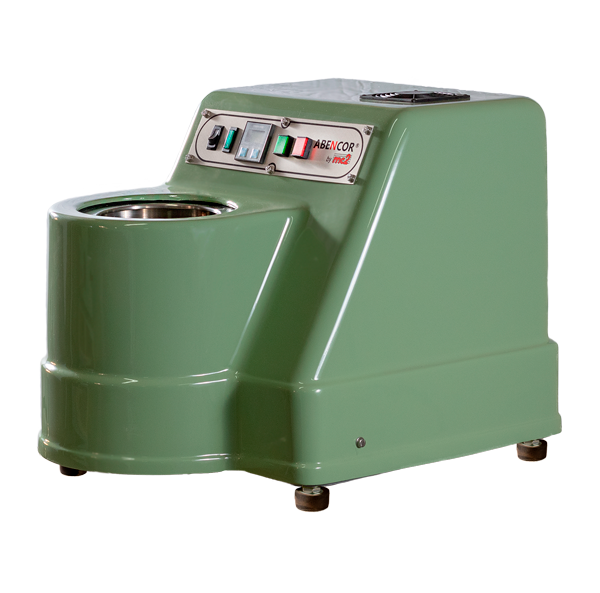
Abencor® Micro Centrifugal Machine CF-100 Unit

Shipping calculated separately
Please call for Price
Quantity

FA.MC2.CentrifugalUnit
  • Description
  • Features
  • Enquiry
  • Specifications
  • Documents
  • Knowledge
  • Blog
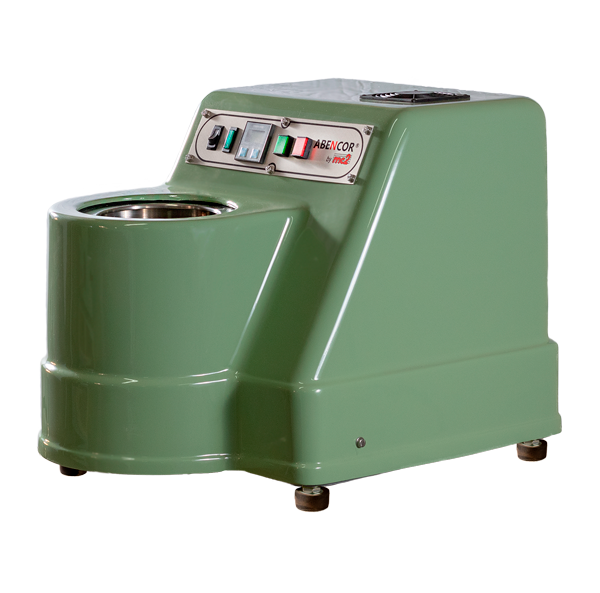
Abencor® Micro Centrifugal Machine CF-100 Unit

Shipping calculated separately at checkout

Laboratory-scale centrifugal separation unit for olive oil analysis, sampling and quality control applications.

The Abencor® Micro Centrifugal Machine CF-100 Unit is a high-performance centrifugal separation machine designed to operate either as a standalone mixer system or as part of the complete Abencor® System. Engineered for precision and reliability, the CF-100 replicates commercial olive oil extraction conditions on a laboratory scale, allowing accurate oil separation from olive paste samples. With a robust three-phase motor, frequency-controlled drive and stainless steel centrifugal drum rotating at 3,500 RPM, the unit delivers fast, consistent and repeatable results. It is specifically developed for analytical, research and quality assessment environments where reliable oil yield and quality evaluation are essential.

Where this product is used

The CF-100 Unit is used in laboratories, research centres, universities, olive mills, agricultural cooperatives and quality control facilities. It is ideal for olive oil sampling, process monitoring, research trials and organoleptic testing where accurate replication of commercial extraction processes is required.
 

Abencor® CF-100 Micro Centrifugal Machine – Technical Specifications

Specification Details
Machine type Micro centrifugal separation unit
Motor power 1.5 kW, three phase
Drive system Frequency converter controlled
Drum material Stainless steel
Drum speed 3,500 RPM
Timer Automatic timer with display
Frame construction Rugged steel frame
Cover material Fibreglass reinforced polyester
Electrical supply 220–230 V, 50 Hz
Current 16 A
Processing time per sample Approximately 1 minute


Why choose this product

The Abencor® CF-100 is a proven laboratory centrifuge trusted worldwide for olive oil analysis. Its mechanical-only process ensures transparency, operator control and minimal maintenance. By accurately replicating commercial extraction conditions, it allows meaningful comparisons between olive samples and reliable assessment of oil yield and quality without solvents or chemical interference.

Application guidelines

The CF-100 can be operated independently or integrated into the full Abencor® System alongside the crusher and malaxer units. Load the prepared olive paste sample, set the timer and allow the centrifugal cycle to complete. Clean the stainless steel drum and outlet funnel after each use using the supplied cleaning paddle to maintain hygiene and performance.

Frequently Asked Questions
The CF-100 is used to separate olive oil from olive paste during laboratory-scale analysis and pilot production. It allows accurate oil recovery from small olive samples, making it ideal for quality assessment, yield determination, and research applications.
Yes. The CF-100 can operate independently as a centrifugal separation unit or be fully integrated into the Abencor® System. When used alone, it functions as an effective mixer and separator for controlled olive oil extraction trials.
The Abencor® System is a three-part olive oil analysis system consisting of a Crusher, Malaxer, and Centrifugal Unit (CF-100). Together, they replicate the full commercial olive oil extraction process on a laboratory scale, allowing precise control and evaluation of each processing stage.
The system produces approximately 150 grams of oil, which is sufficient for organoleptic testing, chemical analysis, and quality comparison. This quantity allows reliable sensory evaluation that closely reflects commercial extraction results.

 
General main key features

• Laboratory-scale centrifugal separation replicating commercial extraction
• Stainless steel drum for hygiene and durability
• Frequency-controlled drive for consistent performance
• Automatic timer with clear display
• Solvent-free, 100% mechanical and ecological process
  • :
  • :
  • :
  • :
  • :
  • :
  • :
  • :
File Title File Description Type Section
Centrifugadora_CF_100.pdf Abencor® Micro Centrifugal Machine CF-100 Unit Abencor Micro Centrifugal Machine CF-100 Unit Full Details Specifications Document

Technical Services for olive oil extraction machines

The Olive Centre is proud to provide backup for every Olive oil processing machine sold in Australia.
We employ technicians from Australia and overseas for experenced and professional service onsite at your property.
We specialise in the Oliomio and Barigelli brands, if your oil production machine is of a different brand we may still be able to help, please contact us to find out details.

Contact us If you have...
  • Just bought a second hand olive oil machine and need it serviced or repaired.
    - Give your new olive oil machine the best start by ensuring it is performing at its best.
  • Just obtained an olive oil machine with no idea how to process olives into oil?
    - Our technicians can guide you in running, maintaining and making the most out of your olive oil machine.
  • an olive oil machine that needs servicing before the next season
    - Routine maintenance is important, if you are not comfortable performing maintenance tasks yourself, or your machine is still within the warranty period you may prefer that a technician performs these services for you.
  • an olive oil machine that is not running correctly or has broken down.
    - The Olive Centre can supply parts and an experienced technician to diagnose and repair the problem.
Worried about price?
To minimise costs, The Olive centre aims where possible to consolidate technical visits, where applicable travel expenses can be shared between participating customers. Our technicians are always busy during harvest season so we recommend booking early.

Get a quote today

Olive Oil Extraction: Investing in the Right Equipment for Quality Production

OLIVE OIL PROCESSING

Olive Oil Extraction & Investing in the Right Equipment for Quality Production

For businesses and serious growers considering olive oil extraction, the idea of owning a machine for under $10,000 may seem like an attractive entry point. However, achieving high-quality olive oil requires advanced extraction technology that meets food-grade standards. The extraction process is highly technical, demanding specialised equipment to maintain oil integrity and efficiency. This guide will help you understand the essential components of olive oil processing, the investment required, and the best options for entering the market.

The Technology Behind High-Quality Olive Oil Extraction

Many low-cost machines marketed for oil extraction—often priced around $2,000—are screw presses designed for seed and nut oils. These do not meet the requirements for proper olive oil extraction. Producing premium extra virgin olive oil requires specialised machinery that includes:

  • Crushing Systems – Designed to handle the hard-pitted structure of olives while maintaining a low processing temperature to preserve oil quality.
  • Malaxation Tanks – Controlled mixing at precise temperatures allows natural enzymes to release oil from the olive paste while preventing oxidation.
  • Centrifugal Separation – Essential for separating oil, water, and solids efficiently to ensure high yield and purity.

Without these advanced components, it is impossible to produce high-quality olive oil that meets commercial standards.

Breaking Down the Olive Oil Extraction Process

1. Crushing: The First Step to Extraction

  • Requires high-strength crushers to break down tough olive pits.
  • Must operate at low temperatures to preserve the oil’s sensory and nutritional properties.
  • Ensures paste consistency for effective malaxation.

2. Malaxation: Controlling Time & Temperature

  • A slow, controlled mixing process that activates natural enzymes. 
  • Requires low-velocity mixing with high torque to prevent excess oxygen exposure. 
  • Essential for maximizing oil yield and quality.

3. Centrifugal Separation: The Final Stage

  • Uses a decanter centrifuge to separate oil from water and solids. 
  •  A crucial step for achieving purity and optimal extraction efficiency.

Each of these stages demands industrial-grade technology, making low-cost extraction machines impractical for producing high-quality olive oil.

How to Get Started with Olive Oil Extraction

Option 1: Invest in a Professional-Grade Machine – The Frantoino Olive Oil Press

For those serious about maintaining full control over their production, the Frantoino Olive Oil Press is an excellent entry-level option. With a processing capacity of up to 50kg per hour, it delivers professional-quality results in a compact and efficient design. Owning your own machine ensures complete flexibility and control over your olive oil production.

Option 2: Purchase a Pre-Owned Olive Oil Press

f you’re looking for a cost-effective alternative, buying a used machine can provide savings while still allowing you to own your equipment. Though used machines can be harder to source, platforms such as Olive Machinery list available second-hand units.

Option 3: Use a Commercial Olive Processing Service

For those not ready to invest in machinery, a local processing facility provides access to high-grade extraction equipment without the capital investment. To find a processor near you, use The Olive Centre’s Processor Map.

Conclusion: Finding the Right Solution for Your Scale Of Olive Oil Production

Producing high-quality olive oil requires investment in the right equipment and processes. Whether you choose to own a professional machine like the Frantoino, explore second-hand options, or utilise a local processing service, there are solutions to suit different business needs. For those prioritising full control and flexibility, investing in specialized extraction equipment is the best path forward. However, used equipment and local processors provide accessible alternatives for those looking to test the market before committing to a larger investment.

Starting Out with Olive Oil Extraction: What You Really Need to Know

OLIVE OIL PROCESSING SOLUTIONS

Starting Out with Olive Oil Extraction: What You Really Need to Know

If you are looking for small-scale olive oil processing machines, olive oil processing machine prices, compact olive oil processing equipment for boutique groves, olive oil extraction machines for home use, olive oil press machines in Australia, the best home olive oil presses, and affordable olive oil processing machines for sale - many of which are available through The Olive Centre’s renowned range of processing, milling and extraction solutions.

Thinking about pressing your own olive oil for under $10,000 may seem tempting, especially for hobby growers. But when it comes to creating top-tier olive oil, a simple, budget-friendly machine won’t meet the needs. Producing quality oil requires carefully managed steps and solid equipment. Here's a clear look at how the process works and how beginners can get started without compromising quality.

What Technology Do You Need For Olive Oil Extraction

Some machines, often sold for a few thousand dollars, claim to produce olive oil. But most of these are screw presses, which are more suited for seeds or nuts - not olives. For real olive oil extraction, you’ll need machinery built specifically to crush, knead, and separate the oil from the paste using centrifugal force. This setup ensures a high yield and preserves the oil’s natural flavour and antioxidants.

Getting into the actual steps means dealing with tough-skinned olives that need force to break down. From the initial crush to the slow and steady malaxing process, each part of extraction must be carefully controlled. Especially during malaxation, the paste needs to be stirred slowly and kept at the right temperature to let natural enzymes do their job and without this process the cell wall structure of the olive is not broken down to release the oil. This lets the oil separate cleanly during the separation phase of extraction. Machines under $10,000 typically lack the components and processes required to extract olive oil.  

The Extraction Process: What Every Step Demands

Olive oil extraction calls for power, control, and precision. Here's what’s involved:

  • STEP 1:  Breaking down hard olive pits: Only strong crushers can handle the pressure needed. Without enough power, the crushed paste won’t have the right texture, and the next stage can’t work effectively. This step should also happen at a low temperature to keep the paste’s quality intact.
  • STEP 2:  Malaxing needs specific control: This step isn't just stirring. It has to be slow and carefully timed. Machines must deliver high torque at low speeds to avoid mixing in air, which can ruin flavour. Enzymes inside the paste break open the oil cells, letting droplets rise. Without steady malaxation and heat control, the oil’s character drops.
  • STEP 3:  Separation through centrifugal force: Once malaxing is done, the mixture must be spun at high speed to separate oil, water, and solids. Only well-designed decanters can do this effectively.
All of these parts show why high-quality machinery isn’t cheap. Machines made with stainless steel and food-grade components cost more for a reason - they protect the oil's quality from start to finish.

Three Entry Points for Olive Oil Production

If you're ready to begin, there are three practical routes depending on your budget and goals:

1. Buy Your Own Press - Frantoino Olive Oil Machine If you want full control and plan to press olives regularly, the Frantoino is a strong entry-level choice. It processes up to 50 kg per hour and gives you hands-on management of every step. You get compact, professional-grade results at home, making this machine perfect for small-scale producers who want flexibility and independence.

2. Consider Pre-Owned Equipment - Not everyone wants to invest in a brand-new setup right away. Buying a used press can cut costs without cutting quality - if you find the right machine. While second-hand units aren't always easy to locate, Olive Machinery has a section for used presses that may suit your needs. This option offers ownership without the higher initial spend.

3. Use a Nearby Processing Service - If you don’t want to buy a machine yet, look into local services that let you use commercial-grade equipment without owning it. This gives you access to professional tools without long-term costs. The Olive Centre’s processor map helps you find a service near you. This option is ideal for first-timers or those with smaller harvests.

Final Advice: Picking the Best Start for You

Getting into olive oil production takes careful thought, but there are solid options for newcomers. Whether you want full control, a used machine that is cheaper on the budget, or access to a local press (see map-link below), there’s a solution that can work for your setup.

If control and consistency matter most, owning a machine like the Frantoino puts you in charge. If budget matters more, used equipment or shared services let you start small and grow. The key is to understand what each step requires and match that to the method that fits your goals.

Resources


Processing Aids for Olive Oil Extraction: Functions, Benefits and Practical Application

SMART TECHNIQUES TO IMPROVE OLIVE OIL EXTRACTION RESULTS

Processing Aids for Olive Oil Extraction: Functions, Benefits and Practical Application

Producing high-quality extra virgin olive oil depends not only on fruit quality and processing technology, but also on the strategic use of processing aids - materials added during malaxation or paste handling that facilitate oil release. Although they modify the processing conditions, all approved processing aids share two essential characteristics: they do not remain in the final oil, and they do not negatively affect oil quality.

This article summarises the main categories of processing aids used in olive oil extraction, how they work, and when they offer the greatest benefit.

1. Understanding Processing Aids

Processing aids help overcome difficulties such as:

  • High fruit moisture
  • Low extractability
  • Viscous or unstable pastes
  • Difficult cultivars
  • Low pumping capacity
  • Excessive paste fluidity
They enable more efficient coalescence of oil droplets, improve decanter performance, and reduce oil losses in pomace.

The major classes of processing aids used in olive milling are:

  1. Talc and microtalc powders
  2. Common salt (NaCl)
  3. Calcium carbonate (CaCO₃)
  4. Citric acid
  5. Enzymes (pectolytic and cellulolytic blends)
  6. Combined strategies (e.g., enzymes + talc)

2. Talc and Microtalc Powders

How They Work

Talc is a natural hydrated magnesium silicate with a laminar sheet-like structure. When added to olive paste, it:

  • Helps particles aggregate and improves paste structure
  • Reduces paste adhesion to the malaxer and decanter surfaces
  • Enhances oil droplet coalescence
  • Reduces water and oil emulsification in the paste 
Effects on Paste Components

Research presented in the file shows talc:

  • Reduces total pectin content in the paste, facilitating oil release
  • Reduces cell wall proteins, further reducing emulsification and viscosity

Total Pectins
Table 3. Effect of talc addition on pectin fractions and total pectin content of olive paste after malaxation 

0 0.25 0.5 1
WSP (mg/100 g AIS) 434 ± 59a* 293 ± 39b 244 ± 51b 261 ± 26b
CSP (mg/100 g AIS) 359 ± 35a 236 ± 11b 220 ± 7b 354 ± 4a
NSP (mg/100 g AIS) 483 ± 61ab 387 ± 55b 348 ± 23b 590 ± 62a
TP (mg/100 g AIS) 1275 ± 83a 915 ± 76b 812 ± 76b 1206 ± 88a
    *Different letters within a row mean significant differences with respect to the process step.
†Mean ± SD (n = 3).
Impact on Extraction Efficiency

Graphs demonstrate substantial extractability improvements across varieties such as Arbequina, Barnea, and Manzanillo when talc or microtalc is added.

    Talc trial in Manzanillo fruit with 61.1% moisture and 3.1 M.I.

A detailed trial in Manzanillo fruit (61% moisture) shows extraction efficiency rising from 74.36% (no talc) to 89.15% at 2.0% talc. 

When to Use Talc

Suggested when:

  • Fruit moisture is >56%
  • Difficult cultivars (e.g., Arbequina, Leccino, Picual, Hojiblanca or Nevadillo)
  • Small crushing grids (4–5 mm)
  • Extraction efficiency <85%
  • Low decanter pumping capacity (<60%)
Start at 1% for particle size >10 µm or 0.3% for <10 µm and adjust

3. Common Salt (NaCl)

Mechanism

  • Salt dissolves in the aqueous phase and:
  • Increases the density difference between water and oil
  • Improves phase separation in the decanter
  • Enhances chlorophyll solubility—producing greener oils
Benefits
  • Increases extractability
  • Low cost compared to talc
  • No salty flavour in the oil
  • Slightly increases polyphenols and stability 
Recommended Dose

1–3%, added during malaxation.

4. Calcium Carbonate (CaCO₃)

Mechanism and Use

A natural calcite mineral with very fine particle size (d50 = 2.8 µm). Its mode of action is similar to talc - promoting aggregation via adsorption.

Benefits

  • Very high extractability
  • Lower cost than talc
  • Widely used in Spain with good results
Quality Considerations

However, CaCO₃ may:

  • Increase oil oxidation (higher PV, UV values)
  • Decrease polyphenols, stability and bitterness
  • Produce very green oils
  • Alter taste
  • Raise pomace pH

    Salt & Calcium Carbonate   

Salt (NaCl) Calcium Carbonate
  • Improves extractability
  • Aggressive on paste
  • No impact on taste
  • Very high extractability
  • Slightly greener oils
  • Reduces FFA
  • Higher PPH content in oil and slightly higher stability
  • Increases pH of pomace
  • Increases CE of pomace
  • Oxidative action (PV, UV)
  • ↓↓ PPH, stability & bitterness
  • Very green oils
  • Change in taste

    Table 4. Comparative effects of Salt (NaCl) and Calcium Carbonate on olive paste extractability, stability, and quality.

5. Citric Acid

Citric acid acts both as a processing aid and a quality modifier:

Mechanism

  • Generates a significant pH drop in the paste
  • Causes degradation of pectin chains
  • Enhances polyphenol partitioning into oil
  • Possibly inhibits polyphenol oxidase (POD) activity 

Documented Effects

Research data shows:

  • Higher total polyphenols
  • Improved oxidative stability (Rancimat)
  • Longer calculated shelf life
  • Increased bitterness (chemical and sensory)
Some studies also report increased free fatty acids.

Application

  • Add during malaxation
  • Use 0.5–2.0%, prepared as a 30% water solution

6. Enzymes

Role in Extraction

Enzymes (typically pectinases and cellulases from Aspergillus spp.) break down:

  • Pectin
  • Cellulose
  • Hemicellulose
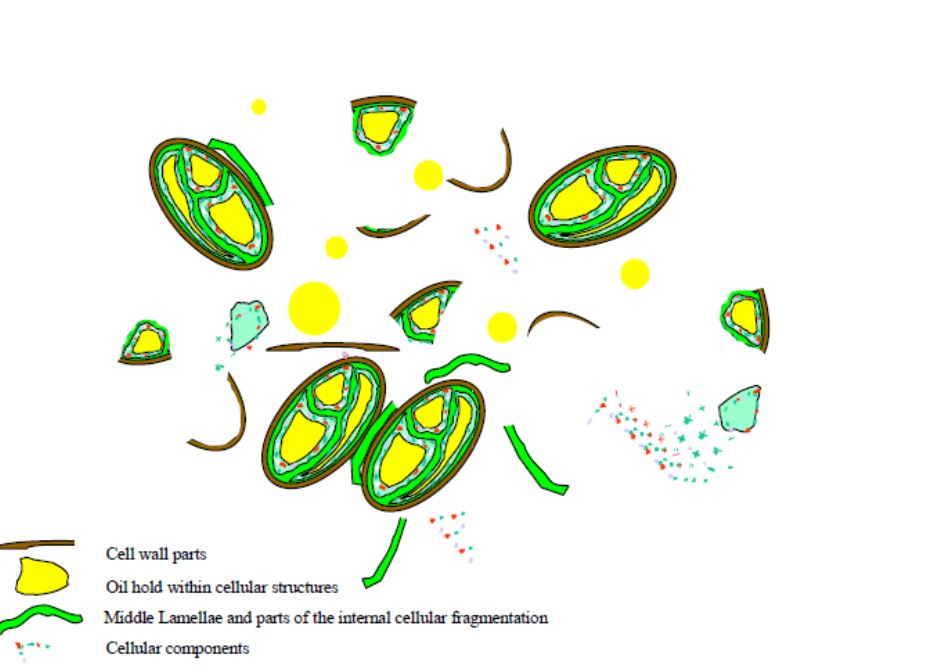
  • Middle lamella components (visualized in SEM
   

This releases oil trapped within cell structures more efficiently.

Key Benefits

  • Dramatically improve extractability—especially in green fruit (MI < 3.5)
  • Reduce paste viscosity
   
  • Produce cleaner oil phases in the decanter
  • Dry out pomace, reducing disposal weight
  • Essential in early-season fruit with high pectin content 

    Maturity and Pectin Degradation

    Changes in Texture, Total Pectins (TP), and Pectin Esterification Degree in Fruits During Ripening of Olives 

Ripeness Stage Harvest Date Texture (N/100 g of fruits) TP (mg GA/100 g dry wt) Degree of Esterification (%)
Ripe-green 11/30/98 3889.6 ± 155.3 1678.6 ± 72.2 63.30
Ripe-green 12/7/98 3023.5 ± 140.7 1464.3 ± 60.0 65.34
Small reddish spots 12/14/98 2537.2 ± 108.8 882.4 ± 41.5 44.12
Turning color 12/21/98 2428.4 ± 112.4 852.9 ± 38.4 42.42
Turning color 12/28/98 2394.7 ± 98.2 823.5 ± 41.1 40.88
Purple 1/4/99 2253.6 ± 112.9 789.5 ± 31.3 27.39
Purple 1/11/99 2260.5 ± 90.4 763.2 ± 32.2 27.59
Black-1 1/18/99 2119.7 ± 97.9 680.5 ± 36.0 23.39
Black-2 1/25/99 1358.3 ± 57.8 580.8 ± 25.0 24.21
Ripe-black 1/29/99 1027.6 ± 52.5 510.6 ± 21.4 12.03

    *Black-1: fruits with black surface and white pulp; Black-2: fruits with black surface and purple pulp; GA: galacturonic acid.

Dosage 

  • 300–500 ml/tonne, higher in dry years
  • Increased dose for less mature olives
Operational Adjustments Needed
  • Open oil plates to capture extra oil 
   
  • Add 3–4% water if needed for decanter flow
  • Reduce paste pump speed due to increased fluidity

7. Combining Enzymes and Talc

A combined approach often yields the best results.

Advantages

  • Effective for excessively fluid pastes
  • Enhances both structural correction (talc) and biochemical breakdown (enzyme)
  • Produces cleaner oil with fewer suspended particles
Application Guidance
  • Both can be added simultaneously during malaxation
  • Ensure enzymes are not dripped directly onto talc (to prevent localized deactivation)

8. Practical Guidance for Dosing

Talc and Microtalc

  • Use a dispenser calibrated by kg/h and bulk density 
  • If added manually, sprinkle slowly while filling the malaxer
  • Add only to fresh paste, not oily paste
Enzymes
  • Use dosing pumps capable of 8–10 L/h
  • When added manually, introduce all at once at start of malaxation
  • Dilute 4:1 or 5:1 with water

9. Conclusions

Processing aids are an essential - yet often underused - tool for olive oil producers aiming to optimize extraction efficiency, improve oil yield, and adapt to seasonal and varietal challenges. When applied correctly:

  • Talc/microtalc stabilises paste and enhances separation
  • Salt is a low-cost density modifier with positive quality attributes
  • Calcium carbonate greatly boosts extraction but requires quality caution
  • Citric acid enhances polyphenols and shelf life but may increase bitterness
  • Enzymes are indispensable for green or high-pectin fruit
  • Combined strategies (e.g., enzymes + talc) yield synergistic performance benefits
The best results come from tailoring these aids to fruit condition, maturity, moisture, and processing constraints - ensuring efficient extraction without compromising oil quality.

Processing Aids for Olive Oil Extraction: Functions, Benefits and Practical Application

Olive oil producers can enhance extraction efficiency and oil quality with the strategic use of processing aids. These materials, including talc, enzymes, salt, and citric acid, improve oil release, reduce paste viscosity, and help separate oil from water.
Please log in to view the entire article

Esterification in Olive Oil Extraction and the Role of Processing Aids


PROCESSING AIDS AND THEIR EFFECT ON OIL CHEMISTRY

Esterification in Olive Oil Extraction and the Role of Processing Aids

Esterification is a natural chemical reaction where free fatty acids (FFA) combine with alcohols, typically glycerol, to form esters. This process reduces the measurable acidity of the oil. While esterification can occur in the olive paste during milling, it is usually a minor contributor to quality changes compared with factors such as fruit condition, malaxation parameters, and extraction efficiency.

Why Esterification Matters

  • Directly affects FFA values, a major criterion for Extra Virgin classification
  • Influences how certain processing aids appear to improve acidity
  • Helps understand why some additives must be used carefully to avoid unintended chemical changes
  • Provides insight into the relationship between pH, temperature, and enzymatic activity during malaxation
Esterification and Hydrolysis in Olive Oil Chemistry


This diagram illustrates the reversible reactions of esterification and hydrolysis, showing how free fatty acids and glycerol form triglycerides—and how they break down again under certain milling conditions.
Process Flow Diagram for Olive Oil Extraction


This diagram outlines the continuous olive oil extraction line: olives are crushed, malaxed, separated, clarified, and routed for bottling, while husk and wastewater are channelled to waste management systems.


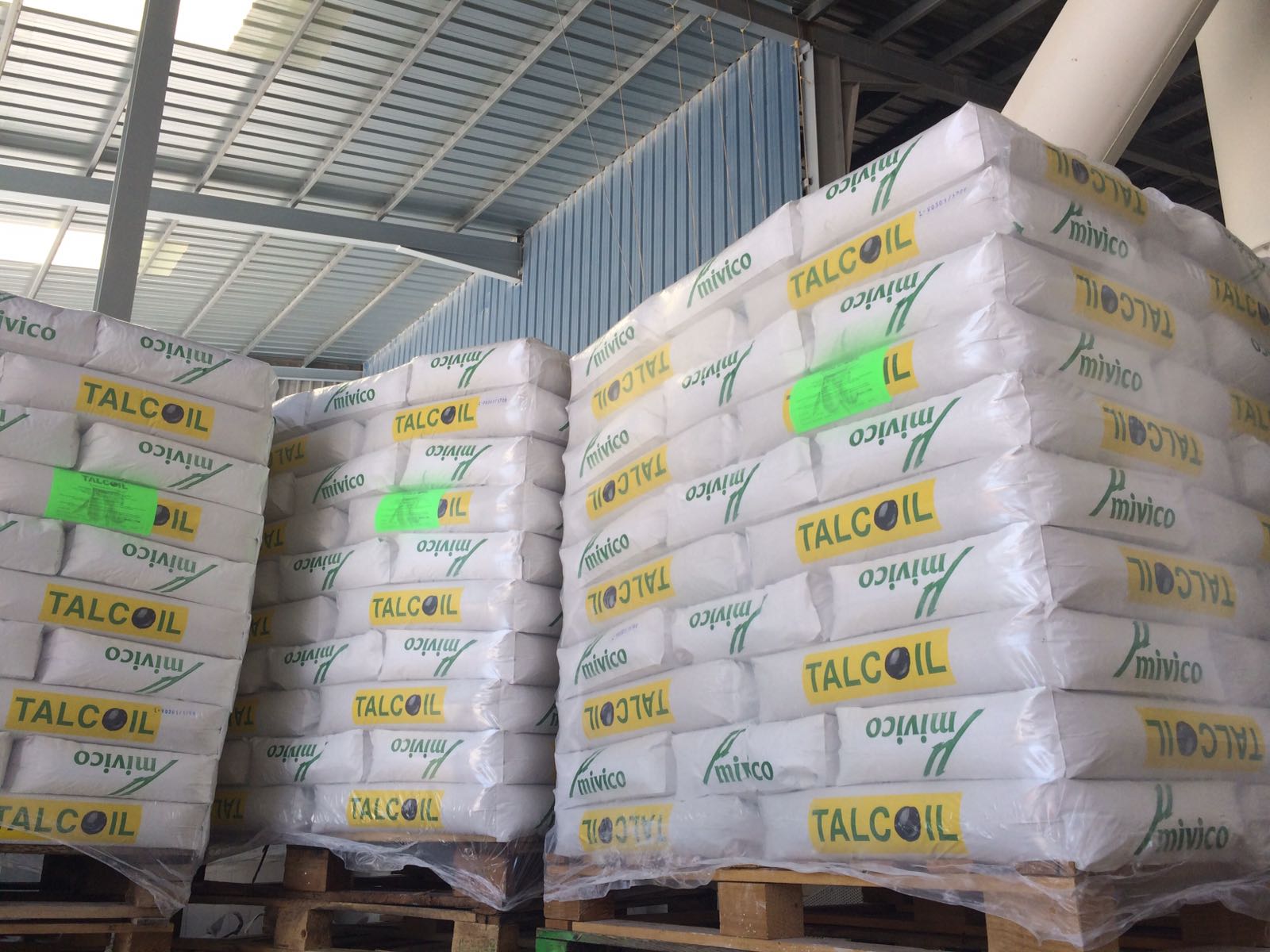
High-Quality Talc Used in Olive Paste Processing


    Talcoil Micronised Mineral Talc by Mivico


When added to the paste, talc increases yield and improves malaxation and decanter performance.

How Processing Aids Interact with Esterification and Oil Chemistry

Processing aids act physically or chemically on the olive paste. Some enhance enzyme activity, others alter pH or moisture, and a few influence esterification indirectly. Below is a breakdown of the main aids used by professional olive processors and how each relates to esterification.

1. Calcium Carbonate

Calcium carbonate is the processing aid most associated with apparent esterification effects.

Influence on esterification

  • Raises the pH of the paste, shifting reaction conditions
  • Can promote mild esterification of free fatty acids, producing a lower measured FFA
  • May mask poor fruit quality because the reduction in FFA does not represent a true improvement in oil integrity
Operational considerations
  • Produces very green oils
  • Can alter flavour and oxidative parameters
  • Requires precise dosing due to its aggressive action
The Olive Centre can supply controlled dosing systems to ensure correct application in mills seeking maximum extractability.  See Talc Dispenser and Enzyme dosing units

2. Salt (Sodium Chloride)

Salt acts primarily on the physical structure of the paste rather than the oil chemistry.

Influence on esterification

  • Minimal direct effect
  • Does not change paste pH in a way that promotes esterification
  • The perceived improvements in acidity are due to better separation, not chemical modification
Operational benefits
  • Improves extractability
  • Helps produce greener oils
  • Increases centrifugal efficiency of the decanter
Salt can be metered via hopper dosing units or inline auger systems.

3. Talc (Magnesium Silicate)

Talc is inert and valued for its physical functionality.

Influence on esterification

  • No chemical interaction with oil or fatty acids
  • Does not modify FFA or promote esterification
  • Its benefits come entirely from improved paste structure and reduced emulsification
Operational benefits
  • Improves oil yield in high moisture or difficult pastes
  • Enhances malaxation and decanter performance
  • Works reliably across varieties and seasonal conditions
Available talc dosing equipment can be integrated with paste blenders, malaxers, and continuous milling lines.

4. Enzymes

Commercial enzyme blends can influence chemistry indirectly.

Influence on esterification

  • Break down cell walls, releasing bound lipids and sometimes alcohol groups
  • May create conditions where minor esterification occurs naturally
  • Effects are small compared with changes in extraction efficiency
Operational benefits
  • Higher extractability
  • Reduced malaxation time
  • Often improved phenolic release
Enzyme dosing and thermal control in malaxers improve consistency and performance.

5. Kaolin and Bentonite

These clay minerals are used more for paste modification or clarification.

Influence on esterification

  • No direct chemical effect
  • Do not reduce FFA or change oil acidity
  • Their performance is purely physical, based on adsorption and improved paste rheology
Operational benefits
  • Support separation in high moisture pastes (kaolin)
  • Assist in clarification and impurity removal (bentonite)
Clay based aids should be added with care to avoid over-adsorption of oil.

Summary: Which Aids Influence Esterification?

Processing Aids & Their Effects

Processing Aid Impact on Esterification Notes
Calcium Carbonate Moderate … via pH shift Can lower measured FFA but may affect flavour and oxidation
Salt (NaCl) None Improvements come from better separation, not chemical change
Talc None Purely physical aid for difficult pastes
Enzymes Minor, indirect Mostly physical… chemical breakdown of cell walls
Kaolin None Improves rheology only
Bentonite None Used for clarification rather than extraction

Optimising Processing Aids in Olive Mill Machinery

Professional olive mills benefit from:

  • Precision dosing systems for powders and enzymes
  • Malaxers with stable temperature control to avoid unintended chemical changes
  • Decanters tuned to handle modified paste characteristics
  • Regular chemical testing to verify FFA, PV, and phenolic stability
The Olive Centre supplies processing aid dosing equipment, malaxation systems, decanter upgrades, and quality testing instruments designed to support efficient, traceable and high quality olive oil production.


How Esterification Happens and the Conditions That Allow It

CHEMICAL CONDITIONS DRIVING ESTERIFICATION

How Esterification Happens and the Conditions That Allow It

Esterification occurs when free fatty acids (FFA) in olives or olive paste react with natural alcohols—most commonly glycerol—to form esters. While this is a natural chemical reaction found in many biological systems, it usually plays only a small role during standard olive oil extraction. However, under certain processing or fruit-quality conditions, esterification can become more noticeable and can affect how acidity is interpreted during quality assessment.

Understanding when and why esterification occurs is important for mill operators, as it can influence extraction decisions, processing aid use, and the accuracy of acidity readings that determine Extra Virgin classification.

How It Comes About

Esterification begins when three conditions align:

  • Free fatty acids are already present due to fruit damage, overripeness, frost injury, or delays between harvest and milling. It is a natural chemical process, but it becomes noticeable mainly when fruit quality is not ideal or when additives change the chemistry of the paste.
  • The olive paste becomes warm and chemically active during malaxation, allowing molecular interactions to accelerate.
  • Acids and alcohols remain in contact long enough for the reaction to occur within the paste matrix.

Esterification is not inherently harmful, but it becomes more noticeable when fruit quality is compromised or when additives alter the paste’s pH and reaction environment. This means that an oil’s reduced measurable acidity may not always reflect true quality improvement.

Conditions That Promote Esterification

Esterification becomes more likely when certain environmental or operational factors occur within the mill. Understanding these allows processors to maintain better control over oil chemistry and avoid misleading test results.


1. Higher Paste Temperatures

  • Warm malaxation conditions accelerate chemical reactions. If the paste temperature rises excessively—due to long malaxation times, inadequate cooling, or equipment limitations—ester formation becomes more favourable. This can cause a measurable decrease in free acidity even though the underlying fruit quality has not improved
2. Increased Paste pH
  • Processing aids such as calcium carbonate raise the pH of the olive paste. A higher pH creates a more reactive environment, encouraging esterification and artificially lowering the measured FFA value. While this may seem beneficial, the oil’s true chemical integrity may remain unchanged or even decline if over-correction occurs.
3. Presence of Excess Free Fatty Acids
  • When olives are bruised, overripe, frost damaged, or held too long before milling, the fruit’s natural lipase activity increases FFA levels.
  • High FFA content gives esterification more raw material to work with, increasing the likelihood of esters forming during malaxation.

4. Extended Contact Time

  • Longer malaxation sessions or slow-moving processing lines keep acids and alcohols in contact for extended periods.
  • This additional time increases the probability of esterification occurring, particularly if other promoting conditions (temperature, pH) are also present.

5. Enzymatic Activity

  • During crushing, enzymes are released from olive cells. If the fruit is not fresh or has undergone stress, enzymatic activity becomes more pronounced and can indirectly support esterification pathways. Although the overall effect is small, it can still contribute to changes in measured acidity.

Why Understanding These Conditions Matters

When esterification occurs under the conditions described above, it can lower the measured FFA without actually improving the oil’s true chemical quality. This can mislead producers into thinking their processing steps or additives improved the oil, when in reality the acidity reduction was simply a chemical conversion—not a restoration of fruit integrity.

Producers who understand these mechanisms can:

  • Avoid masking fruit defects with processing aids
  • Maintain accurate interpretations of acidity values
  • Optimise malaxation and temperature control
  • Ensure extraction conditions prioritise real quality, not numerical artefacts

In simple terms: Esterification becomes noticeable when the olive paste is warm, slightly alkaline, contains damaged fruit components, or sits too long before separation. Managing these factors helps prevent misleading acidity readings and supports genuine quality improvements.

Evaluation of Processing Aids for Olive Oil Extraction and Quality Improvement

Some important research that you should know about which was funded by RIRDC....

RESEARCH This RIRDC report analyses the impact of the use of traditional and new processing aids on olive oil extraction and oil quality.

The information generated by this project aims to provide new tools for improving olive oil processing that can increase both the extraction efficiency and profitability for olive producers in the Australian industry.

The report is targeted at the relatively new and actively growing group of olive oil processors in Australia. An understanding of the use of processing aids?by oil producers will help them increase their profitability without affecting the quality of their product. Press this link ---> Download PDF (706.1 KB)

Olive Oil Extraction By-Product Uses Waste Cake

I know you can't eat it, but can it be fed to livestock and it is nutritious? Does it need any further processing prior to being used for feed? Can it be put around olive trees as a mulch? What other uses does it have?

The olive cake is one of the by-products that is generated when processing olive oil. The physical composition of the olive is skin, pulp, the stonewall and the kernel. Through all of this physical matter is the water and oil which are mostly extracted from the olive during processing. After going through the extraction process about 35% of the fruit will be left as olive cake. In 1985 when it was estimated that olive cake production worldwide was nearly 3 million tonnes.

[caption id="attachment_1979" align="alignright" width="200"]Olive Mill Waste: Orujo Exhausted olive pulp (orujo) from busy olive oil mill factory being conveyed into huge metal silo container for later composting.[/caption]

The most common use for olive cake is in heating. Because of the small amounts of olive oil still in the cake, when dried, it burns very well in fireplaces and heating furnaces. It is very common in the traditional press type oil factories to see people shovelling dry cake into furnaces to warm water for the oil extraction process. In addition to this, it keeps the room warm while they work through autumn into winter.

The olive cake is generally pressed into briquettes for commercial sale for fireplaces or is left in its 'mat-like' state for furnace heating inside the factory.

This article cannot go into all details on the various types of olive cake and feed preparation methods, however, it does give evidence that research has been and is being done into the cake's possible uses.

The olive cake is relatively high in moisture, about 24%, and oil, about 9%. (The amount of oil left in the cake will depend on the efficiency of the milling equipment and the skill of the operator.) These two components cause rapid spoilage of the olive cake material when it is exposed to the air.

Early Italian data states that the main problem with the olive cake that has been obtained by centrifugation is the rapid spoilage time, perhaps as short as 4 or 5 days. The same research concludes by saying "Olive cake as such is not very palatable and it is not widely consumed."

A recent Australian analysis of olive cake comes to much the same conclusion. ?The composition of the cake was as follows:

  • Moisture ?28%
  • Dry Matter 71.5%
  • Crude Protein 2.3% of dry matter
  • Digestibility 25.3% digestible dry matter
  • Metabolised Energy .6 MJ/kg dry matter

"Both the energy and protein content of this material are extremely low, and it would have little if any value as a feed for any class of livestock".

As a comparison, mixed pasture hay has an average crude protein, and has a %of dry matter of 11% and a Metabolisable energy of 8MJ/kg dry matter. A 40 kg dry sheep on a maintenance ration would require 8% crude protein and 6.5MJ/day of Metabolisable energy.

A study of olive cake is a stock feed in Tunisia concluded that "olive cake, when mixed with molasses in a ration feed mix, is palatable to livestock but distributed by itself it is not palatable, causes weight loss and is poorly digested". ?The higher the percentage of olive cake in the feed ration, the greater the weight loss occurred by the livestock.

Because of the seasonal timing of production, availability of olive cake is limited to certain periods of the year. People wanting to use it as a feed supplement or base would need to take its availability and storage capacity into account.

It would appear that from the available research, olive cake in its raw by-product form is currently of limited value as a feed source for livestock.

Some conclusions from the FAO book "Olive By-Products for Animal Feed" (1985) follow:

"As for the use as animal feed, detailed recommendations which could apply to all countries cannot be made. However, it is possible to recommend the general use of olive by-products (leaves and olive cake in all forms) bearing in mind that these by-products should be considered as crude lignocellulose feed comparable to cereal straw or a poor quality hay."

"In cases of shortage periods, all types of olive cake can be recommended in survival rations, although none of them can make intensive production possible. Depending on the type of olive cake, it is possible to ensure maintenance of the animals or a moderate production level. However, it is preferable to incorporate 8-10% molasses to facilitate olive cake consumption."

"... partially destoning olive cake by screening or ventilation can be recommended. This is the most practical, simplest and most economic method at present and one of the most effective for improving the feed value of olive cake. It's crude fibre content should then barely exceed 15% of dry matter."

"Olive tree leaves and branches constitute a fodder of exceptionally high quality (which is higher as the proportion of wood is lower). ?It is recommended that the leaves be used preferably fresh since their nutritive value is higher than that of the leaves which have been dried or preserved by ensilage."

In the Mediterranean region, large companies buy the olive cake and extract the remaining olive oil using solvents. In time, companies in Australia will probably be set up to process olive cake in the same way. The Mediterranean companies are currently paying between 10 and 20 cents per kilogramme for olive cake. This figure varies depending on the type of oil extraction machinery in which the ways cake was produced. The solvent extracted oil is often blended with better quality oils prior to sale.

Another possible use for the cake is in the area of orchard mulch. As with any processing system, the ultimate aim is to distribute all by-products into either a sale-able product market or back into the existing system at some points. ? Although some farmers have been using the olive cake for mulch for many years, little scientific research is available to present to determine the effects of this practice on the orchard. ?More trials need to be done in this area.

Read more: ?Olive Oil Extraction

Read more: Olive Oil Machinery

Power requirements for an Olive Oil Extraction machine

Have you assessed the power requirements of the olive oil machinery you are considering? ?Do you have single or three phase power?

The answers to these questions can be relatively straightforward or difficult and/or costly. ?Here we look to find a solution to power your machine.

Typically, we start with your Electrician or Energy Power provider. ?They should be able to ascertain the size of the transformer you have in relation to the power needed.

You may find yourself in one of these Scenarios:

Scenario 1: ?I only have Single phase but need the capacity of a Three-phase powered processing machine?

In this circumstance, if your Single phase power source is ample you may be able to have a converter fitted to your single phase electrical supply. ?There are different brands of converters. ?However, not all of them with work with the electronic equipment fitted to your machine. ?There are 2 reliable sources of units that have been installed for use with Processing machinery:

Polyphaz: ?http://www.polyphaz.com/

Scenario 2: ?I don't have quite enough power. ?What options do I have?

In this situation, you may be eligible for a transformer upgrade. This option can be explored through your Electrician or Energy Company. ?You will need to call them to ascertain if this is possible.

Scenario 3: ?I have assessed my power requirement and it is going to cost a small fortune to have the power run to where I need.

If you haven't been able to fit a converter then your second port of call might be a generator. ?It is important to match the size of the generator accurately. ?The Olive Centre is able to provide further details about generators. ?You might decide to purchase or hire a generator throughout the season(s). ?A great source of contact for generators is Macfarlane Generators who have worked with many producers: ??http://www.macfarlanegenerators.com.au/

Still, have Questions? ?Contact The Olive Centre for assistance.

Find out more about processing machinery