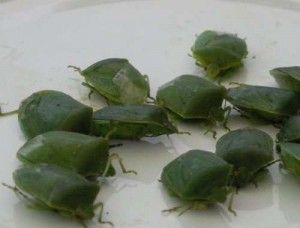
Green Vegetable Bug (GVB), Nezara viridula, is a sap-sucking “stink bug” that is generally considered a minor or sporadic pest in Australian olives. However, under certain conditions - particularly in warm, humid olive-growing regions - GVB infestations have caused severe damage in conjunction with fungal diseases. In northern New South Wales and southeast Queensland, heavy GVB activity combined with anthracnose (olive fruit rot) has led to crop
Discover the main causes of fruit and flower drop in fruit trees and learn practical remedies to reduce losses. Explore solutions like fertilisation, pruning, irrigation management, and pollination support to improve yields and orchard health.
The Curculio Beetle (Apple Weevil) is a destructive pest in olive groves, attacking leaves, shoots, and roots. This guide explains its life cycle, damage signs, and proven control strategies. Learn how pruning, sticky barriers, poultry grazing, and organic sprays like Formula V can help protect olive trees. Explore integrated pest management methods to safeguard your grove and reduce costly losses.
In March 2025, Hort Innovation released the updated Strategic Agrichemical Review Process (SARP) for the Australian olive industry, a comprehensive review designed to ensure sustainable, effective, and trade-compliant pest management for olive growers nationwide.
Shotberries are undersized, non-viable olives that grow to a maximum of about 4mm. They remain on the tree but do not mature into full-sized fruit, leading to significant yield losses.
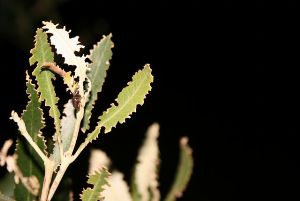
The Olive Lace Bug (Froggattia olivina) is an Australian native sap-sucking insect posing significant threats to olive groves. READ MORE
Occasionally a sap-sucking insect known as Brown or Black Olive Scale will be seen on olive trees. It is rarely a problem if the trees are in good health. We usually only spray our mature trees for scale every two to three years and only then if they need it. However, certain areas of Australia are more prone to the scale.
Western flower thrips is the most widely distributed thrips species, occurring throughout all olive-growing districts in California. It has a wide host range, feeding on grasses, field and forage crops, vegetables, and fruit crops.