
The Australia - EU Free Trade Agreement will reshape olive oil trade, creating export opportunities while increasing competitive pressure from European imports.

My Shopping Cart
The Australia - EU Free Trade Agreement will reshape olive oil trade, creating export opportunities while increasing competitive pressure from European imports.

Spain’s 2026 olive harvest is coming in lower than expected due to storm damage, rising costs and ongoing labour challenges.

U.S. Olive Oil Market Faces Policy Crossroads as Standards, Tariffs and Trust Take Centre Stage

New mandatory grocery supply rules start applying from 1 April 2026, bringing stronger contract, pricing and dispute protections for olive growers supplying major supermarkets.
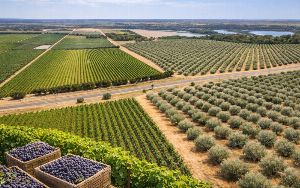
Riverland grape growers are diversifying into high-density olive production, responding to global wine oversupply and rising demand for premium Australian olive oil.

The 37th International Course for Professional Olive Oil Tasters concluded successfully in Italy, bringing together global participants and showcasing Australian olive oils alongside leading international producers.
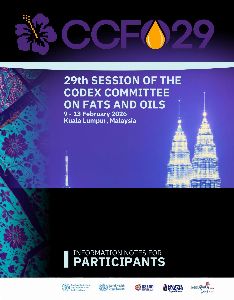
The Codex Committee on Fats and Oils is meeting in Kuala Lumpur to discuss international standards affecting edible oils, with olive oil representation actively defended by the Spanish delegation during CCFO29.
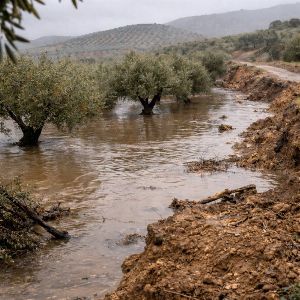
Storm Leonardo has caused significant olive crop losses across Andalucía, revealing deeper structural weaknesses in production systems already strained by drought and increasing climate volatility.

The Córdoba Declaration outlines a shared international commitment to the sustainable development of the olive sector, recognising its role in food security, climate action, rural economies and human health.
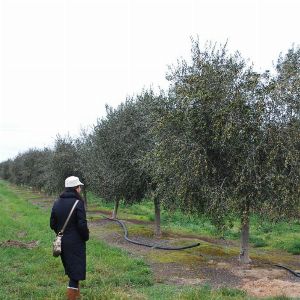
Unpredictable weather has challenged Australia’s 2023 olive harvest. Extended cold and wet periods across key growing regions shortened ripening cycles and reduced yields, according to the Australian Olive Oil Association. Despite smaller volumes, oil quality remains exceptional, with producers adapting to global shortages and shifting export opportunities.