My Account
Sign-in / Join

Sign-in

Hi My Account

Dashboard

Logout

Cart

My Shopping Cart

Subtotal
${{total.toFixed(2)}}
QUOTE

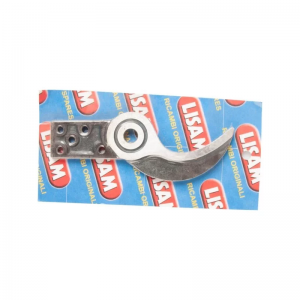
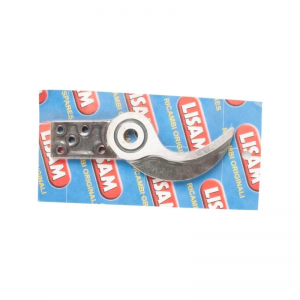
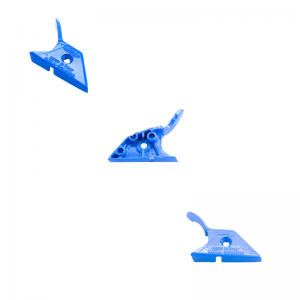
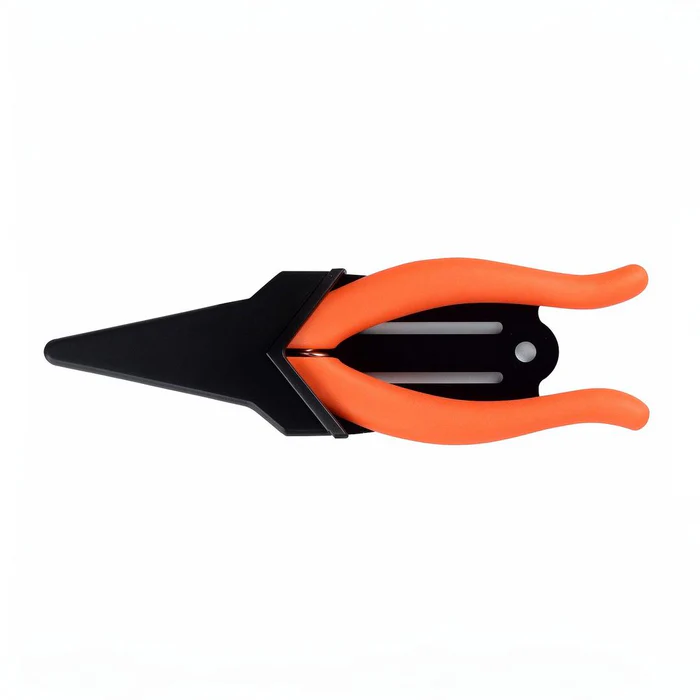
A1252 anvil counter blade replacement part for lisam pneumatic vineyard shears

Shipping calculated separately
Bulk Discounts Prices
Quantity Price
1 $93.00
Quantity

RAGSL108/V
  • Description
  • Features
  • Enquiry
  • Specifications
  • Knowledge
  • Blog
A1252 anvil counter blade replacement part for lisam pneumatic vineyard shears

Shipping calculated separately at checkout

Original lisam anvil counter blade engineered for vineyard pneumatic shears, delivering clean cuts and long-term durability.

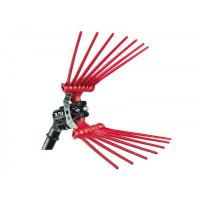
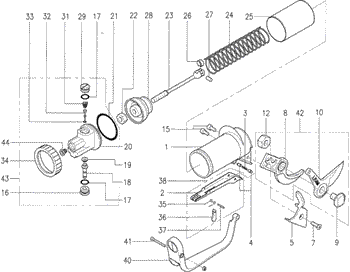
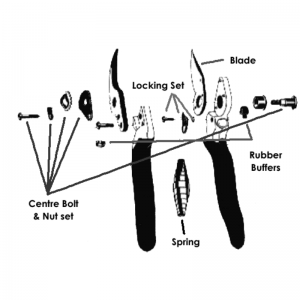
The A1252 anvil counter blade is an original lisam replacement part designed for professional pneumatic vineyard shears, including the lisam 4Win blue model. This fixed counter blade works in precise alignment with the cutting blade to ensure clean, controlled pruning with minimal stress on vines. Forged from ultra-resistant materials, it is built to withstand intensive vineyard use while preventing premature wear and deterioration. Supplied in original lisam packaging, this component ensures reliable performance and correct fit when servicing or maintaining professional pruning tools.

Where this product is used

This anvil counter blade is used on lisam pneumatic vineyard shears in vineyards, orchards and professional pruning environments. It is suitable for routine seasonal pruning where precision cutting and tool reliability are essential.
 

A1252 Anvil Counter Blade Technical Specifications

Specification Details
Original spare part code A1252
Component type Anvil / counter blade (fixed blade)
Compatible models Lisam pneumatic vineyard shears, including 4Win blue model
Application Vineyard and orchard pruning
Material Forged ultra-resistant steel alloy
Function Supports cutting blade for precise and clean cuts
Packaging Supplied in original lisam packaging

Why choose this product

Choosing the original A1252 lisam anvil counter blade ensures correct geometry, material strength and long service life. Genuine lisam components maintain cutting precision, reduce strain on the pneumatic system and help protect vines by delivering clean, controlled cuts.

Application guidelines

Always disconnect the pneumatic air supply before replacing parts. Remove the worn counter blade and install the A1252 anvil, ensuring correct alignment with the cutting blade. Secure firmly according to manufacturer specifications and test the shears before returning them to field use.

Frequently Asked Questions

 
General main key features

• Original lisam spare part with guaranteed compatibility
• Designed for lisam 4Win pneumatic vineyard shears
• Forged from ultra-resistant materials to reduce wear
• Ensures clean, precise pruning cuts
• Supplied in durable original lisam packaging
  • :
  • :
  • :
  • :
  • :

Olive Mechanical Harvesting, Pruning & Bottling Contractors

Olive Mechanical Harvesting, Pruning & Bottling Contractors

In the Australian Olive Industry

Pruning Services


  • Gallard Pruning Services John Gallard 0428 761 798 , john@gallardservices.com.au Servicing Hunter Valley and other areas upon request.
  • Mulching service Peter Birch - Thunderbolt's Olives 0428 669 157 , thunderboltsolives@bigpond.com Mulches wood up to 300mm diameter Servicing NSW areas

Botling Contractors

  • EV Olives Wenbo 203 Everton Road, Markwood VIC 3678 PH: 03 5727 0209, Email: wenbowwu@hotmail.com Service: Contract Bottling & Cask Filling
  • Fini Olives Jim Hollingworth 237 Orange Springs Road, Regan's Ford, Gin Gin WA 6503 PH: 08 9259 4131, Email: jimh@finiolives.com.au

Mechanical Harvesting Contractors

  • Costa - Mount Camel Mechanical Harvesting Contractors servicing around the Mount Camel area with New Generation Sicma B411 Plus call 0488 010 173
  • John Daniel - Tarlia Olive Estate Servicing NSW, QLD, SA, TAS, VIC & WA John Daniel resides in Lewiston on the outskirts of Adelaide, SA. Email: jtdaniel@adam.com.au
  • Peter Haslett - Haslett Harvesting PO Box 164 Paringa, SA 5340 mail@haslettharvesting.com.au 08 8595 8046  (AH) Servicing SA.
  • Puma Olive Harvesting Self propelled tractor mounted shaker.Capable of 1T/hr. Contact: Fran Goryan Ph: 0408 897 869  or 08 8823 3287 Servicing SA only.
  • Andrew Bucknell Ph: 02 6343 7101  or 0428 232 798 bucknell@westnet.com.au 6 years experience, Sicma F3 harvester Looking to expand into QLD and SA Click here to download information for Andrew Bucknell
  • Preston Valley Grove Sicma Speedy Harvester Contact Mick Ryan for more info Ph: 0419 907 701 , email:info@prestonvalleygrove.com.au
  • Barilla Olive Harvesting Lot 286 Stebonheath Rd, Munno Para Downs. S.A. 5015 Shaker Harvesting, grove layout is important, please book early. Servicing South Australia Contact: Steve Barilla Ph: 0411 402 405 , email:bariloil@tpg.com.au
  • National Olive Harvesters Pty. Ltd. 1 Nelson Road Lameroo S.A. 5302 Over-the-row Style Harvesting,Shaker Harvesting Servicing: ACT,NSW,QLD,SA,TAS,VIC & WA Contact: Ian Mead Ph:0885774062 or 0427879125 E-mail: iwmead@internode.on.net
  • EV Olives Wenbo Wu 203 Everton Road, Markwood VIC 3678 PH: 03 5727 0209 or 0408 519 955, Email: wenbowwu@hotmail.com Service: Contract harvesting New generation harvester, small or large jobs, bin hire, fruit transport  & processing

Please contact us if you would like to be listed?

Objectives of Pruning by Marcelo Berlanda

OBJECTIVES OF PRUNING


Train and Shape Olive trees, Maintain or Increase Production and Improve Harvest Efficiency

by Marcelo Berlanda

Marcelo High Density II.jpg

Training helps giving the tree the optimal shape to allow for efficient harvest as well as achieving early crops.

Once the trees have reached their optimum canopy volume for the environmental conditions of the area, it is likely that the yields could start declining. This is due to the fact that the inner part of the canopy does not receive sufficient sunlight, which causes defoliation, resulting in a low Leaf to Wood Ratio.

If the tree grows above its optimum size, it creates serious issues for the harvester machines. The tree becomes too high and too wide for the machines, it has thick branches that can cause damage on the picking heads and also reduces the removal efficiency of the machine as well as slows down the harvesting speed.

It is a fact that to produce fruit, Olive trees need to grow and produce new branches each year; therefore the trees need to grow every year. It is here where pruning becomes a very useful management tool.

Pruning helps increasing Fruit Size, Oil Yield, Light Interception and Leaf to Wood Ratio, it promotes new growth, and reduces water and fertiliser requirements.


see the full article at:

1- Tree Training

Objectives: Achieve early start of production with higher yields, increased number of production years, higher fruit quality, prepare the trees for the type of harvester that is going to be used on the grove.

Training takes place during the first 3 years of the tree life.

During the first year minimum pruning is required (provided the trees come with a suitable shape from the nursery), lower and vigorous branches competing with the leader should be removed. The aim is to encourage a straight vertical trunk with horizontal branches coming out. Water shoots must be removed to stop competition for water and nutrients.

On the second and third year the aim is to remove lower branches below 600-700-800-1000mm (must be done gradually).

“Always keep in mind that if we prune too hard is because either we came too late or because we do not know what to do”.

There must be a balance between what is taken out and what is left on. If we remove too much canopy, we have a negative effect on the tree, because we are removing photosynthetic area setting the tree back for a while until it starts growing again.

Light pruning is a process by which we only take a small amount of foliage (a couple of small branches), therefore we are not affecting tree balance. That is why it can be done from August until the end of May.

Heavier pruning in this process we take a large amounts of foliage therefore we are promoting a stronger reaction from the tree, this makes it susceptible to frost damage. That is why we should be delaying it until the end of September unless the weather is warmer. If that is the case we could start at the beginning of September.

Tree training not only involves light and heavy pruning but also tree tying and skirting.

2- Production

This type of pruning is performed on mature trees once they have reached full size. It has the aim of balancing the tree to obtain uniform and constant production every year.

As we all know when trees are young there is a larger number of non productive branches and that is because those branches are actively growing, but once they have reached their potential, they stop growing and start producing fruits, after a while those branches are exhausted and they stop producing, therefore they should be removed, to encourage new growth and renew the tree.


If bloom is light, pruning can be confined to non-productive parts of the tree, preserving as much bloom and potential crop as possible. In years of heavy bloom, pruning can be more severe without excessive crop removal.

Time of pruning: bud break until early December.

3- After Harvest (Cleaning)

The aim is to clean up the large broken branches that are left after the harvesters have gone through the grove. We could avoid it by spraying the trees with copper after harvest and wait until spring to take the damaged wood out.


Mechanical Harvesting, Pruning & Bottling Contractors

View Industry Contracting Services in a full screen map

PRUNING SERVICES

Gallard Pruning Services

John Gallard

0428 761 798

, john@gallardservices.com.au
Servicing Hunter Valley and other areas upon request.

Mulching service
Peter Birch - Thunderbolt's Olives

0428 669 157

, thunderboltsolives@bigpond.com
Mulches wood up to 300mm diameter
Servicing NSW areas

BOTTLING CONTRACTORS

Olive Oil Packaging Service

Kent Hallett
PO Box 114,Riverton SA 5412
PH:

(08) 8847 2255

, FAX:

(08) 8847 2676


EV Olives

Eberhard Kunze
203 Everton Road, Markwood VIC 3678
PH:

03 5727 0209

, Email: ekunze@netc.net.au
Service: Contract Bottling & Cask Filling

Fini Olives
Jim Hollingworth
237 Orange Springs Road, Regan's Ford, Gin Gin WA 6503
PH:

08 9259 4131

, Email: jimh@finiolives.com.au

FRUIT TESTING SERVICES

Groverite Australia

Email: racquel@pukaraestate.com.au

MECHANICAL HARVESTING CONTRACTORS

John Daniel - Tarlia Olive Estate

Servicing NSW, QLD, SA, TAS, VIC & WA
John Daniel resides in Lewiston on the outskirts of Adelaide, SA.
Email: jtdaniel@adam.com.au

Olympus Olive Contractors & Transport
Tige & Joy Boyd, RSD L260 Lockwood Vic 3539
olympusolives@impulse.net.au
PH:

03 5435 3644

Mob:

0429 056 437

Fax:

03 5435 3704

Servicing QLD, NSW & VIC

Peter Haslett - Haslett Harvesting
PO Box 164 Paringa, SA 5340
mail@haslettharvesting.com.au

08 8595 8046

(AH)
Servicing SA.

Ashville Contracting Pty Ltd
P.O. Box 828 Merbein Victoria 3505
Contact; Ashley Munro
Ph:

0428840235

or

03 50253305

Fax

03 50253305

Email ashville@ncable.com.au

Puma Olive Harvesting
Self propelled tractor mounted shaker.Capable of 1T/hr.
Contact: Fran Goryan
Ph:

0408 897 869

or

08 8823 3287

Servicing SA only.

Andrew Bucknell
Ph:

02 6343 7101

or

0428 232 798

bucknell@westnet.com.au
6 years experience, Sicma F3 harvester
Looking to expand into QLD and SA
Click here to download information for Andrew Bucknell

La Barre Olives
An average of 40 - 60 trees / Hour
Sicma Harvester, Operator has 5 years full time experience
Please contact La Barre Olives for more info
Ph:

02 6344 3170

denanteuil@bigpond.com

Preston Valley Grove
Sicma Speedy Harvester
Contact Mick Ryan for more info
Ph:

0419 907 701

, email:info@prestonvalleygrove.com.au

Barilla Olive Harvesting
Lot 286 Stebonheath Rd, Munno Para Downs. S.A. 5015
Shaker Harvesting, grove layout is important, please book early.
Servicing South Australia
Contact: Steve Barilla
Ph:

0411 402 405

, email:bariloil@tpg.com.au

National Olive Harvesters Pty. Ltd.
1 Nelson Road Lameroo S.A. 5302
Over-the-row Style Harvesting,Shaker Harvesting
Servicing: ACT,NSW,QLD,SA,TAS,VIC & WA
Contact: Ian Mead
Ph:

0885774062

or

0427879125

E-mail: iwmead@internode.on.net

EV Olives
Eberhard Kunze
203 Everton Road, Markwood VIC 3678
PH:

03 5727 0209

or

0408 519 955

, Email: ekunze@netc.net.au
Service: Contract harvesting
New generation harvester, small or large jobs, bin hire, fruit transport
& processing

Introducing the latest advancement in Electric Pruning Technology... the F3020

Introducing the F3020 Electrocoup Electric Pruner - 36V & 48V models

PRODUCT INNOVATION


The F3020 Electrocoup Electric Pruner

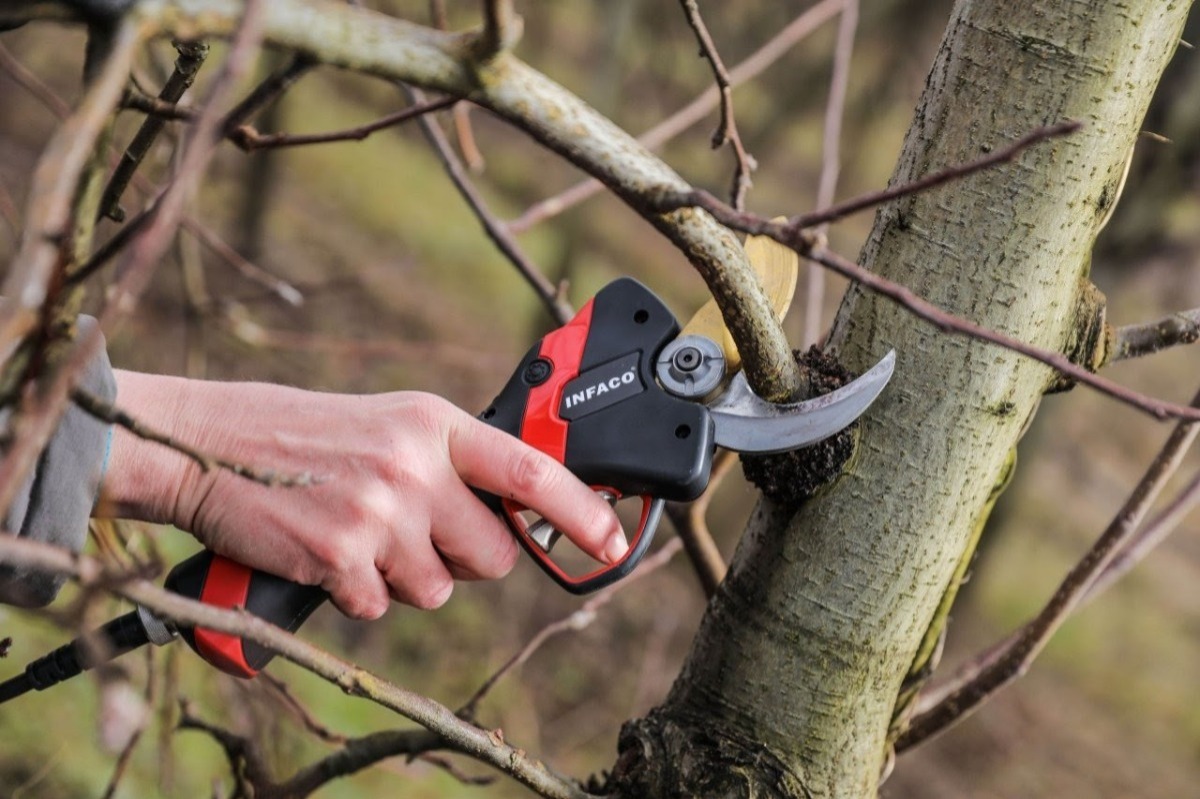
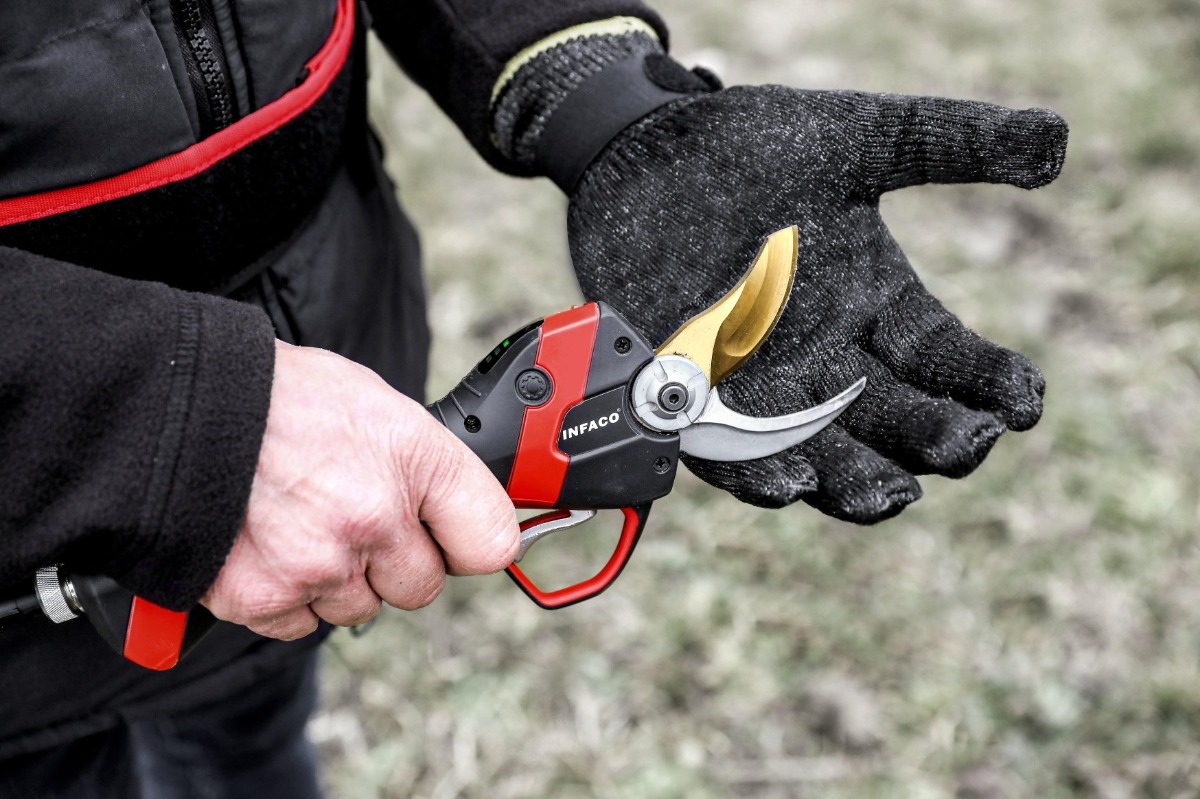
INFACO is proud to present the latest, most technologically advanced electric shears on the market. 

The Electrocoup F3020 offers a technologically advanced secateur packed with a multitude of features.  

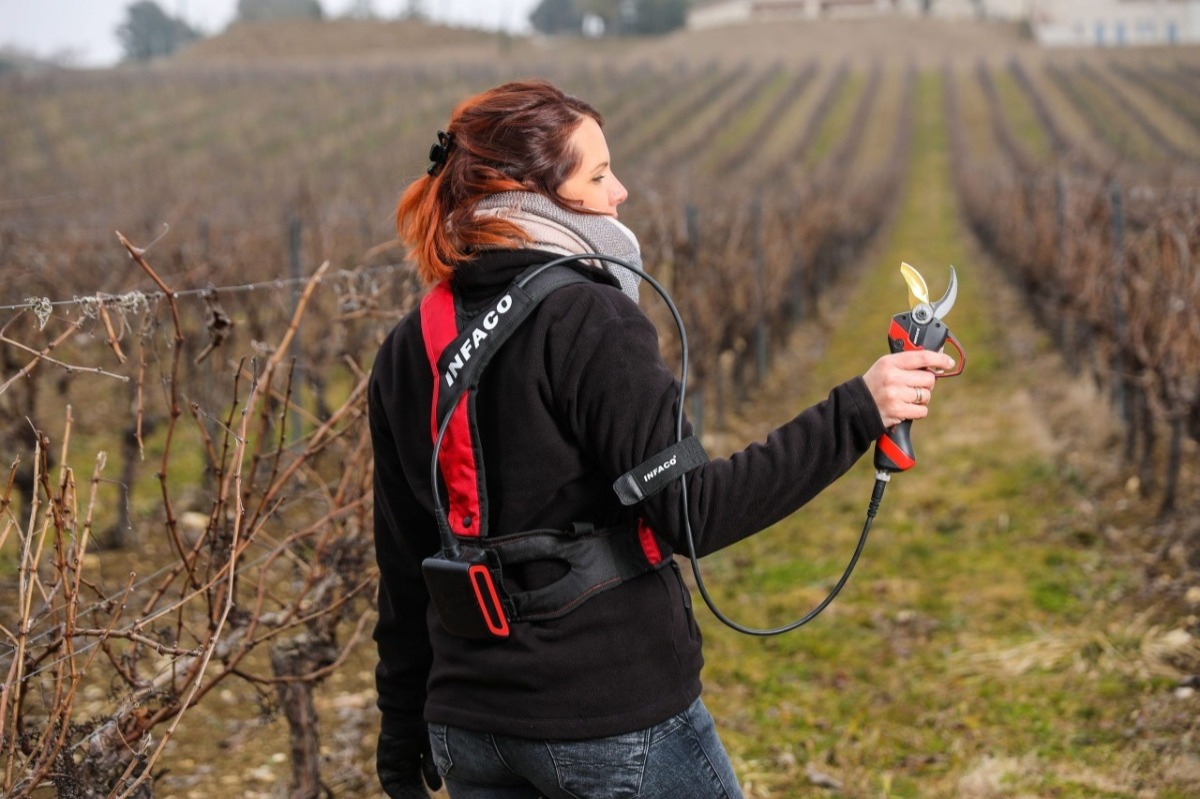
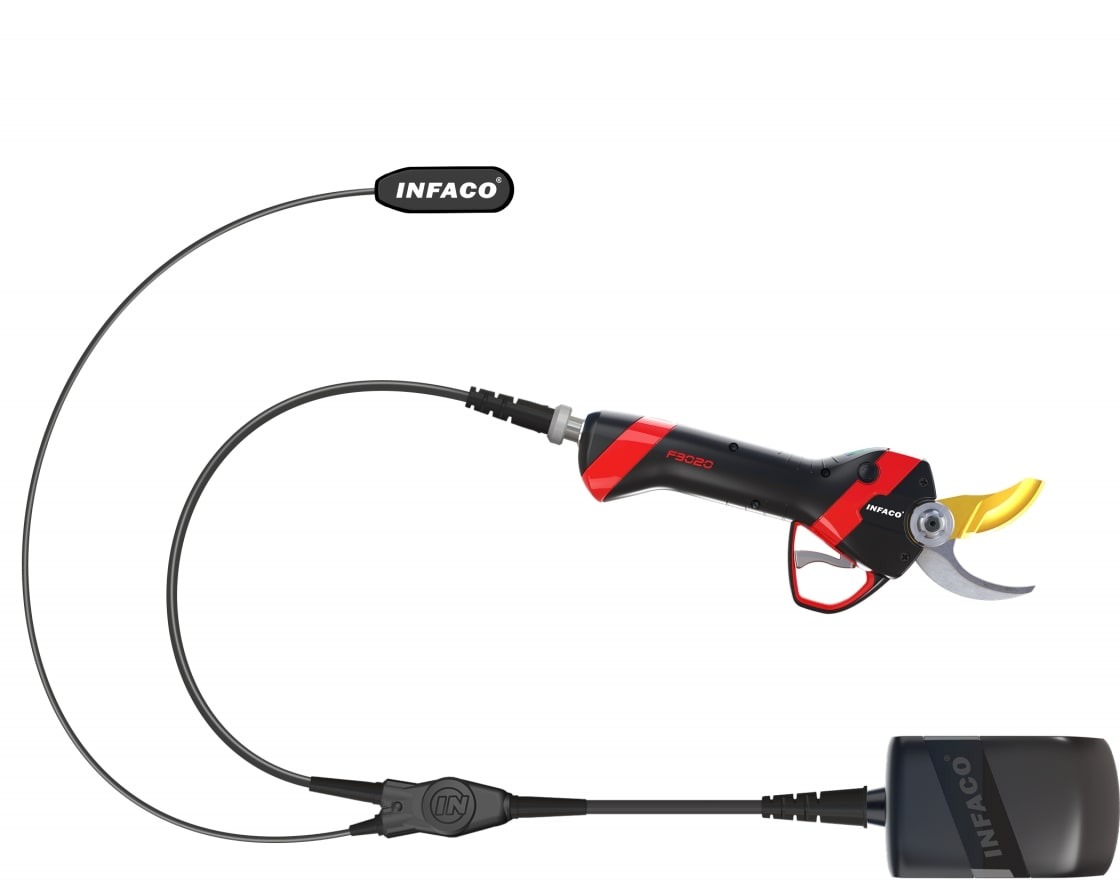
The F3020 Electrocoup weighs less and is more compact, which offers improved efficiency and faster-cutting speed, making the new generation F3020 a total advancement in features. The separate battery and shear design ensures the handpiece has minimal weight, maximising ergonomics, reducing fatigue, and providing a streamlined, efficient day of pruning. 

____________________________________________________________________

New & Improved Features

  • Ergonomic Design - Easy To Handle 
  • Compact - Decrease in Length by 10mm 
  • Lightweight
  • Increased Speed  
  • Increased Power  
  • Lightweight Battery
  • Technological and Connected
  • Upcoming Bluetooth Capability With Efficiency Reporting
  • Wireless DSES Included Standard
  • New Shear Holder

____________________________________________________________________

Video Overview - New & Improved F3020 & PW3

  • 0:33 Safety System DSES
  • 0:59 Adjustable Blade Opening
  • 1:40 Deactivatable DSES
  • 1:44 New Setting Button
  • 1:51 New Soft Mode
  • 2:00 Extreme Blade Control
  • 2:18 Medium Blade
  • 2:51 Maxi Blade for High Cutting Capacity
  • 3:13 Extension Pole for F3020 Electrocoup (optional)
  • 3:32 Bluetooth Wireless Control
  • 3:58 Battery Charging
  • 4:10 PW3 Powercoup Range
  • 4:13 Chainsaw Head
  • 4:26 Reciprocating Saw Head
  • 5:03 Desuckering Head
  • 5:09 Hedge Trimmer Head
  • 5:15 Sweeper Head
  • 5:19 Weeder Head
  • 5:24 Rotary Weeder Head
  • 5:27 Hoeing Machine Head
  • 5:37 Olive Alternating Harvesting Head

____________________________________________________________________

Improved Design

  • The new Electrocoup F3020 weighs only 708g, which is around 100g less than the F3015. 
  • The length of the unit has decreased by 10mm.
  • There is a significant increase in power and speed by 20% & 15% respectively.   


Technologically Advanced

The Electrocoup F3020 pruners are now fitted with some of the most hi-tech and powerful microcontrollers in the market that are used in mobile phones and computer technology.  This technology results in improved user function and innovation, enabling more data to be compiled and analysed by the pruning shear to improve the F3020 performance.


Operating Modes F3020

Standard Mode

Progressive Blade Advance at Full Speed (+15% vs F3015) 

 The Standard mode is for experienced users and for those who are willing to take full advantage of the tool's increased cutting speed capabilities. 

____________________________________________________________________

NEW Soft Mode

Progressive Blade Advance is at a slightly reduced speed

The Soft Mode is for users who prefer a slower cutting speed or beginners who are new to the trade.  Same speed as the previous model F3015.  (Refer to the video to see soft mode in operation.


Electronic Blade Adjustment

Half Aperture Setting

10 Easily programmable half-aperture settings for ideal half open postion. 

____________________________________________________________________

Blade Overlap Setting

10 Easily programmable blade overlap positions for ideal blade crossing.


New Shear Holder

The new patented shear holder provides the cutting head protection and storage in just two actions.

Available for Standard and Medium heads.

** Fitted with Quick Lock-Unlock


Removable Accessory Holder

The removable accessory holder is included with your F3020 kit and allows you to store your smartphone within easy reach.

A large zipped central pocket guarantees safe storage of sharpening stone, burnishing tools, etc.


Cobalt L100B Li-Ion Battery

The Electrocoup F3020's new Cobalt L100B Lithium-ion battery weighs just 698 grams compared to 810 grams from the F3015. Its voltage is now 36 Volts as compared to the 48 Volts*** on the old F3015 model.  However, the 48V battery from previous units is compatible with the new F3020.  We can offer an optional 48V battery if you would like to make your previous units cross-compatible.

Its sleek design and small footprint will give you a day of pruning without recharging. With its versatile carrying system, the F3020 battery can be easily slipped into the user's pocket or clipped to a belt,  giving the user an effortless pruning experience. 


Electrocoup Battery Specifications

  • Lithium 107 Wh Battery 
  • Weight 698g 
  • Full-Day Complete Autonomy
  • Battery with Built-in Electronic Management System (BMS) and Cell Protection
  • High-Capacity Lithium Cells
  • "High Power" type and "Long Life" Intelligent Cells
  • 5 Year Warranty on a Pro-Rata basis

Battery Comparison

36V Cobalt Battery

  • Battery Weight:  698g
  • Weight of Cable: 122g
  • Right Hand/Left Hand Adaptable: Yes
  • Battery Average Autonomy: Up to 8 hours, Depending On Use
  • Complete Charging Time: 2 hours
  • Battery Average Voltage: 36V
  • Charger Feed Voltage: 230V, 50Hz
  • Sleep Mode Function: Yes
  • Powercoup Range Battery Compatible: No

48V Lithium Cobalt Battery

  • Battery Weight:   810g
  • Weight of Cable:  150g
  • Right Hand/Left Hand Adaptable:  Yes
  • Battery Average Autonomy:  up to 9 hours, depending on use
  • Complete Charging Time:  1.5 hours
  • Battery Average Voltage:  48V
  • Charger Feed Voltage: 230v, 50Hz
  • Sleep Mode Function: Yes
  • Powercoup Range Battery Compatible: Yes


***NEED 48V:  The Olive Centre can provide a 48v Battery as standard instead of the 36v battery if purchasing a new set.  If you have other Infaco tools we can offer the 48v to ensure there is no disruption with your other tools.  This ensures seamless changeover to the new generation F3020


Battery Positioning

Battery used with Shoulder Straps and Waist Belt

Battery Used with Waistbelt Only

Battery Clipped on to Trousers


F3020 Automatic Smart Charger 36V

How long does it take to charge the battery?

The new F3020 Chargers are designed to charge the battery in 2 hours. Similar to its predecessor, the new charger enables the battery to be charged up to 90% in 1.5 hours and a full charge is achieved in 2 hours.  

Can the battery remain on the vest while charging?

The new connector plug allows for the battery to be charged while on the vest, making it more practical and easier to use.   

How does the Battery Sleep Mode work?

The "Sleep Function" on the charger helps the battery fall into an extended storage state, thus optimising its storage life. Recharging the battery is no longer required during the off-season. Just press the sleep button once after the pruning season, and it does its thing for the next few hours. Once the sleep process is complete, the battery can be stored in its case in a cool, dry place until the following season. 


Wireless DSES Is Now A Standard Feature

Infaco, the manufacturer of the Electrocoups, have always prioritised user safety over the years. A true pioneer in technology, the company has continually invested time and resources to ensure an innovative and safe experience for its users operating the Electrocoups.  Today, the all-new Electrocoup F3020 comes fitted with the wireless DSES system and is a standard feature on all units.

The Wireless DSES system comprises a conductive metal trigger enabling a connection between the user's body and the pruner's patented electronic system. While operating, if and when the cutting head touches any part of the opposite hand, the pruning shear blade opens instantly, thereby preventing accidents.

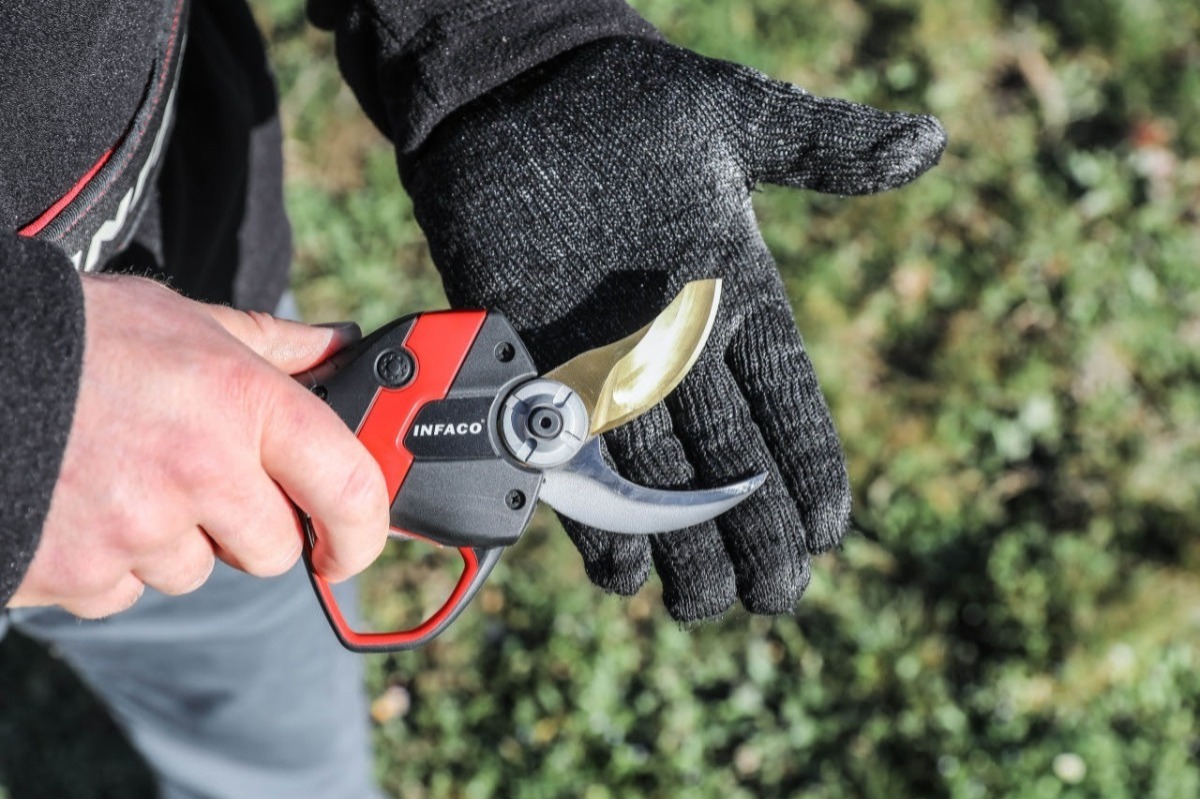
The Wireless DSES system operates in direct contact with the skin. However, each individual has their own level of conductivity. In order to achieve a continuous level of high conductivity and better protection, INFACO recommends the use of its special conductive gloves.

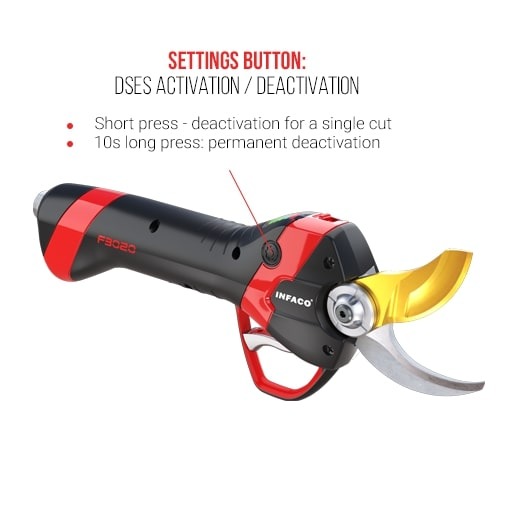
The Wireless DSES system may sometimes trigger unintended opens on damp wood, sappy wood or when close to the ground. To prevent this from happening, users now have the option of turning OFF & ON the DSES feature when required, using the settings button.


Contrary to the wireless system, the wired DSES option requires the user to wear the conductive glove that is physically connected to the handpiece by a power supply cable.  The wired DSES system provides the user the same protection while reducing unintentional opening of the blade because of damp or sappy wood.

More information about DSES


Optional Interchangeable Kits : 3 TOOLS IN 1

Similar to its most recent predecessors, Electrocoups remain the only shears in the world with 3 interchangeable heads with adjustable blade opening and DSES safety systems.  One of the tool's main assets is its versatility to use multiple cutting heads. With the options of the Standard Kit, Medium Kit or the Maxi Kit, users can easily swap the heads over in under 5 mins to meet the demands of the cutting application.  Kits are optional and not part of the standard kit. Please ask for details.


40mm 

Standard Kit

Ideal for pruning grapevines and orchard pruning.  This kit achieves the highest results for cutting rate and power.

45mm 

Medium Kit

Designed especially for fruit growers, forestry, and landscaping. This kit offers a higher cutting capacity while maintaining speed for relevant applications.

55mm

Maxi Kit

Perfect for cutting back vines, shaping fruit trees, and tree lopping.  This kit with a single-piece blade-rack combo will give unrivaled cutting capacity.


More About Head Kits F3020


Optional Extension Poles For F3020

Infaco's design engineers have completely revolutionized the pole system by creating an ergonomic and innovative solution.  There are 2 different kinds of pole options available with this new model. First option is the pole can be connected to the battery through a cord and the second option is the battery can be plugged in at the bottom of the pole.  Both options have the cord on the sliding handle eliminated and replaced by a more advanced wireless Bluetooth technology making it easy and convenient to use. 


Pole size options in the image to right.

____________________________________________________________________

Extension Pole with Wired Battery Connection

Extension Pole with Plug In Battery

Battery not included with Pole      

____________________________________________________________________

More About F3020 Extension Pole Functionality


Optional Accessories

A48V3 Electric Sharpener

Regular blade sharpening reduces the cutting force exerted on the motor of the Electrocoup and also helps to reduce motor stress. Infaco recommends the use of the optional electric sharpener to help keep the blade profile sharp. Thanks to its 3-pin connector plug, the A48V3 electric sharpener is now compatible with the Electrocoup F3005, F3010, F3015, and F3020 batteries. It saves significant time on daily sharpening and maintains a good cutting profile on the blade.

See video at 1:02 for the A48V3 Electric Sharpener in action.


Carbide Burnisher

The new tungsten carbide burnisher helps maintain a good cutting edge on the blade. A sharp blade guarantees a good, clean cut and reduces the risk of spreading wood diseases. In addition to 2 recommended daily sharpening sessions with the stone, it is also advised to use the new Carbide Burnisher to maintain a sharp edge on the blade for a good, clean cut.


Bluetooth Control Box

With the latest innovations in wireless connectivity, the Electrocoup F3020 pruning shears can be connected to the newly designed INFACO mobile app (available exclusively on Android and iOS compatible smartphones) through the Bluetooth Control Box.  

The app provides a wide array of features that assist Electrocoup users in day-to-day operations:

  • Setting up pruning shears - Adjust blade opening, blade bypass, choose operation modes (STANDARD or SOFT) 
  • View user statistics - Use time, number of cuts 
  • Manage the pruning progress of the block via geolocated use points through the smartphone   


The app also allows users (without the Bluetooth Control Box) 

  • View purchase history and guarantee status  
  • Access to service, troubleshooting, tips and video tutorials 
  • Option to take notes on the app that can be doubled as reminders 
Information on pruning progress can also be managed on the computer with more detailed features. 


What's In The Box As Standard

  1. F3020 Electrocoup Secateur
  2. 36V Battery Or 48V Battery
  3. Cable For Battery
  4. Charger (36 or 48V model) with Power Cord
  5. Battery Vest
  6. Secateur Sheath or Pouch
  7. Accessory Holder & Wristband
  8. Spare Blade
  9. Torque Tightening Tool
  10. Sharpening Stone
  11. Manual For Operation And Care
  12. Greasing Tool
  13. Spare Parts
  14. Glove (to fit the correct glove, please provide whether you need LH or RH and the measurement from the crease of your wrist to the tip of your middle finger)
  15. Carry Storage Box For Whole Kit


Helpful Information

Pruning Medium Density Olive Trees by Paul Vossen - University of California

Paul Vossen, a renowned olive oil production expert and former farm advisor with UC Cooperative Extension, presents a hands-on tutorial focused on pruning medium-density olive trees for optimal health, structure, and productivity.
Please log in to view the entire article

Mechanical vs Hand Pruning in Traditional and SHD Olive Groves

Pruning is a critical practice in olive cultivation, directly influencing yield, tree health, and orchard longevity. Australian olive growers manage a range of grove systems, from traditional low-density plantings (typically 8 × 5 m spacing) to modern super high-density (SHD) hedgerow systems. Each system presents unique challenges and opportunities for pruning. Traditional groves often consist of large vase-shaped trees pruned by skilled ....
Please log in to view the entire article

Olive Grove Seasonal Planning Checklist

This Olive Orchard Yearly Planner provides a structured, seasonal framework to help growers schedule and prioritise irrigation, nutrition, pruning, pest management, machinery maintenance and harvest activities in a commercial olive grove.
Please log in to view the entire article

Comprehensive Operational System for Professional Olive Producers

This comprehensive operational report outlines a full management system for professional olive producers, covering seasonal orchard tasks, planning, nutrition management, pest control, pruning, forecasting tools, budgeting, and technology integration.
Please log in to view the entire article

Optimising Olive Tree Health and Yield Through Effective Pruning

SMART PRUNING FOR STRONGER, HIGHER-YIELD OLIVE TREES

Optimising Olive Tree Health and Yield Through Effective Pruning

By Marcelo Berlanda, Agronomist & Consultant for The Olive Centre

“Olive trees must put out fresh growth each year to produce fruit.”

Training shapes the tree to support efficient harvesting and encourage early production

When trees reach the canopy size best suited to their environment, yields may begin to drop. This often happens because the inner canopy receives limited sunlight, leading to leaf loss and a reduced Leaf-to-Wood Ratio. If a tree grows beyond its ideal size, it creates challenges for mechanical harvesters. Excess height and width, along with thick branches, can strain or damage harvesting equipment, reduce fruit removal efficiency, and slow the harvest. Because olive trees need to produce new shoots annually to maintain fruiting, consistent growth is essential—and pruning becomes an important management practice. Pruning improves fruit size, oil content, light penetration, and the Leaf-to-Wood Ratio. It also stimulates fresh growth and lowers water and fertiliser demand. 

1- TREE TRAINING 

Purpose: Establish early productivity with stronger yields, extend the productive lifespan of the tree, enhance fruit quality, and prepare trees for the harvesting system used in the grove. 

Timing: Training occurs within the first three years of the tree’s development. 


In the first year, pruning is minimal (assuming nursery trees arrive with a good structure). Remove lower or overly vigorous branches that compete with the central leader. The goal is to maintain an upright main trunk with outward-growing horizontal branches. Water shoots should be removed so they do not compete for nutrients and moisture.

During the second and third years, gradually remove lower branches below approximately 600–1000 mm. 

A balance is essential. Removing too much canopy reduces the tree’s photosynthetic area, slowing its progress until new growth resumes.

Light pruning involves removing only small sections of foliage (such as a few short shoots), which keeps the tree stable. This can be done from August through late May. 

Heavy pruning removes larger amounts of foliage, prompting a stronger regrowth response but also increasing frost risk. Heavy cuts should generally be delayed until late September unless conditions are warm enough to begin earlier. 

Tree training may also include tying and skirting as part of shaping and preparation.

2- PRODUCTION 

This stage focuses on mature trees that have reached full size. The aim is to maintain balance so the tree can produce consistent, reliable crops each year.


Young trees contain many non-productive branches because they are still actively growing. Once these branches mature and begin producing fruit, they eventually become exhausted and stop fruiting. At that point, they need to be removed to make room for new productive growth and renewal of the canopy. 

LoIf the bloom is light, pruning should focus mainly on non-productive wood to preserve as much fruiting potential as possible. In years with heavy bloom, pruning can be more assertive without significantly reducing the crop. 

Timing: From bud break through early December.

3- AFTER HARVEST (CLEANING) 

The goal at this stage is to remove large damaged branches left behind after mechanical harvest. This step can be postponed by applying copper after harvest and waiting until spring to remove the affected wood.

Read More:Marcelo BerlandaMechanical PruningMechanical Harvesting

Encouraging Productive Fruiting Wood in Olive Trees

OLIVE GROVE MANAGEMENT

Encouraging Productive Fruiting Wood in Olive Trees 

Marcelo Berlanda’s “Pruning for Production” guide highlighted why olive pruning is vital to sustain yields. This article builds on that foundation, focusing on how to encourage the growth of productive fruiting wood in Australian olive groves.

Why Productive Fruiting Wood Matters 


Olive trees bear fruit on one-year-old shoots – the growth produced in the previous season. Ensuring a steady supply of these young, fruitful shoots each year is critical for consistent yields. Without renewal, canopies fill with aging wood that carries fewer leaves and buds, leading to lower productivity. Pruning is therefore geared toward a few fundamental objectives : 

  • Maintain a high leaf-to-wood ratio: An olive canopy should have abundant healthy leaves for each unit of wood. Excessive old wood with sparse foliage is unproductive. Pruning removes overly woody, leafless limbs to optimise the leaf/wood and leaf/fruit balance that drives fruiting. In practice, growers aim to leave enough leaves to support developing fruit (often discussed as an optimal leaves-per-fruit ratio) while eliminating wood that no longer bears productive shoots. 
  • Promote new fruiting shoots: By cutting back old branches, the tree’s energy is redirected into new shoot growth. When these new shoots receive enough light and nutrients, they will form next year’s flower buds. Regular renewal pruning prevents the canopy from “running out” of fruitful wood. As olive expert Shimon Lavee noted, a strong flush of vegetative shoots in an “off” year provides the well-developed buds that form the next year’s heavy crop. Conversely, if few new shoots grew (for example, after an exhausting “on” year), the following crop will be light. Pruning helps balance this biennial tendency by stimulating fresh shoots each cycle. 
  • Maintain light penetration and airflow: Productive fruiting wood needs sunlight. Olive flower buds are more likely to differentiate (turn from vegetative to reproductive) when exposed to adequate light. A dense, shaded interior will have blind wood with dormant buds that never fruit. Pruning opens the canopy so that sunlight reaches inner shoots, enhancing their fruiting potential. Research shows that flower bud induction is improved by light - “opening the trees for effective light penetration... increases fruiting potential by enhancing flower bud differentiation”. Along with light, better air movement helps keep foliage dry and healthy (as discussed later in pest management). 
  • Prevent aging and sustain vigour: As olive wood ages, it can become less fruitful and more prone to dieback. Pruning is a form of controlled rejuvenation - removing limbs showing age or senescence to stimulate new growth (renewal). This keeps the tree in its productive prime longer. A well-pruned tree “does not lose its vitality or prematurely age”. Olive trees are long-lived and capable of sprouting new shoots from old wood, so with skilful renewal pruning, even very old trees can be reinvigorated. 
  • Optimise tree structure for management: Pruning also shapes the tree for efficient harvest and orchard operations. By managing height and width, growers improve harvest efficiency (whether by hand or machine) and reduce branch breakage from heavy crops. An open managed structure lets sprays penetrate and workers/equipment access the tree. All these benefits tie back to nurturing productive wood - a compact, sunlit canopy zone where fruitful shoots thrive.  

Physiology of Shoot Growth and Bud Formation

Understanding how and when olive fruiting buds form helps refine pruning practices. Unlike deciduous fruit trees, olives do not have a true winter dormancy – their buds remain in a state of quiescence and will grow when conditions permit. Flower buds initiate relatively late: studies have shown that olive buds begin differentiating into inflorescences about 2 months before bloom (around late winter/early spring in the local climate). This means the buds on this year’s spring flowering shoots were formed in the late summer or autumn of last year, on the previous year’s wood. Crucially, those buds needed sufficient resources and light while they were forming.

Several physiological factors influence fruitful bud development: 

  • Last year’s shoot vigour: Shoots that grew the previous spring and summer tend to have more nodes with flower buds. Very short, weak shoots often have fewer buds, but paradoxically, excessively vigorous shoots (“water sprouts”) often remain vegetative. Research in Tunisia (2025) found that thinner, moderately vigorous shoots carried higher inflorescence numbers than very thick shoots. This suggests that extremely strong vegetative growth (often caused by heavy winter pruning or excess fertilisation) can actually reduce floral initiation, whereas controlled, moderate shoot growth produces the best fruiting wood. Growers should aim for new shoots of medium length (e.g. ~20–40 cm, depending on cultivar) with good leaf cover – these are the shoots most likely to bear olives. Very long shoots can be tip-pruned in summer to encourage lateral fruiting spurs, but excessive heading should be avoided as it may induce unwanted branching that doesn’t flower. 
  • Light exposure of buds: Olive buds need light to differentiate into flowers. Buds heavily shaded by an overgrown canopy often remain latent or become vegetative. A classic recommendation is to ensure sunlight can filter to all bearing shoots, including those in the lower and inner canopy. Connor et al. (2014) emphasised that all foliage must receive at least ~20–30% of full sunlight for the critical steps of shoot growth, floral initiation, and fruiting to occur. In hedgerow orchards, the lowest parts of the canopy wall are often the limiting factor for light – if those interior shoots get below-threshold light, they won’t set fruit. Pruning strategies like thinning out dense upper branches or narrowing the canopy can increase light to these shaded buds, thereby activating more fruitful sites. As one guide succinctly puts it, “remove any part that shades other younger parts of the tree” to keep the fruiting zone vigorous. 
  • Resource allocation and alternate bearing: Olives are prone to alternate (biennial) bearing, partly due to resource competition between one year’s crop and the next year’s buds. A heavy fruit load (“on” year) not only uses up carbohydrates but also produces hormones (gibberellins from seeds) that can inhibit floral bud initiation for the following year. This is why a tree laden with fruit often grows fewer new shoots and may bloom poorly the next season. Pruning can mitigate this by adjusting the crop and stimulating vegetative growth at the right time. Strategic pruning in an “on” year (e.g. immediately after harvest) helps divert some resources to new shoot development, balancing the tree. In an “off” year, lighter pruning or none may be needed so as not to remove too much of the vigorous growth that will form next year’s inflorescences. The goal is to even out the boom-bust cycle: moderate pruning annually or biennially, rather than severe pruning at long intervals, tends to promote more regular yields.        
  • Bud dormancy and chilling: Unlike many fruit trees, olive buds do not require deep winter chilling to break dormancy – they can grow if conditions are favourable (hence olives can fruit in warm climates with mild winters). However, cool winter temperatures are still important to induce olive floral buds. Insufficient chilling or an excessively warm winter can lead to delayed or incomplete flower differentiation. This is more relevant to certain Australian regions (e.g. subtropical areas) where winters are mild. While growers cannot change the weather, they should be aware that a healthy complement of buds might still fail to bloom if winter conditions are suboptimal. Good orchard practices (nutrition, pest control, pruning) ensure the tree has plenty of viable buds ready; the weather then decides how many of those convert to flowers. If a spring shows poor bloom despite many new shoots, lack of chilling or even a heat shock could be factors. In such cases, focus on tree health and wait for next season – overreacting with drastic pruning is not advised.

Takeaway: Productive fruiting wood arises from a balance – neither too vegetative nor too weak – and it needs sunlight. Pruning is the tool to create that balance by removing what’s unproductive and making space for fruitful shoots under the right environmental conditions.

Pruning Techniques to Promote Renewal Wood

Having set the physiological context, we now turn to pruning methods that encourage renewal of fruiting wood. The approach will vary with the age of the tree and the orchard system (traditional vs. high-density), but several general principles apply: 

  • Prune after harvest during dormancy: In Australian conditions, this usually means late autumn to late winter (e.g. June–August, depending on region). Pruning right after harvest is a common practice – for oil cultivars harvested in autumn, growers often prune in winter before the next spring growth. This timing allows the tree to heal cuts before spring sap flow, and any stimulated shoot growth will occur as the weather warms (when it can actually develop). It’s important not to prune so early that a warm spell triggers regrowth in mid-winter, which could be damaged by frost. Generally, prune by late winter, after the risk of heavy rain or frost, if possible. For table olive varieties harvested earlier, pruning might begin in early winter (June/July in Australia). Always avoid pruning in wet conditions – cutting on a rainy day can spread diseases like bacterial olive knot to fresh wounds. 
  • Use mostly thinning cuts, minimise heading: A thinning cut removes a branch at its origin, opening space but not excessively stimulating regrowth. A heading cut (tipping a branch) can trigger multiple shoots at that point. While some heading is useful to lower height or induce laterals, indiscriminate heading leads to bushy water-sprout growth at the canopy tops. These vigorous shoots often won’t fruit the next year and just consume resources. The best practice is to thin out entire limbs or large shoots that are unproductive or overcrowding, and lightly head only where necessary for shape. A rule of thumb: “cut to a lateral” – i.e. remove a branch back to a fork where a healthy lateral branch can take over, rather than stub-cutting it mid-way. Thinning cuts preserve the natural balance and direct growth into existing shoots that have better light. This results in more fruitful wood and less wasted vigour. 
  • Renew in stages – avoid stripping all old wood at once: Particularly on older trees, do renewal pruning gradually. Remove one major old limb (or a few) each year rather than all in one year. Avoid severe, total canopy pruning whenever possible, as it causes a huge flush of vegetative suckers and a loss of a cropping year. Research confirms that severe pruning drastically reduces the next crop and prompts excessive regrowth. Instead, practice selective renewal: identify 20–30% of the canopy (by volume) that is oldest or least productive and remove that, leaving younger wood intact to fruit. The tree will channel energy into emerging new shoots near the cuts while still fruiting on the remaining wood that year. Over 2–3 seasons, this phased approach can completely refresh an old canopy with minimal yield loss in any given year. Even in low-density traditional orchards, renewal of aged trees is commonly done piecemeal because old olive wood can still sprout if some foliage is left to “pull” sap into the limbs. In very extreme cases where trees must be cut hard (storm damage, disease recovery, or neglected groves), expect a 1–2 year recovery period before normal yields return. Fortunately, olives are resilient – with adequate water and nutrients, they can refoliate and produce on new wood by the second or third year after even a brutal topping.
  • Alternate pruning zones or sides: In hedgerow (SHD/HD) systems and even large free-standing trees, it’s wise not to prune the entire tree uniformly in one go. In hedgerows, an established practice is alternate-side pruning: trim one side of the hedgerow (or every other row) in one year and the opposite side the next year. This way, each side always has some younger fruiting shoots while the opposite side is regenerating. The same concept can apply to big trees – for instance, prune some main branches this winter, and others next winter. The unpruned parts will bear fruit to compensate, while the pruned parts regrow. Never “lion-tail” a tree (stripping out all interior branches and leaving a tuft at branch ends) – instead, maintain a balance of interior and exterior growth. By alternating pruning areas, you optimise production while renewing wood. Ferguson et al. (2012) reported that this method in SHD orchards led to better annual yields versus pruning both sides in one year. 
  • Remove water sprouts and suckers judiciously: After pruning (especially if heavy), olives respond with vigorous shoots from latent buds – these can be watershoots (upright epicormic shoots along trunk or branches) or suckers from the rootstock/base. These are generally nonproductive in their first year and compete with desirable growth. It’s advisable to remove most of them in summer when they are green and soft (“summer pruning” or suckering). However, note that not all watershoots are bad – if a large limb was removed, some of the resulting watersprouts near the cut can be selected and managed to become the next fruiting branches. Typically, you’d thin out the excess shoots, leaving a few well-placed ones (avoid clusters of shoots all in one spot) and maybe pinch their tips to encourage them to harden and form flower buds. A study in Argentina found that thinning vigorous watersprouts about 3 months after winter pruning improved return bloom and yield compared to just heading them. By removing the most rampant suckers and keeping moderate shoots, you tame the regrowth flush into productive wood. Root suckers (from below the graft or ground) should usually be removed entirely, as they are often from the rootstock (if grafted) or will not form part of the canopy. 
  • Aim for a vase or hedgerow form with open centres: In traditional trees, the classic shape is a vase (open-centre) with 3–5 main scaffold limbs. Keeping the centre free of clutter ensures light can reach the middle of the tree. The same logic applies to hedgerows – though they are a “wall” of foliage, they must be kept porous. A Spanish study on olive crown porosity showed that different pruning treatments did not always change overall porosity dramatically, but removing inner branches and lowering canopy density are key to light penetration. An open canopy also reduces disease (more on that below). Therefore, prune with the mindset of creating windows for light and air. One practical tip is to stand inside the tree’s canopy (for big trees) or look through a hedgerow wall – you should see patches of daylight through the canopy. If you can’t, more thinning is needed. Conversely, if you can see too much daylight (the tree looks skeletal), you pruned too much, which can lead to sunburn on bark and excessive suckering. Strive for a balanced canopy – about 50% interior light interception as a rough guide, meaning a mix of sun and dappled shade internally. 

By applying these pruning techniques, growers encourage a continuous supply of young fruiting wood while avoiding the pitfalls of over-pruning. The result is a tree that renews itself gradually: always plenty of 1-year shoots ready for the next crop, and no big shocks to the tree’s system. 

Tailoring Practices to Different Orchard Systems

Olive orchards in Australia range from traditional low-density plantings to modern high-density (HD) and super-high-density (SHD) groves. The principles of fruiting wood renewal apply to all, but the methods and intensity of pruning are adjusted to each system’s needs :

  • Traditional (low-density) groves: These are widely spaced trees (e.g. 6m × 6m or more) often grown as large vase-shaped forms. Here, the challenge is managing tree size and rejuvenation over decades. Typically, traditional trees are pruned lightly every year or two, with a more severe renewal pruning maybe every 5–10 years on very old wood. The focus is on opening the centre, removing dead wood, and keeping height reachable (often below ~5–6m for ease of harvest). Growers might remove a few big limbs each winter (to stimulate new shoots inside), but avoid depleting the canopy too much in one go. Because these trees can get very large, sometimes entire sections are “stumped” in rotation – e.g. cut one scaffold back to a low knob to force new shoots, while leaving other scaffolds untouched that year. Over a cycle, the whole tree gets renewed. Traditional hand-pruning is labour-intensive, so it’s done strategically where needed. In these systems, sunlight is usually not a limiting factor around the outer canopy due to wide spacing; the main shading concern is the tree’s own interior. Thus, pruning concentrates on thinning the inside and top. Also, older trees may have hollow or leggy interiors – one objective is to populate those with new shoots by cutting back into those areas (“bringing the tree back in”). This not only produces fruiting wood closer to the trunk (improving harvest efficiency) but also reduces reliance on long, drooping peripheral branches that can break. 
  • High-Density (HD) orchards: These are intermediate (e.g. 200–400 trees/ha, perhaps 5m × 3m spacing). Trees are smaller than traditional but larger than SHD hedgerows. Often a central leader or vase hybrid form is used, sometimes trained to ~3–4m height. Pruning in HD systems seeks to maximise light to all sides of the tree while controlling vigour. Mechanical aids may be used (like topping or skirt pruning with saws), but hand pruning is still important to thin out centres. One practice is selective limb removal every couple of years to prevent crowding between trees. In hedgerow-like HD plantings (if trees are aligned in rows but not a continuous hedge), you ensure each tree has its space: branches extending into tractor alleys or too close to neighbours are cut back. Prune to a cone shape (wider base, narrower top) so that lower branches aren’t heavily shaded. If mechanical harvesters like trunk shakers are used, maintaining some clear trunk and strong primary branches is important (so pruning off low suckers and very weak branches that won’t withstand shaking). HD systems might adopt some SHD techniques, like mechanical topping annually to a set height, combined with periodic hand thinning. The key is regular moderate pruning – because these trees are managed for efficiency, you can’t afford the massive alternate bearing swings or overgrowth. In fact, studies suggest annual light pruning in small orchards yields better cumulative production than infrequent heavy cuts
  • Super-High-Density (SHD) hedgerows: These are very tightly spaced rows (e.g. 4m between rows × 1.5m between trees, ~1600+ trees/ha) pruned into narrow hedges ~2.5–3m tall. Cultivars like Arbequina, Koroneiki, and Leccino are common for SHD due to their naturally compact habit. Mechanical pruning is standard – typically, oscillating blade machines trim the sides and tops annually or biennially to maintain a harvestable “wall” for over-the-row harvesters. While mechanical hedging is efficient, it can lead to shaded interior wood and a decline in fruitful shoots deep in the canopy if done improperly. To counter this, SHD management includes: alternate-side pruning (don’t cut both sides of the hedge in the same year), and occasional, more severe “skimming” or renewal. For example, some growers, every 3–4 years, will do a heavy hedge cut on one side of the row (or remove every second tree, then replant) to renew the wall of foliage. Research by Gómez-del-Campo et al. noted that horizontal canopy porosity in tightly spaced hedges can be as low as 15% in mid-canopy, versus ~37% in the less crowded upper canopy. This highlights how dense these hedges can get. Maintaining porosity (gaps for light) through pruning is thus crucial. Connor et al. (2014) advise that both sides of an SHD hedgerow should never be heavily pruned simultaneously, and that light, frequent pruning is preferable to avoid big yield losses. In practice, this might mean yearly trimming plus a rotational renewal (e.g. flail pruning one side or topping lower than usual, but staggered). SHD groves also put a premium on controlling vegetative vigour – since trees are so close, excessive growth quickly leads to shading. Growers often use regulated deficit irrigation (RDI) and moderate nitrogen regimes to keep shoot growth in check. The pruning then accentuates this, ensuring the hedge doesn’t exceed the bounds (commonly hedged to ~2m wide at base, 1m at top, like an inverted “V”). The reward for this intensive care is early and high yields, but it requires disciplined pruning to sustain. 
  • Very old or neglected trees: A note on abandoned or oversized trees (sometimes found in older groves): rejuvenating these requires a special plan. Often, the best course is heavy structural pruning in stages. For instance, cut back extremely tall trees to ~3m height by removing the top third of the canopy (one portion each year over 2–3 years). Simultaneously, thin out interior suckers and apply fertiliser and water to stimulate new shoot formation. This process can essentially “reset” an old tree into a productive, smaller framework. As pointed out in the literature, renewal of olive trees is a traditional practice even in low-density orchards – old wood retains sprouting capacity if given a chance. Farmers in the Mediterranean have for centuries rehabilitated ancient trees by pollarding or scaffold replacement, proving the olive’s remarkable ability to bounce back. Just remember to sanitise tools and perhaps apply protective copper spray on large cuts (to prevent disease in those big pruning wounds, especially important in older trees that may have existing infections). 

In summary, the pruning strategy must fit the system: gentle but regular for intensive hedges, somewhat heavier but less frequent for large traditional trees, and always aimed at keeping enough young wood in the pipeline. Regardless of system, the fundamentals remain: capture sunlight, encourage new shoots, and remove what’s unproductive. 

Integrated Pruning and Pest Management 

Pruning not only influences yields – it also plays a significant role in Integrated Pest and Disease Management (IPDM). A well-pruned olive canopy is generally healthier and easier to protect. Here’s how encouraging productive wood ties in with pest and disease considerations:

  • Canopy density and fungal diseases: Many olive diseases thrive in dark, moist environments. Opening up the canopy allows better air movement and faster drying of foliage, which can substantially reduce disease incidence. For example, fungi like peacock spot (Fusicladium oleagineum) and anthracnose (Colletotrichum spp.) require periods of leaf wetness to infect. A dense canopy that stays humid after rain creates an ideal microclimate for these pathogens. By pruning to increase light and airflow, leaves dry quicker, interrupting fungal spore germination. The Best Practice IPDM Manual notes that speeding up evaporation of rain or dew through improved aeration can directly reduce fungal infections. Indeed, researchers observed higher anthracnose severity in very dense SHD plantings compared to more open canopies – underscoring that porosity matters. Growers are advised to prune out overly crowded branches and perhaps even lower canopy height to what their local climate can accommodate (e.g. in humid coastal regions, a shorter tree with a very open centre will suffer less disease than a tall, bushy tree). Additionally, better light penetration enhances bud health – weak, shaded buds are more susceptible to infections like botryosphaeria (which can cause dieback). Thus, a pruning program that keeps fruiting wood in the light not only improves fruiting but also inherently defends against disease. 
  • Scale insects and other pests: Pests such as black scale (Saissetia oleae) and olive lace bug (Froggattia olivinia) often reach higher populations in dense, shady canopies. The IPDM manual explains that the immature “crawler” stages of scale and lace bug survive better in cool, humid microclimates inside unpruned trees. Hot, dry conditions are detrimental to these pests (many scales desiccate in sun-exposed positions). By pruning the inner canopy and letting sunlight in, growers create less hospitable conditions for scale infestations. In effect, judicious pruning is a cultural control method: it can significantly cut down pest survival rates, reducing the need for chemical intervention. Similarly, good pruning reduces the hiding spots for other insects and allows natural enemies (parasitoid wasps, lady beetles, etc.) to move more freely through the tree. Spray penetration is also vastly improved – when you do need to apply an oil or insecticide for scale, an open canopy lets the spray reach inner leaves and branches where pests harbour. Many organic or soft pesticides (like soaps, oils, copper, and pyrethrum) rely on contact action, so coverage is critical. Pruning ensures that sprays can “cover” the target surfaces. 
  • Olive knot and wound management: One downside of pruning is the creation of wounds, which can be entry points for pathogens – notably olive knot disease, caused by the bacterium Pseudomonas savastanoi. Olive knot can invade fresh pruning cuts, especially during wet weather, forming galls on limbs. To mitigate this, avoid pruning in the rain and consider protective measures for large cuts. A common practice is to spray copper-based bactericide/ fungicide right after pruning or before the next rain. Some growers also apply tree wound dressing or a latex paint on big limb cuts as a physical barrier. These precautions help limit infection. It’s also wise to sanitise pruning tools between trees (a quick dip in disinfectant) if diseases like knot or Verticillium wilt are present, to avoid spreading them. In an IPM context, pruning is timed and executed carefully: e.g. in high rainfall areas, prune in late winter when rains are easing, and treat wounds. Fortunately, productive fruiting wood tends to be smaller diameter cuts (when you renew regularly), which heal faster and pose less risk than chopping massive old limbs. So keeping up with pruning not only fosters new fruit wood but also means you’ll have fewer huge wounds at any one time.  
  • Linking pruning to disease management strategies: Some cultural IPM tips explicitly involve pruning. For instance, with anthracnose, aside from fungicides, recommended actions are early harvest (to avoid autumn rains) and pruning trees to a more open canopy. With peacock spot, pruning to allow sunlight on leaves helps because UV light can suppress the fungus, and dry leaves don’t get infected as easily. Even bacterial diseases like olive knot are indirectly suppressed by faster drying (the bacteria thrive in moisture on plant surfaces). Thus, a grower focusing on productive wood (which implies a less crowded canopy) gains a double benefit: better fruiting and fewer disease issues. The Connor et al. review (2014) notes that in traditional low-density orchards, free air movement helps prevent humid microclimates, whereas hedgerow systems require careful pruning/irrigation control to avoid humidity-related disease buildup. They highlight that “narrow and porous hedgerows” achieved by pruning plus controlled water can reduce fungal problems like peacock spot and anthracnose. This aligns perfectly with IPM advice – integrate your pruning program with your pest/disease monitoring. If you notice heavy scale or sooty mould inside trees, it’s a signal to thin those canopies. If fungal outbreaks occur, consider that a sign to increase porosity and maybe lower tree density or height during the next pruning cycle. 
  • Pruning and beneficial insects: Keeping some openness in the grove (and not having a tangle of watershoots) also aids beneficial insects and mites. They can navigate and locate pests more effectively in a well-structured tree. Some predators, like lacewings, prefer slightly open trees. Additionally, if you combine pruning with cover crops or intercrops for natural enemies (as mentioned in IPDM manuals ), you create an overall environment where pests are less likely to flare up. 

In summary, a sound pruning regimen is a cornerstone of IPM in olives. It reduces pest and disease pressure naturally by altering the micro-environment and improving the efficacy of other controls. Always balance the need for opening the canopy with the tree’s productive capacity – a healthy medium density (not too sparse) is the target, so that you don’t invite sunscald or stress. With those caveats, pruning is one of the most cost-effective pest management tools a grower has.

Environmental and Management Factors Affecting Wood Renewal

Beyond pruning itself, several environmental and cultural factors influence how well an olive tree can produce new, fruitful wood. Understanding these helps growers create conditions that favour the continual renewal of fruiting shoots: 

  • Water availability and irrigation strategy: Olive is drought-tolerant but will not grow new shoots well under severe water stress. Adequate soil moisture during the spring and summer is necessary for shoot extension that becomes next year’s fruiting wood. However, too much water (or untimely irrigation) can fuel overly vigorous vegetative growth that, as noted, may be less fruitful. Modern orchard practice often employs Regulated Deficit Irrigation (RDI) – deliberately stressing the trees mildly at certain times – to manage vigour. For example, some SHD groves impose a dry period during early summer (pit hardening stage of the olive) to slow shoot growth and encourage floral induction. Then, irrigation is increased later to sustain the crop. This technique can result in shorter internodes and more flowering points. Connor et al. (2014) write that sustained or regulated deficit irrigation is useful to ensure high yields without excessive vegetative growth. In essence, water management and pruning go hand in hand: pruning sets the stage for how much the tree will try to regrow, and irrigation fine-tunes that regrowth. In rain-fed groves, the principle is similar – in a very dry year, the tree may barely replace lost wood, so pruning should be lighter; in a wet year (or if supplemental water is available), pruning can be a bit heavier since the tree can respond. Irrigation can also be used post-harvest to boost new shoot growth if needed (e.g. after a heavy crop year, watering after fruit removal can help push some late shoots before winter if the climate allows). 
  • Nutrient status: Proper nutrition, especially nitrogen, is crucial for shoot growth and bud formation. Nitrogen applied in late winter through spring supports the development of new shoots and leaves (which ultimately carry next year’s fruit). Nitrogen deficiency will result in short shoots with fewer nodes (hence fewer potential inflorescences). On the other hand, excess nitrogen can cause rank vegetative growth and poor fruiting as the tree stays in a “growth” mode. A balance is needed – typically, commercial growers use foliar and soil tests to guide fertilisation. Phosphorus and potassium are also important for overall tree health and flowering, but N is the main driver of shoot vigour. If heavy pruning is done, a small increase in nitrogen fertiliser can help the tree refill its canopy, but it should be carefully timed (supply N during active growth, not just before dormancy). Zinc and boron foliar spraysare micronutrients worth mentioning: zinc is involved in shoot elongation (zinc deficiency leads to stunted shoots and rosette leaves), and boron is critical for flowering and fruit set. Ensuring these micronutrients are sufficient (via Heat and sunburn if needed) can improve the quality of fruiting wood and subsequent bloom. In short, a well-fed tree can better renew its fruiting wood, but avoid over-fertilising to prevent vegetative bias. Always integrate fertilisation with pruning severity – e.g., after a significant prune, don’t heavily fertilise with N immediately, or you’ll get water sprouts; feed modestly and let the tree rebuild gradually. 
  • Climate stress (temperature extremes): Environmental stresses can affect both current fruiting and future wood. For instance, a severe frost can kill one-year-old shoots (either outright or by damaging their cambium), effectively destroying that fruiting wood. If a late spring frost hits just as buds burst, it can wipe out that year’s inflorescences and even the shoots, forcing the tree to push new secondary shoots (which may or may not have time to set buds for the next year). In frost-prone areas, the pruning strategy might include leaving a bit of extra wood as a “backup”. Some growers delay pruning until late winter specifically to assess frost risk – any frost-damaged twigs can then be pruned out, and some fruitful wood might be left untouched to allow a partial crop if frost was light. Mechanical harvesting (shakers or harvesters) are another concern: suddenly exposing older shaded limbs to intense summer sun (through heavy pruning) can scald the bark. This can girdle branches or invite disease. That’s why gradual opening is preferred. If a tree is pruned hard, doing it in winter helps because the summer sun intensity on the new shoots is mitigated by those shoots themselves growing and shading the bark. Also, a whitewash or spray-on kaolin clay can be used on exposed branches to reflect sunlight in the first summer after a hard prune. Wind can break vigorous new shoots if they are too long and unprotected; sheltered orchard design or windbreaks help prevent losing the very shoots you pruned to create. 
  • Pests and diseases affecting wood: We’ve touched on how pruning helps prevent pests, but pests can also reduce the formation of productive wood. Defoliation by pests (e.g. a severe peacock spot infection causing leaf drop, or heavy olive lace bug feeding) will weaken shoots and often cause them to die back or fail to form flower buds. For example, if scale insects heavily infest young shoots, the sooty mould and sap loss may stunt those shoots. This reduces fruitful nodes and may require pruning out those damaged twigs. Additionally, wood-boring pests (like olive wood-borer or even trunk diseases) can kill branches, necessitating more renewal. Good IPM to control these problems means the tree retains more healthy shoots to become next year’s fruiting wood. Nutritional disorders (like acute copper deficiency, which can kill shoot tips, or boron toxicity, which can cause twig dieback) similarly affect wood renewal and should be managed via soil and leaf analyses. 
  • Cultivar differences: Some olive cultivars naturally produce more or fewer new shoots. For instance, vigorous varieties like Frantoio or Koroneiki tend to sprout readily and may need extra thinning, whereas a slow-growing variety like Manzanillo might require lighter pruning to avoid reducing too much foliage. Cultivars also differ in how strongly they alternate bearing. Research has shown cultivar architecture (branching pattern, shoot length distribution) influences how we should prune. Recognise your cultivar’s habits – a weepy cultivar (drooping branches) might need cuts to upward laterals to prevent all fruit wood from hanging downward and shading itself; an erect cultivar might need opening in the interior. Tailor the pruning severity to how the variety responds. If unsure, trial different pruning levels on a few trees and observe the regrowth and fruiting. 
  • Harvest method and timing: Interestingly, how and when you harvest can impact fruiting wood. Mechanical harvesting (shakers or harvesters) can cause some damage to shoots – for example, trunk shakers might break off fruiting twigs, and over-the-row harvesters may knock off branch tips. Pruning can compensate by stimulating regrowth where breakage occurred, but be mindful of harvest injury (make cleaner cuts around damaged areas). Early harvesting (picking fruit earlier in the season) is often recommended to mitigate anthracnose; it can also benefit the tree by giving it a longer post-harvest period to grow new shoots before winter. Late-harvested trees (say, very late May or June picks) have a short window to initiate new growth before cold weather, potentially limiting the next year’s fruit wood. So there’s a trade-off: waiting for maximum ripeness vs. tree recovery time. Many commercial growers find a sweet spot where they harvest as soon as oil accumulation is adequate, then immediately prune and fertilise to maximise the “rest” period for the tree to rebuild. Over the long term, this can increase the consistency of production. 

In summary, productive fruiting wood is not just about cutting branches – it’s the outcome of the whole orchard management system. Pruning is the mechanical stimulus, but water, nutrients, and overall tree stress levels determine how the tree responds. The best results come when pruning is synced with these factors: prune to shape the growth, irrigate and fertilise to support it (but not overdo it), and protect the tree from stresses that could derail the process. By doing so, growers in Australia can maintain olive canopies that are youthful, vigorous, and laden with fruitful shoots year after year.

Conclusion: Practical Takeaways for Growers

Encouraging productive fruiting wood in olives is both an art and a science. The art lies in “reading” the tree – knowing which branches to remove and which to spare – while the science lies in understanding olive physiology and applying evidence-based practices. In this follow-up to Marcelo Berlanda’s pruning guide, we have underlined the key strategies:

  • Keep it light and frequent: Regular, moderate pruning (rather than drastic cuts at long intervals) keeps the tree in balance and minimises alternate bearing shocks. Little and often beats all at once. 
  • Maximise light, optimise canopy: Ensure every fruitful shoot gets sunlight. Open the centre, manage tree height, and avoid thickets of unproductive wood. A rule: if a bird can’t fly through your tree, it’s too dense! 
  • Renew systematically: Remove a portion of old wood each year to stimulate new shoots. Don’t wait until the tree is a solid mass of old branches. Proactive renewal is easier and more productive than drastic rejuvenation. 
  • Adapt to your system: Use appropriate techniques for your grove type – whether it’s hand-pruning a gnarly 100-year-old tree or mechanically hedging a super-intensive row. The end goal is the same: a canopy architecture that supports new growth and fruiting. 
  • Integrate health with pruning: Remember that pruning is also a sanitation and IPM tool. Dispose of pruned material that contains diseases or pests (don’t leave it on the orchard floor if it’s infested). Consider timing pruning after major disease periods (e.g., prune after the wet season to remove fungus-infected twigs). Always make clean cuts and protect the tree as needed. 
  • Monitor and adjust: Finally, observe how your trees respond. If you pruned a block and next spring you see an overly vegetative response (excess watershoots, low flowering), adjust by pruning a bit lighter or later, or try a growth regulator on vigorous shoots, as researchers have tested (e.g., some use plant growth regulators like paclobutrazol or mepiquat chloride experimentally to temper regrowth ). If you see the opposite – weak regrowth – it might mean the tree lacked resources (perhaps it was an “on” year and depleted, or needs more nutrition/irrigation). By following these guidelines, Australian olive growers can improve the productivity and longevity of their groves. The essence of Berlanda’s message, now enriched with current scientific insights, is that pruning for production is about forward-thinking – cultivating next year’s crop wood while harvesting this year’s crop. With a sound renewal strategy, your olive trees will reward you with consistent yields of high-quality fruit and remain robust against pests, diseases, and the vagaries of climate. As always, combine advice with on-ground experience, and happy pruning for productive wood! 

Sources: This article integrates findings from peer-reviewed studies and reputable industry publications, including research by Gómez-del-Campo et al. on light and yield distribution, Tombesi and Connor on pruning and olive physiology, Rousseaux et al. on bud dormancy and flowering, and Australian olive industry resources (NSW DPI, AOA IPDM manual) on best practices. These sources reinforce the recommendations above and ensure advice is aligned with the latest understanding of olive tree management. 

Pruning & Plant Growth Regulators To Increasing Fruit Yield

08/11/19:? Pruning techniques and timing are always a misunderstood practice throughout the olive growing community.? This study is interesting because it delves into simulated mechanical pruning and also introduces the potential use of plant growth regulators.

Pruning is a necessary grove management practice to assist in maintaining appropriate canopy size and promote higher levels of flowering in olive groves.? Recent studies assessing the agronomic responses to mechanical pruning have found that moderate to severe winter mechanical hedge pruning can result in a vigorous vegetative growth response the next season which could reduce subsequent flowering for up to three seasons.

The latest research out of Argentina highlights a potential direction in findings that plant growth regulators need to be assessed in its use for increasing fruit yield.

The study looked at the different techniques for the impact of increasing flowering and fruit yield which included:

  • Tip heading of new shoots
  • Thinning of vigorous new shoots
  • Application of growth regulators - Mepiquat Chloride (MC)

Researchers noted ?The thinning of the new water sprouts at pit hardening 4 months after the simulated mechanical winter pruning reduced tree size and improved the return flowering and yield but is time-consuming.? Whilst tip heading was not effective in controlling shoot growth nor promoting flowering on new shoots.?

?The encouraging responses to plant growth regulator on unpruned trees indicate the need for further studies combining winter pruning with MC applications in the 2000?3000 ppm range at pit hardening and at other phenological stages and for several consecutive years to confirm whether this practice is a better post pruning management tool."

This research is interesting because the use of plant growth regulators could become an important tool for improving flowering and fruit yields.? With the current drought conditions looking at alternative techniques to improve fruit yield could be a game-changer for the Olive Industry and should be explored.

_____________________________________________

Responses of Shoot Growth, Return Flowering, and Fruit Yield to Post-Pruning Practices and Growth Regulator Applications In Olive Trees

Abstract

Winter mechanical hedge pruning of olive trees can result in a strong post-pruning shoot growth response and a low return flowering intensity the following year. However, post-pruning practices including tip heading, water sprout thinning, and the application of the growth inhibitor mepiquat chloride (MC) may positively reduce subsequent vegetative growth and promote flowering. Two experiments were carried out with the aim of addressing the following questions: (1) Do these post-pruning practices applied on trees that received simulated mechanical pruning during the winter reduce growth and increase flowering in the spring of the following year?; and (2) What is the optimal MC dose in unpruned trees needed to increase flowering the following spring? In the first experiment, five-year-old olive trees (cv. Arbequina) growing in a fairly low-density orchard (208 trees ha-1) were hedge pruned at the end of winter using manual clippers on the east and west sides to simulate mechanical disk pruning, and the post-pruning treatments were applied at the pit hardening stage (early summer). In the second experiment, foliar or soil application of MC was performed at pit hardening in unpruned trees. The results show that tip heading of new shoots led to a large number of lateral shoots that flowered little, or not at all, the following spring. In contrast, the water sprout thinning treatment had sufficient flowering to significantly increase fruit number and yield the following year compared to tip heading. Foliar application of MC (1500 ppm) after winter pruning did not inhibit new shoot growth, return flowering was low, and yield was less than the water sprout thinning treatment. The lack of a post-pruning response to foliar MC was likely related to the dose used (1500 ppm). In the second experiment, a foliar application of MC at 3000 ppm was associated with greater return flowering and yield than the untreated control. In conclusion, thinning of vigorous water sprouts at the pit hardening stage three months after simulated winter mechanical hedge pruning can improve fruit number and yield the next year, especially on a per canopy volume basis. Furthermore, the responses to foliar MC application in unpruned trees suggest that more detailed post-pruning studies with MC application doses in the 2000?3000 ppm range and at additional phenological stages should be performed over several consecutive years to assess whether this practice could be a suitable management tool.

Results The effects of water regimes on the plant water status, photosynthetic performance, metabolites fluctuations and fruit quality parameters were evaluated. All DIS treatments enhanced leaf tissue density, RDI and SDI generally did not affect leaf water status and maintained photosynthetic machinery working properly, while SDIAF treatment impaired olive tree physiological indicators. DIS treatments maintained the levels of primary metabolites in leaves, but SDIAF plants showed signs of oxidative stress.

Moreover, DIS treatments led to changes in the secondary metabolism, both in leaves and in fruits, with increased total phenolic compounds, ortho-diphenols, and flavonoids concentrations, and higher total antioxidant capacity, as well higher oil content.

Phenolic profiles showed the relevance of an early harvest in order to obtain higher oleuropein levels with associated higher health benefits.

Conclusion Different treatments (or curing methods) that are necessary to remove the bitterness of the raw olive and to stabilize them to obtain edible table olives, causing a loss in phenolic substances which also results in a loss of anthocyanins and antioxidant activity. However, CdN black table olives were the richest in polyphenols, consequently possessing the best antioxidant activity among the analyzed black table olives and among other black table olives reported in literature.? Moreover, it is plausible that regular consumption of CdN table olives can give real returns in terms of prevention of oxidative stress.

Authors: V aleriaAlbarrac?na1, Antonio J.Hallb, Peter S.Searlesa, M. CeciliaRousseauxa

  • a Centro Regional de Investigaciones Cient?ficas y Transferencia Tecnol?gica de La Rioja (CRILAR-Provincia de La Rioja-UNLaR-SEGEMAR-UNCa-CONICET), Entre R?os y Mendoza s/n, Anillaco, 5301, La Rioja, Argentina
  • b IFEVA, Facultad de Agronom?a, Universidad de Buenos Aires/CONICET, Av. San Mart?n 4453, Buenos Aires, C1417DSE, Argentina

Read the full study at Scientia Horticulture


Improved Pruning efficiency with Electric Powered Secateurs - F3015

The Ultimate Pruning Companion for Horticulture

The world of pruning has changed since the innovation of 'the world's first electric pruning shear"... the ELECTROCOUP was pioneered in 1984 by INFACO in France. INFACO stands for 'IN'novation, 'FA'brication & 'CO'mmercialisation.

Since this time INFACO has released their 8th GENERATION ELECTROCOUP to the Australian market for commercial orchards and groves which forges the way for efficiency and safety like no other.

INFACO's F3015 is super fast and offers exceptional speed when pruning between cuts. The trigger is ready to take orders from the operator and when we trialed these amongst many other brands on the market this was one area where the speed had excelled in this new model. Efficiency is key to any commercial pruning operation.

The ability to vary the cutting capacity with the standard, medium and maxi head (up to 50mm cutting capacity) ensures this unit is flexible to be used across many horticultural operations. For Olive Trees we have found the best user experience is with the Medium cutting head and it offers to be not too large and is weighted quite well in the user's hand. The half aperture allows for quick pruning of small material as well, which makes the realisation in pruning speed to occur.


Today, INFACO has engineered a streamlined experience which morphs the 8th Generation, F3015, into the lightest, most compact, and powerful electric pruner ever made.

TheElectrocoup F3015's are a significant evolution and a new era in pruning capability. Beneath the covers of this cutting-edge design, major advancement in motor and circuitry functionality - powered by new-generation lithium battery technology. It is measurably faster and more powerful than any other tool currently on the market! 

Built for performance, the F3015's comes with unprecedented versatility, clean finish, and comfortable handling, giving the modern-day pruner the ultimate professional experience and speed to match.? Efficiency improvement is the real strength in the modern-day orchard!


Revolutionary Design - Meticulously Crafted and Built to Last

LIFETIME WARRANTY - Reinforced Balance and Stability?

The Inner Body of the F3015 is made up of a sturdy, singular piece of alloy (predominantly used in aeronautics) that holds together all the central components, making it the lightest design possible.?

Advanced Motor and Circuitry

New lightweight brushless motor & new circuit boards with a water-resistant coating.

New Outer Covers

Soft and comfortable NON-SLIP grip. Double sealed water resistant covers.

New LED Light System

ON - OFF indicator,?Battery life indicator, troubleshooting aids.?

ON-OFF Switch

Power switch is now on the shear which means no more control box.

The Blade Adjustment

Adjust Half Open Position?

10 pre-set half open positions.

Adjust Blade Overlap Position?

10 pre-set blade overlap positions.


Infaco Battery & Smart Charger System


Ultra Compact Lithium Battery


  • Lithium-Ion Cobalt battery weighs only 810 grams
  • Battery Autonomy: 8-10 hours with Electrocoup
  • Built-in electronic management system and cell protection (BMS)
  • Shock Proof casing


Smart Charger


The smart charger extends daily usability to ensure the battery lasts all day and charges fast.?

  • Recharges 90% of battery in 1hour.
  • Takes another 30 mins to balance charge to 100%.
  • Sleep Mode: Protects Battery during an extended storage period (also called winterisation mode).
  • The charger has two standard charge outputs (as on the F3010) specially designed for the other energy-consuming tools in the line that runs off the shear battery such as the POWERCOUP PW2 saw, chain saw, hedge-trimmer, de-suckering tool, olive harvester, etc.

Battery Jacket

The new F3015 battery can be carried 4 different ways:

  • on a jacket with straps,
  • on the belt (without the removable straps),
  • using a clip on the trouser belt,
  • directly in the pocket thanks to its small size.


Award-winning Wireless Safety System - DSES

DSES Pruning System work with your bodies conductivity.

With this new generation award-winning safety system, it is a real benefit for operators to no longer need to be hooked up with additional wires connected to the secateurs.

The system comprises of a conductive trigger (patented) that connects the user?s body to the electronic control system of the shear, thus detecting any contact between the cutting head and the operator?s skin. When this occurs, the system immediately initiates the re-opening of the blades thus avoiding any potential grievous incident.

This system can be retrofitted to any existing F3015 model or can be purchased with NEW units that come fitted from the factory.


https://www.youtube.com/watch?v=o0I_VSfbUI8


Safety Glove DSES (option)

Extension Poles Electrocoup

The sliding trigger on the pole ensures the user is in complete control!

The F3015 Electrocoup can be used on a set of fixed or telescopic extension poles ranging between 1.2M and 3.5M. This enables the user to reach a height of up to 5M from the ground.?


There is now no need for cherry pickers or ladders to be involved in pruning to keep the operator's safety at the forefront which also enhances the safety features of the Electrocoup. Each part of the Electrocoup has been field-tested to ensure maximum usability.

More flexibility with the Interchangeable Cutting Head

The tool?s key asset is its versatility to adapt to different cutting capacities of up to 50mm in the Maxi Head.

Electrocoup is currently the?only electric shear in the world with 4 interchangeable heads with adjustable half-aperture and DSES Safety system. F3015 can be purchased in Light, Standard, Medium, or Maxi versions at a special price.


Summary

The F3015 has alot to offer and has many benefits;

  • 30% more power than F3010
  • 30% faster
  • 50% lighter
  • Ability to interchange blade size (from a secateur to a lopper cutting ability) with the optional kits.
  • International Award-Winning Wireless Safety System and the ability to upgrade to a glove system to improve conductivity.
  • Can fit to an optional extension pole if needing higher reach.
  • Battery can be used for other PW2 Infaco Tools like a Chainsaw, Reciprocating Saw, Hedge Trimmer etc.
  • The lightweight battery and faster charging.
  • The battery can be discharged in winterisation mode to keep on the shelf if not needed to be used for long durations of time. The battery needs an overnight charge when taking out of winterisation mode. After this, the battery can be rapidly charged as normal.
  • The battery can be mounted in 4 different ways depending on operator preference.
  • Any part for any unit is available with full backup support.
  • Care kit comes with every unit which includes a torque tool, spare blade, grease, sharpening stone, and full operation manual with instructions.

The F3015 Electrocoup is a very well thought out and engineered pruning tool and we would highly recommend it.

More about Electrocoup F3015


Horticultural Industries: Grapes, Hazelnuts, Macadamia, Olives, Stone Fruit, Apples, Pears, Almond, Avocado, Blueberries, Custard Apples, Lychees, Tree Nuts, Avocado, Citrus; Orange, Lemon, Lime, Mandarin and much more...

The Objectives of Pruning Olive Trees by Marcelo Berlanda


The Objectives of Pruning?

By Marcelo Berlanda,?Agronomist & Consultant for The Olive Centre
?It is a fact that to produce fruit, olive trees need to grow and produce new branches each year?
Training helps give the tree the optimal shape to allow for efficient harvest as well as achieving early crops.

Once the trees have reached their optimum canopy volume for the environmental conditions of the area, it is likely that the yields could start declining. This is due to the fact that the inner part of the canopy does not receive sufficient sunlight, which causes defoliation, resulting in a low Leaf to Wood Ratio.

If the tree grows above its optimum size, it creates serious issues for the harvester machines.? The tree becomes too high and too wide for the machines, it has thick branches which can cause damage on the picking heads and also reduces removal efficiency of the machine as well as slows down the overall harvesting speed.

It is a fact that to produce fruit, Olive trees need to grow and produce new branches each year; therefore the trees need to grow every year. It is here where pruning becomes a very useful management tool.

Pruning helps increase Fruit Size, Oil Yield, Light Interception, and Leaf to Wood ratio, it promotes new growth and reduces water and fertiliser requirements.

1- Tree Training
Objectives:? Achieve early start of production with higher yields, an increased number of production years, higher fruit quality, prepare the trees for the type of harvester that is going to be used on the grove.
Timing: training takes place during the first 3 years of tree life.
During the first year minimum pruning is required (provided the trees come with a suitable shape from the nursery), lower and vigorous branches competing with the leader should be removed. The aim is to encourage a straight vertical trunk with horizontal branches coming out. Water shoots must be removed to stop competition for water and nutrients.?

On the second and third year the aim is to remove lower branches below 600-700-800-1000mm (must be done gradually)?

There must be a balance between what is taken out and what is left on.? If we remove too much canopy, we have a negative effect on the tree, because we are removing photosynthetic area setting the tree back for a while until it starts growing again.

Light pruning is a process by which we only take a small amount of foliage (a couple of small branches), therefore we are not affecting tree balance. That is why it can be done from August until the end of May.

Heavier pruning in this process we take large amounts of foliage therefore we are promoting a stronger reaction from the tree, this makes it susceptible to frost damage. That is why we should be delaying it until the end of September unless the weather is warmer. If that is the case we could start at the beginning of September.

Tree training not only involves light and heavy pruning but also tree tying and skirting.

2- Production
This type of pruning is performed on mature trees once they have reached full size. It has the aim of balancing the tree to obtain uniform and constant production every year.

As we know when trees are young there is a larger number of non-productive branches and that is because those branches are actively growing, but once they have reached their potential, they stop growing and start producing fruits, after a while, those branches are exhausted and they stop producing, therefore they should be removed, to encourage new growth and renew the tree.

If bloom is light, pruning can be confined to non-productive parts of the tree, preserving as much bloom and potential crop as possible. In years of heave bloom, pruning can be more severe without excessive crop removal.

Time of pruning: bud break until early December.
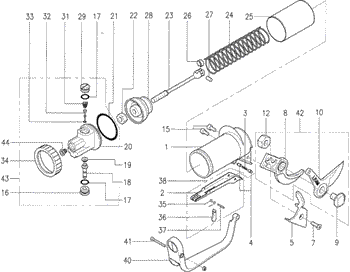
3- After Harvest (Cleaning)
The aim is to clean up the large broken branches that are left after the harvesters have gone through the grove. We could avoid it by spraying the trees with copper after harvest and wait until spring to take the damaged wood out.
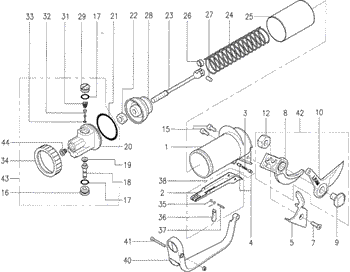

More: