My Account
Sign-in / Join

Sign-in

Hi My Account

Dashboard

Logout

Cart

My Shopping Cart

Subtotal
${{total.toFixed(2)}}
QUOTE

Bearings for Picker 2000

Delivery is calculated separately
Bulk Discounts Prices
Quantity Price
1 $18.00
Quantity

DA01A.bearings
  • Description
  • Features
  • Enquiry
  • Specifications
  • Knowledge

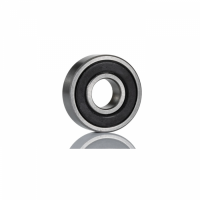
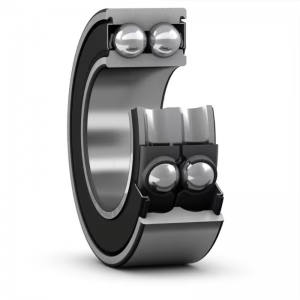
Replacement Bearing Kit for Lisam Picker 2000

Prices are EX WORKS. Delivery is calculated separately based on freight and local handling.

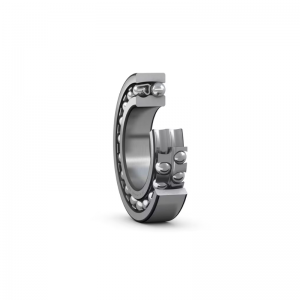
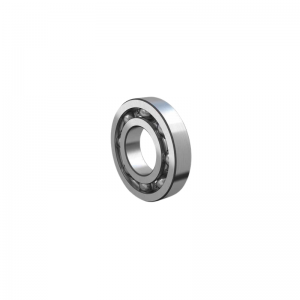
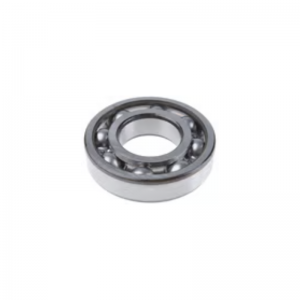
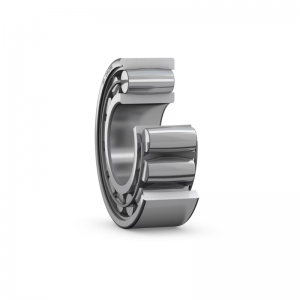
Ensure the peak performance and longevity of your harvesting equipment with our precision-engineered replacement bearings specifically for the Lisam Picker 2000. This selection covers the critical rotational components of the picker head, designed to withstand the high-vibration and high-dust environments typical of olive and fruit harvesting.

OEM Compatible Components

These components are direct replacements for the original equipment manufacturer (OEM) parts, ensuring a perfect fit and restored mechanical efficiency. Each bearing is manufactured from high-grade bearing steel and features advanced sealing to prevent the ingress of organic debris and moisture.

Technical Support: Need a full schematic or installation advice for the Picker 2000 head? Reach out to our technical team via our Contact Page.

Part Availability & Technical Specs

Picker Diagram No. Part Number Description Component Type
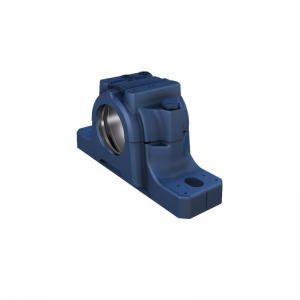
Part 26 X5034 Primary Drive Bearing Precision Ball Bearing
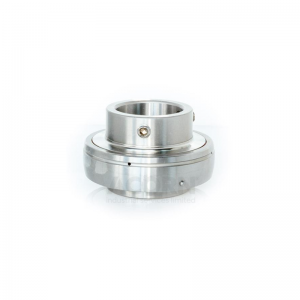
Part 25 P1524 Oscillating Support Bearing Sealed Internal Bearing
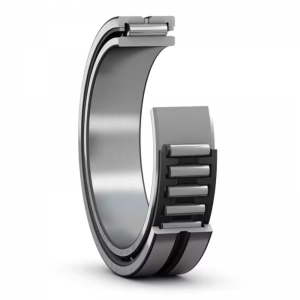
Part 21 X3106 Internal Crank Bearing Radial Support Bearing
Main Features
  • Maintenance Essential: Replacing these bearings prevents expensive damage to the crankshaft and picker housing.
  • Direct Interchange: Compatible with X5034, P1524, and X3106 codes found in the Lisam parts manual.
  • Smooth Operation: Reduces vibration in the handheld unit, decreasing operator fatigue.
  • Corrosion Resistant: Lightly coated to resist the acidic nature of olive sap and moisture.
  • :
  • :
  • :
  • :

Troubleshoot Bearing Temperatures - Decanter Maintenance

A simple rule for troubleshooting bearing temperatures: No more than 180°F (82°C) on the housing. The bearing outer ring can be up to 20°F (11°C) hotter than the housing.
Please log in to view the entire article

Trouble Shooting Bearing Temperatures

Preventative Maintenance

A simple rule for troubleshooting bearing temperatures: No more than 180°F (82°C) on the housing. The bearing outer ring can be up to 20°F (11°C) hotter than the housing. The lubricant originally specified for the application was likely selected to run at lower temperatures. A temperature increase of 50°F (28°C) may cause oil viscosity to drop by 50% or more. This could be the "tipping point" for the application, causing it to go from a hot (but stable) condition, to a hotter, unstable condition where thermal runaway occurs. Eventually, it doesn't matter how much lubricant you add to the application: the oil film is too thin inside the bearing to prevent metal-to-metal contact. Friction and heat build up, which could lead to catastrophic machinery seizure.

A better procedure for "hot" bearings would be:
  1. Check the housing surface temperature. It might be OK, even though most people find anything over 130°F (55°C) too hot to touch.
  2. Slowly add the proper amount of fresh grease to the application (use SKF Dialset). If it's a motor or other machine with a grease relief, open the relief and allow excess grease to escape.
  3. Monitor the temperature and make sure it doesn't run away. (You'll often get a temperature spike after adding grease as the bearing ejects the excess into the housing. This might take 30 minutes to several hours to stabilize, depending on the size of the machine.)
  4. If the temperature keeps going up, call for help - you will probably have to shut down and investigate.

Catastrophic failures can have untold consequences. Contact SKF or The Olive Centre, we can help you with temperature issues in bearings. A simple call could save you time, money and perhaps someone's life.

Why the type of bearing is fitted is important to the application?