My Account
Sign-in / Join

Sign-in

Hi My Account

Dashboard

Logout

Cart

My Shopping Cart

Subtotal
${{total.toFixed(2)}}
QUOTE

30L Stainless Steel Olive Oil Storage Tank

Delivery included Australia-wide
Bulk Discounts Prices
Quantity Price
1 $247.50
5 $225.00
Quantity

LA01DLA
  • Description
  • Features
  • Enquiry
  • Specifications
  • Reviews
  • Knowledge
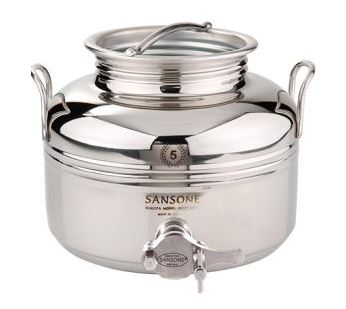
30L Stainless Steel Olive Oil Storage Tank – Screw Top Lid & Tap

Delivery included Australia-wide

Food-Grade Stainless Steel Fusti Tank for Medium-Volume Olive Oil Storage

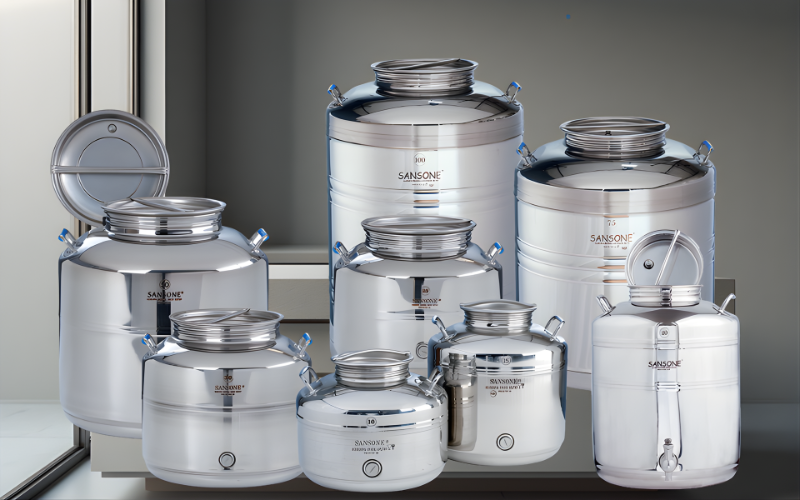
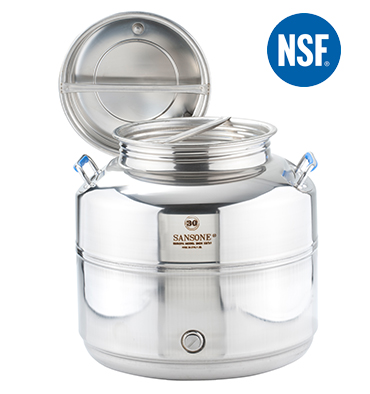
The 30L Stainless Steel Olive Oil Storage Tank (Sansone Welded Europa Model) is a hygienic, medium-capacity fusti container made from AISI 304 stainless steel for safe and reliable liquid food storage. It protects contents from light, oxygen and contamination to maintain freshness and flavour.
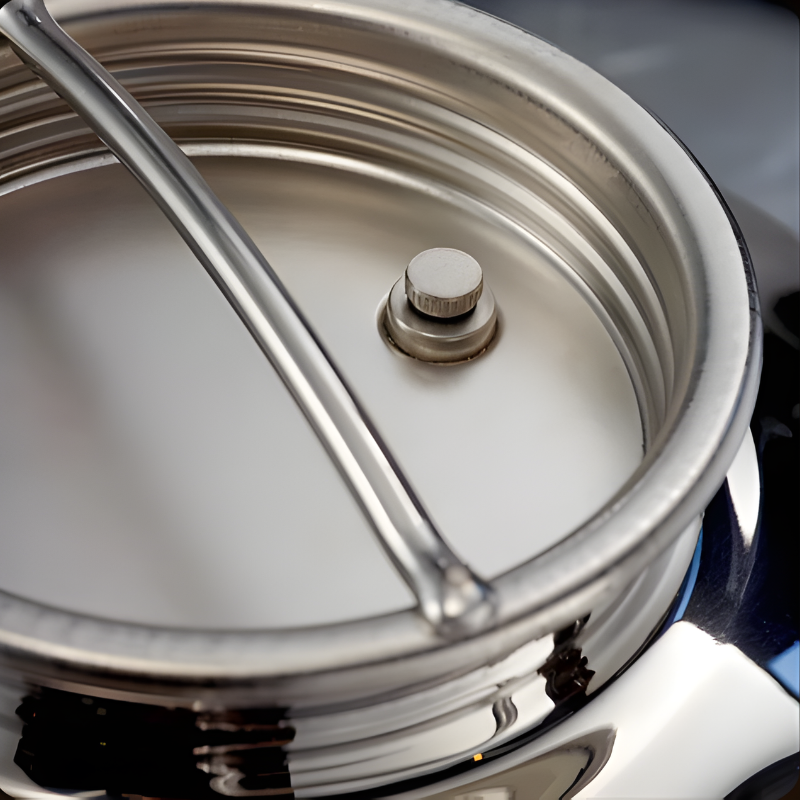
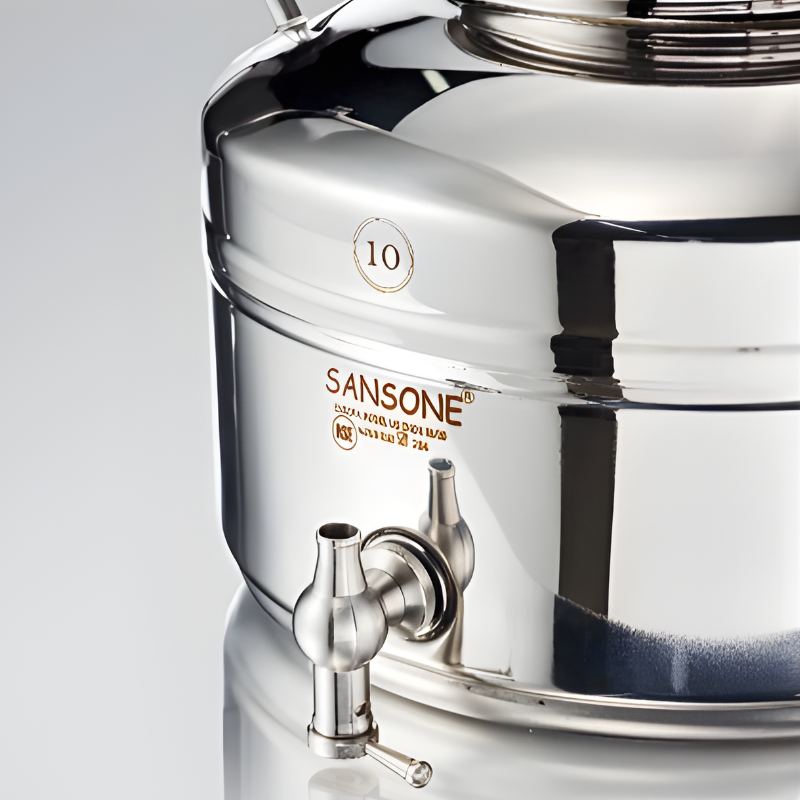
Fitted with a secure screw-top lid and a ½″ turn-pour tap, this tank offers smooth dispensing and practical handling for kitchens, tasting rooms, restaurants and small producers.
Its welded construction, wide opening and stable base make filling, cleaning and daily use simple, while its lightweight build allows for easy transport of moderate oil volumes.

Uses – For
  • Olive oil storage and dispensing
  • Honey, water, milk and liquid foods
  • Cosmetics, spirits and specialty liquids
  • Restaurants, tasting rooms and kitchens
  • Daily decanting and small-batch transfers

Technical Specifications

Specification Value
Capacity 30 Litres
Material AISI 304 Stainless Steel (18/10)
Lid Type Screw-Top Lid
Tap Type ½″ Turn-Pour Tap
Width 360 mm
Length 230 mm
Height 360 mm
Weight 4.60 kg

*All measurements are approximate and may vary slightly.

Why Choose This Product

This 30L stainless steel fusti tank offers dependable medium-volume storage with strong hygiene protection. Its screw-top lid and ½″ tap ensure clean, controlled dispensing while preserving freshness. The welded stainless steel body is durable, easy to maintain and ideal for kitchens, tasting rooms and small production environments.

More Information

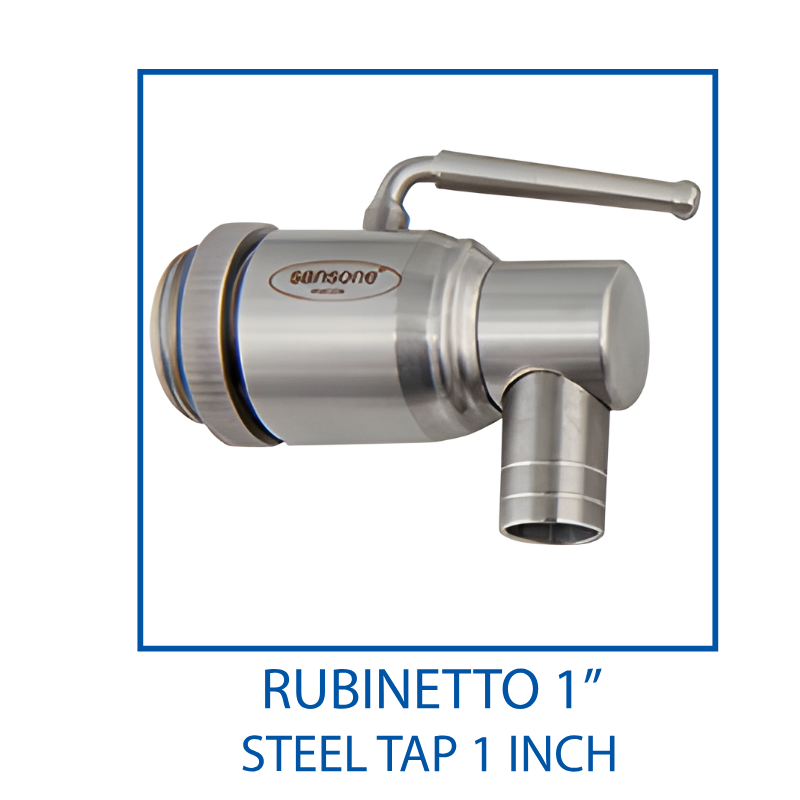
  • STEP 1 - Remove the bung from the tank.
  • STEP 2 - Take the stainless steel 1/2" tap, ensuring the collar is flush against the tap body.
  • STEP 3 - Place the tap into the tank opening.
  • STEP 4 - When the tap meets the tank (by turning into the thread but do not overtighten) with the handle in the up position.  The tap should not be tight at this stage. Use the collar to secure the tap tightly to the tank.
  • STEP 5 - Check that the tap is secure and not loose.
Please contact our office if you have any questions?
Absolutely. The polished stainless steel body blocks light exposure and the airtight lid prevents oxygen entry, helping maintain oil freshness, aroma and quality.
No. Food-grade stainless steel is chemically inert and does not absorb or transfer flavours. It is the preferred storage material for preserving olive oil quality.
While no storage tank can stop natural ageing, the combination of light protection + airtight sealing significantly reduces oxidation, helping extend shelf life.
Yes, but it is best stored in a cool, shaded environment to protect olive oil quality. Stainless steel withstands temperature changes without damage.


  1. Locate the pre-threaded opening near the bottom of the drum and remove any factory plug or seal if present.
  2. Clean the hole thoroughly to remove oil, dust, or metal residue so the gasket can seal properly.
  3. Insert the spigot’s threaded stem through the hole from the outside of the drum.
  4. Slide the silicone or rubber gasket onto the stem from the inside of the drum, making sure it sits flat against the interior wall.
  5. Thread the locking nut onto the spigot stem from the inside and tighten it by hand until the spigot is firmly seated.
  6. Use a wrench to finish tightening the nut-just enough to create a watertight seal without warping the gasket or overtightening.
  7. Test for leaks by filling the drum with a small amount of water and checking the seal around the spigot.
  8. Sanitise the spigot and surrounding area before using it for fermentation or food-grade storage.


To fit the Sansone gasket, begin by wiping the lid groove to ensure it is completely clean and dry. Align the gasket with the circular channel on the underside of the lid, then press it firmly into place starting at one point and working your way around the entire circumference. Make sure the gasket sits evenly in the groove without twisting or stretching, adjusting it section by section until the seal is uniform. Once seated, run your fingers around the edge to confirm full contact, ensuring an airtight fit before securing the lid onto the drum.
  1. Place the two pieces of the plastic stand in a cross action so they lock into each other.  Place on a flat, stable surface to ensure the container will sit level once mounted.
  2. Lower the container straight onto the stand, keeping it centred as you set it down to avoid tipping or uneven weight distribution.
  3. Adjust the container gently so the bottom sits fully inside the stand’s moulded cradle without rocking or sliding.  Surface must be level.
  4. Confirm full stability by giving the container a light side-to-side tap-there should be no shifting.
  5. Install the spigot/tap (if included) before filling the container, as attaching it after mounting may cause strain or minor misalignment.
  6. Sanitise the stand and container base if the setup will be used for food, beverages, or brewing.

  1. Identify the two ports on the container - the lower outlet (usually where a spigot can be placed) and the upper vent or secondary port. These serve as the connection points for the level indicator tube.
  2. Remove the factory plugs or caps from both ports and clean the threads to ensure a proper seal.
  3. Install the lower connector fitting by threading it into the bottom port and tightening until secure. This fitting allows liquid from inside the drum to fill the indicator tube.
  4. Install the upper connector fitting into the top. This fitting keeps the tube open to atmospheric pressure so the level can rise and fall accurately.
  5. Attach the transparent level indicator tube by sliding each end onto the two connector fittings. Push firmly until the tube is fully seated.
  6. Secure the tube with the provided clamps or tightening rings to prevent slipping or leaks during use.
  7. Check alignment to ensure the tube runs vertically along the side of the container without bending or kinking.
  8. Test the system by adding a small amount of water to the container - the water should rise smoothly in the indicator tube without dripping at either connector.
  9. Sanitise all components before using the setup with consumable liquids.
  1. Remove the standard cap or vent from the container lid to expose the threaded opening where the vacuum fitting will be installed.
  2. Clean and dry the opening so the vacuum adapter can seal properly without air leaks.
  3. Thread the vacuum adapter (vacuum cap) into the lid opening and tighten it firmly by hand, then finish with a small tool if required. Do not overtighten - the gasket only needs even pressure.
  4. Attach the vacuum pump hose to the nipple on the vacuum cap, ensuring the hose is fully seated with no gaps.
  5. Begin pumping to remove air from the container, creating negative pressure inside. Pump until you feel a firm increase in resistance - this indicates that vacuum has been achieved.
  6. Close the pump valve or detach the hose (depending on the pump type) while ensuring the vacuum seal remains intact.
  7. Check the vacuum indicator, if included, to confirm the container has successfully sealed and is maintaining negative pressure.
  8. Store or transport the container as needed, keeping in mind that vacuum sealing helps protect liquids such as oil, wine, or other perishables from oxidisation.
  9. Release the vacuum before opening by gently loosening the vacuum cap or opening the release valve to allow air back into the container.
  10. Clean and sanitise the vacuum components after each use to maintain proper sealing performance.


To install the Beer Kit, unscrew the original vent valve or cap from the container lid and clean the opening to ensure proper sealing. Screw the Beer Kit’s threaded fitting into the opening, tightening it firmly until the gasket is fully seated against the stainless-steel surface. Press the silicone stopper into the central hole of the kit, then insert the bubbler straight down into the stopper until secure. Once fitted, check that all components are firmly seated, ensure the seal is airtight, and sanitise the assembly before use.


Frequently Asked Questions

The 30L Stainless Steel Olive Oil Tank, also known as the Sansone Welded Europa model, is designed for professional-grade storage and dispensing of olive oil and other liquid foods. Made from AISI 304 (18/10) food-grade stainless steel, it provides an exceptional barrier against light, oxygen, and contaminants—the main factors responsible for oxidation and spoilage.

Unlike plastic or glass containers, stainless steel maintains a stable temperature and does not react chemically with oils, ensuring that the product retains its full aroma, flavour, and nutritional quality. The tank’s airtight screw-top lid prevents exposure to air, while the ½″ turn-pour tap offers smooth, controlled dispensing. Its medium 30L capacity makes it ideal for both storage and daily service use in restaurants, tasting rooms, and home kitchens where freshness and hygiene are priorities.
The tank combines practicality with durability, making it suitable for both olive oil producers and food-service operations. Its wide-mouth screw lid allows for easy filling, cleaning, and sanitation, ensuring hygienic handling during each use. The tap outlet provides precise control over flow, allowing quick dispensing directly into bottles, smaller containers, or tasting dishes without mess or waste.

Thanks to its lightweight welded design, the tank is sturdy yet portable, making it ideal for transferring smaller volumes or transporting product between storage areas and bottling points. It can also be adapted for other uses—such as storing water, vinegar, spirits, milk, or even honey (when fitted with a honeygate tap). The corrosion-resistant finish ensures long-lasting service life while maintaining a clean, polished appearance that suits both functional and display environments.
Maintaining the 30L stainless tank is simple and ensures long-term performance. After each use or refill, rinse the interior with warm water and mild detergent, avoiding abrasive pads that could scratch the steel surface. Allow the tank to air-dry completely before refilling to prevent moisture contamination, which could affect oil quality. Periodically check the lid gasket and tap seals for tightness and cleanliness, as these components help preserve airtight conditions.

To maintain the exterior shine, wipe the tank with a soft cloth and avoid contact with acidic cleaning agents. Always store the tank in a cool, shaded area away from direct sunlight to preserve the oil’s freshness. With regular cleaning and proper handling, the Sansone 30L Stainless Steel Olive Oil Tank will provide reliable, hygienic storage for years—protecting your oil’s integrity while offering convenience and professional presentation.

 
Key Features
  • Premium AISI 304 stainless steel (18/10)
  • NSF certified food-grade quality
  • Screw-top lid with 230 mm wide opening
  • ½″ stainless steel tap predisposition (tap included)
  • Hygienic welded seams and curved base for easy cleaning
  • Compact yet spacious 30L capacity
  • Resistant to rust, durable, and long-lasting
  • Suitable for multiple liquids, not just olive oil
Recommended Cleaning Procedure for Sansone Tanks

Here are the suggested cleaning methods:
  • Water and Dish Soap: Ideal for easy and swift cleaning, perfect for regular maintenance.
  • Water and Vinegar: Effective for thorough cleaning, especially useful for removing organic residues and strong odours.
  • Water and Caustic Soda: For perfect and precise cleaning.
  • Important: ensure the upper tap of your drum is open during this process to avoid suction of the inner sides.
  • :
  • :
  • :
  • :
  • :

What our customers have to say!

Received the 10 Stainless Steel Tanks today.  They are lovely and the non drip spout is a great improvement, the tanks themselves are also very good and stylish as well and look great.  Let me know if you have any of they other items and a price list please.  SH, NSW.


Sansone Welded Fusti Tanks - Stainless Steel Containers for Olive Oil and Food Storage

OLIVE OIL STORAGE

Sansone Welded Fusti Tanks - Europa Model Stainless Steel Containers for Olive Oil Storage


Italian Precision, Certified Hygiene, And Long-Term Durability

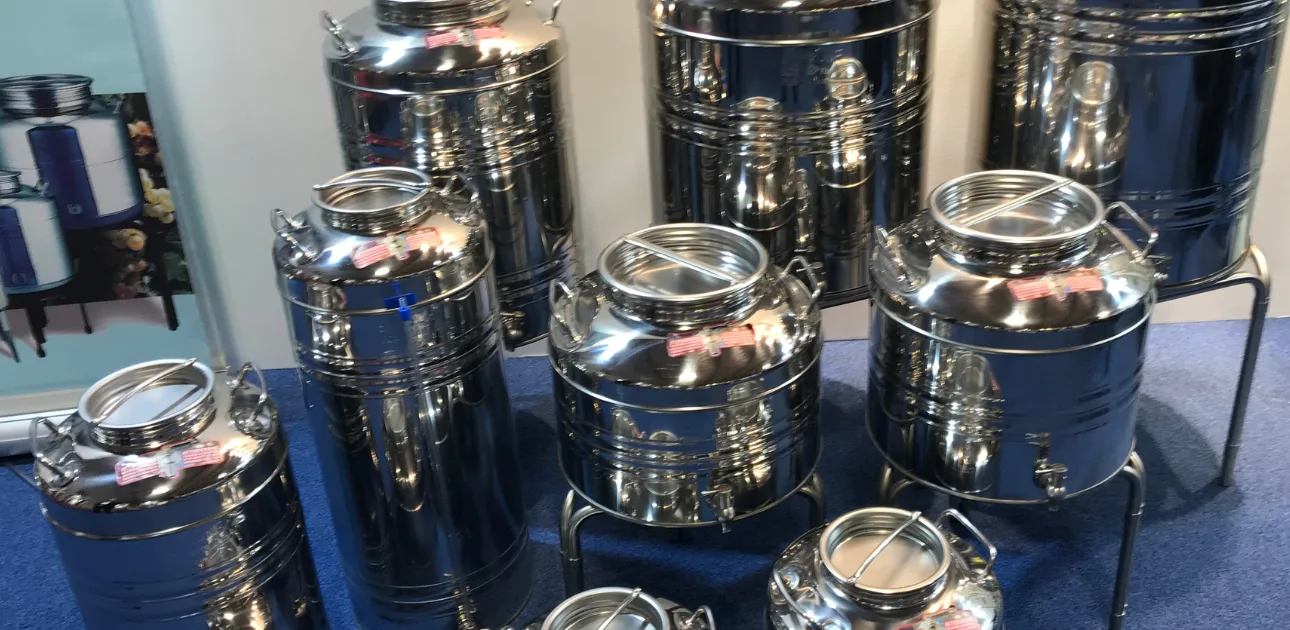
The Sansone Welded Fusti Tanks represent one of the most trusted stainless steel container designs in the food industry. Manufactured in Italy by Sansone, these tanks are built according to the highest international standards for the preservation of food-grade liquids such as olive oil, wine, honey, and food-grade liquids.

Each unit is produced using 18/10 AISI 304 stainless steel and is NSF certified, ensuring unmatched reliability, purity, and corrosion resistance. Their seamless welded construction guarantees easy cleaning and prevents the accumulation of organic matter or bacterial colonies - a crucial feature for industries where hygiene is paramount.

Welded Drums - Food-Grade Stainless Steel 

Built with head-to-head welding technology, the Sansone welded drums are designed to achieve maximum cleanliness and strength. This advanced welding method eliminates internal joints, making the surface completely smooth, which allows for easy sanitation and total prevention of bacterial growth

These tanks are ideal for food processing, laboratory, and industrial applications that require hygiene compliant liquid handling. The seamless welded design also upholds that no residues or flavour transfer occur, maintaining the quality of your stored product. 

Each model undergoes strict testing to meet the most rigorous quality standards and is part of Sansone’s commitment to producing long-lasting stainless steel containers that meet professional and domestic needs alike.

  Technical Specifications - Welded Drums Europa Model  
Capacity (L) Weight (kg) Height (mm) Base (mm) Opening (mm) Tap Size
10 1.85 240 280 130 ½”
15 2.20 310 280 130 ½”
20 2.40 390 280 130 ½”
25 3.40 320 360 230 ½”
30 3.65 360 360 230 ½”
50 4.80 440 420 230 ½”
75 7.05 550 460 230 ½”
100 8.35 690 460 230 ½”

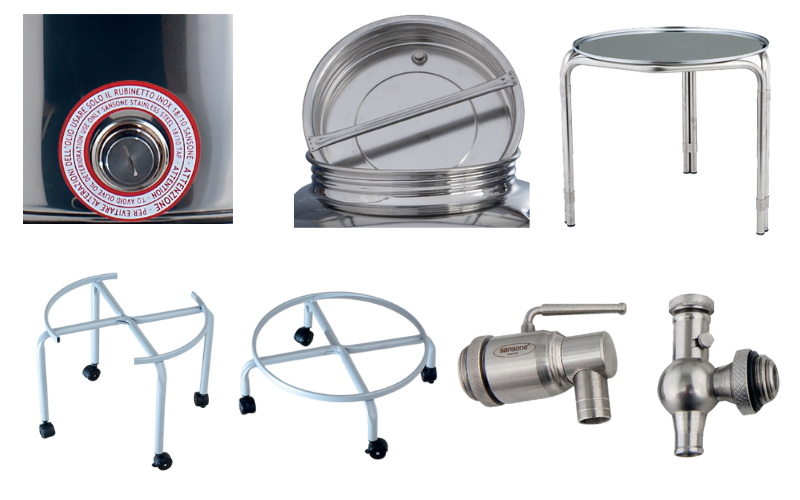
All models are equipped with a welded stainless-steel setup for a ½-inch tap, allowing safe and precise liquid dispensing. Each drum can also be paired with optional stainless steel or laminated stands, available in tall and short models or even with wheels for mobility. 

Features

  • Manufactured entirely from AISI 304 stainless steel (18/10 food-grade) 
  • Seamless welded body ensures superior hygiene and effortless cleaning 
  • Polished mirror finish both inside and outside 
  • NSF Certified, ensuring compliance with international food safety standards
  • Air valve system for smooth depressurisation and easier liquid release
  • Customisable options available, including steel tap types, metal stands, and NSF components (as a special order option)
  • Designed for olive oil storage, winemaking, honey production, and other liquid foods
The air valve feature enables controlled depressurisation, allowing for easy container opening even after prolonged use. These tanks are built for professionals who value dependability and craftsmanship in every detail. 

Optional Accessories - Special Order 


Sansone provides several high-quality accessories to enhance functionality and handling convenience:

  • Stainless steel tap with turning lever for precise dispensing
  • Tall or short metal support stands, available with or without wheels
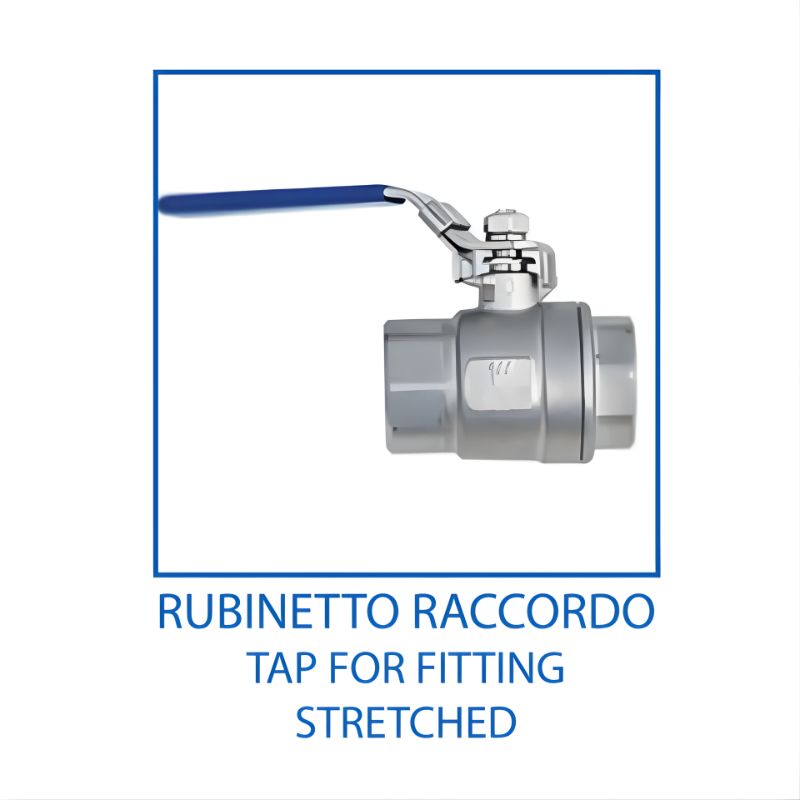
  • New NSF stainless steel tap (½” US model) for enhanced flow control and hygiene (special order tap)
  • Custom configurations available upon request to suit specific production environments like honey gate or other specialty application.

Engineered for Excellence & Quality 

Each Sansone welded fusti is produced under ISO 9001:2000 certified quality control systems to ensure consistent performance and reliability. The use of premium-grade 18/10 stainless steel guarantees long life, even under demanding industrial use. 

Whether used in olive oil production by producers, wineries, or laboratories, these tanks provide the peace of mind that comes from Italian-made precision engineering, smooth cleaning surfaces, and safe, airtight liquid containment. 

Perfect for Olive Oil and Artisan Food Producers 


For olive oil producers, the Sansone Europa welded tanks provide the ideal environment for oil preservation, protecting against oxidation and contamination while maintaining taste and freshness. The tanks’ sleek finish and robust structure also make them suitable for front-of-house or retail presentation, where hygiene and visual quality are essential.

From boutique olive oil farms to food manufacturers, these stainless steel fusti tanks represent a long-term investment in quality, safety, and professionalism

Order Your Sansone Welded Fusti Tanks from The Olive Centre

If you’re ready to elevate your storage and preservation standards with Sansone stainless steel welded tanks, explore the full range at

https://theolivecentre.com/shop/stainless-steel-tanks-2l-to-99l 

As Australia’s leading distributor for Sansone products, The Olive Centre provides expert advice, local support, and fast delivery — helping you choose the perfect stainless steel fusti to suit your needs

Sansone Premium Stainless Steel Tanks Built for Global Best Storage Practices

PREMIUM STORAGE TECHNOLOGY

Sansone Premium Stainless Steel Tanks Built For Quality Preservation With Global Best Storage Practices

Preserving the integrity of high-quality foods and liquids - especially extra virgin olive oil (EVOO) - depends on two things: a sound understanding of correct storage parameters and the use of vessels engineered to uphold those conditions with absolute reliability. This is where Sansone, Italy’s premier stainless-steel tank manufacturer, stands far above conventional storage solutions. As global quality standards evolve, the industry has moved decisively away from breathable plastics & reactive metals. With increasing focus on purity, sustainability, and product shelf-life, food-grade stainless steel has become the internationally accepted gold standard for storing oils, beverages, ferments, honey, pharmaceuticals, and more. Within that space, Sansone’s range - distributed in Australia by The Olive Centre - has set the benchmark for durability, hygiene, and performance for over five decades.


Why Sansone Tanks Are the Ideal Match for Best-Practice Olive Oil Storage

International Olive Council (IOC) guidelines highlight the key threats to olive oil quality, i.e. oxygen, light, and heat, each of which accelerates oxidation and rancidity. Proper storage must therefore minimise air contact, prevent light exposure, and maintain stable, cool temperatures. 


Sansone’s engineering and material choices align perfectly with these requirements:

1. Oxygen Protection: Airtight Design & Minimised Headspace

The IOC highlights that once a container is opened, limiting headspace is essential to slow oxidation.

How Sansone supports this:

  • Hermetic seals on lids, clips, and o-rings prevent oxygen ingress.
  • Precision-machined threads on taps ensure no micro-air leaks.
  • Many models come in incremental sizes, enabling producers and consumers to select volumes matching 1 - 3 months’ usage - the exact timeframe recommended by the IOC.
  • Large containers allow for decanting into small stainless steel units, which the IOC recommends for preserving quality once larger cans are opened.
2. Light Protection: Stainless Steel as an Opaque Barrier

The IOC identifies light as the main threat to olive oil quality after oxygen.

Sansone’s advantage:

  • Full stainless-steel construction completely blocks UV and visible light.
  • Mirror-polished interiors resist residue buildup, ensuring no photoreactive particles remain on surfaces between batches.
3. Temperature Stability: Thermal Protection & Structural Integrity

The IOC recommends storing olive oil between 13 - 25°C, and notes that lower temperatures (even refrigeration) can slow oxidation.

Sansone excels in temperature resilience:

  • High-grade AISI 304 (18/10) or AISI 316 steel (optional) maintains structural integrity regardless of ambient fluctuations.
  • No warping, cracking, or polymer breakdown (common with plastic).
  • Suitable for cold storage without material fatigue or risk of flavour contamination.
4. Hygiene & Safety: The Foundation of Sansone’s Philosophy

The IOC emphasises cleanliness, inert materials, and contamination avoidance.

Sansone tanks surpass these needs through:

  • AISI 304 stainless steel for all food-contact surfaces; AISI 316 (optional) available where higher corrosion resistance is required (e.g., acidic ferments, saline solutions).
  • Mirror-polished interiors prevent residue, microbial growth, or flavour carryover.
  • Fully weld-sanitised or precision-seamed joins engineered for long-term purity.
  • NSF-certified taps available on select models.
Whether storing EVOO, honey, wine, ferments, kombucha, tinctures, cosmetics, or nutraceutical extracts, Sansone containers guarantee an inert environment that preserves product integrity.


5. Durability & Long-Term Value: Sustainability Meets Performance

Stainless steel is durable, corrosion-resistant, and 100% recyclable - maintaining its quality through multiple recycling loops. Sansone’s robust construction means a single tank can last decades, dramatically reducing lifecycle costs compared with plastics or coated metals. Their longevity also prevents product loss due to leaks, contamination, or light-induced degradation, making Sansone an economically and environmentally superior investment for producers of all scales.

Comparison Chart: Plastic vs Stainless Steel vs Glass Containers

Criteria Plastic Containers Stainless Steel Containers (e.g. Sansone) Glass Containers
Material Reactivity It can leach plasticisers over time, especially with acidic or fatty products. Completely inert; AISI 304/316 food-grade steel prevents reactions. Inert to most liquids but may interact with extreme pH.
Light Protection Allows light penetration unless opaque. 100% light-proof - ideal for olive oil and sensitive liquids. Transparent unless tinted; light accelerates oxidation.  Coloured glass can slow down light penetration.
Oxygen Protection / Seal Quality Moderate; lids may warp or expand, increasing oxygen exposure. Excellent - airtight seals and precision threads limit oxygen exposure. Good initially, but seals vary; headspace increases quickly once opened.
Durability Prone to warping, cracking, and UV degradation. Extremely durable - decades of use without deforming. Fragile; breaks or chips easily.
Temperature Resistance Sensitive to heat; may warp or release BPA-like compounds/plasticisers. Highly stable across temperature ranges, including refrigeration and warm environments. Stable but expands/contracts; risk of thermal shock.
Hygiene & Cleanability Scratches retain residues and microbes; absorbs odours. Mirror-polished surfaces prevent buildup; no odour retention; easy sanitation. Very hygienic but difficult to clean if narrow-necked.
Impact on Olive Oil Quality Can accelerate oxidation; not recommended by IOC for long-term storage. Ideal - protects from light, heat, and oxygen; aligned with IOC guidelines. Good if dark/tinted and stored cool, but still sensitive to light exposure.
Sustainability Limited recyclability; degrades in quality each cycle. 100% recyclable without quality loss; extremely long lifespan. Highly recyclable but higher breakage rate.
Weight Lightweight. Moderately heavy (depending on tank size). Heavy and cumbersome, especially in larger volumes.
Cost (Upfront) Low Higher initial investment Moderate cost
Cost (Lifecycle) High - due to frequent replacement and product spoilage risk. Low - one tank often lasts decades; prevents losses from contamination or oxidation. Moderate - replacement due to breakage or seal failure.
Suitability for Industrial Use Poor - short lifespan and limited hygienic control. Excellent - used in olive oil production, wineries, pharmaceuticals, honey, and beverage industries. Limited - weight and fragility restrict large-volume use.
Suitability for Long-Term Food Storage Not recommended. Excellent - best long-term solution for oils, ferments, beverages, and extracts. Acceptable for short-to-medium term if protected from light.

    Table. Comparison of Plastic, Stainless Steel, and Glass Containers for long-term storage of food and liquids.

6. Functional Design That Enhances Workflow

Across the entire Sansone range - from 3 L benchtop units to 10,000 L industrial vats - each model is tailored for real-world handling:

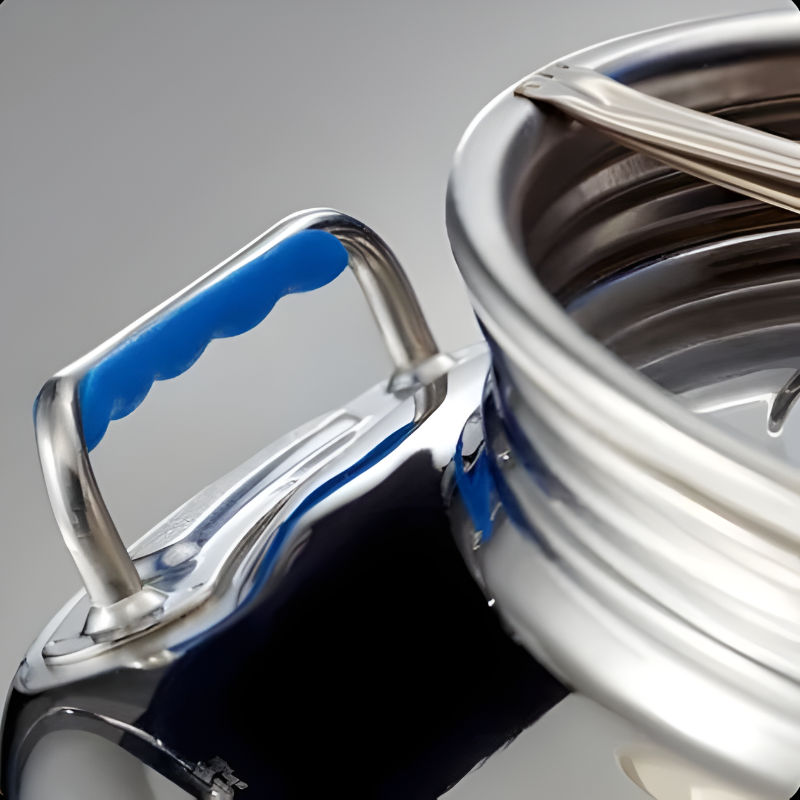
  • Ergonomic welded handles positioned for safe lifting.
  • Optional wheeled frames for mobile production setups.
  • Sight-glass compatibility for measuring levels without opening the tank.
  • Clip-on lids for quick access in high-turnover operations.
  • Reinforced bottoms for stacking stability and secure placement.
  • Wide openings for easy filling and cleaning.

These design elements reduce labour time, improve occupational safety, and streamline production lines.

Industry Applications Beyond Olive Oil

Thanks to their inertness and long service life, Sansone tanks have become essential across multiple industries:

  • Olive oil production - Protecting phenolics, preventing oxidation, supporting decanting and clarification
  • Honey processing - Avoiding chemical leaching and contamination
  • Winemaking and craft beverages - Fermentation, ageing, settling
  • Ferments & cultures - Kombucha, kefir, vinegars, medicinal herbal tonics
  • Cosmetic and pharmaceutical storage - Where purity and cleanliness are paramount
  • Water storage - Hygienic potable water holding in agricultural or industrial environments - (special order tank type)

Why The Olive Centre Partners With Sansone

As Australia’s leading supplier of olive and food-processing equipment, The Olive Centre selects only products with proven excellence, traceability, and long-term reliability.

The partnership with Sansone ensures Australian producers - from boutique growers to large commercial processors - gain access to:

  • Local stock and fast dispatch
  • Technical advice on selecting the ideal tank
  • Integration assistance for bottling lines, decanting setups, and hygienic storage
  • After-sales support backed by decades of industry experience

Conclusion - Best Storage Practice With Best-in-Class Manufacturing

When global storage guidelines emphasise controlling light, oxygen, and temperature to protect olive oil and other sensitive liquids, Sansone’s stainless steel tanks don’t just meet these parameters - they optimise them. Their precision engineering, food-safe materials, airtight design, and unmatched durability align perfectly with IOC recommendations, giving producers complete confidence that every drop remains as fresh, pure, and vibrant as the day it was created.

Sansone Stainless Steel Silos Up to 5,000L

FEATURED STORAGE SOLUTION

Sansone Stainless Steel Silos Up to 5,000L

Storage Silos with Conical Bottom and Fixed Capacity Setup

In the world of modern food preservation and processing, few names embody the standards of quality, precision, and hygiene quite like Sansone Inox. Known globally for its mastery in stainless-steel engineering, Sansone continues to lead the industry in food-grade containment technology. Among its most sought-after innovations are its stainless steel silos, designed to meet the demanding needs of producers who value product purity, easy maintenance, and long-term durability.

Now available in Australia through The Olive Centre, Sansone’s Heavy-Duty Silos with Conical Base and Easy Discharge and the Variable Capacity Silos (Sempre Pieno) represent the highest standard in food-safe stainless storage. Built entirely from AISI 304–316L stainless steel, these silos are purpose-built to safeguard liquids like olive oil, wine, honey, vinegar, and other food-grade materials while maintaining their integrity over time.

Precision Italian Design for Maximum Hygiene

Each Sansone silo tank is manufactured in Italy under the company’s ISO 9001:2000 quality control standards. The design focus is simple but delivers absolute cleanliness and complete drainage.

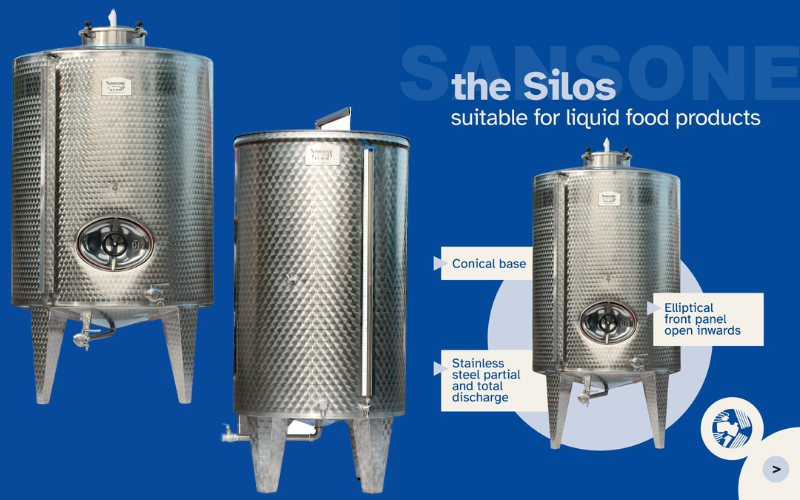
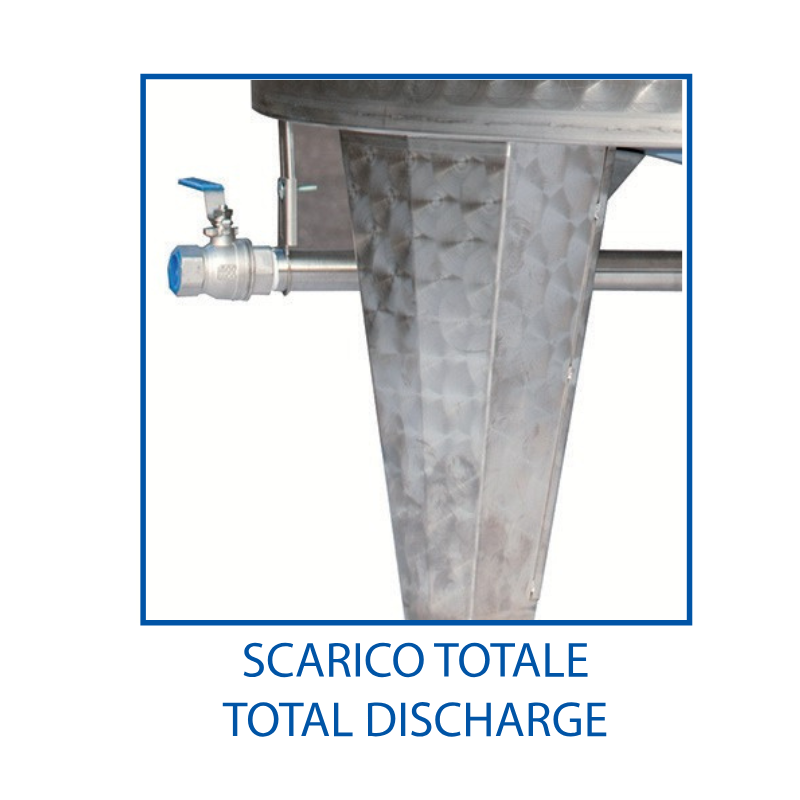
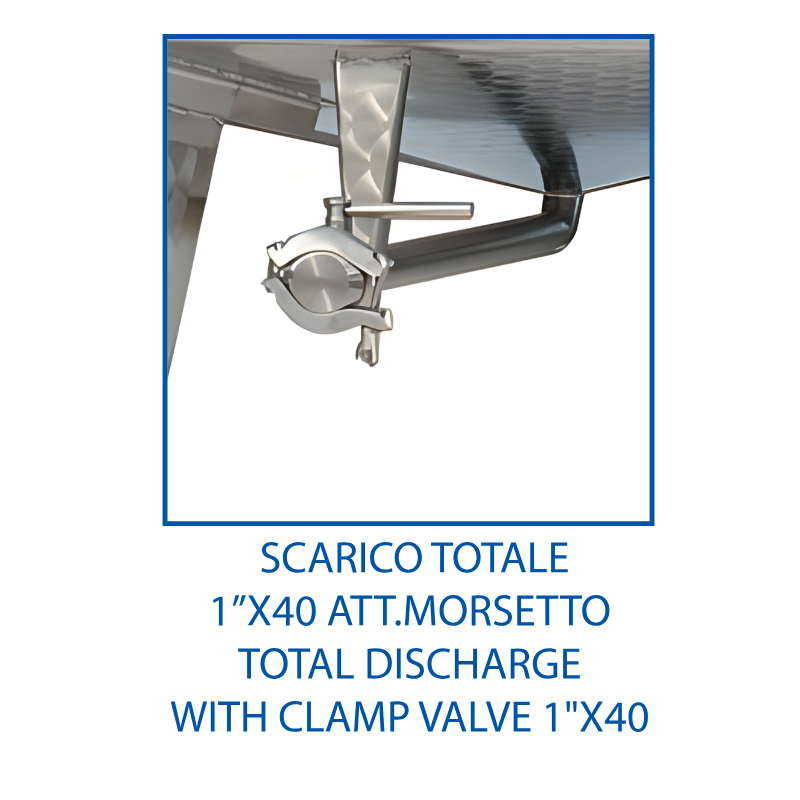
The conical base ensures total discharge of stored contents, preventing residues and eliminating the risk of contamination. Smooth, mirror-polished interiors allow effortless cleaning, while “Polished” or “marble” external finishes offer durability and aesthetic refinement.

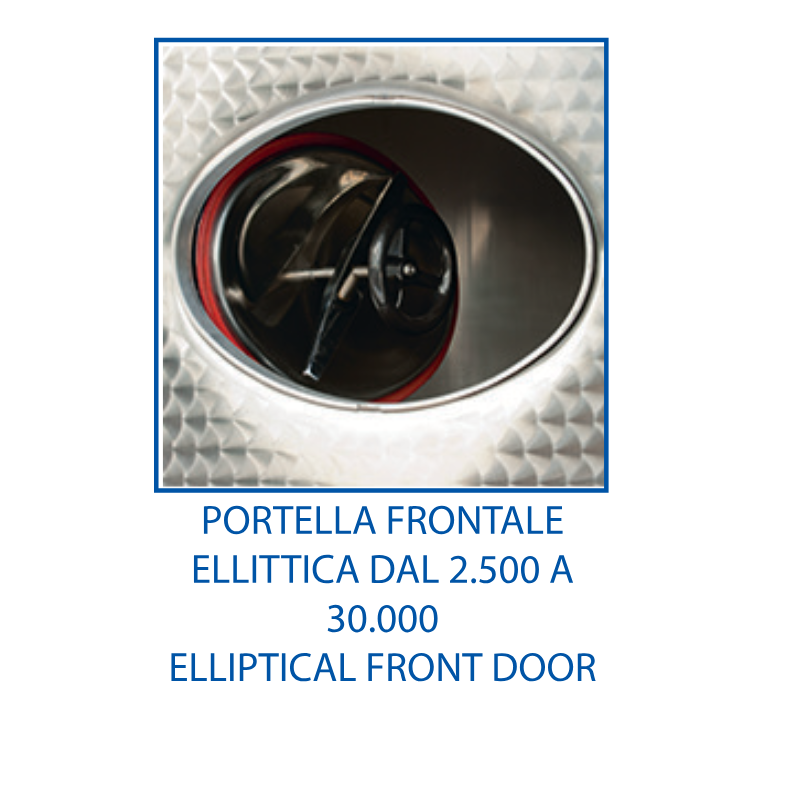
Sansone silo tanks are particularly suited for olive oil mills, cooperatives, and cellar doors, where the highest level of product protection is required. The elliptical or round inspection door, double-valve nitrogen system (for fixed capacity type), and stainless steel sampling tap provide users with complete control of the stored product from top to bottom.

Storage Silos with Conical Base and Easy Discharge

Sansone’s Storage Silos with Conical Base and Easy Discharge are designed for fixed installations that demand both hygiene and efficiency. Built from AISI 304 - 316L stainless steel, these silos are ideal for the hygienic storage of liquid foods in environments where contamination-free handling is critical. Each model features a fully welded conical base that ensures total emptying of the tank and minimises product in contact with sediment. The upper cover includes a nitrogen inlet valve, allowing an inert atmosphere for long-term storage without oxidation - especially valuable for olive oil.

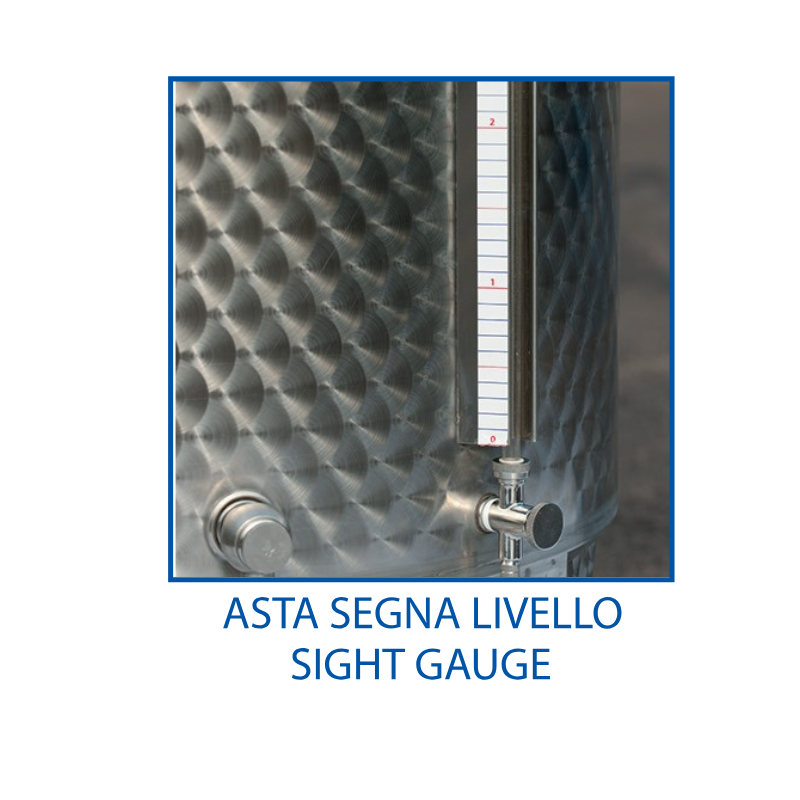
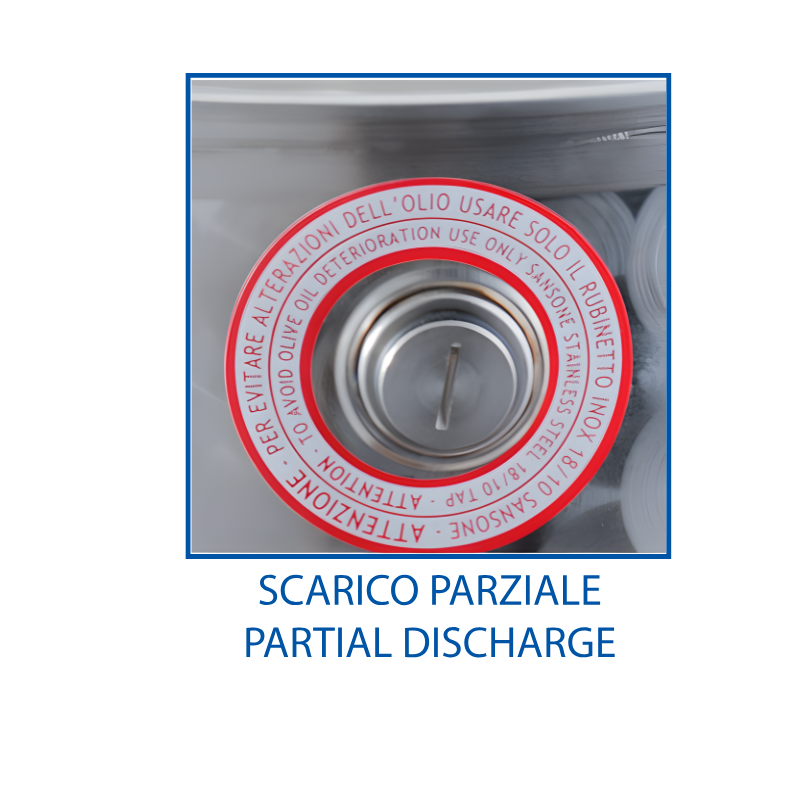
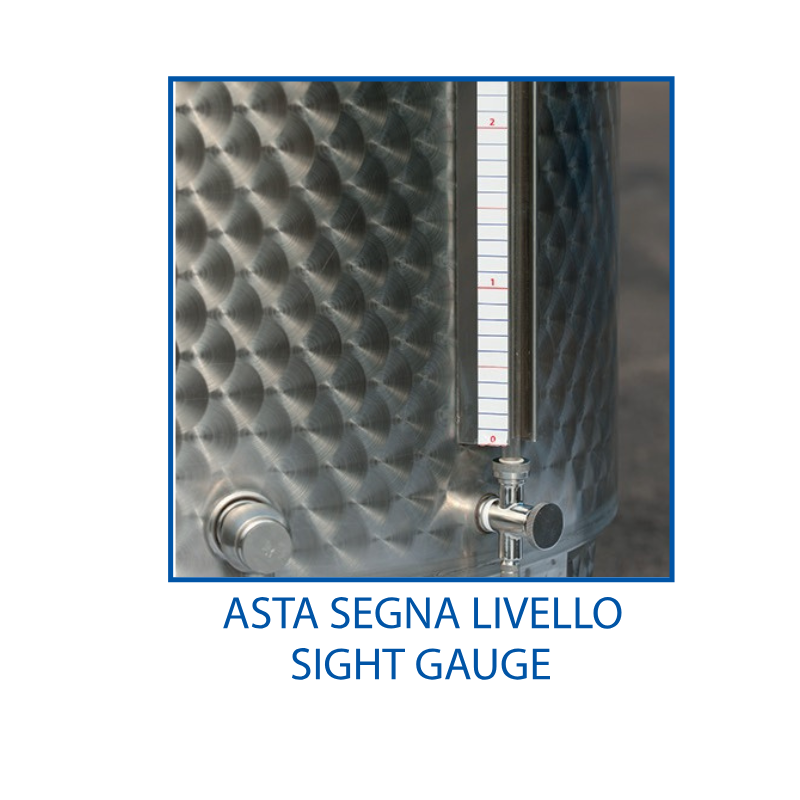
The silos are fitted with elliptical front doors, sight gauges, and total/partial discharge valves, making maintenance and inspection straightforward. Every unit rests on reinforced stainless steel legs for stability, ensuring long-lasting service under continuous use.

TABLE 001: STORAGE SILOS – FIXED CAPACITY (CONICAL BASE)

Capacity (L) Height (mm) Base (mm) Opening (mm) Total Height (mm)
1,000 1,500 950 950 2,300
1,500 1,500 1,100 1,100 2,600
2,000 1,500 1,270 1,270 2,300
2,500 2,000 1,270 1,270 2,800
3,000 2,000 1,430 1,430 2,800
5,000 2,500 1,600 1,600 3,400

Technical specifications sourced from Sansone Stainless Steel Silos documentation. Conical-base silos ensure total drainage and contamination-free storage for food-grade liquids.

These models are ideal for food processing, laboratory, and industrial settings. The seamless conical design ensures total evacuation of liquids while maintaining a contamination-free environment. Each silo undergoes rigorous testing to meet the most demanding quality standards, including leak-proof inspections and pressure-resistance validation.

Optional features include:

  • CIP (Clean-In-Place) washing system
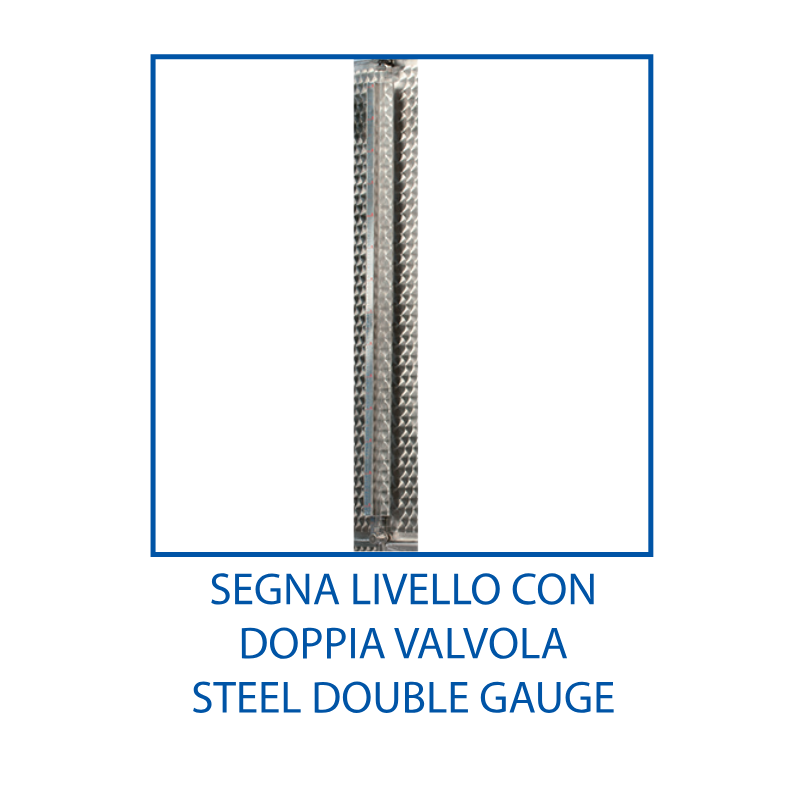
  • Stainless steel sight gauge with double-glass protection
  • Safety double-effect valve
  • Elliptical manhole covers for easy entry and inspection

Silos Variable Capacity with Conical Bottom (Sempre Pieno)

For producers who need flexible capacity management, Sansone’s Fixed Capacity Silos - also known as Silos Sempre Pieno - provide a reliable “always full” system that prevents oxidation and product spoilage. 

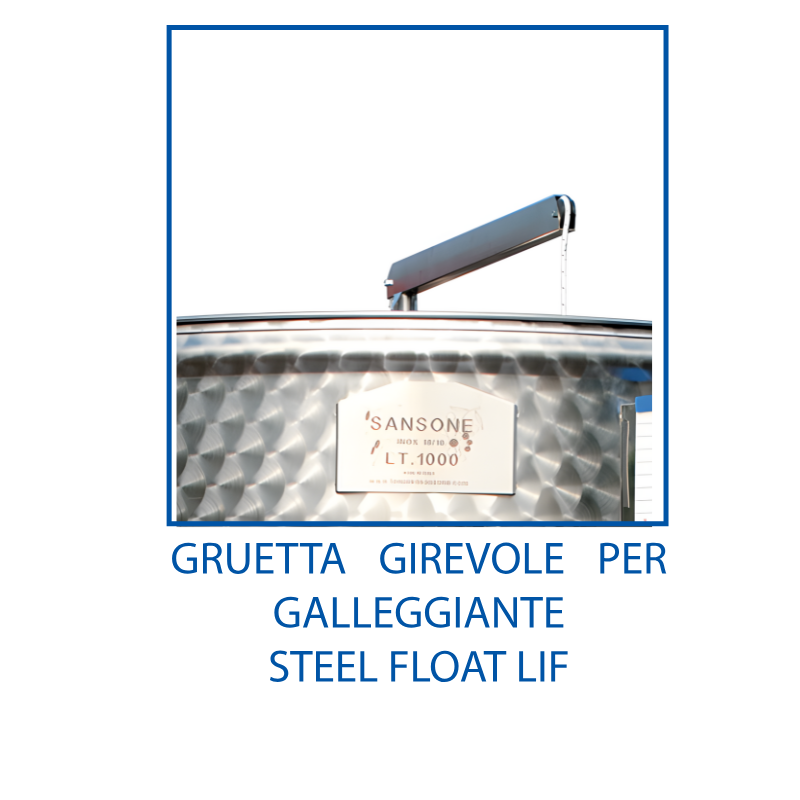
Each tank features a floating stainless-steel lid that adjusts to the liquid level, ensuring no air is trapped between the product and cover. Combined with a conical base, the design facilitates total discharge and makes cleaning fast and efficient.

Manufactured from AISI 304 stainless steel, these silos are the benchmark for wineries and olive mills where maintaining product quality is crucial during storage or decanting. Optional accessories include a level indicator rod, floating arm, and adjustable support legs to guarantee perfect levelling.

TABLE 002: VARIABLE CAPACITY SILOS – CONICAL BOTTOM

Capacity (L) Height (mm) Base (mm) Opening (mm) Total Height (mm)
300 940 640 640 1,340
400 1,020 700 700 1,420
500 1,170 740 740 1,570
750 1,480 800 800 1,880
1,000 1,480 930 930 1,880
1,500 1,500 1,100 1,100 2,300
2,000 1,500 1,270 1,270 2,300
2,500 2,000 1,270 1,270 2,500
3,000 2,000 1,430 1,430 2,500
5,000 2,500 1,600 1,600 3,100

Data sourced from the Sansone Stainless Steel Silos PDF (Variable Capacity Series). Floating-lid Sempre Pieno design ensures oxidation-free storage and total discharge.

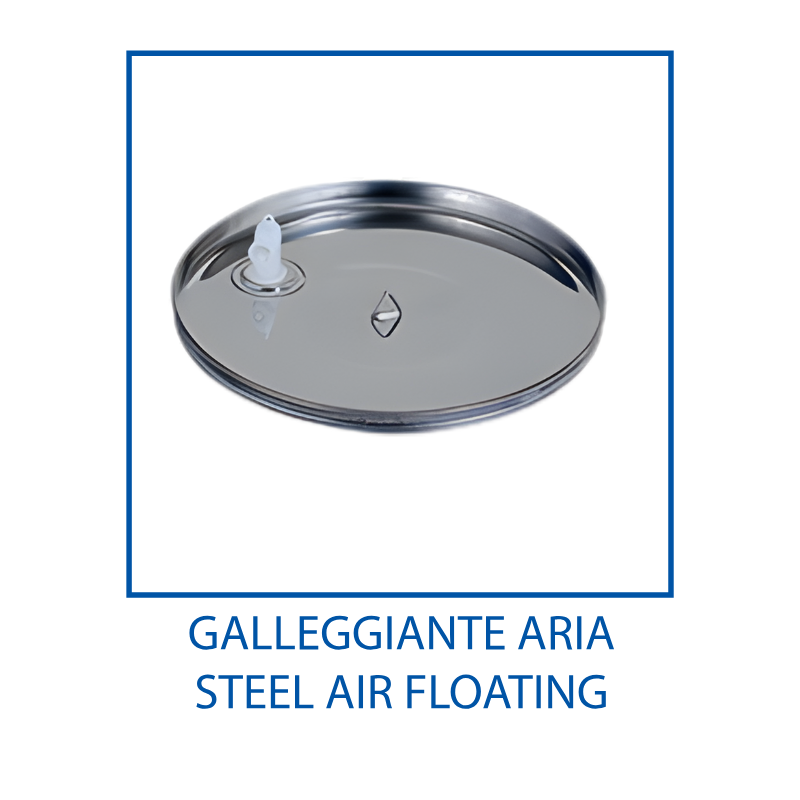
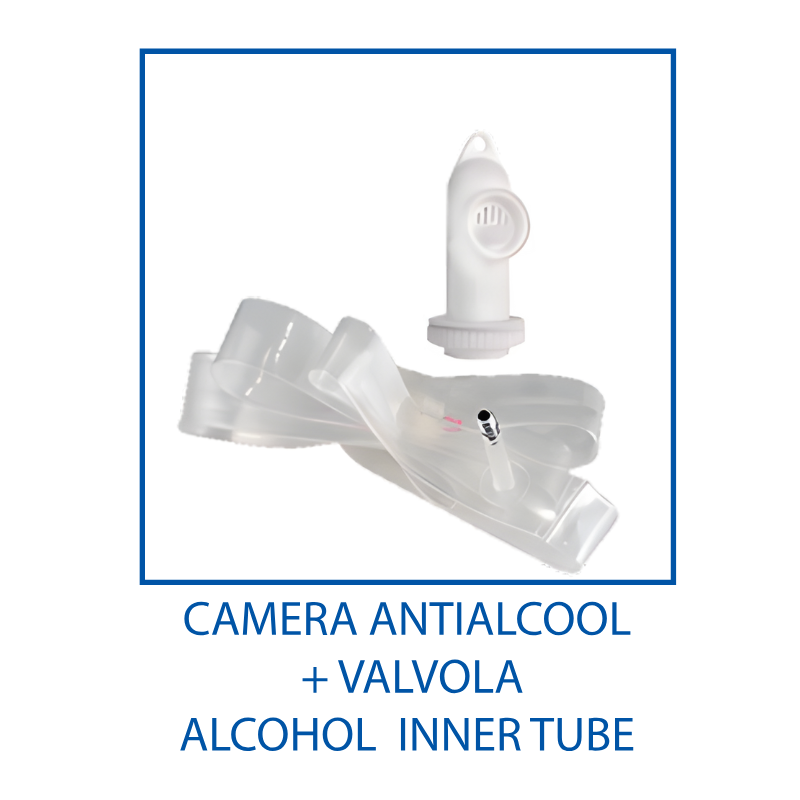
Each unit can be equipped with steel air floating lids, anti-alcohol chambers, and stainless pump groups with double valves. From small-scale honey producers to major wineries, these variable-capacity silos provide safe, stable, and efficient storage control.

Optional Accessories for Storage Silos with Conical Base and Easy Discharge

To complement the Sansone Storage Silos with Conical Base and Easy Discharge, a selection of optional accessories is available to enhance performance, hygiene, and adaptability in food production. These Italian-engineered accessories are constructed from the same AISI 304–316L stainless steel as the silos, ensuring seamless integration and durability under continuous use.

Typical accessories include:

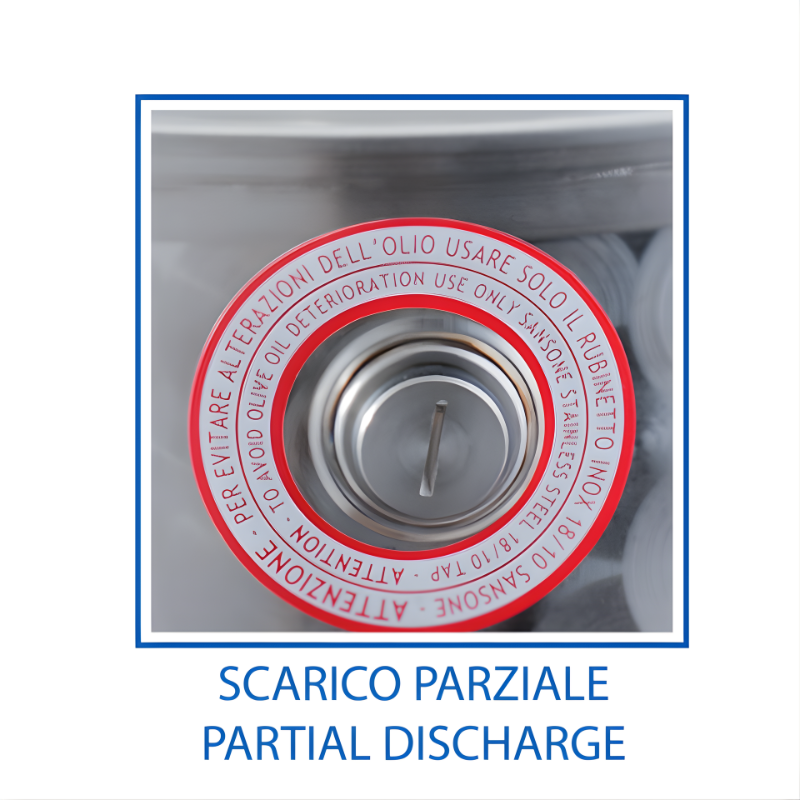
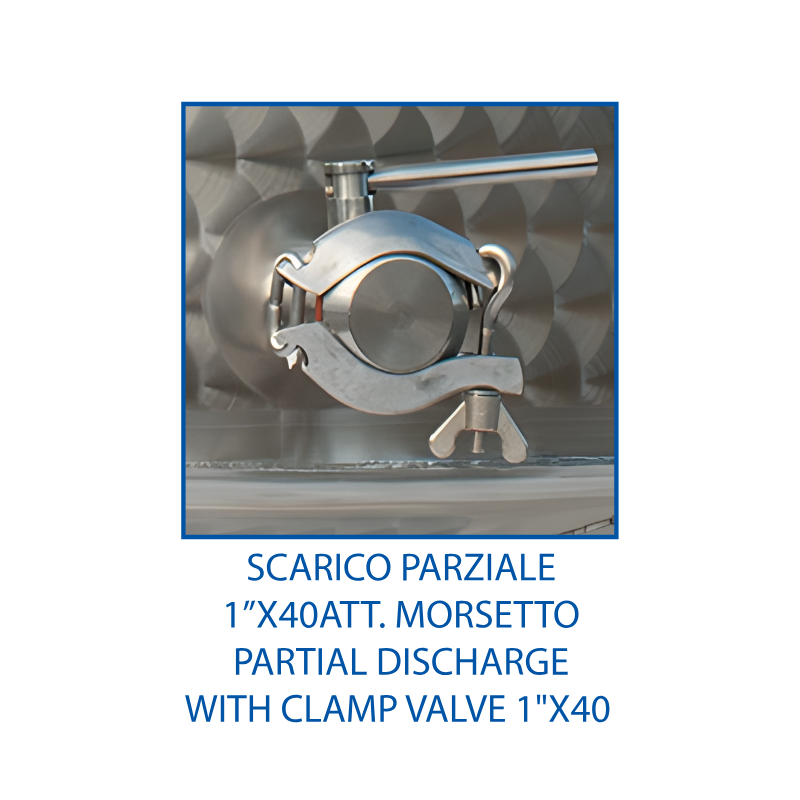
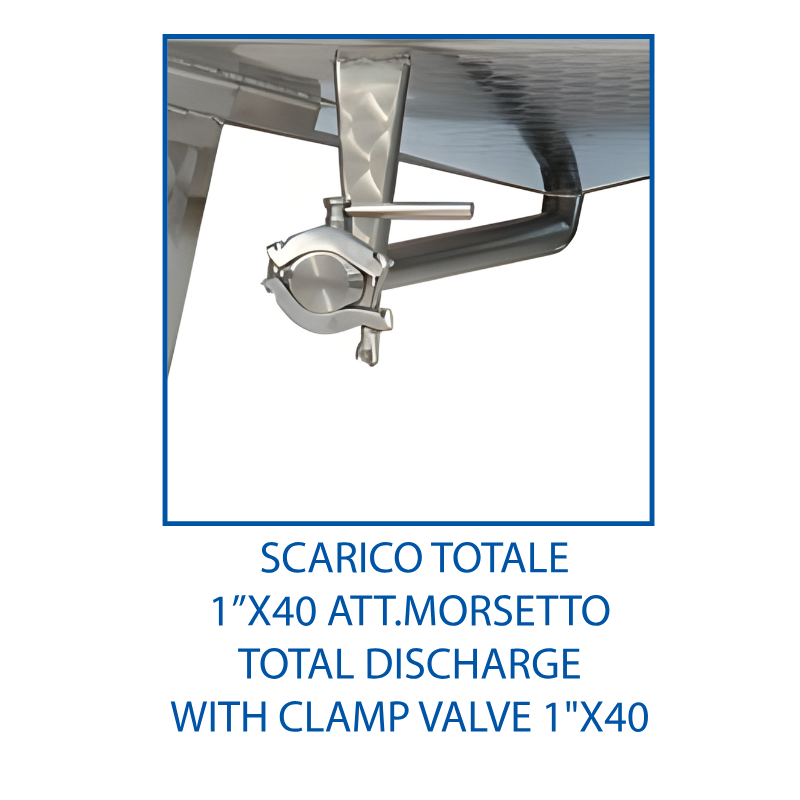
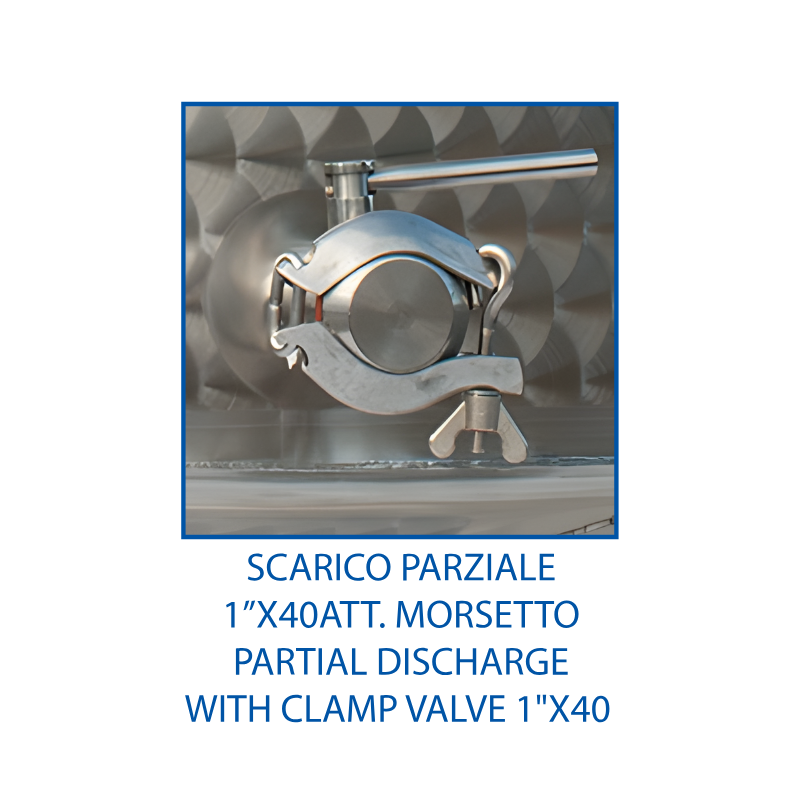
  • Partial and total discharge valves with 1″ clamp fittings
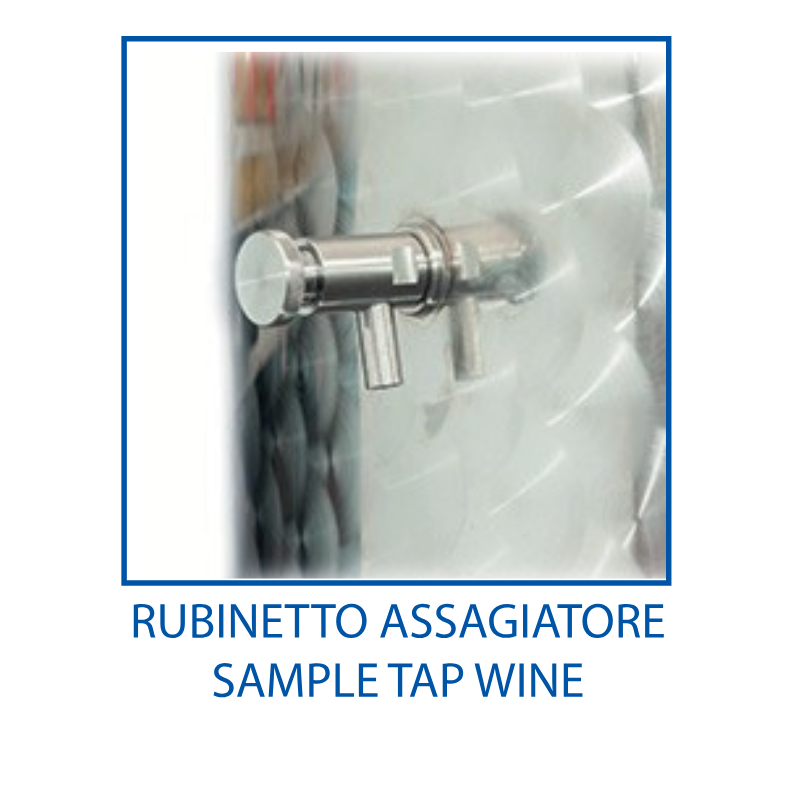
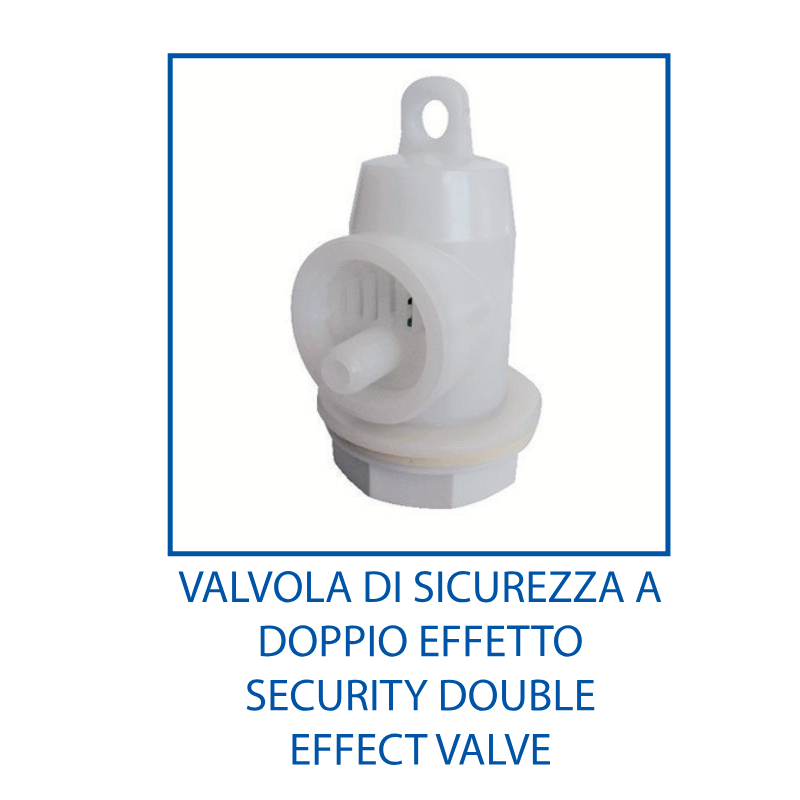
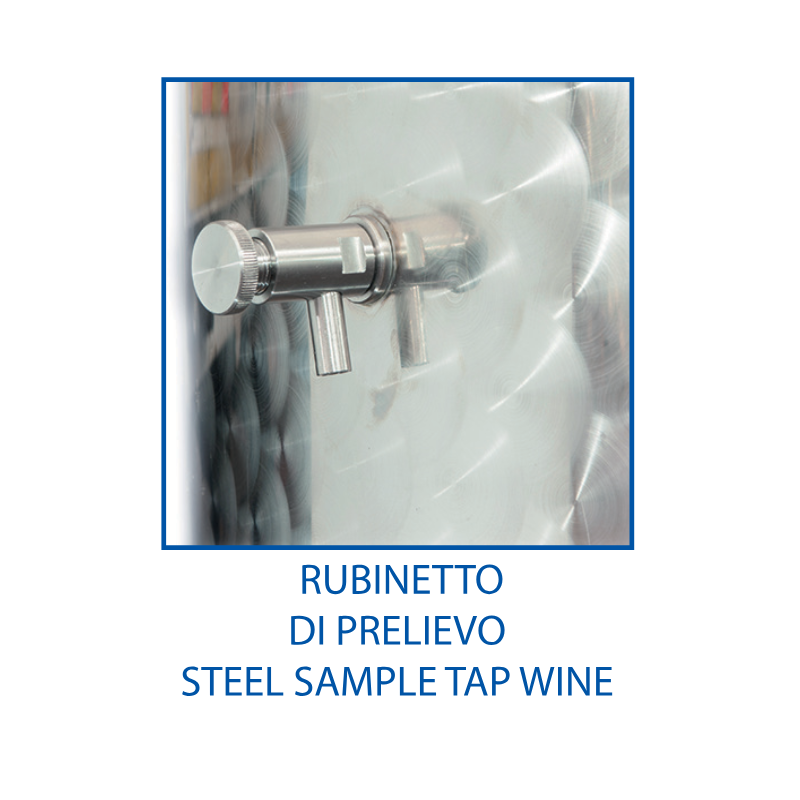
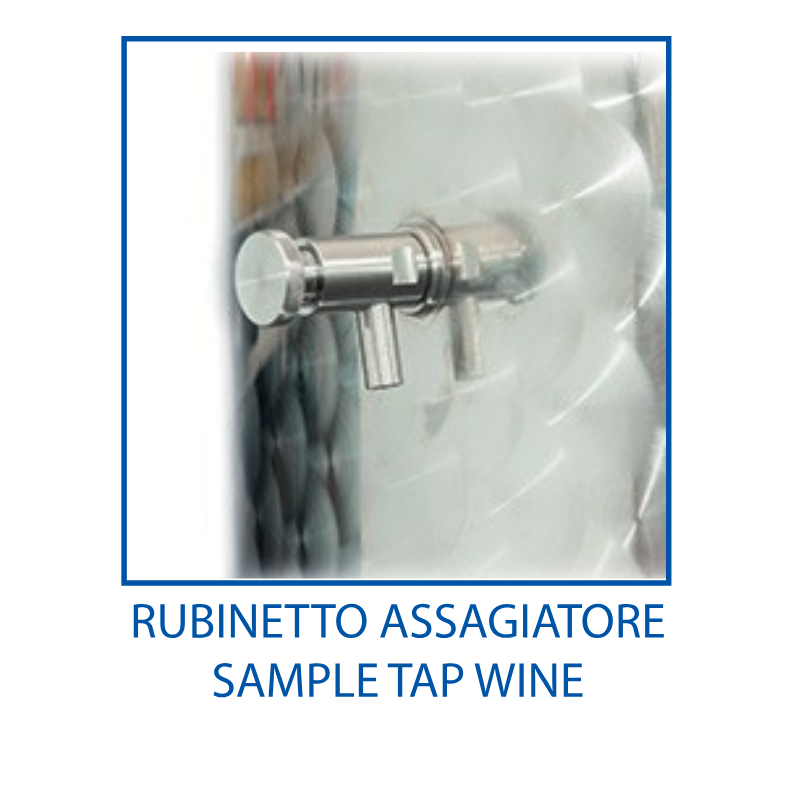
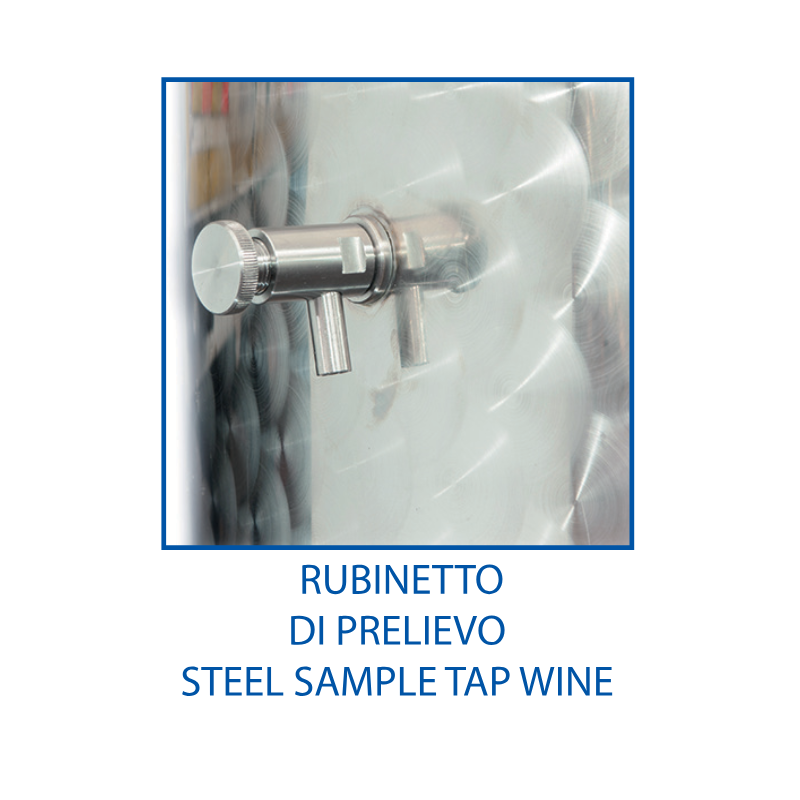
  • Sample tap and nitrogen security double-effect valve
  • Top manhole with nitrogen predisposition
  • Elliptical front access door for 2,500 L models and above
  • Double-level sight gauge for accurate liquid monitoring
  • Wheeled or fixed support stands for mobility
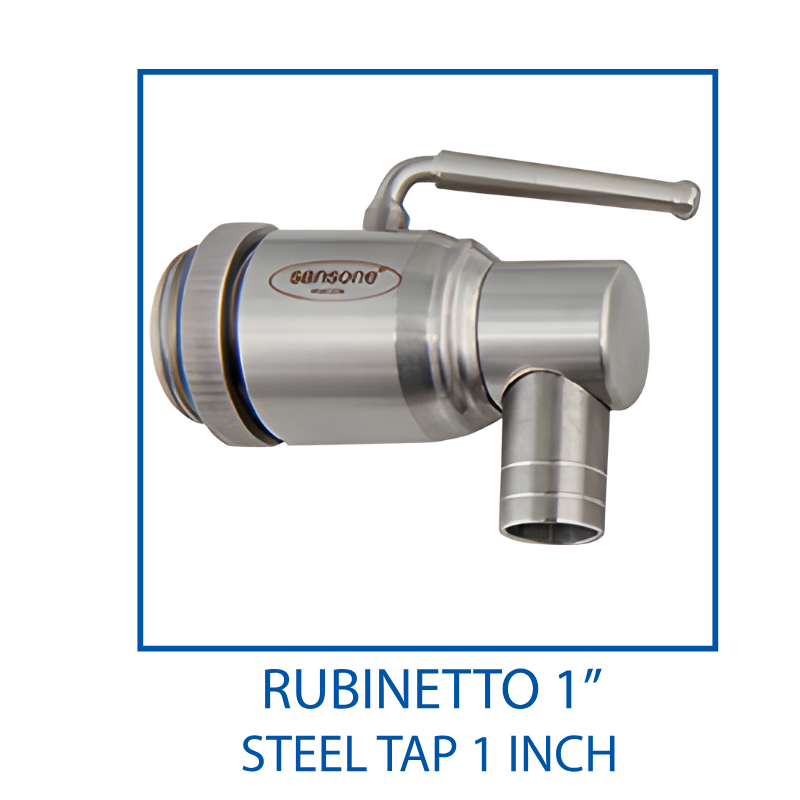
  • Stainless taps for bottling and controlled outflow
Each component ensures full compatibility with The Olive Centre’s bottling, filtration, and cleaning systems.

Optional Accessories for Variable Capacity Silos (Sempre Pieno)

The Variable Capacity Silos (Sempre Pieno) can be upgraded with a wide array of optional accessories designed to provide maximum flexibility for wineries, olive oil mills, and honey producers. These fittings optimise storage management, allowing precise level control, air exclusion, and convenient product transfer.

Common optional features include:

  • Floating stainless steel lids for air-free storage
  • Inner tubes for inert sealing
  • Stainless steel pump group with double-effect valve
  • Level gauge with single or dual valves
  • Manual sample taps for wine and oil
  • Partial and total clamp discharge fittings
  • Adjustable steel stands or mobile frames with wheels
Optional kits maintain full food-grade certification and can be ordered as factory installations or separate upgrades.
       

Heavy-Duty Silo Tanks for the Future

Every Sansone silo is a result of over 40 years of Italian innovation and craftsmanship. The company’s mission remains unchanged - to offer containers that protect both product quality and the planet.

With 100% recyclable stainless steel and exceptional longevity, Sansone silos not only reduce environmental impact but also deliver significant long-term value for producers. Through The Olive Centre, Australian customers can access the full range, local after-sales support, and expert advice on installation, maintenance, and compliance.

Whether you’re preserving the finest extra virgin olive oil or fermenting honey wine, Sansone’s silos deliver unmatched quality and reliability that will stand the test of time.

Comparing Olive Oil Packaging Options: Plastic, Glass, Metal, Bag-in-Box and Bag-on-Valve

MARKET INSIGHT: EVOO PACKAGING OPTIONS

Comparing Olive Oil Packaging Options: Plastic, Glass, Metal, Bag-in-Box and Bag-on-Valve

Extra virgin olive oil (EVOO) is extremely sensitive to light, oxygen, heat and metal contact. Packaging, therefore, plays a direct role in how long an olive oil remains “extra virgin.” Major reviews from UC Davis emphasise that optimal packaging must reduce light exposure, oxygen ingress, and headspace, while also ensuring cool storage. At the same time, producers—especially small to medium Australian growers—must consider costs, machinery requirements, recyclability, consumer preferences, and minimum order quantities (MOQ). Below is the most complete and updated comparison of all common packaging formats.

1. Plastic Bottles (PET)

Quality & Shelf Life

PET offers convenience and low cost but has moderate oxygen permeability and allows light penetration, which accelerates oxidation. A 2023 study showed PET-stored EVOO experienced higher acidity, peroxide values, UV oxidation indices and sensory degradation over 12 months—especially at elevated temperatures.

Chemical Safety

Migration of PET oligomers and antimony into oil is within regulatory limits, but increases under heat.

Sustainability

rPET has a lower carbon footprint than glass, but Australian recycling for PET varies by region.

Practicality

  • Cheapest and compatible with basic filling lines.
  • Lightweight and non-breakable.
  • Perceived as lower-quality for premium EVOO.
Best for: High-turnover oils sold quickly and stored cool.

2. Metal Cans (Tinplate or Aluminium with Food-Grade Lining)

Quality & Shelf Life

Metal cans provide total light protection and excellent oxygen barrier characteristics. UC Davis stresses that lined cans effectively prevent metal migration and protect quality.

Compared with BIB, cans may show slightly faster oxidation when half-empty, but still protect oil well if stored cool. A 24-month study found both cans and BIB maintained EVOO within legal quality limits.

Consumer & Practical Benefits

  • Easily filled by weight, needing no specialised equipment.
  • Compatible with pull-up pourers that provide tamper evidence and reduce leakage.
  • High consumer trust-no plastic contact with oil.
  • Stackable and ideal for 3–20 L formats.

Sustainability

Steel and aluminium have high recycling rates in Australia.

Many producers prefer cans because Australian consumers are increasingly concerned about soft plastics, especially given the collapse of local soft-plastic recycling schemes (e.g., REDcycle).

Best for: Bulk, foodservice, premium oils, export, and producers who want reliability without specialised equipment.

3. Coloured Glass Bottles (Green / Amber)

Quality & Shelf Life

Glass is chemically inert. Coloured glass offers some UV and visible light protection—amber performs better than green - but clear glass accelerates photo-oxidation significantly.

Coloured glass slows degradation but still allows some light through, so shelf lighting and storage conditions matter.

Practicality

  • Easy to fill.
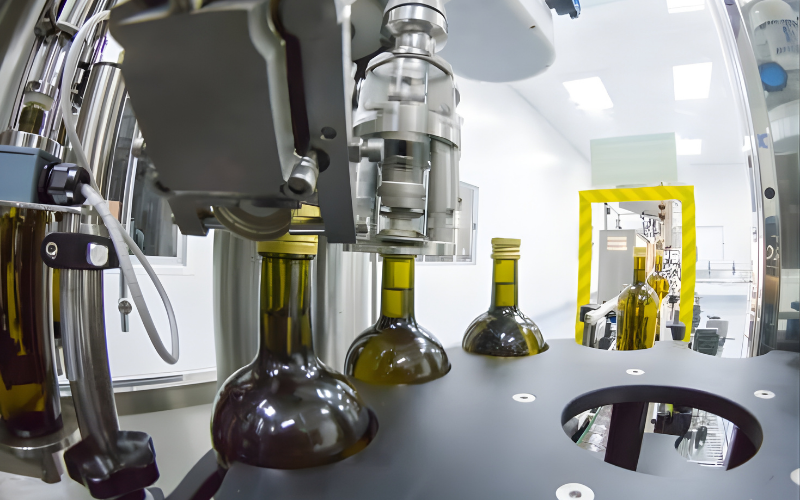
  • Caps can be hand-applied, or producers can install a screw-cap capping machine that forms the thread consistently, reducing leakage.
  • Widely accepted for retail and gifting.

Sustainability

Highly recyclable, but heavy to transport. Bottle breakage is an inconvenience for producers.

Best for: Premium retail oils with attention to storage conditions.

4. Clear Glass Bottles

Research shows clear glass provides almost no light protection, leading to rapid losses in phenolics and faster oxidation.

UC Davis warns that clear glass should be avoided unless heavily covered by labels or cartons.

Best for: Fast-moving products or promotional oils kept strictly in the dark.

5. Bag-in-Box (BIB)

Quality & Shelf Life

Bag-in-box offers some of the best oxygen protection because the collapsing bag limits headspace oxygen, and the cardboard blocks light. Numerous studies, including 12- to 24-month trials, confirm superior preservation of phenolics, freshness, and sensory properties compared with bottles and cans.

Limitations for Australian Producers

  • Requires costly specialised filling equipment (nitrogen flushing, precise tap sealing).
  • High minimum order quantities for bags and taps.
  • Soft plastics inside bags are not recyclable in most of Australia, causing consumer concern.

Consumer Perception

Plastic contact and disposal concerns hinder adoption, despite technical superiority.

Best for: Large producers with dedicated filling lines, subscription models, or export markets where BIB is accepted.

6. Bag-on-Valve (BOV) / Aerosol Pouch Systems

BOV packaging uses a hermetically sealed internal pouch separated from an external propellant. The oil never contacts the propellant; instead, it is dispensed by pressure.

Quality & Shelf Life

  • Zero oxygen contact once sealed.
  • Excellent light protection when used with opaque or metallic cans.
  • Very low risk of oxidation compared with conventional bottles.
While formal olive oil-specific studies are limited, aerosol and BOV literature show extremely low oxygen ingress, making it ideal for sensitive oils.

Practical Benefits for Producers

  • The Olive Centre can supply BOV systems, but minimum order quantities apply, increasing upfront cost.
  • Allows controlled spray application, excellent for cooking oils, finishing oils, and portion control.
  • Protects oil quality even after repeated use, unlike bottles that suck in air after each pour.

Consumer & Market Benefits

  • Hygienic, non-drip, clean application.
  • Perceived as modern and premium.

Limitations

  • More expensive per unit than bottles or cans.
  • Cannot be easily refilled or recycled as a single stream; consumers must dispose of the metal can + internal pouch.

Best for: High-end culinary oils, premium lines, foodservice, and producers wanting differentiation without investing in BIB equipment.


Compact comparison showing light and oxygen protection levels across packaging types.

Packaging Type Light Protection Oxygen Protection Machinery Required Recyclability (Australia) Cost Consumer Acceptance Best Use Case
Cans (lined)
★★★★★
★★★★☆
Easy High Medium High Bulk, premium, foodservice
Bag-in-Box
★★★★★
★★★★★
Specialised Low (soft plastics) High (at scale) Medium–Low Long shelf life, export
Coloured Glass
★★★☆☆
★★★★★
Easy High Higher Very High Retail premium
Clear Glass
★☆☆☆☆
★★★★★
Easy High Higher High Fast turnover only
PET Plastic
★☆☆☆☆
★★☆☆☆
Easy Moderate Low Medium Value lines, short shelf life
Bag-on-Valve (BOV)
★★★★★
★★★★★
Moderate Low–Moderate Higher Medium–High Premium spray oils             

Practical Recommendations for Australian Producers

  1. For maximum quality + minimal investmentMetal cans are the best balance: easy to fill by weight, compatible with tamper-evident pull-up pourers, highly recyclable, and very protective.
  2. For premium bottled products → Use dark (preferably amber) glass, avoid clear glass unless fully shrouded, and invest in a thread-forming capping machine to prevent leaks.
  3. For innovation and high-end marketsBag-on-valve is an excellent oxygen-free system, ideal for dressings, premium oils, and portion control—MOQ applies, but no major filling-line overhaul is required.
  4. For long shelf-life and exportBag-in-box remains technically superior but is limited by consumer plastics concerns, poor soft-plastic recycling, and specialised filler cost.
  5. For low-cost, high-turnover lines → PET can work if cool, dark storage is guaranteed. Not suitable for long-term premium EVOO.

Conclusion

Selecting the most suitable packaging for extra virgin olive oil hinges on finding the right balance between quality preservation, consumer expectations, and production practicality. Among all options, lined metal cans stand out as one of the most reliable and efficient choices: they are easy to fill by weight, offer excellent protection from light and oxygen, avoid consumer concerns around plastics, and are highly recyclable in Australia. Coloured glass bottles remain the strongest retail performer, pairing good product protection with strong shelf appeal and flexible filling options - from hand-applied caps to automated capping machines that minimise leakage risks. Clear glass should only be used for fast-moving products due to its poor light protection. 

 While innovative systems like bag-on-valve offer outstanding oxygen exclusion and controlled dispensing, their higher cost and MOQ requirements mean they are best suited for premium or specialised product lines. PET plastic bottles can work for value-oriented, short-shelf-life oils kept in cool, dark environments, but they are not ideal for long-term storage or premium markets. 
Overall, Australian producers benefit most by matching each packaging format to the oil’s intended shelf life, sales channel, and brand positioning. Thoughtful packaging selection not only safeguards quality but also streamlines production and aligns with evolving consumer and environmental expectations.

References

  • UC Davis Olive Centre (2014). Packaging Influences on Olive Oil Quality: A Review of the Literature. University of California, Davis. (Comprehensive review of light, oxygen, metals, and packaging materials.)
  • Pinto, M., Soares, C., Silva, A. S. et al. (2023). “Degradation and Migration in Olive Oil Packaged in Polyethylene Terephthalate under Thermal Treatment and Storage Conditions.” Applied Sciences, 14(17), 7507. (Examines chemical migration and quality loss in PET bottles.)
  • Iqdiam, B., Hasan, M., Agouillal, F. et al. (2022). “Influence of Headspace Oxygen on Quality and Shelf Life of Extra Virgin Olive Oil During Storage.” Foods, 11(10), 1484. (Shows how oxygen exposure accelerates oxidation in packaged EVOO.)
  • De Leonardis, A., Lopez, F., Macciola, V. (2021). “Effects of Bag-in-Box Packaging on Long-Term Shelf Life of Extra Virgin Olive Oil.” European Food Research and Technology, 247, 839–850. (24-month comparison study of BIB vs metal cans.)
  • Abuhabib, M. M., Serri, N. A., Aljamal, A. et al. (2025). “Evaluation of Packaging Effects on the Phenolic Profile and Sensory Characteristics of Extra Virgin Olive Oil During Storage.” Foods, 14(14), 2532. (Shows BOV/BIB-type barrier systems outperform conventional packaging.)
  • De Feo, G., Malvano, C., Sica, C. et al. (2023). “Comparative Life Cycle Assessment of Glass Bottle and 100% Recycled PET Bottle for Extra-Virgin Olive Oil.” Sustainability, 15(4), 3665. (Shows rPET has a lower carbon footprint than glass.)
  • Lolis, A., Katsouli, M., Kotsiou, K. et al. (2019). “Effect of Bag-in-Box Packaging on Quality Characteristics of Extra Virgin Olive Oil Stored Under Household and Abuse Temperature Conditions.” Food Packaging and Shelf Life, 21, 100368. (Demonstrates the protective effect of high-barrier films.).
  • Esposto, S., Taticchi, A., Urbani, S. et al. (2022). “Effect of Light Exposure and Packaging Conditions on the Quality and Shelf Life of Virgin Olive Oil.” Journal of the Science of Food and Agriculture, 102(10), 4304–4313. (Quantifies degradation rates in clear vs coloured containers.)
  • FSANZ (Food Standards Australia New Zealand) (2020). Food Packaging and Migration Guidelines. (Authoritative reference for food-contact material safety, including PET and metal linings.)