MARKET INSIGHT: EVOO PACKAGING OPTIONS
Comparing Olive Oil Packaging Options: Plastic, Glass, Metal, Bag-in-Box and Bag-on-Valve
Extra virgin olive oil (EVOO) is extremely sensitive to light, oxygen, heat and metal contact. Packaging, therefore, plays a direct role in how long an olive oil remains “extra virgin.” Major reviews from UC Davis emphasise that optimal packaging must reduce light exposure, oxygen ingress, and headspace, while also ensuring cool storage. At the same time, producers—especially small to medium Australian growers—must consider costs, machinery requirements, recyclability, consumer preferences, and minimum order quantities (MOQ). Below is the most complete and updated comparison of all common packaging formats.
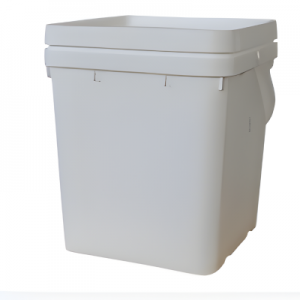
PET offers convenience and low cost but has moderate oxygen permeability and allows light penetration, which accelerates oxidation. A 2023 study showed PET-stored EVOO experienced higher acidity, peroxide values, UV oxidation indices and sensory degradation over 12 months—especially at elevated temperatures.
Migration of PET oligomers and antimony into oil is within regulatory limits, but increases under heat.
rPET has a lower carbon footprint than glass, but Australian recycling for PET varies by region.
- Cheapest and compatible with basic filling lines.
- Lightweight and non-breakable.
-
Perceived as lower-quality for premium EVOO.
Best for: High-turnover oils sold quickly and stored cool.
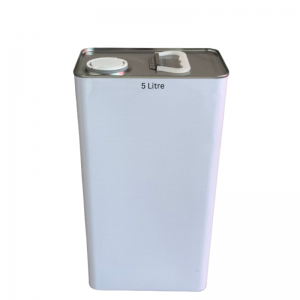
2. Metal Cans (Tinplate or Aluminium with Food-Grade Lining)
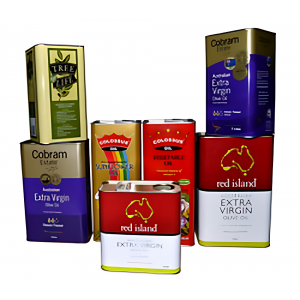
Metal cans provide total light protection and excellent oxygen barrier characteristics. UC Davis stresses that lined cans effectively prevent metal migration and protect quality.
Compared with BIB, cans may show slightly faster oxidation when half-empty, but still protect oil well if stored cool. A 24-month study found both cans and BIB maintained EVOO within legal quality limits.
Consumer & Practical Benefits
- Easily filled by weight, needing no specialised equipment.
- Compatible with pull-up pourers that provide tamper evidence and reduce leakage.
- High consumer trust-no plastic contact with oil.
- Stackable and ideal for 3–20 L formats.
Steel and aluminium have high recycling rates in Australia.
Many producers prefer cans because Australian consumers are increasingly concerned about soft plastics, especially given the collapse of local soft-plastic recycling schemes (e.g., REDcycle).
Best for: Bulk, foodservice, premium oils, export, and producers who want reliability without specialised equipment.
3. Coloured Glass Bottles (Green / Amber)
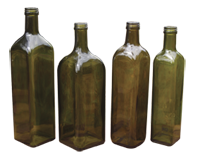
Glass is chemically inert. Coloured glass offers some UV and visible light protection—amber performs better than green - but clear glass accelerates photo-oxidation significantly.
Coloured glass slows degradation but still allows some light through, so shelf lighting and storage conditions matter.
- Easy to fill.
- Caps can be hand-applied, or producers can install a screw-cap capping machine that forms the thread consistently, reducing leakage.
- Widely accepted for retail and gifting.
Highly recyclable, but heavy to transport. Bottle breakage is an inconvenience for producers.
Best for: Premium retail oils with attention to storage conditions.
Research shows clear glass provides almost no light protection, leading to rapid losses in phenolics and faster oxidation.
UC Davis warns that clear glass should be avoided unless heavily covered by labels or cartons.
Best for: Fast-moving products or promotional oils kept strictly in the dark.
Bag-in-box offers some of the best oxygen protection because the collapsing bag limits headspace oxygen, and the cardboard blocks light. Numerous studies, including 12- to 24-month trials, confirm superior preservation of phenolics, freshness, and sensory properties compared with bottles and cans.
Limitations for Australian Producers
- Requires costly specialised filling equipment (nitrogen flushing, precise tap sealing).
- High minimum order quantities for bags and taps.
-
Soft plastics inside bags are not recyclable in most of Australia, causing consumer concern.
Plastic contact and disposal concerns hinder adoption, despite technical superiority.
Best for: Large producers with dedicated filling lines, subscription models, or export markets where BIB is accepted.
6. Bag-on-Valve (BOV) / Aerosol Pouch Systems
BOV packaging uses a hermetically sealed internal pouch separated from an external propellant. The oil never contacts the propellant; instead, it is dispensed by pressure.
-
Zero oxygen contact once sealed.
-
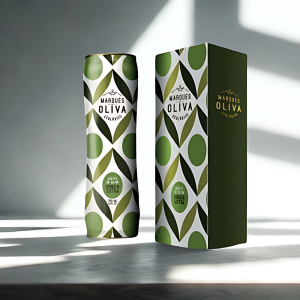
Excellent light protection when used with opaque or metallic cans.
- Very low risk of oxidation compared with conventional bottles.
While formal olive oil-specific studies are limited, aerosol and BOV literature show extremely low oxygen ingress, making it ideal for sensitive oils.
Practical Benefits for Producers
- The Olive Centre can supply BOV systems, but minimum order quantities apply, increasing upfront cost.
- Allows controlled spray application, excellent for cooking oils, finishing oils, and portion control.
- Protects oil quality even after repeated use, unlike bottles that suck in air after each pour.
Consumer & Market Benefits
- Hygienic, non-drip, clean application.
- Perceived as modern and premium.
- More expensive per unit than bottles or cans.
- Cannot be easily refilled or recycled as a single stream; consumers must dispose of the metal can + internal pouch.
Best for: High-end culinary oils, premium lines, foodservice, and producers wanting differentiation without investing in BIB equipment.
Compact comparison showing light and oxygen protection levels across packaging types.
|
Packaging Type
|
Light Protection
|
Oxygen Protection
|
Machinery Required
|
Recyclability (Australia)
|
Cost
|
Consumer Acceptance
|
Best Use Case
|
|
Cans (lined)
|
★★★★★
|
★★★★☆
|
Easy
|
High
|
Medium
|
High
|
Bulk, premium, foodservice
|
|
Bag-in-Box
|
★★★★★
|
★★★★★
|
Specialised
|
Low (soft plastics)
|
High (at scale)
|
Medium–Low
|
Long shelf life, export
|
|
Coloured Glass
|
★★★☆☆
|
★★★★★
|
Easy
|
High
|
Higher
|
Very High
|
Retail premium
|
|
Clear Glass
|
★☆☆☆☆
|
★★★★★
|
Easy
|
High
|
Higher
|
High
|
Fast turnover only
|
|
PET Plastic
|
★☆☆☆☆
|
★★☆☆☆
|
Easy
|
Moderate
|
Low
|
Medium
|
Value lines, short shelf life
|
|
Bag-on-Valve (BOV)
|
★★★★★
|
★★★★★
|
Moderate
|
Low–Moderate
|
Higher
|
Medium–High
|
Premium spray oils
|
Practical Recommendations for Australian Producers
-
For maximum quality + minimal investment → Metal cans are the best balance: easy to fill by weight, compatible with tamper-evident pull-up pourers, highly recyclable, and very protective.
-
For premium bottled products → Use dark (preferably amber) glass, avoid clear glass unless fully shrouded, and invest in a thread-forming capping machine to prevent leaks.
-
For innovation and high-end markets → Bag-on-valve is an excellent oxygen-free system, ideal for dressings, premium oils, and portion control—MOQ applies, but no major filling-line overhaul is required.
-
For long shelf-life and export → Bag-in-box remains technically superior but is limited by consumer plastics concerns, poor soft-plastic recycling, and specialised filler cost.
-
For low-cost, high-turnover lines → PET can work if cool, dark storage is guaranteed. Not suitable for long-term premium EVOO.
Selecting the most suitable packaging for extra virgin olive oil hinges on finding the right balance between quality preservation, consumer expectations, and production practicality. Among all options, lined metal cans stand out as one of the most reliable and efficient choices: they are easy to fill by weight, offer excellent protection from light and oxygen, avoid consumer concerns around plastics, and are highly recyclable in Australia. Coloured glass bottles remain the strongest retail performer, pairing good product protection with strong shelf appeal and flexible filling options - from hand-applied caps to automated capping machines that minimise leakage risks. Clear glass should only be used for fast-moving products due to its poor light protection.
While innovative systems like bag-on-valve offer outstanding oxygen exclusion and controlled dispensing, their higher cost and MOQ requirements mean they are best suited for premium or specialised product lines. PET plastic bottles can work for value-oriented, short-shelf-life oils kept in cool, dark environments, but they are not ideal for long-term storage or premium markets.
Overall, Australian producers benefit most by matching each packaging format to the oil’s intended shelf life, sales channel, and brand positioning. Thoughtful packaging selection not only safeguards quality but also streamlines production and aligns with evolving consumer and environmental expectations.
References
- UC Davis Olive Centre (2014). Packaging Influences on Olive Oil Quality: A Review of the Literature. University of California, Davis. (Comprehensive review of light, oxygen, metals, and packaging materials.)
- Pinto, M., Soares, C., Silva, A. S. et al. (2023). “Degradation and Migration in Olive Oil Packaged in Polyethylene Terephthalate under Thermal Treatment and Storage Conditions.” Applied Sciences, 14(17), 7507. (Examines chemical migration and quality loss in PET bottles.)
- Iqdiam, B., Hasan, M., Agouillal, F. et al. (2022). “Influence of Headspace Oxygen on Quality and Shelf Life of Extra Virgin Olive Oil During Storage.” Foods, 11(10), 1484. (Shows how oxygen exposure accelerates oxidation in packaged EVOO.)
- De Leonardis, A., Lopez, F., Macciola, V. (2021). “Effects of Bag-in-Box Packaging on Long-Term Shelf Life of Extra Virgin Olive Oil.” European Food Research and Technology, 247, 839–850. (24-month comparison study of BIB vs metal cans.)
- Abuhabib, M. M., Serri, N. A., Aljamal, A. et al. (2025). “Evaluation of Packaging Effects on the Phenolic Profile and Sensory Characteristics of Extra Virgin Olive Oil During Storage.” Foods, 14(14), 2532. (Shows BOV/BIB-type barrier systems outperform conventional packaging.)
- De Feo, G., Malvano, C., Sica, C. et al. (2023). “Comparative Life Cycle Assessment of Glass Bottle and 100% Recycled PET Bottle for Extra-Virgin Olive Oil.” Sustainability, 15(4), 3665. (Shows rPET has a lower carbon footprint than glass.)
- Lolis, A., Katsouli, M., Kotsiou, K. et al. (2019). “Effect of Bag-in-Box Packaging on Quality Characteristics of Extra Virgin Olive Oil Stored Under Household and Abuse Temperature Conditions.” Food Packaging and Shelf Life, 21, 100368. (Demonstrates the protective effect of high-barrier films.).
- Esposto, S., Taticchi, A., Urbani, S. et al. (2022). “Effect of Light Exposure and Packaging Conditions on the Quality and Shelf Life of Virgin Olive Oil.” Journal of the Science of Food and Agriculture, 102(10), 4304–4313. (Quantifies degradation rates in clear vs coloured containers.)
- FSANZ (Food Standards Australia New Zealand) (2020). Food Packaging and Migration Guidelines. (Authoritative reference for food-contact material safety, including PET and metal linings.)