My Account
Sign-in / Join

Sign-in

Hi My Account

Dashboard

Logout

Cart

My Shopping Cart

Subtotal
${{total.toFixed(2)}}
QUOTE

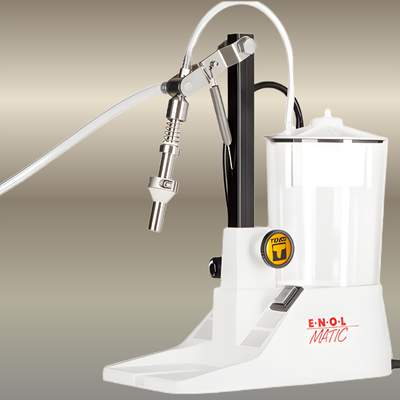
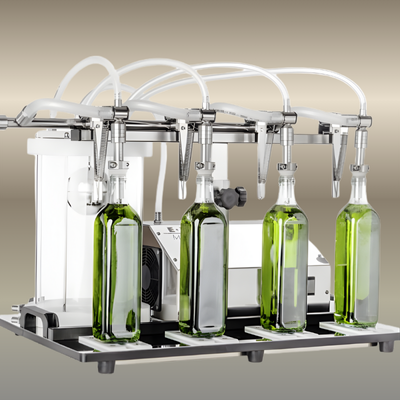
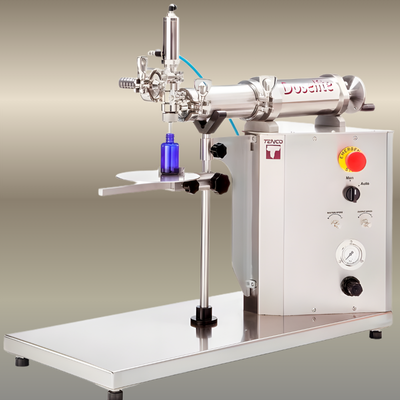
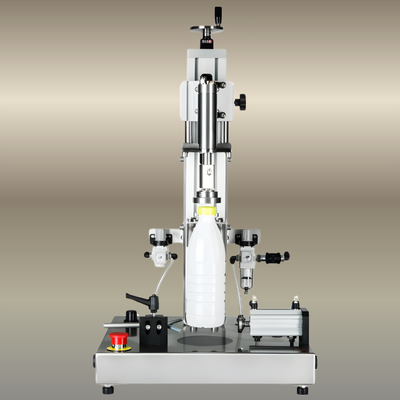
Enolmatic Filling Machine for Oil With Stainless Steel Spout

Shipping calculated separately at checkout
Bulk Discounts Prices
Quantity Price
1 $1,059.48
Call for Backorder

IA00A.SS
  • Description
  • Features
  • Enquiry
  • Specifications
  • Knowledge
Enolmatic Filling Machine for Oil With Stainless Steel Spout

Shipping calculated separately at checkout

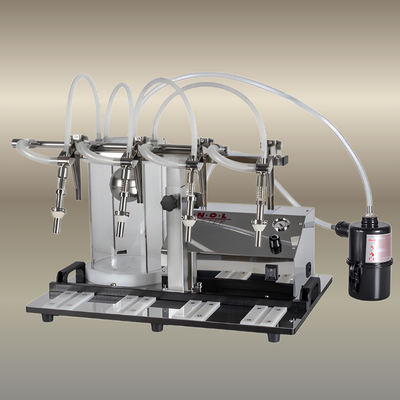
Enolmatic vacuum filling machine for olive oil with stainless steel spout, offering precise fill control, compact design, and professional bottling performance.

The Enolmatic filling machine for oil with stainless steel spout is a professional-grade vacuum bottling solution designed for olive oil producers who require accuracy, hygiene, and ease of use in a compact format. Despite its small footprint, the Enolmatic delivers high-performance filling capacity, achieving up to 150 bottles per hour when bottling oil, while maintaining consistent fill levels and preserving product quality.

The vacuum filling system allows oil to flow naturally and continuously, minimising oxidation and protecting flavour and organoleptic characteristics. The stainless steel spout is specifically suited to olive oil, ensuring durability, easy cleaning, and food-grade compliance. Designed for flexibility, the Enolmatic can draw liquid from containers positioned up to four metres below the machine, making it adaptable to a wide range of production setups.

Where this product is used

This filling machine is used by olive oil producers, small food processors, and specialty producers requiring professional bottling without large-scale equipment. It is ideal for olive oil, as well as other food liquids such as tomato sauce and fruit juices, in small to medium production environments where precision and hygiene are critical.
 

Enolmatic Filling Machine for Oil – Technical Specifications

Specification Details
Filling system Vacuum filling
Oil production capacity Approximately 150 bottles per hour
Wine production capacity Approximately 250 bottles per hour
Beer production capacity Approximately 250 bottles per hour
Spout type 316L stainless steel spout for oil
Container neck diameter 16–28 mm
Bottle height range 250–330 mm (standard spout)
Maximum operating temperature 40 °C
Liquid source distance Up to 4 metres below machine
Power supply 220 V – 50/60 Hz (100–110 V optional)
Dimensions 200 × 400 × 400 mm
Machine weight 4 kg
Installation type Bench-top


Why choose this product

The Enolmatic filling machine offers professional bottling performance in a compact, easy-to-use format. Its vacuum filling technology ensures precise and repeatable fill levels while protecting olive oil quality. The stainless steel spout enhances hygiene and durability, making it particularly suited to oil producers seeking a reliable long-term bottling solution without the complexity of larger systems.

Guidelines

Place the Enolmatic securely on a stable bench and connect it to the appropriate power supply. Fit the stainless steel spout and adjust the filling level and speed according to bottle size and oil viscosity. Ensure all product-contact components are thoroughly cleaned after each bottling session. Regular inspection of seals and hoses is recommended to maintain optimal performance.

​Frequently Asked Questions
General main key features

• Vacuum filling system preserves olive oil quality and flavour
• Stainless steel spout designed specifically for oil bottling
• Adjustable fill level and bottling speed for consistent results
• Compact bench-top design with professional performance
• Compatible with glass and rigid plastic bottles
  • :
  • :
  • :
  • :
  • :
  • :
  • :
  • :
  • :

Assessing Alperujo Application for Soil Health – The Olive Centre

This article explores the direct use of alperujo - olive mill waste - as a soil amendment in olive groves. Backed by an 18-month study in Spain, it evaluates soil impact, carbon levels, and nutrient balance, highlighting the potential of this circular farming practice for small producers. Find out more about Olive Mill Waste.
Please log in to view the entire article

Global Olive Oil Prices Soar to Record Highs in 2023 Amid Spain’s Severe Drought Crisis

The global olive oil market has entered unprecedented territory. In 2023, Spain’s severe drought has crippled the world’s largest producer, driving olive oil prices to record highs and reshaping global supply chains. As European consumers face steep costs, Australian producers are experiencing strong demand and record export returns. This article examines the climatic and economic forces behind this crisis.
Please log in to view the entire article

TENCO Bottling and Capping Equipment for Small & Medium Olive Producers


TECHNOLOGY SPOTLIGHT: BOTTLING & CAPPING SOLUTIONS FOR PRODUCERS

TENCO Bottling and Capping Equipment for Small & Medium Olive Producers

Introduction

For artisanal olive oil makers and table olive processors, investing in the right equipment can vastly improve efficiency and product quality. TENCO, an Italian manufacturer with roots in Liguria’s olive oil industry, offers a range of compact bottling and capping machines tailored for small to medium operations . These machines are designed to preserve the flavor and integrity of even the most delicate extra virgin olive oil during packaging . From vacuum filling machines that gently bottle oils without exposure to air, to pneumatic dosing systems for viscous olive pastes, and semiautomatic cappers for consistent sealing – TENCO’s lineup (available via The Olive Centre) covers the needs of boutique olive businesses. In this article, we provide an overview of key TENCO equipment models and their features that make them ideal for operations with smaller throughput. 
Enolmatic Vacuum Filling Machine (Single-Head) 

The TENCO Enolmatic is a benchtop vacuum filler designed for small-scale production of oils, wines, spirits, sauces, and other liquids – including those with relatively high viscosity. This compact unit uses vacuum suction to draw product directly from a tank or drum into the bottle, which means the liquid never passes through an impeller pump or mechanical components. This gentle filling method helps maintain the oil’s organoleptic qualities (taste and aroma) by minimising oxidation and turbulence during bottling. 


  • Throughput: Fills approximately 150 bottles per hour (750 ml size), making it suitable for boutique producers scaling up from manual filling. (For smaller bottles or lower viscosity liquids, it can approach 250 bottles/hour in optimal conditions .) 
  • Consistent Fill Levels: The fill level is adjustable and, once set, the Enolmatic automatically stops each fill at the precise height for uniform presentation. You don’t need to toggle the machine on/off for each bottle – removing a filled bottle stops the flow via the vacuum mechanism by default. This ensures consistent volume and reduces spillage or overfill waste. 
  • Ease of Use: Simply insert the bottle, and the vacuum does the rest. The source container (tank, drum, or even a barrel) can be placed up to 4 meters below the filler, as the vacuum pump will lift the liquid without manual priming. This gives flexibility in setup, e.g., drawing oil straight from a settling drum on the floor. 
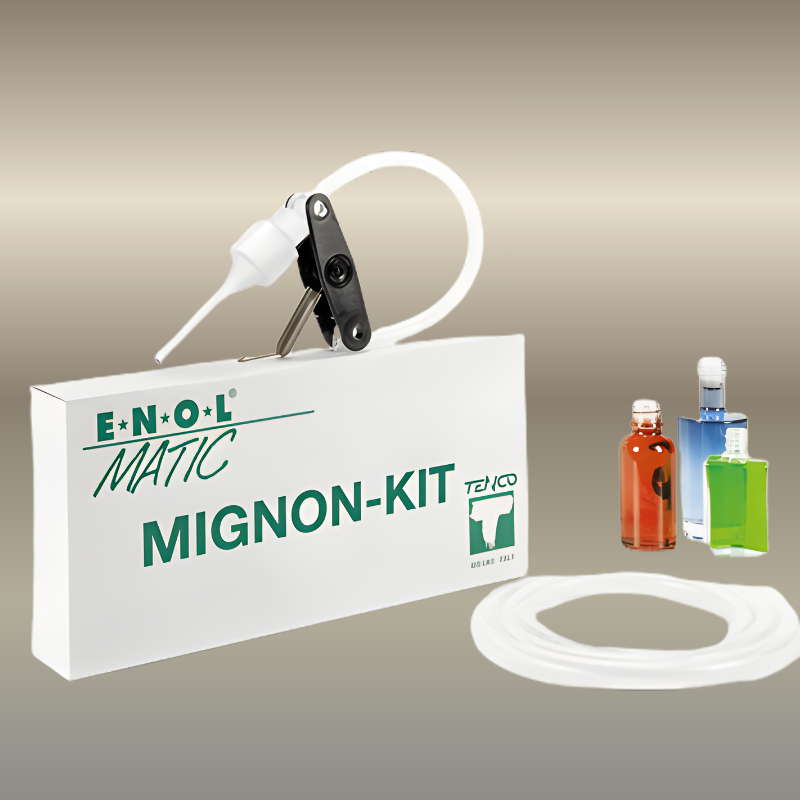
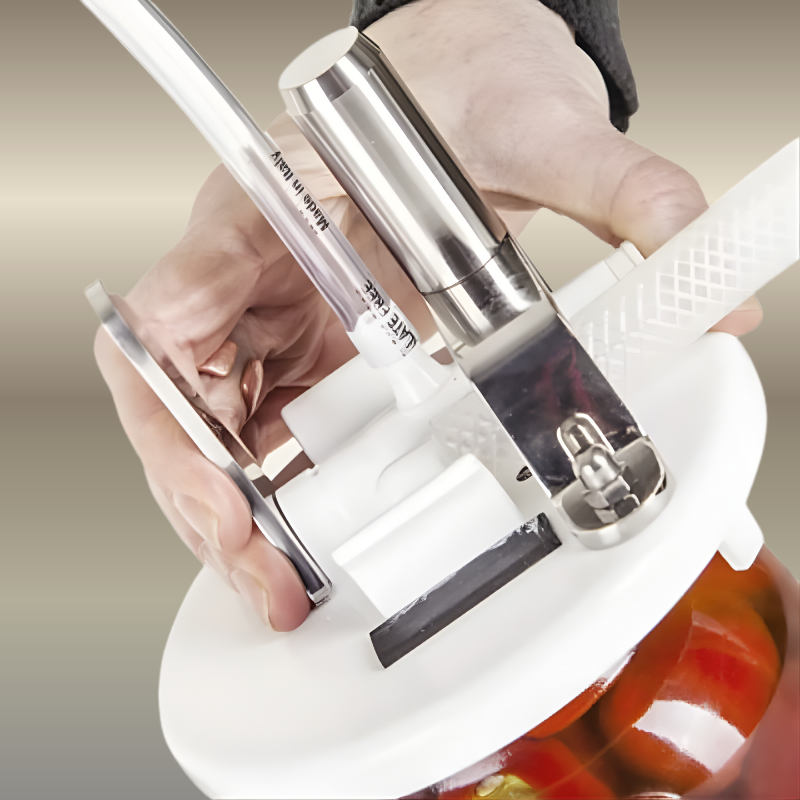
  • Adaptability: The standard Enolmatic works with bottle necks 16–28 mm in diameter (common wine or oil bottle neck sizes). For other formats, TENCO provides interchangeable kits – for example, a Jar kit for wider jar openings, a Mignon kit for tiny liqueur bottles, and even an oil-specific kit with stainless steel components for edible oils. These kits allow one Enolmatic to handle everything from small 100 ml sample olive oil bottles to large jars of table olives. 
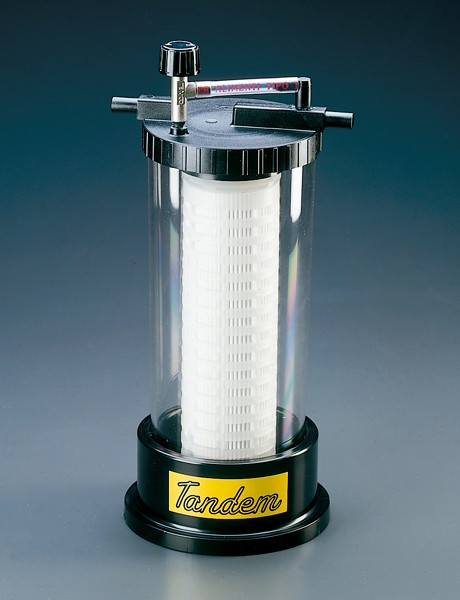
  • Hygiene & Quality: Because product contact parts are food-grade and the vacuum fills without forcing liquid through a pump, the risk of contamination or shear damage to oil is minimal. All wetted parts can be easily disassembled and cleaned, ensuring sanitary operation even for unfiltered oils or flavoured products. An optional Tandem filter housing can be attached inline to filter the oil during bottling, letting you filter and fill in one step – a great way to remove sediment (e.g., olive pulp) without an extra handling stage. This not only saves time but also ensures a bright, clear product in each bottle.  

Practical exampleUsing the Enolmatic, a family olive farm can bottle a 200-litre batch (~266 bottles of 750 ml) of olive oil in just around 2 hours of work, with one person operating. In contrast to manual funnel filling, the vacuum system minimises air contact, preserving the oil’s fresh taste. The adjustable fill level means every bottle looks uniformly filled, which conveys professionalism. If the same farm also packs marinated olives in brine, they can swap to a jar kit and fill jars under vacuum, reducing mess and oxidation of the brine.
Accessories


Mignon Kit


Jar Kit


Oil Kit


Enolmaster Multi-Head Vacuum Filler (4-Head)

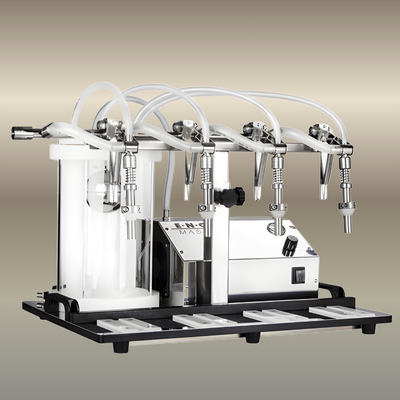
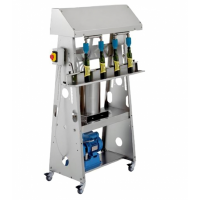
For producers who need a higher throughput but still want the benefits of vacuum filling, the TENCO Enolmaster offers an excellent solution. Essentially an upscale version of the Enolmatic, the Enolmaster features four filling heads (stainless steel) operating on the same vacuum principle. This allows parallel filling of 2 or 4 bottles at once, drastically increasing output while retaining a compact, bench-friendly design.


  • Higher Throughput: With four nozzles, the Enolmaster can fill roughly 500 bottles per hour under optimal conditions – ideal for a medium-sized grove or a cooperative bottling line. Despite the speed, filling is still done under vacuum, meaning no foam and no oxidation. Each head stops at the set fill level, ensuring uniform fills across all bottles. (In practice, some users report it can reach up to ~600 bottles/hour for water-thin liquids, but ~500/hour is typical for olive oil viscosity.) 
  • Quality Preservation: Just like the Enolmatic, the Enolmaster’s vacuum-driven process bottles the oil “in the most natural way, allowing it to maintain its original quality”. Oil is never exposed to excessive air or pumping stress. The design guarantees perfect hygiene – there’s no contact between the product and any mechanical pump parts as the liquid is pulled directly into the bottle by vacuum. This is crucial for olive oil, as it prevents metallic contamination and preserves aroma compounds. 
  • Adjustable & No-Drip: The fill level across all four spouts is adjustable with one setting, and the machine has a built-in no-drip system to prevent dribbles when bottles are removed. An overflowing bottle isn’t an issue; any excess is drawn into an internal recovery vessel, which can be emptied later – meaning less product loss and a cleaner work area. 
  • Robust Build: The filler’s frame and nozzles are made of stainless steel for durability and easy sanitation. Even with continuous operation, it’s built to handle long bottling sessions (the vacuum pump can run for hours). Many small wineries and oil mills use this unit as a stepping stone before investing in fully automated lines. 
  • Expandable & Customizable: TENCO offers accessories to customise the Enolmaster for various tasks. For instance, you can equip Pyrex glass vessels and filter cartridges to bottle alcoholic tinctures or herbal-infused oils (the glass parts resist high-proof alcohol). There are also specialised spouts for filling mini bottles or wide-mouth containers. The manifold can even be configured with mixed spout types – e.g., two standard and two for larger bottles – to run different bottle formats simultaneously. This flexibility suits diversified producers (olive oil, vinegar, liquors, etc.) who want one machine for multiple products. 
Practical example: A regional olive cooperative using the Enolmaster can set up a small bottling station where four bottles are filled at once. With two workers – one managing bottle changes and one capping – they can realistically bottle 500+ bottles in an afternoon. The vacuum fill ensures each bottle of extra virgin olive oil is topped off without air pockets, enhancing shelf life. The no-drip feature keeps their workspace free of slippery oil spills, improving safety and saving time on cleanup. By attaching the Tandem filter to the Enolmaster, the cooperative even filters the oil inline, ensuring every bottle is sediment-free without a separate filtration step, thus reducing handling and exposure to air.


Accessories


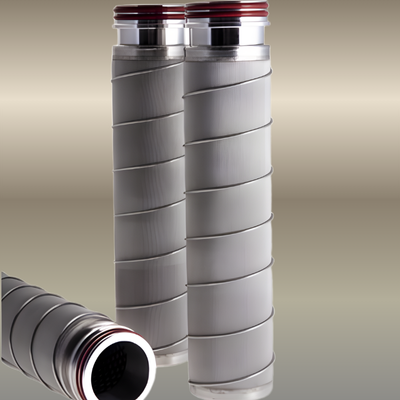
Filter Cartridges


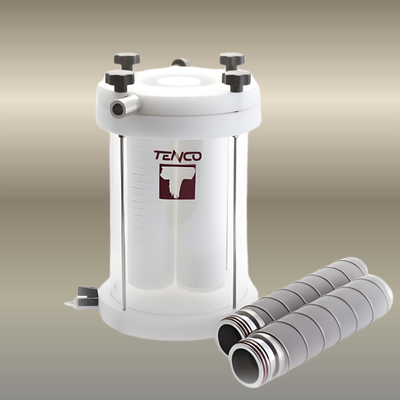
Tandem Filter Holder


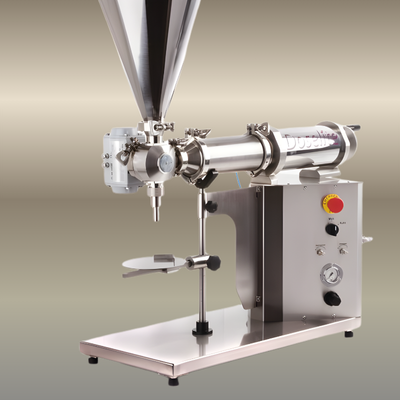
Doselite Volumetric Dosing Machine (Pneumatic Filler) 

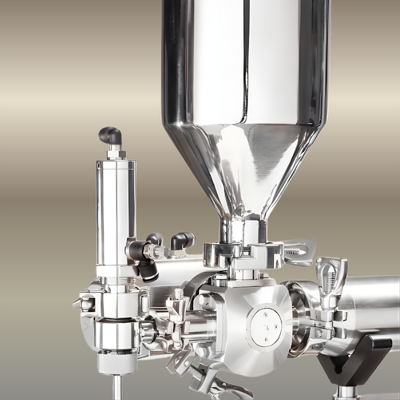
Not all olive-related products are free-flowing liquids. For thicker substances like olive paste (tapenade), olive jam, flavoured sauces, or even cosmetic products (olive oil soaps, creams), TENCO’s Doselite® pneumatic dosing machine is the go-to solution. The Doselite is a volumetric piston filler that uses air pressure to accurately dispense a pre-set volume of product, from as little as a few millilitres up to over a litre. It’s extremely versatile and food-safe, making it well-suited for artisanal producers who handle a range of product viscosities. 


  • Wide Filling Range: Depending on the cylinder configuration, Doselite can dispense doses anywhere from ~50 ml up to 1300 ml in a single stroke (and some models/attachments allow as low as 0.5 ml up to 1500 ml ). This means one machine can fill small jars of olive tapenade or large jugs of sauce by simple volume adjustment. A hand-wheel on the unit lets you fine-tune the fill volume within its range, ensuring repeatable fills batch after batch. Filling accuracy is within ±1% of the set volume, which prevents giveaway (overfilling) and keeps your portioning consistent. 
  • Handles Viscous Products: The Doselite is built to handle liquid, semi-dense, and highly dense products – even those with bits and pieces (like herbs or fine olive pieces in a spread). It works by suction: as the pneumatic piston retracts, it draws product into a dosing chamber, then a forward stroke pushes the exact dose out through the nozzle. Interchangeable valves are available to suit different product types – e.g., a larger opening valve for chunky spreads versus a smaller one for smooth liquids. This flexibility makes it suitable not just for olive products but also for honey, jams, pesto, cosmetics, etc., which many olive farms diversify into. 
  • Food-Grade Construction: All parts that contact the product are made of AISI 316L stainless steel and food-safe gaskets (PTFE/Silicone for food use). This high-grade stainless steel resists corrosion from salt or acids (important if filling brine or vinegar-based marinades). It also means the machine can be used for organic and premium products without risk of contamination. 
  • Easy Cleaning & Maintenance: The design uses tri-clamp fittings (common in pharmaceutical and dairy equipment), so no tools are needed to disassemble the dosing parts for cleaning. An operator can break down the hopper, valves, and piston in minutes for washing or product changeover. This is crucial for small producers who might switch between, say, a chilli olive sauce and a plain olive tapenade – cleaning is quick and cross-contamination is avoided. Minimal maintenance (just gasket replacements and keeping the pneumatic cylinder lubricated) is required, and all Tenco machines come with a 12-month warranty. 
  • Operation: The Doselite is pneumatically driven, requiring an air compressor (~6 bar air supply). This pneumatic operation is advantageous for farm settings because it avoids electrical components near wet product and allows installation even where only compressed air (not high-voltage power) is available. It can be operated via a foot pedal or automatic cycling, and the fill speed (both suction and dispensing) can be adjusted by regulators to accommodate the thickness of the product. TENCO even offers the Doselite on a wheeled frame or with twin filling heads for those who want to scale up production or integrate into a future automated line.  

Practical example: A small olive producer makes an olive relish and packages it in 250 ml jars. Using the Doselite with a 30L hopper, they can set the dose to ~250 ml and fill jars one after another with foot-pedal activation. The ±1% accuracy means each jar is filled within ~±2.5 ml of the target, virtually eliminating the variance you’d get scooping by hand. With the pneumatic drive, the operator can maintain a steady pace without fatigue – e.g., filling hundreds of jars per hour with consistent weight. Afterwards, cleaning the machine is straightforward: tri-clamp fittings allow the entire product path to be taken apart without wrenches, so cleanup and changeover to their next product (perhaps a lemon-infused olive oil lotion) is quick. The machine’s precision and minimal waste help reduce product loss and ensure every customer gets a full jar with a professional appearance. 

Accessories


Dispensing valves   


Dispensing valves     


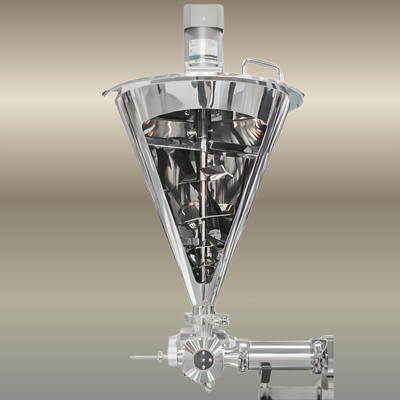
Mixing systems   


Automatic Filling Machine Demonstration


Industrial Hopper Mixing System


High-Viscosity Product Filling


Automatic Dosing & Jar Filling


Semi-Automatic Capping Solutions for Bottles and Jars

Once olive oil or olives are filled into containers, the next critical step is secure capping. Hand-capping can be tedious and inconsistent – especially for metal caps that require proper torque or crimping. TENCO provides bench-top capping machines that give small producers a fast, reliable way to cap bottles and jars with professional results. These systems are compact and often pneumatic or electric, making them easy to fit into a small processing room. Below, we highlight two key capping solutions from Tenco and their features:

4-Roller Descending Head Capper (Pilfer-Proof & Versatile Capper)

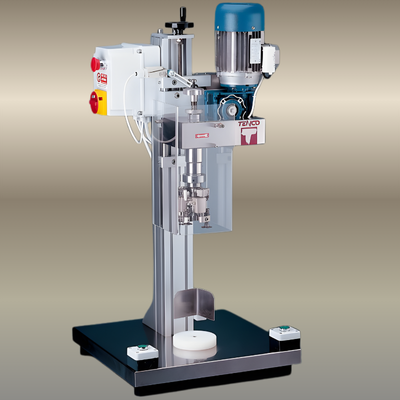
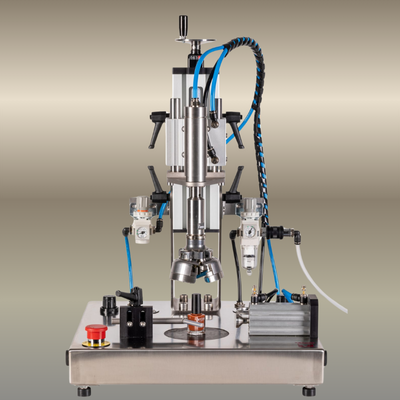
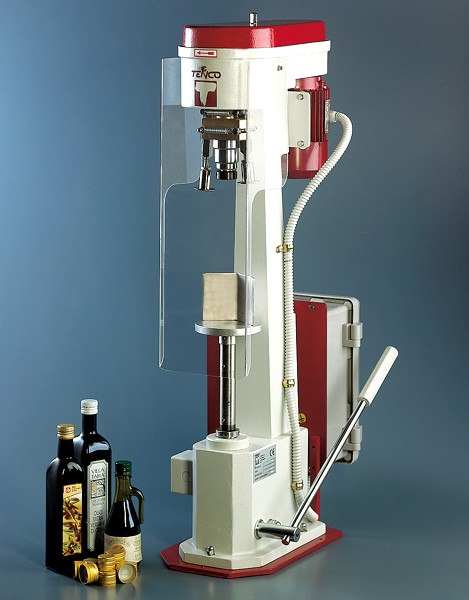
For olive oil bottles that use pilfer-proof aluminium caps (the type with a tamper-evident ring, often with an integrated pourer insert), Tenco’s descending head capping machine is ideal. This is a semiautomatic electric capper with a 4-roller stainless steel capping head that forms and tightens aluminium caps around the bottle neck thread in one motion. It’s the same style of closure seen on wine bottles (Stelvin® caps) and many olive oil bottles for a leak-proof, tamper-evident seal. 


  • Secure Capping: The 4-roller head ensures a tight, uniform seal on smooth aluminium screw caps (24–50 mm diameter), sealing them with consistent pressure all around the rim. This uniform crimp means the pourer inserts are locked in place and caps are neither too loose (which could leak or fall off) nor over-tightened (which could strip threads or damage the cap). The result is a professional seal just like in larger commercial bottling lines, but on a tabletop machine. 
  • Fast Throughput: This capper can close up to ~500–600 bottles per hour with a single operator. The workflow involves placing a cap on the bottle, setting it under the capping head, and pressing the twin start buttons. In a few seconds, the head descends, crimps the cap, and releases – the bottle is capped and tamper-proofed. The two-handed activation system is a safety feature to keep the operator’s hands away from the mechanism during capping. Even at half its maximum speed, this machine saves enormous labour time compared to hand-capping with a handheld roller or cap wrench.
  • Versatile Cap Types: Uniquely, this descending head capper isn’t limited to aluminium caps. By swapping the 4-roller ROPP head for a different head (a magnetic clutch chuck), it can tighten Twist-off lids on jars or plastic screw caps on bottles. That means the same machine can cap jars of table olives, sauces, or cosmetic jars by gripping and torquing their lids, as well as handle pump/dispenser caps or spray caps for olive oil sprayers. This multi-capability is a big advantage for a small producer who might bottle olive oil in metal caps but also jars other products – one machine covers all needs with the right attachments. 
  • Robust Build, Small Footprint: Constructed with a heavy-duty stainless steel frame, the machine is built to last in industrial use. Yet it occupies only a benchtop space (~45×45 cm base). With a ~60 kg weight, it’s stable during operation and can handle glass or PET bottles of various heights (up to ~350 mm tall). The benchtop design and single-phase power option make it feasible for on-farm use without special electrical requirements.
  • Consistency & Safety: The semi-automatic operation means each cap is applied with the same torque and tightness – improving product consistency and reducing leaks/spoilage. The bimanual safety controls and an emergency stop ensure that the operator is protected, an important consideration when mechanising your bottling line. 

Practical example: A boutique olive oil producer uses the 4-roller capper to seal their 500 ml olive oil bottles with pilfer-proof caps (31.5 mm diameter with pourer inserts). An operator can comfortably cap a bottle in ~5 seconds – aligning the bottle, pressing the buttons, and then removing the sealed bottle – which translates to around 500 bottles/hour at full pace. This is a huge improvement over manually threading on caps and twisting with a hand tool. Moreover, every cap comes out evenly crimped and tightly sealed, preventing the slow drips or oxygen ingress that might occur with uneven hand capping. When the same producer has a run of pickled olives in jars to cap, they switch the capping head on the machine to the magnetic clutch chuck and adjust the height. Now they can cap twist-off jars just as efficiently – ensuring each lid is sealed to the perfect tightness, which reduces product spoilage and extends shelf life by maintaining the vacuum in the jar. 

Easycap Pneumatic Capper (Twist-Off & Plastic Caps)

TENCO’s Easycap is a pneumatically-driven bench capper dedicated to twist-off metal lids (common on jars of table olives, jams, etc.) and plastic screw caps. If your operation involves jarring olives, tapenades, or sauces in glass jars with metal lids – or bottling oils/vinegars with plastic caps – Easycap provides a convenient, flexible solution. It’s entirely air-powered (no electricity), which is advantageous in food environments or where compressed air is readily available. 


Pneumatic Capping Machine Demonstration


Automatic Bottle Capping Process


  • Designed for Small Producers: Easycap is described as “the ideal choice for small and medium-sized producers looking for a reliable solution for automated capping.” It’s compact enough for a tabletop yet delivers consistent capping torque via its pneumatic motor. This makes it a great fit for artisanal businesses that want to mechanise capping without investing in large, complex machinery.
  • Multiple Cap Types and Sizes: The capper works for twist-off caps from 38 mm up to 110 mm diameter (including standard pickle/olive jar lids) and plastic screw caps up to 50 mm diameter. By changing the magnetic mandrel (the cap gripping chuck), you can accommodate different cap designs. For example, you might use one mandrel for a 63 mm twist lid on olive jars and another for a 31.5 mm plastic screw cap on 250 ml olive oil sampler bottles. The machine supports quick mandrel swaps, allowing easy adaptation to various product lines. 
  • Fast and Efficient: With adjustable air pressure and a robust pneumatic drive, the Easycap can cap roughly 500–600 containers per hour at full speed. Operators typically place the cap on the container, position it under the capping head, and activate the capper via a foot pedal or two-hand control, depending on configuration. The cap is tightened in a fraction of a second to a preset torque. This high throughput suits seasonal packers – for instance, during the olive harvest or pickling season, one can rapidly cap the entire batch of jars for the year. '
  • Adjustable Torque & Gentle Handling: The torque applied to caps is adjustable by regulating the air pressure and flow to the pneumatic motor. This fine control ensures you can tighten caps securely without cracking lids or bottles. For delicate plastic caps or lids with liners, you can dial back the pressure; for ensuring a vacuum seal on a hot-filled jar, you might use a higher torque. Additionally, optional container support blocks can be added – for example, a sliding pneumatic jar clamp to hold the jar in place and prevent it from spinning during capping. This is especially useful for taller or lightweight containers. 
  • Safety and Reliability: The all-pneumatic operation means there are no electrical sparks or motors – a benefit in wet or flammable product environments (e.g., alcohol-based infusions). It also reduces maintenance, as the pneumatic motor is simple and durable. The Easycap’s body is made of sturdy materials (with stainless steel in key areas), built to withstand continuous use. With an estimated weight of ~30 kg, it’s relatively portable if the producer attends farmers’ markets or needs to move the unit seasonally. Maintenance typically just involves keeping the air supply dry and clean. 
Practical example: A gourmet olive producer packs marinated olives in 500 g jars with 82 mm twist-off lids. Using the Easycap, they set the air pressure to achieve the manufacturer’s recommended torque for these lids. Now each jar takes only a second or two to cap securely, versus the struggle of hand-tightening and later finding some lids not fully sealed. They cap hundreds of jars per hour and virtually eliminate lid failures (no more leaky brine in transit). On a different day, the same machine can cap their 5-litre HDPE jerrycans of olive oil, which use a 45 mm plastic screw cap – again with a quick change of mandrel and pressure setting. This flexibility means one investment covers a spectrum of packaging needs. The consistent capping also improves product shelf life and customer satisfaction, as jars “pop” properly when opened (indicating a good vacuum seal), and bottles don’t leak when tipped.

Comparison of Key TENCO Equipment for Small-Scale Olive Operations

To summarise the discussed TENCO machines, the table below outlines their key specifications and recommended applications: 

Machine & Model Type Throughput Key Features Ideal Applications
Enolmatic (Vacuum Filler) Single-head benchtop vacuum filler ~150 bottles/hr (up to 250 for smaller bottles) Gentle vacuum filling preserves oil quality; adjustable fill level; compatible with many bottle sizes.   Small olive oil producers, boutique wineries, and low-volume premium bottling.  
Enolmaster (Vacuum Filler) 4-head benchtop vacuum filler ~500 bottles/hr (up to 600 optimal)     Four nozzles for high-capacity, no-drip system; stainless steel construction; adaptable with kits.       Medium olive farms, cooperatives, and expanding producers.  
Doselite (Volumetric Doser) Pneumatic piston filler ~500–800 doses/hr (depends on thickness)     Precise 50–1300 ml dosing; handles liquid to thick pastes; food-grade 316L steel; fast cleaning.       Tapenades, sauces, pastes, farm cosmetics, dense olive products.  
Descending Head Capper (4-Roller) Semi-automatic electric capper ~500–600 bottles/hr     Perfect pilfer-proof aluminium sealing; consistent torque; switchable heads for various cap types.       Olive oil bottlers using ROPP caps; producers needing multiple cap formats.  
Easycap (Pneumatic Capper) Semi-automatic pneumatic capper ~500–600 containers/hr     Twist-off lids (38–110 mm) & plastic caps; torque-adjustable; fast mandrel swapping.       Jarred olives, antipasto makers, and producers avoiding electrical equipment.  

(All throughput rates are approximate and assume an experienced operator and continuous operation. Actual rates may vary with product viscosity, fill volume, and operator pace.)

Conclusion

Outfitting a small or medium olive processing operation with TENCO’s specialised equipment can significantly boost efficiency, reduce waste, and improve product consistency. These machines bring industrial-level precision to the artisanal scale: vacuum fillers that protect oil quality while speeding up bottling, piston dosing machines that deliver exact portions of savoury olive products, and semiautomatic cappers that ensure every bottle and jar is sealed tight and secure. Importantly, they are accessible in terms of size, cost, and ease of use – designed with the professional grower/producer in mind rather than a large factory. By adopting such equipment, even a family-run olive grove can achieve a streamlined packing process: imagine bottling and capping your extra virgin olive oil in the morning, with minimal spills or rejects, and confidently offering a shelf-stable, beautifully presented product to customers. 

TENCO’s range (available through The Olive Centre) covers each step from filling to capping, and each machine is engineered to handle the nuances of olive products – from preserving delicate flavours to handling viscous textures. This integrated approach helps artisanal producers maintain quality control and scale up throughput without sacrificing the handcrafted appeal of their products. In short, whether you produce boutique olive oil, jarred olives, or related gourmet items, TENCO’s bottling and capping equipment provides a smart investment to elevate your operation’s productivity and professionalism. With these tools, you can save time, ensure consistency, and focus on what you do best: creating excellent olive products. 

The Hidden Guardians of Aroma: How Polyphenols Protect Extra Virgin Olive Oil

OLIVE OIL

The Hidden Guardians of Aroma: How Polyphenols Protect Extra Virgin Olive Oil

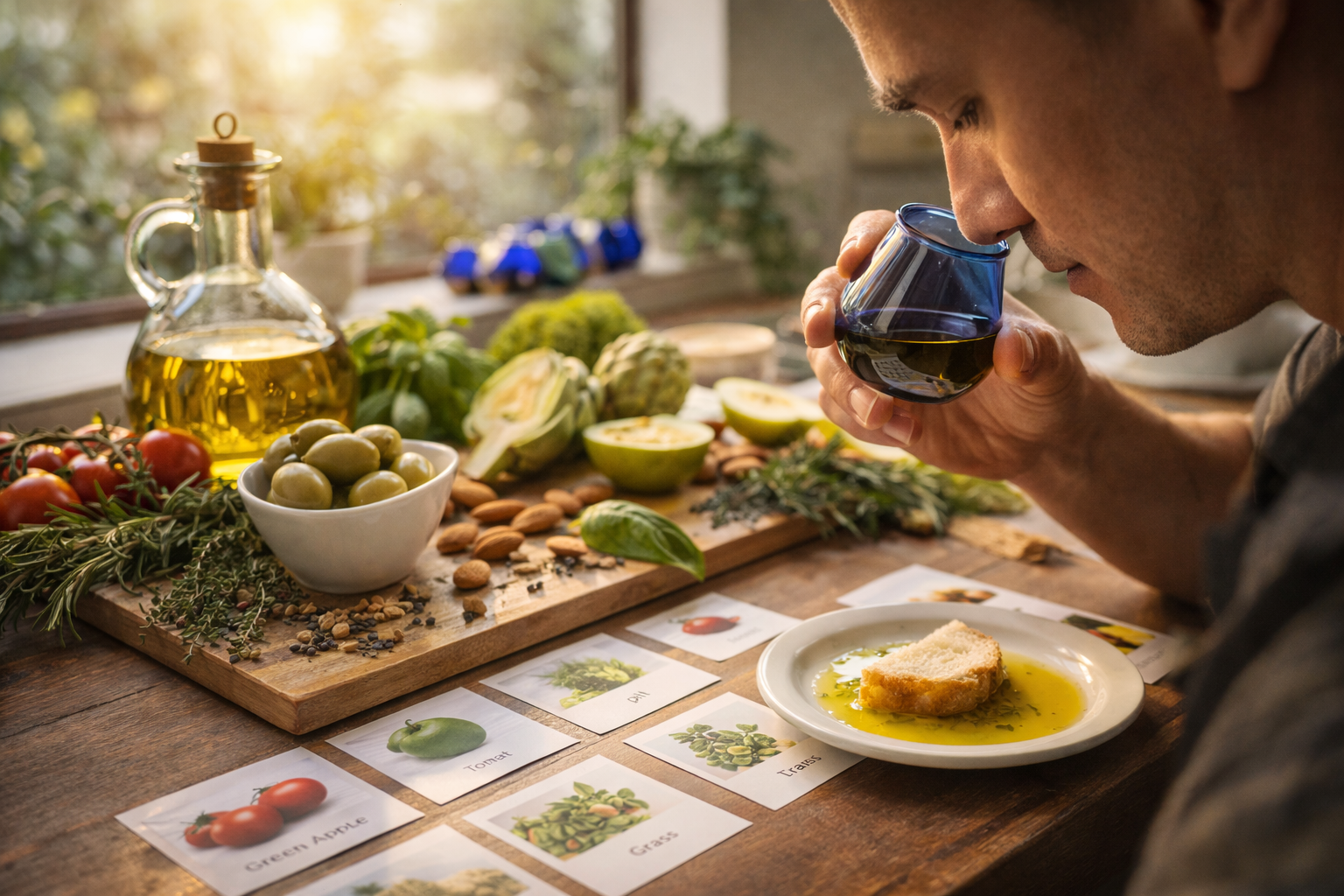
When you pour extra virgin olive oil (EVOO) into a dish, the experience begins before the first taste. Freshly cut grass, green apple, tomato leaf, almond, artichoke - these aromas define the personality of high-quality olive oil. They are the reason chefs, producers, and consumers treasure it.... but what happens to that aroma after the bottle is opened?

A study from the University of Naples provides a fascinating answer: polyphenols - best known for their health benefits - also play a crucial role in protecting olive oil’s aroma during storage and household use.

Aroma: The Soul of Extra Virgin Olive Oil

Extra virgin olive oil contains dozens of volatile aromatic compounds. These are delicate molecules responsible for the sensory notes associated with fresh olives and Mediterranean landscapes.

Key aroma descriptors commonly found in EVOO include:

Green olive

Basil

Freshly Cut Grass

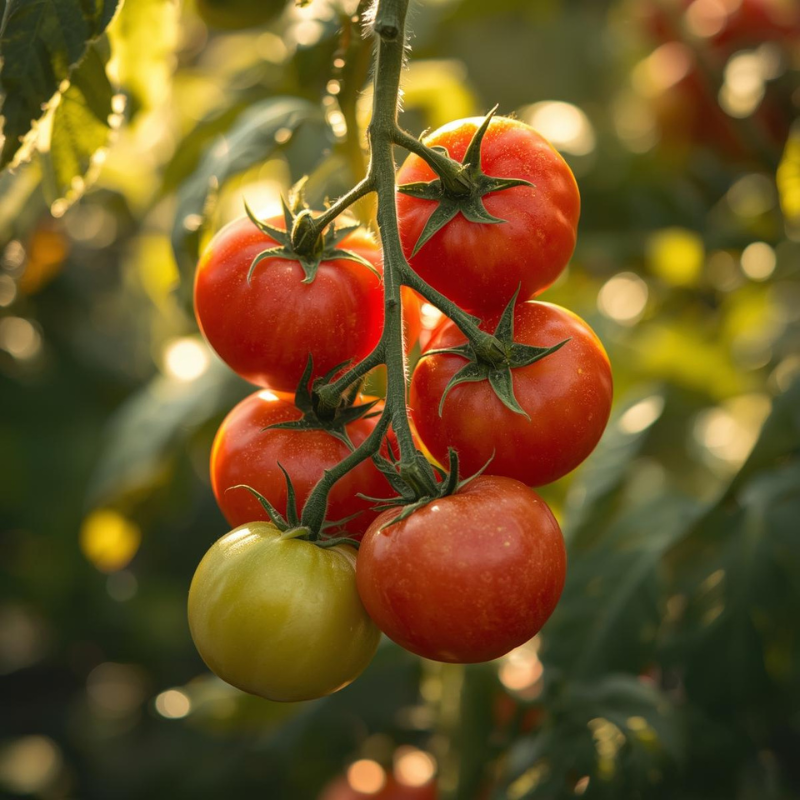
Tomato Plant

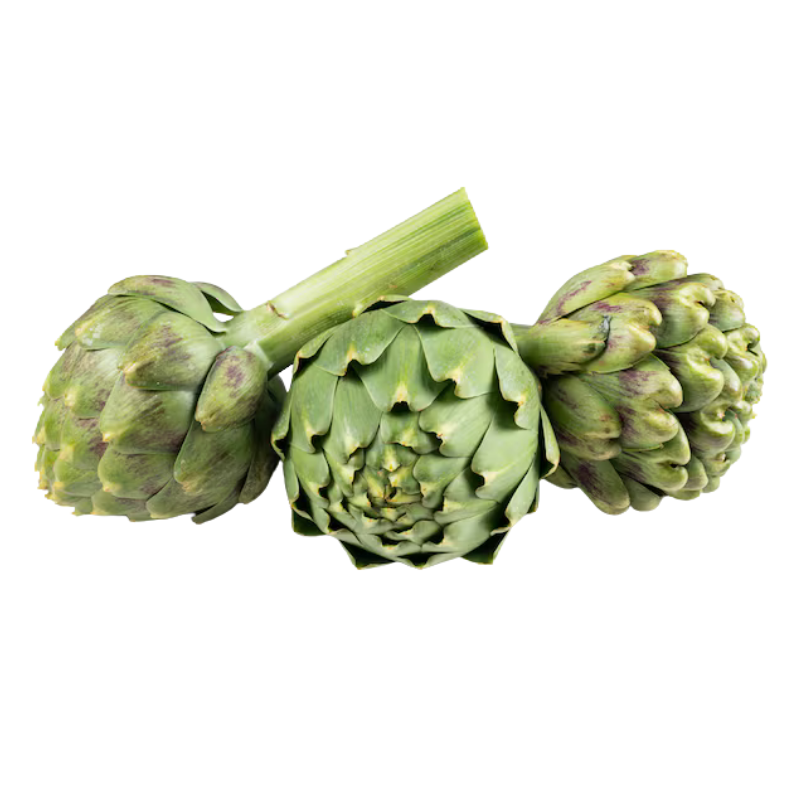
Artichoke

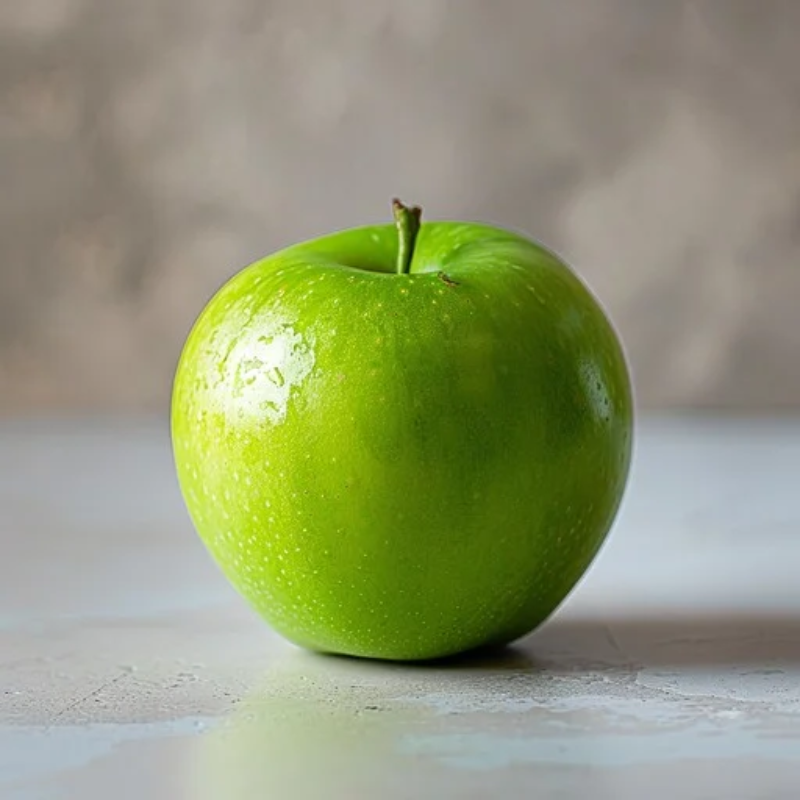
Green Apple

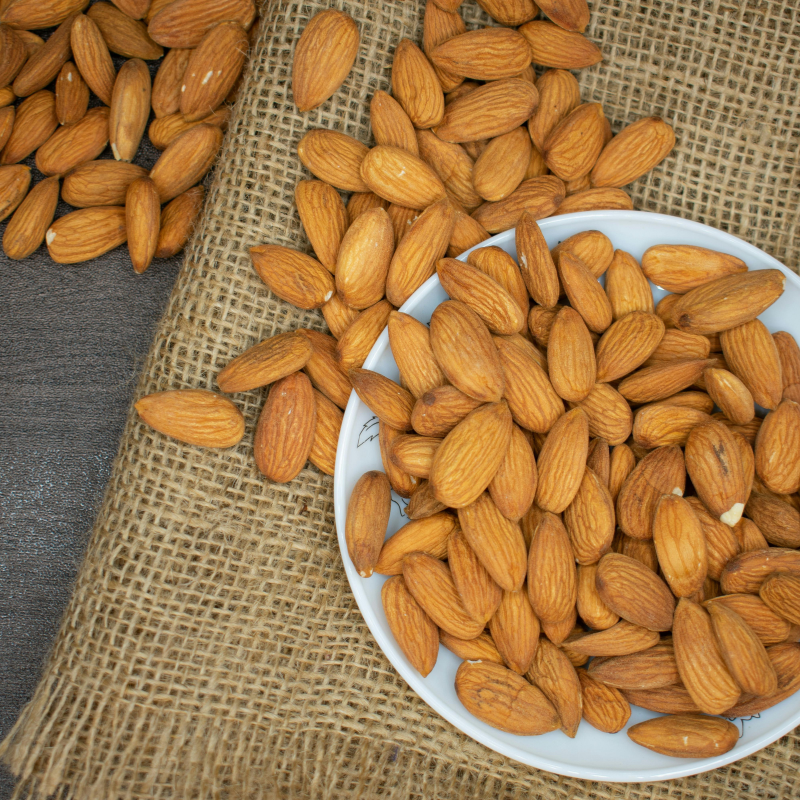
Almond

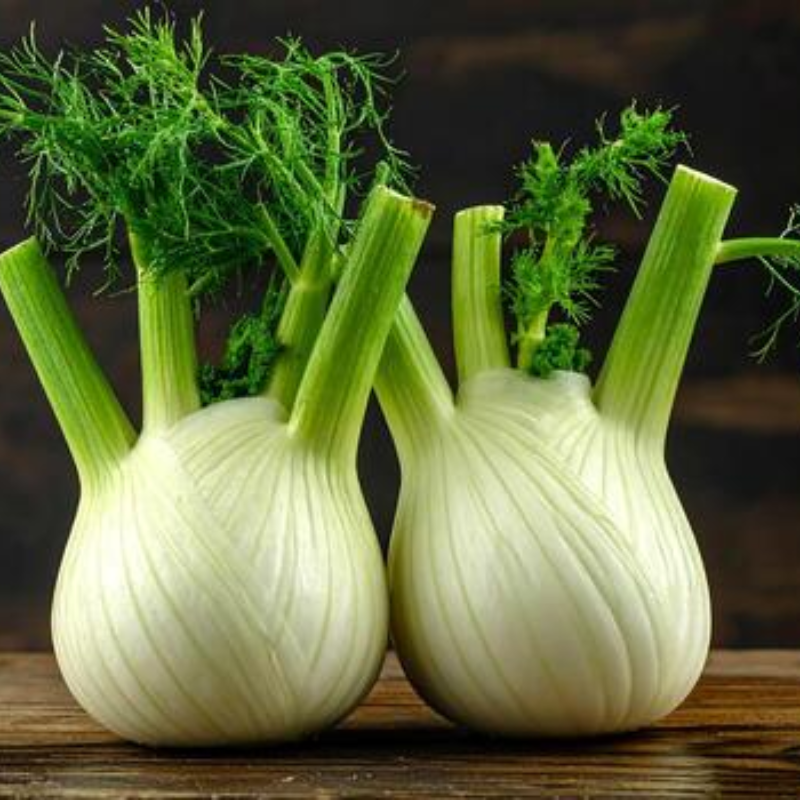
Fennel

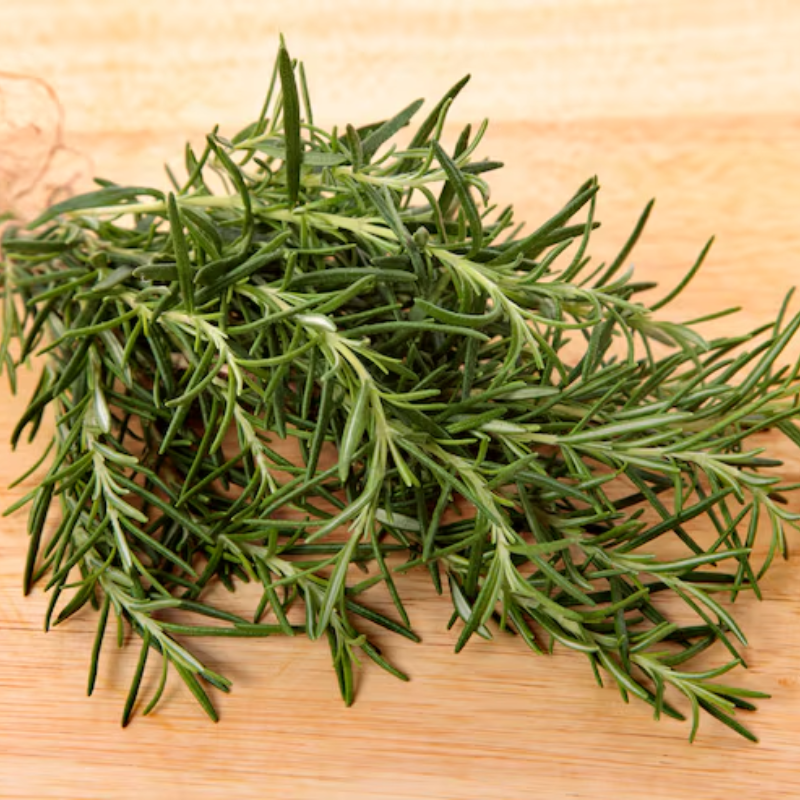
Rosemary

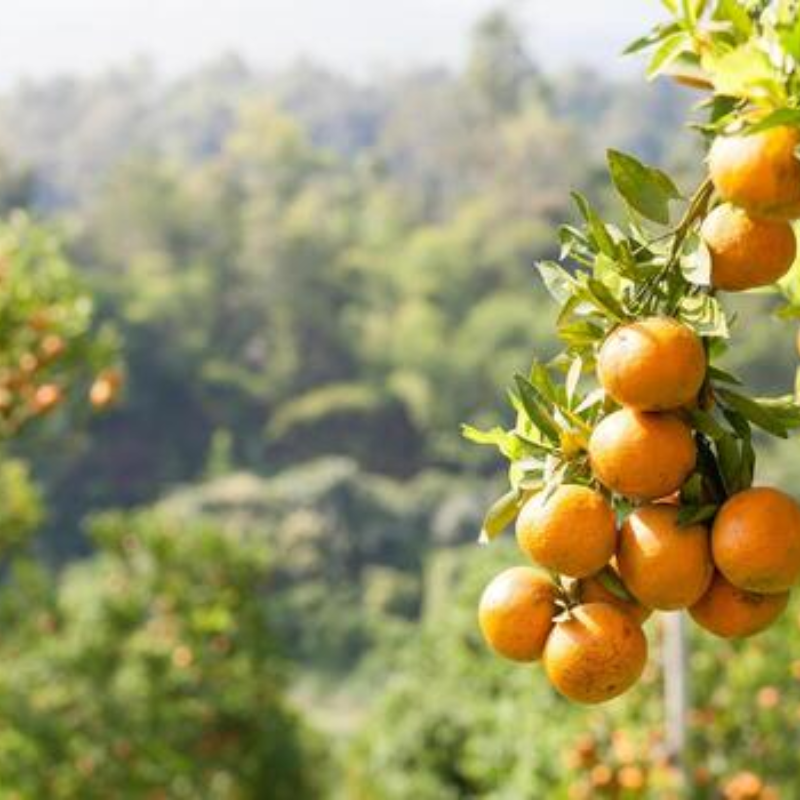
                    Citrus Notes

These volatile compounds are fragile. Exposure to oxygen, light, and temperature fluctuations can degrade them, leading to flatter sensory profiles and eventual oxidative defects.

The Study: How EVOO Aroma Changes Over Time

Researchers Genovese A., Caporaso N., and colleagues investigated how EVOO aroma changes over time under controlled conditions designed to simulate household storage. Their work, published in Food Research International (2015), focused on: 

Overtime Changes in Virgin Olive Oil Volatile Components in Model Systems Mimicking Home Consumption: The Role of Biophenols

Experimental Design

To simulate real-world consumption:

  • Twelve volatile aromatic compounds typical of EVOO were added to refined olive oil (a model system).
  • Some samples were enriched with polyphenols.
  • Samples were stored in darkness at 10°C for seven days.
  • Volatile compounds were quantified using PME-GC/MS (Gas Chromatography–Mass Spectrometry).

It is important to note that this was a controlled model system, not freshly pressed EVOO, but it allowed precise measurement of volatile stability.

The Results: Polyphenols Preserve Aroma

The findings:

  • Volatile aroma compounds decreased over time in all samples.
  • Samples containing polyphenols experienced 17–44% less loss of volatile compounds compared to those without added phenolics.

What Does This Mean

Polyphenols do not directly “protect” aroma molecules. Instead, they:


  • Slow oxidative chain reactions in the oil
  • Protect the lipid matrix from degradation
  • Reduce the breakdown of volatile compounds
By limiting oxidation, polyphenols slow the loss of aroma, helping preserve the oil’s sensory complexity over time. 


In practical terms, oils richer in phenolic compounds are more resistant to oxidative deterioration.

Why Polyphenols Matter Beyond Health

Polyphenols are widely recognised for:


  • Antioxidant activity
  • Cardiovascular health benefits
  • Antioxidant activity
This research adds another dimension:

Their antioxidant activity not only contributes to human health but also enhances the chemical stability of olive oil itself. By reducing oxidative degradation, they indirectly help maintain the sensory profile that defines high-quality EVOO.

Practical Implications for Consumers and Producers

For Consumers

  • Choose freshly produced EVOO. 
  • Store oil in a cool, dark place. 
  • Keep bottles tightly sealed to minimise oxygen exposure. 
  • Robust, early-harvest oils often (though not always) contain higher phenolic levels.

For Producers

  • Optimise extraction practices to preserve phenolic content. 
  • Minimise oxygen exposure during processing and packaging. 
  • Use protective packaging such as dark glass or tins. 
  • Emphasise phenolic content as both a health and quality parameter.

The Takeaway

Extra virgin olive oil is more than a cooking ingredient - it is a sensory experience built on delicate volatile compounds.

This study demonstrates that polyphenols slow oxidative degradation and reduce the loss of volatile aroma compounds by up to 44% under controlled storage conditions.

They are not simply “health compounds.” 

They are stability compounds.

They help preserve the character, complexity, and personality of high-quality extra virgin olive oil.

When you open a bottle and inhale its vibrant green notes, those polyphenols are working quietly in the background - helping that aroma last longer.

References

  • Based on research by Genovese A., Caporaso N., et al., Food Research International (2015).

Northstar Sees a Potential Upside Breakout in Olive Oil Prices

A long-term technical analysis suggests olive oil prices may be entering a new structural uptrend following a multi-decade resistance breakout and bullish retest.
Please log in to view the entire article

The Svalbard Global Seed Vault Receives Olive Seeds for the First Time

OLIVE GENETIC PRESERVATION

The Svalbard Global Seed Vault Receives Olive Seeds for the First Time

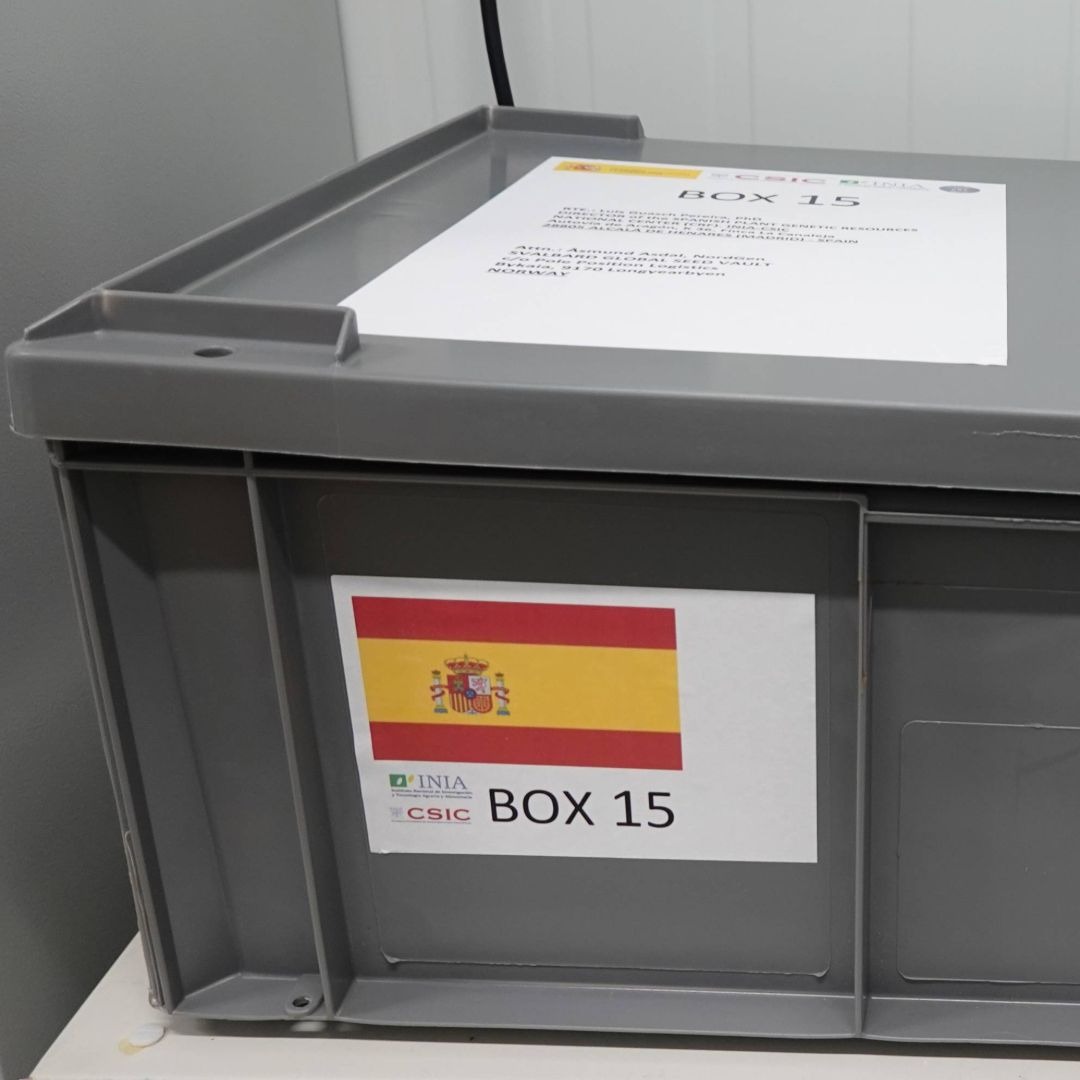
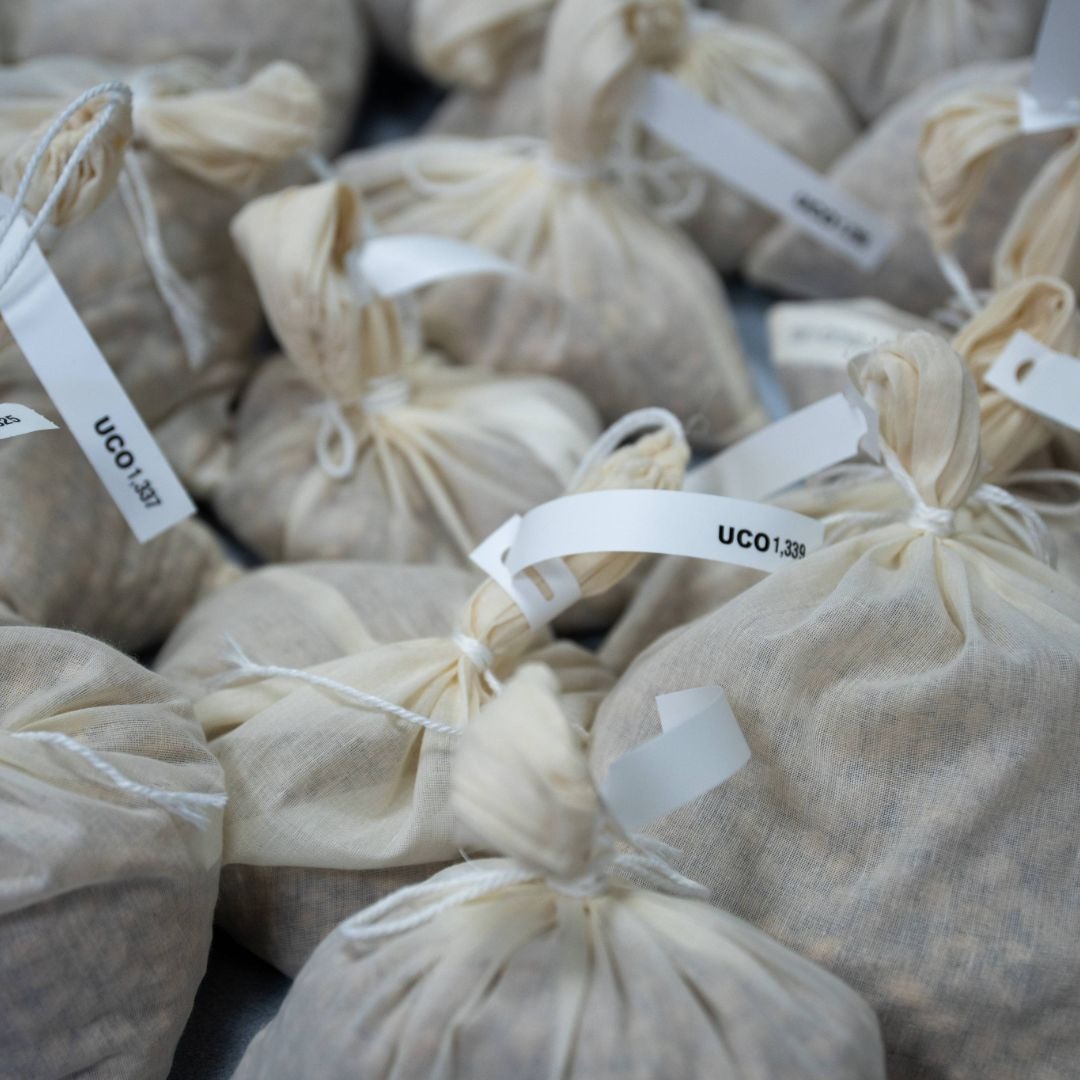
In a landmark moment for global agricultural preservation, olive seeds have been deposited for the first time in the Svalbard Global Seed Vault - the world’s most secure facility for safeguarding crop diversity.

Located deep within the Arctic permafrost of Norway’s Svalbard archipelago, the Seed Vault serves as a global backup system for the planet’s agricultural biodiversity. Often described as the “doomsday vault,” it protects seeds against the risks of climate change, natural disasters, conflict, and biodiversity loss.

Now, for the first time in history, olive seeds are part of that global legacy.

A Historic Milestone for the Olive Sector

The deposit marks a significant step forward in protecting one of the world’s most iconic and culturally important crops. Olive trees have sustained civilizations for thousands of years, symbolising peace, resilience and nourishment. Preserving their genetic diversity ensures that this legacy continues for generations to come.

Jaime Lillo Lopez, Executive Director of the International Olive Council (IOC), highlighted the importance of the moment:

“The seeds we have deposited are the legacy of farmers who, throughout history, selected the most resistant trees - those that produced the best fruit or adapted to diverse soils, climates and diverse conditions. These seeds are a guarantee that future generations will continue to enjoy such an extraordinary product as olive oil.”

His words underscore what this deposit truly represents: not just seeds, but centuries of accumulated knowledge, adaptation, and agricultural selection.

A Global Collaboration for Agricultural Resilience

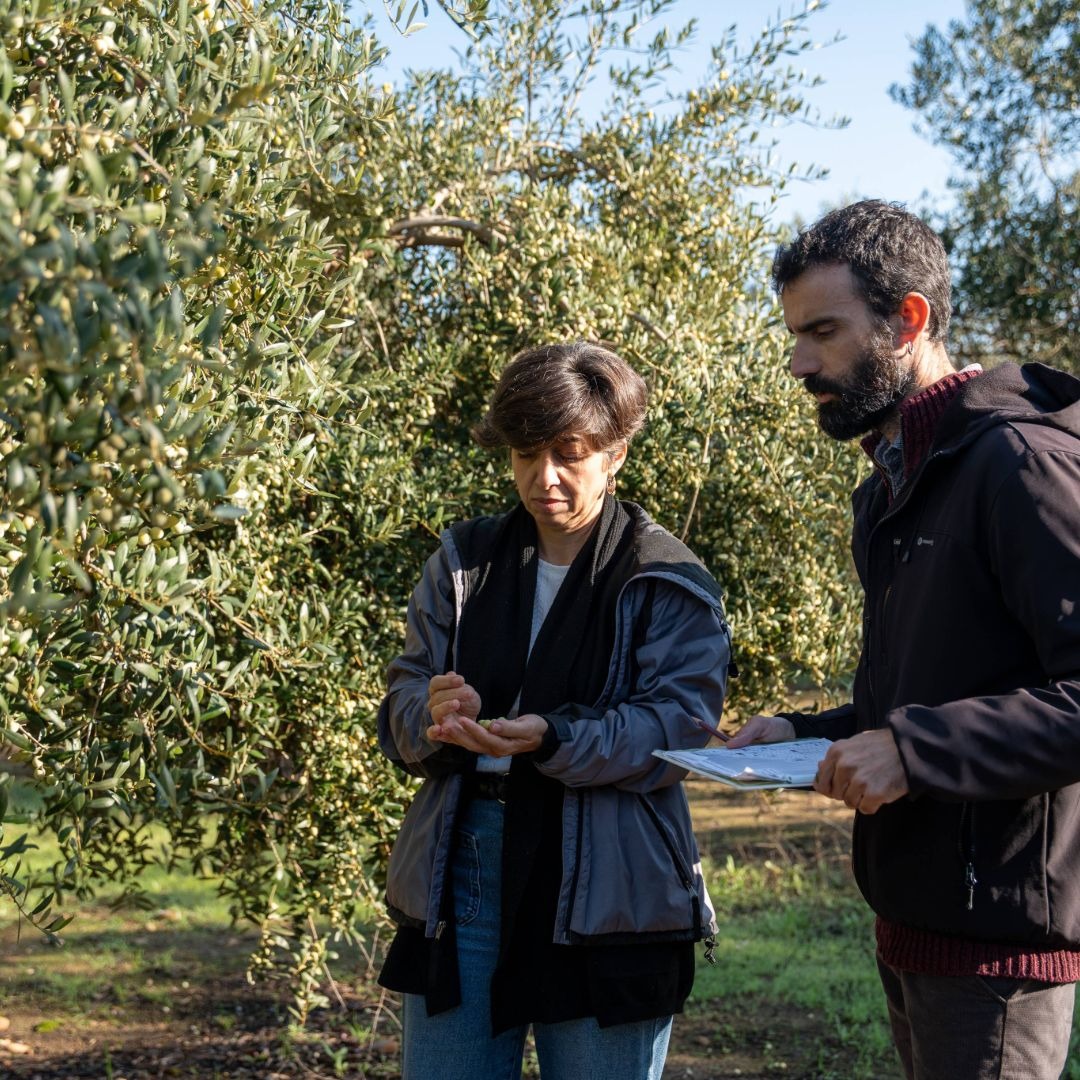
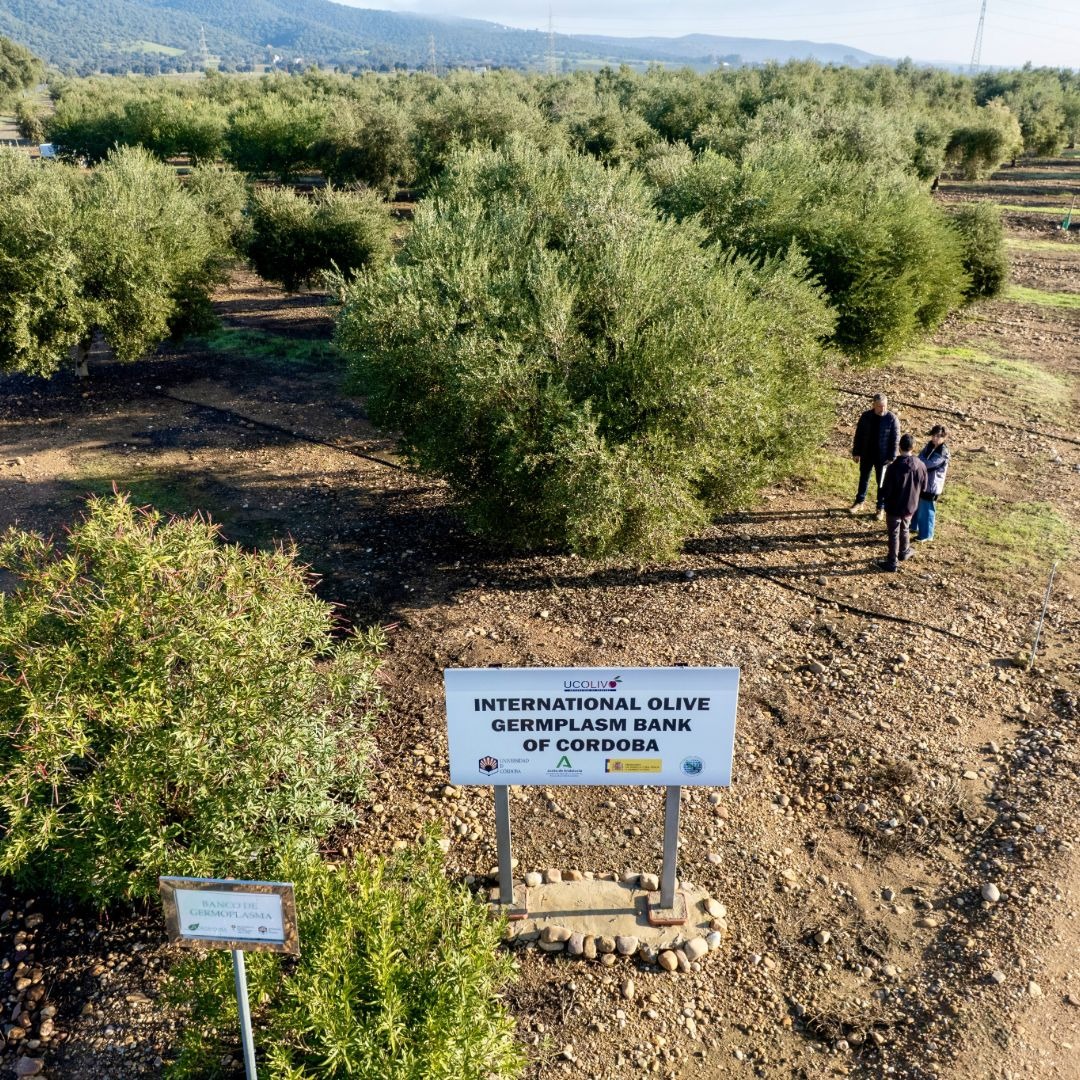
This initiative was launched within the framework of the European H2020 GEN4OLIVE project, a research programme dedicated to unlocking and conserving olive genetic diversity. It was subsequently promoted by the IOC, the Food and Agriculture Organization of the United Nations (FAO), and Spain’s Ministry of Agriculture, Fisheries and Food.

The collaboration extended to leading academic and research institutions, including:

  • Universidad de Córdoba (UCO)
  • Universidad de Granada (UGR)
  • Plant Genetic Resources Centre (CRF-INIA)
  • National Institute for Agricultural and Food Research and Technology (INIA)
  • Spanish National Research Council (CSIC)
This broad coalition demonstrates that conserving traditional and wild olive varieties is not merely a scientific exercise - it is a collective commitment to strengthening agricultural resilience and ensuring long-term food security.

Organisations such as NordGen and the Crop Trust, along with representatives including Juan Antonio Polo Palomino, Abderraouf Laajimi, Álvaro Toledo, Dr. Kent Nnadozie, Concepción Muñoz Diez, Hristofor Miho and Pablo Morello Parra, also played key roles in bringing this milestone to fruition.

Olive Genetics

For olive growers and producers worldwide, this development carries profound implications.

Olive trees are uniquely adapted to marginal soils, water scarcity, and variable climates. However, increasing pressures from:

  • Climate variability
  • Emerging pests and diseases
  • Water limitations
  • Soil degradation
  • Shifting production zones
Make genetic diversity more important than ever.

Traditional and wild olive varieties contain traits that may hold the key to:

  • Improved drought tolerance
  • Disease resistance
  • Adaptation to new climatic conditions
  • Enhanced oil quality characteristics
  • Resilience to environmental stress
By preserving these genetic resources in the Svalbard Global Seed Vault, the industry is effectively safeguarding a toolbox for future breeding, research and innovation.

From Mediterranean Heritage to Arctic Safeguard

The symbolic power of Mediterranean olive genetics being stored in Arctic ice is profound. It reflects the global importance of olives - no longer confined to traditional growing regions but increasingly cultivated across diverse climates worldwide.

As olive production expands into new regions, including areas facing climatic volatility, the value of preserved genetic material grows exponentially. The Svalbard deposit ensures that even in worst-case scenarios, the genetic foundation of the olive sector remains secure.

A Commitment Beyond Science

This initiative goes beyond seed banking.

It represents recognition that agricultural biodiversity is a shared global responsibility. Farmers, researchers, governments, and international organisations are united by a common understanding: safeguarding crop diversity is essential for future food systems.

The olive industry - deeply rooted in tradition - is demonstrating that it is equally committed to innovation, resilience and long-term stewardship.

Securing the Future of Olive Oil

For growers, processors, and industry stakeholders, this historic deposit sends a message: the olive sector is planning for the long term.

Preserving traditional and wild varieties ensures that future generations will continue to:

  • Cultivate olives in changing climates
  • Maintain oil quality standards
  • Protect regional characteristics and heritage
  • Develop improved cultivars
  • Sustain global olive oil production
The olive tree has endured for millennia. By placing its seeds in the world’s most secure seed vault, the global community has taken a decisive step to ensure it thrives for millennia more.

Leipzig Australia Plans $80M Olive Grove and Business Precinct in South Australia


MAJOR GROVE EXPANSION

Leipzig Australia Plans $80M Olive Grove and Business Precinct in South Australia

A concept image for the proposed olive oil plant. Photo: Leipzig Australia.

Leipzig Australia, led by chief executive Frank Vounasis, has unveiled plans for an $80 million olive grove development near Waikerie in South Australia.

The proposed project, known as Waikerie Grove, would span 1,000 hectares and become the state’s largest olive grove. It is expected to include approximately 357,000 olive trees and produce up to 2.8 million litres of olive oil annually.

Photo: Leipzig Australia.

The development is projected to create 20 full-time positions and around 70 seasonal jobs. Management of the grove will be handled by Diana Olive Oil, supported by a 30-year supply agreement with an ASX-listed distributor.

In addition to the grove, Leipzig Australia has proposed rezoning 300 hectares of nearby land to establish an employment precinct called Waikerie Park. Plans for the precinct include an olive-crushing plant and potential complementary businesses such as an abattoir, solar farm and nursery. The broader precinct is forecast to generate 346 full-time jobs and contribute approximately $38.4 million annually to the local economy. 

According to Mr Vounasis, the olive grove will proceed regardless of whether rezoning for the employment precinct is approved. The project includes plans for a 10-13 kilometre pipeline drawing up to 900 litres per second from the River Murray to support operations.

If successful, a second 600-hectare plantation may also be developed. The rezoning proposal will now move to community consultation before being considered by the South Australian Government.

Source: The Greek Herald 30 / 12 / 2025, originally reported by The Advertiser.

Solar Parks vs Olive Groves: What’s Really Happening in Spain’s “Sea of Olives”

Spain’s push for solar energy is creating tensions in Andalusia as photovoltaic projects overlap with major olive-growing landscapes.
Please log in to view the entire article

New Research Highlights the Health Value of Olive Oil Polyphenols

New clinical research shows olive oil polyphenols may improve metabolic health markers linked to cardiovascular disease and metabolic syndrome.
Please log in to view the entire article