My Shopping Cart
Anthracnose is one of the most damaging diseases of olive fruit, caused by several Colletotrichum fungi. In Australia and worldwide, this disease leads to fruit rot, premature fruit drop, and a severe decline in yield and olive oil quality. It tends to strike as olives ripen, posing a serious threat to production - infected olives often fall before harvest and yield only turbid, highly acidic oil of poor quality. Anthracnose is especially problematic in humid olive-growing regions; in Australian groves of susceptible cultivars like Barnea, Manzanillo, or Kalamata, up to 80% of the fruit can be affected in a bad season. The fungus can persist from season to season on plant material, so without proactive management, the disease pressure builds over time. Urgent pre-harvest action is critical, as waiting until symptoms explode at harvest is often too late to save the crop.
Olive fruit with anthracnose showing a soft, circular shoulder lesion oozing orange-pink spore masses. As olives approach maturity, anthracnose infection becomes visible as soft, sunken brown rot spots on the fruit (often near the shoulder). Under high humidity, these fruit lesions exude telltale gelatinous, orange or salmon-pink masses of spores on the surface. Affected olives start to look water-soaked or greasy – a symptom sometimes called “soapy olive” due to the slimy appearance. In the early stages, the rot may be localised, but it rapidly expands, causing the olive to collapse into a soft mush. Infections can develop and produce new spore masses very quickly (within about 4 days on a ripe fruit in moist conditions), meaning a small outbreak can turn into a major fruit rot epidemic in under a week if the weather is conducive.
Advanced anthracnose on olives – the fruit has shrivelled, browned, and begun to mummify on the tree. As the disease progresses, many infected olives shrivel, turn brown or black, and dry up. These mummified fruit often remain clinging to twigs or fall to the ground. Clusters of olives on a branch may all become infected, creating a concentration of spore-producing mummies (as shown in the image). Such dried, mummified fruit is a hallmark of late-stage anthracnose and serves as a reservoir of the fungus. In severe cases, you may find twig dieback associated with heavy fruit infection – the fungus can invade pedicels and stems, causing leaves on that shoot to wilt and die. Anthracnose can also occasionally infect flowers in spring (blossom blight), causing brown, withered blooms that drop off, though early symptoms often go unnoticed. Generally, olives show no external sign of infection until they begin to ripen, at which point lesions erupt and spore masses spread to neighbouring fruit in the canopy.
Olive branch with multiple anthracnose-infected fruit. Many olives exhibit dark, sunken lesions and fungal spore masses, and some have dried into mummies. Without intervention, an anthracnose outbreak can escalate rapidly as harvest time nears. Infected olives may drop to the ground in large numbers, resulting in direct yield loss. Those that remain on the tree are often unusable – when pressed, they yield oil with elevated free fatty acids and unpleasant flavours, unsuitable for extra virgin grade. The disease cycle can carry over into the next season via the persistent mummified fruit and any infected twigs left on the tree, so the severity may increase each year if not managed. Thus, recognising anthracnose symptoms early (and implementing controls) is vital to preventing extensive crop and quality losses.
Anthracnose in olives is caused by a complex of fungi in the genus Colletotrichum. Traditionally, C. acutatum and C. gloeosporioides were identified as the culprits, but taxonomists have since split these groups into multiple species. In Australia, at least three Colletotrichum species are known to cause olive anthracnose (C. acutatum, C. gloeosporioides, and C. simmondsii), with additional species reported overseas. All produce a similar syndrome on olives. The pathogen’s life cycle allows it to survive between seasons and infect the host at multiple points: - Overwintering: The fungus persists on infected plant debris, especially mummified olives that remain on the tree or ground, and can also survive in infected twigs or leaves. These serve as the primary inoculum sources in the new season. The fungi form masses of conidia (spores) on these residues, which are spread by winter and spring rains. (Insects and birds can also passively transfer some spores on their bodies, though rain-splash is the main dispersal mechanism.)
Anthracnose directly reduces olive yields and can essentially ruin the crop’s marketable value. Infected flowers may lead to blossom drop or poor fruit set, and later infection causes fruit rot and drop before harvest. It’s not uncommon for heavily infected trees to lose a large portion of their olives to the ground before picking. Those fruits that remain on the tree are often badly rotted or desiccated and contribute little to the yield. Australian growers have reported crop losses ranging from 10–50% in moderate outbreaks to nearly total loss in extreme cases on very susceptible cultivars.
Quality degradation is a major concern even for the portion of the crop that can be harvested. Oil produced from anthracnose-infected olives is of much lower quality than oil from healthy fruit. The rotting process raises the free fatty acid levels and peroxides in the fruit, resulting in rancid or “fusty” off-flavours and high acidity in the oil. Even a relatively small percentage of diseased olives in a press batch can downgrade the entire lot of oil. For example, field observations suggest that if around 15–20% of the olives going into the mill are anthracnose-infected, the oil will likely fail to meet Extra Virgin standards. In practice, oils from anthracnose-affected fruit are often only suitable for lampante (non-food) oil due to excess acidity and defects. Aside from acidity and flavour issues, the pigments from the fungal decay can give the oil an abnormal dark, cloudy appearance (sometimes described as a reddish or brownish turbid oil). This makes anthracnose not only a yield robber but also a threat to achieving quality premiums — growers may end up with substantially reduced income even from the portion of the crop that is salvaged.
Additionally, severe anthracnose can cause longer-term impacts on the olive trees themselves. Heavy defoliation or twig dieback from infection can weaken trees and reduce the following year’s flowering wood. Repeated epidemics in successive years, therefore, can have a cumulative debilitating effect on orchard productivity. For all these reasons, anthracnose is considered a critical disease to manage for both yield and quality – preventing the disease is far more effective than trying to salvage a heavily infected crop at the last minute.
Anthracnose thrives under specific environmental conditions that are unfortunately common in parts of Australia. The fungus requires moisture and warmth to infect and spread. Extended periods of leaf wetness (from rain, heavy fog/mist, or even over-irrigation) are the single biggest factor driving outbreaks. Spores germinate and penetrate olive tissues only when free water is present for many hours. Thus, a prolonged autumn rain or back-to-back days of drizzle and dew can trigger a wave of new infections just as fruit is ripening. The disease is favoured by high humidity and rainy weather at temperatures around 10–25 °C. The optimal temperature for anthracnose development is about ~18 °C (typical of mild humid spring or autumn days), but infection can occur over a broad cool–warm range as long as moisture is available. Hot, dry conditions, on the other hand, tend to suppress the disease, which is why anthracnose is seldom a problem in arid inland groves or during drought years.
Climatically, anthracnose is most severe in regions with summer or early autumn rainfall patterns. In Australia, groves in parts of Queensland and New South Wales (where warm-season rains and humid late summers are common) experience much higher anthracnose pressure than those in Mediterranean-type climates (e.g. South Australia or Western Australia’s olive regions with dry summers). A sudden unseasonal rain spell before harvest in an otherwise dry area, however, can still cause localised outbreaks, so no region is completely immune if the weather turns wet at the wrong time.
Within the grove, microclimate and cultural conditions also influence disease spread: - Canopy Density and Airflow: Trees that are densely foliated or closely planted retain more moisture in the canopy after rain. Poor air circulation means fruit and leaves stay wet longer, greatly increasing infection risk. It’s been observed that high-density and super-high-density plantings can see faster anthracnose development compared to widely spaced trees. Similarly, unpruned trees with dense interiors create a humid microclimate ideal for the fungus.
Managing olive anthracnose in Australia requires an integrated approach, combining cultural practices, careful monitoring, and strategic use of fungicides. The goal is to prevent or greatly reduce infections before they take hold, because once the fruit is rotting, options are limited. Below are key strategies:
Cultural Controls (Orchard Hygiene & Canopy Management):
The foundation of anthracnose management is reducing the sources of the fungus and making the canopy less hospitable to it. A top priority is orchard sanitation: - Remove and destroy mummified fruit – After harvest (and even during the season), growers should remove any dried, blackened “mummy” olives that remain on the trees. These mummies are loaded with spores and will rain down infection in the next wet spell. Table olive growers often hand-pick remaining fruit; oil olive growers may need to strip or knock off leftover fruit and rake up fallen ones. Completely removing them from the grove or deep-burying them helps break the cycle. It’s laborious, but it can significantly cut back spring spore inoculum.
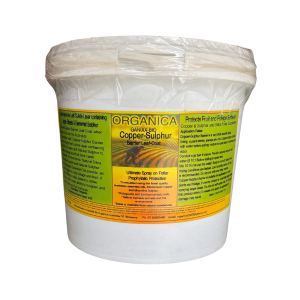
Chemical intervention is an important tool, used in conjunction with the above cultural practices and guided by monitoring. Fungicides are most effective when applied preventatively or at the very earliest stage of infection, rather than trying to “cure” heavily diseased fruit. In Australia, there are a few fungicide options available (see next section for specific products). Spray timing and coverage are critical: - Protective sprays around flowering and fruit set: Research and expert recommendations indicate that the pre-flowering through early fruit set period is a critical infection window for anthracnose. Even though symptoms won’t show until much later, applying fungicides during this period can greatly reduce the number of latent infections that establish. For example, a common strategy is two sprays – one at early bloom (white bud) and another at the small fruit stage – in spring if conditions are wet. This can protect flowers and young olives from that primary infection wave. Copper-based fungicides are often used here (they help against other diseases like peacock spot too), or other permitted fungicides can be applied according to label/permit.
Several chemical controls are available (either fully registered or via permit) for anthracnose in olives. Always check current APVMA registrations and permits for up-to-date usage instructions, rates, and withholding periods, as these can change. As of the mid-2020s, the key fungicide options include:
To wrap up, here is a summary checklist of preventative measures and hygiene practices for managing olive anthracnose. Adopting these practices before the disease gets out of hand will pay off at harvest:
By following these preventative and hygiene steps, growers create an environment where the anthracnose fungus struggles to get established. The key is to be proactive – once orange spores are running down your olives, the damage is largely done. Australian industry experts emphasise taking action before harvest time to protect your crop. With vigilance and an integrated strategy, even growers in higher-risk regions can successfully manage anthracnose and deliver healthy olives to the press.
Sources