My Shopping Cart
| Specification | Value |
|---|---|
| Product Name | Fuze Copper |
| Formulation | Fully chelated copper EDTA complex |
| Active Ingredient | Copper EDTA |
| Copper Content | 7.5% w/v (Aust.) / 5.8% w/w (Intl.) |
| Colour | Dark Blue |
| Specific Gravity | 1.29 – 1.31 |
| pH Range | 9.2 – 9.6 |
| Sizes Available | 20 L, 200 L, 1000 L |
| Primary Function | Correction of copper deficiency; enzyme activation; chlorophyll stability |
| Container Type | Dimensions (mm) | Weight | Pallet / Load Details | Notes |
|---|---|---|---|---|
| 20 Litre Drum | 280 × 220 × 420 | 30 kg per drum | — | Used for smaller AgroBest product batches or specialty formulations. Compatible with standard freight and pallet shipments. |
| 200 Litre Drum (on Pallet) | Individual Drum: 590 × 590 × 920 Pallet Pack: 1200 × 1200 × 1050 |
260 kg total per pallet | 1–4 drums per pallet configuration | Ideal for bulk quantities of AgroBest crop nutrition or protection products. Provides safe, stable transport on standard pallets. |
| 1000 Litre IBC | 1200 × 1000 × 1160 | 1300 kg total | Forklift and pallet-jack compatible | Preferred for large-scale AgroBest liquid fertiliser, brine, or nutrient storage. Suitable for high-volume distribution. |
*All sizes and weights are approximate and may vary slightly depending on the specific AgroBest formulation and packaging batch.
| File | Title | File Description | Type | Section |
|---|---|---|---|---|
| FUZE_Copper_2022.pdf | Fuze Copper | Fuze Copper Safety Data Sheet | Manuals | Document |
A successful Grove Management Plan must cover these key areas:
"A grove without an effective irrigation system is unlikely to deliver consistent yields year after year. Many growers still underestimate the water needs of olive trees, and few actually monitor soil moisture levels. This is why so many groves have never achieved a commercial crop." Marcelo Berlanda Specialist Olive Consultant
Water stress negatively affects flowering, fruit set, oil accumulation (oil production), fruit size (table olives), fruit quality, and overall tree health. However, many growers lack a proper system to monitor soil moisture or manage irrigation effectively.
Marcelo recommends:
"Growers should inspect soil moisture weekly during spring and summer, and every two weeks in autumn and winter. Use a shovel to dig at least 400mm under the tree canopy to check moisture. If the soil is hard to dig, it’s too dry – even if the canopy shows no visible signs of stress."
Advanced soil moisture monitoring tools can also provide reliable data on a digital display or computer dashboard.
For optimal grove health, growers must consistently check soil moisture and prevent water stress.
As discussed previously, taking leaf samples is essential to assess your trees’ nutritional status. This information guides the creation of a fertiliser program, a critical component for boosting or maintaining yields.
Typically, no fertiliser is needed in winter, unless you’re addressing soil amendments. However, some groves have severe nutrient deficiencies requiring fertiliser even in winter. Where proper irrigation systems aren’t in place, growers must broadcast fertiliser before rain to allow rainfall to incorporate nutrients into the soil profile, an inefficient use of resources but often the only option.
When applying fertiliser in these conditions, target the area beneath the canopy and, if possible, cultivate the soil to improve incorporation and reduce product loss.
Olives need four essential nutrients: Nitrogen, Phosphorus, Potassium, and Calcium. Check product labels carefully. As a general guideline, aim for:
Avoid pruning during the coldest part of winter and when it’s wet or foggy to reduce the risk of bacterial and fungal disease spread.
The main goals of pruning are to remove dead wood, reduce canopy size, restore tree balance, encourage healthy new growth, and increase fruit set in spring.
Tip: After pruning, apply a copper-based spray to protect wounds from infection by fungi and bacteria.
Pest & disease management is crucial for sustaining yield and tree health. Winter’s colder temperatures reduce insect activity, offering a prime time to tackle pest issues.
Set up a comprehensive Pest and Disease Monitoring Program. During winter, check marked trees (previously affected by pests or diseases) every two weeks; in spring, check weekly. Look under leaves and on new growth for signs like crawlers, yellow spots, black sooty mold, or anything unusual.
Proactive, weekly management is essential for a successful grove.
If you need further assistance, please contact us.
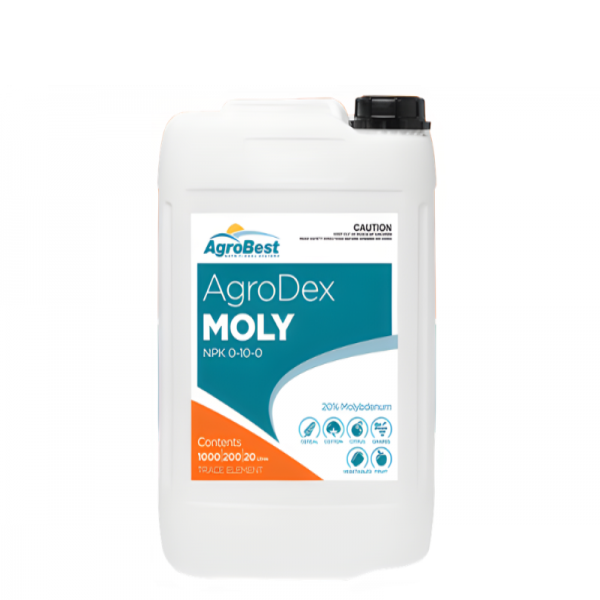
AgroBest is an Australian manufacturer with a wide range of crop protection and liquid fertiliser products to help keep your olive trees healthy and productive. This guide gives you a practical overview of the AgroBest range available through The Olive Centre and how they can fit into your nutritional grove program across the season. We’ll walk through foliar feeds, soil conditioners, pest and disease support products, spray adjuvants and biostimulants, explaining when to use, and how to help with common olive problems. Whether you’re dealing with nutritional needs or tired trees that just aren’t performing, this guide is designed to help you quickly match the right AgroBest product to the needs of your grove. A soil and leaf analysis are recommended to narrow down the correct product(s).
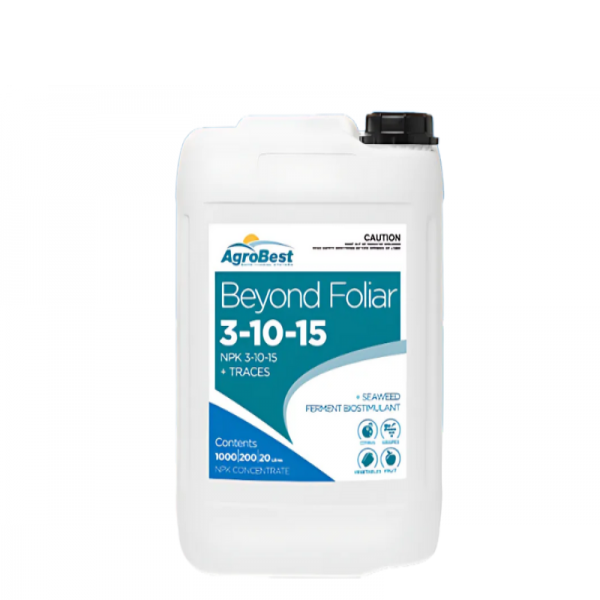
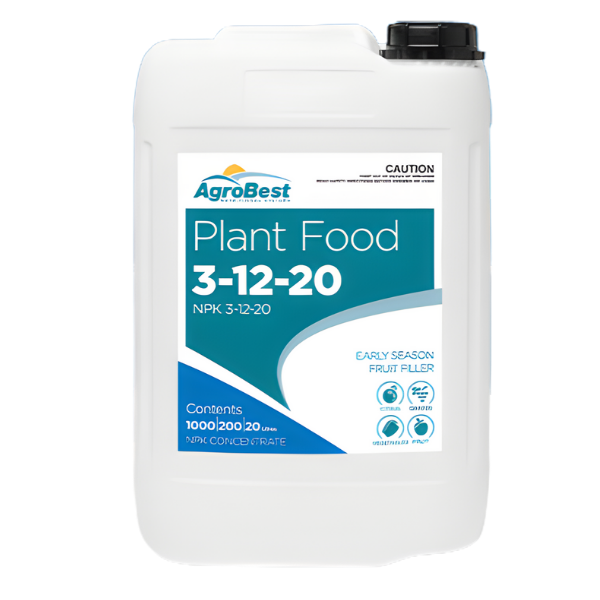
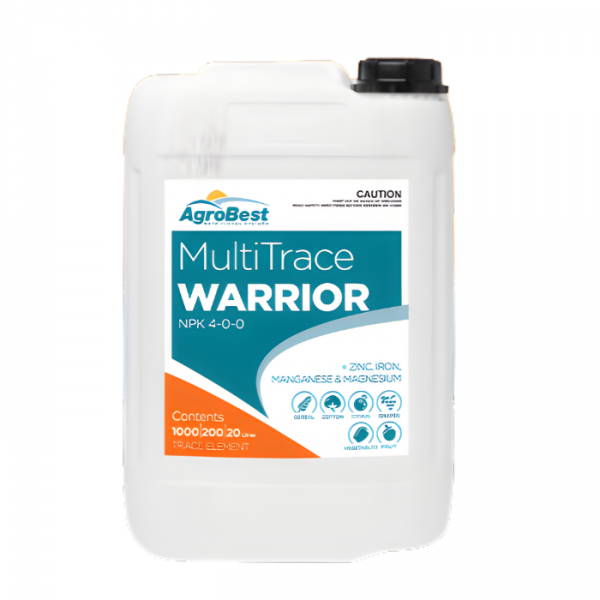
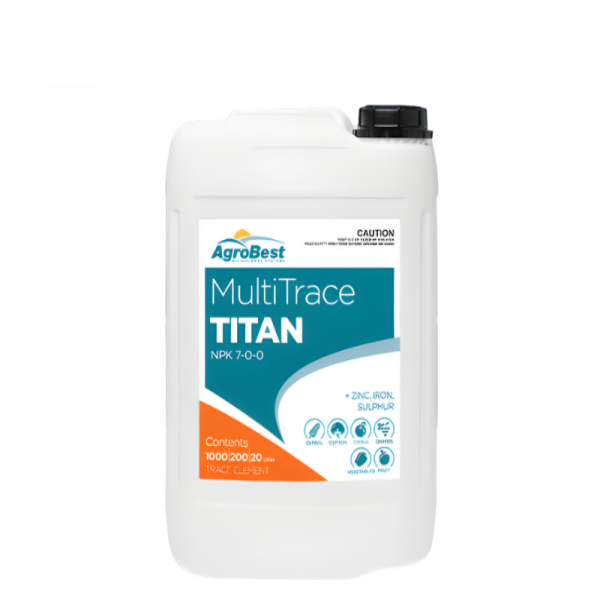
Foliar nutrition is critical for addressing immediate nutrient needs and boosting olive tree productivity. AgroBest offers several NPK foliar fertilisers and trace element sprays designed for quick uptake through leaves. These products provide balanced macronutrients (nitrogen, phosphorus, potassium) often enhanced with micronutrients or biostimulants to improve efficacy.


Healthy soil is the foundation of productive olive groves. AgroBest offers products that improve soil fertility, structure, and microbiology - ensuring roots have access to nutrients and water. These soil conditioners and granular/liquid fertilisers are applied to the soil (via drench, fertigation, or banding) rather than sprayed on foliage.
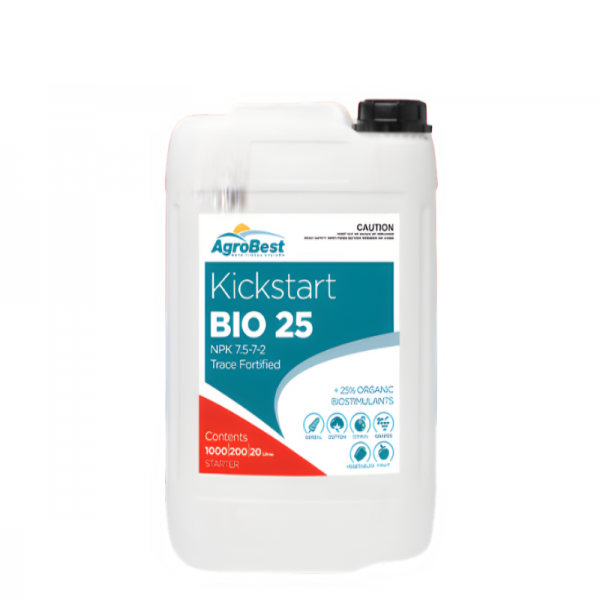
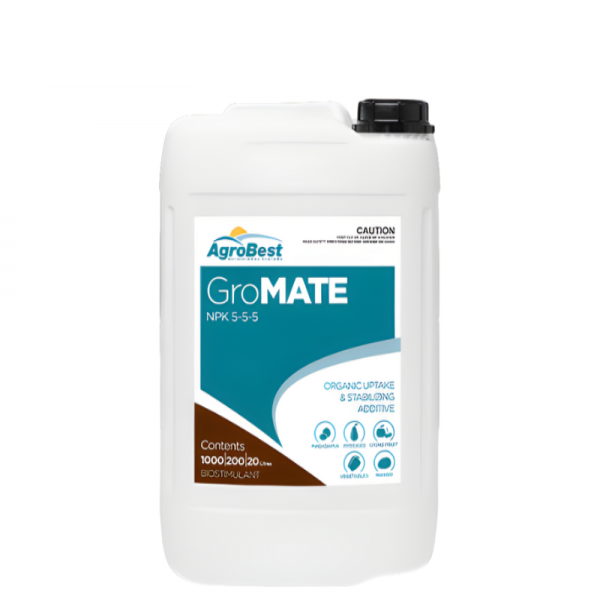
Using these soil-oriented products, olive growers can address issues like poor soil fertility, low organic matter, or imbalanced nutrients in the root zone. For instance, if an olive grove is suffering from nutrient lock-up or weak root growth, a combination of humic-enriched Kickstart and organic GroMate can rebuild soil life. If soil calcium or pH is an issue, products like CarboCal can supply calcium in a plant-accessible form that strengthens soil and trees alike. Healthier soil translates to stronger, more resilient olive trees with better uptake of nutrients and water.
While AgroBest’s focus is on nutrition, some of its products also play a role in crop protection - either by directly deterring stresses or by strengthening the plant against pests and diseases. Olive growers face challenges such as black scale insects, fungal diseases like peacock spot and anthracnose, as well as environmental stresses (frost, heat) that can predispose trees to problems. AgroBest products can be part of an integrated strategy to tackle these issues.
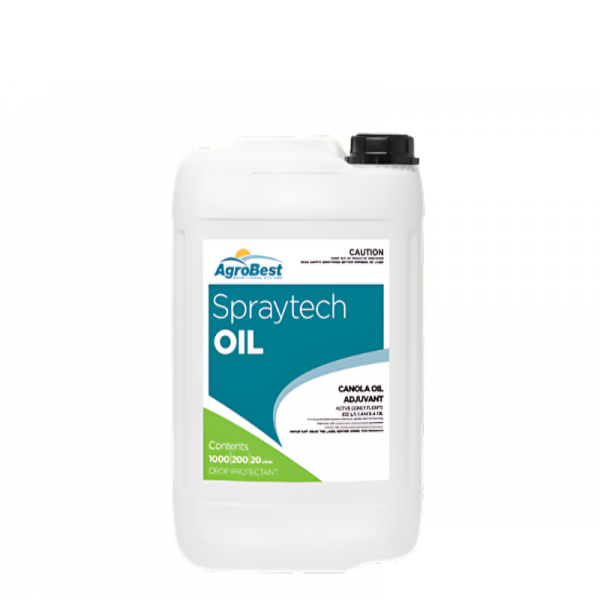
It’s important to note that AgroBest does not produce synthetic pesticides or fungicides - instead, their offerings focus on prevention and plant strength. For active infestations like a severe black scale attack or an anthracnose epidemic, growers would still use specific registered pesticides (e.g. a petroleum spray or an IGR for scale, or a copper fungicide for anthracnose/fungal issue). However, integrating AgroBest products could mean fewer such interventions are needed. By using nutritionals and protectants like Envy and Spraytech Oil proactively, olive growers can reduce stress and pest pressure on their groves. This integrated approach leads to a more sustainable pest and disease management, leveraging plant health to fight off challenges naturally. Always test product compatibility before mixing.
Adjuvants are “helper” products that improve the performance of agrochemical sprays - ensuring that nutrients or pesticides stick as intended. AgroBest’s adjuvants are especially valuable in olive production, where the undersides of leaves and the waxy surfaces of olive foliage can make spray coverage difficult. Using the right adjuvant means more of your spray actually reaches the target and stays there, rather than bouncing off or drifting away. Two key adjuvant products in the AgroBest range are:
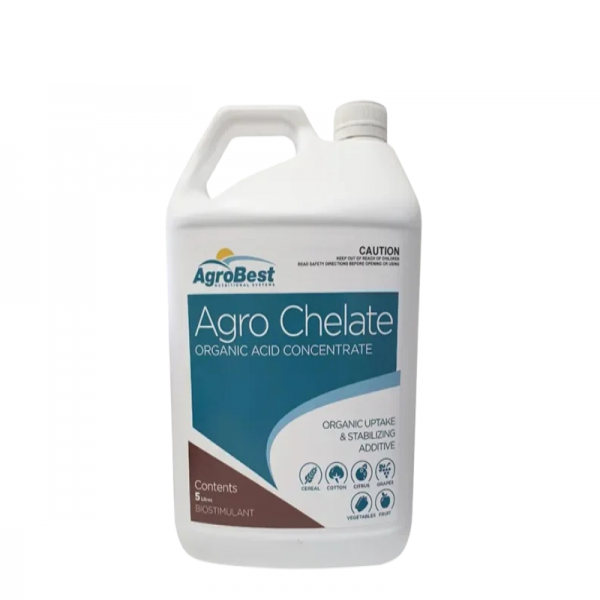
AgroBest AgroChelate - An organic acid concentrate used as a water conditioner, compatibility agent, and nutrient uptake enhancer. Agro “Chelate” is essentially a blend of organic acids and amino acids. When added to a spray tank or fertigation system, it acidifies the solution slightly (bringing pH to a plant-friendly level), chelates micronutrients (preventing them from reacting with other chemicals or getting locked up), and improves the mixing of otherwise incompatible inputs. For example, olive growers often want to tank-mix calcium with phosphorus fertilisers or combine multiple trace elements - this can cause precipitation or antagonism. AgroBest’s Chelate product helps keep such mixes stable and ensures the nutrients remain in a form the plant can absorb. It also acts as a mild biostimulant due to its amino acid content, so foliar feeds with AgroChelate might show improved uptake into leaves. In summary, Agro Chelate is used as an adjuvant to condition spray water (especially if it’s alkaline or hard), to prevent clogging and leaf burn, and to facilitate smooth absorption of nutrients through the leaf cuticle. It’s particularly useful in foliar trace element programs and fertigation systems. (Available in liquid form; e.g. 5L and 20L containers.)
Using adjuvants like these is highly recommended in olive spray programs. Olives have small, waxy leaves and a dense canopy; getting sprays to penetrate and stick can be challenging. By using Spraytech OIL, growers report more uniform coverage and better results from both pest control and foliar feeding efforts (the improved uptake means you might achieve desired results with lower application rates, saving cost). Similarly, with AgroBest’s chelating adjuvant, complex tank mixes become more stable - meaning you can, for instance, mix your zinc, boron, and magnesium foliar feeds with confidence that each will remain available to the tree. In sum, AgroBest adjuvants ensure you get the maximum benefit from every spray, an important consideration given the time and cost involved in spraying an olive grove.
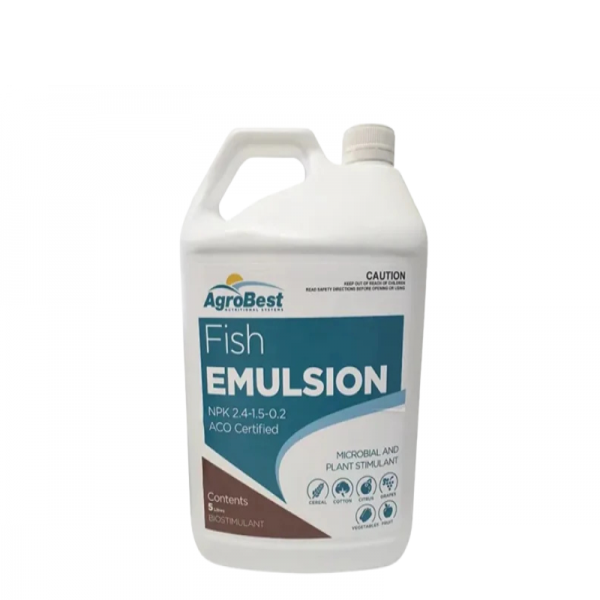
Biostimulants are products that don’t fit the traditional “fertiliser” mould of simply providing N-P-K, but instead contain natural compounds (like seaweed extracts, humic acids, beneficial microbes, etc.) that enhance plant growth and resilience. AgroBest has embraced this technology by offering several biostimulant products that can give olive trees an extra edge - improving root growth, boosting stress tolerance, and increasing nutrient uptake efficiency. These are especially relevant to olives, which often face stresses like drought, high salinity, and poor soils.
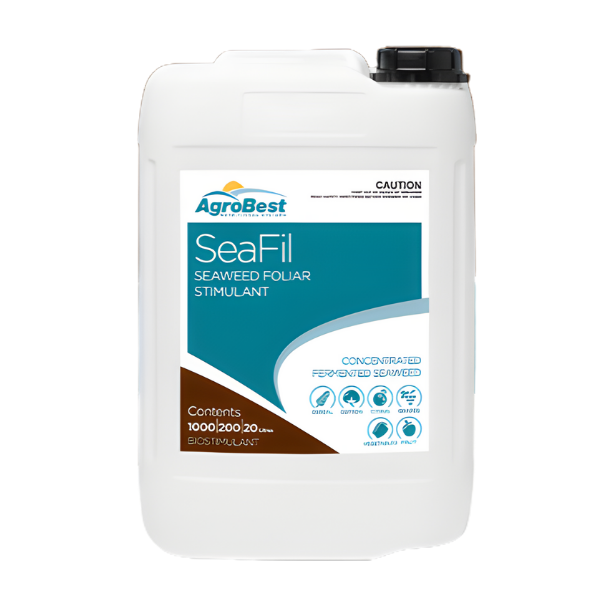
By integrating biostimulants into their regime, olive growers can tackle challenges like nutrient-poor soils, irregular bearing, or climate stress in a more natural way. For example, facing a scenario of “off-year” in an alternate-bearing olive grove, one might apply SeaFil or Fulfil to reinvigorate the trees and potentially improve the next bloom. In drought-prone areas or saline irrigation conditions, biostimulants help olive trees maintain growth and yield where they otherwise might suffer. These products do not replace standard NPK fertilisers but rather supplement the nutrition program by ensuring that the plant can make the most of nutrients and overcome growth hurdles. They are akin to vitamins and probiotics for your olive trees - not absolutely required, but when used properly, they often lead to healthier, more productive plants.
Product Sizes & Usage Note: Most AgroBest biostimulants are available in various sizes to suit different scales of operation - from 1-5 L bottles for small groves up to 200 L drums for large farms. They are generally applied at low concentrations (e.g. a few litres per hectare as a foliar spray). It’s important to follow recommended timing - many biostimulants show best results when applied at specific growth stages (like root flush, pre-flowering, or stress events).
In Australian agriculture, understanding the hidden nutrients in your soil and plants can make the difference between an average harvest and a thriving one. Leaf and soil analysis give farmers, agronomists, olive growers, and even hobby gardeners a scientific window into their crops’ health. By regularly testing both the soil and the leaves (foliage) of your olive trees or other plants, you gain precise data to fine-tune fertiliser use, correct deficiencies, and boost overall productivity. The result is healthier olive groves, higher yields of quality fruit, and more sustainable soil management - an investment that pays off in both the short and long term through improved crop performance and soil health.
In Summary, AgroBest’s range of products on The Olive Centre spans everything from core fertilisers to innovative biostimulants, all geared toward improving plant nutrition and resilience. By grouping products into foliar feeds, soil conditioners, protection aids, adjuvants, and biostimulants, we see that each category addresses different aspects of olive grove management:
Sources: The information in this article is from The Olive Centre’s product listings and knowledge base, including technical descriptions of AgroBest products and their recommended uses. Each product mentioned is available through The Olive Centre; for detailed application rates and guidelines, please refer to the specific product pages and labels. By reviewing these resources and field experiences, we’ve provided an integrated overview to help you make informed decisions about which AgroBest products can best address the needs of your olive grove.
FACT:? Enzymes are responsible for the softening of the olive during maturation.
FACT:? Enzymes that are used in the extraction process are the same as in the fruit.
Industrial Enzymes have been used for fruit juice production for many years. ?As Olive Oil is the fruit juice of the olive the same basic principles could also be applied. ? The more enzymes that are activated during malaxing the faster and more efficient the malaxing process will be. ?Also, as the breakdown of the paste is more complete with the extra enzyme activity you will also find that the free oil can not only be seen quicker but there are heightened Organoleptic characteristics in the oil. ?Higher polyphenol levels also bring greater stability.
Once enzymes have carried out their job there are no traces found in the resultant oil. ?(The enzymes have a lipophobic character meaning they are not oil absorbing).

Did you know that all Olive Oil is Enzyme extracted?
Olive Oil is said to be the fruit juice of the olive. ?96 - 98% of the oil is found in the flesh (mesocarp) and skin (epicarp). ?The remaining oil is found in the pit (endocarp). ?The majority of oil is located in the vacuoles but the bound oil (in the cytoplasm) is not accessible by mechanical extraction means and is therefore lost in the waste.
During the extraction process the natural endogenous (naturally occurring) enzymes (among others i.e. pectic, cellulosic and hemicellulosic) activate the paste during malaxing and hence the cell wall is broken down and your oil floats on top of the paste. ?Depending on the fruit at the time of harvesting depends greatly on how well the enzyme naturally releases, thereby having great effect on your resultant outcome.
Some of the Nutrients and what they do for your trees
?
| Nitrogen | is needed to form the protein in the plant or the basis of cell multiplication as growth and life itself. ?An excess of nitrogen will cause potassium deficiency. |
| Phosphorus | like nitrogen is needed for growth. |
| Potassium | serves, particularly in carbohydrate production. ?Taken from the soil by the plant it helps to utilise the air, water and sunshine which produce the body or mass of the plant.Excessive potassium, sodium and magnesium will cause calcium deficiency. |
| Calcium | and Magnesium are part of the cell walls of plants.Cells of root hairs are membranous tissue are constructed of cellular fibres tied together by calcium (and magnesium). ?The root membranes with their necessary calcium determine whether nutrients move from the soil into the root in proper amount and balance to bring about plant composition.Soft Nose is caused by the deficiency of Calcium and Boron.Excessive calcium will cause magnesium and phosphorus deficiency. |
| Magnesium | In the soil excess magnesium will cause potassium, phosphorus, calcium and nitrogen deficiency. |
When proteins are to be produced, that is, if the nitrogen, and in some cases phosphorus and sulphur are to be coupled up with carbon, hydrogen and oxygen to make this life-carrying, body building substance they cannot be built by the sunshine using only air and water. ?The soil must contribute at least ten elements which include Calcium, Phosphorus, Potassium, Magnesium, Sulphur, Iron, Boron, Manganese, Copper and Zinc.
Analysing your Soil
A soil analysis program will provide important and essential information on the soils nutritional status, which enables decisions of fertiliser and micronutrient applications to maximise the quantity and quality of crop yields.
Read more about Soil Testing