My Shopping Cart
Need to control Black Scale?
Admiral Advance is a new product for the control of black scale in olives. It is an unconventional insecticide in the sense that it acts as an insect growth regulator that removes the pest from the grove by disrupting its life cycle and not killing it rapidly like traditional insecticides do.
In practice, this means that female scales may remain on the trees for a period after treatment, however this is of no consequence because they would have been sterilised by Admiral and no viable offspring are being produced.
At the other end of the equation, use Admiral on a commercial scale in olives (and other crops) has shown that the duration of control given by Admiral most often exceeds one season.
Since the product has become available, the majority of olive growers using Admiral have reported that no sprays were required in the subsequent season following the initial application and after all scales were removed from the trees.
This observation has significant cost benefits for olive growers!
How Much Admiral?
(based on average 250 trees per hectare)
When to Apply:
At the time of crawler release - usually December - January, but sometimes also in Autumn.
Do not apply more than twice per season!
Do not apply if rain is forecast within 48 hours!
do not apply if surface water is evident!
Dilution rate: 1:2000
= 500ml Admiral / 1000L water
= 50ml Admiral / 100L water
Application Rate:
1000L Solution / Hectare~250trees
= 500ml Admiral / Hectare~250trees
=~2ml Admiral per tree (~4L solution per tree)
For Growers with: For Growers with:
1 - 9 Hectares 10 Hectares +
(250 - 2000 trees) (2500 trees+)
1L bottles 5L bottles
| File | Title | File Description | Type | Section |
|---|---|---|---|---|
| admiral_advance_sds_202107.pdf | Admiral Advance Safety Data Sheet | Specifications | Document |
Anthracnose is one of the most damaging diseases of olive fruit, caused by several Colletotrichum fungi. In Australia and worldwide, this disease leads to fruit rot, premature fruit drop, and a severe decline in yield and olive oil quality. It tends to strike as olives ripen, posing a serious threat to production - infected olives often fall before harvest and yield only turbid, highly acidic oil of poor quality. Anthracnose is especially problematic in humid olive-growing regions; in Australian groves of susceptible cultivars like Barnea, Manzanillo, or Kalamata, up to 80% of the fruit can be affected in a bad season. The fungus can persist from season to season on plant material, so without proactive management, the disease pressure builds over time. Urgent pre-harvest action is critical, as waiting until symptoms explode at harvest is often too late to save the crop.
Olive fruit with anthracnose showing a soft, circular shoulder lesion oozing orange-pink spore masses. As olives approach maturity, anthracnose infection becomes visible as soft, sunken brown rot spots on the fruit (often near the shoulder). Under high humidity, these fruit lesions exude telltale gelatinous, orange or salmon-pink masses of spores on the surface. Affected olives start to look water-soaked or greasy – a symptom sometimes called “soapy olive” due to the slimy appearance. In the early stages, the rot may be localised, but it rapidly expands, causing the olive to collapse into a soft mush. Infections can develop and produce new spore masses very quickly (within about 4 days on a ripe fruit in moist conditions), meaning a small outbreak can turn into a major fruit rot epidemic in under a week if the weather is conducive.
Advanced anthracnose on olives – the fruit has shrivelled, browned, and begun to mummify on the tree. As the disease progresses, many infected olives shrivel, turn brown or black, and dry up. These mummified fruit often remain clinging to twigs or fall to the ground. Clusters of olives on a branch may all become infected, creating a concentration of spore-producing mummies (as shown in the image). Such dried, mummified fruit is a hallmark of late-stage anthracnose and serves as a reservoir of the fungus. In severe cases, you may find twig dieback associated with heavy fruit infection – the fungus can invade pedicels and stems, causing leaves on that shoot to wilt and die. Anthracnose can also occasionally infect flowers in spring (blossom blight), causing brown, withered blooms that drop off, though early symptoms often go unnoticed. Generally, olives show no external sign of infection until they begin to ripen, at which point lesions erupt and spore masses spread to neighbouring fruit in the canopy.
Olive branch with multiple anthracnose-infected fruit. Many olives exhibit dark, sunken lesions and fungal spore masses, and some have dried into mummies. Without intervention, an anthracnose outbreak can escalate rapidly as harvest time nears. Infected olives may drop to the ground in large numbers, resulting in direct yield loss. Those that remain on the tree are often unusable – when pressed, they yield oil with elevated free fatty acids and unpleasant flavours, unsuitable for extra virgin grade. The disease cycle can carry over into the next season via the persistent mummified fruit and any infected twigs left on the tree, so the severity may increase each year if not managed. Thus, recognising anthracnose symptoms early (and implementing controls) is vital to preventing extensive crop and quality losses.
Anthracnose in olives is caused by a complex of fungi in the genus Colletotrichum. Traditionally, C. acutatum and C. gloeosporioides were identified as the culprits, but taxonomists have since split these groups into multiple species. In Australia, at least three Colletotrichum species are known to cause olive anthracnose (C. acutatum, C. gloeosporioides, and C. simmondsii), with additional species reported overseas. All produce a similar syndrome on olives. The pathogen’s life cycle allows it to survive between seasons and infect the host at multiple points: - Overwintering: The fungus persists on infected plant debris, especially mummified olives that remain on the tree or ground, and can also survive in infected twigs or leaves. These serve as the primary inoculum sources in the new season. The fungi form masses of conidia (spores) on these residues, which are spread by winter and spring rains. (Insects and birds can also passively transfer some spores on their bodies, though rain-splash is the main dispersal mechanism.)
Anthracnose directly reduces olive yields and can essentially ruin the crop’s marketable value. Infected flowers may lead to blossom drop or poor fruit set, and later infection causes fruit rot and drop before harvest. It’s not uncommon for heavily infected trees to lose a large portion of their olives to the ground before picking. Those fruits that remain on the tree are often badly rotted or desiccated and contribute little to the yield. Australian growers have reported crop losses ranging from 10–50% in moderate outbreaks to nearly total loss in extreme cases on very susceptible cultivars.
Quality degradation is a major concern even for the portion of the crop that can be harvested. Oil produced from anthracnose-infected olives is of much lower quality than oil from healthy fruit. The rotting process raises the free fatty acid levels and peroxides in the fruit, resulting in rancid or “fusty” off-flavours and high acidity in the oil. Even a relatively small percentage of diseased olives in a press batch can downgrade the entire lot of oil. For example, field observations suggest that if around 15–20% of the olives going into the mill are anthracnose-infected, the oil will likely fail to meet Extra Virgin standards. In practice, oils from anthracnose-affected fruit are often only suitable for lampante (non-food) oil due to excess acidity and defects. Aside from acidity and flavour issues, the pigments from the fungal decay can give the oil an abnormal dark, cloudy appearance (sometimes described as a reddish or brownish turbid oil). This makes anthracnose not only a yield robber but also a threat to achieving quality premiums — growers may end up with substantially reduced income even from the portion of the crop that is salvaged.
Additionally, severe anthracnose can cause longer-term impacts on the olive trees themselves. Heavy defoliation or twig dieback from infection can weaken trees and reduce the following year’s flowering wood. Repeated epidemics in successive years, therefore, can have a cumulative debilitating effect on orchard productivity. For all these reasons, anthracnose is considered a critical disease to manage for both yield and quality – preventing the disease is far more effective than trying to salvage a heavily infected crop at the last minute.
Anthracnose thrives under specific environmental conditions that are unfortunately common in parts of Australia. The fungus requires moisture and warmth to infect and spread. Extended periods of leaf wetness (from rain, heavy fog/mist, or even over-irrigation) are the single biggest factor driving outbreaks. Spores germinate and penetrate olive tissues only when free water is present for many hours. Thus, a prolonged autumn rain or back-to-back days of drizzle and dew can trigger a wave of new infections just as fruit is ripening. The disease is favoured by high humidity and rainy weather at temperatures around 10–25 °C. The optimal temperature for anthracnose development is about ~18 °C (typical of mild humid spring or autumn days), but infection can occur over a broad cool–warm range as long as moisture is available. Hot, dry conditions, on the other hand, tend to suppress the disease, which is why anthracnose is seldom a problem in arid inland groves or during drought years.
Climatically, anthracnose is most severe in regions with summer or early autumn rainfall patterns. In Australia, groves in parts of Queensland and New South Wales (where warm-season rains and humid late summers are common) experience much higher anthracnose pressure than those in Mediterranean-type climates (e.g. South Australia or Western Australia’s olive regions with dry summers). A sudden unseasonal rain spell before harvest in an otherwise dry area, however, can still cause localised outbreaks, so no region is completely immune if the weather turns wet at the wrong time.
Within the grove, microclimate and cultural conditions also influence disease spread: - Canopy Density and Airflow: Trees that are densely foliated or closely planted retain more moisture in the canopy after rain. Poor air circulation means fruit and leaves stay wet longer, greatly increasing infection risk. It’s been observed that high-density and super-high-density plantings can see faster anthracnose development compared to widely spaced trees. Similarly, unpruned trees with dense interiors create a humid microclimate ideal for the fungus.
Managing olive anthracnose in Australia requires an integrated approach, combining cultural practices, careful monitoring, and strategic use of fungicides. The goal is to prevent or greatly reduce infections before they take hold, because once the fruit is rotting, options are limited. Below are key strategies:
Cultural Controls (Orchard Hygiene & Canopy Management):
The foundation of anthracnose management is reducing the sources of the fungus and making the canopy less hospitable to it. A top priority is orchard sanitation: - Remove and destroy mummified fruit – After harvest (and even during the season), growers should remove any dried, blackened “mummy” olives that remain on the trees. These mummies are loaded with spores and will rain down infection in the next wet spell. Table olive growers often hand-pick remaining fruit; oil olive growers may need to strip or knock off leftover fruit and rake up fallen ones. Completely removing them from the grove or deep-burying them helps break the cycle. It’s laborious, but it can significantly cut back spring spore inoculum.
Chemical intervention is an important tool, used in conjunction with the above cultural practices and guided by monitoring. Fungicides are most effective when applied preventatively or at the very earliest stage of infection, rather than trying to “cure” heavily diseased fruit. In Australia, there are a few fungicide options available (see next section for specific products). Spray timing and coverage are critical: - Protective sprays around flowering and fruit set: Research and expert recommendations indicate that the pre-flowering through early fruit set period is a critical infection window for anthracnose. Even though symptoms won’t show until much later, applying fungicides during this period can greatly reduce the number of latent infections that establish. For example, a common strategy is two sprays – one at early bloom (white bud) and another at the small fruit stage – in spring if conditions are wet. This can protect flowers and young olives from that primary infection wave. Copper-based fungicides are often used here (they help against other diseases like peacock spot too), or other permitted fungicides can be applied according to label/permit.
Several chemical controls are available (either fully registered or via permit) for anthracnose in olives. Always check current APVMA registrations and permits for up-to-date usage instructions, rates, and withholding periods, as these can change. As of the mid-2020s, the key fungicide options include:
To wrap up, here is a summary checklist of preventative measures and hygiene practices for managing olive anthracnose. Adopting these practices before the disease gets out of hand will pay off at harvest:
By following these preventative and hygiene steps, growers create an environment where the anthracnose fungus struggles to get established. The key is to be proactive – once orange spores are running down your olives, the damage is largely done. Australian industry experts emphasise taking action before harvest time to protect your crop. With vigilance and an integrated strategy, even growers in higher-risk regions can successfully manage anthracnose and deliver healthy olives to the press.
Sources
INFORMATION SHEET - PEST & DISEASES
Occasionally a sap-sucking insect known as Brown or Black Olive Scale will be seen on olive trees. It is rarely a problem if the trees are in good health. We usually only spray our mature trees for scale every two to three years and only then if they need it. However, certain areas of Australia are more prone to the scale.
If your olive tree has black spots on branches or an infestation of black scale, it's crucial to act quickly. Scale on olive trees, including black olive scale, appears as dark bumps that weaken growth. For black scale treatment, use a proven treatment, introduce beneficial insects, and prune for better air circulation. If you're wondering how to get rid of black scale on an olive tree, early detection and prompt action are key to protecting your grove.
The adult females are very easy to recognise on the olive tree stems. They are dome shaped, dark brown to black in colour, and about the size of a match head.
The tiny eggs laid under the female, look like piles of very fine sand. Mainly during the summer, these eggs hatch into tiny, six-legged, cream coloured ‘crawlers’. The crawlers move up the stems and usually settle along the veins of young leaves. At this stage they don’t have the impervious shell of the adult and can usually be killed with one or two applications of white oil about two weeks apart. White oil should be used only as directed on the label by the manufacturers (and by your agricultural department) and never during the hot part of the day. It puts an oil film over the young ‘crawler’ and suffocates it. If applied in the hot part of the day it also stops the leaves from breathing properly and can be detrimental to the tree. The White oil application will also tend to rid the tree of ‘sooty mould’ as discussed soon.
If the crawlers are allowed to live, they will moult after about one month and then migrate to the young stems and twigs of the tree. Here they will mature and lay more eggs and their protective brown shells will be impervious to white oil. Squash the scale between your fingers to see if it is alive. If it is alive, then your fingers will be wet from the juices squeezed out. If it is dead then your fingers will be dry and dusty.
Bad infestations of live mature scale may need spraying with an insecticide such as Supracide. (Important: See note regarding “Treatment”) In Greece, Supracide is the main spray used for most olive problems. Once again, check with your local agricultural chemical supplier and the product label, for directions.
Probably the damage done by the scale itself to the tough olive tree is negligible compared with what happens next.
As the scale feeds, the ‘manure’ they excrete is a sweet, sticky, ‘honeydew’. This excreted sticky liquid can finally cover the leaves of the entire tree. A fungus known as sooty mould feeds on this food and multiplies until the entire tree may be covered with the black sooty mould. This is where the real problem lies.
The leaves are coated with the black deposit, so the sun’s light can’t penetrate the leaves properly. Therefore photosynthesis can’t take place efficiently. Therefore, ‘root producing’ food is not manufactured in the leaf. Therefore roots don’t develop properly. Therefore the poor root system can’t collect enough food and water from the soil to send up to produce more leaves, which in turn will produce more root. Once the vicious cycle begins, a stunted and unhealthy tree with poor crops is the result.
To make the problem worse, sweet ‘honeydew’ on the leaves also attracts large numbers of ants. It appears that as the ants constantly move over the scale, they frighten away the small wasp parasites which in normal cases would keep the scale under control.
Adult scale on the underside of olive leaves
Overturned scale with orange crawlers showing.
An olive branch covered in sooty mould.
Closeup of sooty mould on olive leaf.
The good news is that healthy olive trees don’t get the scale, sooty mould, and ant infestation to any great extent. More good news is that heavily infested trees are easily fixed.
Normally, one thorough spraying of the entire tree and soil below with a systemic insecticide will be adequate. Nevertheless, to be sure, a second spray about two weeks later may be worthwhile.
Now, if there is no more live scale, there is no more eating, therefore no more ‘honeydew’ excreta, therefore no more sooty mould and ants. Over a period of time the dead sooty mould deposit will peel off the leaves from exposure to the rain, wind and sun. The green leaf surface will be exposed and growth will continue as normal. Treat the tree to an occasional feeding of Seagold fertilizer/mulch and foliar application and some water and watch its health come back.
Black scale adult females are about 0.20 inch (about the size of a match head) in diameter. They are dark brown or black with a prominent H-shaped ridge on the back. Young scales are yellow to orange crawlers and are found on leaves and twigs of the tree. Often, a hand lens is needed to detect the crawlers. Black scale usually has one generation per year in interior valley olive growing districts. In cooler, coastal regions multiple generations occur. Black scale prefers dense unpruned portions of trees. Open, airy trees rarely support populations of black scale.
Young black scale excretes a sticky, shiny honeydew on leaves of infested trees. At first, affected trees and leaves glisten and then become sooty and black in appearance as sooty mould fungus grows on the honeydew. Infestations reduce vigour and productivity of the tree. Continued feeding causes defoliation that reduces the bloom in the following year. Olive pickers are reluctant to pick olive fruits covered with honeydew and sooty mould.
Pruning to provide open, airy trees discourages black scale infestation and is preferred to chemical treatment.
A number of parasites attack the black scale, the most common are Metaphycus helvolus, Metaphycus bartletti, and Scutellista cyanea. These parasites, combined with proper pruning, provide sufficient control in northern and coastal orchards. In other regions, biological control is often ineffective because the black scale’s development pattern hampers parasite establishment.
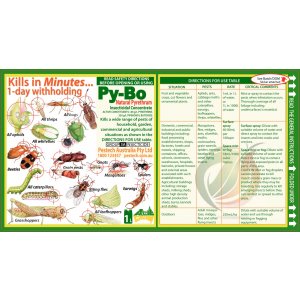
Cultural and biological control and oil sprays. Organic pyrethrum sprays like Pyganic ( Pybo is no longer organically certified).
If infestations are resulting in honeydew, treat the crawlers. In interior valleys, delay treatment until hatching is complete and crawlers have left protection of the old female body. Once crawlers have completely emerged, a treatment can effectively be made in summer, fall or winter provided the scales have not developed into the rubber stage (later second instar, which are dark, mottled grey, and leathery, with a clear H-shaped ridge on the back).
Due to the chemical nature of the treatments, Please check with your agricultural chemical supplier as to the suitability, application and safety precautions of your chosen scale treatment for olives. Some growers have used Summer or Petroleum Oil and Supracide. Californian olive growers use Oil Emulsions, Diazinon 50WP, Methidathion and Carbaryl. The use of chemicals reduces the microbial population in your soil and can inhibit the uptake of certain nutrients to your trees. Harmful residues of chemicals can also build up in your soil structure.
A new product Admiral has become available which acts as an insect growth regulator rather than a kill-on-contact pesticide, it has been quite effective and like any treatment of scale; timing is essential. Ants can be controlled with an Ant Bait suitable for Horticultural use. We suggest Distance Plus Ant Bait.
“Olives – Pest Management Guidelines” (UCPMG Publication 8, 1994). These guidelines cover the major olive problems found in Australia and California and are available for free from their website http://www.ipm.ucdavis.edu/PMG/selectnewpest.olives.html . (The information comes from California so all references to places, seasons, months and treatments are Californian). If you have any questions, please contact The Olive Centre, PH: 07 4696 9845, Email: sales@theolivecentre.com.au
PEST & DISEASES - OLIVE GROWING
The Olive Lace Bug (Froggattia olivina) is an Australian native sap-sucking insect posing a significant threat to olive groves. It specifically targets olive trees (Olea europaea), potentially reducing yields and causing tree death if left unmanaged. Olive lace bug infestation is considered a serious threat to the olive industry in Queensland, New South Wales, Victoria and across Australia.
Olive Lace Bug (Froggattia olivina) infestation on the underside of an olive leaf, showing multiple life stages
nymphs, adults, and characteristic black excrement spots.
Adults: Approximately 2-3 mm long, adults are flat, mottled dark brown and cream, featuring large, black-tipped antennae, lace-like transparent wings marked with dark patterns, and red eyes.
Juveniles (Nymphs): Undergo five moults (instars). Early instars are wingless and vary from light cream or greenish-yellow to pinkish-orange. Later instars are green to greyish-black and very spiky, with wing buds developing.
Later-stage nymphs & transition to adults
Nymphs (early instars)
Adult Olive Lace Bug
Female Olive Lace Bugs insert eggs into the tissue on the undersides of leaves, usually along the midribs. Eggs hatch into nymphs, which pass through five moults before reaching adulthood. Olive Lace Bug overwinters as eggs, with hatching typically occurring in early spring (September to October). Adults may also overwinter in protected locations on trees. Depending on climate conditions, there may be one to four generations per year, with a lifecycle ranging from 12-23 days in warm weather to up to 7 weeks in cooler conditions.
Originally native to New South Wales and southern Queensland, olive lace bugs have spread throughout Australia, excluding the Northern Territory. The movement of olive plants and industry activities has facilitated this spread. Juvenile bugs, relatively immobile, cluster on leaf undersides and are easily spread through planting materials, workers, and tools. Adults disperse via short flights or wind
|
Advanced feeding damage, chlorotic mottling, and leaf discolouration |
Severe lace bug damage, chlorosis with necrotic spotting |
Advanced feeding damage, chlorotic mottling and leaf discolouration |
|
|
|
|
Heavy infestations significantly affect tree vigour, delaying flowering and fruiting, reducing yields for up to two seasons, and potentially causing young tree death. Mature trees can also be severely affected, with death observed in extreme cases.
Known hosts include native mock olive (Notelaea longifolia) and cultivated olives (Olea europaea).
By proactively managing olive lace bug, you safeguard the health and productivity of your olive groves, ensuring sustained profitability.
Olive trees are well adapted to hot and dry Mediterranean climates, but even they can suffer from sunburn (also called sunscald) when exposed to intense sunlight, heat stress, or when bark that was previously shaded becomes suddenly exposed. In mature or neglected/abandoned groves - especially those with heavy pruning or thin canopies - the risk can increase significantly.
Sunburn damage weakens trees, opens the way for pests and disease, slows growth, and in severe cases may lead to branch dieback or decline. It’s worth recognising early and managing before the damage becomes irreversible.
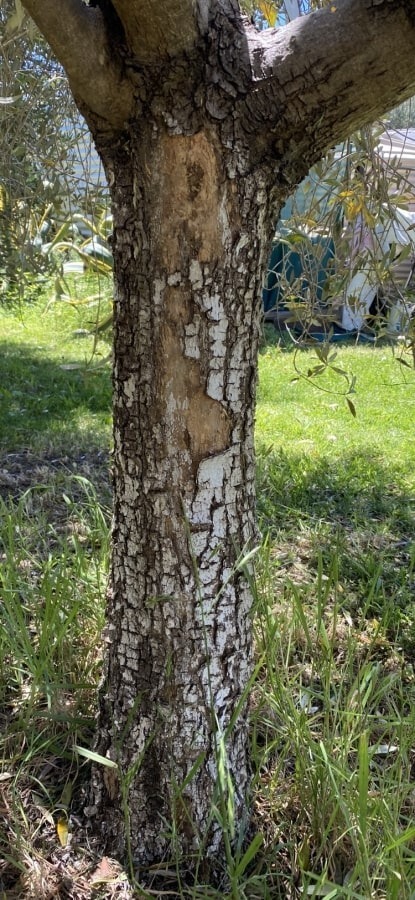
Sunburn Damage to Olive Tree Trunk -The image above shows classic symptoms: cracked, peeling bark and exposed wood.
Here are key symptoms to watch for:
One important effect is that sunburned bark is more vulnerable to pest and fungal invasion, such as wood-boring insects or opportunistic pathogens that exploit the compromised protective barrier.
Because olive trees often live many decades, even older trees can sustain recovery—provided the damage is not too extensive and you intervene early.
Here’s a set of strategies you can apply now or over seasons to protect your olive trees and help heal existing damage.
1. Maintain or restore shade to the trunk
Sunburn appears as pale, bleached bark patches on exposed trunk surfaces, cracks or peeling bark, and sometimes sunken or depressed bark areas. In advanced damage, bark may fall off, leaving wood exposed. Leaves near the margins of canopy may show browning or scorching, and fruit may drop prematurely under heat stress.
If you can, have a sample branch punched from just beyond the edge of the sunburn area so an arborist or consultant can evaluate whether live cambial tissue remains. Also, map out which exposures (north, west, etc.) in your grove tend to show sunburn more often—this helps plan protective shading or wrap strategies.
As you re-establish your grove’s health in other areas (soil fertility, drainage, pest and disease management, good pruning), protecting against sunburn becomes part of the maintenance process rather than a standalone issue.
Marcelo Berlanda’s “Pruning for Production” guide highlighted why olive pruning is vital to sustain yields. This article builds on that foundation, focusing on how to encourage the growth of productive fruiting wood in Australian olive groves.
Olive trees bear fruit on one-year-old shoots – the growth produced in the previous season. Ensuring a steady supply of these young, fruitful shoots each year is critical for consistent yields. Without renewal, canopies fill with aging wood that carries fewer leaves and buds, leading to lower productivity. Pruning is therefore geared toward a few fundamental objectives :
Understanding how and when olive fruiting buds form helps refine pruning practices. Unlike deciduous fruit trees, olives do not have a true winter dormancy – their buds remain in a state of quiescence and will grow when conditions permit. Flower buds initiate relatively late: studies have shown that olive buds begin differentiating into inflorescences about 2 months before bloom (around late winter/early spring in the local climate). This means the buds on this year’s spring flowering shoots were formed in the late summer or autumn of last year, on the previous year’s wood. Crucially, those buds needed sufficient resources and light while they were forming.
Several physiological factors influence fruitful bud development:
Takeaway: Productive fruiting wood arises from a balance – neither too vegetative nor too weak – and it needs sunlight. Pruning is the tool to create that balance by removing what’s unproductive and making space for fruitful shoots under the right environmental conditions.
Having set the physiological context, we now turn to pruning methods that encourage renewal of fruiting wood. The approach will vary with the age of the tree and the orchard system (traditional vs. high-density), but several general principles apply:
By applying these pruning techniques, growers encourage a continuous supply of young fruiting wood while avoiding the pitfalls of over-pruning. The result is a tree that renews itself gradually: always plenty of 1-year shoots ready for the next crop, and no big shocks to the tree’s system.
Olive orchards in Australia range from traditional low-density plantings to modern high-density (HD) and super-high-density (SHD) groves. The principles of fruiting wood renewal apply to all, but the methods and intensity of pruning are adjusted to each system’s needs :
In summary, the pruning strategy must fit the system: gentle but regular for intensive hedges, somewhat heavier but less frequent for large traditional trees, and always aimed at keeping enough young wood in the pipeline. Regardless of system, the fundamentals remain: capture sunlight, encourage new shoots, and remove what’s unproductive.
Pruning not only influences yields – it also plays a significant role in Integrated Pest and Disease Management (IPDM). A well-pruned olive canopy is generally healthier and easier to protect. Here’s how encouraging productive wood ties in with pest and disease considerations:
In summary, a sound pruning regimen is a cornerstone of IPM in olives. It reduces pest and disease pressure naturally by altering the micro-environment and improving the efficacy of other controls. Always balance the need for opening the canopy with the tree’s productive capacity – a healthy medium density (not too sparse) is the target, so that you don’t invite sunscald or stress. With those caveats, pruning is one of the most cost-effective pest management tools a grower has.
Beyond pruning itself, several environmental and cultural factors influence how well an olive tree can produce new, fruitful wood. Understanding these helps growers create conditions that favour the continual renewal of fruiting shoots:
In summary, productive fruiting wood is not just about cutting branches – it’s the outcome of the whole orchard management system. Pruning is the mechanical stimulus, but water, nutrients, and overall tree stress levels determine how the tree responds. The best results come when pruning is synced with these factors: prune to shape the growth, irrigate and fertilise to support it (but not overdo it), and protect the tree from stresses that could derail the process. By doing so, growers in Australia can maintain olive canopies that are youthful, vigorous, and laden with fruitful shoots year after year.
Encouraging productive fruiting wood in olives is both an art and a science. The art lies in “reading” the tree – knowing which branches to remove and which to spare – while the science lies in understanding olive physiology and applying evidence-based practices. In this follow-up to Marcelo Berlanda’s pruning guide, we have underlined the key strategies:
Sources: This article integrates findings from peer-reviewed studies and reputable industry publications, including research by Gómez-del-Campo et al. on light and yield distribution, Tombesi and Connor on pruning and olive physiology, Rousseaux et al. on bud dormancy and flowering, and Australian olive industry resources (NSW DPI, AOA IPDM manual) on best practices. These sources reinforce the recommendations above and ensure advice is aligned with the latest understanding of olive tree management.
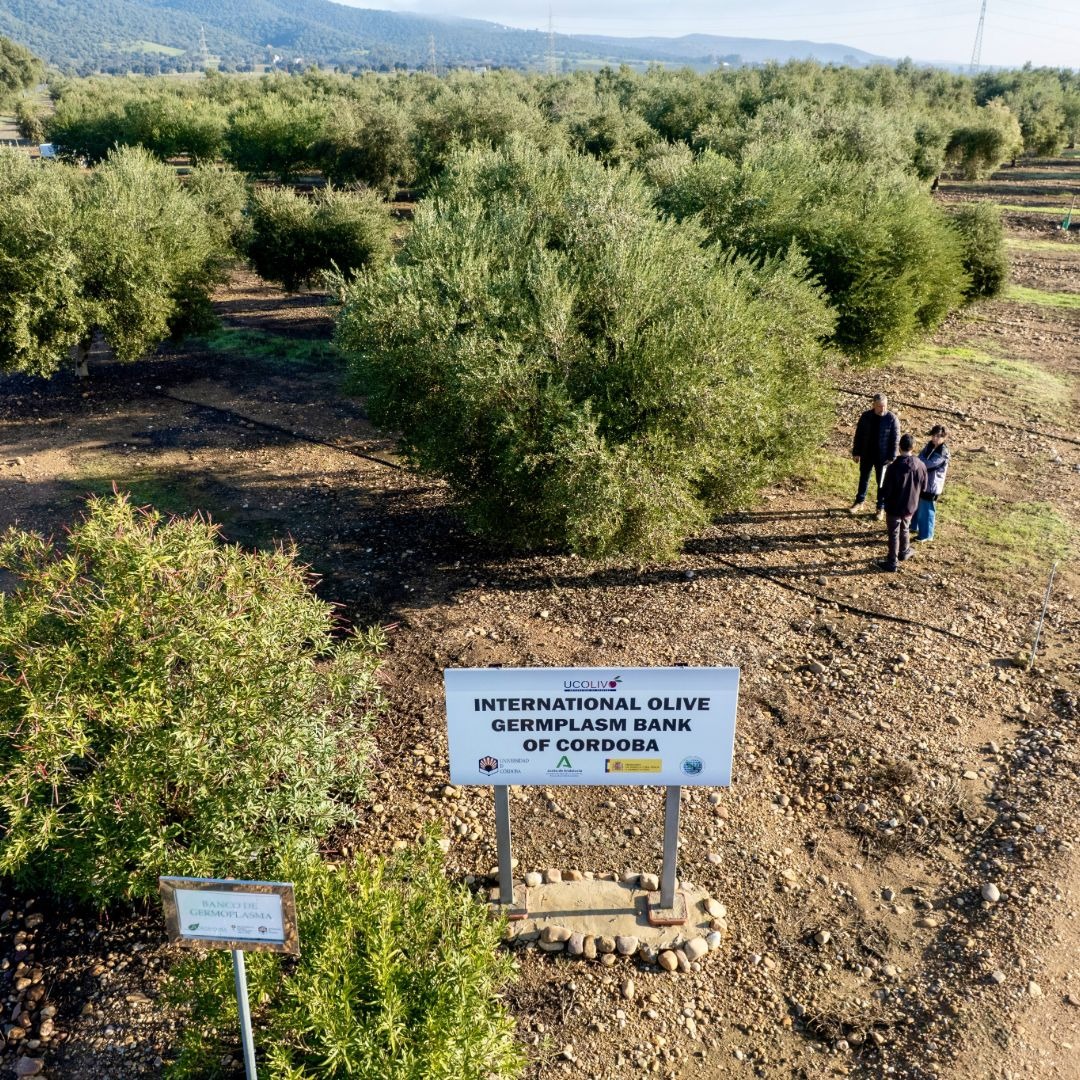
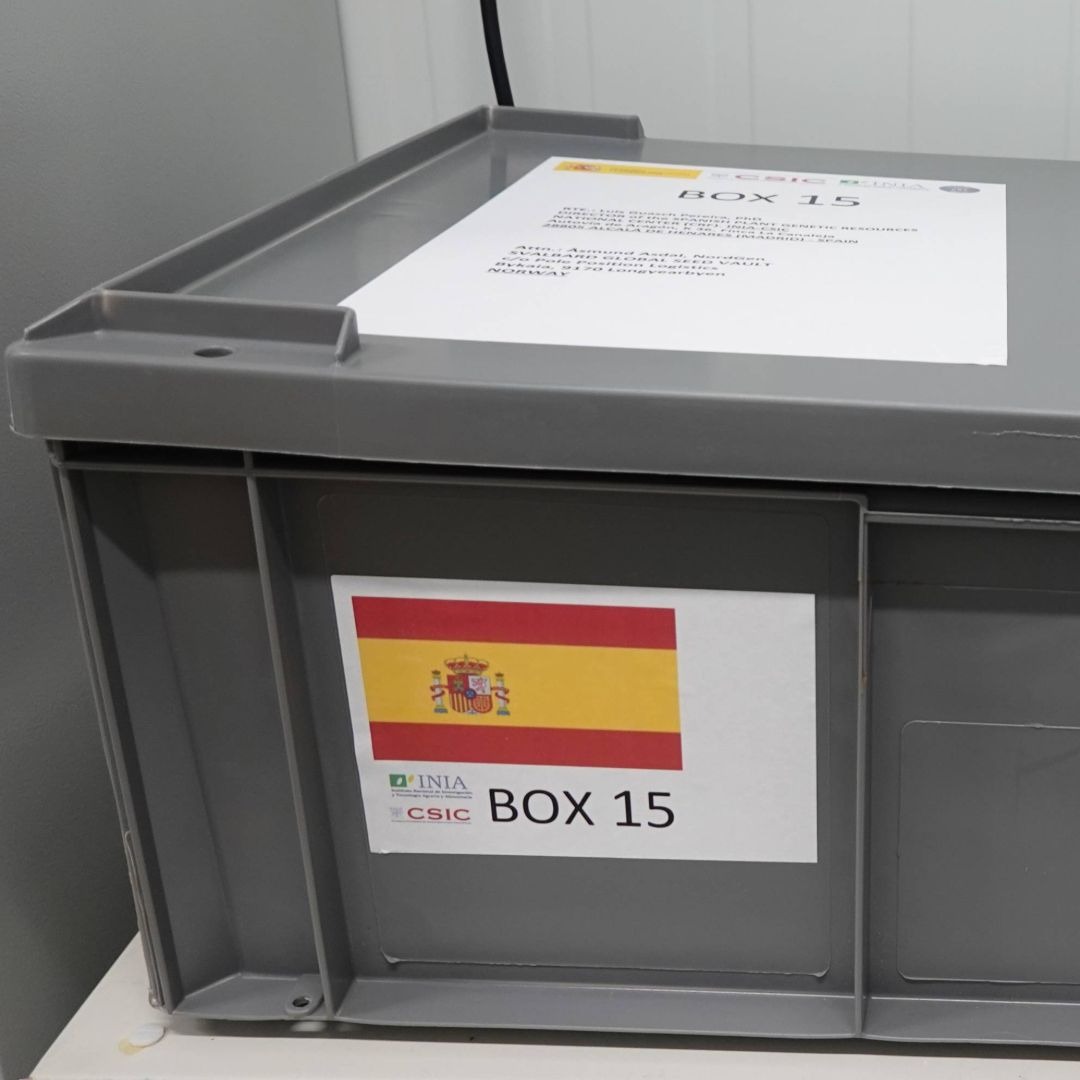
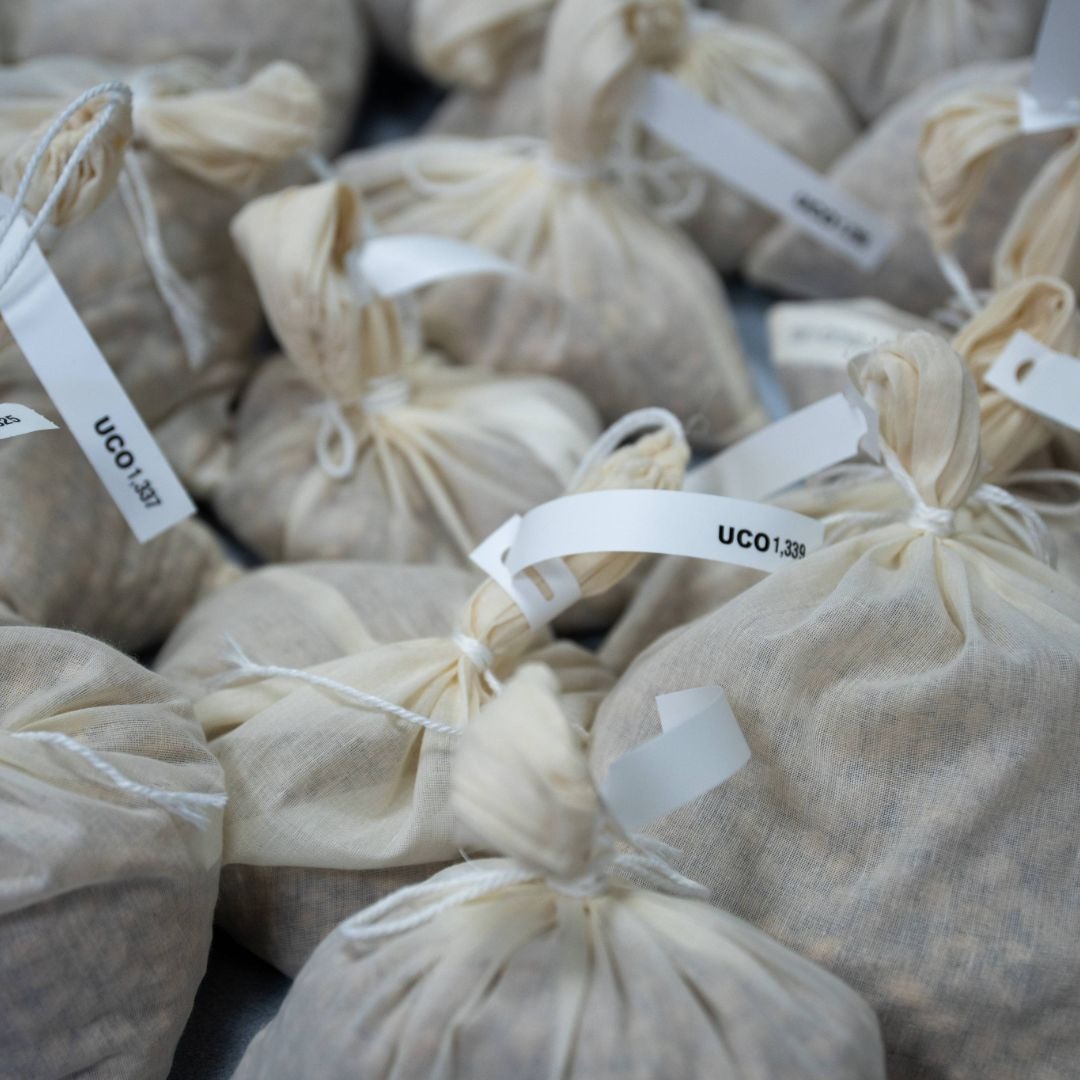
In a landmark moment for global agricultural preservation, olive seeds have been deposited for the first time in the Svalbard Global Seed Vault - the world’s most secure facility for safeguarding crop diversity.
Located deep within the Arctic permafrost of Norway’s Svalbard archipelago, the Seed Vault serves as a global backup system for the planet’s agricultural biodiversity. Often described as the “doomsday vault,” it protects seeds against the risks of climate change, natural disasters, conflict, and biodiversity loss.
Now, for the first time in history, olive seeds are part of that global legacy.
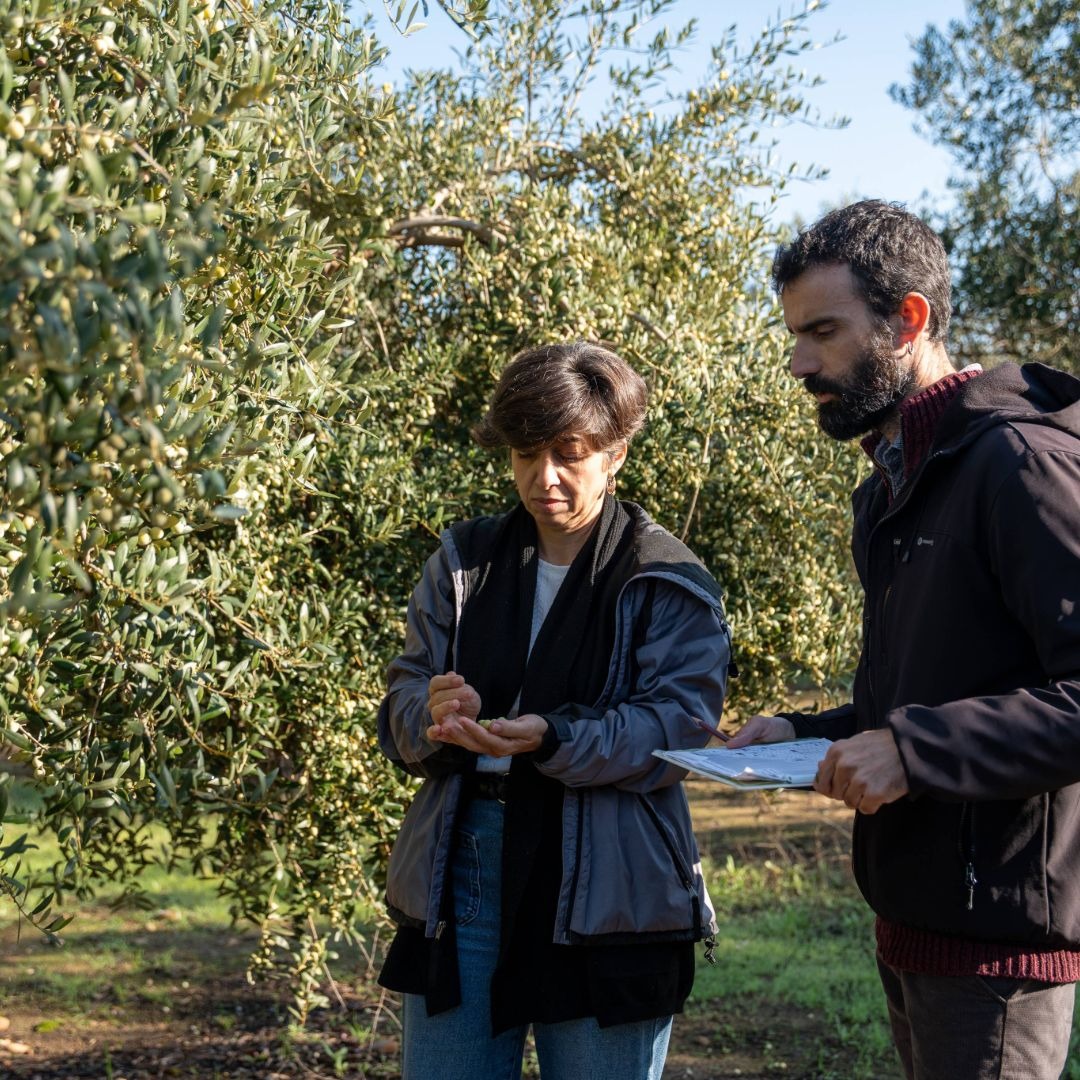
The deposit marks a significant step forward in protecting one of the world’s most iconic and culturally important crops. Olive trees have sustained civilizations for thousands of years, symbolising peace, resilience and nourishment. Preserving their genetic diversity ensures that this legacy continues for generations to come.
Jaime Lillo Lopez, Executive Director of the International Olive Council (IOC), highlighted the importance of the moment:
“The seeds we have deposited are the legacy of farmers who, throughout history, selected the most resistant trees - those that produced the best fruit or adapted to diverse soils, climates and diverse conditions. These seeds are a guarantee that future generations will continue to enjoy such an extraordinary product as olive oil.”
His words underscore what this deposit truly represents: not just seeds, but centuries of accumulated knowledge, adaptation, and agricultural selection.
This initiative was launched within the framework of the European H2020 GEN4OLIVE project, a research programme dedicated to unlocking and conserving olive genetic diversity. It was subsequently promoted by the IOC, the Food and Agriculture Organization of the United Nations (FAO), and Spain’s Ministry of Agriculture, Fisheries and Food.
The collaboration extended to leading academic and research institutions, including:
Organisations such as NordGen and the Crop Trust, along with representatives including Juan Antonio Polo Palomino, Abderraouf Laajimi, Álvaro Toledo, Dr. Kent Nnadozie, Concepción Muñoz Diez, Hristofor Miho and Pablo Morello Parra, also played key roles in bringing this milestone to fruition.
For olive growers and producers worldwide, this development carries profound implications.
Olive trees are uniquely adapted to marginal soils, water scarcity, and variable climates. However, increasing pressures from:
Traditional and wild olive varieties contain traits that may hold the key to:
The symbolic power of Mediterranean olive genetics being stored in Arctic ice is profound. It reflects the global importance of olives - no longer confined to traditional growing regions but increasingly cultivated across diverse climates worldwide.
As olive production expands into new regions, including areas facing climatic volatility, the value of preserved genetic material grows exponentially. The Svalbard deposit ensures that even in worst-case scenarios, the genetic foundation of the olive sector remains secure.
This initiative goes beyond seed banking.
It represents recognition that agricultural biodiversity is a shared global responsibility. Farmers, researchers, governments, and international organisations are united by a common understanding: safeguarding crop diversity is essential for future food systems.
The olive industry - deeply rooted in tradition - is demonstrating that it is equally committed to innovation, resilience and long-term stewardship.
For growers, processors, and industry stakeholders, this historic deposit sends a message: the olive sector is planning for the long term.
Preserving traditional and wild varieties ensures that future generations will continue to: