My Shopping Cart
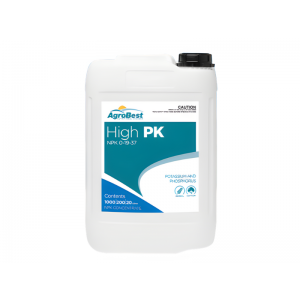
High PK is a concentrated liquid fertiliser formulated to supply high levels of phosphorus and potassium at periods of peak demand such as flowering and fruit set. Both nutrients are essential for high-yield production, where phosphorus provides energy for cell division and root development, while potassium supports carbohydrate production, translocation, and fruit quality. High PK is ideal for use when root uptake is limited due to cold, waterlogging, or rapid crop growth, ensuring sustained flowering and fruit development.
| Phosphorus (as Dibasic Phosphate) | 18 % w/v 26.5 % w/w |
| Potassium | 37 % w/v 27.1 % w/w |
| Characteristic | Value |
|---|---|
| Colour | Clear |
| Specific Gravity | 1.62 - 1.66 |
| pH | 8 - 9 |
| Sizes Available | 20 Litre, 200 Litre, 1000 Litre |
| Crop Type | Rate / ha | Dilution | Application Timing |
|---|---|---|---|
| Cotton | 4 - 6 L/ha | 1:20 | Apply at first flower and during boll fill to improve yield and fibre quality |
| Winter Crops | 3 - 5 L/ha | 1:20 | Apply after flowering or pre-flowering if crops are low in phosphorus or potassium |
| Summer Crops | 3 - 5 L/ha | 1:50 | Apply early to mid-season to correct deficiencies and support fruiting |
| Legumes | 3 - 5 L/ha | 1:50 | Apply early to mid-season for optimum pod fill and plant health |
| General Volume Rate | 1 L/50 L | - | Suitable for use in standard spray programs for foliar feeding |
| Container Type | Dimensions (mm) | Weight | Pallet / Load Details | Notes |
|---|---|---|---|---|
| 20 Litre Drum | 280 × 220 × 420 | 30 kg per drum | — | Used for smaller AgroBest product batches or specialty formulations. Compatible with standard freight and pallet shipments. |
| 200 Litre Drum (on Pallet) | Individual Drum: 590 × 590 × 920 Pallet Pack: 1200 × 1200 × 1050 |
260 kg total per pallet | 1–4 drums per pallet configuration | Ideal for bulk quantities of AgroBest crop nutrition or protection products. Provides safe, stable transport on standard pallets. |
| 1000 Litre IBC | 1200 × 1000 × 1160 | 1300 kg total | Forklift and pallet-jack compatible | Preferred for large-scale AgroBest liquid fertiliser, brine, or nutrient storage. Suitable for high-volume distribution. |
*All sizes and weights are approximate and may vary slightly depending on the specific AgroBest formulation and packaging batch.
High PK provides a rapid source of phosphorus and potassium in highly soluble forms for immediate plant uptake. It corrects early-season deficiencies, supports flowering and fruit set, and enhances carbohydrate movement within the plant. Its compatibility with a wide range of agricultural chemicals reduces spray frequency and improves operational efficiency, making it a cost-effective tool for managing high-yield production systems.
How does High PK improve flowering, fruit set, and crop productivity?
High PK works by providing plants with a readily available source of phosphorus and potassium at times of high demand. Its concentrated formulation ensures rapid nutrient uptake through the foliage, driving key energy and carbohydrate processes vital for reproductive growth. The main benefits include:
Consistent use of High PK during key growth stages ensures balanced nutrition, improved fruit development, and higher yield quality in a wide range of crops.
| File | Title | File Description | Type | Section |
|---|---|---|---|---|
| gg.pdf | High PK Fertiliser | High PK liquid fertiliser supplies fast-acting phosphorus and potassium for flowering, fruit set, and yield quality. Ideal for all crops. | Catalogue | Document |
URGENT FERTILISER SUPPLY UPDATE – MAP & DAP SHORTAGE
This summer cropping season is facing unprecedented challenges in fertiliser supply. Availability of MAP fertiliser (monoammonium phosphate) and DAP fertiliser (diammonium phosphate) is expected to remain extremely limited worldwide, with serious implications for growers planning their nutrient programs.
Since 2021, China has imposed strict quotas and inspection rules on phosphate fertiliser exports to protect domestic prices and safeguard food security.
The impact has been dramatic:
Although Morocco, Russia, the USA, and Saudi Arabia also produce MAP and DAP, they cannot offset the sharp drop in Chinese exports.
The result is:
For olive growers and other professional producers, the impacts are already being felt:
Do not wait for traditional ordering windows. Place orders immediately and consider forward contracting for next season. Securing current pricing now helps protect your operation against higher costs and potential shortages later.

AgroBest is an Australian manufacturer with a wide range of crop protection and liquid fertiliser products to help keep your olive trees healthy and productive. This guide gives you a practical overview of the AgroBest range available through The Olive Centre and how they can fit into your nutritional grove program across the season. We’ll walk through foliar feeds, soil conditioners, pest and disease support products, spray adjuvants and biostimulants, explaining when to use, and how to help with common olive problems. Whether you’re dealing with nutritional needs or tired trees that just aren’t performing, this guide is designed to help you quickly match the right AgroBest product to the needs of your grove. A soil and leaf analysis are recommended to narrow down the correct product(s).
Foliar nutrition is critical for addressing immediate nutrient needs and boosting olive tree productivity. AgroBest offers several NPK foliar fertilisers and trace element sprays designed for quick uptake through leaves. These products provide balanced macronutrients (nitrogen, phosphorus, potassium) often enhanced with micronutrients or biostimulants to improve efficacy.


Healthy soil is the foundation of productive olive groves. AgroBest offers products that improve soil fertility, structure, and microbiology - ensuring roots have access to nutrients and water. These soil conditioners and granular/liquid fertilisers are applied to the soil (via drench, fertigation, or banding) rather than sprayed on foliage.
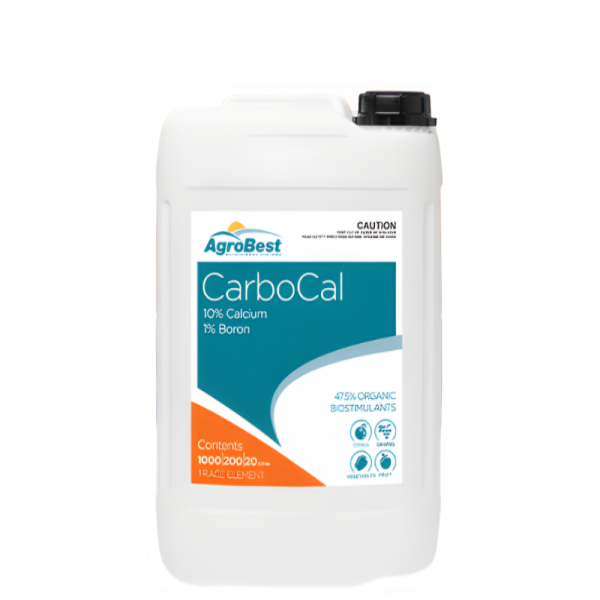
Using these soil-oriented products, olive growers can address issues like poor soil fertility, low organic matter, or imbalanced nutrients in the root zone. For instance, if an olive grove is suffering from nutrient lock-up or weak root growth, a combination of humic-enriched Kickstart and organic GroMate can rebuild soil life. If soil calcium or pH is an issue, products like CarboCal can supply calcium in a plant-accessible form that strengthens soil and trees alike. Healthier soil translates to stronger, more resilient olive trees with better uptake of nutrients and water.
While AgroBest’s focus is on nutrition, some of its products also play a role in crop protection - either by directly deterring stresses or by strengthening the plant against pests and diseases. Olive growers face challenges such as black scale insects, fungal diseases like peacock spot and anthracnose, as well as environmental stresses (frost, heat) that can predispose trees to problems. AgroBest products can be part of an integrated strategy to tackle these issues.
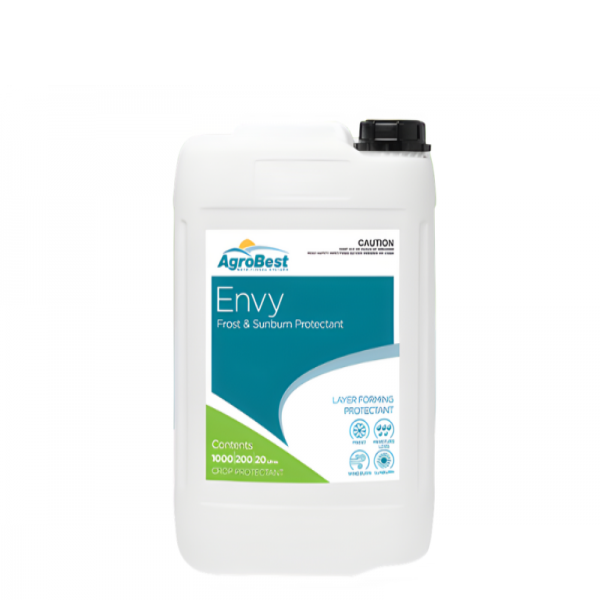
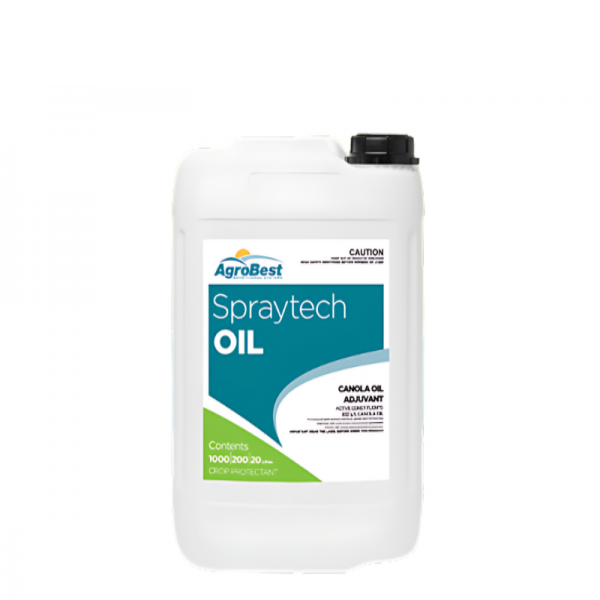
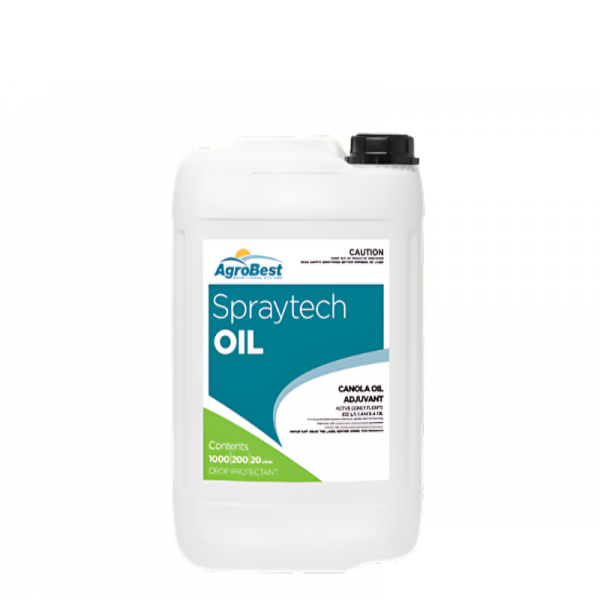
It’s important to note that AgroBest does not produce synthetic pesticides or fungicides - instead, their offerings focus on prevention and plant strength. For active infestations like a severe black scale attack or an anthracnose epidemic, growers would still use specific registered pesticides (e.g. a petroleum spray or an IGR for scale, or a copper fungicide for anthracnose/fungal issue). However, integrating AgroBest products could mean fewer such interventions are needed. By using nutritionals and protectants like Envy and Spraytech Oil proactively, olive growers can reduce stress and pest pressure on their groves. This integrated approach leads to a more sustainable pest and disease management, leveraging plant health to fight off challenges naturally. Always test product compatibility before mixing.
Adjuvants are “helper” products that improve the performance of agrochemical sprays - ensuring that nutrients or pesticides stick as intended. AgroBest’s adjuvants are especially valuable in olive production, where the undersides of leaves and the waxy surfaces of olive foliage can make spray coverage difficult. Using the right adjuvant means more of your spray actually reaches the target and stays there, rather than bouncing off or drifting away. Two key adjuvant products in the AgroBest range are:
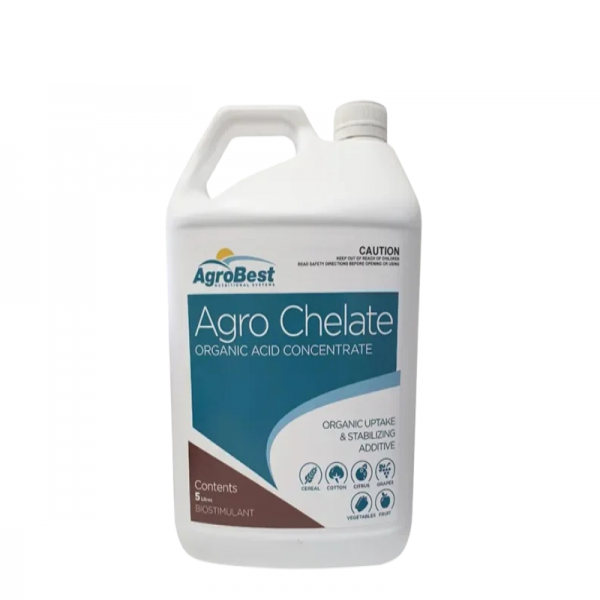
AgroBest AgroChelate - An organic acid concentrate used as a water conditioner, compatibility agent, and nutrient uptake enhancer. Agro “Chelate” is essentially a blend of organic acids and amino acids. When added to a spray tank or fertigation system, it acidifies the solution slightly (bringing pH to a plant-friendly level), chelates micronutrients (preventing them from reacting with other chemicals or getting locked up), and improves the mixing of otherwise incompatible inputs. For example, olive growers often want to tank-mix calcium with phosphorus fertilisers or combine multiple trace elements - this can cause precipitation or antagonism. AgroBest’s Chelate product helps keep such mixes stable and ensures the nutrients remain in a form the plant can absorb. It also acts as a mild biostimulant due to its amino acid content, so foliar feeds with AgroChelate might show improved uptake into leaves. In summary, Agro Chelate is used as an adjuvant to condition spray water (especially if it’s alkaline or hard), to prevent clogging and leaf burn, and to facilitate smooth absorption of nutrients through the leaf cuticle. It’s particularly useful in foliar trace element programs and fertigation systems. (Available in liquid form; e.g. 5L and 20L containers.)
Using adjuvants like these is highly recommended in olive spray programs. Olives have small, waxy leaves and a dense canopy; getting sprays to penetrate and stick can be challenging. By using Spraytech OIL, growers report more uniform coverage and better results from both pest control and foliar feeding efforts (the improved uptake means you might achieve desired results with lower application rates, saving cost). Similarly, with AgroBest’s chelating adjuvant, complex tank mixes become more stable - meaning you can, for instance, mix your zinc, boron, and magnesium foliar feeds with confidence that each will remain available to the tree. In sum, AgroBest adjuvants ensure you get the maximum benefit from every spray, an important consideration given the time and cost involved in spraying an olive grove.
Biostimulants are products that don’t fit the traditional “fertiliser” mould of simply providing N-P-K, but instead contain natural compounds (like seaweed extracts, humic acids, beneficial microbes, etc.) that enhance plant growth and resilience. AgroBest has embraced this technology by offering several biostimulant products that can give olive trees an extra edge - improving root growth, boosting stress tolerance, and increasing nutrient uptake efficiency. These are especially relevant to olives, which often face stresses like drought, high salinity, and poor soils.
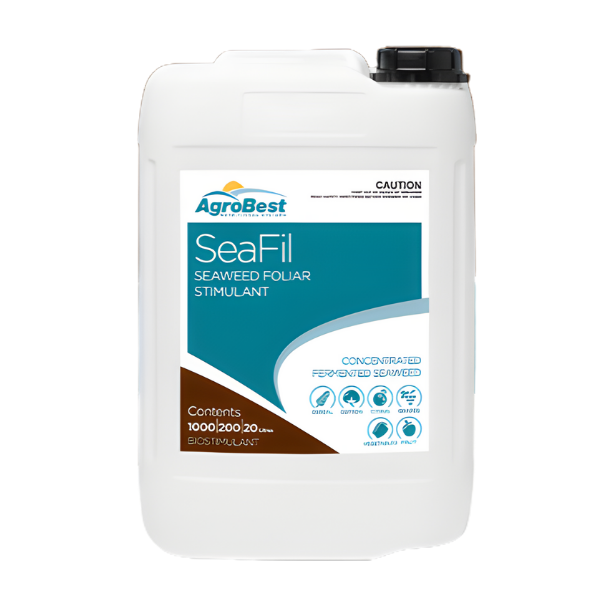
By integrating biostimulants into their regime, olive growers can tackle challenges like nutrient-poor soils, irregular bearing, or climate stress in a more natural way. For example, facing a scenario of “off-year” in an alternate-bearing olive grove, one might apply SeaFil or Fulfil to reinvigorate the trees and potentially improve the next bloom. In drought-prone areas or saline irrigation conditions, biostimulants help olive trees maintain growth and yield where they otherwise might suffer. These products do not replace standard NPK fertilisers but rather supplement the nutrition program by ensuring that the plant can make the most of nutrients and overcome growth hurdles. They are akin to vitamins and probiotics for your olive trees - not absolutely required, but when used properly, they often lead to healthier, more productive plants.
Product Sizes & Usage Note: Most AgroBest biostimulants are available in various sizes to suit different scales of operation - from 1-5 L bottles for small groves up to 200 L drums for large farms. They are generally applied at low concentrations (e.g. a few litres per hectare as a foliar spray). It’s important to follow recommended timing - many biostimulants show best results when applied at specific growth stages (like root flush, pre-flowering, or stress events).
In Australian agriculture, understanding the hidden nutrients in your soil and plants can make the difference between an average harvest and a thriving one. Leaf and soil analysis give farmers, agronomists, olive growers, and even hobby gardeners a scientific window into their crops’ health. By regularly testing both the soil and the leaves (foliage) of your olive trees or other plants, you gain precise data to fine-tune fertiliser use, correct deficiencies, and boost overall productivity. The result is healthier olive groves, higher yields of quality fruit, and more sustainable soil management - an investment that pays off in both the short and long term through improved crop performance and soil health.
In Summary, AgroBest’s range of products on The Olive Centre spans everything from core fertilisers to innovative biostimulants, all geared toward improving plant nutrition and resilience. By grouping products into foliar feeds, soil conditioners, protection aids, adjuvants, and biostimulants, we see that each category addresses different aspects of olive grove management:
Sources: The information in this article is from The Olive Centre’s product listings and knowledge base, including technical descriptions of AgroBest products and their recommended uses. Each product mentioned is available through The Olive Centre; for detailed application rates and guidelines, please refer to the specific product pages and labels. By reviewing these resources and field experiences, we’ve provided an integrated overview to help you make informed decisions about which AgroBest products can best address the needs of your olive grove.

Introduction
Managing a professional olive production enterprise requires a holistic operational system that covers every aspect of grove management – from seasonal field practices to financial tracking and technology integration. This report outlines a comprehensive system designed for professional olive producers in Australia (with relevance internationally), detailing best-practice management structures, cost tracking methods, data monitoring and decision-support tools, forecasting techniques, and ready-to-use workflows and templates. By implementing a structured approach with clear planning, recordkeeping, and modern tech integration, olive growers can improve productivity, sustainability, and profitability. The following sections break down the components of this system with practical guidelines and examples.
Effective olive grove management is multi-faceted, involving year-round planning and execution of tasks. It is helpful to organise these tasks by season and category, ensuring nothing is overlooked throughout the year. Table 1 provides an overview of key seasonal activities in an Australian context (southern hemisphere), which can be adjusted for other regions (the timing of seasons will differ in the northern hemisphere ). Each activity should be supported by detailed record-keeping and adherence to best practices for orchard maintenance, irrigation, nutrition, pest control, pruning, and harvest.
Proactive seasonal planning is vital. By mapping out activities month-by-month, growers can ensure each critical task is done at the right time. Many producers use a yearly task calendar or planner to schedule operations. For example, the Australian Olive Association’s Yearly Orchard Planner outlines monthly tasks ranging from machinery servicing in the off-season to timely fertiliser applications and harvest prep. Such a planner ensures cross-over tasks (e.g. tractor maintenance benefiting both grove and other farm enterprises) are efficiently scheduled. It’s important to adjust the calendar to local climate patterns and whether the grove is in the southern or northern hemisphere. Regular planning meetings (e.g. before each season change) can help assign responsibilities and resources for upcoming tasks.
Accurate record keeping underpins all aspects of the operational system. Every activity – from spray applications to harvest yields – should be logged. This not only aids internal decision-making but also is often required for compliance (e.g. chemical use records) or quality assurance programs (such as the OliveCare® code of best practice ). Key records to maintain include:
General orchard maintenance activities ensure the grove’s long-term health and accessibility. These include ground cover management, upkeep of equipment, and maintaining the orchard environment:
Efficient water management is crucial for olive production, especially in Australia’s climate, where seasonal droughts are common. Olives are relatively drought-tolerant, but strategic irrigation greatly improves yield and oil quality in most Australian growing regions. Key components of irrigation management include:
Overall, irrigation in an olive operational system should be proactive and precision-focused. Given water scarcity concerns, Australian producers in particular benefit from these efficient practices – a fact evidenced by large groves like Boundary Bend investing heavily in irrigation technology research to “use less water but retain optimum productivity”. Well-managed irrigation not only saves water and energy, but also directly contributes to consistent yields and oil quality.
Proper fertilisation of olive trees ensures they have the nutrients needed for vegetative growth, fruiting, and recovering after harvest. The nutrition program should be based on soil and leaf analysis plus the grove’s yield goals. Key points include:
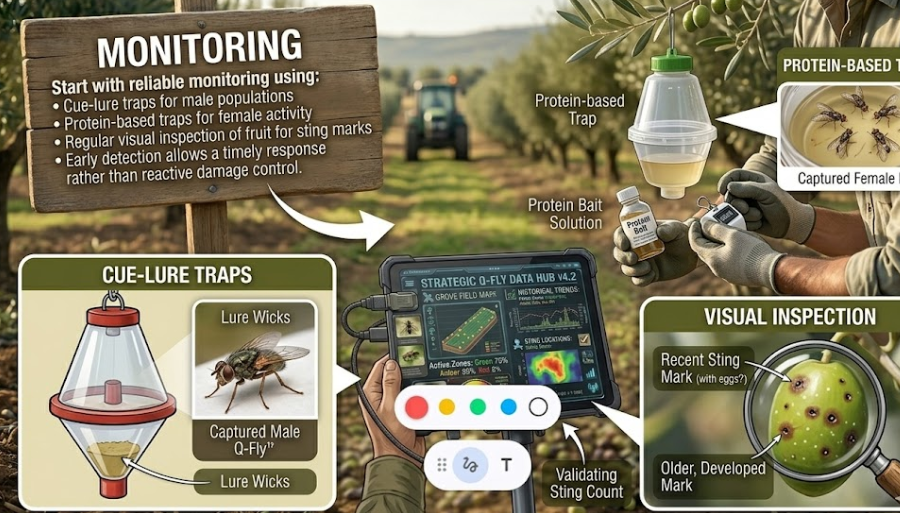
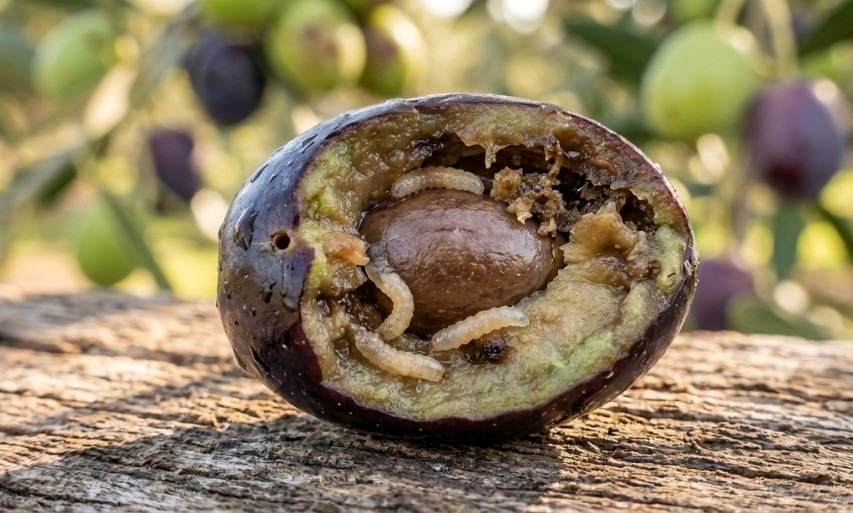
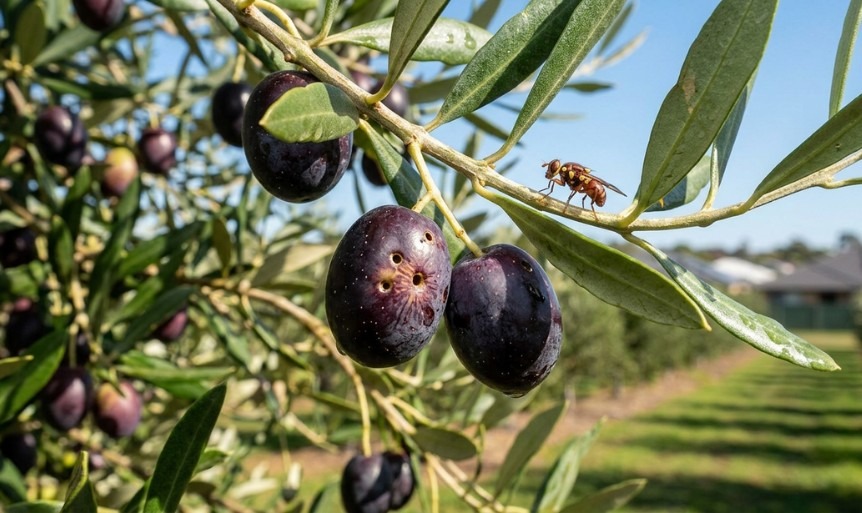
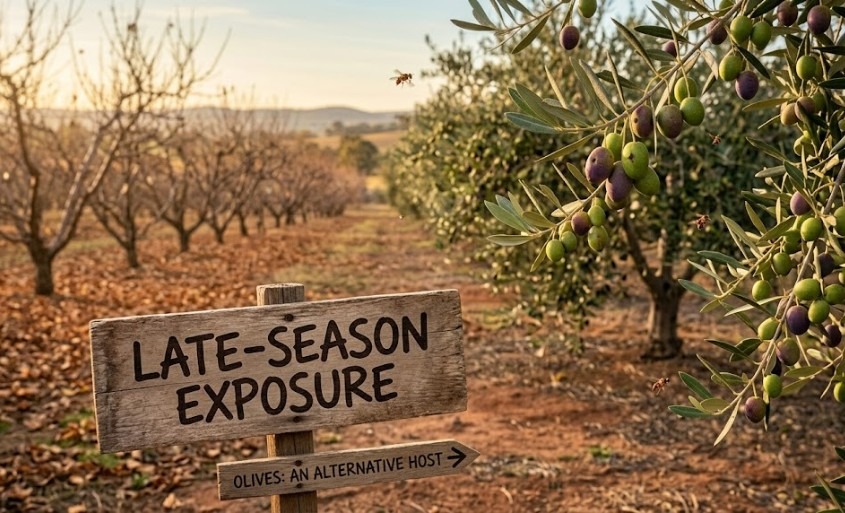
Pest and disease management in olives should follow an Integrated Pest and Disease Management (IPDM) approach. This means using a combination of monitoring, cultural practices, biological controls, and chemical controls when needed. Key elements for a professional group include:
Pruning is a cornerstone of olive grove management, directly influencing yield, tree health, and harvest efficiency. A well-structured pruning program in a professional system includes:
Harvest is the culmination of the season and requires careful logistical planning to execute efficiently and preserve fruit quality. A comprehensive operational system addresses harvest in several ways:
By detailing harvest logistics in the operational system, a grower ensures that this critical period is handled smoothly. It’s often said that in olives, “90% of the quality is influenced by what happens on the farm” – timely harvest and proper handling are a big part of that. Thus, the comprehensive plan treats harvest not as a rushed event but as a well-orchestrated project each year.
Understanding and controlling the cost of production is essential for a sustainable olive business. This part of the system involves setting up templates and tools to track all costs, from orchard inputs to labour and equipment, and calculating metrics like cost per hectare and cost per tonne of olives (or per litre of oil). A professional approach includes:
| Cost Category | Example Items | Cost (AUD/ha) | Share of Total (%) |
|---|---|---|---|
| Labour – Harvest | Picking crew wages or harvester contract, supervision, and fuel | $1,200 | 35% (highest single cost) |
| Irrigation | Water purchase, pumping energy (diesel/electric), irrigation maintenance parts | $600 | 18% |
| Fertilisation | Fertilisers (N, P, K), soil amendments, and application labour | $550 | 16% |
| Pruning | Labour or contract pruning, tool maintenance, brush mulching | $450 | 13% (varies by manual vs mechanical) |
| Pest & Disease Control | Pesticides, fungicides, traps, application labour (spraying) | $300 | 9% |
| Other Labour (non-harvest) | Irrigation management, mowing, and general supervision (portion of manager wages) | $200 | 6% |
| Machinery & Fuel | Tractor fuel, maintenance, depreciation (portion allocated) | $150 | 4% |
| Miscellaneous | Monitoring tech, insurance, admin, etc. | $100 | 3% |
| * Total (per hectare per year) | $3,550 | 100% | |
Table Note: The above breakdown is illustrative. Actual costs will differ by grove and system (e.g. superintensive groves might have higher harvest costs due to machinery leases but lower per-unit labour, etc.). The IOC study figures in the table (italicised) are from a traditional system example and show the relative importance of harvest, irrigation, and fertiliser inputs. Tracking your own costs allows you to refine these numbers for your operation.
Modern olive farming can greatly benefit from data-driven decision support, using sensors and information technology (the realm of IoT – Internet of Things and smart farming). Integrating such systems into daily operations turns raw data (weather, soil moisture, pest counts, etc.) into actionable insights. In this comprehensive system, the following integrations are recommended:
To run a sustainable olive operation, one must not only react to the present conditions but also anticipate the future. Forecasting tools help in predicting yields, planning resources and finances, and strategising for the long term. This section details how to incorporate forecasting into the operational system:
In the operational system, it’s wise to formalise yield forecasting. For instance, schedule a “yield forecast review” meeting mid-season (maybe 6–8 weeks post flowering) to discuss all available info (fruit set, tree health, etc.) and come to a forecast. Update it again just before harvest with more solid numbers (e.g. from sample picking an olive bin from a tree or small plot and weighing). Document these forecasts and later compare them to actual yield to improve your methods over time.
Forecasting is not only about yield – it’s equally about financials. A robust operational system will include:
By treating budgeting and financial forecasting as an integral part of the operational system (rather than an afterthought at tax time), professional growers ensure that agronomic decisions are grounded in financial reality. It also impresses stakeholders (banks, investors) when the business can show proactive financial planning.
Beyond the annual scale, a comprehensive system should guide strategic planning over the long term:
To translate all the above components into day-to-day action, the system should provide clear workflows and ready-to-use templates. These resources ensure consistency, save time, and serve as training tools for staff. Below are some of the key templates and checklists recommended, along with their purpose:
In the resources library of industry organisations, many of these templates are available. The Australian Olive Association, for instance, provides resources like the Yearly Orchard Planner, an IPDM manual, and other guides which include checklists and record sheets (often accessible to members). International bodies like the IOC or FAO have Good Agricultural Practices manuals that contain sample record forms. The key is to adopt and customise these to your farm’s needs, then consistently use them.
By having structured workflows and templates, the operation runs in a systematised way rather than relying on memory or ad hoc decisions. This reduces risk (e.g. missing a spray or forgetting to service something) and improves training – new staff can quickly learn the ropes by following established formats. Moreover, in the event a manager is away, the existence of clear checklists and templates means the team can continue to function with minimal disruption, since the “recipe” for tasks is documented.
To support the comprehensive system described, certain technologies and software tools are highly beneficial. Below, we provide recommendations for tools that are either commercially available or emanate from credible research institutions, ensuring they are reliable and suitable for professional use. These cover farm management platforms, specialised olive cultivation tools, and general agtech solutions:
In conclusion, a comprehensive operational system for professional olive producers weaves together agronomic best practices, detailed record-keeping, cost management, and technology integration and planning into one coherent framework. By implementing a structured management calendar, maintaining meticulous records of both activities and expenses, and leveraging modern sensors and software, growers can achieve a high level of control and insight into their operations. This system is designed to be holistic – covering the soil beneath the trees to the finances underpinning the enterprise – and adaptive, allowing for localisation (Australian conditions in this context, but with practices applicable globally) and continuous improvement as new knowledge or tools emerge.
Crucially, the system emphasises that planning and monitoring are as important as doing. Seasonal checklists and annual planners ensure proactive management rather than reactive firefighting. Cost templates and forecasting tools ensure that production is not just good in the grove but also economically sustainable. Meanwhile, data from IoT sensors and decision support models enable precision farming – applying the right intervention at the right time and place, which is both cost-effective and environmentally responsible.
Implementing this comprehensive system may require an initial investment in time (to set up templates, train staff) and capital (for technology or new equipment), but the returns are seen in higher yields, better quality, lower wastage of inputs, and improved ability to cope with challenges (be it a pest outbreak or a drought year). As demonstrated by progressive growers and supported by research, the integration of traditional olive cultivation wisdom with cutting-edge agtech forms the blueprint for the future of olive production.
By following the structured approach outlined in this report, professional olive producers in Australia – and those in similar olive-growing regions worldwide – can enhance the productivity and sustainability of their groves. They will be well-equipped to produce olive oil and table olives of the highest quality, with an operation that is efficient, resilient, and ready to capitalise on innovations and market opportunities. The ultimate goal of this system is to ensure that every aspect of the olive orchard, from bud to bottle, is managed with excellence and foresight – securing both the profitability of the enterprise and the legacy of the grove for years to come.
Sources: