My Account
Sign-in / Join

Sign-in

Hi My Account

Dashboard

Logout

Cart

My Shopping Cart

Subtotal
${{total.toFixed(2)}}
QUOTE
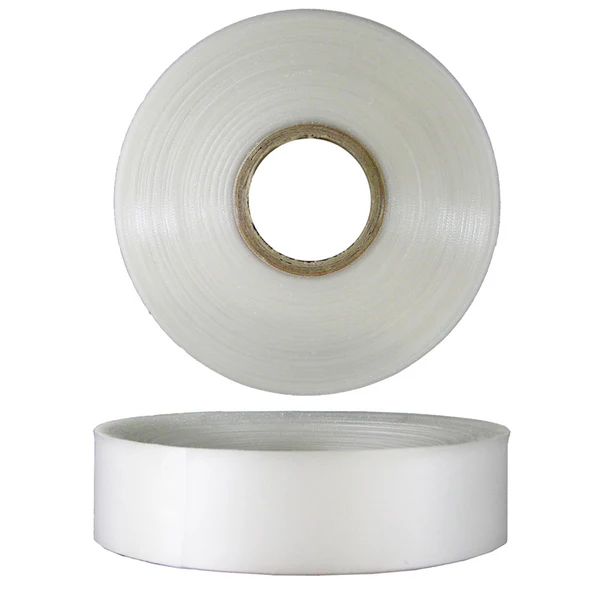
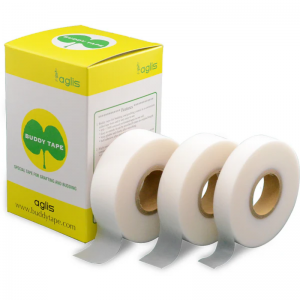
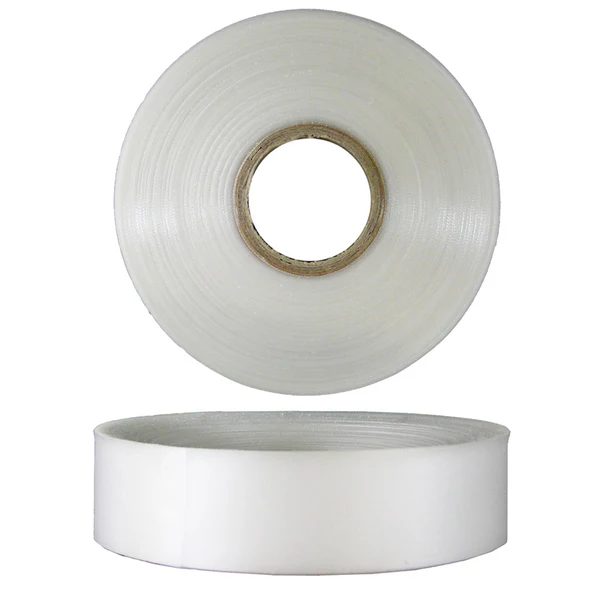
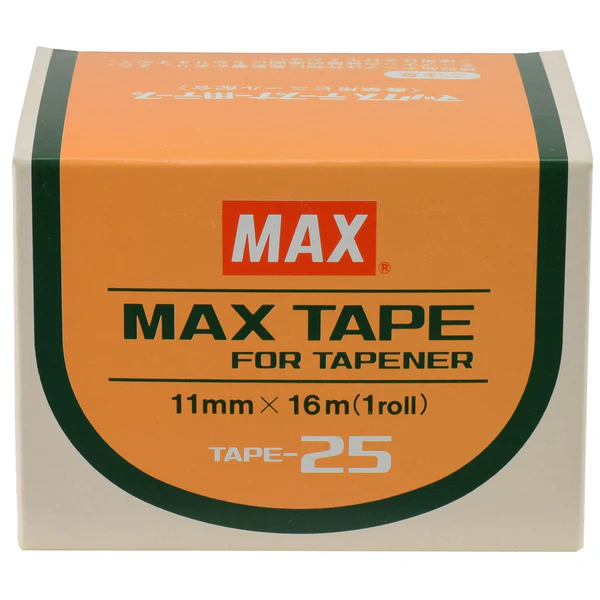
Embossed PVC Grafting & Budding Tape - 25mm x 50m

Delivery is not included and is calculated separately
 
Quantity

CAGDEGT
  • Description
  • Features
  • Enquiry
  • Specifications
  • Knowledge

Embossed PVC Grafting & Budding Tape - 25mm x 50m

Delivery is not included and is calculated separately based on location.

This professional-grade Embossed PVC Grafting Tape is specifically engineered for precision horticultural work. With a unique blend of high elasticity and excellent memory, it provides a superior seal for binding together grafts and buds, ensuring optimal contact and protection during the healing process.

High Elasticity & Precision Grip

The translucent PVC material allows for a clear view of the graft site while providing the necessary stretch to accommodate growth. The embossed finish enhances the tape's grip, making it easier to handle and apply securely around delicate plant tissues.

Professional Performance: Designed to provide a reliable barrier against moisture loss and infection, this 25mm wide tape is a staple for nurserymen and orchardists who require dependable performance during budding and grafting seasons.

Technical Specifications

Feature Details
Roll Length 50 Metres
Width 25 mm
Material Translucent PVC
Finish Embossed
Special Properties High Elasticity & Excellent Memory
Main Features
  • 25mm Wide: Provides ample coverage for various graft sizes.
  • 50m Roll: Generous length for high-volume nursery use.
  • Embossed PVC: Durable and flexible material specifically for horticultural use.
  • :
  • :
  • :
  • :

Optimised Irrigation in Olive Orchards – Dr. Giulia Marino

Optimised irrigation is critical for balancing olive tree water stress, yield and oil quality. This article outlines key principles of water management in olives, including evapotranspiration, crop coefficients and irrigation scheduling.
Please log in to view the entire article

Mechanical vs Hand Pruning in Traditional and SHD Olive Groves

Pruning is a critical practice in olive cultivation, directly influencing yield, tree health, and orchard longevity. Australian olive growers manage a range of grove systems, from traditional low-density plantings (typically 8 × 5 m spacing) to modern super high-density (SHD) hedgerow systems. Each system presents unique challenges and opportunities for pruning. Traditional groves often consist of large vase-shaped trees pruned by skilled ....
Please log in to view the entire article

The Essential Equipment Guide to Harvesting Olives

Harvesting is one of the most critical and labour-intensive stages in olive production, traditionally consuming up to 80% of orchard costs. Today, growers are turning to modern solutions that combine efficiency with fruit quality. From powerful mechanical trunk shakers and self-propelled buggies, to versatile electric and pneumatic harvesters, and essential tools like nets, rakes, and trailers.
Please log in to view the entire article

Understanding Fruit and Flower Drop in Fruit Trees: Causes and Remedies

OLIVE GROWING

Understanding Fruit and Flower Drop in Fruit Trees: Causes and Remedies

At the 5th International Conference on Sustainable Agriculture and Biosystems, researchers in Iran presented findings on why fruit and flower drop occurs in fruit trees and what growers can do to reduce losses. Drawing on their work, we explore the phenomenon of fruit and flower drop, the underlying causes, and practical remedies for orchard managers.    

The Role of Fruit Trees in Agriculture

Fruit trees contribute significantly to agricultural economies across the world. Their production supports farm income, provides employment for skilled horticulturists, and underpins industries ranging from fresh produce to processing and food manufacturing. Cultivation involves a complex mix of practices: careful irrigation management, balanced fertilisation, pruning, pest control, and the application of modern technologies. Beyond economics, fruit trees are valued for their nutritional contributions, supplying sugars, oils, proteins, vitamins, and essential minerals through both fresh consumption and processed goods.

The Phenomenon of Fruit and Flower Drop

Fruit and flower drop is a natural occurrence in many tree species. Its extent varies according to cultivar, climate, soil type, and orchard practices. In some cases, drop is beneficial, helping the tree regulate excessive fruit load through “natural thinning.” But when drop is excessive or occurs at the wrong stage, it becomes detrimental, reducing yields and profitability.

Researchers typically divide drop into three categories:

  1. Natural Drop: This type results from competition between a very high number of flowers. Up to 90% of flowers and fruitlets may be shed in some species, but the remaining fruit usually develop adequately. Growers sometimes assist by thinning to ensure the fruit that remain receive sufficient nutrition and reach high quality.
  2. Abnormal Drop: This type is more damaging because it affects flowers and fruits at various stages of development, including larger fruit, often reducing yields significantly.
  3. Extreme Temperature Drop: This occurs during periods of hot, dry weather (often around June in many regions). While widespread, it usually has limited impact on the final crop load.

Causes of Abnormal Drop

Environmental Factors

  • Extreme cold or heat events can damage blossoms or young fruit.
  • Strong winds, particularly dust-laden storms, may strip flowers and fruit from trees.
  • Heavy rainfall or hail can injure delicate blossoms.
  • Excessive direct sunlight can cause sunburn, leading to premature fruit drop.
Mechanical Factors
  • High-pressure pesticide or nutrient spraying can dislodge flowers.
  • Over-application or incorrect doses of sprays may also contribute to flower drop.
Physiological Factors
  • Poor pollination and failed fertilisation result in flowers dropping.
  • Over-competition for nutrients between flowers and developing fruit increases drop.
  • Nutrient deficiencies, especially nitrogen and zinc, play a role.
  • Irregular irrigation - including overwatering that suffocates roots - can trigger drop.
  • Shallow soils limit root systems, reducing nutrient uptake and increasing drop.
  • Weak or diseased leaves caused by pests, fungal infections, or poor tree health reduce a tree’s ability to support fruit.
  • Misuse of plant growth regulators or tank mix errors in spraying can disrupt flowering.
  • Infections of flowers or fruit by fungi or insects often lead to drop.
  • Natural ripening and senescence also account for some degree of fruit shedding.

The Science Behind Fruit and Flower Drop

The underlying mechanism of drop is closely linked to plant hormones. As fruits grow, the concentration of auxins (growth-promoting hormones) declines, while ethylene levels rise. This shift lowers the fruit detachment force (FDF), weakening the connection between fruit and tree. The abscission zone (the separation layer) becomes increasingly sensitive to ethylene, causing fruit drop. Environmental conditions such as temperature and humidity interact with these hormonal signals to intensify drop.

Remedies to Reduce Fruit and Flower Drop

Growers can apply several strategies to reduce drop and improve fruit set:

  • Fertilisation: Apply fertilisers well before flowering to build soil fertility. Nitrogen should be supplied before bloom, not after, to avoid negative effects.
  • Micronutrient Sprays: Foliar applications of calcium, zinc, and boron—adjusted for tree age and timing - can enhance pollination and fruit retention.
  • Pruning: Moderate winter pruning balances vegetative growth with fruit production.
  • Girdling: In some fruit tree industries (e.g., apples and pears), carefully removing a ring of bark from branches at flowering can improve fruit set.
  • Irrigation Management: Avoid excessive watering during bloom and fruit set to prevent root suffocation.
  • Growth Regulators: The use of auxin-based products, such as seaweed extracts (rich in auxins, cytokinins, and gibberellins), can delay fruit drop and extend the flowering period.
  • Pest and Disease Management: Prompt control of pests and fungal infections prevents cascading effects on fruit drop.
  • Pollination Support: For self-incompatible varieties, ensure compatible cultivars or introduce pollinators like bees and butterflies.
  • Windbreaks: Plant hedges or wind barriers to reduce wind damage and limit flower and fruit loss.

Practical Advice

While some degree of fruit and flower drop is unavoidable, excessive losses can usually be mitigated through careful orchard management. Attention to fertilisation, irrigation, pest control, and pollination provides the best defence against unnecessary drop.

Further Reading and References

Scientific Reference

Al-Dulaimy, A.F.Z., Alalaf, A.H., Al-Hayali, R.E.Y., & ALTaey, D.K.A. (2023). Flowers and Fruits Drop in Fruit Trees … Causes and Solutions: A review. Practical Advice

Presented at the 5th International Conference for Agricultural and Environment Sciences. IOP Conf. Ser.: Earth Environ. Sci. 1158 042010. Read Full Article

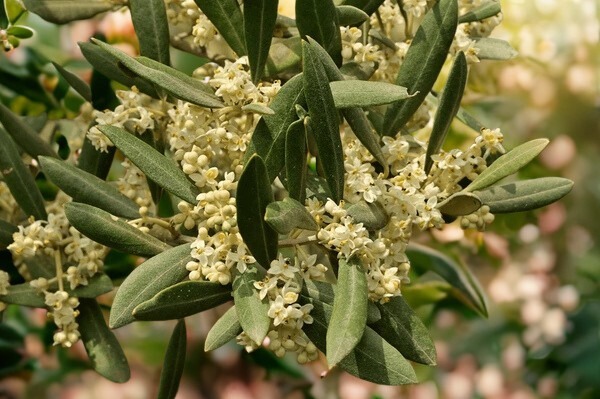
Photo credit: “Landscape view of the flowers of an olive tree (Olea europaea)” by Zsolyomi, available on Shutterstock (Asset ID: 2470400251). Licensed via Shutterstock Royalty-Free License.

Olive Grove Seasonal Planning Checklist

This Olive Orchard Yearly Planner provides a structured, seasonal framework to help growers schedule and prioritise irrigation, nutrition, pruning, pest management, machinery maintenance and harvest activities in a commercial olive grove.
Please log in to view the entire article

A New Olive Cultivar For Hedgerow Orchards

This poster presents research on a newly developed olive cultivar designed for hedgerow orchards, highlighting growth habit, pruning requirements, maturation timing, yield performance and oil quality traits.
Please log in to view the entire article

Opportunities for Australian EVOO Exports to India

India’s olive oil market is small but rapidly growing, with rising health awareness, premiumisation and tariff reductions under the Australia-India ECTA creating new opportunities for Australian extra virgin olive oil exporters.
Please log in to view the entire article

Orchard Spray Equipment: Set-Up And Calibration For Accurate Pesticide Application

Effective pest and disease management in olive orchards depends on more than simply selecting the correct pesticide. Accurate application is critical. Proper set-up and calibration of spray equipment ensures that chemicals are applied at the correct rate per hectare, in accordance with label requirements, while maximising spray efficacy and minimising waste.
Please log in to view the entire article

Seed Oils vs Extra Virgin Olive Oil: What the Science Says

An evidence-based comparison shows extra virgin olive oil is more stable, less processed and richer in beneficial compounds than most seed oils.
Please log in to view the entire article