My Shopping Cart
| Bulk Discounts Prices | |
| Quantity | Price |
| 1 | $92.48 |
Delivery is calculated separately based on freight and local handling.
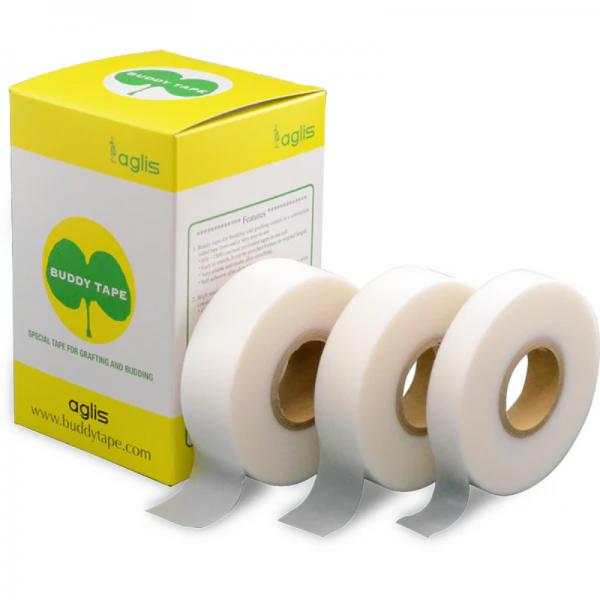
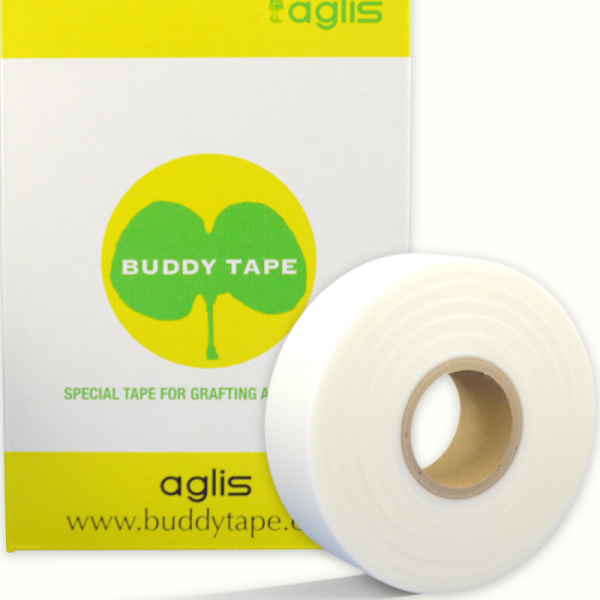
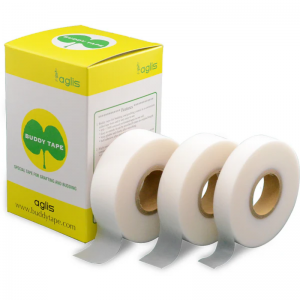
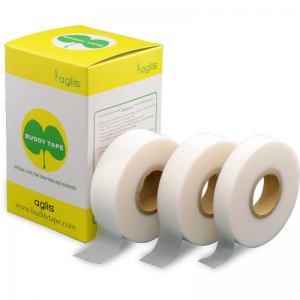
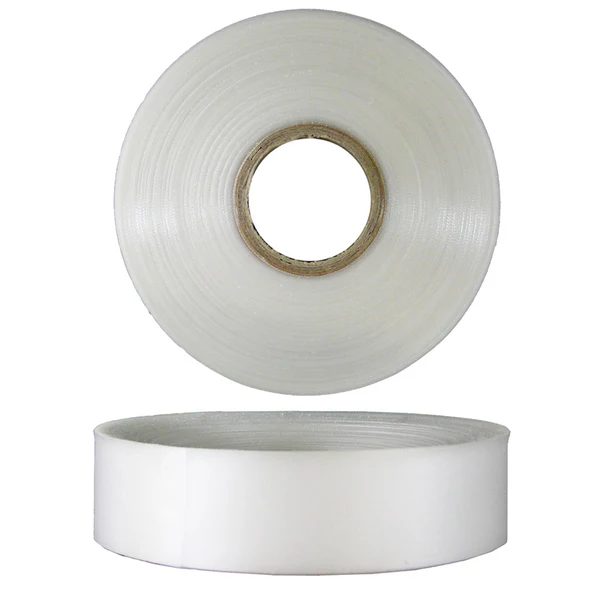
Elevate your propagation success with Buddy Tape, a world-renowned horticultural film specifically engineered for professional budding and grafting. This 25mm x 60m roll features 50mm perforations, allowing for quick, uniform applications without the need for cutting tools in the field.
Unlike standard tapes, Buddy Tape is infused with wax and possesses unique elastic properties. It can stretch up to 8x its original length, becoming self-adhesive during the process to ensure a secure, airtight seal. Its waterproof yet breathable structure protects the graft from dehydration while allowing essential gas exchange, significantly reducing the risk of rot or infection.
Self-Piercing Technology: Buddy Tape is designed to cover the bud completely. As the bud develops, it will naturally pierce through the film, eliminating the need for manual uncovering and ensuring continuous protection from pests and disease.
| Specification | Details |
|---|---|
| Brand | Buddy Tape (Aglis) |
| Roll Dimensions | 25mm x 60m |
| Perforation Length | 50 mm |
| Elasticity | Up to 800% (8x stretch) |
| Country of Origin | Made in Japan |
| Features | Biodegradable, Self-Adhesive, Waterproof |
INFORMATION SHEET - PESTS & DISEASES
During a summer long past, the casual inspection of a Kalamata tree in a home garden suggested a shortage of water at the roots of the tree. The shorter than normal distance between one set of buds and the next on the young twigs, showed that for some reason the tree growth had been slow.
The tree showed a poor fruit set which still pointed to a shortage of water, at least in the winter when the trees internal preparation for spring flowering was occurring. However, the owner of the tree insisted that it had received plenty of water throughout the year. Didn't this man understand how much water was enough, or was there another problem? A later inspection started to give some answers.
The tree had almost completely defoliated (lost its leaves) by winter, and in the spring, brand new healthy leaves were shooting vigorously. Why had an evergreen olive tree lost its leaves? Fortunately, there were still enough of the old leaves on the tree and on the ground to answer the question.
It was accurately concluded that the tree had been suffering from attacks by a problem commonly known as Olive Leaf Spot or Peacock Spot (Cycloconium oleaginum or Spilocea oleaginea). Fungal infection by Peacock Spot had caused the leaves to drop. A drastic reduction in leaves each year meant several months of reduced photosynthesis which resulted in poor twig growth and poor fruit set. So shortage of water was not the culprit.
Sooty blotches are first seen on the leaves in winter. These blotches develop into greenish-black circular spots that measure up to 6 mm in diameter. There may be a faint yellow halo around the spot. The lower branches and south side of the tree will be more susceptible than the upper sections. This is believed to be due to the fungal spores developing faster in shaded, wet and cool conditions as happens lower on the tree and on the south side away from the sun.
Infection is normally associated with high humidity (eg rainfall) and winter conditions (cool and low light). High temperatures restrict spore germination and growth, making the disease inactive during summer.
One or more large round spots will be seen on a leaf and the spots will sometimes merge into each other. Most of the infected leaves will fall prematurely by summer. The small number of diseased leaves that remain on the tree during summer will become crusty and whitish and with the cooling of the weather in autumn, a new crop of spores are produced and spread through the tree's foliage.
To control the disease, infected trees should be thoroughly sprayed with a copper containing fungicide in late autumn. (IMPORTANT: See "Treatment" below) If the problem is severe, then another application may be needed in early winter. This treatment will often eradicate the problem completely. Your agricultural chemical wholesaler will stock a suitable copper fungicide and application rates should be carried out according to the label's recommendation.
The following excerpt comes from "Olives - Pest Management Guidelines" (UCPMG Publication 8, 1994). These guidelines cover most possible olive problems found in Australia and California and are available free at http://www.ipm.ucdavis.edu/PMG/selectnewpest.olives.html if you would like a copy. (The information comes from California so all references to places, seasons, months and treatments are Californian).
Spilocea oleaginea
Sooty blotches on leaves develop into green black circular spots 0.1 to 0.5 inch (2.5 to 12.5 mm) in diameter. There may be a faint yellow halo around the spot. More lesions develop low in the tree. Leaves fall prematurely and twig death may occur due to defoliation.
The fungus survives on trees in old leaf lesions that have a white, crusty appearance. The margins of these lesions enlarge in fall (autumn) and a new crop of spores develops there. Infection is associated with rainfall and high moisture levels; most infections occur during the winter. High temperatures restrict spore germination and growth, thus the disease is inactive during the warm, dry summers in California.
Apply in late October (late April in Australia) before winter rains begin.
Please check with your agricultural department and agricultural chemical supplier of Copper as to the suitability to olives, method of application and safety precautions needed for copper-based fungal sprays. Californian olive growers use Copper sprays.
INFORMATION SHEET - THE OLIVE CENTRE
Girdling is a readily used practice in citrus and stone fruit orchards where it is typically used as a technique to increase fruit size.
Biennial bearing can be a serious problem in olive trees which can result in heavy crop losses to producers. Under non-irrigated conditions, yields can fall substantially or drop to zero making the production year uneconomical to harvest. Girdling may be a practice if done under the right conditions and timing could increase the production of an olive tree.
What does Girdling or cincturing involve?
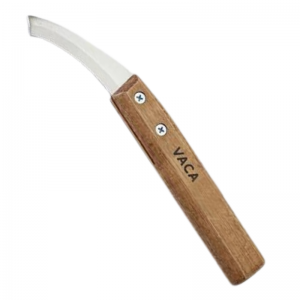
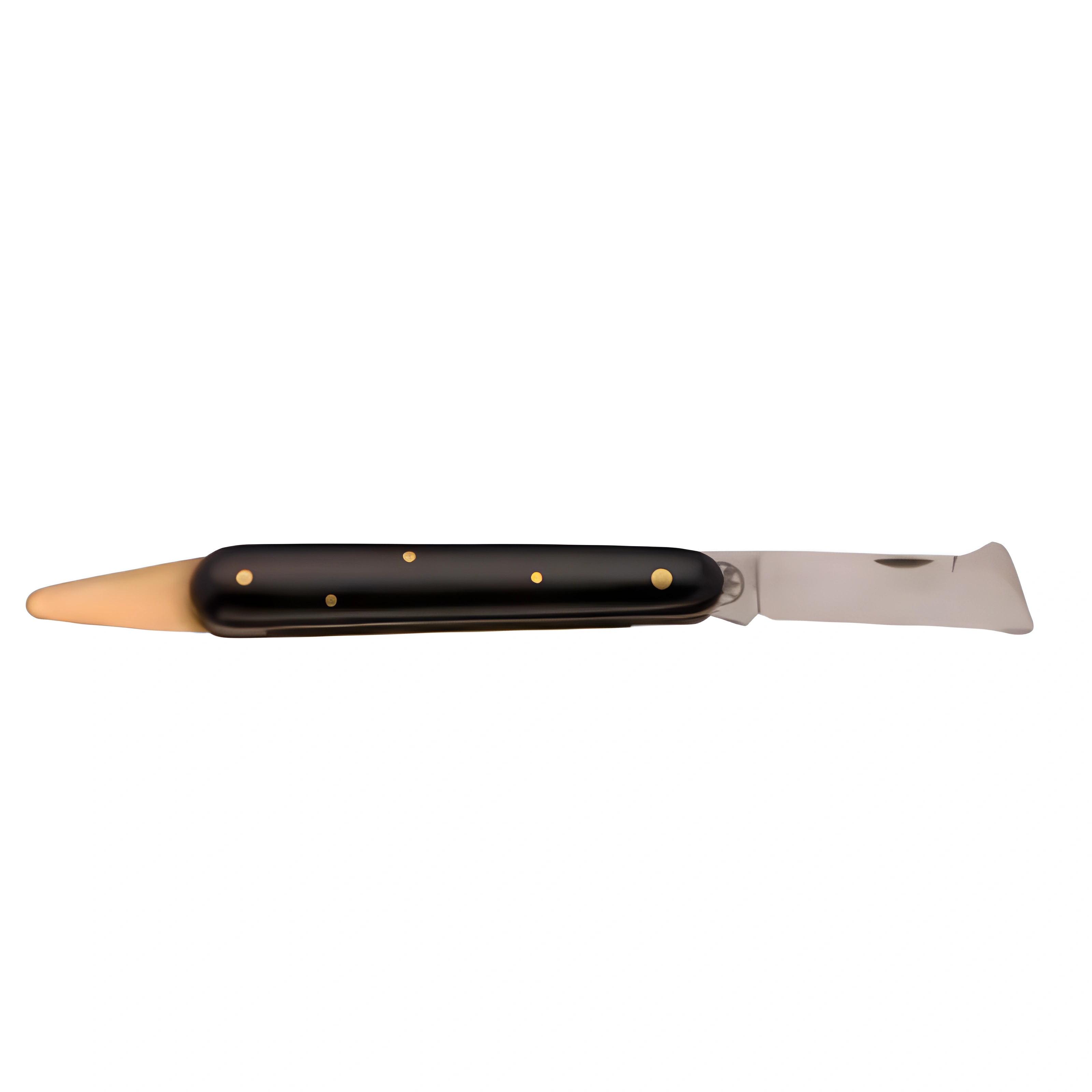
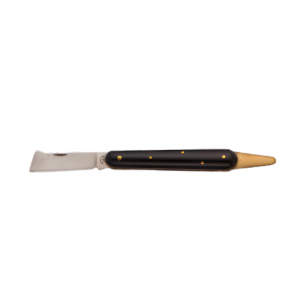
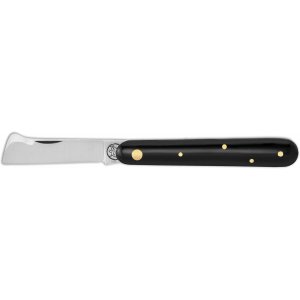
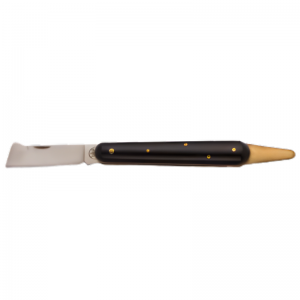
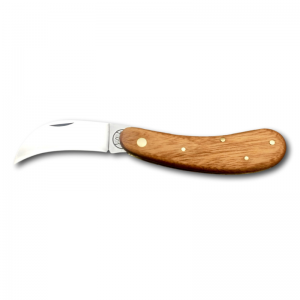
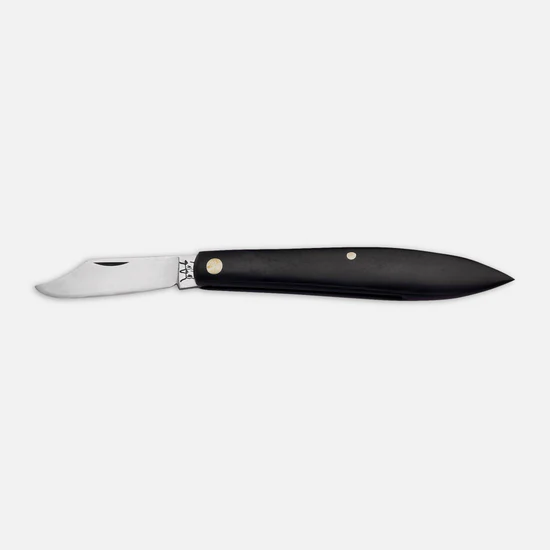
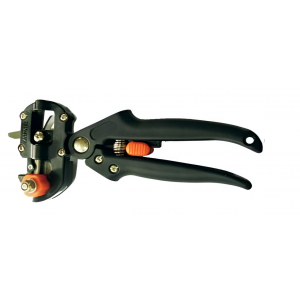
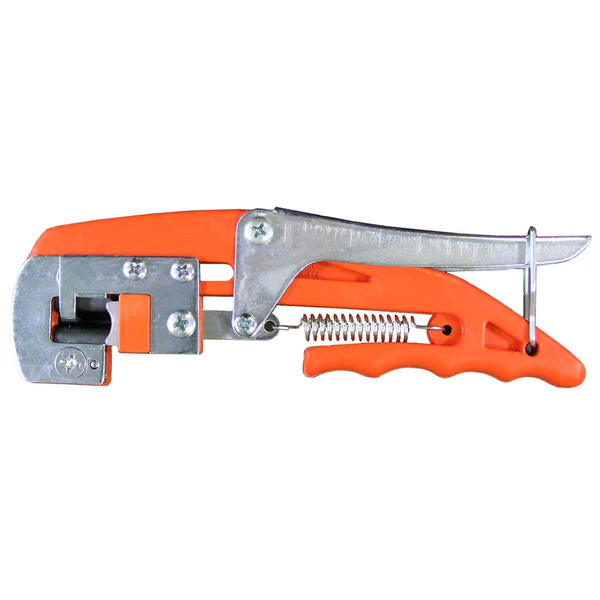
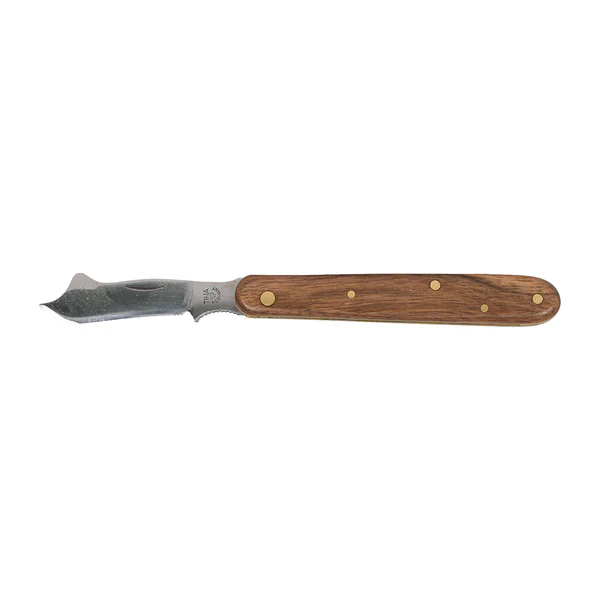
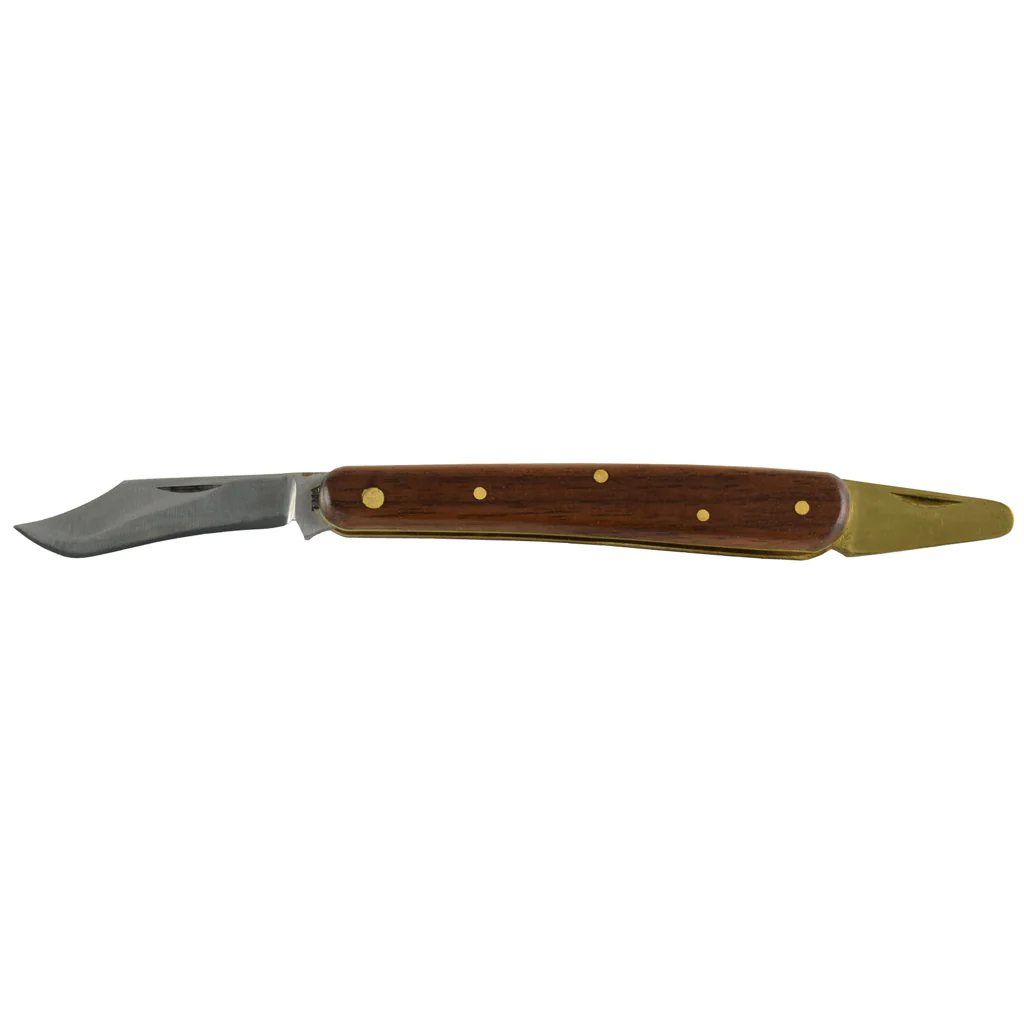
Girdling also known as cincturing which is a horticultural practice involving eliminating up to a 1.5cm strip of bark around the trunk to stop the translocation of photosynthates to the root system. A girdling knife or cincturing tool is used to cut the bark of the olive tree.
Researchers in Israel* found that 15mm scaffolds covered with CaCO3 mineral oil and wax or PVC cover were most effective in facilitating wound healing. PVC treatment was more rapid in wound healing. During the first prevailing year after girdling found a 40% in increase yield. Another study from Spain~ that looked into optimal widths and timing found that removing a 15mm band of bark 30 days before full bloom increased the fruit weight from 3.9g in the ungirdled trial to 4.7g.
Wounds with untreated scaffolds in the Israel study saw a drop in yield.
The width of the scaffold and healing duration as well as the time of year in which the girdling was carried out all had bearing on an increase or decrease in production. The Israel study found that girdling olive trees increased the yield in the season following treatment with later girdling causing an increase in fruit set only.
Several scaffolds were used in the studies from 30mm to 5mm where the 5mm girdles were reported to heal too quickly and had no effect on increased production.
It was also noted that trees that were about to produce a high yield did not respond to girdling and in some cases actually reduced the yield. Long-term studies need to be conducted to ascertain if alternate scaffold girdling should be considered.
The studies were interesting because there is potential that girdling practiced correctly in an olive grove may have a positive outcome for increased yield output however, the width of the girdle, healing timing, and time of year need to be taken into account when considering employing this technique in a commercial grove and can also have a positive effect on production in the alternate bearing years.
* STUDY
*S. Lavee, A Hadkal, Y Ben Tal
Department ofOiei and Viticulture, ARO, Volcani Center, Bet Dagan, Israel
ABSTRACT
The effect of scaffold girdling on the productivity of olive trees was studied on four cultivars grown under intensive irrigated conditions. Girdling increased the yield when done in midwinter (December-February) and to a lesser extent in April. A girdling width of 10-15 mm covered with PVC tape was most effective and promoted rapid healing. Uncovered girdling wounds healed very slowly, with a resultant decline of the scaffold. Girdling increased both inflorescence formation and fruit set. With cv Manzanillo young scaffolds were more responsive than old ones. The responses of different scaffolds on the same tree to girdling were independent of each other. The degree of response of a scaffold to girdling depended on the potential yield of the scaffold in the year of treatment. No direct prevailing effect of the girdling on of the following year's yield was noted.
Read the full study: Girdling olive trees, a partial solution to biennial bearing. I. Methods, timing and direct tree response: Journal of Horticultural Science: Vol 58, No 2
~ STUDY
López-Rivares, E. P. ; Suárez-García, M. P.
Escuela Universitaria de Ingeniería Técnica Agrícola, Seville, Spain.
ABSTRACT
Six-year-old multi-trunk olive trees (cv. Manzanilla) growing under controlled irrigation in an 'off' year were girdled at monthly intervals from 15 Dec. to 15 Apr., removing 10 mm-wide rings of bark. In a separate trial, trees of the same cultivar growing under similar conditions were girdled by removing a 5-, 10- or 15-mm-wide ring of bark in Apr., i.e. a month before full bloom. Ungirdled trees served as controls. Girdling date had no significant effect on either flowering or fruit set. Removing a 15-mm-band of bark at 30 days before full bloom increased individual fruit weight from 3.9 g in the ungirdled control to 4.7 g.
Read the full study: Olive tree girdling: optimum timing and widths.