My Account
Sign-in / Join

Sign-in

Hi My Account

Dashboard

Logout

Cart

My Shopping Cart

Subtotal
${{total.toFixed(2)}}
QUOTE

Automatic Olive Pitting Machine - 8 Blade

Delivery calculated separately
 
Quantity

MAGMPIT01-8blade
  • Description
  • Features
  • Enquiry
  • Specifications
  • Knowledge
  • Blog

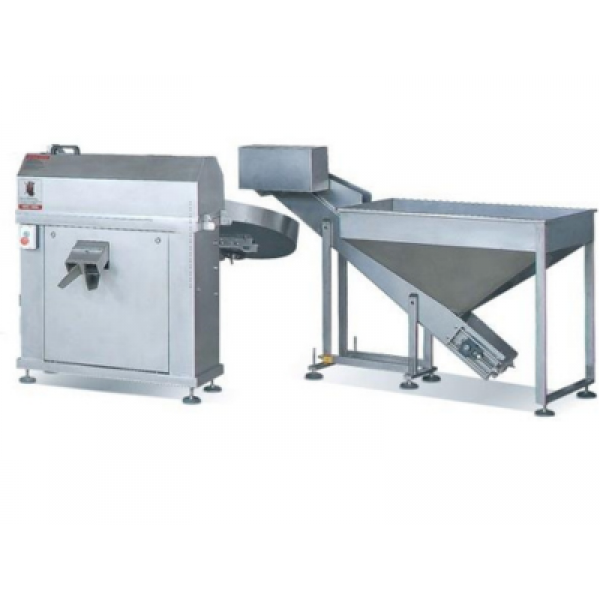
Automatic Olive Pitting Machine – 8 Blade

Delivery calculated separately depending on freight and installation requirements.

High-capacity olive pitting machine designed for precise, efficient removal of pits while preserving fruit quality.

The Automatic Olive Pitting Machine – 8 Blade is engineered for reliable and continuous olive processing. Designed to handle all olive varieties, this machine removes pits with precision while maintaining the structure and integrity of the fruit.

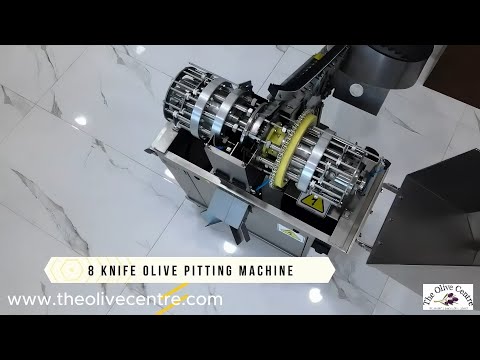
Equipped with 8 durable driller knives, the system delivers consistent results at high speed, processing up to 420 kg per hour. The combination of advanced feeding control and adjustable speed allows operators to fine-tune performance based on production needs.

Built using AISI 304 stainless steel and food-grade components, the machine ensures hygiene, durability and long-term operational reliability in demanding processing environments.

Main Features

  • High throughput up to 420 kg per hour
  • 8-blade drilling system for precise pit removal
  • Maintains olive quality and structure
  • Electronic speed control for flexible operation
  • Sensor-controlled feeding system
  • AISI 304 stainless steel construction
  • FDA-approved PVC conveyor belt
  • Central lubrication system reduces maintenance
  • Includes calibration disks for precise adjustment
  • IP65-rated electrical system for durability

Technical Specifications

Specification Details
Machine Type Automatic olive pitting machine
Blade System 8 driller knives
Capacity Up to 420 kg/h
Calibration Range 180–420 calibrated space
Motor Power 0.25–0.75 kW
Voltage 380V
Control System Electronic speed control
Feeding System Sensor-controlled band
Lubrication Central lubrication system
Construction AISI 304 stainless steel (CrNi)
Belt Material FDA-approved PVC
Calibration System 3 calibration disks included
Electrical Board IP65 rated enclosure
Dimensions 1000 (W) x 1250 (L) x 1260 (H) mm

Applications

  • Olive oil production preparation
  • Table olive processing
  • Food manufacturing facilities
  • Commercial olive processing plants

Performance and Operation

The machine uses a sensor-controlled feeding band to ensure consistent throughput and uniform processing. The electronic speed control allows operators to match processing speed with olive size and condition.

The central lubrication system minimises wear on moving components, reducing maintenance requirements and extending machine lifespan.

Construction and Hygiene

Built with AISI 304 stainless steel and equipped with a food-grade PVC belt, the machine meets food processing standards while allowing easy cleaning and long-term durability.

Frequently Asked Questions


Main Features

• High throughput up to 420 kg per hour

• 8-blade driller system for precise pit removal

• Maintains olive integrity and product quality

• Electronic speed control for flexible operation

• Sensor-controlled feeding band for consistent flow

• AISI 304 stainless steel construction for hygiene and durability

• FDA-approved PVC belt for food-safe processing

• Central lubrication system reduces wear and maintenance

• Includes calibration disks for precise adjustments

• IP65-rated electrical system for industrial reliability
  • :
  • :
  • :
  • :
  • :
  • :
  • :
  • :
  • :
  • :
  • :
  • :
  • :

Global Olive Oil Prices Soar to Record Highs in 2023 Amid Spain’s Severe Drought Crisis

The global olive oil market has entered unprecedented territory. In 2023, Spain’s severe drought has crippled the world’s largest producer, driving olive oil prices to record highs and reshaping global supply chains. As European consumers face steep costs, Australian producers are experiencing strong demand and record export returns. This article examines the climatic and economic forces behind this crisis.
Please log in to view the entire article

How to Value Olive Oil Processing Machinery and Farm Equipment In Australia

See our practical, Australian-focused guide explaining how to accurately value olive oil processing machinery and farm equipment using depreciation, market comparisons, insurance replacement value and return-on-investment methods.
Please log in to view the entire article

Opportunities for Australian EVOO Exports to India

India’s olive oil market is small but rapidly growing, with rising health awareness, premiumisation and tariff reductions under the Australia-India ECTA creating new opportunities for Australian extra virgin olive oil exporters.
Please log in to view the entire article

The Svalbard Global Seed Vault Receives Olive Seeds for the First Time

OLIVE GENETIC PRESERVATION

The Svalbard Global Seed Vault Receives Olive Seeds for the First Time


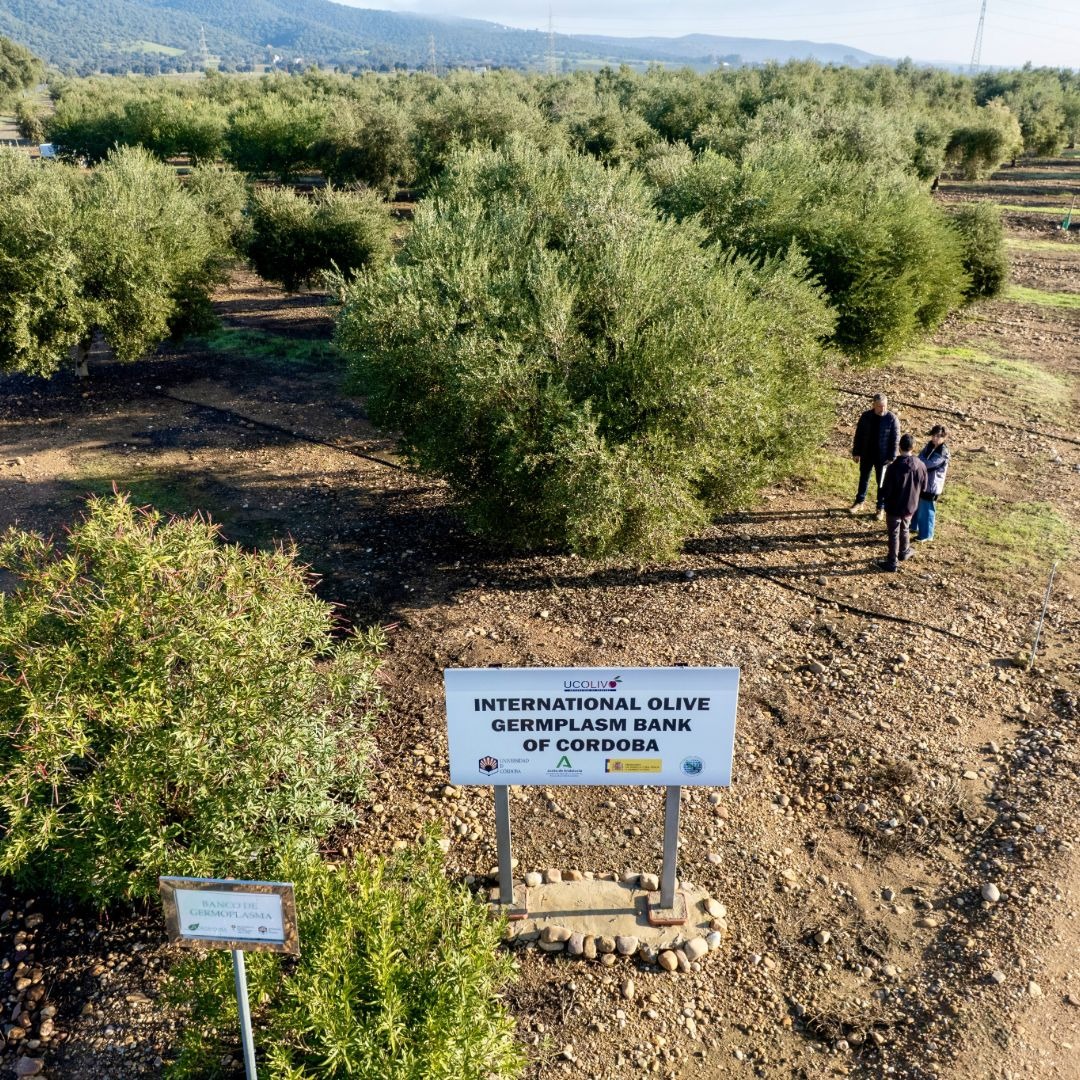
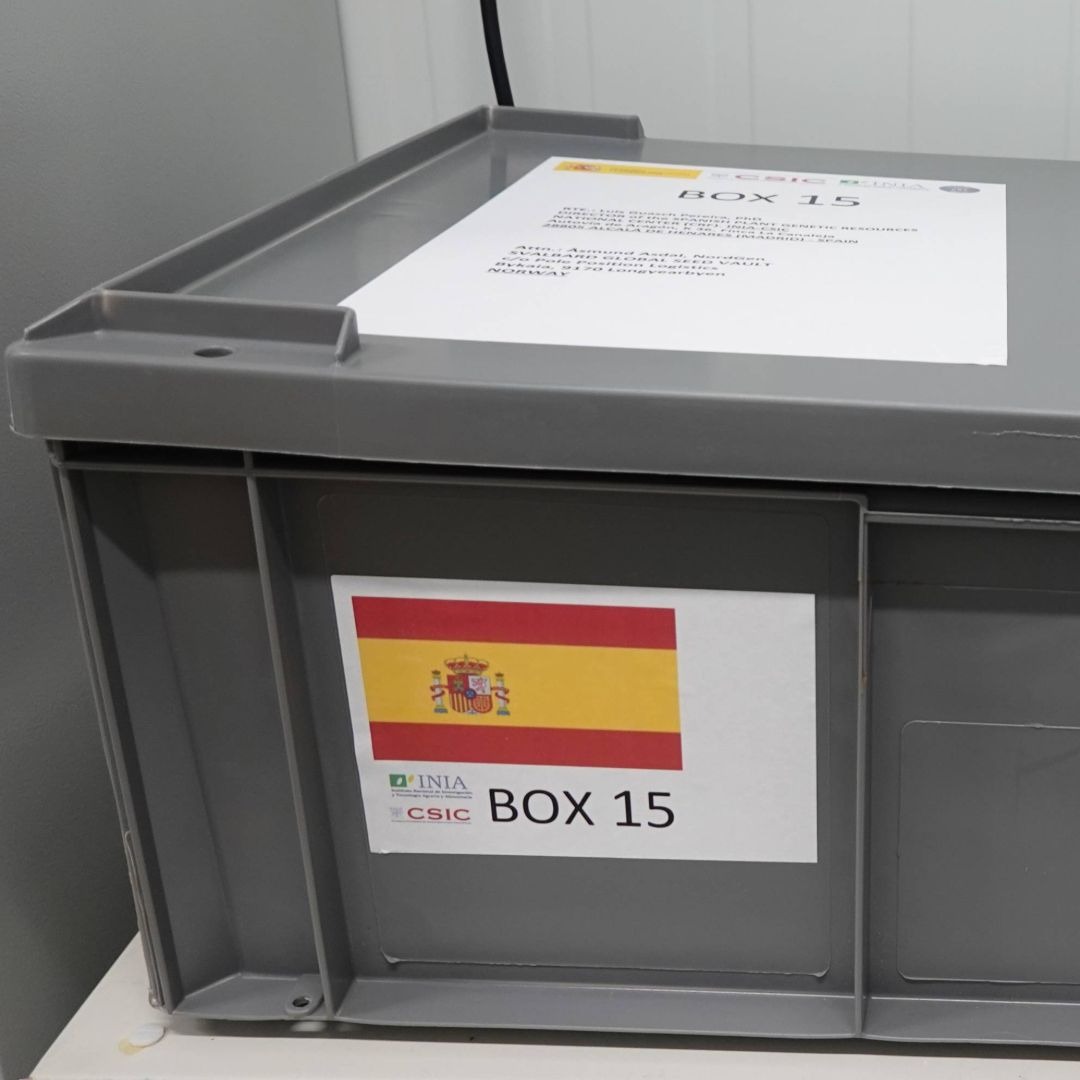
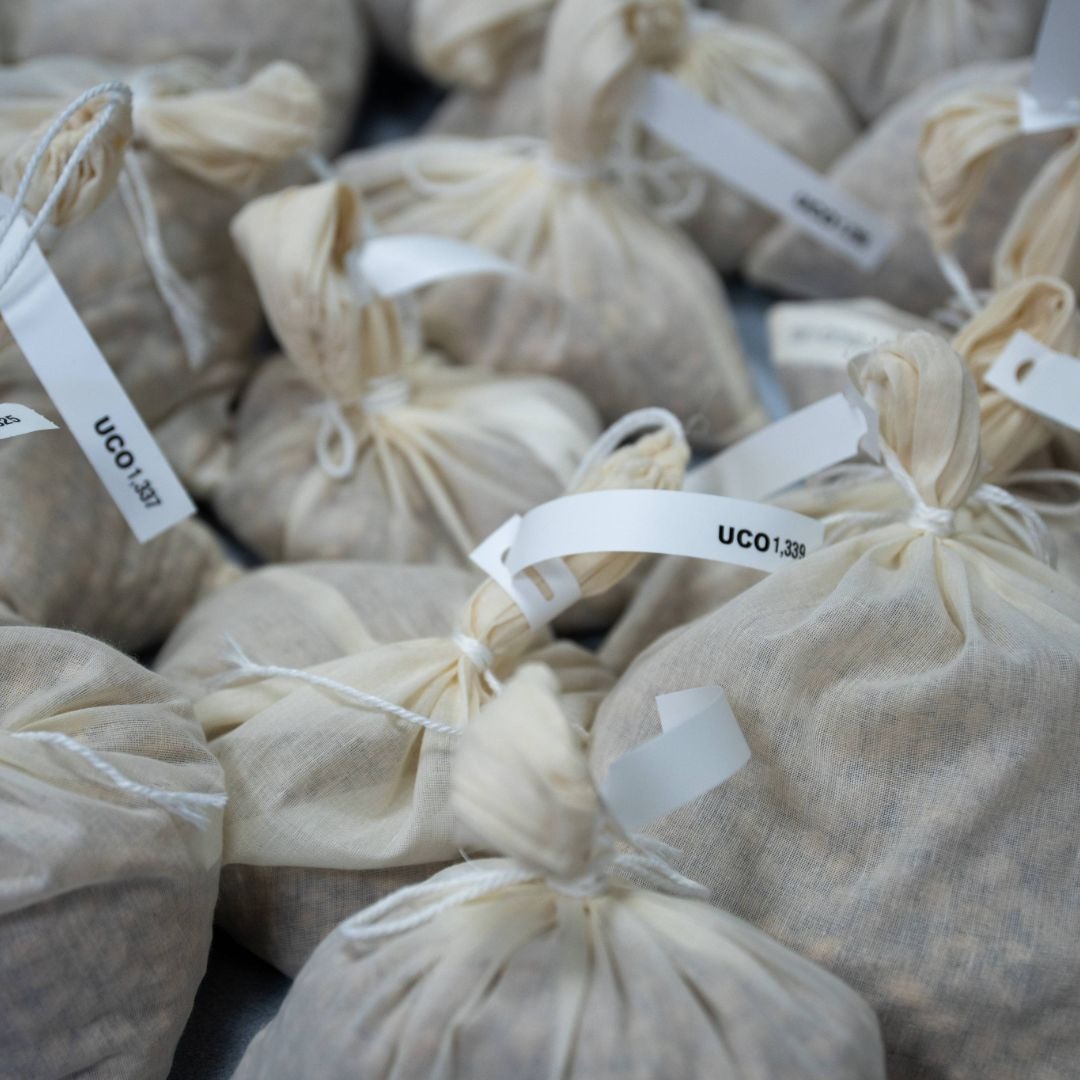
In a landmark moment for global agricultural preservation, olive seeds have been deposited for the first time in the Svalbard Global Seed Vault - the world’s most secure facility for safeguarding crop diversity.

Located deep within the Arctic permafrost of Norway’s Svalbard archipelago, the Seed Vault serves as a global backup system for the planet’s agricultural biodiversity. Often described as the “doomsday vault,” it protects seeds against the risks of climate change, natural disasters, conflict, and biodiversity loss.

Now, for the first time in history, olive seeds are part of that global legacy.

A Historic Milestone for the Olive Sector

The deposit marks a significant step forward in protecting one of the world’s most iconic and culturally important crops. Olive trees have sustained civilizations for thousands of years, symbolising peace, resilience and nourishment. Preserving their genetic diversity ensures that this legacy continues for generations to come.

Jaime Lillo Lopez, Executive Director of the International Olive Council (IOC), highlighted the importance of the moment:

“The seeds we have deposited are the legacy of farmers who, throughout history, selected the most resistant trees - those that produced the best fruit or adapted to diverse soils, climates and diverse conditions. These seeds are a guarantee that future generations will continue to enjoy such an extraordinary product as olive oil.”

His words underscore what this deposit truly represents: not just seeds, but centuries of accumulated knowledge, adaptation, and agricultural selection.

A Global Collaboration for Agricultural Resilience


This initiative was launched within the framework of the European H2020 GEN4OLIVE project, a research programme dedicated to unlocking and conserving olive genetic diversity. It was subsequently promoted by the IOC, the Food and Agriculture Organization of the United Nations (FAO), and Spain’s Ministry of Agriculture, Fisheries and Food.

The collaboration extended to leading academic and research institutions, including:

  • Universidad de Córdoba (UCO)
  • Universidad de Granada (UGR)
  • Plant Genetic Resources Centre (CRF-INIA)
  • National Institute for Agricultural and Food Research and Technology (INIA)
  • Spanish National Research Council (CSIC)
This broad coalition demonstrates that conserving traditional and wild olive varieties is not merely a scientific exercise - it is a collective commitment to strengthening agricultural resilience and ensuring long-term food security.

Organisations such as NordGen and the Crop Trust, along with representatives including Juan Antonio Polo Palomino, Abderraouf Laajimi, Álvaro Toledo, Dr. Kent Nnadozie, Concepción Muñoz Diez, Hristofor Miho and Pablo Morello Parra, also played key roles in bringing this milestone to fruition.

Olive Genetics

For olive growers and producers worldwide, this development carries profound implications.

Olive trees are uniquely adapted to marginal soils, water scarcity, and variable climates. However, increasing pressures from:

  • Climate variability
  • Emerging pests and diseases
  • Water limitations
  • Soil degradation
  • Shifting production zones
Make genetic diversity more important than ever.

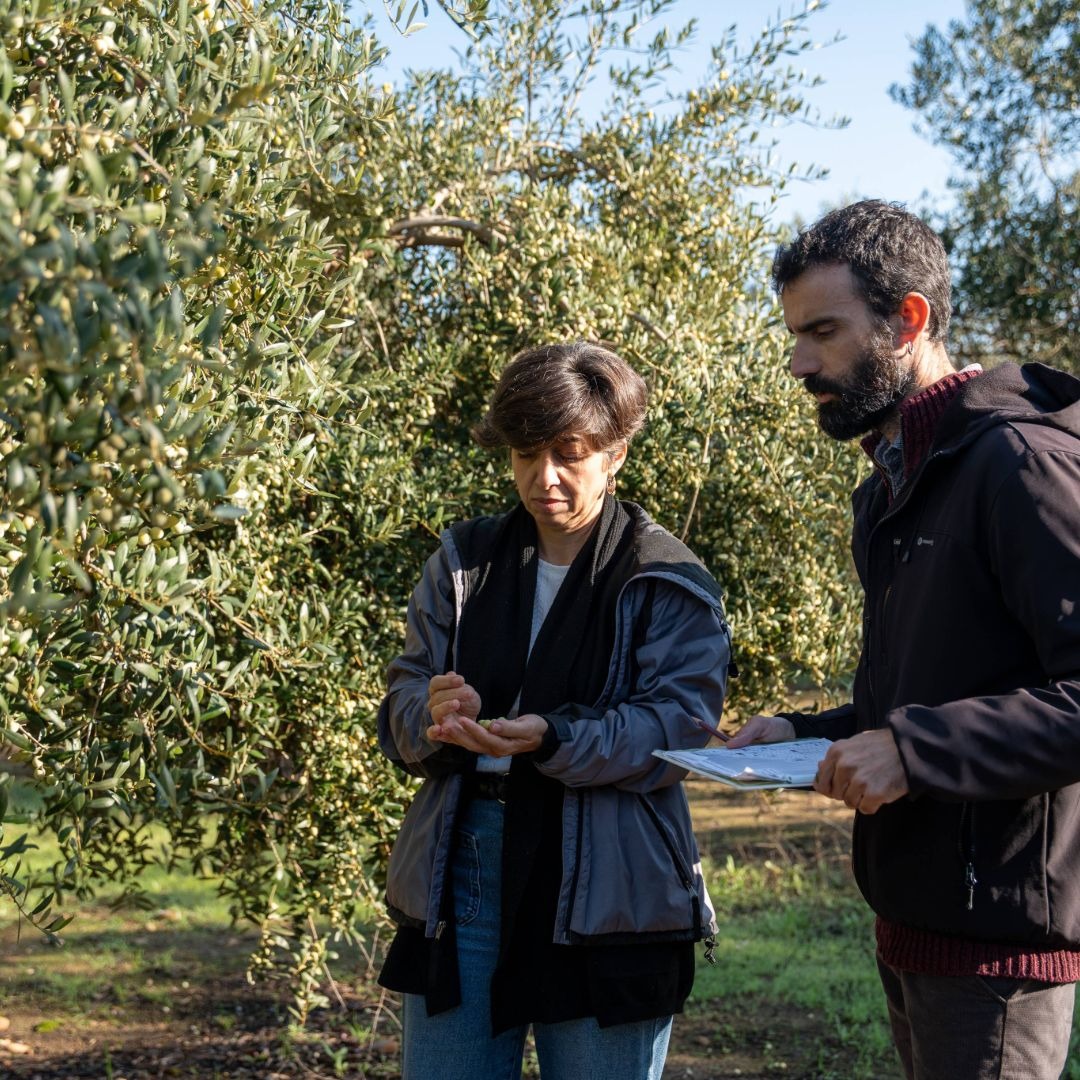
Traditional and wild olive varieties contain traits that may hold the key to:

  • Improved drought tolerance
  • Disease resistance
  • Adaptation to new climatic conditions
  • Enhanced oil quality characteristics
  • Resilience to environmental stress
By preserving these genetic resources in the Svalbard Global Seed Vault, the industry is effectively safeguarding a toolbox for future breeding, research and innovation.

From Mediterranean Heritage to Arctic Safeguard


The symbolic power of Mediterranean olive genetics being stored in Arctic ice is profound. It reflects the global importance of olives - no longer confined to traditional growing regions but increasingly cultivated across diverse climates worldwide.

As olive production expands into new regions, including areas facing climatic volatility, the value of preserved genetic material grows exponentially. The Svalbard deposit ensures that even in worst-case scenarios, the genetic foundation of the olive sector remains secure.

A Commitment Beyond Science

This initiative goes beyond seed banking.

It represents recognition that agricultural biodiversity is a shared global responsibility. Farmers, researchers, governments, and international organisations are united by a common understanding: safeguarding crop diversity is essential for future food systems.

The olive industry - deeply rooted in tradition - is demonstrating that it is equally committed to innovation, resilience and long-term stewardship.

Securing the Future of Olive Oil

For growers, processors, and industry stakeholders, this historic deposit sends a message: the olive sector is planning for the long term.

Preserving traditional and wild varieties ensures that future generations will continue to:

  • Cultivate olives in changing climates
  • Maintain oil quality standards
  • Protect regional characteristics and heritage
  • Develop improved cultivars
  • Sustain global olive oil production
The olive tree has endured for millennia. By placing its seeds in the world’s most secure seed vault, the global community has taken a decisive step to ensure it thrives for millennia more.

Solar Parks vs Olive Groves: What’s Really Happening in Spain’s “Sea of Olives”

Spain’s push for solar energy is creating tensions in Andalusia as photovoltaic projects overlap with major olive-growing landscapes.
Please log in to view the entire article

Value Adding: Turning Olive Pomace into World's Healthiest Flour

New technology is converting olive pomace into a nutrient-rich olive flour, offering mills a way to create value from what was once considered a processing by-product.
Please log in to view the entire article

Lab-on-a-Fruit: A New Way to Predict Olive Oil Quality Before Milling

New research introduces a “lab-on-a-fruit” method that can analyse olives before milling to predict olive oil aroma, phenolics and fatty acid composition.
Please log in to view the entire article

Seed Oils vs Extra Virgin Olive Oil: What the Science Says

An evidence-based comparison shows extra virgin olive oil is more stable, less processed and richer in beneficial compounds than most seed oils.
Please log in to view the entire article

"Get Drizzling" 2026 - A National Marketing Campaign For Olive Oil

Get Drizzling 2026: The Chef’s Secret to Extraordinary Dishes The Australian Olive Oil Association’s 2026 Get Drizzling campaign returns this Autumn. Discover how a simple drizzle of olive oil transforms flavor and texture with insights from top chefs like Khanh Ong and Darren Robertson. Master the finishing touch that turns everyday meals into restaurant-quality masterpieces.
Please log in to view the entire article

What is Slitting, Scratching or Cracking Table Olives?

If you are looking to produce Table Olives you may want to practice the art of Slitting, Scratching or Cracking Olives!

Under natural fermentation, olives are subjected to brine solution. ?Some varieties of olives can take longer to endure the process of de-bittering and can be well in excess of 12 months. ?Talk about a labour of love!

The idea behind Slitting, Scratching and Cracking is to essentially allow easier entry for the brine solution to penetrate the olive, thus speeding up the time to cure your olives.

What is the difference between Olive Slitting, Scratching and Cracking?

Olive Slitting and Scratching means the same whereby with the machine or manual intervention an incision is made to the fruit either as a single cut or multiple incisions to the fruit. ?The Olives are usually placed into brine for partial or complete natural fermentation. ?Other additives like lemon, herbs, spices, vinegar or oil are added to extend the aroma and taste as these flavours also penetrate the flesh.

jkalskit2-300x224

Olive Cracking:? Olives undergo a process where the olive is hit with enough force that the olive cracks without the pit ejecting from the fruit (keeping the pit intact). ?Traditionally a beer bottle is used to crack/bruise olives.

cracked-olives-300x200

Slitting / scratching machines come in many forms... here is an outline of the technology: ?See link

https://youtu.be/GOCjA0bqBGo

See more about machines for Table Olive Processing

See more about machine for Slitting/Scratching olives


Perth Royal Olives Show reintroduces Table Olives

Olives WA is excited to announce the re-introduction of seven table olives classes into the?2017?Perth Royal Olives Show. Olive producers Australia-wide are invited to submit their table olives?and olive oil during the months of June and July into the 2017 Perth Royal Olives Show.

Competition Administrator and olive lover Karen Sanders said: ?This year has been a bumper season?for olives and olive oil and the Show is a great opportunity for olive growers to showcase the?outstanding quality and freshness of Australian grown and produced olives and olive oil.?

The table olive judging panel, led by one of Australia?s leading table olive specialists?Professor?Stan?Kailis, will assess entries in seven different classes based on methods of processing?and product type. In each class, judges will evaluate the attributes of the olives, including flavour?(bitterness, saltiness and acidity) as well as the aroma, appearance and texture.

?Our Australian olive growers have been producing excellent table olives and I?m looking forward to?tasting a variety of them for this year?s show,? said Professor Kailis. Entries for table olives open on?Friday 9 June and close Friday 30 June 2017.

The Perth Royal Olives Show Olive Oil judging will again run under the expert guidance of?Chief?Judge Isabelle Okis. ?After a tough year for West Australian olive growers last year, the 2017?harvest is looking exceptional! We are expecting high numbers of olive oil entries this year, and we?are hoping to taste some wonderful oils.? Olive oil entries open on 10 July and close on 4 August?2017.

Award winners for both table olives and extra virgin olive oils will be announced at a promotional?event in September 2017.

Entry packs are being released on the Olives WA and Perth Royal Show websites, containing details?on how and when table olive and olive oil entries can be submitted: www.oliveswa.com.au and?www.perthroyalshow.com.au/competitions/competition-entries/olives/

Alternatively, packs can be requested by contacting Olives WA on 9337 2810 or email:?admin@oliveswa.com.au.


For further media information contact:

Karen Sanders, Competition Administrator. T: 9337 2810 E: admin@oliveswa.com.au