My Account
Sign-in / Join

Sign-in

Hi My Account

Dashboard

Logout

Cart

My Shopping Cart

Subtotal
${{total.toFixed(2)}}
QUOTE
36M Fire Hose fitted

Delivery charges apply
Bulk Discounts Prices
Quantity Price
1 $184.73
Quantity

EAGWF36B
  • Description
  • Features
  • Enquiry
  • Specifications
  • Knowledge
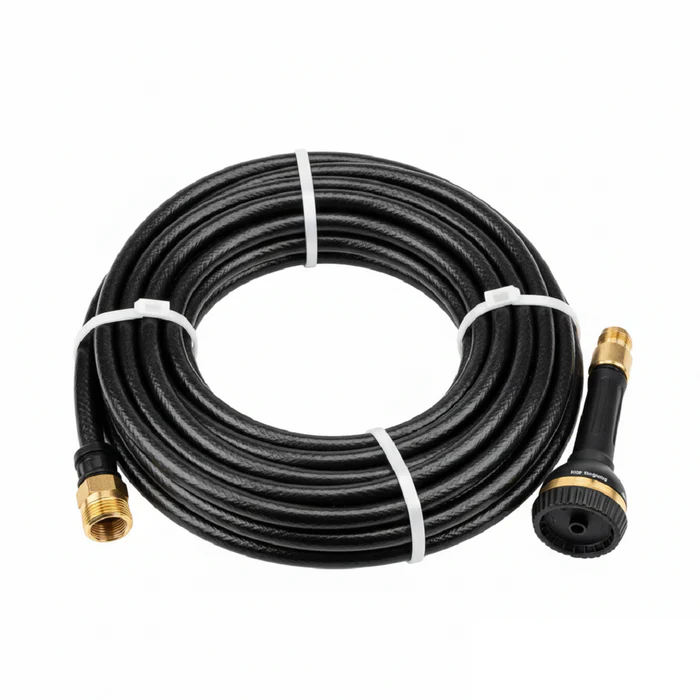
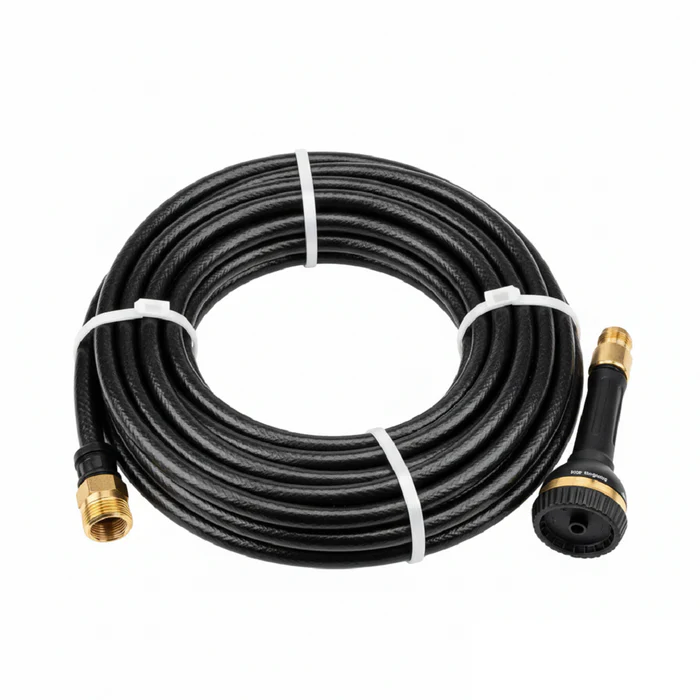
36m Fire Hose – Fitted with Brass Connectors and Fire Nozzle

Delivery charges apply

Heavy-duty 36 metre reinforced PVC fire hose manufactured to AS1221 standard with brass fittings and nozzle.

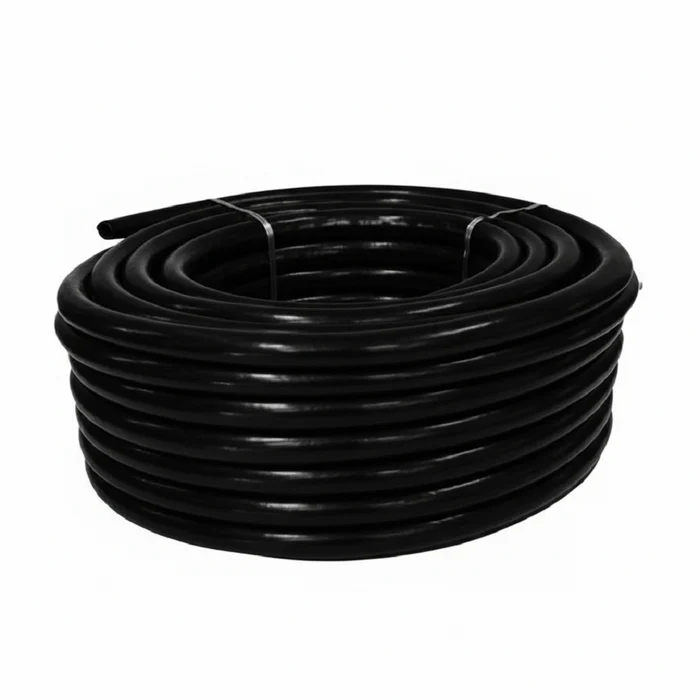
The 36m Fire Hose is a durable, heavy-duty firefighting and water delivery solution designed for reliable performance in demanding environments. Manufactured from reinforced black PVC and built to AS1221 fire hose standards, this hose is suitable for high-pressure water applications. Supplied fully fitted with brass connectors and a fire nozzle, it is ready for immediate use. With strong pressure ratings and robust construction, this fire hose is ideal for rural properties, farms, workshops and emergency preparedness.

Where this product is used

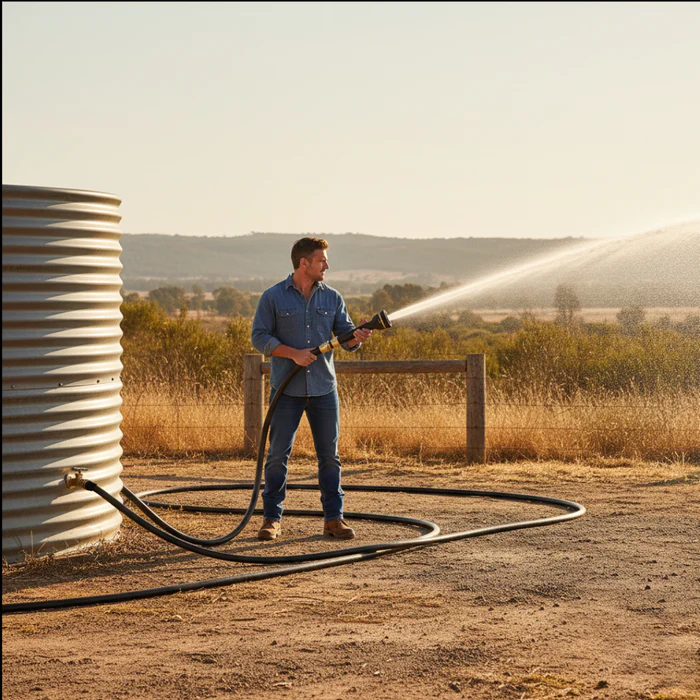
This fire hose is commonly used on farms, rural properties, industrial sites, workshops and around homes for fire protection, emergency water delivery and high-pressure wash-down applications.
 

36m Fire Hose – Technical Specifications

Specification Details
Hose length 36 metres
Hose material Reinforced PVC
Colour Black
Pressure rating 1.0 – 1.4 MPa water pressure
Manufacturing standard AS1221 fire hose standard
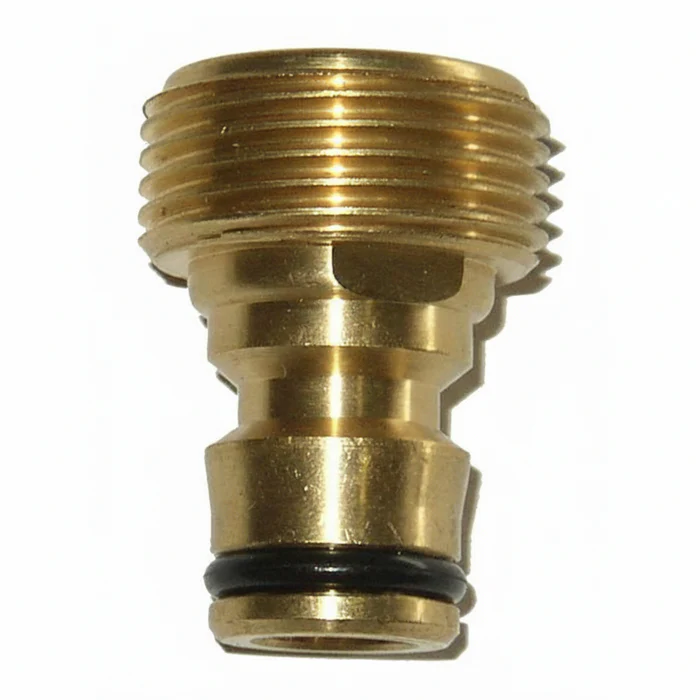
Fittings Brass connectors
Nozzle Fire nozzle included

Why choose this product

This 36m fire hose offers a dependable combination of strength, flexibility and pressure performance. The reinforced PVC construction resists wear and impact, while brass fittings provide secure, corrosion-resistant connections. Supplied ready to use, it is a practical choice for fire preparedness and high-pressure water delivery.

Application guidelines

Connect the hose securely to a compatible water source using the brass fittings. Ensure fittings are tightened correctly before pressurising. After use, drain the hose fully and store out of direct sunlight when not required to extend service life.

FREQUENTLY ASKED QUESTIONS

A 36 metre fire hose is commonly used for firefighting, fire safety preparedness, wash-down applications and emergency water delivery. The extended length provides greater reach, making it suitable for farms, industrial sites, commercial buildings and rural properties.
Yes. This fire hose is manufactured to AS1221 Australian Standards, ensuring it meets recognised requirements for fire hose construction, performance and safety in Australia.
The hose is rated to operate between 1.0 and 1.4 MPa water pressure, making it suitable for high-pressure firefighting and water transfer applications where reliable performance is required.
Yes. The hose is supplied fully fitted with brass connectors and a fire nozzle, allowing it to be connected and used immediately without additional fittings.
General main key features

• Heavy-duty reinforced PVC hose construction
• Manufactured to AS1221 fire hose standard
• Rated for high water pressure applications
• Brass connectors for secure, durable fittings
• Supplied complete with fire nozzle
  • :
  • :
  • :
  • :
  • :

Flushing your Irrigation System - Mains, Submains & Laterals

INFORMATION SHEET - IRRIGATION

Flushing your Irrigation System - Mains, Submains & Lateral

Flushing constitutes an important maintenance routine. In micro-irrigation systems provisions must be made to flush mains, submains and lateral lines to remove settled sediments.

Mainline should be flushed at scour valve locations, whilst submains are flushed at slushing points usually located at the ends of the lines while the system is running and allow water to run into a container until it runs clear. Collect some of the dirty water in a glass or clear plastic container and examine the contaminants. Take note of the nature of the impurities in the water. If there be significant amount of contaminant in the flush water, find out what it is. Does it appear to be bacterial slime? Are large aggregated particles present? Is there evidence of iron precipitation? Is there any material that could be sand from the media filter?

If unsure, have water examined and take corrective action to cure the problem. If chlorine or acid treatment is required follow the steps below for treatment.

Please note whenever a repair has been carried out on any pipe work in the system, flushing and cleaning of filtration will have to be carried out.

At the end of the season empty mainlines, field filters and valves and ensure all ball valves are opened to drain the water from within the ball and then shut again to prevent vermin and contaminants entering the system. This draining of components will help in preventing frost damage.

Chlorinating the System

Chlorination is recommended to reduce blockages due to organic matter. Chlorine is an oxidising agent that kills bacteria, algae and other organic matter and prevents new growth. Certain bacteria cause iron to precipitate and form a red filamentous sludge that attaches to pipes and may block emitters (sprinkler nozzles as well as drippers). Continuous injection of chlorine prior to the filter, at the rate of 0.5 ppm to 1 ppm, can also be used to precipitate the iron and prevent it moving past the filter.


The most common chlorine compounds are sodium hypochlorite (liquid) and calcium hypochlorite (solid). Sodium hypochlorite (10% chlorine) is easier to use and relatively safe.

There are four main chlorine application methods:-

  • intermittent treatment 
  • continuous treatment
  • superchlorination
  • end of season chlorination

The procedures below should be used as a guide to developing a procedure that suits your system, water conditions and management.

Intermittent treatment involves periodic sterilisation by chlorination and can also be used to prevent build-up of organic matter in the system. This is the most commonly used preventative treatment. 30 ppm chlorine is injected 3 - 4 times during the season.

Continuous Treatment uses a constant injection rate, usually of 5 to10 ppm, adjusted so that 1 ppm of chlorine is detectable at the end of the furthest lateral from the pump. A swimming pool tests kit can be used to detect chlorine and its level.

4 Factors In Grove Management To Focus On For Next Olive Harvest

The Grove Management Plan: Essential Areas to Focus On

A successful Grove Management Plan must cover these key areas:

Irrigation

"A grove without an effective irrigation system is unlikely to deliver consistent yields year after year. Many growers still underestimate the water needs of olive trees, and few actually monitor soil moisture levels. This is why so many groves have never achieved a commercial crop."  Marcelo Berlanda Specialist Olive Consultant

Water stress negatively affects flowering, fruit set, oil accumulation (oil production), fruit size (table olives), fruit quality, and overall tree health. However, many growers lack a proper system to monitor soil moisture or manage irrigation effectively. 

Marcelo recommends:

"Growers should inspect soil moisture weekly during spring and summer, and every two weeks in autumn and winter. Use a shovel to dig at least 400mm under the tree canopy to check moisture. If the soil is hard to dig, it’s too dry – even if the canopy shows no visible signs of stress." 

Advanced soil moisture monitoring tools can also provide reliable data on a digital display or computer dashboard. 

For optimal grove health, growers must consistently check soil moisture and prevent water stress.

Nutrition

As discussed previously, taking leaf samples is essential to assess your trees’ nutritional status. This information guides the creation of a fertiliser program, a critical component for boosting or maintaining yields.

Typically, no fertiliser is needed in winter, unless you’re addressing soil amendments. However, some groves have severe nutrient deficiencies requiring fertiliser even in winter. Where proper irrigation systems aren’t in place, growers must broadcast fertiliser before rain to allow rainfall to incorporate nutrients into the soil profile, an inefficient use of resources but often the only option.

When applying fertiliser in these conditions, target the area beneath the canopy and, if possible, cultivate the soil to improve incorporation and reduce product loss.

Olives need four essential nutrients: Nitrogen, Phosphorus, Potassium, and Calcium. Check product labels carefully. As a general guideline, aim for:

Pruning

Avoid pruning during the coldest part of winter and when it’s wet or foggy to reduce the risk of bacterial and fungal disease spread.

The main goals of pruning are to remove dead wood, reduce canopy size, restore tree balance, encourage healthy new growth, and increase fruit set in spring.

Tip: After pruning, apply a copper-based spray to protect wounds from infection by fungi and bacteria.

Pest and Disease Control

Pest & disease management is crucial for sustaining yield and tree health. Winter’s colder temperatures reduce insect activity, offering a prime time to tackle pest issues.

Set up a comprehensive Pest and Disease Monitoring Program. During winter, check marked trees (previously affected by pests or diseases) every two weeks; in spring, check weekly. Look under leaves and on new growth for signs like crawlers, yellow spots, black sooty mold, or anything unusual.

Proactive, weekly management is essential for a successful grove.

If you need further assistance, please contact us.


Optimising Olive Grove Layout

When establishing an olive grove, one of the most critical decisions you will make is the layout of your trees. The arrangement you choose will influence tree health, productivity, and long-term management efficiency. This guide will walk you through key considerations, including aspect, tree spacing, irrigation, harvesting methods, drainage, pruning, and marking out your olive grove.
Please log in to view the entire article

Optimised Irrigation in Olive Orchards – Dr. Giulia Marino

Optimised irrigation is critical for balancing olive tree water stress, yield and oil quality. This article outlines key principles of water management in olives, including evapotranspiration, crop coefficients and irrigation scheduling.
Please log in to view the entire article

Water Requirements for Olive Trees Per ha/tree

Water Requirements for Olive Trees: Per Hectare and Per Tree When planning irrigation for olive groves, it’s essential to understand the minimum water requirements to support healthy growth and fruit production. Here's a breakdown based on 250 olive trees per hectare and a minimum water requirement of 3 megalitres (ML) per hectare per year.
Please log in to view the entire article

Moisture Monitoring: A Key to Sustainable Olive Irrigation and Quality

Moisture monitoring helps olive growers save water, reduce costs, and boost oil quality by ensuring trees get the right amount of irrigation at critical growth stages.
Please log in to view the entire article

Understanding Fruit and Flower Drop in Fruit Trees: Causes and Remedies

OLIVE GROWING

Understanding Fruit and Flower Drop in Fruit Trees: Causes and Remedies

At the 5th International Conference on Sustainable Agriculture and Biosystems, researchers in Iran presented findings on why fruit and flower drop occurs in fruit trees and what growers can do to reduce losses. Drawing on their work, we explore the phenomenon of fruit and flower drop, the underlying causes, and practical remedies for orchard managers.    

The Role of Fruit Trees in Agriculture

Fruit trees contribute significantly to agricultural economies across the world. Their production supports farm income, provides employment for skilled horticulturists, and underpins industries ranging from fresh produce to processing and food manufacturing. Cultivation involves a complex mix of practices: careful irrigation management, balanced fertilisation, pruning, pest control, and the application of modern technologies. Beyond economics, fruit trees are valued for their nutritional contributions, supplying sugars, oils, proteins, vitamins, and essential minerals through both fresh consumption and processed goods.

The Phenomenon of Fruit and Flower Drop

Fruit and flower drop is a natural occurrence in many tree species. Its extent varies according to cultivar, climate, soil type, and orchard practices. In some cases, drop is beneficial, helping the tree regulate excessive fruit load through “natural thinning.” But when drop is excessive or occurs at the wrong stage, it becomes detrimental, reducing yields and profitability.

Researchers typically divide drop into three categories:

  1. Natural Drop: This type results from competition between a very high number of flowers. Up to 90% of flowers and fruitlets may be shed in some species, but the remaining fruit usually develop adequately. Growers sometimes assist by thinning to ensure the fruit that remain receive sufficient nutrition and reach high quality.
  2. Abnormal Drop: This type is more damaging because it affects flowers and fruits at various stages of development, including larger fruit, often reducing yields significantly.
  3. Extreme Temperature Drop: This occurs during periods of hot, dry weather (often around June in many regions). While widespread, it usually has limited impact on the final crop load.

Causes of Abnormal Drop

Environmental Factors

  • Extreme cold or heat events can damage blossoms or young fruit.
  • Strong winds, particularly dust-laden storms, may strip flowers and fruit from trees.
  • Heavy rainfall or hail can injure delicate blossoms.
  • Excessive direct sunlight can cause sunburn, leading to premature fruit drop.
Mechanical Factors
  • High-pressure pesticide or nutrient spraying can dislodge flowers.
  • Over-application or incorrect doses of sprays may also contribute to flower drop.
Physiological Factors
  • Poor pollination and failed fertilisation result in flowers dropping.
  • Over-competition for nutrients between flowers and developing fruit increases drop.
  • Nutrient deficiencies, especially nitrogen and zinc, play a role.
  • Irregular irrigation - including overwatering that suffocates roots - can trigger drop.
  • Shallow soils limit root systems, reducing nutrient uptake and increasing drop.
  • Weak or diseased leaves caused by pests, fungal infections, or poor tree health reduce a tree’s ability to support fruit.
  • Misuse of plant growth regulators or tank mix errors in spraying can disrupt flowering.
  • Infections of flowers or fruit by fungi or insects often lead to drop.
  • Natural ripening and senescence also account for some degree of fruit shedding.

The Science Behind Fruit and Flower Drop

The underlying mechanism of drop is closely linked to plant hormones. As fruits grow, the concentration of auxins (growth-promoting hormones) declines, while ethylene levels rise. This shift lowers the fruit detachment force (FDF), weakening the connection between fruit and tree. The abscission zone (the separation layer) becomes increasingly sensitive to ethylene, causing fruit drop. Environmental conditions such as temperature and humidity interact with these hormonal signals to intensify drop.

Remedies to Reduce Fruit and Flower Drop

Growers can apply several strategies to reduce drop and improve fruit set:

  • Fertilisation: Apply fertilisers well before flowering to build soil fertility. Nitrogen should be supplied before bloom, not after, to avoid negative effects.
  • Micronutrient Sprays: Foliar applications of calcium, zinc, and boron—adjusted for tree age and timing - can enhance pollination and fruit retention.
  • Pruning: Moderate winter pruning balances vegetative growth with fruit production.
  • Girdling: In some fruit tree industries (e.g., apples and pears), carefully removing a ring of bark from branches at flowering can improve fruit set.
  • Irrigation Management: Avoid excessive watering during bloom and fruit set to prevent root suffocation.
  • Growth Regulators: The use of auxin-based products, such as seaweed extracts (rich in auxins, cytokinins, and gibberellins), can delay fruit drop and extend the flowering period.
  • Pest and Disease Management: Prompt control of pests and fungal infections prevents cascading effects on fruit drop.
  • Pollination Support: For self-incompatible varieties, ensure compatible cultivars or introduce pollinators like bees and butterflies.
  • Windbreaks: Plant hedges or wind barriers to reduce wind damage and limit flower and fruit loss.

Practical Advice

While some degree of fruit and flower drop is unavoidable, excessive losses can usually be mitigated through careful orchard management. Attention to fertilisation, irrigation, pest control, and pollination provides the best defence against unnecessary drop.

Further Reading and References

Scientific Reference

Al-Dulaimy, A.F.Z., Alalaf, A.H., Al-Hayali, R.E.Y., & ALTaey, D.K.A. (2023). Flowers and Fruits Drop in Fruit Trees … Causes and Solutions: A review. Practical Advice

Presented at the 5th International Conference for Agricultural and Environment Sciences. IOP Conf. Ser.: Earth Environ. Sci. 1158 042010. Read Full Article

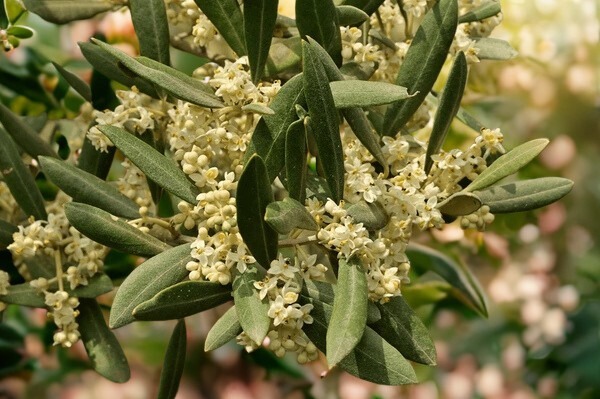
Photo credit: “Landscape view of the flowers of an olive tree (Olea europaea)” by Zsolyomi, available on Shutterstock (Asset ID: 2470400251). Licensed via Shutterstock Royalty-Free License.