My Shopping Cart
| B3 | |
|---|---|
| Number of nozzles | 5 |
| Nominal production rate | 500 bottles/hour |
| Bottle diameter/width (min/max) | 40 mm / 108 mm |
| Bottle height (min/max) | 140 mm / 380 mm |
| Suitable labels roll of self adhesive (width min/max, height min/max) | 125 mm / 200 mm |
| File | Title | File Description | Type | Section |
|---|---|---|---|---|
| Polaris_Edible_Lines_Catalogue.pdf | Polaris Automazioni Edible Bottling Lines Catalogue | Catalogue | Document |
RELIABLE LABELLING MACHINES FOR ACCURATE, HIGH-EFFICIENCY PACKAGING
Reliable labelling systems are essential for consistent product identification, accurate label placement, and packaging efficiency. Selecting the correct machine requires matching the equipment to the specific characteristics of each container. Bottles, vials, and jars vary in wall shape, surface regularity, height, and diameter, making equipment compatibility a critical engineering decision. To achieve reliable performance, all packaging variations should be assessed by a specialist experienced in labelling and packaging equipment.

The labelling process consists of several controlled mechanical and adhesive-transfer stages. Each stage must operate precisely to ensure consistent results
Label Feed- The label is drawn from the roll and routed through the machine using rollers or tension-controlled guides.
Label Pickup- Pickup may be achieved via:
Compression and Securing- Once positioned, the label is secured using:
Semi-automatic systems require manual placement of each container before the labelling cycle is triggered using:
Suitable for small to mid-scale operations requiring flexibility and short changeover times. Models:
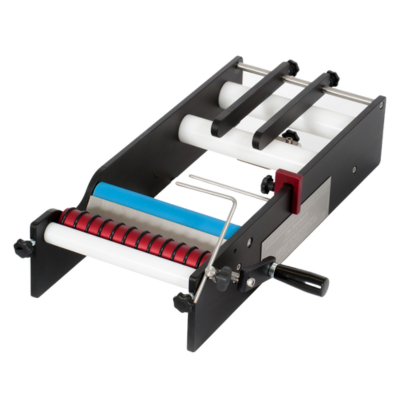
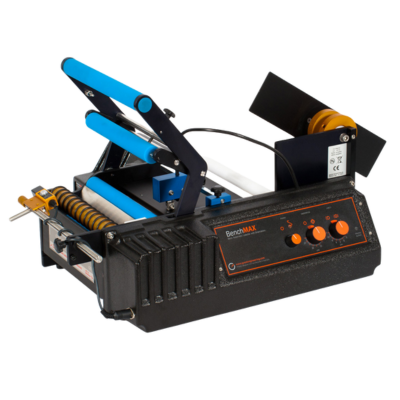
The Benchmax supports the widest range of product sizes and offers high application speeds suitable for industrial output. It applies transparent or clear labels with high precision.

Fully automatic systems integrate into production lines following filling and capping. Conveyors transfer containers across each station.
Automated lines may include:
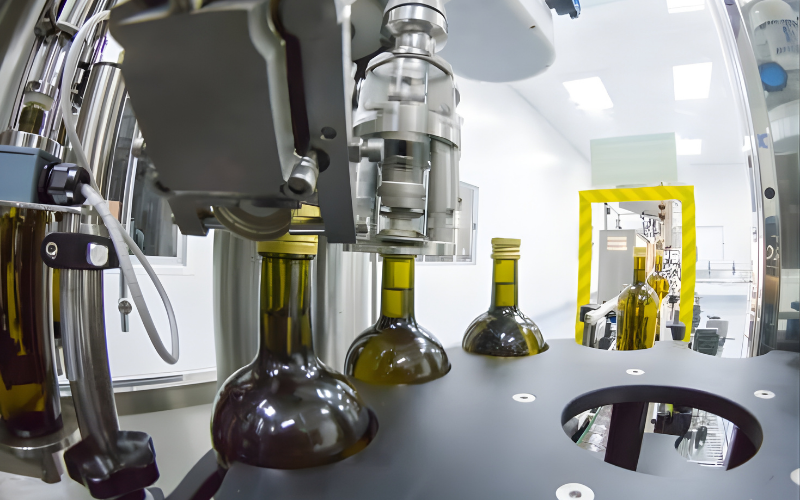
The Polaris Line demonstrates a complete automated workflow from filling through to finished bottles.
Labeling machines generally come in two formats: semi-automatic and fully automatic. Semi-automatic labeling machines require manual placement of each bottle or container before the labeling cycle begins, and the operation is typically triggered by a turn handle, button, or foot pedal.
Fully automatic labeling machines are integrated directly into the production line, usually following the filling and capping stages. These systems rely on conveyors to move packaging through each section of the process. Containers may be fed in automatically by a depalletizer and packed at the exit point by machine, though these steps can also be performed manually depending on the overall line configuration and equipment capabilities.
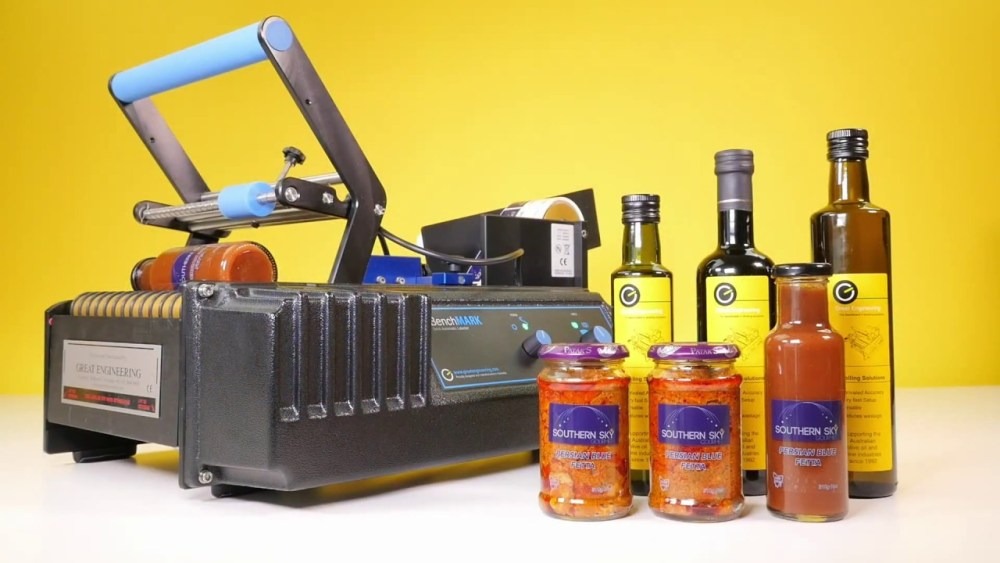
Manufactured in Australia, the Benchmate delivers excellent performance in the entry-level category. This manually operated label applicator is driven by a simple turn handle.
The Benchmark, also manufactured in Australia, is the next level up from the Benchmate and can apply single, full wrap-around, or front-and-back labels with ease.
The Benchmax handles the widest range of product sizes and delivers exceptional speed, making it ideal for high-output industrial applications. It’s user-friendly and supports precise application of transparent or clear labels.
Observe the foot-pedal system in use.
Watch the full Polaris Line showcase, demonstrating filling, capping, and labeling from start to finish.
View the entire workflow of filling, capping, and labeling.
Over the years, I’ve encountered a wide range of labelling problems and have helped many producers fine-tune their equipment, as correct setup and label tension are absolutely critical. Some of the most common labelling issues arise because:
Correct setup of the labelling machine is essential. Below, you can see the BenchMax being adjusted for operation:
Correct configuration of equipment, such as the BenchMARK and BenchMAX systems, requires:
These steps ensure repeatability and reliable performance.
A label is a critical component of product presentation and an extension of brand identity. Reliable equipment ensures consistent quality, operational efficiency, and long-term cost stability.
See more about:
Australian-made, Great Engineering labellers offer a suite of features that position them among the best in the industry. These pressure-sensitive labelling machines represent a new generation of “on-demand” equipment designed for cylindrical containers. They’re ideal for sectors such as food and beverage, pharmaceuticals, cosmetics, wine, essential oils, edible oils, brewing, contract packaging, health foods, and preserves — providing consistent product identification and strong shelf presence for any round container. With a global reputation for reliability and performance, their machines are now exported to 55 countries and are recognised for their innovative engineering and high manufacturing quality.
BRANDS: https://theolivecentre.com/brand/great-engineering-labelling-machines-benchmark-benchmate-olive-oil
Polaris Automazioni has been active in the bottling sector since the 1960s, operating from its facility in Reggio nell’Emilia, Italy. Over time, the company has become highly specialised in developing and manufacturing automatic filling systems for unique and specialty bottles, a product line that has achieved strong success in markets worldwide.
The company now offers an extensive range of machines featuring advanced technology, high production efficiency, and patented engineering, enabling them to meet a wide variety of industry needs. Today, the Polaris team continues to uphold the technical heritage established by its founder, driving further growth through a blend of expertise, innovation, and forward-looking design.
CONSUMER EDUCATION
Extra Virgin Olive Oil (EVOO) is often hailed as a “liquid gold” in kitchens around the world – a term famously used by the ancient Greek poet Homer. For Australians, EVOO is more than just an ingredient; it’s a heart-healthy cooking staple and a link to centuries of Mediterranean tradition. This guide will explain exactly what EVOO is and how it differs from other olive oils, how it’s produced (from grove to bottle), its science-backed health benefits, and the many ways you can use it – both in your cooking and beyond. Along the way, we’ll share some interesting facts that highlight why this oil has been prized since antiquity. Let’s dive in!
By contrast, other grades of olive oil are lower in quality or more processed:
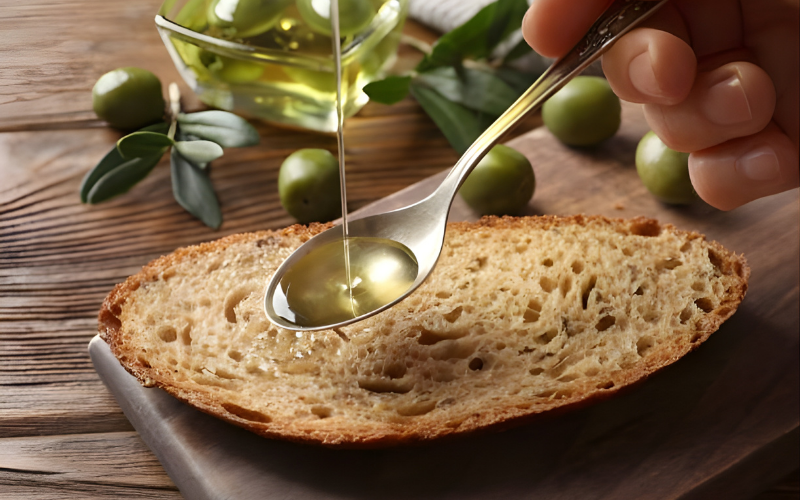
In summary, EVOO stands apart from other olive oils because it’s unrefined, of top sensory quality, and packed with natural compounds. If you drizzle a good EVOO on a salad or taste it on a spoon, you’ll notice a bright, complex flavour – something you won’t get from the flat, one-note taste of refined “olive oil” blends.
EVOO’s journey from tree to bottle is a fascinating combination of ancient tradition and modern food science. It all starts in the olive groves. Olives destined for high-quality EVOO are often hand-picked or gently shaken off trees (modern farms may use mechanical harvesters that vibrate the trunks or use catching frames). The timing of harvest is crucial: early in the season, when olives are green to purplish, they yield less oil, but it’s very rich in flavour and antioxidants; later harvest (ripe black olives) yields more oil but with mellower taste. Many premium Australian producers, much like those in the Mediterranean, opt for early harvest to maximise quality.
Once picked, speed is key – olives are quickly transported to the mill, because freshly harvested olives start to oxidise and ferment if they sit too long. Ideally, olives are pressed within 24 hours of harvest to prevent quality loss. At the mill, the olives are washed to remove leaves and dust, then crushed (pits and all) by either traditional stone mills or modern steel crushers. This creates an olive paste, which is then gently malaxed (slowly churned) for 20–45 minutes. Malaxation allows tiny oil droplets to coalesce, but it’s done under strict temperature control – this is where the term “cold-pressed” or “cold extraction” comes in. To qualify as cold-pressed, no heat above 27 °C is applied during extraction. Keeping the paste cool preserves aromatic compounds and nutrients; higher temperatures could extract a bit more oil, but at the cost of flavour and antioxidants. Australian and European producers alike adhere to this, as heat can reduce EVOO’s polyphenols and vitamin E (and increase oxidation)

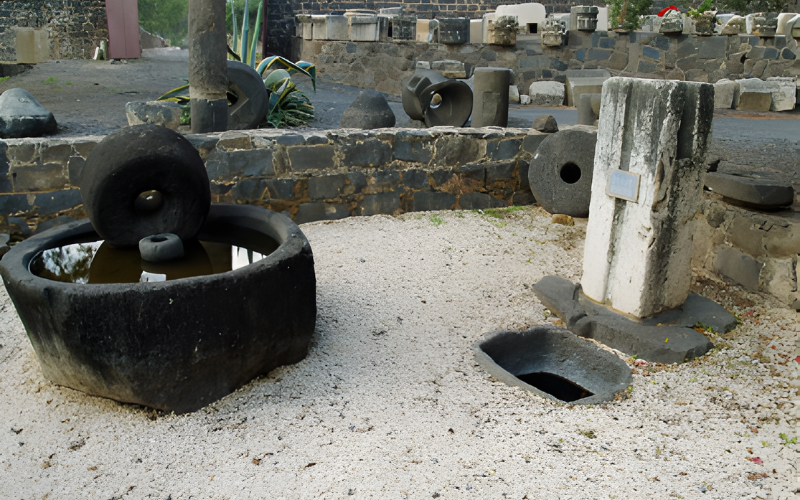
A Roman-era olive oil press in Capernaum, Israel. Ancient presses used large millstones to crush olives, and the oil was separated by gravity. Today, modern cold-pressing uses centrifuge extractors, but the goal remains the same – to physically squeeze oil from olives without chemicals or high heat, preserving quality. (photograph of a Roman-era olive mill in Capernaum)
After malaxation, the paste is pressed or, more commonly, centrifuged. Modern mills use a decanter centrifuge, which rapidly spins the olive paste to separate oil from water and olive solids. The result is fresh olive oil (plus some vegetable water). The oil may then be filtered or simply left to settle so that tiny particles and moisture drop out over time. Some artisan oils are unfiltered, yielding a cloudy appearance, but most commercial EVOOs are filtered for clarity and stability. Finally, the oil is stored in stainless steel tanks (ideally with minimal air exposure) and later bottled.
Throughout production, maintaining quality is paramount. At no point are solvents or refining used – EVOO is purely a natural juice. This careful process explains why EVOO is more expensive than generic cooking oil: it takes a lot of olives and care to produce. In fact, it typically takes around 4 to 6 kilograms of olives to cold-extract just 1 litre of EVOO (for some early harvest oils, even more). That represents roughly 8000–10,000 individual olives in each litre of premium oil! Such figures help us appreciate the effort and agricultural value inside each bottle of EVOO.
Australian EVOO note: Australia may be far from the Mediterranean, but it has a burgeoning olive oil industry of its own. Olives were first brought to Australia in the 1800s, and the industry remained small until a boom in the late 20th century. The Australian olive industry is over 150 years old, but it has expanded rapidly across all mainland states in recent decades. Today, Australia produces high-quality EVOOs, particularly in regions with Mediterranean-like climates (such as parts of South Australia, Victoria, and Western Australia). Aussie EVOOs often win awards for their robust flavours and purity, thanks to modern farming and milling techniques. So when you shop, know that some EVOO on the shelf – in addition to imports from Italy, Spain, Greece, etc. – is grown and pressed right here in Australia.
Extra Virgin Olive Oil isn’t just a tasty fat – it’s exceptionally good for you. Its health benefits are backed by a wealth of scientific research and have even been recognised by international health authorities. Here are some of the top evidence-based benefits:
Lastly, remember that EVOO is a fat and thus calorie-dense, so use it in place of other fats rather than simply adding on (to balance overall energy intake). But as fats go, EVOO is about the best you can choose for your health. It’s no surprise the Australian Dietary Guidelines and Heart Foundation include olive oil as a core part of a healthy eating pattern, encouraging people to swap butter and animal fats for olive or other plant oils. EVOO isn’t a miracle cure-all, but it is a potent, natural contributor to wellness – and a delicious one at that!
One of the beauties of EVOO is its culinary versatility. You can use it raw, you can cook with it, you can even bake with it. Here are some popular ways to integrate EVOO into your daily diet, along with tips particularly suited for Australian kitchens:
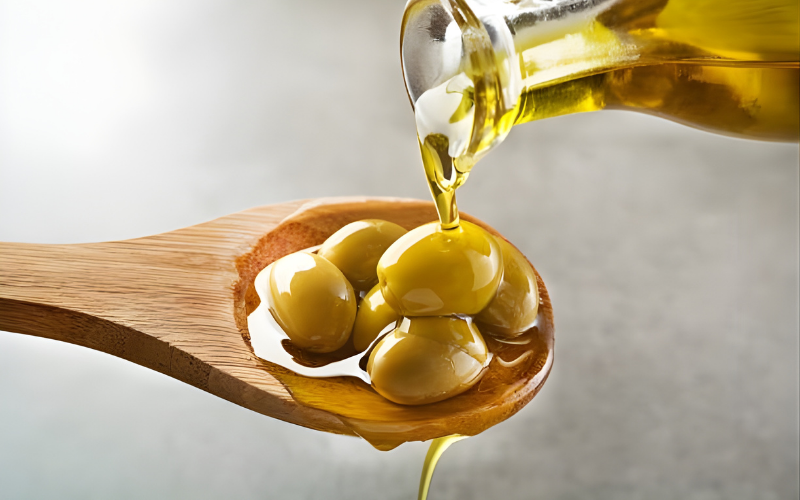
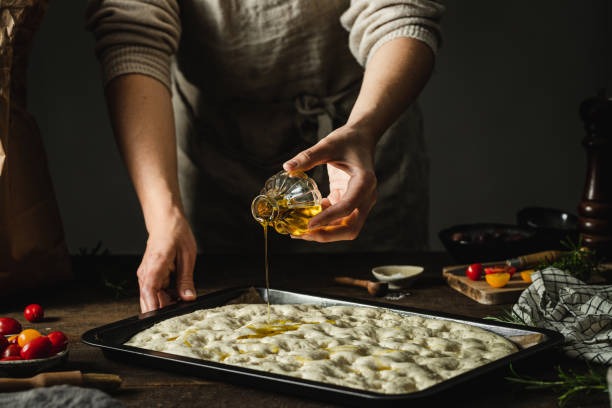
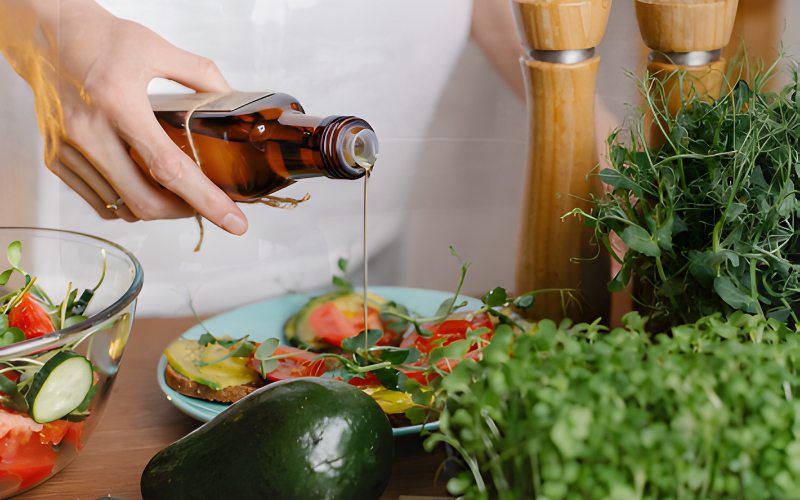
Drizzling extra virgin olive oil over a salad of avocado, tomato, and greens. Incorporating EVOO into daily meals can be as simple as using it to dress salads, dip bread, or finish cooked dishes – adding both flavor and healthy fats to the Australian diet.
Quick recipe ideas:
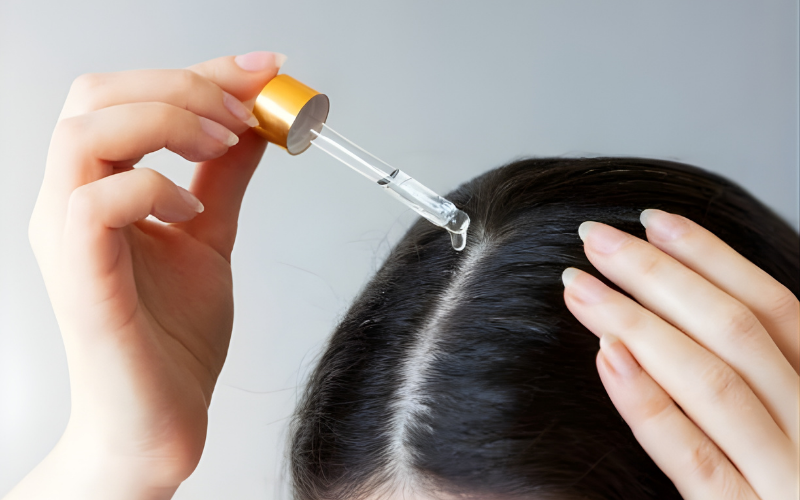
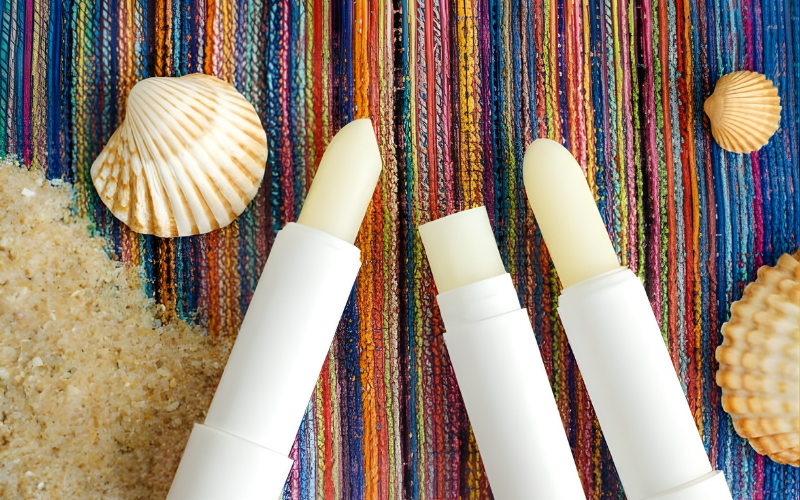
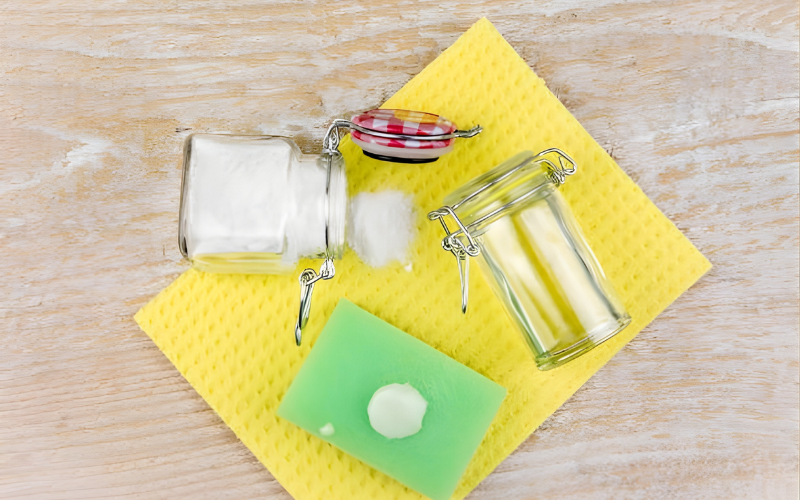
Olive oil’s usefulness goes far beyond food. Throughout history, olive oil has been used in daily life in myriad ways – and many of these uses are still relevant or just plain handy today. Here are some nonculinary applications of olive oil:
As you can see, a bottle of olive oil in the cupboard can double as a mini home remedy kit! One caveat: for non-food uses, you don’t necessarily need to use your finest extra virgin oil – a basic grade or older bottle that you don’t want to cook with can find a second life polishing your coffee table or deep-conditioning your hair. Food-grade olive oil for beauty and home use means you’re avoiding the petrochemicals found in some commercial products, which is a win for those with sensitive skin or who prefer eco-friendly options.
To round out our EVOO guide, here are some fun facts and bits of trivia that make olive oil even more fascinating:
Extra Virgin Olive Oil is truly a kitchen all-star – it elevates our food and supports our health. We’ve learned that EVOO differs from lesser olive oils in quality and production, coming straight from fresh olives without chemicals or refining. We’ve seen how it’s made, preserving its sensory and nutritional treasures. Science shows that incorporating EVOO into your diet can benefit your heart, reduce inflammation, and even help you enjoy your veggies more (because they taste better with a good drizzle!). And beyond cooking, olive oil proves its worth in our beauty routines and households.
For Australian consumers, the message is embrace EVOO: use it in your salad dressings, swap it for butter when you can, try it in new recipes – both traditional Mediterranean dishes and local Aussie favourites. With Australian olive oil production on the rise, you might even explore home-grown EVOOs, which can be world-class. Remember to store it well, use it generously but mindfully, and appreciate the story behind it – from ancient olive groves to your dinner table.
In summary, Extra Virgin Olive Oil is more than an ingredient; it’s a lifestyle choice towards better eating and living. So go ahead – enjoy that splash of liquid gold in your meals every day, and taste the difference it makes!
References (selected):
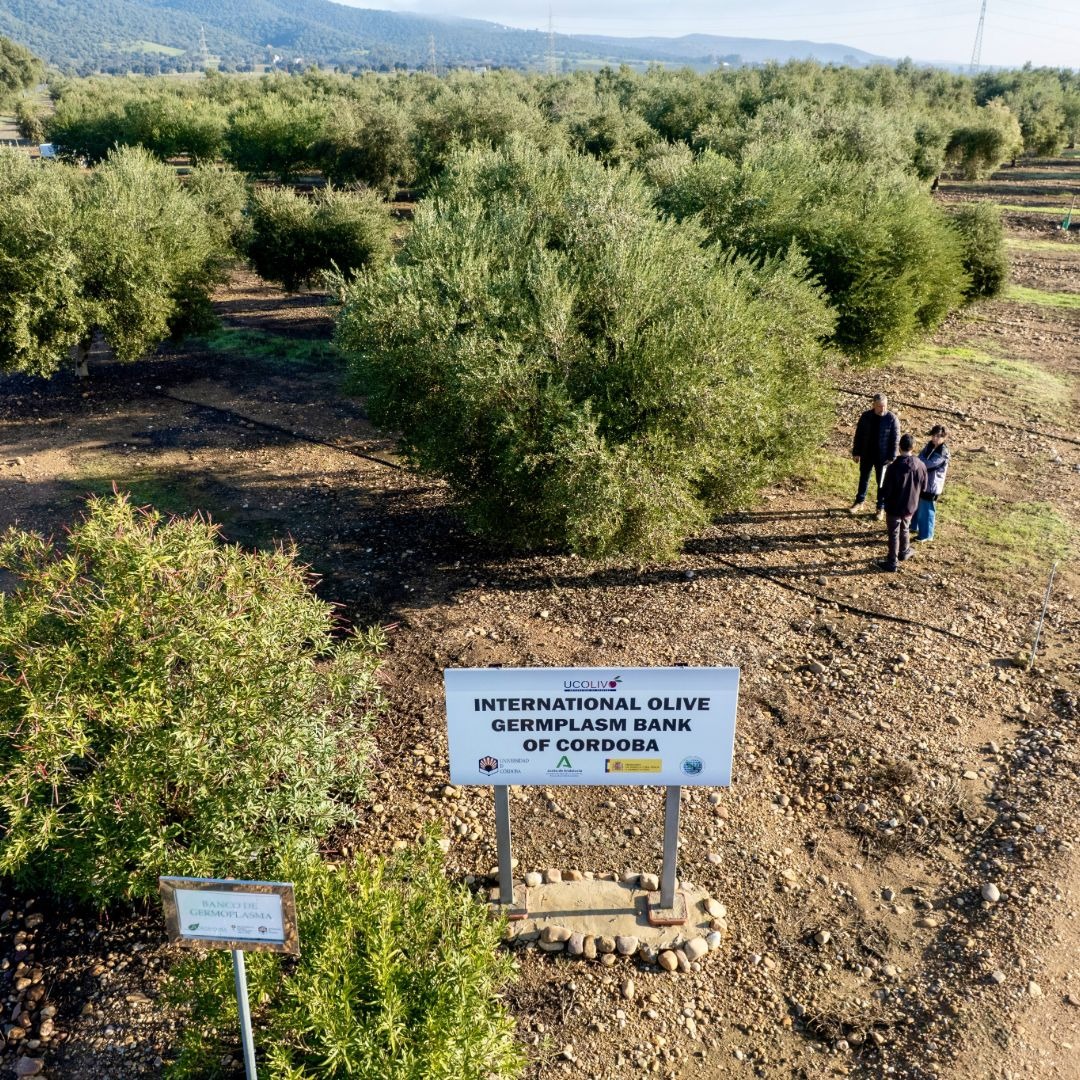
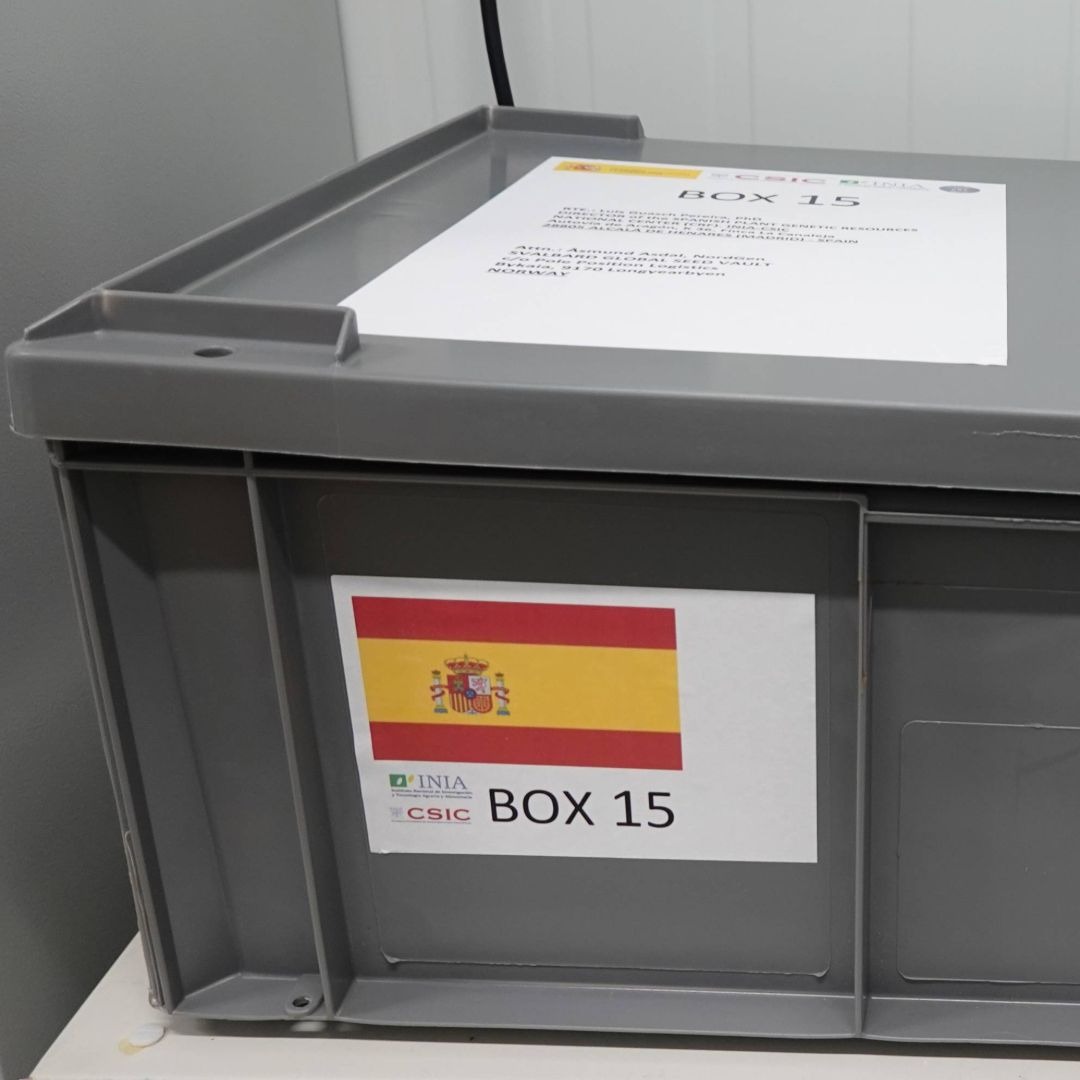
In a landmark moment for global agricultural preservation, olive seeds have been deposited for the first time in the Svalbard Global Seed Vault - the world’s most secure facility for safeguarding crop diversity.
Located deep within the Arctic permafrost of Norway’s Svalbard archipelago, the Seed Vault serves as a global backup system for the planet’s agricultural biodiversity. Often described as the “doomsday vault,” it protects seeds against the risks of climate change, natural disasters, conflict, and biodiversity loss.
Now, for the first time in history, olive seeds are part of that global legacy.
The deposit marks a significant step forward in protecting one of the world’s most iconic and culturally important crops. Olive trees have sustained civilizations for thousands of years, symbolising peace, resilience and nourishment. Preserving their genetic diversity ensures that this legacy continues for generations to come.
Jaime Lillo Lopez, Executive Director of the International Olive Council (IOC), highlighted the importance of the moment:
“The seeds we have deposited are the legacy of farmers who, throughout history, selected the most resistant trees - those that produced the best fruit or adapted to diverse soils, climates and diverse conditions. These seeds are a guarantee that future generations will continue to enjoy such an extraordinary product as olive oil.”
His words underscore what this deposit truly represents: not just seeds, but centuries of accumulated knowledge, adaptation, and agricultural selection.
This initiative was launched within the framework of the European H2020 GEN4OLIVE project, a research programme dedicated to unlocking and conserving olive genetic diversity. It was subsequently promoted by the IOC, the Food and Agriculture Organization of the United Nations (FAO), and Spain’s Ministry of Agriculture, Fisheries and Food.
The collaboration extended to leading academic and research institutions, including:
Organisations such as NordGen and the Crop Trust, along with representatives including Juan Antonio Polo Palomino, Abderraouf Laajimi, Álvaro Toledo, Dr. Kent Nnadozie, Concepción Muñoz Diez, Hristofor Miho and Pablo Morello Parra, also played key roles in bringing this milestone to fruition.
For olive growers and producers worldwide, this development carries profound implications.
Olive trees are uniquely adapted to marginal soils, water scarcity, and variable climates. However, increasing pressures from:
Traditional and wild olive varieties contain traits that may hold the key to:
The symbolic power of Mediterranean olive genetics being stored in Arctic ice is profound. It reflects the global importance of olives - no longer confined to traditional growing regions but increasingly cultivated across diverse climates worldwide.
As olive production expands into new regions, including areas facing climatic volatility, the value of preserved genetic material grows exponentially. The Svalbard deposit ensures that even in worst-case scenarios, the genetic foundation of the olive sector remains secure.
This initiative goes beyond seed banking.
It represents recognition that agricultural biodiversity is a shared global responsibility. Farmers, researchers, governments, and international organisations are united by a common understanding: safeguarding crop diversity is essential for future food systems.
The olive industry - deeply rooted in tradition - is demonstrating that it is equally committed to innovation, resilience and long-term stewardship.
For growers, processors, and industry stakeholders, this historic deposit sends a message: the olive sector is planning for the long term.
Preserving traditional and wild varieties ensures that future generations will continue to:
Leipzig Australia, led by chief executive Frank Vounasis, has unveiled plans for an $80 million olive grove development near Waikerie in South Australia.
The proposed project, known as Waikerie Grove, would span 1,000 hectares and become the state’s largest olive grove. It is expected to include approximately 357,000 olive trees and produce up to 2.8 million litres of olive oil annually.
The development is projected to create 20 full-time positions and around 70 seasonal jobs. Management of the grove will be handled by Diana Olive Oil, supported by a 30-year supply agreement with an ASX-listed distributor.
In addition to the grove, Leipzig Australia has proposed rezoning 300 hectares of nearby land to establish an employment precinct called Waikerie Park. Plans for the precinct include an olive-crushing plant and potential complementary businesses such as an abattoir, solar farm and nursery. The broader precinct is forecast to generate 346 full-time jobs and contribute approximately $38.4 million annually to the local economy.
According to Mr Vounasis, the olive grove will proceed regardless of whether rezoning for the employment precinct is approved. The project includes plans for a 10-13 kilometre pipeline drawing up to 900 litres per second from the River Murray to support operations.
If successful, a second 600-hectare plantation may also be developed. The rezoning proposal will now move to community consultation before being considered by the South Australian Government.
Source: The Greek Herald 30 / 12 / 2025, originally reported by The Advertiser.