My Account
Sign-in / Join

Sign-in

Hi My Account

Dashboard

Logout

Cart

My Shopping Cart

Subtotal
${{total.toFixed(2)}}
QUOTE

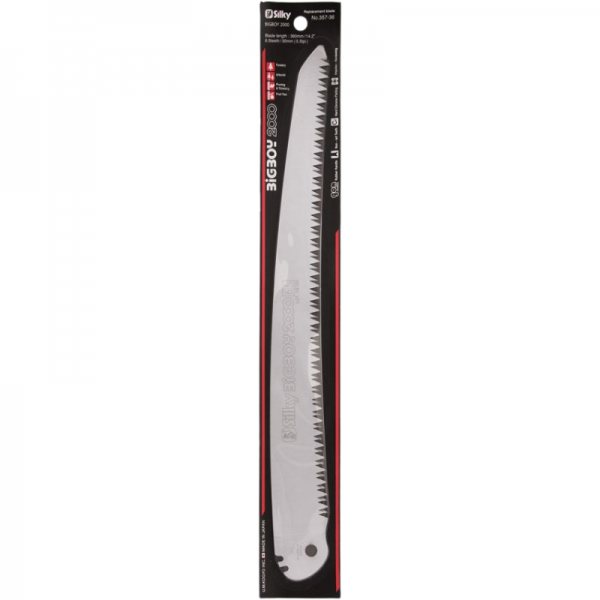
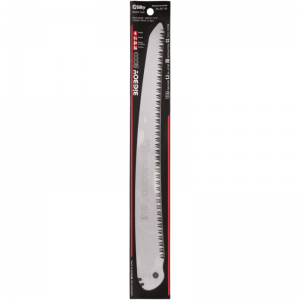
Silky Bigboy 2000 Replacement Blade | 360mm Curved Teeth.

Delivery is calculated separately
Bulk Discounts Prices
Quantity Price
1 $90.00
Quantity

CA10F.1
  • Description
  • Features
  • Enquiry
  • Specifications
  • Knowledge
  • Blog

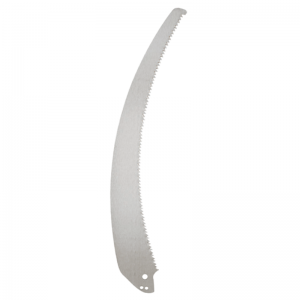
Silky Bigboy 2000 Replacement Blade - 360mm XL Curved Teeth

Prices are EX WORKS. Delivery is calculated separately based on freight and local handling.

The Silky Bigboy 2000 Replacement Blade is the professional-grade solution for maintaining the incredible cutting performance of your Bigboy 2000 folding saw. Preferred by arborists and hobbyists alike, this 360mm curved blade is specifically designed to "rock the kerf," allowing for faster and more efficient clearing of larger wood compared to standard straight blades.

Advanced Cutting Technology

Manufactured in Japan, this blade features Silky’s signature taper-ground and impulse-hardened non-set tooth design. The hard chrome-plating provides a durable, rust-resistant finish while reducing friction during the cut. The curved geometry creates a unique cutting action that first creates a peak in the kerf and then knocks it off, resulting in an aggressive, high-speed sawing experience.

Genuine Quality: This is an authentic Silky replacement part, backed by a limited lifetime warranty against defects in material and workmanship.

Technical Specifications

Specification Details
Blade Length 360 mm (14.2")
Teeth Configuration 5.5 Teeth per Inch (6.5 Teeth per 30 mm)
Tooth Type Extra Large (XL) Curved
Blade Thickness 1.4 mm
Weight 140 g (4.9 oz)
Origin Made in Japan
Main Features
  • Tooth Design: 5.5 teeth per inch optimised for aggressive wood removal.
  • Authentic Silky Saws Part: Genuine Japanese-made replacement blade.
  • Curved Blade Tech: Engineered to create and then remove peaks in the cut for high-efficiency sawing.
  • High Durability: Chrome-plated finish stands up to professional use in tough environments.
  • :
  • :
  • :
  • :

How to Remove Sap Build-up from Saw Blades and Secateurs

TOOL MAINTENANCE

How to Remove Sap Build-up from Saw Blades and Secateurs

The teeth on Silky Saws are like super sharp little chisels that are dragged across the surface of a branch with each chisel taking a bite out of the wood it is cutting. Using Japanese ingenuity, saws cut on the pull stroke and to stop the saws binding they developed a process that is called among other things, taper or hollow grinding. What they did was get a big round grinding stone and ground their saw blades so the thickest part of the blade was at the teeth and it tapered into the middle of the blade and then thickened slightly to the top of the blade. This meant that the blade was thickest at the teeth, less thick at the top and thinnest in the middle. The grinding technique produced a saw that allowed a thinner saw to cut through a branch quicker, without binding.

When you cut green wood with a Silky Saw or pruning saws and Secateurs, you are going to get sap on the blade area. The more you cut, the more sap you are going to get a build-up of and it's most noticeable in the middle (from top to bottom) of the saw blade.  Remember how the middle of the blade is the thinnest part of the blade. It is easier for the sap to stick there as it isn?t being rubbed against as much. So that night, you put the saw back in the scabbard and pick it up again the next day and do some more pruning and shaping of trees and bushes. Overnight the sap dries and hardens and is easier for the sap to stick to the blade again the next day... so the process continues. Soon you think your saws are getting blunt because it is much harder than when you first purchased to cut through a branch. With all the sap build-up, you are trying to pull a blade through a cut that is now thinner than the blade with its sap build-up.

What is the Solution

The solution is 2 minutes of TLC for your saw blades at the end of the day with the Saw Cleaner solution. This anti-bacterial organic oil spray based on Tea Tree Oil is the solution for removing sap from Saw blades and sticky substances. We use it, we swear by it and we have used it to make sap covered Saws and Secateurs look and cut like new again.? ?View before and after images above.

Summary

Sap build up is often mistaken for blade dullness, but it is actually the main cause of reduced cutting performance in pruning saws and secateurs. Because the blade is thinnest in the middle, sap easily accumulates, hardens, and increases friction, making cutting more difficult while also increasing the risk of rust and corrosion.

Using the Saw Cleaner – Tea Tree Environmental Solution 100 mL Spray helps remove sap and resin, reduce bacteria and mould, and protect blades from rust. Regular cleaning with this natural tea tree–based formula supports tool hygiene, maintains sharp cutting performance, and extends the life of pruning equipment.

When pruning with a saw why use a Straight or Curved Blade?

ibukibladeI've been working in the horticultural equipment industry and it is amazing a number of times you see the wrong tools being used for the job. ?It ends up that a grower may not be comfortable using the equipment and not get the efficiency from the tool. ?Today we are going to look at Pruning Saws. ?Of course, we have a range of Pruning Saws and you will notice that some have a straight blade and some have a curved blade. ?Why do they make them because one is better than the other? ?... no...

Let's look at the reasons why you would use one over the other

Straight blades are designed to have a reach between say your hips and around your head height. ?When you place the blade into the tree you will notice that the action of your arm is also forward to back and feels quite comfortable when you do this action within the range of the tree.

Curved blades, however, are designed for work where to you need to reach up into the tree or below the waist. ?If you prune material between the range of straight blades??(i.e. ?hip to head height region) then you tend to automatically sway or curve the saw to meet the curvature action of the blade.

So there you have it! ?We recommend if you have a grove then you need two types of saws on hand; one straight and one curved.

HANDY TIP: ?Remember most of the saws available today are in fact what I call 'Pull saws' which means they make their cut on the pulling action of the blade. ?You shouldn't push or force the blade forward when pruning as this does nothing and makes the work much harder.

See our range of Pruning Saws

https://www.youtube.com/watch?v=Aw07LJ0DOI0