My Account
Sign-in / Join

Sign-in

Hi My Account

Dashboard

Logout

Cart

My Shopping Cart

Subtotal
${{total.toFixed(2)}}
QUOTE

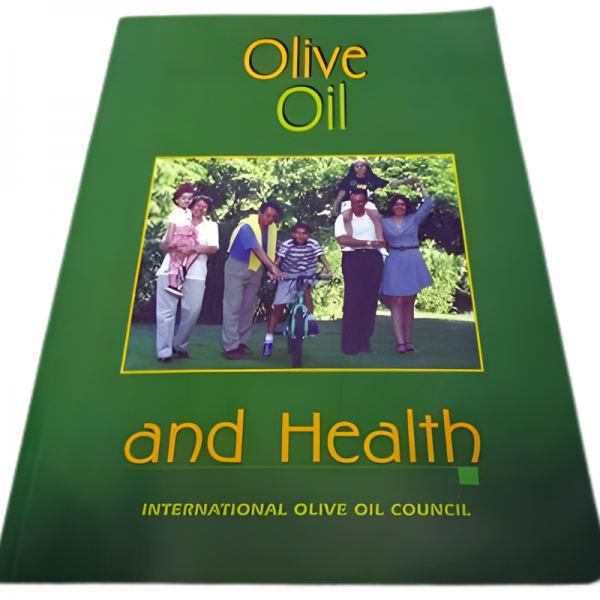
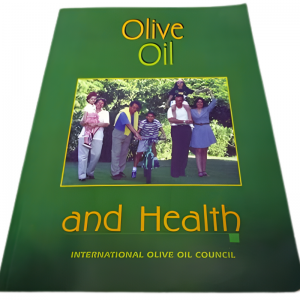
Book: Olive Oil & Health by Publio Viola

Bulk Discounts Prices
Quantity Price
1 $14.50
Quantity

QAIOCOOH
  • Description
  • Enquiry
  • Knowledge
  • Blog
Olive Oil & Health
by Publio Viola

Scientific research is advancing continuously, which makes it necessary to reexamine the medical and nutritional worth of olive oil in the light of the latest knowledge.  It has in fact been observed that edible fats and oils can cause peroxidative processes which may be detrimental to health.  Consequently, they need to be protected by antioxidants.  In this respect olive oil is privileged because its fatty acid composition and distinctive antioxidant content render it particularly resistant to oxidative deterioration, and this biological balance lends it a top ranking amongst edible fats and oils.

This book steps you through a detailed analysis of all the aspects of the relationships between fats, oils, health and provides further confirmation that olive oil is a precious source of wellbeing for mankind.

Produced by IOOC, Softcover, 64 pages.

Olive Oil Prices Set to Stay Elevated for Another Year, Says European Commission

Market Insights

Olive Oil Prices Set to Stay Elevated for Another Year, Says European Commission

This season's olive oil production is expected to total 1.5 million tons.Photographer: Angel Garcia/Bloomberg


October 2023:  According to recent forecasts from the European Commission, European households should brace for another year of soaring olive oil prices. Despite hopes for relief, the surge shows no signs of slowing as climatic pressures and limited reserves continue to strain supply across key producing regions.

The new season, which began this month, is projected to bring a total output of around 1.5 million tons. That figure represents just a 9% increase compared to last year—far from enough to restore balance in the market. Ongoing drought conditions have once again weighed heavily on growers, leaving orchards in regions like Jaén, Spain, with reduced yields. With stocks already low, prices in these major hubs have escalated dramatically, nearly tripling the five-year average.

These record highs have filtered down into everyday life, keeping the cost of Mediterranean staples such as pizza and paella uncomfortably high, even as inflation begins to cool in other sectors. Consumers across the European Union are expected to cut back, with the Commission predicting a 6% drop in olive oil consumption during the 2023–24 season. Exports are also forecast to decline by about 10% compared to the previous year.

The rally has already pushed olive oil to unprecedented price levels this year, and according to Brussels, the market’s upward momentum will likely persist for another 12 months. For growers and industry stakeholders, the news underscores how tightly climate extremes and limited inventories are reshaping supply and demand in one of Europe’s most cherished food sectors.

Reference

Bloomberg report on EU olive oil outlook

The Hidden Guardians of Aroma: How Polyphenols Protect Extra Virgin Olive Oil

OLIVE OIL

The Hidden Guardians of Aroma: How Polyphenols Protect Extra Virgin Olive Oil

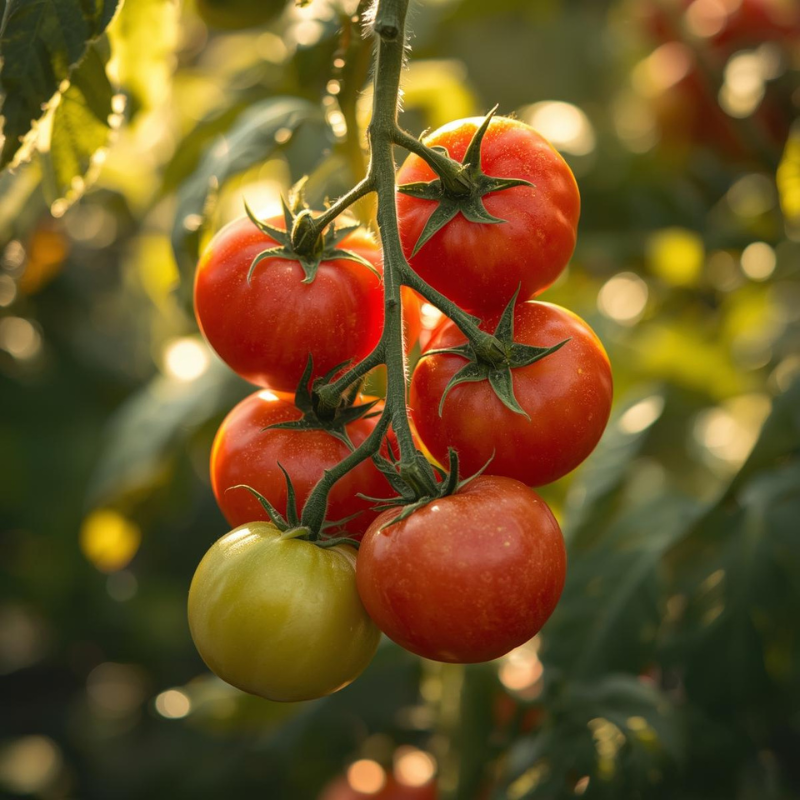
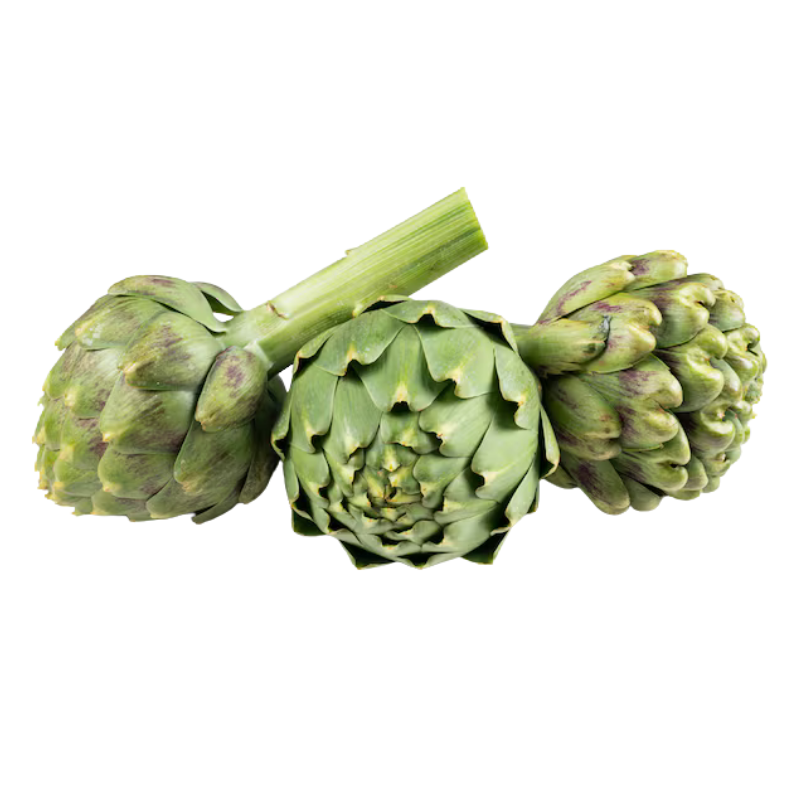
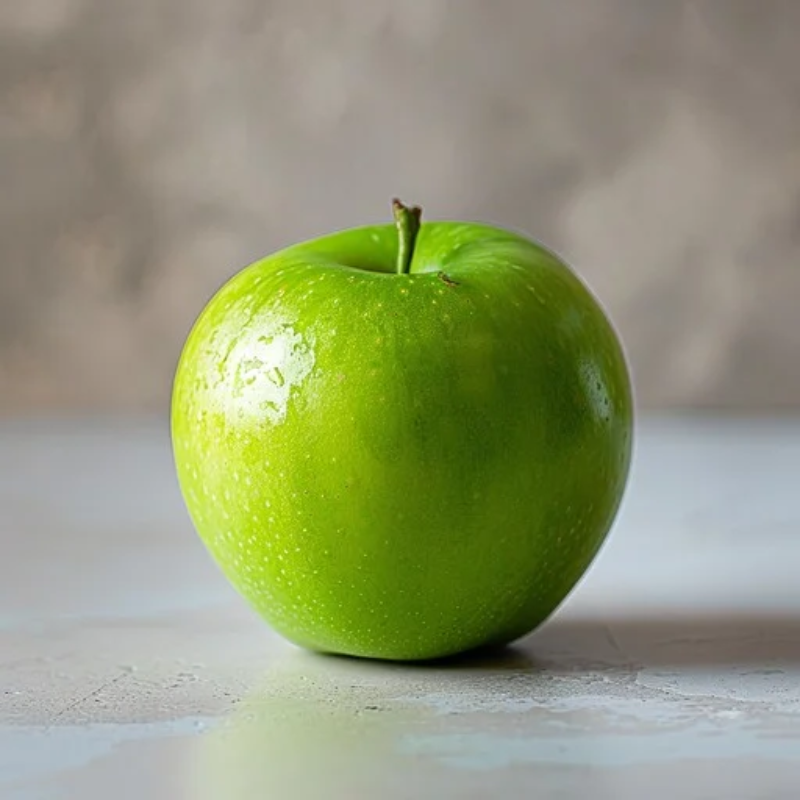
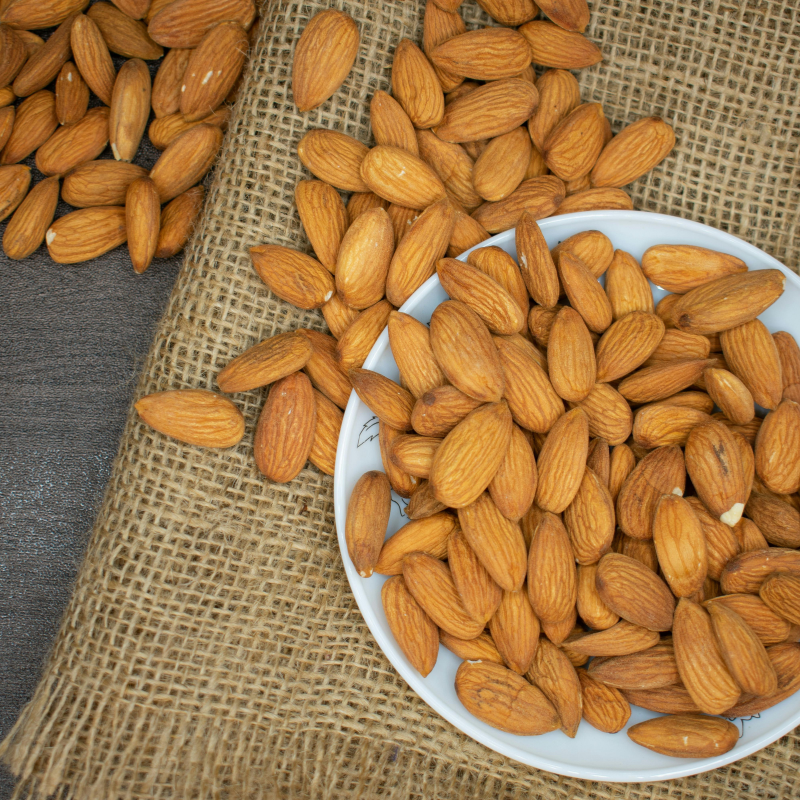
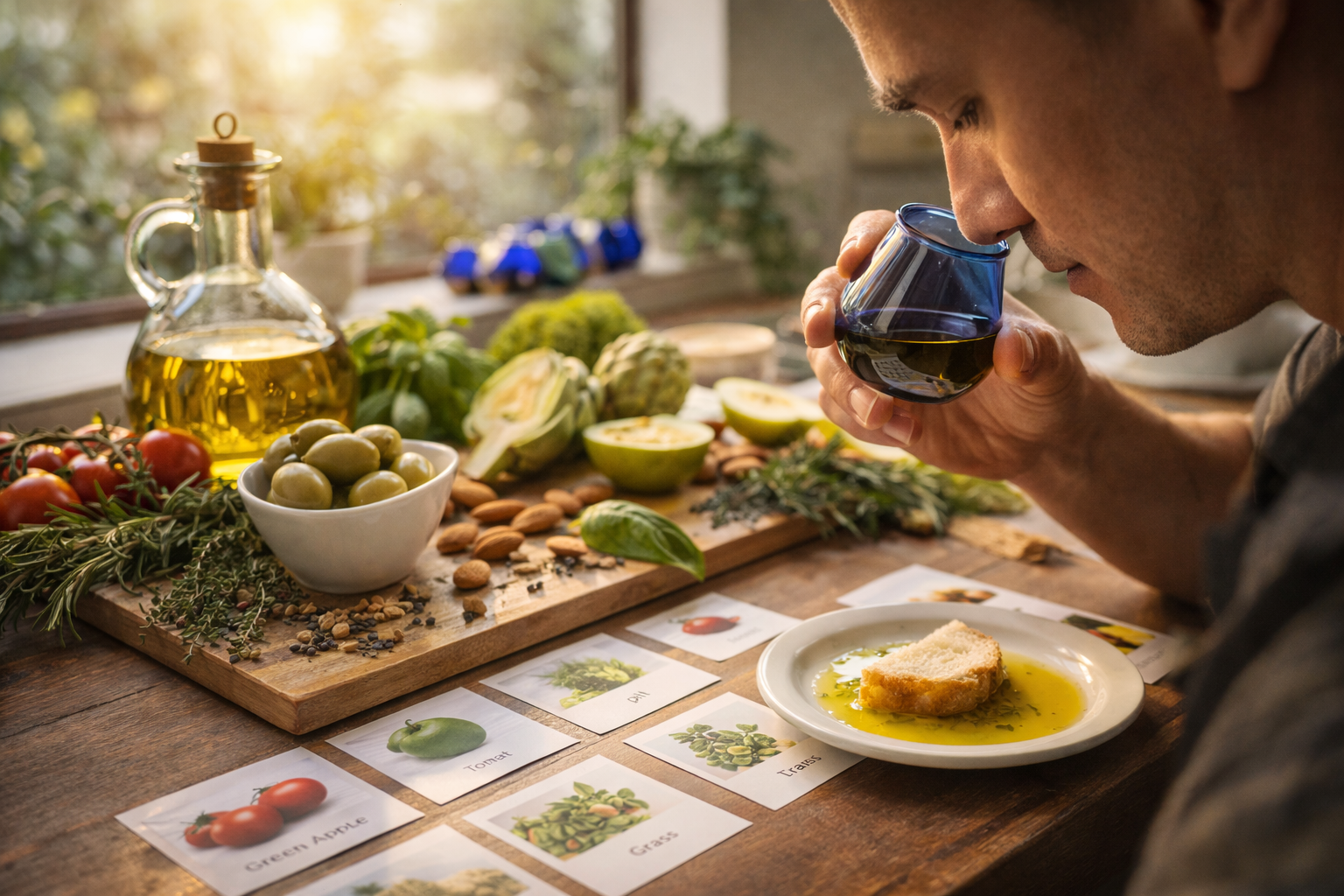
When you pour extra virgin olive oil (EVOO) into a dish, the experience begins before the first taste. Freshly cut grass, green apple, tomato leaf, almond, artichoke - these aromas define the personality of high-quality olive oil. They are the reason chefs, producers, and consumers treasure it.... but what happens to that aroma after the bottle is opened?

A study from the University of Naples provides a fascinating answer: polyphenols - best known for their health benefits - also play a crucial role in protecting olive oil’s aroma during storage and household use.

Aroma: The Soul of Extra Virgin Olive Oil

Extra virgin olive oil contains dozens of volatile aromatic compounds. These are delicate molecules responsible for the sensory notes associated with fresh olives and Mediterranean landscapes.

Key aroma descriptors commonly found in EVOO include:

Green olive

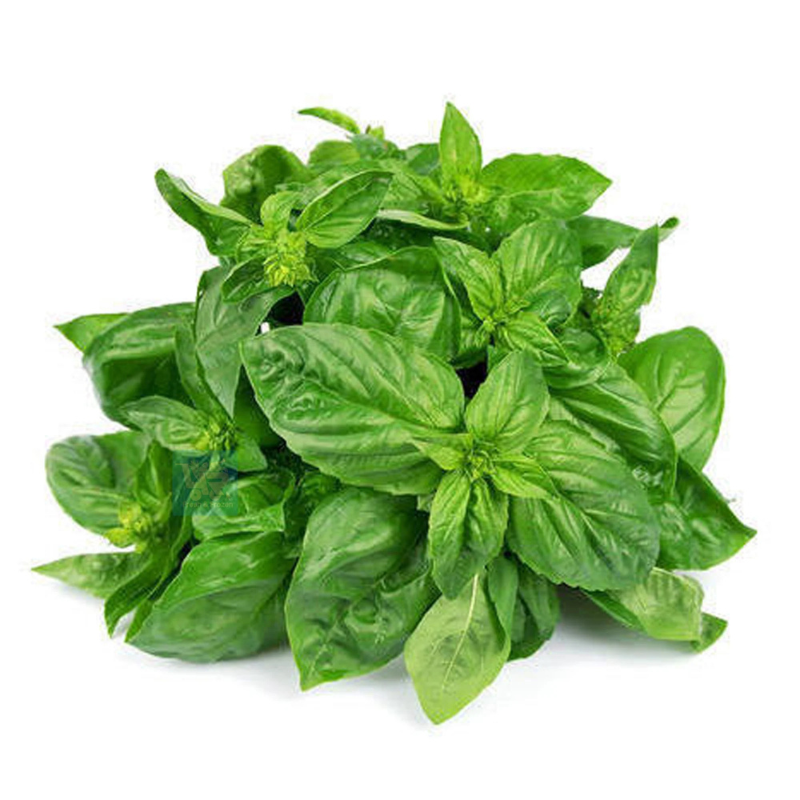
Basil

Freshly Cut Grass

Tomato Plant

Artichoke

Green Apple

Almond

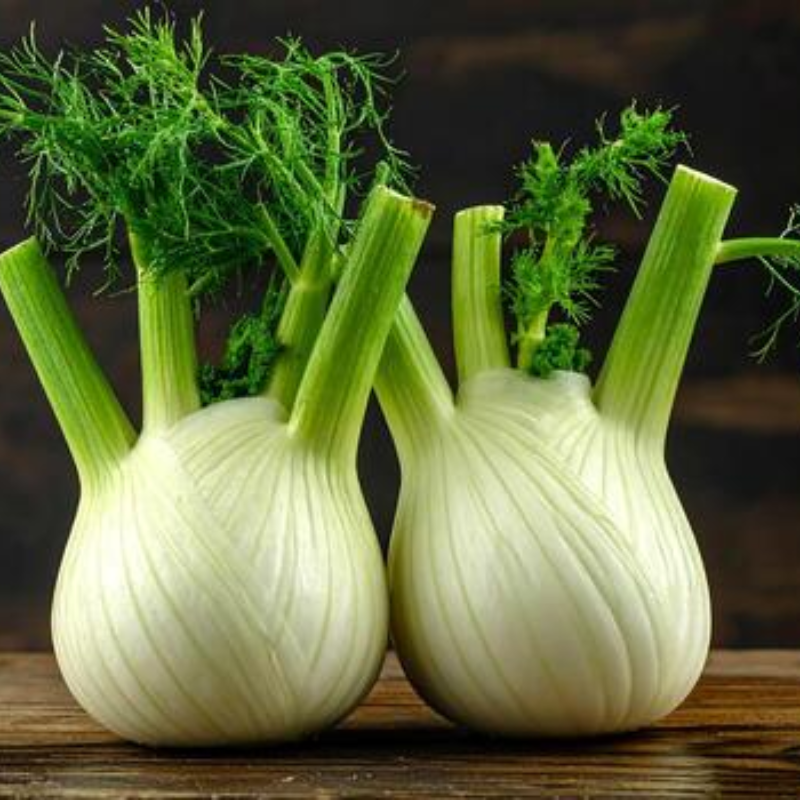
Fennel

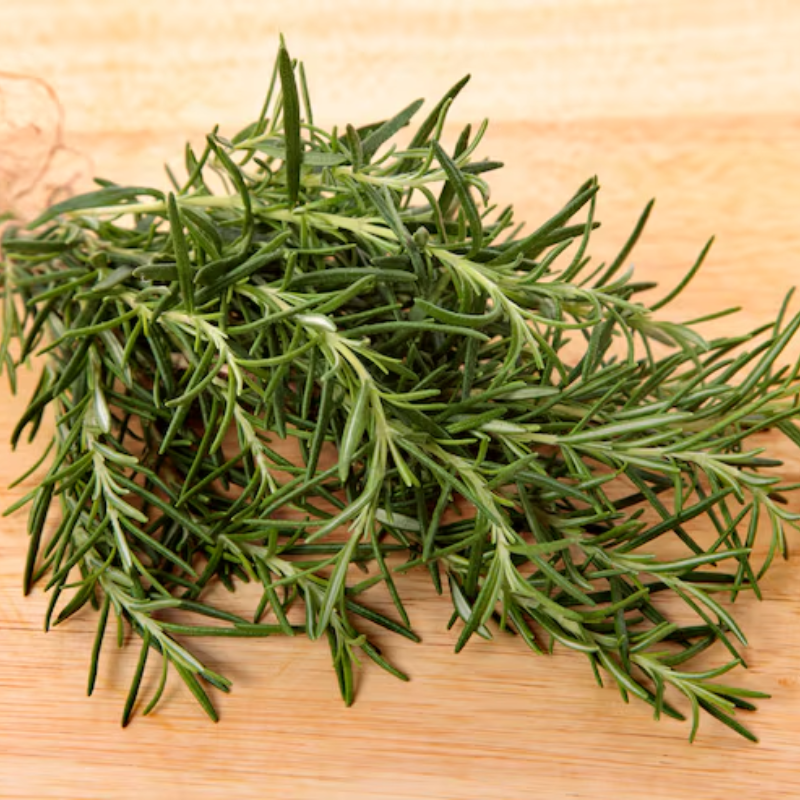
Rosemary

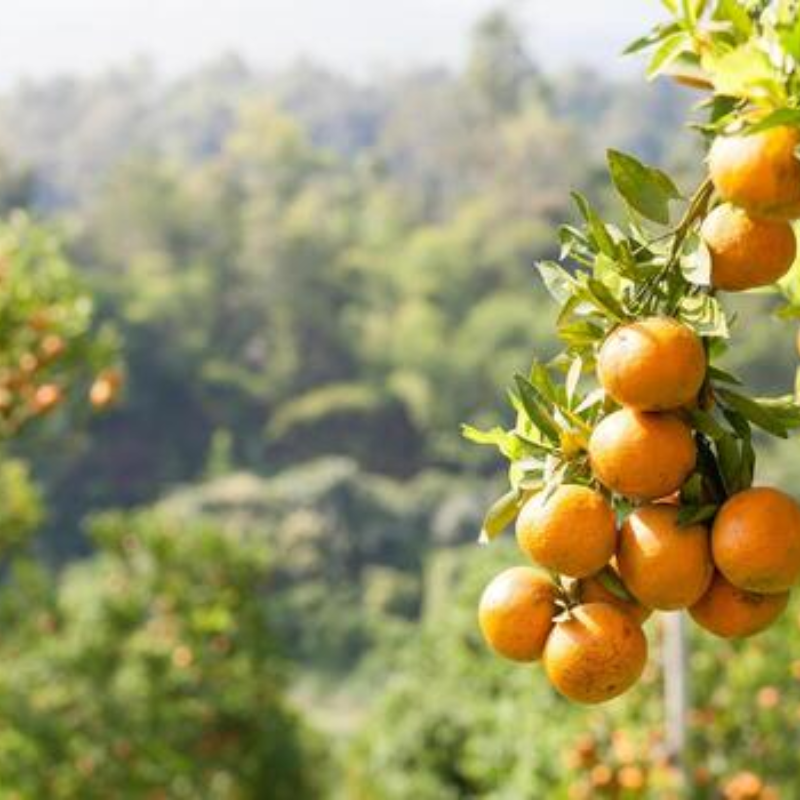
                    Citrus Notes

These volatile compounds are fragile. Exposure to oxygen, light, and temperature fluctuations can degrade them, leading to flatter sensory profiles and eventual oxidative defects.

The Study: How EVOO Aroma Changes Over Time

Researchers Genovese A., Caporaso N., and colleagues investigated how EVOO aroma changes over time under controlled conditions designed to simulate household storage. Their work, published in Food Research International (2015), focused on: 

Overtime Changes in Virgin Olive Oil Volatile Components in Model Systems Mimicking Home Consumption: The Role of Biophenols

Experimental Design

To simulate real-world consumption:

  • Twelve volatile aromatic compounds typical of EVOO were added to refined olive oil (a model system).
  • Some samples were enriched with polyphenols.
  • Samples were stored in darkness at 10°C for seven days.
  • Volatile compounds were quantified using PME-GC/MS (Gas Chromatography–Mass Spectrometry).

It is important to note that this was a controlled model system, not freshly pressed EVOO, but it allowed precise measurement of volatile stability.

The Results: Polyphenols Preserve Aroma

The findings:

  • Volatile aroma compounds decreased over time in all samples.
  • Samples containing polyphenols experienced 17–44% less loss of volatile compounds compared to those without added phenolics.

What Does This Mean

Polyphenols do not directly “protect” aroma molecules. Instead, they:


  • Slow oxidative chain reactions in the oil
  • Protect the lipid matrix from degradation
  • Reduce the breakdown of volatile compounds
By limiting oxidation, polyphenols slow the loss of aroma, helping preserve the oil’s sensory complexity over time. 


In practical terms, oils richer in phenolic compounds are more resistant to oxidative deterioration.

Why Polyphenols Matter Beyond Health

Polyphenols are widely recognised for:


  • Antioxidant activity
  • Cardiovascular health benefits
  • Antioxidant activity
This research adds another dimension:

Their antioxidant activity not only contributes to human health but also enhances the chemical stability of olive oil itself. By reducing oxidative degradation, they indirectly help maintain the sensory profile that defines high-quality EVOO.

Practical Implications for Consumers and Producers

For Consumers

  • Choose freshly produced EVOO. 
  • Store oil in a cool, dark place. 
  • Keep bottles tightly sealed to minimise oxygen exposure. 
  • Robust, early-harvest oils often (though not always) contain higher phenolic levels.

For Producers

  • Optimise extraction practices to preserve phenolic content. 
  • Minimise oxygen exposure during processing and packaging. 
  • Use protective packaging such as dark glass or tins. 
  • Emphasise phenolic content as both a health and quality parameter.

The Takeaway

Extra virgin olive oil is more than a cooking ingredient - it is a sensory experience built on delicate volatile compounds.

This study demonstrates that polyphenols slow oxidative degradation and reduce the loss of volatile aroma compounds by up to 44% under controlled storage conditions.

They are not simply “health compounds.” 

They are stability compounds.

They help preserve the character, complexity, and personality of high-quality extra virgin olive oil.

When you open a bottle and inhale its vibrant green notes, those polyphenols are working quietly in the background - helping that aroma last longer.

References

  • Based on research by Genovese A., Caporaso N., et al., Food Research International (2015).

Why Don’t Chefs Buy My Olive Oil? Understanding the Foodservice Industry

Breaking into the foodservice industry isn’t as easy as sending your best olive oil to a chef and waiting for the phone to ring. Discover the real reasons chefs hesitate to buy premium olive oil—and how producers can build strong, lasting connections with restaurants.
Please log in to view the entire article