My Account
Sign-in / Join

Sign-in

Hi My Account

Dashboard

Logout

Cart

My Shopping Cart

Subtotal
${{total.toFixed(2)}}
QUOTE
Burette for Acidity Test Kit

Delivery is calculated separately
Quantity

KA07A
  • Description
  • Features
  • Enquiry
  • Specifications
  • Knowledge

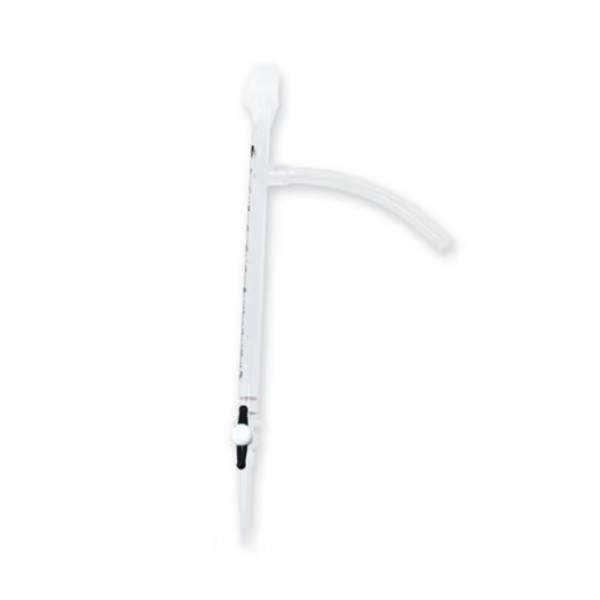
Replacement Buret Kit for Non-Glass Titratable Acidity Tester

Delivery is calculated separately based on freight and local handling.

The Replacement Buret Kit is a specialised, glass-free solution for measuring titratable acidity in environments where glass is strictly prohibited, such as food production floors and processing areas. Assembled entirely from high-quality plastic components, this kit ensures safety without compromising the analytical precision required for quality control.

High-Precision Acrylic Engineering

This kit features a 10 mL self-zeroing acrylic buret with an accuracy of ±0.1 mL. Designed to correspond exactly to a 1% full-scale glass buret, the scale is calibrated so that each millilitre of titrant directly corresponds to 0.1% titratable acidity. This direct-reading capability simplifies calculations and reduces the risk of operator error during testing.

Kit Contents: Each replacement kit comes complete with one 10 mL acrylic buret and a 5-inch Tygon® tubing oversleeve for secure, flexible connections within your existing tester setup.

Technical Specifications

Specification Details
Buret Capacity 10 mL
Accuracy ±0.1 mL
Scale Conversion 1 mL = 0.1% Titratable Acidity
Material BPA-Free Acrylic / Tygon® Tubing
Safety Profile 100% Glass-Free (Shatterproof)
Function Self-Zeroing Capability
Main Features
  • Direct Reading Scale: Calibration matches standard 1% glass burets for seamless integration into current testing SOPs.
  • Clear Visibility: High-clarity acrylic allows for easy meniscus reading and bubble detection.
  • Secure Connections: Included Tygon® oversleeve ensures leak-proof attachment to titrant reservoirs.
  • Professional Grade: Designed for daily use in laboratory and production environments.
  • :
  • :
  • :
  • :

The Role of Ethylene in Olive Ripening: Minor Player Amid Dominant ABA, Jasmonate, and Aux

This article explores the unique hormonal controls behind olive fruit ripening. Unlike climacteric fruits that rely on ethylene, olives are primarily guided by abscisic acid (ABA), jasmonates (JA), and auxins. It explains how these hormones regulate color change, oil accumulation, and fruit drop, while highlighting ethylene’s limited but practical role in harvest management. Designed for growers and agronomists, it translates physiology ins
Please log in to view the entire article

Processing Aids for Olive Oil Extraction: Functions, Benefits and Practical Application

Processing aids are essential tools that help olive oil producers improve extraction efficiency, enhance oil quality, and overcome seasonal challenges such as high moisture and difficult cultivars. This article explores how talc, enzymes, citric acid and other coadjuvants work inside the malaxer, when they deliver the greatest benefit, and how to apply them effectively for higher yields and cleaner oil separation.
Please log in to view the entire article

Esterification in Olive Oil Extraction and the Role of Processing Aids

A guide to esterification in olive oil extraction and how processing aids such as calcium carbonate, talc, salt, enzymes and clays influence oil chemistry, extraction efficiency and measurable acidity during milling operations.
Please log in to view the entire article

How Esterification Happens and the Conditions That Allow It

Esterification occurs when free fatty acids (FFA) in olives or olive paste react with natural alcohols - most commonly glycerol - to form esters. While this is a natural chemical reaction found in many biological systems, it usually plays only a small role during standard olive oil extraction. However, under certain processing or fruit-quality conditions, esterification can become more noticeable and can affect how acidity is interpreted during..
Please log in to view the entire article

Role Of Nitro-Fatty Acids From Olive Oil In Protection Of Non-Alcoholic Fatty Liver Diseas

This research poster investigates how nitro-fatty acids derived from extra virgin olive oil contribute to reduced liver fat accumulation and improved mitochondrial function in non-alcoholic fatty liver disease.
Please log in to view the entire article

Lab-on-a-Fruit: A New Way to Predict Olive Oil Quality Before Milling

New research introduces a “lab-on-a-fruit” method that can analyse olives before milling to predict olive oil aroma, phenolics and fatty acid composition.
Please log in to view the entire article