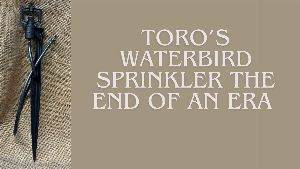
Toro has discontinued its Waterbird irrigation sprinklers, prompting olive growers to reassess under-tree irrigation systems and consider modern alternatives including micro-sprinklers and drip irrigation. What are the alternatives?

My Shopping Cart
Toro has discontinued its Waterbird irrigation sprinklers, prompting olive growers to reassess under-tree irrigation systems and consider modern alternatives including micro-sprinklers and drip irrigation. What are the alternatives?
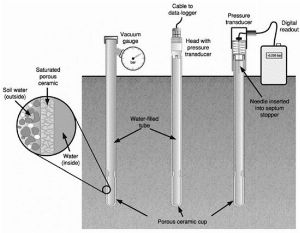
Moisture monitoring helps olive growers save water, reduce costs, and boost oil quality by ensuring trees get the right amount of irrigation at critical growth stages.

When planning irrigation for olive groves, it is important to understand the minimum water requirements needed to support healthy tree growth and fruit production.

Optimised irrigation is critical for balancing olive tree water stress, yield and oil quality. This article outlines key principles of water management in olives, including evapotranspiration, crop coefficients and irrigation scheduling.
The amount of water an olive tree requires depends on several interacting factors. Soil type plays a major role: trees planted in sandy soils need more frequent watering than those in clay soils because sand drains quickly and holds less moisture. Climate is equally important - trees grown in areas with long, hot summers and high sunshine hours require more water than those grown in cooler or cloudier regions.