My Account
Sign-in / Join

Sign-in

Hi My Account

Dashboard

Logout

Cart

My Shopping Cart

Subtotal
${{total.toFixed(2)}}
QUOTE

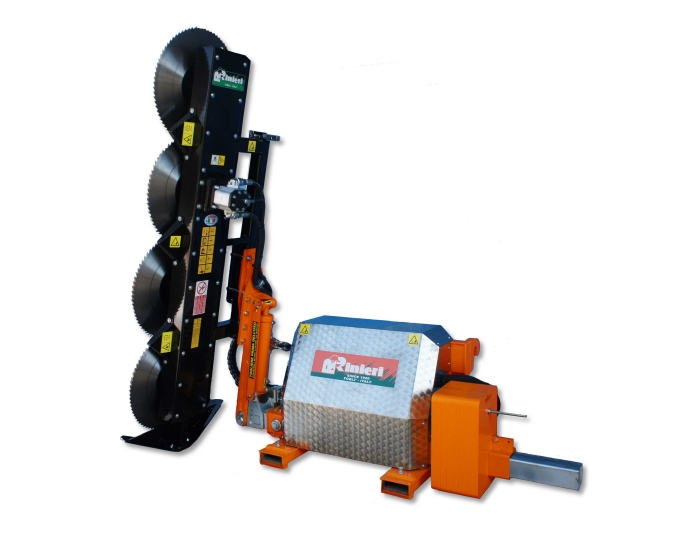
Rinieri Mechanical Pruning Brush Cutter BRPX for Front End Loader

Please call for price

Quantity

CA.BRPX
  • Description
  • Enquiry
  • Documents
  • Knowledge

Rinieri compatible Front End Loader model BRP-X200 is more heavy duty than the BRE-X series and is fitted with 4 cutting discs with a diameter of 60cm making a total cutting length of 220cm.  This unit requires 100 l/m (80 l/m for motor and 20l/m for the movements).  2 hydraulic movements (side shift and inclination at 115 degrees).  Requires a tractor weighing 3500kgs.

BRPX
File Title File Description Type Section
RH-LH.pdf Rinieri RH or LH positioning for machine Specifications Document
Angolo_di_affilatura_disco_Cod.pdf Angle for Sharpening Blade BRPX Diagrams Document
Angolo_di_affilatura_disco_Cod_1.pdf Rinieri 600mm Blade Sharpening Manuals Document
Rinieri_Pruning_Machine_Information_for_Quotation.pdf Rinieri Pruning Machine - Request to Quote Specifications Document

4 Factors In Grove Management To Focus On For Next Olive Harvest

The Grove Management Plan: Essential Areas to Focus On

A successful Grove Management Plan must cover these key areas:

Irrigation

"A grove without an effective irrigation system is unlikely to deliver consistent yields year after year. Many growers still underestimate the water needs of olive trees, and few actually monitor soil moisture levels. This is why so many groves have never achieved a commercial crop."  Marcelo Berlanda Specialist Olive Consultant

Water stress negatively affects flowering, fruit set, oil accumulation (oil production), fruit size (table olives), fruit quality, and overall tree health. However, many growers lack a proper system to monitor soil moisture or manage irrigation effectively. 

Marcelo recommends:

"Growers should inspect soil moisture weekly during spring and summer, and every two weeks in autumn and winter. Use a shovel to dig at least 400mm under the tree canopy to check moisture. If the soil is hard to dig, it’s too dry – even if the canopy shows no visible signs of stress." 

Advanced soil moisture monitoring tools can also provide reliable data on a digital display or computer dashboard. 

For optimal grove health, growers must consistently check soil moisture and prevent water stress.

Nutrition

As discussed previously, taking leaf samples is essential to assess your trees’ nutritional status. This information guides the creation of a fertiliser program, a critical component for boosting or maintaining yields.

Typically, no fertiliser is needed in winter, unless you’re addressing soil amendments. However, some groves have severe nutrient deficiencies requiring fertiliser even in winter. Where proper irrigation systems aren’t in place, growers must broadcast fertiliser before rain to allow rainfall to incorporate nutrients into the soil profile, an inefficient use of resources but often the only option.

When applying fertiliser in these conditions, target the area beneath the canopy and, if possible, cultivate the soil to improve incorporation and reduce product loss.

Olives need four essential nutrients: Nitrogen, Phosphorus, Potassium, and Calcium. Check product labels carefully. As a general guideline, aim for:

Pruning

Avoid pruning during the coldest part of winter and when it’s wet or foggy to reduce the risk of bacterial and fungal disease spread.

The main goals of pruning are to remove dead wood, reduce canopy size, restore tree balance, encourage healthy new growth, and increase fruit set in spring.

Tip: After pruning, apply a copper-based spray to protect wounds from infection by fungi and bacteria.

Pest and Disease Control

Pest & disease management is crucial for sustaining yield and tree health. Winter’s colder temperatures reduce insect activity, offering a prime time to tackle pest issues.

Set up a comprehensive Pest and Disease Monitoring Program. During winter, check marked trees (previously affected by pests or diseases) every two weeks; in spring, check weekly. Look under leaves and on new growth for signs like crawlers, yellow spots, black sooty mold, or anything unusual.

Proactive, weekly management is essential for a successful grove.

If you need further assistance, please contact us.


The Essential Equipment Guide to Harvesting Olives


OLIVE HARVESTING

The Essential Equipment Guide to Harvesting Olives

Harvest time in the olive industry is a defining moment for olive oil and table olive producers. Efficient harvesting not only determines yield and profitability but also impacts fruit quality and timing for processing. Traditionally, picking olives by hand with poles, rakes, and nets was an arduous, labour-intensive process - in fact, manual harvesting with rakes and nets can account for 50% of an orchard’s production costs. Today the rising labour shortages and tighter margins, modern growers are increasingly turning to mechanisation to save time and money. The Olive Centre, a specialist supplier for the Australian olive industry, offers a full spectrum of harvesting equipment to address these needs - from state-of-the-art mechanical shakers like the Sicma harvesters to portable electric comb rakes, pneumatic rakes, nets, wheelable frames, and other accessories. This range of tools, paired with research-driven best practices, allows commercial groves to optimise harvest efficiency while maintaining fruit quality. Below, we explore each category of harvesting equipment available through The Olive Centre, focussing on key features, suitable applications, and insights from recent studies and field experience.


Mechanical Harvesters: Trunk Shakers and Self-Propelled Buggies

Mechanical harvesters are the heavyweights of olive harvesting - high frequency vibration systems built into the machines that shake fruit off trees with speed and efficiency. The Olive Centre provides a leading range of mechanical harvesters, including tractor-mounted shaker heads, skid-steer loader attachments, and dedicated self-propelled “buggy” harvesters. These systems use a vibrating head equipped with a clamp system that attaches to the tree’s trunk or main branches, transmitting high-frequency oscillations that travel with force to the higher branches holding olives to their stems. The result is a rapid cascade of olives into catching systems, often an inverted umbrella or frame beneath the tree. In well-designed groves, a single mechanical shaker can typically harvest 40–60 trees per hour (with a clamp-and-shake cycle of only 5-7 seconds per tree) - a dramatic improvement over manual picking rates. One Australian field review notes the jump from roughly 100 kg of olives per hour using the latest pneumatic or electric hand tools to approximately 500 kg per hour with efficient mechanical harvesting machines. This efficiency in throughput allows growers to bring in the crop at optimal ripeness and throughput, provided the subsequent milling capacity keeps pace. 


 A Sicma B411 Plus self-propelled olive harvester with its 6 m catching umbrella deployed.  The Olive Centre’s partnership with Sicma gives Australian growers access to Italian-engineered mechanical harvesters known for efficiency and robust design.    


Modern trunk shakers come in various configurations to suit different operations and grove terrain. The Olive Centre’s lineup includes tractor PTO-driven models (e.g., vibrating heads mounted on a tractor’s three-point linkage or front-end loader), retrofittable kits for skid-steer loaders and telehandlers, and stand-alone self-propelled units often nicknamed “buggies.” For example, the Sicma B411 Plus is a compact 4-wheel-drive buggy harvester with a telescopic vibrating head and a 6-meter diameter catching umbrella. This machine can clamp onto trunks up to ~40 cm in diameter and shake the fruit free, which falls into the umbrella. The built-in catch frame on such harvesters typically holds 200–300 kg of olives, and can be emptied through a hydraulic trap door into bins or trailers for easy collection. Thanks to features like high-frequency self-centering shaker heads and rubberised clamps, these systems minimise bark damage while maximising fruit removal. 

In fact, a recent Italian field study on two olive cultivars achieved a 97% fruit removal rate using an advanced vibrating head and catch-frame system - virtually clearing trees in one shake. Mechanical harvesters are the workhorses of modern olive groves, enabling the timely harvest of large tonnages with a fraction of the manpower once required. 

Practical considerations: Adopting trunk shakers does require that groves be compatible with the machinery. 

  • Adequate tree spacing (commonly ~7- 8 m × 5 m or more between trees) and a single main trunk form are ideal to allow machinery access and efficient vibration transfer. 
  • Trunk clearance - Trees are often pruned to have a clear trunk at least 1 m high, which improves the shaker’s grip and vibration transmission through the canopy. 
  • Sufficient tractor power and hydraulics are also key - for instance, a tractor-mounted shaker may demand ~80–100 HP and ~100 L/min hydraulic flow to operate effectively. 
  • Terrain is another factor: on steep slopes (greater than ~20% incline), standard wheeled harvesters may struggle with stability and access. In such cases, tracked carriers or smaller equipment might be necessary, or growers may rely more on handheld tools. 
Despite these considerations, when conditions align, mechanical harvesting can drastically reduce picking costs and duration. Crucially, studies have found that mechanical shaking does not degrade olive oil quality compared to hand-picking, as long as fruit is handled properly - it enables harvesting at the optimal timing for peak oil quality, which can actually improve final product outcomes. By working closely with The Olive Centre, growers can select a mechanical harvester matched to their grove’s tree size, layout, and terrain. The payoff is a more sustainable operation: lower labour requirements, faster harvest completion, and a better chance of capturing olives at ideal ripeness. 

Hand-held - Electric and Pneumatic Harvesting Comb Rakes      

Not every olive grove can accommodate a large shaker in their operation, and not every producer needs one. Electric and pneumatic olive harvesters - essentially motorised or air-powered “comb” or “rake” units – fill an important role for small to mid-sized producers and for groves on difficult terrain. These are handheld or pole-mounted tools with vibrating tines that comb through the olive branches, knocking olives off much faster than purely manual picking. The Olive Centre offers several options in this category: 

  • Electric rakes, such as the Infaco Electro’liv battery-powered harvester (available in a 48 V lithium model or a 12 V version that runs off a vehicle battery) and Lisam pneumatic olive rakes that connect to an air compressor. Electric harvesters tend to be lightweight, portable, and quiet - ideal for small crews moving tree to tree with backpack batteries or long cables. 
  • Pneumatic rakes, on the other hand, are favored by some larger operations that have tractor-mounted air compressors; they deliver very high-speed combing action and can run continuously as long as the air supply is maintained. Both types often feature interchangeable plastic or carbon-fiber tines (“fingers”) that oscillate or rotate to strike olives off the branches into waiting nets or sheets on the ground.  The Olive Centre can offer any of the Australian Airmac compressor range.

Despite being smaller-scale than trunk shakers, electric and pneumatic harvesters substantially improve productivity over manual hand picking. Field data and grower reports suggest a single worker with a modern pneumatic or electric rake can harvest on the order of 80–120 kg of olives per hour (depending on tree yield and skill) - several times what hand picking would yield. One recent analysis noted about 100 kg/hour as a benchmark using the latest pneumatic or electric rakes. These tools are therefore very useful for reducing labour hours and addressing seasonal labour shortages, which have become a recurrent obstacle in olive production. They also excel in groves where tree spacing or steep hilly terrain make it impractical to bring in heavy machinery. Operators can simply lay out nets under a tree and work through the canopy with the powered rake, a method that is far less fatiguing than beating branches with poles.  

Handheld harvesters do require proximity to each tree and are typically used by multiple workers. The efficiency per person is lower than a single large shaker with a catch frame (which can outpace a whole team of people), so producers must balance equipment investment with their useage capability and available labor. In many cases, electric or pneumatic combs are the preferred solution for small olive groves, where gentle handling and selective harvesting might be needed. They cause minimal damage when used properly, though some fruit bruising can occur – so harvested olives, especially table varieties, usually are collected onto nets or padding and not dropped from excessive heights to avoid bruising. Research into gentler harvesting continues: for instance, trials in California have combined canopy shaking with trunk shaking to improve efficiency for table olives. This method increased fruit removal by 75% and delivered higher-quality, less-damaged fruit compared to using either method alone. While such dual-method harvesters are still in development for table olives, it underscores that even in the realm of smaller-scale equipment, innovation is boosting performance. The Olive Centre stays abreast of these developments, supplying trusted brands (like Electric tools by Infaco, & Pneumatic equipment by Lisam) that have a track record in international olive cultivation. For growers, electric and pneumatic harvesters represent a relatively affordable and versatile investment to significantly cut harvest time and labour costs without the need for heavy machinery and a much bigger budget. 

Nets, Rakes, Catching Frames and Other Harvesting Accessories

Harvesting equipment is not just about the machines that detach olives - it also encompasses all the tools that catch, collect, and transport the fruit once it’s off the tree. The Olive Centre offers a wide array of catch and carry” accessories to support efficient harvesting operations. Among these are harvest nets and catching frames. Traditionally, tarps or nets are spread under olive trees to collect olives as they are hand-picked or knocked down with poles. Today’s purpose-made olive nets are durable, UV-resistant, and come in various sizes that can be fitted around trunk bases. They drastically reduce the time needed to gather fallen olives and prevent fruit loss on the ground. Some modern harvesters use an umbrella-style catching frame – essentially a large circular net on a frame that can be deployed under the tree (either by a person or as an attachment on a machine) to catch olives as they rain down. The Olive Centre offers products like a 5–6 m diameter catching frame that can be positioned around the trunk to funnel olives into an Industry-standard Orange Crate and will fit about 20kgs of fruit per crate. Such frames can be a game-changer for groves still harvested by hand or with electric or pneumatic combs, as they keep fruit off the soil (maintaining cleanliness and quality) and make collection faster. 

Image:  Major Catching Harvest Frame


The introduction of nets and basic mechanical aids in the mid-20th century was one of the first steps to mechanising olive harvests, replacing ladders and ground picking to reduce work time and safety risks for workers.

Another staple harvest accessory is hand rakes and picking tools. These simple, hand-driven rake devices (often plastic combs capable of making them a reachable unit by installing a broom handle) allow pickers to strip olives from branches more efficiently than by handpicking each fruit.  A broom handle sourced at a local hardware store can be inserted into the back of the handle to make these reach greater heights.   The Olive Centre’s catalogue includes these manual rakes that are useful for growers starting out, for very small operations or used with a large team.  .

Picking bags and baskets are also important: workers can wear a picking bag to drop olives into as they hand-pick or move along the rows, then empty the bags into crates or bins periodically. Good picking bags distribute weight, are not too large and often have a quick-release bottom to safely transfer olives without spillage and impact which minimises bruising. 

Crates and bins round out the harvest accessories – The Olive Centre provides vented plastic orange olive crates (around 15–20 kg capacity each) and heavy-duty pallet bins (~400 kg capacity) to safely store and transport harvested olives. These containers are food-grade and ventilated to prevent heat buildup or fermentation of olives before milling. They can be moved with tractors or forklifts, streamlining the post-harvest logistics.

Image:  Orange Olive Crate

When it comes to moving bulk olives in the field, trailers and bins become essential. Many mechanical harvesting setups integrate with trailers; for example, a tractor shaking unit might drop fruit onto a towed trailer with a catching cloth, or a self-propelled buggy like the Sicma has its own bin reservoir that can be emptied into a trailer via a trap door. Even independent of mechanical shakers, growers often use tractor-pulled trailers to ferry filled pallet bins from the grove to the processing area. The Olive Centre can supply specialised bin trailer equipment and tipping mechanisms that make this process more efficient. The overall goal of all these accessories is to preserve fruit quality and save labour between the tree and the mill. Every hour saved collecting olives from the ground or transferring them to storage is efficiency gained in getting the olives to processing, which can be critical for oil quality. Research consistently emphasises rapid processing of olives after harvest (generally within 24 hours is best practice) to maintain low free fatty acidity and high polyphenol content. By using proper harvest aids - nets to keep olives clean, bins to avoid fruit piles overheating, and trailers to quickly haul fruit - producers can better achieve those quality goals.  

Optimising Harvest Efficiency and Fruit Quality: Research Insights

Equipping an olive operation with the right tools is half the battle; the other half is using them in an optimised harvest strategy. Fortunately, extensive academic and industry research offers guidance on how to mechanise effectively without compromising the olives. One key concept is fruit detachment force (FDF) - essentially, how strongly an olive is attached to its branch. FDF decreases as olives ripen, which is why oil olives (allowed to ripen longer) are generally easier to remove, whereas table olives (picked green) are much more stubborn. A University of California study noted that table olives have a fruit removal force of about 0.5 kg - meaning they require significantly more shaking or even chemical loosening to enhance fruit removal. Oil olives, usuall progressed in manturation (compared to green table fruit), have a lower detachment force, and modern high-density oil cultivars are usually harvested by over-the-row machinery like an Moresil, Oxbo, New Holland or Colossus. This explains why trunk shakers and canopy shakers are an innovation mainly needed for table olive orchards (to address their high FDF), whereas oil olive groves in super-high-density (SHD) systems can be harvested by modified grape harvesters that strip fruit with minimal effort. For producers, understanding their varieties’ detachment characteristics can inform which equipment to use and whether strategies like applying an abscission agent (fruit loosening spray) might be worthwhile. In ongoing trials, compounds like ethephon are being tested to reduce olive attachment strength and thus increase mechanical harvester efficiency.  Use fruit loosening agents with caution as improper use can defolate the entire tree.

Another insight from research is the importance of grove design and pruning in mechanical harvesting success. A tree with an open, accessible structure (single trunk, properly managed canopy) should yield better results with shakers. Studies from Europe have documented that tree architecture and pruning style significantly affect vibration transmission and fruit removal. Many growers now implement mechanical pruning and keep trees shorter to accommodate harvest machinery - a necessary adaptation as “there is no mechanical harvesting without orchard and canopy adaptation,” as one agricultural engineer famously put it. This might mean switching to hedgestyle planting (250–300 trees/ha) if one plans to use over-the-row harvesters, or simply maintaining a 6– 8 m spacing and a vase or single leader form for traditional orchards using trunk shakers. The Olive Centre, beyond just providing equipment, also provides grove consulting services to help producers plan such transitions, ensuring that investments in machinery are matched by an orchard setup that maximises efficiency and minimises fruit loss. 

Finally, research confirms that speed and timing of harvest are crucial for quality. Mechanical harvesters enable a very fast picking ....  entire blocks can be harvested at the optimal ripeness window rather than stretched over weeks. By concentrating harvest in the optimal period, growers can obtain olives at peak oil quality and get them milled promptly. 

Evidence from studies in Spain and Italy shows that when olives are harvested at the right maturity and processed quickly, mechanisation does not impair oil quality metrics; on the contrary, timely harvesting can result in higher-quality extra virgin olive oil compared to a protracted hand harvest, where some fruit inevitably becomes overripe or delays in processing occur due to extended time duration needed. 

For table olives, minimising bruising is a bigger concern, and the research offers pointers - for instance, experiments have shown harvesting in the cool pre-dawn hours can reduce fruit bruising and respiration, improving the condition of mechanically harvested table olives. Such findings are encouraging producers to adjust harvest schedules and techniques (e.g., adding padding to catch frames or using conveyors instead of dropping olives into bins) to protect fruit quality.  

Tthe modern olive grower has an unprecedented range of harvesting equipment at their disposal, and when these tools are coupled with informed practices, the results are compelling: lower costs, higher efficiency, and preserved quality. Offering industry leading equipment - from Sicma’s cutting-edge shakers to nimble electric rakes, and all the supporting gear - reflects the evolving landscape of olive harvesting. By leveraging both technology and research-based know-how, commercial olive producers can confidently tackle the critical harvest season, bringing in the crop efficiently and at peak quality to ultimately produce better oil and table olives for the market.

Conclusion

Harvesting will always be a pivotal and challenging aspect of olive production, but it no longer needs to be a bottleneck. The range of equipment available through TheOliveCentre.com empowers growers to choose solutions tailored to their grove size, layout, and production goals. Whether it’s a robust mechanical harvester shaking 500 kg of olives per hour into an umbrella, or a team of workers with electric combs and nets swiftly stripping trees on a hillside, each approach offers advantages that can improve the bottom line. Importantly, ongoing innovation - much of it supported by academic and government research from Australia and abroad - continues to refine these tools and techniques for greater efficiency, ensuring that higher productivity does not come at the expense of fruit quality. With The Olive Centre’s expertise and equipment range (including their partnership with world-class harvesting machine manufacturers), Australian olive growers have access to the best of both worlds: advanced technology proven in international groves, and local knowledge and support to implement it successfully. The result is a harvest that’s faster, easier, and more profitable – helping producers focus on what comes next, turning those olives into exceptional oil and table olives for consumers to enjoy. 

References

  • Amanda Bailey (2024). On Olives Blog: Technical overview of harvesting equipment and grove management for mechanical efficiency.
  • AgriEngineering (2025). ‘Review on mechanical olive harvesting efficiency, costs, and quality outcomes’, AgriEngineering Journal, 7(2)
  • Amanda Bailey, On Olives Blog (2024). Technical overview of harvesting equipment and grove management for mechanical efficiency.
  • Sicma Harvesting Equipment (Product specifications). B411 Plus and related models with integrated catching umbrellas.
  • University of California, Davis (2023). Studies on fruit detachment force and mechanical harvesting of table and oil olives. Department of Plant Sciences. Davis, CA.
  • Spanish and Italian field trials (2019–2024). Results on vibration transmission, tree architecture, and fruit removal efficiency (97% removal with vibrating head systems).  (2019–2024). ‘Tree architecture, vibration transmission and fruit removal efficiency in mechanical olive harvesting’, European Journal of Agronomy.
  • (2022–2024). ‘Impacts of harvest timing and handling on extra virgin olive oil quality’, Journal of Food Quality.

Rejuvenating An Olive Grove

A new grove owner near Taree, NSW, faces challenges reviving a mature olive grove on heavy clay soil in a high-rainfall region. Here’s a practical guide to restoring soil health, drainage, nutrition, and yield. The grove was abandoned and in need of rejuvenation. See what steps can be considered to bring an olive grove back.
Please log in to view the entire article

Managing Phytophthora Root Rot in Australian Olive Production


PEST & DISEASES & GROVE MANAGEMENT

Managing Phytophthora Root Rot in Australian Olive Production

What is Phytophthora Root Rot?

Phytophthora root rot is a destructive soil-borne disease of olive trees caused by Phytophthora species (water-mould pathogens). At least seven Phytophthora species have been identified attacking olives in Australia . These pathogens infect roots and can extend into the lower trunk, causing root decay and crown cankers that girdle the tree. If left untreated, Phytophthora root rot can kill olive trees, either through a rapid collapse or a slow decline over several seasons . The disease has been observed in many olive-growing regions worldwide, often linked to periods of excessive soil moisture. 

Symptoms: Infected olive trees typically show a loss of vigour and drought-like symptoms even when soil moisture is adequate. Foliage becomes sparse as leaves wilt, turn yellow, and drop prematurely . Shoot dieback starts at the tips of branches and progresses downward. In advanced cases, entire limbs or the whole canopy may wilt suddenly, especially under stress conditions like hot weather, flowering or heavy fruit load . Root and trunk symptoms include soft brown rot of feeder roots and lesion-like cankers at the crown or lower trunk; peeling back bark at the base often reveals reddish-brown discoloration of the wood. Affected trees may respond by shooting new suckers from the lower trunk or roots as the upper canopy dies back . Over time, the trunk can exhibit cracks or distortions due to the underlying canker damage . In some cases, trees can decline gradually over years, whereas in other cases they collapse quickly when the compromised root system can no longer support the canopy (for example, during a heatwave or late summer) . 

       
 An olive tree showing branch dieback and defoliation due to Phytophthora root rot. Infected trees often wilt, develop yellow leaves that drop, and can either die suddenly or decline over several years. These symptoms frequently manifest when the tree is under stress (e.g., during flowering, fruit development, or hot weather) and correspond to extensive root damage and crown cankers in the lower trunk.    

Contributing Factors and Disease Spread

Waterlogging and Poor Drainage: Excess soil moisture is the single biggest contributing factor to Phytophthora root rot in olives. Phytophthora thrives in saturated, oxygen-deprived soils. Australian conditions have consistently found Phytophthora outbreaks correlated with waterlogged conditions, claypan soil layers, or generally poor drainage in groves. Even a short period of waterlogging (as little as 24 hours) in warm temperatures can kill fine olive roots and predispose trees to infection. Low-lying orchard areas, heavy clay soils that drain slowly, or sites with a high water table create ideal conditions for the pathogen. It’s important to note that while waterlogging is a common trigger, Phytophthora can sometimes cause problems even in well-drained soils if the pathogen is present and environmental conditions (temperature, soil moisture) become favourable. In high-rainfall climates or during unusually wet seasons, otherwise well-drained olive blocks may still experience Phytophthora issues if drainage cannot keep up with prolonged rainfall. 

Susceptible Rootstocks: Most olive trees in Australia are grown on their own root stock (i.e., not grafted), but in cases where different rootstocks or wild olive (Olea europaea subsp. africana) seedlings are used, susceptibility can vary. Caution is advised when using feral/wild olive trees as rootstocks or nursery stock. These plants can originate from areas where Phytophthora is present in the soil and may introduce the pathogen or be less tolerant to it. There is currently no widely available Phytophthora-resistant olive rootstock, so all varieties should be assumed susceptible. Research by Spooner-Hart et al. noted that the emergence of Phytophthora problems in Australian olives has coincided with the expansion of plantings into non-traditional (non-Mediterranean) climates and heavier soils. This underscores the role of environment and rootzone conditions in disease incidence.

Warm, High-Rainfall Climates: Olives are traditionally adapted to Mediterranean climates (winter rain, dry summers). In parts of Australia with warm temperatures and summer-dominant rainfall (e.g., coastal Queensland and northern New South Wales), the risk of Phytophthora root rot is higher. The pathogen is widespread in soils and waterways in these regions and can easily infect olive roots when wet, warm conditions persist. Growers in such climates must be especially proactive with prevention measures. High humidity and frequent rain not only favor the pathogen but can also mask early drought-stress symptoms - an infected tree might not show obvious distress until a dry period or heat event reveals the extent of root loss.

Disease Spread: Phytophthora produces motile spores (zoospores) that swim in free water, so the pathogen spreads with water movement through soil and runoff. It can be introduced or spread in a grove via infected nursery stock, contaminated soil on equipment, flood irrigation water, or even the boots of workers moving from an infested wet area to a clean area. Once in the soil, Phytophthora can persist for years in root debris or as resilient spores. Thus, any practice that moves soil or water (e.g., tractor(s) and farm equipment, drainage flows) from an infected zone to an uninfected zone can facilitate the dissemination of the disease. Growers should avoid transferring mud and material from known infested blocks and ensure any new trees planted are from disease-free sources (pathogen-free). 

       
 PC: Root systems of wild olives at the end of soil infestation trial of healthy roots.

Best Practices for Managing Phytophthora in Olives 

Successful management of Phytophthora root rot in olives relies on an integrated strategy. This includes preventative chemical treatments, supportive nutritional therapies, and cultural practices to improve soil conditions and reduce pathogen spread. The goal is to protect healthy roots from infection, eradicate or suppress the pathogen in soil where possible, and help affected trees recover. Below are the current industry best practice:

Preventative Use of Phosphorous Acid (Phosphonate) Fungicides

Caption.

Phosphorous acid (also known as phosphonate or phosphite) is a key fungicide for mana PhozGuard 620 Phytophthora in many tree crops and is a cornerstone of preventative treatment in olives. Phosphonate does not act like a typical fungicide that directly kills the pathogen on contact,  instead, it works by inhibiting Phytophthora growth and stimulating the tree’s own defense mechanisms. This dual mode of action makes it most effective as a preventative treatment, applied before or at the very early stages of infection, to help the plant resist invasion. Phosphorous acid is available under various trade names (e.g., Phosguard620) with different concentrations of active ingredient. Always confirm that the product is permitted for use on olives and follow the label or permit directions. 

Application timing and rates: On woody perennial crops like olives, foliar sprays of phosphonate are typically applied approximately every 6 weeks during the growing season for ongoing protection. This ensures a consistent level of the fungicide within the plant, as it is systemic and will move into the roots. Label rates depend on product concentration; for example, products with around 600 g/L a.i. are used around 2.5 mL/L, 400 g/L formulations at 5 mL/L, and 200 g/L formulations at 10 mL/L (when applied with an air-blast sprayer to fully cover the foliage). For young or small olive trees, high-volume spraying to runoff ensures good coverage. Crucial timing is just before periods of high risk - e.g., before winter rains or summer wet spells - so that the roots are protected in advance. 

In situations where an olive tree has very little foliage left (severe defoliation from root rot), phosphonate can be applied as a bark spray or trunk injection. Spraying a ~10% phosphorous acid solution directly on the trunk or injecting the solution into the lower trunk can deliver the fungicide to the vascular system when leaves are insufficient. Trunk application is usually done in autumn or spring when the tree is actively translocating, to maximise uptake. Always exercise caution with concentrated trunk sprays to avoid phytotoxicity and adhere to recommended concentrations carefully.

Mode of action and benefits: Once absorbed, phosphonate is translocated downward with the sap flow, reaching the roots and inhibiting Phytophthora in infected tissues. It also primes the tree’s immune response. Treated trees often show not only disease suppression but also improved new root development in some cases. Phosphonate is valued for being relatively inexpensive and having low toxicity to humans and non-target organisms, making it a practical choice for routine preventative use. In warm, high-rainfall regions of Australia where Phytophthora is endemic, applying phosphonate prophylactically to young olive trees can protect them until their root systems establish. Many agronomists recommend an initial phosphonate spray or injection soon after planting in such regions, followed by periodic treatments during the wet season.

It’s important to remember that phosphonate is a suppressive, not an eradicant, treatment. It significantly reduces Phytophthora levels and activity in the tree but does not eliminate the pathogen from the soil. Therefore, repetitive or at least annual reapplications are needed to maintain protection. If treatments are stopped, Phytophthora can rebound if conducive conditions return. Also, phosphonate works best on preventing new infections and halting early disease - severely diseased trees (with the majority of roots already rotted) may not recover with fungicide alone. In those cases, phosphonate can only prevent further spread while other measures support the tree’s regrowth.

Other fungicides: Another chemical option is metalaxyl-M (e.g., Ridomil Gold), a systemic fungicide specifically targeting oomycete pathogens like Phytophthora. Ridomil can be applied as a soil drench or via injection to kill Phytophthora in the root zone. It has shown effectiveness in olives, but similar to phosphonate, it does not sterilise the soil and must be reapplied periodically to keep the pathogen in check. Phosphonate is often preferred for long-term management due to lower cost and resistance risk, but Ridomil drenches can be useful as a curative kick-start in heavily infested soils or to protect newly planted high-value trees. Always rotate or mix chemical modes of action as allowed, to prevent the development of fungicide resistance in the Phytophthora population. 


As an example for conventional application... Calcium nitrate at 10 g/L plus Solubor (boron) at 1.5 g/L, mixed in water, applied as a fine foliar spray every 6 - 8 weeks. Calcium nitrate provides a readily absorbed form of calcium (along with some nitrogen to spur growth), and Solubor is a common soluble borate fertiliser that assists to correct boron deficiency. These can be tank-mixed and sprayed to cover the foliage; ideally, apply in the cooler part of the day (morning or late afternoon) to reduce the risk of leaf burn.  Liquid boron applications like Agrodex Boron are usually recommended.   

Foliar Calcium and Boron to Aid Recovery 

In addition to fungicides, nutritional support plays a critical role in managing Phytophthora root rot - especially for helping infected trees recover. Two nutrients in particular, calcium (Ca) and boron (B), have been observed to assist olive trees suffering from root rot. Calcium and boron are closely associated with the growth of new shoots and root tips; they are essential for cell wall strength (Ca) and cell division/floral development (B). Some olive varieties have relatively high requirements for Ca and B compared to other fruit trees, and deficiencies of these nutrients often manifest as dieback of shoot tips (boron deficiency can cause tip death and poor new leaf growth, while calcium deficiency leads to weak stems and twig dieback).

When roots are compromised by Phytophthora, the tree’s ability to uptake nutrients from the soil is severely impaired. Ailing roots mean even if fertilisers are in the soil, the tree may still suffer from nutrient deficiencies. Foliar feeding can bypass the damaged root system and deliver nutrients directly to the leaves and young shoots. Foliar sprays of calcium and boron have shown positive results in reducing twig dieback and stimulating new growth on moderately affected olive trees. The recommended practice (from field experience in Australia) is to apply calcium and boron together on a regular schedule during the active growing season:

Growers have observed that olive trees showing moderate dieback will flush new healthy shoots after a couple of rounds of Ca+B foliar nutrition, as opposed to continuing to deteriorate. By maintaining an every 6 - 8 weeks program through spring and summer, the recovering tree has a better chance to rebuild its canopy and even some root mass (because improving the canopy’s health allows the plant to allocate energy to root regrowth). This approach is a supportive therapy - it does not attack the pathogen, but rather helps the tree tolerate the infection and outgrow the damage. Calcium also contributes to disease resistance by strengthening cell walls, making it a bit harder for Phytophthora to advance through tissues, while boron is crucial for the healing of damaged tissues and the growth of new meristems.

It’s worth noting that while calcium and boron are the focus for tip dieback, other nutrients should not be neglected. Trees battling root rot might also benefit from magnesium (for chlorophyll), zinc (for hormone production), and other micronutrients if deficient. However, over-applying any one element can cause imbalances or toxicity (boron, for instance, can be toxic above recommended rates). Stick to label rates and recommended concentrations for all foliar feeds, and monitor leaf nutrient levels if possible. The Ca+B foliar program should be seen as one component of a broader nutritional management plan for stressed trees. Start with Soil and/or Leaf Analysis to ascertain data from your grove.

Complete Foliar Nutrient Programs for Impaired Roots

Beyond calcium and boron, a complete foliar nutrient program is advised for olive trees with significantly impaired root systems. Because root rot limits uptake of both macro- and micro-nutrients, foliar applications of a balanced fertiliser can supply the tree with essential nutrients until roots recover. Many agricultural suppliers offer soluble foliar fertiliser blends (NPK plus Trace Elements) that can be sprayed on the canopy. These blends often contain nitrogen, phosphorus, and potassium, as well as micronutrient like zinc, manganese, iron, copper, molybdenum, etc., in plant-available forms. Applying such a foliar feed can green up a chlorotic, declining tree and promote new leaf and root development while bypassing the diseased root system.

A suggested regimen is to spray a complete foliar fertiliser (for example, an NPK 20-20-20 with trace elements, or a product formulated for orchard foliar feeding) on a monthly or bi-monthly schedule during the growing season. This can often be done in conjunction with the calcium nitrate and boron sprays - either by alternating them or, if compatibility is confirmed, combining them in one tank mix. Be cautious when mixing fertilisers with fungicides: phosphonate is generally compatible with many fertilisers, but always jar-test combinations or consult product labels.

Foliar nutrient programs should be tailored to the grove’s specific deficiencies. If leaf analysis or visual symptoms indicate particular nutrient shortages (e.g., yellowing between veins might indicate magnesium or iron deficiency, small, distorted new leaves could indicate zinc deficiency), include or emphasise those nutrients in the foliar mix. Maintaining good overall nutrition will improve the tree’s resilience. Stronger, well-nourished olive trees have a better chance to compartmentalise Phytophthora infections and resume normal growth once conditions improve. Remember that these sprays supplement but do not replace soil fertilisation; once roots recover function, reinstating a normal soil fertiliser program (adjusted for any residual soil fertility and the tree’s regained capacity) is important for long-term production.

Improving Soil Drainage and Grove Management 

Cultural controls that improve the soil environment are fundamental to managing Phytophthora - no chemical or nutrient can fully substitute for a well-drained root zone. Growers should evaluate their grove for any conditions that contribute to waterlogging or poor root health and take corrective action:

  • Improve drainage: Ensure that water is not pooling around olive roots for extended periods (see image right PC Australis Plants - water pooling around olive trees). For new plantings, select well-drained sites or use raised beds/mounded rows in heavier soils. Building the planting rows as mounds (for instance, 30 - 40 cm above the aisle) allows water to drain away from root zones more quickly. In existing groves, consider installing drainage solutions such as surface drains, French drains, or deep ripping between rows to break up hardpans. If a hard clay subsoil (clay-pan) is identified, deep rip or auger planting holes through it and backfill with a more friable soil mix before planting, to prevent perched water tables. Also, maintain grassed inter-rows or gentle slopes to channel excess rainwater off the orchard rather than letting it stagnate. After heavy rain, inspect the orchard to identify any spots where water stands and address those with drains or by regrading the soil. 
  • Optimise irrigation: Over-irrigation can be just as harmful as poor natural drainage. Adjust your irrigation scheduling and method to prevent waterlogging. Use soil moisture sensors if possible to guide irrigation, and err on the side of “drier” rather than “wetter” when Phytophthora risk is high. For example, instead of one long irrigation set, you might split it into shorter, more frequent sets that allow more oxygen into the root zone between waterings. Microsprinklers or drip emitters should be placed such that they wet the root zone adequately but do not create continuously soggy conditions. Make sure emitters are functioning correctly and not leaking excessively in one spot. If at high risk, avoid irrigating just before evenings or periods of cool, humid weather - it can extend soil wetness duration. Proper irrigation management is part of integrated Phytophthora control, as noted by Queensland’s Department of Agriculture: avoid both over- and under-watering, since stress from drought can also predispose trees to infection or make symptoms worse.
  • Soil amendments: Increasing soil organic matter can improve structure and drainage in the long term. Using mulch or cover crops in the inter-row can enhance soil porosity and microbial activity (which can sometimes suppress pathogens). Apply organic mulches under the dripline of olive trees to help soil structure, but keep mulch a few inches away from the trunk to avoid creating a perpetually moist collar around the base. In clay soils, the addition of gypsum can help flocculate clay particles and improve permeability. Gypsum (calcium sulfate) applied under the canopy can also provide calcium to the soil profile, which some studies suggest may reduce Phytophthora spore formation or activity (noting that very high soil pH can actually favor the disease, so use gypsum (pH-neutral) rather than lime unless you need to correct acidity). Always test soil pH before adding lime.
  • Grove hygiene and design: Treat Phytophthora-affected sections of the grove almost as a biohazard area to prevent spread. Do not move soil from infected areas to clean areas - for example, if you dig out a dead tree, dispose of that soil away from the orchard or sterilise it. Clean farm machinery, tools, and footwear after working in a muddy, suspect area. Restrict access to the orchard when the soil is wet (to avoid picking up mud on tires). If using surface water (from dams or creeks) for irrigation, be aware that it could harbor Phytophthora spores from upstream sources - consider water treatment or use of drip irrigation that limits soil splash. In windbreaks or nearby vegetation, note that some ornamental or wild plants can be hosts for Phytophthora; controlling weeds and alternative host plants may reduce inoculum reservoirs. When replanting where an olive tree died of root rot, it’s wise to improve the site drainage and possibly leave the hole fallow or treat the soil (some growers solarise the soil or apply fungicides like metalaxyl pre-plant) before putting a new olive in the same spot
  • Adjusting grove practices: Other cultural adjustments can reduce stress on at-risk trees. For instance, avoid heavy pruning of diseased trees (they need as much healthy leaf area as possible to regenerate roots) - only remove dead wood and lightly shape to balance the canopy. Do not remove those water shoots or suckers that often appear on the lower trunk of sick trees; as recommended by Australis Plants, allow these shoots to grow (pruning them back only moderately so they don’t become dominant branches) because they help the tree regain foliage and vigor. They can always be pruned off later once the tree fully recovers. Likewise, be cautious with fertilising a tree with a severely compromised root system - small, frequent doses or foliar feeds are safer than a heavy soil fertiliser application, which the damaged roots cannot absorb (and which could burn them or leach away). Finally, monitor Phytophthora-affected trees closely. If a tree is not responding to treatments (fungicide + nutrients) and continues to decline, it may be better to remove it and focus efforts on protecting surrounding trees. A rotting stump or roots can continue to harbor the pathogen, so in some cases, stump removal or fumigation might be warranted in patch areas of severe infection.

Phosphorous Acid vs. Calcium - Boron Treatments: Efficacy and Limitations

Both phosphonate fungicides and calcium-boron foliar feeds are important tools in managing Phytophthora root rot, but they serve different purposes and have distinct advantages and limitations. It’s not an either/or choice - in fact, they are complementary in a comprehensive management program. Below is a comparison to clarify their roles for growers:

  • Phosphorous Acid (Phosphonate) Fungicide: This is a direct disease-control agent. Its primary benefit is its proven efficacy in suppressing Phytophthora within the tree. Phosphonate is currently the most effective chemical for slowing root rot in olives; it can arrest the progression of the pathogen and protect new growth when applied properly. Advantages of phosphorous acid include its systemic action (it reaches roots from foliar or trunk application), relatively low cost, and safety profile (no significant residue issues in fruit, and safe to handlers when used as directed). It also has some plant health benefits, like promoting new root initiation. However, phosphonate has limitations: it is preventative and works best if in the plant before heavy infection occurs. It will not revive roots that have already been killed, nor eliminate the pathogen from the soil. Continuous use is needed to maintain protection, and over-reliance on any single fungicide mode of action can risk the pathogen developing reduced sensitivity (though Phytophthora resistance to phosphonate has been reported only in a few cases, it’s still a consideration). Also, for certified organic olive production, synthetic phosphonate use is usually not allowed - organic growers have extremely limited options beyond cultural controls and perhaps some biofungicides (which have lower efficacy). So, phosphonate is a powerful tool, but it addresses the cause of the disease (the pathogen) rather than the tree’s weakened condition.
  • Calcium-Boron Foliar Nutrition: This is a supportive treatment aimed at the tree’s health, not at killing the pathogen. The calcium nitrate + boron sprays help the olive tree by supplying critical nutrients to emerging shoots when roots cannot do so. The key advantage of this approach is that it tackles the symptoms (tip dieback, stunted new growth) and helps the tree to produce new foliage and roots despite the disease. By strengthening cell walls (Ca) and improving meristem growth (B), the foliar nutrients can reduce twig dieback and fruit drop, thus maintaining yield potential better than if the tree were left to decline. Calcium and boron applications are relatively inexpensive and can be easily combined with other foliar feeds. Crucially, they can improve a tree’s vigor, which indirectly makes it more resilient and better able to recover once the pathogen is suppressed. The limitation, of course, is that calcium and boron do not target Phytophthora at all. If used alone, they would not stop the root rot from spreading; a tree might look momentarily better as new leaves flush, but the disease could still be advancing in the roots unabated. Therefore, relying solely on nutritional sprays would be insufficient in a moderate to severe Phytophthora outbreak. Another limitation is that foliar uptake of nutrients can be affected by weather (rain can wash sprays off, very hot days can cause foliar burn or poor absorption), so timing and repetition are important. Finally, one must ensure that other nutrient needs are met - Ca and B address a specific issue, but a tree might also need nitrogen or potassium, etc., which is why a complete foliar nutrient program is recommended alongside Ca+B. 
In summary, phosphorous acid vs. Ca-B foliar feeds are not competing remedies but complementary ones. Phosphonate fungicide is your frontline defense to reduce the pathogen load and protect the roots. Calcium and boron sprays (as part of a broader foliar nutrition plan) are a means to nurse the tree back to health by encouraging new growth and mitigating dieback symptoms. Phosphonate keeps the disease in check, giving the tree a chance to regenerate; the CaB and other nutrients give the tree the resources it needs to actually do that regeneration. Growers have found that using both in tandem yields far better outcomes than either approach alone - phosphonate without nutritional support may stabilize the tree but leave it languishing, whereas nutrition without phosphonate lets the disease continue to destroy roots. An integrated approach is essential.

It’s also worth comparing phosphonate with the other fungicide option, metalaxyl (Ridomil). Phosphonate and Ridomil both suppress Phytophthora, but in different ways. Ridomil is more of a curative, directly toxic to the pathogen, whereas phosphonate has those immune-boosting properties. Ridomil can knock back an active infection faster, but it has a higher cost and a risk of resistance development in the pathogen population with overuse. In practice, phosphonate is often used for regular protection, and Ridomil (if used at all) might be reserved for spot-treating severe cases or as a pre-plant soil drench in known infested sites. Both chemicals require reapplication; neither provides permanent protection. Always follow an Integrated Disease Management philosophy when using these tools - they are most effective when combined with the cultural and nutritional strategies described above.

Integrated Disease Management (IDM) in Australian Olive Groves

Managing Phytophthora root rot requires an Integrated Disease Management approach, especially in Australia’s warm, high-rainfall olive-growing regions. No single intervention is a silver bullet; instead, growers should implement a suite of preventive and remedial measures that together minimise disease impact. Below is a summary of IDM practices for Phytophthora root rot in olives: 

  • Start with healthy, disease-free planting material: Only source olive trees from reputable, Phytophthora-free nurseries. Inspect the root systems of new trees (if possible) - healthy roots should be white and fibrous, not brown or foul-smelling. Avoid planting olives that show any signs of root rot or cankers. This prevents introducing the pathogen to your grove.
  • Select and prepare sites wisely: Prioritise well-drained sites for new olive blocks. If you must plant in a heavier soil, invest time in soil preparation (deep ripping, adding gypsum/organic matter) to improve drainage. Form planting mounds or raised beds to keep root zones high and dry. Identify any low spots in the field and address them (through drainage tiling or by simply not planting olives in the very wettest spots). Good site selection and preparation are the most cost-effective long-term defense.
  • Optimise water management: Design irrigation systems and schedules to meet olive water needs without creating waterlogged conditions. Use drip or micro-sprinklers to localise water and avoid overspray. Regularly check that irrigation is not contributing to puddling. During rainy periods, turn off irrigation entirely. Remember that olives are drought-tolerant compared to many fruit trees; slight under-watering is safer than over-watering in Phytophthora-prone areas. Also, avoid planting cover crops or pasture in the orchard that require frequent irrigation - keep the inter-row groundcover something that can survive on minimal water.
  • Monitor and act early: Train yourself and staff to recognise early symptoms of Phytophthora (e.g., leaf yellowing, tip dieback, unusual leaf drop or wilting that isn’t explained by heat alone). Mark suspects trees and considers taking soil or root samples for lab testing to confirm the Phytophthora species. Early detection allows for prompt phosphonate treatment and targeted drainage fixes before the problem spreads or the tree is too far gone. If one tree in an area shows symptoms, proactively treat neighboring trees - they may be infected but not yet showing severe symptoms. 
  • Apply chemical controls as part of a program: Use systemic fungicides like phosphorous acid as preventative sprays during high-risk periods (e.g., before and during the wet season). Follow up with repeat applications as per the label to maintain protection. If a tree is identified with active root rot, consider a curative treatment (such as a high-rate phosphonate injection or a metalaxyl drench around the root zone) to immediately reduce pathogen load, then continue with routine phosphonate. Always check the APVMA permits and registrations to ensure the product and method you choose are allowed in olives, and observe any withholding periods if the grove is in production. Rotate chemical modes of action if possible to prevent resistance - although options are limited (essentially phosphonates and phenylamides like metalaxyl), do not rely on just one product year after year without guidance. 
  • Nutritional and soil health management: Maintain adequate nutrition in the grove to avoid stressing trees. Ensure soil pH and fertility are in the optimal range for olives (pH ~6.5 - 8, adequate but not excessive nitrogen, and sufficient phosphorus and potassium based on soil tests). Stressed or malnourished trees are more susceptible to infection and less likely to recover. After flooding or waterlogging events, consider applying a broad-spectrum foliar fertiliser to give trees a boost, as waterlogging can leach nutrients and damage roots. Incorporate organic matter through mulching or cover cropping (with species that do not harbor Phytophthora) to improve soil structure and microbial diversity, which can create a more hostile environment for the pathogen. Some growers also introduce biological controls like Trichoderma or mycorrhizal fungi into the soil, aiming to outcompete or antagonise Phytophthora - while scientific results on these are mixed, a healthy soil biota generally benefits root health.
  • Hygiene and quarantine practices: Treat Phytophthora like you would a contagious disease. Clean pruning tools between trees (a bleach or alcohol dip can kill Phytophthora on tools). After removing dead trees or doing any excavation in an infected area, disinfect equipment and even shoes - soil clinging to a shovel or tractor tire can carry zoospores across the orchard. Avoid moving water from a known infested block to other blocks (for example, don’t pump runoff water from a sick block into your irrigation dam). If possible, keep a footbath or a brush station at the entry to a sensitive grove so that visitors don’t inadvertently bring in mud. Avoid sharing equipment with other farms known to have Phytophthora issues, or insist on thorough cleaning. If you yourself have multiple orchards, visit your Phytophthora-free orchard before visiting the infested one on the same day (not after), to reduce the chance of carrying soil back. These biosecurity measures may sound tedious, but they can save you from turning a localised problem into a farm-wide one. 
  • Resistant varieties and rootstocks: As of now, there are no olive cultivars immune to Phytophthora, but research is ongoing into relative tolerance. Some anecdotal reports suggest that certain olive varieties handle wet feet slightly better than others - for instance, hardy traditional cultivars vs. some high-oil, fast-growing cultivars - but all will succumb if conditions are bad enough. If establishing a new grove in a high-risk site, consult local olive experts or nursery suppliers about any available rootstock or clone bred for Phytophthora resistance. The olive industry internationally is exploring grafting onto rootstocks of closely related species (like wild olive) for disease resistance, but these are not yet common practice. In the future, planting resistant rootstocks could become part of IDM (as it is in the avocado industry), but for now, Australian growers must focus on the other measures. 
By combining these strategies, growers create multiple layers of defense against Phytophthora. Integrated disease management means you are never relying on just one method. For example, good drainage and careful irrigation make the soil less conducive to the pathogen; phosphonate treatments reduce the pathogen’s ability to infect; nutritional sprays help the tree recover faster; and hygiene stops the spread to new areas. Each component reinforces the others. This holistic approach is particularly essential in Australia’s summer-rainfall regions, where Phytophthora pressure can be high -  growers in these areas have learned that only vigilant, year-round management will keep Phytophthora root rot at bay and their olive trees productive.

Conclusion

Managing Phytophthora root rot in olives is challenging, but with vigilant management, it is possible to minimise losses and even restore affected groves to health. The keys are prevention (through site selection, drainage, and preventative fungicides) and support (through nutrition and careful cultural care for stressed trees). Australian olive growers should view Phytophthora management as an ongoing part of grove management, much like pruning or pest control, especially in regions prone to heavy rainfall. By implementing the integrated strategies outlined above, growers can significantly reduce the impact of Phytophthora root rot, protecting their trees and investment. Remember that every grove is different - monitor your olive trees closely and adapt these recommendations to local conditions, and always reference current guidelines from olive industry research and local agricultural authorities. With a proactive, informed approach, even the threat of “root rot” can be managed, and olive trees can continue to thrive and produce in the Australian landscape.

Sources: 

  • Spooner-Hart, R. et al. (2005). Sustainable Pest and Disease Management in Australian Olive Production. RIRDC Publication No. 05/080. 
  • Spooner-Hart, R., Tesoriero, L., & Hall, B. (2007). Field Guide to Olive Pests, Diseases and Disorders in Australia. RIRDC (eds.).
  • Australis Plants Nursery. (2007). Phytophthora Root Rot in Olive Trees - Practical guidelinesPhytophthora Root Rot in Olive Trees
  • Fruit Tree Lane (Australis Plants). (2023). Managing Phytophthora Root Rot in Olive Trees.
  • Bailey, A., Hall, B., & Tesoriero, L. (2017). Symptoms and management of Olive diseases and disorders. The Olive Centre Blog.  
  • Business Queensland, Dept of Agriculture. (2022). Phytophthora Root Rot – Integrated Management.

Comprehensive Operational System for Professional Olive Producers

INSIGHTS FROM THE FIELD

Comprehensive Operational System for Professional Olive Producers


Introduction

Managing a professional olive production enterprise requires a holistic operational system that covers every aspect of grove management – from seasonal field practices to financial tracking and technology integration. This report outlines a comprehensive system designed for professional olive producers in Australia (with relevance internationally), detailing best-practice management structures, cost tracking methods, data monitoring and decision-support tools, forecasting techniques, and ready-to-use workflows and templates. By implementing a structured approach with clear planning, recordkeeping, and modern tech integration, olive growers can improve productivity, sustainability, and profitability. The following sections break down the components of this system with practical guidelines and examples.

Olive Grove Management Structure 

Effective olive grove management is multi-faceted, involving year-round planning and execution of tasks. It is helpful to organise these tasks by season and category, ensuring nothing is overlooked throughout the year. Table 1 provides an overview of key seasonal activities in an Australian context (southern hemisphere), which can be adjusted for other regions (the timing of seasons will differ in the northern hemisphere ). Each activity should be supported by detailed record-keeping and adherence to best practices for orchard maintenance, irrigation, nutrition, pest control, pruning, and harvest. 

Table 1: Seasonal Calendar of Key Olive Grove Activities (Southern Hemisphere)

Season (Months) Key Activities
Spring
(Sep–Nov)
Nutrient management: Apply balanced fertiliser as trees exit winter dormancy to ensure soil nutrients are adequate before flowering.
Irrigation: If spring rainfall is low, start irrigation to support flowering and fruit set, ensuring driplines and pumps are functioning.
Pest & disease monitoring: Warmer weather triggers pests and diseases—inspect trees regularly for issues (e.g. scale insects, olive lace bug) and apply preventative measures (e.g. copper spray).
Bloom management: Monitor flowering progress; ensure good pollination conditions (adequate water, no nutrient stress).        
Summer
(Dec–Feb)
Irrigation management: Peak water demand period—use regular soil moisture checks or sensors to irrigate optimally without waste. Flush irrigation lines and clean filters as needed.
Canopy maintenance: Conduct summer “green” pruning if needed (remove water sprouts or suckers to improve airflow). Maintain groundcover to manage weeds and reduce fire risk.
Pest & disease control: Continue integrated pest management—monitor for olive fruit fly (in regions where present) with traps starting early summer, and watch for other pests such as black scale or olive lace bug. Use mass-trapping or targeted sprays only if thresholds are exceeded. Apply fungicides if necessary to contain diseases like Peacock Spot in humid areas.        
Autumn
(Mar–May)
Harvest preparation: As fruit ripens, plan harvest logistics. Service and prepare harvesting equipment in advance (e.g. check and calibrate mechanical harvesters or organise picking teams). Order required supplies (crates, nets, fuel) ahead of time.
Harvest operations: Harvest at optimal ripeness—olives are often picked when ~60–70% of fruit has turned purple. Coordinate labour or machinery and transport to the mill promptly to ensure quality. Record yields per block for later analysis.
Post-harvest tasks: Immediately after harvest, perform foliar nutrient sprays if recommended (to help trees recover). Begin pruning soon after harvest (in late autumn or early winter) in oil groves, removing dead or diseased wood and thinning canopies for next season. Apply a copper-based fungicide post-harvest to reduce overwintering disease inoculum (e.g. peacock spot, olive knot).        
Winter
(Jun–Aug)
Pruning and orchard maintenance: This is the main period for structural pruning in most regions (trees are in vegetative rest). Prune to maintain tree shape, manage tree height (after harvest), and remove dense interior growth to improve light penetration. Chip or mulch pruned material for soil health. Repair trellis or tree support systems if used.
Soil and tree health: Take soil and leaf samples in winter for analysis; use results to plan spring fertilisation. Apply organic matter or compost if needed to improve the soil. Deploy snail bait if small pests are an off-season issue in the grove.
Equipment and infrastructure: This is a downtime period for fieldwork, so service farm machinery and irrigation infrastructure. Overhaul sprayers and harvesters. Flush and maintain irrigation systems (clean filters, flush sub-mains, check pumps, and replace batteries in controllers) so they are ready for the dry season. Also, use winter to review and update grove records from the past season and refine the coming year’s plan.        

Seasonal Planning and Task Scheduling 

Proactive seasonal planning is vital. By mapping out activities month-by-month, growers can ensure each critical task is done at the right time. Many producers use a yearly task calendar or planner to schedule operations. For example, the Australian Olive Association’s Yearly Orchard Planner outlines monthly tasks ranging from machinery servicing in the off-season to timely fertiliser applications and harvest prep. Such a planner ensures cross-over tasks (e.g. tractor maintenance benefiting both grove and other farm enterprises) are efficiently scheduled. It’s important to adjust the calendar to local climate patterns and whether the grove is in the southern or northern hemisphere. Regular planning meetings (e.g. before each season change) can help assign responsibilities and resources for upcoming tasks.

Record Keeping and Documentation 

Accurate record keeping underpins all aspects of the operational system. Every activity – from spray applications to harvest yields – should be logged. This not only aids internal decision-making but also is often required for compliance (e.g. chemical use records) or quality assurance programs (such as the OliveCare® code of best practice ). Key records to maintain include: 

  • Spray and pest monitoring logs: Document all pesticide/herbicide applications (date, product, rate, target pest/disease) and use Integrated Pest Management (IPM) scouting sheets to note pest pressures. Templates for spray records are available from agricultural extensions, helping ensure no treatment is missed and preventing overuse or misuse of chemicals. Fertiliser and irrigation records: Keep a diary of fertiliser applications (dates, type, amount per hectare) and irrigation events or water meter readings. This can highlight correlations between inputs and yields and assist in water management audits. 
  •  Fertiliser and irrigation records: Keep a diary of fertiliser applications (dates, type, amount per hectare) and irrigation events or water meter readings. This can highlight correlations between inputs and yields and assist in water management audits. 
  • Labour and equipment use: Track labour hours and machinery use for each major task (pruning, harvesting, etc.), which feeds into cost analysis (discussed later) and helps evaluate efficiency. 
  • Yield and quality data: Record yield (tonnes of olives or litres of oil) per block or variety, along with quality parameters (e.g. oil yield %, free fatty acid, etc., for oil production). These records enable analysis of which practices or blocks are most productive. 
  • Monitoring and scouting reports: Note observations such as tree health issues, phenological stages (flowering, fruit set dates), weather events (frosts, heatwaves) and any interventions taken. Photographs and drone images can be attached to records for visual reference. 
Using standardised templates and digital tools can simplify record-keeping. For instance, the USDA’s toolkit for growers provides templates that cover “all aspects of operations, from production costs to sales data, and everything in between,” highlighting the importance of comprehensive records for farm management. Good recordkeeping not only supports day-to-day management but is indispensable for legal compliance, certifications (e.g. organic standards), and obtaining financing or insurance. In summary, “knowledge is power” in olive growing, and knowledge comes from meticulous records. 

Orchard Maintenance and Infrastructure

General orchard maintenance activities ensure the grove’s long-term health and accessibility. These include ground cover management, upkeep of equipment, and maintaining the orchard environment: 

  • Ground cover and weed control: Decide on a floor management strategy (e.g. maintain a mowed grass cover vs. bare ground). Ground covers can prevent erosion and improve soil health, but must be mowed or controlled to reduce competition for water. Scheduled slashing (mowing) of row middles is typically done multiple times per year. Apply herbicides in tree rows if needed to manage weeds; many groves use strip-spraying under trees a few times per year (e.g. paraquat or glyphosate in the growing season, plus a pre-emergent herbicide in winter). All chemical use should be recorded and follow safety regulations. 
  • Soil health and fertilisation: Maintain soil structure and fertility through periodic amendments. Soil tests (e.g. annually or biennially, ideally in the same season each time) guide nutrient programs. Typical olive nutrition programs supply nitrogen (N) as the primary nutrient for yield, along with phosphorus, potassium and micronutrients as needed. In Australia, a common approach is to apply N fertiliser in split applications from late winter through summer to sustain shoot and fruit development. Some growers fertigate (apply fertiliser via irrigation) to spoon-feed nutrients. Organic matter additions (e.g. well-rotted manure or compost in winter) can improve soil water retention and microbial activity. Maintaining soil health is fundamental: “maximising soil health and quality is key” to productive trees. 
  • Infrastructure and equipment: Regularly inspect and maintain farm infrastructure. This includes servicing machinery (tractors, mowers, sprayers, harvesters) during the off-season, maintaining roads and drainage in the grove, and repairing trellises or tree stakes in high-density systems. Having a workshop log for equipment ensures each tractor or implement receives timely oil changes, filter replacements, etc. Also, maintain storage sheds, fencing, and signage (especially for chemical storage areas, to meet safety standards). A well-maintained infrastructure reduces downtime during critical periods like harvest.

Irrigation Management

Efficient water management is crucial for olive production, especially in Australia’s climate, where seasonal droughts are common. Olives are relatively drought-tolerant, but strategic irrigation greatly improves yield and oil quality in most Australian growing regions. Key components of irrigation management include:

  • Irrigation system design & maintenance: Most professional growers use drip irrigation for precision and water efficiency. Ensure the system is well-designed (e.g. one or two drip lines per row, emitters appropriately spaced for the tree density and soil type ). Regular maintenance tasks should be scheduled: flushing lines and sub-mains to clear sediment, cleaning filters, checking for clogged emitters, and repairing leaks. In the yearly planner, irrigation maintenance appears as a recurring task (line checks, filter cleaning, etc.) multiple times a year. Also, check pump performance and replace batteries in electronic controllers or moisture sensor units on a set schedule. 
  • Scheduling and monitoring: Use a combination of methods to schedule irrigation – weather data, soil moisture monitoring, and phenological stage of the trees. Installing on-site weather stations provides localised climate data (rainfall, evapotranspiration, temperature) for scheduling decisions. Soil moisture probes at different depths offer real-time insight into soil water status. Many Australian groves employ such probes and even have staff dedicated to monitoring soil moisture and irrigation efficiency. By tracking soil moisture and tree stress (e.g. via leaf turgor or even remote sensing of canopy), irrigation can be applied only when necessary – conserving water while avoiding yield-reducing stress. A common strategy is to meet full water needs during critical growth stages (flowering, fruit set, early fruit growth) and possibly reduce water towards harvest to concentrate oil (regulated deficit irrigation). For example, in Western Australia, a mature grove might need ~3 to 10 megaliters per hectare over the dry season, depending on the region. Each grove should have an irrigation schedule that is updated weekly based on weather and soil feedback. 
  • Technology integration: Modern “smart irrigation” technologies can greatly aid water management. Automated irrigation controllers that adjust watering based on sensor inputs or weather forecasts are commercially available. As one industry guide notes, “smart irrigation systems – combining soil-moisture sensors and automated controllers – enable more precise, efficient water management,” tailoring water delivery to the orchard’s needs. A recommended setup for high-efficiency irrigation includes an on-site weather station, multi-depth soil moisture probes (to monitor moisture and even salinity at various depths), water quality sensors (EC sensors for salinity), flow meters for tracking volumes, and a digital platform or dashboard to view all this data. By adopting such technology, growers can remotely monitor their irrigation and even receive alerts (e.g. if soil is too dry or a pump fails), allowing quick adjustments. In practice, this means a more data-driven irrigation strategy, improving water use efficiency and potentially boosting yields for the same water input. 

Overall, irrigation in an olive operational system should be proactive and precision-focused. Given water scarcity concerns, Australian producers in particular benefit from these efficient practices – a fact evidenced by large groves like Boundary Bend investing heavily in irrigation technology research to “use less water but retain optimum productivity”. Well-managed irrigation not only saves water and energy, but also directly contributes to consistent yields and oil quality. 

Fertilisation and Soil Nutrition

Proper fertilisation of olive trees ensures they have the nutrients needed for vegetative growth, fruiting, and recovering after harvest. The nutrition program should be based on soil and leaf analysis plus the grove’s yield goals. Key points include:

  • Macro-nutrients: Nitrogen (N) is typically the most yield-driving nutrient for olives. Deficiency in N can limit fruit set and yield, while adequate N supports new shoot growth (which forms next year’s fruiting wood). Common practice is to apply N fertiliser annually, split into 2–3 applications: e.g. one in late winter (just before bud-break), one in spring (during fruit set), and sometimes another in early summer. This timing ensures nutrients are available at critical stages. Phosphorus (P) and Potassium (K) should also be maintained at sufficient levels; K in particular is removed in large amounts with the fruit (olives are high in oil and thus K) and needs replenishment. If leaf or soil tests show low P or K, apply appropriate fertilisers (often in autumn or winter so they are in place by spring). Calcium (Ca) is important for drupe development and can be supplied via lime if soil pH needs correction or gypsum if pH is fine, but Ca is needed.  
  • Micro-nutrients: Boron is a micronutrient especially important for olive flowering and fruit set; boron foliar sprays before flowering can improve fruit set in boron-deficient areas. Other micronutrients like iron, zinc, and manganese can be foliar-fed if deficiencies are indicated. A foliar feeding program in spring (e.g. including urea, boron, zinc) is practised by some growers to give the trees an extra boost during flowering/fruit-set. Always use soil/leaf analysis to guide micronutrient use, as excesses can be harmful. 
  • Soil management and amendments: Olive trees prefer well-drained soils; if the orchard has compacted soil or poor structure, consider off-season soil amendments (organic matter, gypsum for clay, etc.) or physical soil loosening. For example, subsoiling in winter (cutting vertical slots in grassy middles) can improve root penetration and water infiltration. Maintaining a slightly alkaline soil pH (~7-8) is often ideal for olives; apply lime if the soil is too acidic. Additionally, cover crops or mulches can be used to improve soil organic matter and nutrient cycling. Some advanced groves recycle their olive pomace or prunings back into the soil as compost/mulch, contributing to a “zero waste” approach and carbon sequestration. 
  • Fertigation and foliar feeding: Where drip irrigation is used, fertigation (injecting soluble fertilisers into irrigation) can distribute nutrients efficiently. It allows spoon-feeding of N or K throughout the growing season, avoiding large single doses. Foliar feeding (spraying nutrients on leaves) can quickly correct deficiencies or provide timely nutrients (e.g., a postharvest foliar N spray to help build reserves, or a pre-bloom boron spray as mentioned). The Yearly Orchard Planner explicitly schedules foliar fertiliser sprays and post-harvest foliar feeds in certain months. Always follow guidelines for concentration and do foliar sprays in appropriate conditions (cool parts of the day, adequate humidity) to avoid leaf burn.
In summary, a fertilisation plan should be documented each year, including what products to apply, approximate timing, and target rates per hectare. Regular review of tree nutrient status (via leaf analysis and observation) and yield outcomes should inform adjustments. By keeping trees well-nourished but not overly vegetative, growers set the foundation for high yields and tree longevity

Pest and Disease Control

Pest and disease management in olives should follow an Integrated Pest and Disease Management (IPDM) approach. This means using a combination of monitoring, cultural practices, biological controls, and chemical controls when needed. Key elements for a professional group include:

  • Regular monitoring (scouting): Walk or drive through the grove frequently (at least weekly in spring and summer) to inspect for signs of pests or disease. Pay extra attention during key periods: for example, as soon as the weather warms in spring, look for new infestations of olive lace bug (which thrives in warm, moist conditions), or in late spring/summer, watch for scale insects on leaves and twigs. Use monitoring tools like yellow sticky traps or pheromone traps for pests such as olive fruit fly (in regions where it exists). The traps should be checked regularly and counts recorded. For diseases, winter and spring rains can trigger issues like Peacock Spot (olive leaf spot) and Anthracnose – inspect leaves and fruit after wet weather and consider lab testing if unsure of the pathogen. Maintaining a monitoring log is critical; the motto is “know how to spot the early sign and ensure affected trees are treated quickly to stop the spread”
  • Preventative and cultural measures: Many problems can be mitigated by orchard maintenance. Pruning to open the canopy reduces humidity and foliar diseases. Cleaning up fallen fruit and pruning debris can break pest life cycles. For example, if black scale or other scales are a known problem, encourage natural enemies (avoid broad-spectrum insecticides that kill beneficial wasps) and prune out sooty mould-covered twigs. If olive fruit fly is present (a major pest in Mediterranean regions), a cultural technique is mass-trapping and prompt harvest (overripe fruit left on trees invites higher fly infestation). Also, in Australian groves, biosecurity is a consideration – preventing entry of exotic threats like Xylella fastidiosa (a deadly bacterium not present in Australia as of 2025) by controlling nursery stock movement and sanitising equipment that has been abroad. 
  • Targeted chemical controls: When pest or disease pressures reach economic thresholds, timely use of pesticides or fungicides is necessary. Always choose registered chemicals and follow label rates and withholding periods. Common sprays in olives include copper-based fungicides (e.g. copper hydroxide) applied in winter or spring to combat fungal diseases like Peacock Spot and olive knot – the planner shows copper sprays in winter months. For insect pests, petroleum oil or specific insecticides can be used for scale insects and olive lace bug if infestations are heavy (some Australian growers gained permits for certain insecticides to manage lace bug outbreaks). Olive fruit fly control internationally often uses bait sprays (protein bait with insecticide) or cover sprays with spinosad or pyrethroids, timed to when fly populations rise; alternatively, kaolin clay sprays can deter oviposition. It’s crucial to rotate modes of action to avoid resistance and observe any export market restrictions on chemical use. 
  • Best-practice IPM resources: Leverage industry resources and research. For instance, the AOA has published an Olive IPDM Best Practice Manual (by researchers Spooner-Hart and Tesoriero), which provides detailed guidance on managing olive pests and diseases in Australia. The International Olive Council also offers guidelines on olive diseases and their management. Being part of local grower networks or associations helps in staying informed about pest outbreaks or new control methods (as many regions have alert systems for things like olive fruit fly).  
By integrating these approaches, pest and disease control becomes proactive and sustainable, minimising crop losses while reducing chemical inputs over time. Remember that a healthy, vigorous tree (through good nutrition and water) is more resilient to pests and diseases, so these aspects of the system work hand-in-hand. Continual improvement (reviewing each season’s pest issues and outcomes) will refine the IPM strategy for the grove. 

Pruning and Canopy Management 

Pruning is a cornerstone of olive grove management, directly influencing yield, tree health, and harvest efficiency. A well-structured pruning program in a professional system includes: 

  • Training young trees: In new orchards, establish the desired tree shape in the first 3–4 years with minimal pruning. Olive trees can be trained to various systems (traditional vase shape, central leader for hedge rows, etc.). The goal is to achieve the definitive shape early to stimulate production. For example, in high-density hedgerow groves, trees are often trained to a single central leader with supporting stakes and possibly a trellis in the first few years. Early pruning is mostly about removing shoots that disrupt the training form and encouraging a strong framework. Limited intervention in the first years maximises vegetative growth, as excessive pruning delays first yields. 
  • Maintenance pruning of mature trees: Once in production, olives generally require annual light pruning and heavier pruning in alternate years, depending on the system. Objectives are to remove dead or diseased wood, thin out dense interior branches to let light into the canopy, and manage tree height/spread. This maintains productivity throughout the canopy and helps manage alternate bearing by balancing the fruiting wood. In traditional hand-harvest groves, pruning can be heavier (since trees may be larger and labour availability is a factor). In mechanical harvest (e.g. trunk shakers or over-row harvesters), keeping trees within a size range is critical – e.g. not taller than the harvester or keeping lower branches clear for trunk shaker clamps. Many modern groves use mechanical hedging every 1–2 years to trim sides or tops, combined with hand follow-up to clean up cuts and remove problem limbs. This reduces labour and encourages renewal growth. 
  • Timing of pruning: In Australian conditions, pruning is often done in winter (Jun–Aug) when trees are in vegetative rest and after fruiting is finished. Pruning just after harvest is ideal, so the tree has maximum time to regrow before the next flowering. It’s noted that pruning very late (after bud burst in spring) can reduce yield potential because you’ve already invested resources in growth that gets removed. Conversely, pruning too early (in autumn before cold weather) can make trees susceptible to frost or disease through fresh cuts. Thus, timing should consider local climate (e.g. in colder areas, prune towards the end of winter to avoid frost damage to pruned trees ). If a disease like olive knot is present, some experts recommend summer pruning of infected limbs because wounds heal faster and disease spread is less in dry conditions. In practice, a combination may be used: main structural pruning in winter, with minor green pruning in summer to remove suckers or address disease. 
  • Hygiene and disposal: Always use clean, sharp tools. Disinfect pruning equipment between trees if diseases are present (to avoid spreading pathogens like olive knot). After pruning, manage the prunings – in a professional grove, pruned branches are typically mulched/chipped on-site and returned to the row as mulch (saves on burning or removal, and recycles nutrients). However, if a serious disease is in the wood (e.g. Verticillium wilt), burning or disposing off-site may be necessary. The Yearly Planner includes “pruning and mulching” in its task list, indicating that prunings are mulched in situ. 
  • Pruning intensity and yield: Proper pruning seeks to balance vegetative growth and fruiting. Since olives bear fruit on one-year-old wood, excessive pruning can reduce the next crop, while too little pruning leads to overcrowded branches and smaller fruits. Adopting a moderate, consistent pruning regime is often best for steady production (IOC guidelines emphasise rational pruning to keep olive growing competitive). Additionally, pruning is used to manage alternate bearing – in a heavy “on-year”, pruning a bit more can reduce fruit load and preserve tree resources, mitigating the following “off-year.” Research and field experience help inform how much to cut; for instance, some groves remove a certain percentage of canopy volume each year. As a reference, pruning can represent about 10–15% of production costs in traditional systems, so efficient pruning (mechanising where possible, or optimising labour) can also save costs. 
In essence, pruning and canopy management are an art supported by science. It should be tailored to the grove’s design (traditional vs hedgerow), the cultivar’s vigour, and the production goals. Document the pruning strategy in the operational plan (e.g. note if you’ll hedge every second row each year, or do a full prune annually) and record the dates and extent of pruning each season for future reference.

Harvest Planning and Logistics

Harvest is the culmination of the season and requires careful logistical planning to execute efficiently and preserve fruit quality. A comprehensive operational system addresses harvest in several ways: 

  • Harvest timing strategy: Decide the optimal harvest window based on the end use of the olives and their ripeness indicators. For oil production, Australian producers often target a certain ripeness index (e.g. when 60–70% of fruit have turned purple on the skin, indicating peak oil yield and quality balance ). Table olive producers may harvest earlier (green to yellow-green stage) for green olives or later for black olives. The system should include sampling fruit for ripeness: for example, performing a rapid oil content analysis (such as a fruit NIR test) a few weeks before expected harvest, to forecast oil yield and schedule processing. Indeed, the orchard planner lists “Fruit NIR test (pre-harvest)” as a task in the lead-up to harvest. These data feed into yield projections and help coordinate with the mill or processing facility. 
  • Labour and equipment coordination: In a professional setting, harvest may be done by mechanical means (trunk shakers with catch nets, over-the-row harvesters for hedgerows, or other harvesters) or by contracted hand crews (for table olives or smaller groves). Equipment preparation is crucial – as noted, pre-harvest servicing of machinery (cleaning, repairs, spare parts on hand) should be completed in advance. If contracting harvesters or crews, confirm bookings well ahead. The system should include a harvest plan document covering: which blocks to harvest in what sequence, estimated yield and picking days per block, the crew or machine assigned, bin availability, and transport arrangements. Contingency plans for rain or delays should be in place (e.g. access to additional storage if processing gets backed up). 
  • Logistics and processing: Arrange logistics so that harvested olives are processed quickly. For oil, olives should ideally be milled within 24 hours of harvest to preserve quality. This means scheduling trucking from the orchard to the mill daily (sometimes multiple runs per day in peak). For table olives, handling is also time-sensitive to prevent heating or damage in the picked fruit. The operational system might use tools like a harvest dashboard or daily log: tracking each day’s picking output, any machine breakdown, and quality notes. Communication devices or apps can allow field supervisors to update the processing plant on incoming quantities. If the grove is large, consider dividing into teams or sections to stagger harvest and use resources optimally. 
  • Safety and compliance: Harvest operations should be conducted safely. Include in the plan a checklist for safety gear (e.g. hearing protection for machine operators, proper fruit ladder usage for hand pickers), machine safety checks, and adequate breaks and amenities for workers (especially important in Australian heat conditions). Also, ensure food safety standards if the fruit is for consumption: bins and equipment that contact olives should be clean and, if required, food-grade. If exporting, ensure any phytosanitary requirements are met (some destinations require certification that olives are pest-free – integrate any required field inspections or documentation into the harvest workflow). 
  • Post-harvest activities: Immediately after harvest, the system should initiate post-harvest tasks. These include equipment clean-down (preventing disease spread or corrosion from olive juice on machinery), orchard clean-up (collect any dropped fruit to reduce pest carryover), and post-harvest orchard treatments as mentioned (foliar nutrients, irrigation adjustments, etc.). Also, yield recording is finalised post-harvest – total weights and oil yields per block are compiled. A debrief meeting at the end of harvest can capture what went well and what could improve (e.g. was labour sufficient, were there bottlenecks at the mill, etc.), which then feeds into planning for the next season. 

By detailing harvest logistics in the operational system, a grower ensures that this critical period is handled smoothly. It’s often said that in olives, “90% of the quality is influenced by what happens on the farm” – timely harvest and proper handling are a big part of that. Thus, the comprehensive plan treats harvest not as a rushed event but as a well-orchestrated project each year.

Cost of Production Tracking

Understanding and controlling the cost of production is essential for a sustainable olive business. This part of the system involves setting up templates and tools to track all costs, from orchard inputs to labour and equipment, and calculating metrics like cost per hectare and cost per tonne of olives (or per litre of oil). A professional approach includes:

  • Defined cost categories: Organise expenses into clear categories. For example: Input costs (fertilizers, manures, pesticides, herbicides, fuel for irrigation pumps), Labour (permanent staff salaries, seasonal pickers’ wages, contract pruners, etc.), Equipment and machinery (maintenance, depreciation, fuel for tractors, harvester lease or purchase costs), Services (outsourced activities like contract harvesting or milling fees, agronomy consulting services, laboratory tests), Monitoring & technology (costs for sensors, farm management software subscriptions, drone imaging services), and Overheads (land leases or rates, insurance, admin). By itemising costs, you can pinpoint where money is going. Many growers use a spreadsheet or farm accounting software that mirrors these categories in the chart of accounts. 
  • Templates for data entry: Develop or adopt templates where staff can enter data regularly. For instance, a daily log could capture labour hours and machine hours by task (these can later be summed per operation). A purchase log tracks all input purchases (date, vendor, quantity, cost, purpose). A harvest cost worksheet might compile costs specifically incurred during harvest (extra labour, fuel, machinery rental) and can be matched against the yield from that harvest. These templates ensure data is collected consistently. Over time, the data can populate an enterprise budget for the olive operation, showing the cost of each activity per hectare. The University of California, for example, publishes sample cost studies for olive production, which list typical operations and their costs per acre; growers can use such studies as a starting template and adjust them with their actual figures. 
  • Per-hectare and per-tonne analysis: At the end of each season (or financial year), calculate the total cost per hectare of managing the orchard and the cost per tonne of olives produced (or per ton of oil, if oil is the product). These metrics are crucial for benchmarking. For instance, if it costs $4,000/ha/year to maintain the grove and the yield is 8 tonnes/ha, the production cost is $500 per tonne. Breaking it down further, you might find harvesting is $150/tonne, pruning $50/tonne, etc. Notably, international studies have found that harvest is often the single largest cost in olive oil production – around 35% of total costs on average – followed by irrigation (~17%) and fertilisation (~16%). Pruning is also significant (in one study, ~14% of costs). These figures underscore why efficiency in harvest and water use is financially important. Table 2 illustrates a hypothetical cost breakdown for an olive oil grove, which might be compared against industry benchmarks or previous years. 

Table 2: Example Annual Cost Breakdown per Hectare for an Olive Grove (for illustration)

Cost Category Example Items Cost (AUD/ha) Share of Total (%)
Labour – Harvest Picking crew wages or harvester contract, supervision, and fuel $1,200 35% (highest single cost)
Irrigation Water purchase, pumping energy (diesel/electric), irrigation maintenance parts $600 18%
Fertilisation Fertilisers (N, P, K), soil amendments, and application labour $550 16%
Pruning Labour or contract pruning, tool maintenance, brush mulching $450 13% (varies by manual vs mechanical)
Pest & Disease Control Pesticides, fungicides, traps, application labour (spraying) $300 9%
Other Labour (non-harvest) Irrigation management, mowing, and general supervision (portion of manager wages) $200 6%
Machinery & Fuel Tractor fuel, maintenance, depreciation (portion allocated) $150 4%
Miscellaneous Monitoring tech, insurance, admin, etc. $100 3%
* Total (per hectare per year) $3,550 100%

Table Note: The above breakdown is illustrative. Actual costs will differ by grove and system (e.g. superintensive groves might have higher harvest costs due to machinery leases but lower per-unit labour, etc.). The IOC study figures in the table (italicised) are from a traditional system example and show the relative importance of harvest, irrigation, and fertiliser inputs. Tracking your own costs allows you to refine these numbers for your operation. 

  • Cost monitoring and control: With data in hand, the system should support monitoring key cost drivers. For example, tracking labour hours per task can reveal if pruning took significantly more hours this year than last – prompting investigation (were trees too overgrown? Do workers need better tools or training?). Monitoring chemical costs might show if pest issues are increasing. These insights allow for course corrections. Perhaps investing in a mechanical pruner reduces pruning labour cost, or improving IPM reduces spray costs. Cost data also support pricing decisions and negotiation: e.g. if contract harvesting is a big slice, you might negotiate a better rate or invest in your own equipment if economical. The goal is to continuously improve the cost-efficiency of operations without sacrificing yield or quality. 
  • Budgeting and forecasting costs: The system should include an annual budgeting step. Before each season, project the expected costs (and yields/prices) to forecast profitability. Use the previous year’s actuals as a base and adjust for changes (e.g. new planting coming into production, or rising fertiliser prices). A budget helps ensure adequate working capital is available throughout the year and highlights if the cost per tonne is creeping too high relative to expected oil prices, for instance. Many farm management software packages allow setting budgets and then tracking actual expenses against them in real time. 
In summary, the cost of production tracking transforms raw expense data into actionable intelligence. By diligently recording expenses and analysing cost per hectare and per tonne, professional olive producers can identify areas to optimise, make informed financial decisions, and ultimately improve their profit margins while staying competitive.

Integration of Data Monitoring Systems and Decision Support Tools

Modern olive farming can greatly benefit from data-driven decision support, using sensors and information technology (the realm of IoT – Internet of Things and smart farming). Integrating such systems into daily operations turns raw data (weather, soil moisture, pest counts, etc.) into actionable insights. In this comprehensive system, the following integrations are recommended:

  • Environmental monitoring (weather and climate): Install an on-site weather station that logs temperature, humidity, rainfall, wind, and possibly evaporation rates. This provides real-time local climate data, which can feed irrigation scheduling models and disease risk models (many disease forecasting tools for fungi, for instance, use leaf wetness and temperature data). The weather station should ideally connect to an online platform or a dashboard so that you can view current conditions and 7-day forecasts. Commercial dashboards often integrate professional forecast services; for example, the Agricolus platform provides 7-day localised weather forecasts updated hourly. Knowing forecasted rain or heat helps decide when to spray or irrigate. Over the years, climate data also informs varietal performance and flowering/ harvest timing trends. 
  • Soil moisture and irrigation sensors: As touched on in the irrigation section, soil moisture probes are key IoT devices. These typically are buried at multiple depths in representative parts of the orchard and transmit soil moisture readings regularly. Many systems use capacitance or FDR sensors that can be read remotely. By checking the soil moisture profile via a dashboard, managers can make precise irrigation calls (e.g. wait another day vs. irrigate now, how deep the last rain/irrigation wetted, etc.). Some advanced systems also have automatic valve control – essentially, the system can trigger irrigation when soil dries beyond a threshold or based on a scheduled program adjusted by sensor input. Additionally, monitoring soil temperature is useful (for root health and timing of fertiliser uptake), and soil electrical conductivity (EC) sensors can warn of salinity build-up, prompting leaching irrigations if necessary. All these sensors can be part of an integrated network sending data to the central dashboard. 
  • Plant and pest monitoring IoT: New technologies are emerging for monitoring plants and pests directly. Examples include dendrometers (sensors on tree trunks that measure minute changes in trunk diameter to detect water stress), although still more common in research than in industry. Another example is electronic pest traps – some companies have smart traps for insects (like olive fruit fly traps with cameras or sensors that count insects and send data). These can greatly reduce the labour of checking traps and provide early warnings. Remote camera surveillance in the grove can also monitor for animal intrusions or even growth progress (with AI to count fruit or assess canopy health). In the absence of such specialised tools, manual data collection can be digitised: field workers can use a mobile app to input scouting observations (for phenology stage, pest counts, etc.), which gets geotagged and uploaded. In fact, platforms like Agricolus offer a mobile app for crop scouting where staff can log phenology, pest presence, and even trap counts on the go. This ensures pest data is not just on paper but part of the data repository for analysis. 
  • Remote sensing and aerial data: Integrating satellite imagery or drone imagery adds another layer of monitoring. Sentinel-2 satellite imagery, for example, is freely available and provides vegetation indices like NDVI every 5 days at 10m resolution. Some farm platforms incorporate this automatically – Agricolus, for instance, allows consulting Sentinel-2 images with vigour and water stress indices to assess crop health and guide scouting. These vegetation index maps can highlight areas of the orchard that are underperforming or stressed, so you can investigate those specific zones (perhaps an irrigation issue or nutrient deficiency). Drones can capture higher-resolution images; some growers use drone flights to get detailed maps of tree canopy density or even thermal images to see water stress. As noted in a project with Boundary Bend, combining satellite, airborne, and ground sensor data can reveal when parts of a grove are water-stressed or facing issues that “can’t be detected with the naked eye”, enabling earlier intervention. The ultimate aim is an integrated view of the orchard’s health in near real-time. 
  • Digital dashboards and software: All the above data streams (weather, soil, pest, imagery) are most useful when aggregated into a dashboard or farm management software. There are commercially available solutions tailored for olives. For example, Agricolus OLIWES is a decision support system specifically for olive farms that integrates various data inputs and models. It acts as a “control and forecast tool” helping growers apply effective strategies by combining forecast models, scouting data, and remote sensing. OLIWES and similar platforms often include features like: field mapping and geo-referenced records, operations tracking (recording all cultivation practices by location/date), pest and disease risk forecasting models (e.g. an olive fly risk model that warns when conditions are favorable for a fly outbreak ), phenology models predicting flowering and fruit development stages, irrigation and fertilization recommendation models (suggesting when and how much to irrigate or fertilize based on weather and crop stage), and economic/sustainability reports (yield, inputs, and even generating traceability records for each batch of olives). Such software can significantly improve decision-making: for instance, a dashboard might alert the manager that, according to the model, the orchard needs X mm of irrigation this week, or that olive fly trap counts have hit threshold in Block A, recommending treatment. Additionally, tasks can be assigned to staff through these platforms (task management features) to ensure everyone is informed in real-time. 
  • Examples of adoption: In Australia, there's a push for these technologies. Hort Innovation’s pilot programs have shown that using a digital dashboard to integrate sensor data on farms can “improve the productivity and environmental performance of farming systems”. By 2023, guides were published to share knowledge of emerging sensors and software across horticulture. Large olive enterprises like Cobram Estate (Boundary Bend) are actively evaluating “a range of systems, including remote sensing and low-cost sensors” to inform water management and other practices. These examples signal that the future of olive grove management will be increasingly data-rich. Professional growers are encouraged to start with whatever scale of tech integration is feasible – even if it’s just one weather station and a soil sensor to start – and build up the digital monitoring system over time. The ROI (return on investment) can come from water savings, better pest control timing, improved yields, and labour efficiency (fewer manual checks needed, more targeted interventions). 
In integrating data monitoring and IoT tools, ensure that staff are trained to use the new systems and that there’s a good IT support or backup plan (e.g. if a sensor fails, manual observation should cover for it until fixed). Ultimately, the marriage of traditional knowledge with modern data streams can elevate grove management to a higher precision level, making the operation both smarter and more resilient in the face of challenges like climate variability.

Forecasting Tools: Yield Projection, Budgeting, and Long-Term Planning

To run a sustainable olive operation, one must not only react to the present conditions but also anticipate the future. Forecasting tools help in predicting yields, planning resources and finances, and strategising for the long term. This section details how to incorporate forecasting into the operational system:

  • Historical data analysis: The simplest tool is your own historical data. Analyse yields of each block over years alongside factors like weather and biennial bearing patterns. Wide olive varieties exhibit alternate bearing (heavy “on” crop one year, lighter “off” crop the next). If your records show such patterns, your baseline forecast might alternate high and low accordingly, adjusted by any known changes (like heavier pruning in an on-year may reduce the dip in the next off-year). Graphing yields against rainfall or irrigation can also yield insights – e.g. perhaps yields correlate strongly with spring rainfall totals, allowing a rough prediction if the spring was particularly wet or dry. 
  • Tree observation and sampling: Fruit set counts early in the season can be extrapolated to forecast yield. For example, after flowering (say in spring), randomly select some trees and count the number of fruit per inflorescence or per branch, then estimate the tree’s total fruit count or weight. This can be labour-intensive but gives a field-based estimate. Some growers also measure inflorescence density during bloom (flowers per shoot) to gauge potential – low bloom suggests a low yield year. As the season progresses, one can do fruit size checks: e.g. in January (southern hemisphere summer), check fruit size and load to refine predictions. This method is not high-tech but is practical and often reasonably accurate by the halfway point of fruit development. 
  • Pollen and climate models: Interestingly, research has shown that olive pollen counts and certain climate metrics can statistically predict yields well in advance. For instance, a study in Albania developed a regression model using spring rainfall and temperatures, plus the amount of pollen emitted, to forecast the olive crop up to 8 months before harvest. They found factors like rainfall in May–June and minimum night temperatures were significant predictors, as well as the volume of pollen (which indicates flowering intensity). The model produced a forecast in November for the next year’s harvest with about 0.77 correlation to actual yield. While such detailed models might not be readily available for all growers, the principle is that flowering intensity (which can be approximated by observing how heavy the bloom is or by pollen traps), combined with climatic conditions, can provide an early yield outlook. If the spring was very favourable (good chill in winter, no spring frost, ample bloom, good fruit set weather), one can expect a higher yield, and vice versa. 
  • Remote sensing and AI yield estimation: Emerging tools use imagery and AI to estimate yield by literally “counting” or assessing fruit load. For table olives, machine vision can count fruits on sample branches. For olives, where counting tiny fruit is difficult, researchers have used canopy indicators. For example, a Spanish study used drone-based imagery to gauge tree canopy volume and area, then regressed that against yield to create an “on-year” yield forecast tool. They showed that by measuring each tree’s crown area via UAV (drone) orthoimages, they could predict the tree’s production in a given year with useful accuracy. The output was even used to generate spatial yield variability maps, which can help identify low-yield sectors of a grove. Likewise, satellite vegetation indices (like NDVI) combined with weather data have been used in research to predict regional olive yields months ahead. Some advanced growers or cooperatives employ agronomists or data analysts to run such models. For an individual grower, using a service or platform that offers yield forecasting might be the practical route. Agritech companies are beginning to offer yield forecasting modules in their software (for example, some farm management systems incorporate bloom surveys or NDVI data to output a yield estimate). 
  • Integration with budgeting: Once a pre-harvest yield estimate is made (even if it’s a range like “likely 8–10 tons/ha”), plug that into your financial plans. It will drive decisions like whether additional harvest labour needs to be secured or if storage space at the mill is sufficient. It may also influence marketing – e.g. securing contracts for sales in advance if a big crop is expected. Conversely, if a poor crop is projected, a producer might plan to cut costs where possible or focus on quality (perhaps picking early for premium oil since quantity is low). 

In the operational system, it’s wise to formalise yield forecasting. For instance, schedule a “yield forecast review” meeting mid-season (maybe 6–8 weeks post flowering) to discuss all available info (fruit set, tree health, etc.) and come to a forecast. Update it again just before harvest with more solid numbers (e.g. from sample picking an olive bin from a tree or small plot and weighing). Document these forecasts and later compare them to actual yield to improve your methods over time. 

Budgeting and Financial Planning

Forecasting is not only about yield – it’s equally about financials. A robust operational system will include:

  • Annual budgets: At the start of each financial year or growing season, prepare a detailed budget covering expected revenues and expenses. Use the cost tracking data from prior years (as described earlier) and the yield forecast to project income. For example, if you expect 50 tonnes of olives and plan to process them into oil with an extraction rate of 18%, that’s 9,000 litres of oil; if the market price is, say, $10/L for extra virgin, potential gross revenue is $90,000. Then see all costs (perhaps $60,000) to anticipate a profit margin. The budget helps ensure the business remains viable and can flag if you’d operate at a loss under certain scenarios, prompting strategy adjustments (like seeking higher prices or reducing certain costs). 
  • Cash flow forecasting: Farming often has an uneven cash flow (expenses throughout the year, but revenue mainly at harvest/marketing time). A cash flow projection ensures you have the funds on hand to cover expenses until revenue comes. For instance, you may need to pay for harvest labour in April but only receive payment for oil sold in June. The system should include a cash flow spreadsheet or software tool that plots monthly cash in and out, so you can plan financing (overdrafts or savings usage) accordingly. Capital and long-term planning: Identify long-term investments needed and plan for them. This might include orchard redevelopment (e.g. replanting old low-density blocks to high-density), equipment purchases (a new harvester or mill), or irrigation system upgrades. These typically require multi-year planning financially. A capital expenditure plan covering the next 5– 10 years is useful. For example, if trees are 30 years old and declining, the plan might say: “Block A (10 ha) to be replanted in 3 years, Block B in 5 years,” with rough costs and timelines. Similarly, forecast equipment lifespan – if the tractor fleet will age out in 2 years, budget for replacements. Long-term resource planning also includes human resources (will you need to hire an orchard manager as the business grows?) and water resources (do you need to secure more water rights for expansion?). By forecasting these needs, you can start allocating funds or finding financing well in advance. 
  • Sensitivity analysis: A good practice is to perform “what-if” scenarios as part of financial forecasting. For instance, what if the yield is 20% lower than expected? What if olive oil prices drop by 10% next year? Or conversely, what if a new pest causes a spike in costs? By modelling these scenarios, you can develop risk mitigation strategies (such as crop insurance, diversifying income streams, or establishing emergency reserves). This exercise makes the operation more resilient. 
  • Use of software: Consider leveraging farm finance software or even just well-structured spreadsheets for budgets. Some farm management systems allow linking the operational records with budgeting – for example, you input your planned activities, and it can estimate costs from your cost data (like if you plan 3 sprays, it sums up the expected chemical and labour cost). Hort Innovation and ag extension bodies sometimes provide budgeting tools for growers. The International Olive Council has done studies on production costs, and industry associations might have downloadable budget templates as part of business planning resources.

By treating budgeting and financial forecasting as an integral part of the operational system (rather than an afterthought at tax time), professional growers ensure that agronomic decisions are grounded in financial reality. It also impresses stakeholders (banks, investors) when the business can show proactive financial planning. 

Long-Term Resource and Strategic Planning

Beyond the annual scale, a comprehensive system should guide strategic planning over the long term:

  • Grove longevity and renewal: Olive trees can live for many decades, but commercial yields may decline or become inefficient to harvest if trees grow too large. Have a strategy for grove renewal: e.g. every X years, evaluate blocks for replanting or top-working to new varieties. If new high-performing cultivars or clonal rootstocks become available (through research by institutions or nurseries), consider trial blocks. Align replanting so it’s phased and doesn’t remove too much production at once – a rolling replant program can replace say 5–10% of the orchard at a time. Also, plan for tree density changes – some traditional groves are being converted to semi-intensive or hedgerow systems for mechanisation; this requires investment and learning new management methods, so it should be in the strategic roadmap with timelines.
  • Technology roadmap: Similar to trees, technology evolves. Map out potential tech upgrades: for instance, aim to have a farm-wide sensor network in 3 years, or adopt a new farm management software next year, or acquire a drone for imagery. If current dashboards or software are working, still keep an eye on updates or alternatives that might offer better analytics or integration (for example, perhaps an Australian research body releases an app specifically for olive irrigation scheduling – it would be worth evaluating such a tool). Staff training is part of this plan – allocate time and budget for training on new tools or attending industry tech workshops. 
  • Sustainability and certifications: Increasingly, long-term success is tied to sustainability. Plan for resources like soil and water to be maintained or improved. This could include water efficiency targets (e.g. reduce water use per tonne by 10% over 5 years through tech and practices) or soil health targets (organic carbon percentage increase, etc.). If pursuing certifications (organic, sustainable farming programs, or quality schemes like OliveCare®), include the timeline to achieve and maintain those. Sustainable practices often also future-proof the farm against regulatory changes or market demands (e.g. if carbon footprint becomes a selling point).  
  • Market and product strategy: While agronomy is core, a professional operation also plans how to maximise the value of the product. Strategically, you might plan to shift more production to extra virgin olive oil-branded product vs bulk, or develop a table olive line, or invest in an on-site processing plant. These decisions involve resource planning (money, expertise, possibly partnerships) and are multi-year endeavours. Having them in the operational system’s strategic outlook ensures day-to-day decisions align with those goals (for instance, if planning for a premium oil brand, you might invest more in quality management in the grove, like selective harvesting at optimal times). 
  • External factors and contingency planning: Identify long-term risks such as climate change (do models predict less rainfall or more heatwaves in your region? If so, consider droughtresilient varieties or additional water storage projects), biosecurity threats (like the spread of olive fruit fly or Xylella – keep updated with research and preparedness plans via organizations like your local ag department or the IOC), and economic shifts (tariffs, changing consumer preferences). Having contingency plans or at least awareness can help you adapt proactively. For example, some Australian producers are exploring high-density plantings with mechanical harvest to remain profitable as labour costs rise – this kind of strategic pivot can be planned and trialled before it becomes urgent.
In implementing forecasting and long-term planning, it’s valuable to review and update the plan annually. Many businesses do an annual strategy review post-harvest, looking at performance vs. plan and adjusting the outlook. This report, as part of the operational system, essentially becomes a living document – guiding the business year by year toward its goals with foresight. As the saying goes, “Failing to plan is planning to fail”; by contrast, a forward-looking olive producer can navigate uncertainties and seize opportunities, ensuring the orchard’s productivity and profitability for decades. 

Workflows, Templates, and Operational Checklists 

To translate all the above components into day-to-day action, the system should provide clear workflows and ready-to-use templates. These resources ensure consistency, save time, and serve as training tools for staff. Below are some of the key templates and checklists recommended, along with their purpose:

  • Operational Checklists: These are step-by-step lists for specific activities or periods. For example, a Pre-Harvest Checklist might include items like “Confirm harvest crew availability or harvester booking,” “Service harvesting machinery (checklist of parts),” “Prepare harvest bins/ crates and cleaning of storage,” “Arrange fuel supply for continuous running,” “Test scales or weighing equipment,” etc. Having this checklist means as harvest season approaches, managers can systematically ensure everything is ready (the AOA Yearly Planner includes “Pre-harvesting equipment preparation” as a task, which would tie into such a checklist ). Similarly, a Post-Harvest Checklist ensures things like equipment clean-up, remaining fruit removal, final irrigation, sending samples of oil for analysis, and data recording are all done. Other useful checklists could be Weekly Field Inspection (listing what to inspect: irrigation function, any new pest damage, tree stress signs, etc.), Spray Day Checklist (covering PPE, correct calibration of sprayer, suitable weather conditions, notifying any neighbours if required, record entry after spraying). By making these checklists part of the SOPs, even new employees can follow the standard procedure and nothing critical is forgotten. 
  • Templates for Cost and Labour Tracking: We discussed in the cost section about maintaining logs. Concretely, provide your team with templates such as a Daily Work Log (with columns for date, task performed, employee, hours, machine used, etc.), a Chemical Use Record (to record details each time pesticides are applied – often a legal requirement; this can be a pre-made form including fields for weather at time of spraying, which nozzle, etc.), and a Purchase Order or Input Inventory Template (tracking incoming supplies and their usage). If using spreadsheets, these templates can have formulas, e.g., summing up total hours per task each month or calculating costs when you input quantity and price. If the farm uses farm management software, many of these records can be entered via the software’s interface, but having a defined template ensures the data captured is uniform. For instance, Penn State Extension offers spray record-keeping spreadsheets for orchards to integrate with IPM plans – a template like that can be adapted for olives and included in the system. 
  • Monitoring and Field Logs: Create field scouting sheets that prompt what to observe. An IPM scouting template might list key pests (with a space to rate their incidence or count them) and common diseases, plus the phenological stage of the olives and general tree condition. This can be on paper or a digital form on a tablet. By filling these out regularly, the team ensures a systematic approach to monitoring (not just ad hoc observation). Similarly, an Irrigation log template can record weekly water amounts applied per block and any notes (e.g. pump issues, or a heatwave requiring extra water), which later helps in evaluating water use efficiency. 
  • Reporting Formats: For a professional operation, periodic reports keep everyone (owners, managers, investors) informed. Establish a format for a Monthly Operations Report that summarises activities completed, any issues, and progress vs. plan. It could include sections like Weather Summary, Field Operations Done, Pest/Disease status, Labour hours used, Expenses vs budget for the month, etc. This not only provides accountability but also serves as a diary of the season. Additionally, an Annual Report or Season Review can be compiled post-harvest with overall yield, quality outcomes, total costs, lessons learned, and plan adjustments for next year. If the farm is part of certifications or programs, these reports can help in audits or renewing certifications by documenting adherence to certain protocols. 
  • Digital Task Management: If using digital tools, leverage any task or workflow features. For example, assign recurring tasks in a calendar (many farm apps allow scheduling tasks with reminders). Create a maintenance schedule for equipment within the system – e.g. tractor service every 250 hours – so it notifies when due. A lot of modern farm management software essentially digitises templates and workflows (like generating work orders for fertilisation events with pre-filled instructions and safety notes). For those preferring traditional methods, a simple whiteboard or pin-up board in the farm office with the week’s and month’s checklists can be effective – basically mirroring the planner and checklists in a visible way for the team. 

In the resources library of industry organisations, many of these templates are available. The Australian Olive Association, for instance, provides resources like the Yearly Orchard Planner, an IPDM manual, and other guides which include checklists and record sheets (often accessible to members). International bodies like the IOC or FAO have Good Agricultural Practices manuals that contain sample record forms. The key is to adopt and customise these to your farm’s needs, then consistently use them.

By having structured workflows and templates, the operation runs in a systematised way rather than relying on memory or ad hoc decisions. This reduces risk (e.g. missing a spray or forgetting to service something) and improves training – new staff can quickly learn the ropes by following established formats. Moreover, in the event a manager is away, the existence of clear checklists and templates means the team can continue to function with minimal disruption, since the “recipe” for tasks is documented. 

Recommended Technologies and Software

To support the comprehensive system described, certain technologies and software tools are highly beneficial. Below, we provide recommendations for tools that are either commercially available or emanate from credible research institutions, ensuring they are reliable and suitable for professional use. These cover farm management platforms, specialised olive cultivation tools, and general agtech solutions:

  • Farm Management & Decision Support Software: One of the leading examples tailored for olives is Agricolus – OLIWES (Olive Early Warning System). This is a cloud-based platform specifically designed as “the DSS for the olive grove”, integrating multiple features relevant to olive farming. It allows mapping of your olive fields, recording of all farming operations (with geolocation), and provides decision support models for irrigation, fertilisation, and pest control specifically for olives. Notably, it includes an olive fly forecasting model to warn growers of infestation risk and suggestions on when to treat. It also offers sustainability monitoring (tracking yield, water use, inputs) so you can monitor per-hectare performance and even generate traceability QR codes for your product batches. This kind of integrated platform can replace or supplement many of the manual templates by centralising records and providing powerful analytics. Other farm management systems, not olive-specific but widely used (with mobile app support), include AgriWebb or Agworld (common in Australia) – they allow farm mapping, task management, and record-keeping across enterprises. While those are not specialised for tree crops, they can be configured for olives (e.g. setting up activity templates for spraying, etc.). For growers who prefer self-hosted solutions, even generic tools like Microsoft Excel or Google Sheets can be used with custom formulas – but these lack the automated modelling and sensor integration of dedicated platforms. Considering the time saved and insight gained, investing in a good farm management DSS platform is advisable for professional producers. 
  • IoT Sensor Systems: Various vendors provide complete IoT solutions for agriculture. In Australia, for instance, Farmdeck is an example of a platform that offers sensors (weather, soil, water levels, etc.), network connectivity (LoRaWAN or cellular), and a dashboard to monitor the farm. Another is Moisture Coach or WildEye for irrigation monitoring. When choosing, ensure the system is robust for your conditions (e.g. does it have support in your region, and is it solar-powered to run in the field). The Hort Innovation Smart Farming project mentioned earlier is trialling some of these technologies on pilot farms – their published guide (2023) can give ideas on which sensor brands and software performed well. Weather stations like those from Davis Instruments or Metos can often be integrated into platforms (some farm platforms have direct API connections to certain station brands). For pest monitoring, TrapView is a product that offers automated insect trap monitoring with camera traps – while not specific to olives, it’s used in orchards for moths and could potentially work for monitoring olive moth or fruit fly if customised. Keep an eye on emerging tech from institutions as well: for instance, universities and the CSIRO often develop new sensor tech (there was a CSIRO project on olive water use efficiency that might yield tools like thermal imaging techniques or sap flow sensors for practical use ). 
  • Mobile Apps for Field Data: If not using a comprehensive platform with an app, there are standalone apps that can help. For example, Xero® or QuickBooks® mobile can be used for snapping receipts and tracking expenses on the go (tying into cost tracking). SprayMate (an app for recording spray records) or general note-taking apps can also serve if a full farm app isn’t in place. The AOA’s resources include an Olive IPDM app that was developed to help identify pests/ diseases and guide actions – leveraging such educational apps improves field decisions. 
  • Mapping and GIS tools: Having a digital map of the orchard is extremely useful. Tools like Google Earth Pro (free) or QGIS (open-source GIS) can be used to map tree rows, create management zones, or overlay yield maps. This can tie into precision ag – for example, marking areas with known issues (poor soil or past disease incidence) on a map layer. Some advanced growers use NDVI drone services: companies can be hired to fly a drone and provide NDVI or multispectral maps of your grove at certain times, which can then be analysed for variability in tree vigour. Over time, this can be correlated with yield or used to target soil sampling in low-vigour spots. As remote sensing tech becomes more accessible, even satellites can be leveraged by growers directly; for instance, the Trends in Remote Sensing Technologies in Olive Cultivation report highlights how satellite data has been used in the last 15 years – nowadays, platforms like Sentinel Hub or even some farm management tools allow you to visually assess your fields via recent satellite images (though tree crop interpretation requires some skill). 
  • Institutional Tools and Resources: The International Olive Council (IOC) itself primarily provides research, standards, and manuals rather than software, but those are critical resources. The IOC’s “Production Techniques in Olive Growing” manual (originally by Barranco et al., often referred to as the “Olive Growing” handbook) is an encyclopedic reference covering all aspects of olive cultivation – an excellent resource for training staff or troubleshooting. The IOC also commissions studies like the cost analysis and economic reports; staying up to date with their publications (they have market reports and technical bulletins) can provide insight into industry trends and best practices. In Australia, AgriFutures and Horticulture Innovation Australia (Hort Innovation) produce reports and tools – for example, AgriFutures has published a Guide to Efficient Olive Harvesting, and Hort Innovation’s projects (like the digital monitoring one) often yield publicly available guides or fact sheets. The Australian Olive Association (AOA) is a conduit for many such resources: their website’s library (for members) includes technical manuals, field guides (like the revised IPDM field guide ), and even an online database of research. They also run the OliveCare® program, which essentially provides a framework and checklist for quality and grove management from an end-to-end perspective – enrolling in such a program can give a structure and support to your operational system (including templates, advice, and audits to keep you on track).
  • Mechanisation and Equipment Technology: While not software, it’s worth noting the mechanical technologies that improve efficiency. For instance, modern tree shakers and catching systems drastically cut harvest cost and time – brands like Colossus or Pellenc have olive harvesters that are widely used in Australia’s super-high-density groves. There is also pruning machinery (like disc saw pruners or hedge trimmers) that can be mounted on tractors to speed up pruning in hedgerow systems. Embracing these technologies, where suitable, is part of a comprehensive system – it frees up labour and often improves consistency. The key is to ensure training on their use and maintenance becomes part of the routine. Newer equipment often comes with its own data systems (e.g. a harvester might log the weight harvested per row via load cells, or have GPS yield mapping capability); if available, integrate that data into your records.
In choosing technologies, a principle to follow is cost-benefit: adopt what addresses your key pain points or limitations. A smaller producer might start with just a solid record-keeping app and a weather station, whereas a large enterprise will go for a full IoT integration and advanced software. The good news is that many tech solutions are scalable or modular, and prices have been coming down as agtech matures. Furthermore, using credible sources (like tools tested in research or recommended by grower associations) reduces the risk of investing in gimmicks. By staying connected to industry developments (through the IOC, AOA, or international networks), you can continuously update your arsenal of tools. The combination of traditional knowledge and modern technology in this operational system aims to give olive producers a competitive edge, improving both the bottom line and the ability to produce high-quality olives and oil efficiently. 

Conclusion

In conclusion, a comprehensive operational system for professional olive producers weaves together agronomic best practices, detailed record-keeping, cost management, and technology integration and planning into one coherent framework. By implementing a structured management calendar, maintaining meticulous records of both activities and expenses, and leveraging modern sensors and software, growers can achieve a high level of control and insight into their operations. This system is designed to be holistic – covering the soil beneath the trees to the finances underpinning the enterprise – and adaptive, allowing for localisation (Australian conditions in this context, but with practices applicable globally) and continuous improvement as new knowledge or tools emerge. 

Crucially, the system emphasises that planning and monitoring are as important as doing. Seasonal checklists and annual planners ensure proactive management rather than reactive firefighting. Cost templates and forecasting tools ensure that production is not just good in the grove but also economically sustainable. Meanwhile, data from IoT sensors and decision support models enable precision farming – applying the right intervention at the right time and place, which is both cost-effective and environmentally responsible. 

Implementing this comprehensive system may require an initial investment in time (to set up templates, train staff) and capital (for technology or new equipment), but the returns are seen in higher yields, better quality, lower wastage of inputs, and improved ability to cope with challenges (be it a pest outbreak or a drought year). As demonstrated by progressive growers and supported by research, the integration of traditional olive cultivation wisdom with cutting-edge agtech forms the blueprint for the future of olive production. 

By following the structured approach outlined in this report, professional olive producers in Australia – and those in similar olive-growing regions worldwide – can enhance the productivity and sustainability of their groves. They will be well-equipped to produce olive oil and table olives of the highest quality, with an operation that is efficient, resilient, and ready to capitalise on innovations and market opportunities. The ultimate goal of this system is to ensure that every aspect of the olive orchard, from bud to bottle, is managed with excellence and foresight – securing both the profitability of the enterprise and the legacy of the grove for years to come.

Sources:

  • Meo, C. (2023). Annual Olive Grove Maintenance Calendar (Seasonal tasks planning and example yearly planner tasks). 
  • Thomas, L. (2025). Managing your olive grove – growing season checklist. Australian Olive Assoc. (Importance of soil health, pest monitoring, and OliveCare best practices)
  • International Olive Council (2015). International Olive Oil Production Costs Study (Cost breakdown showing harvest, irrigation, and fertiliser as major cost components). 
  • Agricolus (2025). OLIWES – The DSS for the olive grove (Features of an olive-specific farm management platform integrating remote data and decision support).
  • Agromillora Group (2025). Precision irrigation in super-intensive olives (Use of soil moisture sensors, automated controllers, and digital platform for efficient irrigation management). 
  • UNE & Boundary Bend (2020). Olive industry water efficiency tech study (Integration of remote sensing and low-cost sensors for monitoring tree health and water use). 
  • Laska Merkoci, A. et al. (2016). Yield forecasting by meteorological factors and pollen (Statistical model using spring climate and pollen count to predict olive yield 8 months ahead).  
  • Sola-Guirado, R. et al. (2017). UAV-based canopy geometry for yield forecast (Using drone imagery to estimate canopy volume and predict on-year yields, producing spatial yield maps).  
  • Wisconsin Extension (2021). Recordkeeping Toolkit (Emphasising the importance of accurate recordkeeping and templates to document all farm operations).
  • Australian Olive Association (2022). Yearly Orchard Planner (Month-by-month task checklist for grove maintenance, pest control, irrigation, sampling, etc., in Australian olive groves).

Optimising Olive Tree Health and Yield Through Effective Pruning

SMART PRUNING FOR STRONGER, HIGHER-YIELD OLIVE TREES

Optimising Olive Tree Health and Yield Through Effective Pruning

By Marcelo Berlanda, Agronomist & Consultant for The Olive Centre

“Olive trees must put out fresh growth each year to produce fruit.”

Training shapes the tree to support efficient harvesting and encourage early production

When trees reach the canopy size best suited to their environment, yields may begin to drop. This often happens because the inner canopy receives limited sunlight, leading to leaf loss and a reduced Leaf-to-Wood Ratio. If a tree grows beyond its ideal size, it creates challenges for mechanical harvesters. Excess height and width, along with thick branches, can strain or damage harvesting equipment, reduce fruit removal efficiency, and slow the harvest. Because olive trees need to produce new shoots annually to maintain fruiting, consistent growth is essential—and pruning becomes an important management practice. Pruning improves fruit size, oil content, light penetration, and the Leaf-to-Wood Ratio. It also stimulates fresh growth and lowers water and fertiliser demand. 

1- TREE TRAINING 

Purpose: Establish early productivity with stronger yields, extend the productive lifespan of the tree, enhance fruit quality, and prepare trees for the harvesting system used in the grove. 

Timing: Training occurs within the first three years of the tree’s development. 


In the first year, pruning is minimal (assuming nursery trees arrive with a good structure). Remove lower or overly vigorous branches that compete with the central leader. The goal is to maintain an upright main trunk with outward-growing horizontal branches. Water shoots should be removed so they do not compete for nutrients and moisture.

During the second and third years, gradually remove lower branches below approximately 600–1000 mm. 

A balance is essential. Removing too much canopy reduces the tree’s photosynthetic area, slowing its progress until new growth resumes.

Light pruning involves removing only small sections of foliage (such as a few short shoots), which keeps the tree stable. This can be done from August through late May. 

Heavy pruning removes larger amounts of foliage, prompting a stronger regrowth response but also increasing frost risk. Heavy cuts should generally be delayed until late September unless conditions are warm enough to begin earlier. 

Tree training may also include tying and skirting as part of shaping and preparation.

2- PRODUCTION 

This stage focuses on mature trees that have reached full size. The aim is to maintain balance so the tree can produce consistent, reliable crops each year.


Young trees contain many non-productive branches because they are still actively growing. Once these branches mature and begin producing fruit, they eventually become exhausted and stop fruiting. At that point, they need to be removed to make room for new productive growth and renewal of the canopy. 

LoIf the bloom is light, pruning should focus mainly on non-productive wood to preserve as much fruiting potential as possible. In years with heavy bloom, pruning can be more assertive without significantly reducing the crop. 

Timing: From bud break through early December.

3- AFTER HARVEST (CLEANING) 

The goal at this stage is to remove large damaged branches left behind after mechanical harvest. This step can be postponed by applying copper after harvest and waiting until spring to remove the affected wood.

Read More:Marcelo BerlandaMechanical PruningMechanical Harvesting

Encouraging Productive Fruiting Wood in Olive Trees

OLIVE GROVE MANAGEMENT

Encouraging Productive Fruiting Wood in Olive Trees 

Marcelo Berlanda’s “Pruning for Production” guide highlighted why olive pruning is vital to sustain yields. This article builds on that foundation, focusing on how to encourage the growth of productive fruiting wood in Australian olive groves.

Why Productive Fruiting Wood Matters 


Olive trees bear fruit on one-year-old shoots – the growth produced in the previous season. Ensuring a steady supply of these young, fruitful shoots each year is critical for consistent yields. Without renewal, canopies fill with aging wood that carries fewer leaves and buds, leading to lower productivity. Pruning is therefore geared toward a few fundamental objectives : 

  • Maintain a high leaf-to-wood ratio: An olive canopy should have abundant healthy leaves for each unit of wood. Excessive old wood with sparse foliage is unproductive. Pruning removes overly woody, leafless limbs to optimise the leaf/wood and leaf/fruit balance that drives fruiting. In practice, growers aim to leave enough leaves to support developing fruit (often discussed as an optimal leaves-per-fruit ratio) while eliminating wood that no longer bears productive shoots. 
  • Promote new fruiting shoots: By cutting back old branches, the tree’s energy is redirected into new shoot growth. When these new shoots receive enough light and nutrients, they will form next year’s flower buds. Regular renewal pruning prevents the canopy from “running out” of fruitful wood. As olive expert Shimon Lavee noted, a strong flush of vegetative shoots in an “off” year provides the well-developed buds that form the next year’s heavy crop. Conversely, if few new shoots grew (for example, after an exhausting “on” year), the following crop will be light. Pruning helps balance this biennial tendency by stimulating fresh shoots each cycle. 
  • Maintain light penetration and airflow: Productive fruiting wood needs sunlight. Olive flower buds are more likely to differentiate (turn from vegetative to reproductive) when exposed to adequate light. A dense, shaded interior will have blind wood with dormant buds that never fruit. Pruning opens the canopy so that sunlight reaches inner shoots, enhancing their fruiting potential. Research shows that flower bud induction is improved by light - “opening the trees for effective light penetration... increases fruiting potential by enhancing flower bud differentiation”. Along with light, better air movement helps keep foliage dry and healthy (as discussed later in pest management). 
  • Prevent aging and sustain vigour: As olive wood ages, it can become less fruitful and more prone to dieback. Pruning is a form of controlled rejuvenation - removing limbs showing age or senescence to stimulate new growth (renewal). This keeps the tree in its productive prime longer. A well-pruned tree “does not lose its vitality or prematurely age”. Olive trees are long-lived and capable of sprouting new shoots from old wood, so with skilful renewal pruning, even very old trees can be reinvigorated. 
  • Optimise tree structure for management: Pruning also shapes the tree for efficient harvest and orchard operations. By managing height and width, growers improve harvest efficiency (whether by hand or machine) and reduce branch breakage from heavy crops. An open managed structure lets sprays penetrate and workers/equipment access the tree. All these benefits tie back to nurturing productive wood - a compact, sunlit canopy zone where fruitful shoots thrive.  

Physiology of Shoot Growth and Bud Formation

Understanding how and when olive fruiting buds form helps refine pruning practices. Unlike deciduous fruit trees, olives do not have a true winter dormancy – their buds remain in a state of quiescence and will grow when conditions permit. Flower buds initiate relatively late: studies have shown that olive buds begin differentiating into inflorescences about 2 months before bloom (around late winter/early spring in the local climate). This means the buds on this year’s spring flowering shoots were formed in the late summer or autumn of last year, on the previous year’s wood. Crucially, those buds needed sufficient resources and light while they were forming.

Several physiological factors influence fruitful bud development: 

  • Last year’s shoot vigour: Shoots that grew the previous spring and summer tend to have more nodes with flower buds. Very short, weak shoots often have fewer buds, but paradoxically, excessively vigorous shoots (“water sprouts”) often remain vegetative. Research in Tunisia (2025) found that thinner, moderately vigorous shoots carried higher inflorescence numbers than very thick shoots. This suggests that extremely strong vegetative growth (often caused by heavy winter pruning or excess fertilisation) can actually reduce floral initiation, whereas controlled, moderate shoot growth produces the best fruiting wood. Growers should aim for new shoots of medium length (e.g. ~20–40 cm, depending on cultivar) with good leaf cover – these are the shoots most likely to bear olives. Very long shoots can be tip-pruned in summer to encourage lateral fruiting spurs, but excessive heading should be avoided as it may induce unwanted branching that doesn’t flower. 
  • Light exposure of buds: Olive buds need light to differentiate into flowers. Buds heavily shaded by an overgrown canopy often remain latent or become vegetative. A classic recommendation is to ensure sunlight can filter to all bearing shoots, including those in the lower and inner canopy. Connor et al. (2014) emphasised that all foliage must receive at least ~20–30% of full sunlight for the critical steps of shoot growth, floral initiation, and fruiting to occur. In hedgerow orchards, the lowest parts of the canopy wall are often the limiting factor for light – if those interior shoots get below-threshold light, they won’t set fruit. Pruning strategies like thinning out dense upper branches or narrowing the canopy can increase light to these shaded buds, thereby activating more fruitful sites. As one guide succinctly puts it, “remove any part that shades other younger parts of the tree” to keep the fruiting zone vigorous. 
  • Resource allocation and alternate bearing: Olives are prone to alternate (biennial) bearing, partly due to resource competition between one year’s crop and the next year’s buds. A heavy fruit load (“on” year) not only uses up carbohydrates but also produces hormones (gibberellins from seeds) that can inhibit floral bud initiation for the following year. This is why a tree laden with fruit often grows fewer new shoots and may bloom poorly the next season. Pruning can mitigate this by adjusting the crop and stimulating vegetative growth at the right time. Strategic pruning in an “on” year (e.g. immediately after harvest) helps divert some resources to new shoot development, balancing the tree. In an “off” year, lighter pruning or none may be needed so as not to remove too much of the vigorous growth that will form next year’s inflorescences. The goal is to even out the boom-bust cycle: moderate pruning annually or biennially, rather than severe pruning at long intervals, tends to promote more regular yields.        
  • Bud dormancy and chilling: Unlike many fruit trees, olive buds do not require deep winter chilling to break dormancy – they can grow if conditions are favourable (hence olives can fruit in warm climates with mild winters). However, cool winter temperatures are still important to induce olive floral buds. Insufficient chilling or an excessively warm winter can lead to delayed or incomplete flower differentiation. This is more relevant to certain Australian regions (e.g. subtropical areas) where winters are mild. While growers cannot change the weather, they should be aware that a healthy complement of buds might still fail to bloom if winter conditions are suboptimal. Good orchard practices (nutrition, pest control, pruning) ensure the tree has plenty of viable buds ready; the weather then decides how many of those convert to flowers. If a spring shows poor bloom despite many new shoots, lack of chilling or even a heat shock could be factors. In such cases, focus on tree health and wait for next season – overreacting with drastic pruning is not advised.

Takeaway: Productive fruiting wood arises from a balance – neither too vegetative nor too weak – and it needs sunlight. Pruning is the tool to create that balance by removing what’s unproductive and making space for fruitful shoots under the right environmental conditions.

Pruning Techniques to Promote Renewal Wood

Having set the physiological context, we now turn to pruning methods that encourage renewal of fruiting wood. The approach will vary with the age of the tree and the orchard system (traditional vs. high-density), but several general principles apply: 

  • Prune after harvest during dormancy: In Australian conditions, this usually means late autumn to late winter (e.g. June–August, depending on region). Pruning right after harvest is a common practice – for oil cultivars harvested in autumn, growers often prune in winter before the next spring growth. This timing allows the tree to heal cuts before spring sap flow, and any stimulated shoot growth will occur as the weather warms (when it can actually develop). It’s important not to prune so early that a warm spell triggers regrowth in mid-winter, which could be damaged by frost. Generally, prune by late winter, after the risk of heavy rain or frost, if possible. For table olive varieties harvested earlier, pruning might begin in early winter (June/July in Australia). Always avoid pruning in wet conditions – cutting on a rainy day can spread diseases like bacterial olive knot to fresh wounds. 
  • Use mostly thinning cuts, minimise heading: A thinning cut removes a branch at its origin, opening space but not excessively stimulating regrowth. A heading cut (tipping a branch) can trigger multiple shoots at that point. While some heading is useful to lower height or induce laterals, indiscriminate heading leads to bushy water-sprout growth at the canopy tops. These vigorous shoots often won’t fruit the next year and just consume resources. The best practice is to thin out entire limbs or large shoots that are unproductive or overcrowding, and lightly head only where necessary for shape. A rule of thumb: “cut to a lateral” – i.e. remove a branch back to a fork where a healthy lateral branch can take over, rather than stub-cutting it mid-way. Thinning cuts preserve the natural balance and direct growth into existing shoots that have better light. This results in more fruitful wood and less wasted vigour. 
  • Renew in stages – avoid stripping all old wood at once: Particularly on older trees, do renewal pruning gradually. Remove one major old limb (or a few) each year rather than all in one year. Avoid severe, total canopy pruning whenever possible, as it causes a huge flush of vegetative suckers and a loss of a cropping year. Research confirms that severe pruning drastically reduces the next crop and prompts excessive regrowth. Instead, practice selective renewal: identify 20–30% of the canopy (by volume) that is oldest or least productive and remove that, leaving younger wood intact to fruit. The tree will channel energy into emerging new shoots near the cuts while still fruiting on the remaining wood that year. Over 2–3 seasons, this phased approach can completely refresh an old canopy with minimal yield loss in any given year. Even in low-density traditional orchards, renewal of aged trees is commonly done piecemeal because old olive wood can still sprout if some foliage is left to “pull” sap into the limbs. In very extreme cases where trees must be cut hard (storm damage, disease recovery, or neglected groves), expect a 1–2 year recovery period before normal yields return. Fortunately, olives are resilient – with adequate water and nutrients, they can refoliate and produce on new wood by the second or third year after even a brutal topping.
  • Alternate pruning zones or sides: In hedgerow (SHD/HD) systems and even large free-standing trees, it’s wise not to prune the entire tree uniformly in one go. In hedgerows, an established practice is alternate-side pruning: trim one side of the hedgerow (or every other row) in one year and the opposite side the next year. This way, each side always has some younger fruiting shoots while the opposite side is regenerating. The same concept can apply to big trees – for instance, prune some main branches this winter, and others next winter. The unpruned parts will bear fruit to compensate, while the pruned parts regrow. Never “lion-tail” a tree (stripping out all interior branches and leaving a tuft at branch ends) – instead, maintain a balance of interior and exterior growth. By alternating pruning areas, you optimise production while renewing wood. Ferguson et al. (2012) reported that this method in SHD orchards led to better annual yields versus pruning both sides in one year. 
  • Remove water sprouts and suckers judiciously: After pruning (especially if heavy), olives respond with vigorous shoots from latent buds – these can be watershoots (upright epicormic shoots along trunk or branches) or suckers from the rootstock/base. These are generally nonproductive in their first year and compete with desirable growth. It’s advisable to remove most of them in summer when they are green and soft (“summer pruning” or suckering). However, note that not all watershoots are bad – if a large limb was removed, some of the resulting watersprouts near the cut can be selected and managed to become the next fruiting branches. Typically, you’d thin out the excess shoots, leaving a few well-placed ones (avoid clusters of shoots all in one spot) and maybe pinch their tips to encourage them to harden and form flower buds. A study in Argentina found that thinning vigorous watersprouts about 3 months after winter pruning improved return bloom and yield compared to just heading them. By removing the most rampant suckers and keeping moderate shoots, you tame the regrowth flush into productive wood. Root suckers (from below the graft or ground) should usually be removed entirely, as they are often from the rootstock (if grafted) or will not form part of the canopy. 
  • Aim for a vase or hedgerow form with open centres: In traditional trees, the classic shape is a vase (open-centre) with 3–5 main scaffold limbs. Keeping the centre free of clutter ensures light can reach the middle of the tree. The same logic applies to hedgerows – though they are a “wall” of foliage, they must be kept porous. A Spanish study on olive crown porosity showed that different pruning treatments did not always change overall porosity dramatically, but removing inner branches and lowering canopy density are key to light penetration. An open canopy also reduces disease (more on that below). Therefore, prune with the mindset of creating windows for light and air. One practical tip is to stand inside the tree’s canopy (for big trees) or look through a hedgerow wall – you should see patches of daylight through the canopy. If you can’t, more thinning is needed. Conversely, if you can see too much daylight (the tree looks skeletal), you pruned too much, which can lead to sunburn on bark and excessive suckering. Strive for a balanced canopy – about 50% interior light interception as a rough guide, meaning a mix of sun and dappled shade internally. 

By applying these pruning techniques, growers encourage a continuous supply of young fruiting wood while avoiding the pitfalls of over-pruning. The result is a tree that renews itself gradually: always plenty of 1-year shoots ready for the next crop, and no big shocks to the tree’s system. 

Tailoring Practices to Different Orchard Systems

Olive orchards in Australia range from traditional low-density plantings to modern high-density (HD) and super-high-density (SHD) groves. The principles of fruiting wood renewal apply to all, but the methods and intensity of pruning are adjusted to each system’s needs :

  • Traditional (low-density) groves: These are widely spaced trees (e.g. 6m × 6m or more) often grown as large vase-shaped forms. Here, the challenge is managing tree size and rejuvenation over decades. Typically, traditional trees are pruned lightly every year or two, with a more severe renewal pruning maybe every 5–10 years on very old wood. The focus is on opening the centre, removing dead wood, and keeping height reachable (often below ~5–6m for ease of harvest). Growers might remove a few big limbs each winter (to stimulate new shoots inside), but avoid depleting the canopy too much in one go. Because these trees can get very large, sometimes entire sections are “stumped” in rotation – e.g. cut one scaffold back to a low knob to force new shoots, while leaving other scaffolds untouched that year. Over a cycle, the whole tree gets renewed. Traditional hand-pruning is labour-intensive, so it’s done strategically where needed. In these systems, sunlight is usually not a limiting factor around the outer canopy due to wide spacing; the main shading concern is the tree’s own interior. Thus, pruning concentrates on thinning the inside and top. Also, older trees may have hollow or leggy interiors – one objective is to populate those with new shoots by cutting back into those areas (“bringing the tree back in”). This not only produces fruiting wood closer to the trunk (improving harvest efficiency) but also reduces reliance on long, drooping peripheral branches that can break. 
  • High-Density (HD) orchards: These are intermediate (e.g. 200–400 trees/ha, perhaps 5m × 3m spacing). Trees are smaller than traditional but larger than SHD hedgerows. Often a central leader or vase hybrid form is used, sometimes trained to ~3–4m height. Pruning in HD systems seeks to maximise light to all sides of the tree while controlling vigour. Mechanical aids may be used (like topping or skirt pruning with saws), but hand pruning is still important to thin out centres. One practice is selective limb removal every couple of years to prevent crowding between trees. In hedgerow-like HD plantings (if trees are aligned in rows but not a continuous hedge), you ensure each tree has its space: branches extending into tractor alleys or too close to neighbours are cut back. Prune to a cone shape (wider base, narrower top) so that lower branches aren’t heavily shaded. If mechanical harvesters like trunk shakers are used, maintaining some clear trunk and strong primary branches is important (so pruning off low suckers and very weak branches that won’t withstand shaking). HD systems might adopt some SHD techniques, like mechanical topping annually to a set height, combined with periodic hand thinning. The key is regular moderate pruning – because these trees are managed for efficiency, you can’t afford the massive alternate bearing swings or overgrowth. In fact, studies suggest annual light pruning in small orchards yields better cumulative production than infrequent heavy cuts
  • Super-High-Density (SHD) hedgerows: These are very tightly spaced rows (e.g. 4m between rows × 1.5m between trees, ~1600+ trees/ha) pruned into narrow hedges ~2.5–3m tall. Cultivars like Arbequina, Koroneiki, and Leccino are common for SHD due to their naturally compact habit. Mechanical pruning is standard – typically, oscillating blade machines trim the sides and tops annually or biennially to maintain a harvestable “wall” for over-the-row harvesters. While mechanical hedging is efficient, it can lead to shaded interior wood and a decline in fruitful shoots deep in the canopy if done improperly. To counter this, SHD management includes: alternate-side pruning (don’t cut both sides of the hedge in the same year), and occasional, more severe “skimming” or renewal. For example, some growers, every 3–4 years, will do a heavy hedge cut on one side of the row (or remove every second tree, then replant) to renew the wall of foliage. Research by Gómez-del-Campo et al. noted that horizontal canopy porosity in tightly spaced hedges can be as low as 15% in mid-canopy, versus ~37% in the less crowded upper canopy. This highlights how dense these hedges can get. Maintaining porosity (gaps for light) through pruning is thus crucial. Connor et al. (2014) advise that both sides of an SHD hedgerow should never be heavily pruned simultaneously, and that light, frequent pruning is preferable to avoid big yield losses. In practice, this might mean yearly trimming plus a rotational renewal (e.g. flail pruning one side or topping lower than usual, but staggered). SHD groves also put a premium on controlling vegetative vigour – since trees are so close, excessive growth quickly leads to shading. Growers often use regulated deficit irrigation (RDI) and moderate nitrogen regimes to keep shoot growth in check. The pruning then accentuates this, ensuring the hedge doesn’t exceed the bounds (commonly hedged to ~2m wide at base, 1m at top, like an inverted “V”). The reward for this intensive care is early and high yields, but it requires disciplined pruning to sustain. 
  • Very old or neglected trees: A note on abandoned or oversized trees (sometimes found in older groves): rejuvenating these requires a special plan. Often, the best course is heavy structural pruning in stages. For instance, cut back extremely tall trees to ~3m height by removing the top third of the canopy (one portion each year over 2–3 years). Simultaneously, thin out interior suckers and apply fertiliser and water to stimulate new shoot formation. This process can essentially “reset” an old tree into a productive, smaller framework. As pointed out in the literature, renewal of olive trees is a traditional practice even in low-density orchards – old wood retains sprouting capacity if given a chance. Farmers in the Mediterranean have for centuries rehabilitated ancient trees by pollarding or scaffold replacement, proving the olive’s remarkable ability to bounce back. Just remember to sanitise tools and perhaps apply protective copper spray on large cuts (to prevent disease in those big pruning wounds, especially important in older trees that may have existing infections). 

In summary, the pruning strategy must fit the system: gentle but regular for intensive hedges, somewhat heavier but less frequent for large traditional trees, and always aimed at keeping enough young wood in the pipeline. Regardless of system, the fundamentals remain: capture sunlight, encourage new shoots, and remove what’s unproductive. 

Integrated Pruning and Pest Management 

Pruning not only influences yields – it also plays a significant role in Integrated Pest and Disease Management (IPDM). A well-pruned olive canopy is generally healthier and easier to protect. Here’s how encouraging productive wood ties in with pest and disease considerations:

  • Canopy density and fungal diseases: Many olive diseases thrive in dark, moist environments. Opening up the canopy allows better air movement and faster drying of foliage, which can substantially reduce disease incidence. For example, fungi like peacock spot (Fusicladium oleagineum) and anthracnose (Colletotrichum spp.) require periods of leaf wetness to infect. A dense canopy that stays humid after rain creates an ideal microclimate for these pathogens. By pruning to increase light and airflow, leaves dry quicker, interrupting fungal spore germination. The Best Practice IPDM Manual notes that speeding up evaporation of rain or dew through improved aeration can directly reduce fungal infections. Indeed, researchers observed higher anthracnose severity in very dense SHD plantings compared to more open canopies – underscoring that porosity matters. Growers are advised to prune out overly crowded branches and perhaps even lower canopy height to what their local climate can accommodate (e.g. in humid coastal regions, a shorter tree with a very open centre will suffer less disease than a tall, bushy tree). Additionally, better light penetration enhances bud health – weak, shaded buds are more susceptible to infections like botryosphaeria (which can cause dieback). Thus, a pruning program that keeps fruiting wood in the light not only improves fruiting but also inherently defends against disease. 
  • Scale insects and other pests: Pests such as black scale (Saissetia oleae) and olive lace bug (Froggattia olivinia) often reach higher populations in dense, shady canopies. The IPDM manual explains that the immature “crawler” stages of scale and lace bug survive better in cool, humid microclimates inside unpruned trees. Hot, dry conditions are detrimental to these pests (many scales desiccate in sun-exposed positions). By pruning the inner canopy and letting sunlight in, growers create less hospitable conditions for scale infestations. In effect, judicious pruning is a cultural control method: it can significantly cut down pest survival rates, reducing the need for chemical intervention. Similarly, good pruning reduces the hiding spots for other insects and allows natural enemies (parasitoid wasps, lady beetles, etc.) to move more freely through the tree. Spray penetration is also vastly improved – when you do need to apply an oil or insecticide for scale, an open canopy lets the spray reach inner leaves and branches where pests harbour. Many organic or soft pesticides (like soaps, oils, copper, and pyrethrum) rely on contact action, so coverage is critical. Pruning ensures that sprays can “cover” the target surfaces. 
  • Olive knot and wound management: One downside of pruning is the creation of wounds, which can be entry points for pathogens – notably olive knot disease, caused by the bacterium Pseudomonas savastanoi. Olive knot can invade fresh pruning cuts, especially during wet weather, forming galls on limbs. To mitigate this, avoid pruning in the rain and consider protective measures for large cuts. A common practice is to spray copper-based bactericide/ fungicide right after pruning or before the next rain. Some growers also apply tree wound dressing or a latex paint on big limb cuts as a physical barrier. These precautions help limit infection. It’s also wise to sanitise pruning tools between trees (a quick dip in disinfectant) if diseases like knot or Verticillium wilt are present, to avoid spreading them. In an IPM context, pruning is timed and executed carefully: e.g. in high rainfall areas, prune in late winter when rains are easing, and treat wounds. Fortunately, productive fruiting wood tends to be smaller diameter cuts (when you renew regularly), which heal faster and pose less risk than chopping massive old limbs. So keeping up with pruning not only fosters new fruit wood but also means you’ll have fewer huge wounds at any one time.  
  • Linking pruning to disease management strategies: Some cultural IPM tips explicitly involve pruning. For instance, with anthracnose, aside from fungicides, recommended actions are early harvest (to avoid autumn rains) and pruning trees to a more open canopy. With peacock spot, pruning to allow sunlight on leaves helps because UV light can suppress the fungus, and dry leaves don’t get infected as easily. Even bacterial diseases like olive knot are indirectly suppressed by faster drying (the bacteria thrive in moisture on plant surfaces). Thus, a grower focusing on productive wood (which implies a less crowded canopy) gains a double benefit: better fruiting and fewer disease issues. The Connor et al. review (2014) notes that in traditional low-density orchards, free air movement helps prevent humid microclimates, whereas hedgerow systems require careful pruning/irrigation control to avoid humidity-related disease buildup. They highlight that “narrow and porous hedgerows” achieved by pruning plus controlled water can reduce fungal problems like peacock spot and anthracnose. This aligns perfectly with IPM advice – integrate your pruning program with your pest/disease monitoring. If you notice heavy scale or sooty mould inside trees, it’s a signal to thin those canopies. If fungal outbreaks occur, consider that a sign to increase porosity and maybe lower tree density or height during the next pruning cycle. 
  • Pruning and beneficial insects: Keeping some openness in the grove (and not having a tangle of watershoots) also aids beneficial insects and mites. They can navigate and locate pests more effectively in a well-structured tree. Some predators, like lacewings, prefer slightly open trees. Additionally, if you combine pruning with cover crops or intercrops for natural enemies (as mentioned in IPDM manuals ), you create an overall environment where pests are less likely to flare up. 

In summary, a sound pruning regimen is a cornerstone of IPM in olives. It reduces pest and disease pressure naturally by altering the micro-environment and improving the efficacy of other controls. Always balance the need for opening the canopy with the tree’s productive capacity – a healthy medium density (not too sparse) is the target, so that you don’t invite sunscald or stress. With those caveats, pruning is one of the most cost-effective pest management tools a grower has.

Environmental and Management Factors Affecting Wood Renewal

Beyond pruning itself, several environmental and cultural factors influence how well an olive tree can produce new, fruitful wood. Understanding these helps growers create conditions that favour the continual renewal of fruiting shoots: 

  • Water availability and irrigation strategy: Olive is drought-tolerant but will not grow new shoots well under severe water stress. Adequate soil moisture during the spring and summer is necessary for shoot extension that becomes next year’s fruiting wood. However, too much water (or untimely irrigation) can fuel overly vigorous vegetative growth that, as noted, may be less fruitful. Modern orchard practice often employs Regulated Deficit Irrigation (RDI) – deliberately stressing the trees mildly at certain times – to manage vigour. For example, some SHD groves impose a dry period during early summer (pit hardening stage of the olive) to slow shoot growth and encourage floral induction. Then, irrigation is increased later to sustain the crop. This technique can result in shorter internodes and more flowering points. Connor et al. (2014) write that sustained or regulated deficit irrigation is useful to ensure high yields without excessive vegetative growth. In essence, water management and pruning go hand in hand: pruning sets the stage for how much the tree will try to regrow, and irrigation fine-tunes that regrowth. In rain-fed groves, the principle is similar – in a very dry year, the tree may barely replace lost wood, so pruning should be lighter; in a wet year (or if supplemental water is available), pruning can be a bit heavier since the tree can respond. Irrigation can also be used post-harvest to boost new shoot growth if needed (e.g. after a heavy crop year, watering after fruit removal can help push some late shoots before winter if the climate allows). 
  • Nutrient status: Proper nutrition, especially nitrogen, is crucial for shoot growth and bud formation. Nitrogen applied in late winter through spring supports the development of new shoots and leaves (which ultimately carry next year’s fruit). Nitrogen deficiency will result in short shoots with fewer nodes (hence fewer potential inflorescences). On the other hand, excess nitrogen can cause rank vegetative growth and poor fruiting as the tree stays in a “growth” mode. A balance is needed – typically, commercial growers use foliar and soil tests to guide fertilisation. Phosphorus and potassium are also important for overall tree health and flowering, but N is the main driver of shoot vigour. If heavy pruning is done, a small increase in nitrogen fertiliser can help the tree refill its canopy, but it should be carefully timed (supply N during active growth, not just before dormancy). Zinc and boron foliar spraysare micronutrients worth mentioning: zinc is involved in shoot elongation (zinc deficiency leads to stunted shoots and rosette leaves), and boron is critical for flowering and fruit set. Ensuring these micronutrients are sufficient (via Heat and sunburn if needed) can improve the quality of fruiting wood and subsequent bloom. In short, a well-fed tree can better renew its fruiting wood, but avoid over-fertilising to prevent vegetative bias. Always integrate fertilisation with pruning severity – e.g., after a significant prune, don’t heavily fertilise with N immediately, or you’ll get water sprouts; feed modestly and let the tree rebuild gradually. 
  • Climate stress (temperature extremes): Environmental stresses can affect both current fruiting and future wood. For instance, a severe frost can kill one-year-old shoots (either outright or by damaging their cambium), effectively destroying that fruiting wood. If a late spring frost hits just as buds burst, it can wipe out that year’s inflorescences and even the shoots, forcing the tree to push new secondary shoots (which may or may not have time to set buds for the next year). In frost-prone areas, the pruning strategy might include leaving a bit of extra wood as a “backup”. Some growers delay pruning until late winter specifically to assess frost risk – any frost-damaged twigs can then be pruned out, and some fruitful wood might be left untouched to allow a partial crop if frost was light. Mechanical harvesting (shakers or harvesters) are another concern: suddenly exposing older shaded limbs to intense summer sun (through heavy pruning) can scald the bark. This can girdle branches or invite disease. That’s why gradual opening is preferred. If a tree is pruned hard, doing it in winter helps because the summer sun intensity on the new shoots is mitigated by those shoots themselves growing and shading the bark. Also, a whitewash or spray-on kaolin clay can be used on exposed branches to reflect sunlight in the first summer after a hard prune. Wind can break vigorous new shoots if they are too long and unprotected; sheltered orchard design or windbreaks help prevent losing the very shoots you pruned to create. 
  • Pests and diseases affecting wood: We’ve touched on how pruning helps prevent pests, but pests can also reduce the formation of productive wood. Defoliation by pests (e.g. a severe peacock spot infection causing leaf drop, or heavy olive lace bug feeding) will weaken shoots and often cause them to die back or fail to form flower buds. For example, if scale insects heavily infest young shoots, the sooty mould and sap loss may stunt those shoots. This reduces fruitful nodes and may require pruning out those damaged twigs. Additionally, wood-boring pests (like olive wood-borer or even trunk diseases) can kill branches, necessitating more renewal. Good IPM to control these problems means the tree retains more healthy shoots to become next year’s fruiting wood. Nutritional disorders (like acute copper deficiency, which can kill shoot tips, or boron toxicity, which can cause twig dieback) similarly affect wood renewal and should be managed via soil and leaf analyses. 
  • Cultivar differences: Some olive cultivars naturally produce more or fewer new shoots. For instance, vigorous varieties like Frantoio or Koroneiki tend to sprout readily and may need extra thinning, whereas a slow-growing variety like Manzanillo might require lighter pruning to avoid reducing too much foliage. Cultivars also differ in how strongly they alternate bearing. Research has shown cultivar architecture (branching pattern, shoot length distribution) influences how we should prune. Recognise your cultivar’s habits – a weepy cultivar (drooping branches) might need cuts to upward laterals to prevent all fruit wood from hanging downward and shading itself; an erect cultivar might need opening in the interior. Tailor the pruning severity to how the variety responds. If unsure, trial different pruning levels on a few trees and observe the regrowth and fruiting. 
  • Harvest method and timing: Interestingly, how and when you harvest can impact fruiting wood. Mechanical harvesting (shakers or harvesters) can cause some damage to shoots – for example, trunk shakers might break off fruiting twigs, and over-the-row harvesters may knock off branch tips. Pruning can compensate by stimulating regrowth where breakage occurred, but be mindful of harvest injury (make cleaner cuts around damaged areas). Early harvesting (picking fruit earlier in the season) is often recommended to mitigate anthracnose; it can also benefit the tree by giving it a longer post-harvest period to grow new shoots before winter. Late-harvested trees (say, very late May or June picks) have a short window to initiate new growth before cold weather, potentially limiting the next year’s fruit wood. So there’s a trade-off: waiting for maximum ripeness vs. tree recovery time. Many commercial growers find a sweet spot where they harvest as soon as oil accumulation is adequate, then immediately prune and fertilise to maximise the “rest” period for the tree to rebuild. Over the long term, this can increase the consistency of production. 

In summary, productive fruiting wood is not just about cutting branches – it’s the outcome of the whole orchard management system. Pruning is the mechanical stimulus, but water, nutrients, and overall tree stress levels determine how the tree responds. The best results come when pruning is synced with these factors: prune to shape the growth, irrigate and fertilise to support it (but not overdo it), and protect the tree from stresses that could derail the process. By doing so, growers in Australia can maintain olive canopies that are youthful, vigorous, and laden with fruitful shoots year after year.

Conclusion: Practical Takeaways for Growers

Encouraging productive fruiting wood in olives is both an art and a science. The art lies in “reading” the tree – knowing which branches to remove and which to spare – while the science lies in understanding olive physiology and applying evidence-based practices. In this follow-up to Marcelo Berlanda’s pruning guide, we have underlined the key strategies:

  • Keep it light and frequent: Regular, moderate pruning (rather than drastic cuts at long intervals) keeps the tree in balance and minimises alternate bearing shocks. Little and often beats all at once. 
  • Maximise light, optimise canopy: Ensure every fruitful shoot gets sunlight. Open the centre, manage tree height, and avoid thickets of unproductive wood. A rule: if a bird can’t fly through your tree, it’s too dense! 
  • Renew systematically: Remove a portion of old wood each year to stimulate new shoots. Don’t wait until the tree is a solid mass of old branches. Proactive renewal is easier and more productive than drastic rejuvenation. 
  • Adapt to your system: Use appropriate techniques for your grove type – whether it’s hand-pruning a gnarly 100-year-old tree or mechanically hedging a super-intensive row. The end goal is the same: a canopy architecture that supports new growth and fruiting. 
  • Integrate health with pruning: Remember that pruning is also a sanitation and IPM tool. Dispose of pruned material that contains diseases or pests (don’t leave it on the orchard floor if it’s infested). Consider timing pruning after major disease periods (e.g., prune after the wet season to remove fungus-infected twigs). Always make clean cuts and protect the tree as needed. 
  • Monitor and adjust: Finally, observe how your trees respond. If you pruned a block and next spring you see an overly vegetative response (excess watershoots, low flowering), adjust by pruning a bit lighter or later, or try a growth regulator on vigorous shoots, as researchers have tested (e.g., some use plant growth regulators like paclobutrazol or mepiquat chloride experimentally to temper regrowth ). If you see the opposite – weak regrowth – it might mean the tree lacked resources (perhaps it was an “on” year and depleted, or needs more nutrition/irrigation). By following these guidelines, Australian olive growers can improve the productivity and longevity of their groves. The essence of Berlanda’s message, now enriched with current scientific insights, is that pruning for production is about forward-thinking – cultivating next year’s crop wood while harvesting this year’s crop. With a sound renewal strategy, your olive trees will reward you with consistent yields of high-quality fruit and remain robust against pests, diseases, and the vagaries of climate. As always, combine advice with on-ground experience, and happy pruning for productive wood! 

Sources: This article integrates findings from peer-reviewed studies and reputable industry publications, including research by Gómez-del-Campo et al. on light and yield distribution, Tombesi and Connor on pruning and olive physiology, Rousseaux et al. on bud dormancy and flowering, and Australian olive industry resources (NSW DPI, AOA IPDM manual) on best practices. These sources reinforce the recommendations above and ensure advice is aligned with the latest understanding of olive tree management.