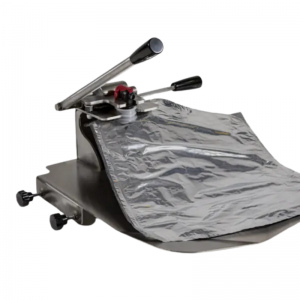
Polaris Automated Olive Oil Bottling Line Mod B5L for Glass Bottles, PET & Metal Cans - 100mL - 2L
Automatic bottling line for oils, spirits, and vinegar
Please call for pricing
IB.POLARIS.B5L
Description
Features
Enquiry
Documents
Knowledge
Blog
B5L bottling line from Polaris Automazioni offers superior performance and flexibility for small and medium producers looking to automate their bottling process, even at low production rates. The B5L bottling line is designed primarily for filling spirits and vinegar, and can accommodate both glass and plastic bottles ranging in size from 100 ml to 2 liters. The line can be customized to meet the specific needs of each customer and is composed of an 8-nozzle filler with a production capacity of 1000 bottles per hour. The steel chain and wider bottle pitch of 175 x 120 diameter allow for a wider range of bottle sizes than the B5 bottling line.
The B5L bottling line from Polaris Automazioni is designed to handle a wide range of bottle sizes and shapes, including cylindrical, square, triangular, small jars, flasks, and shaped bottles, with a capacity of 100 cc to 2 liters. The line offers fast and easy bottle size changeovers without the need to change machine parts, with a nominal production capacity of 1000 bottles per hour that is adjustable for lower speeds. The line is ideal for use by co-packers and is constructed of a single, monobloc machine made of AISI 304 stainless steel.
LINE CONFIGURATION
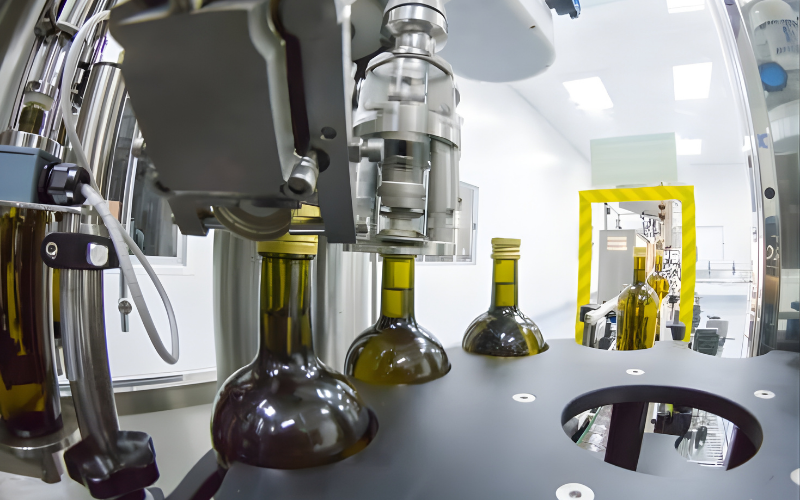
The B5L bottling line for oil features a filling unit with an 8-nozzle filler and vacuum-based filling directly into the bottle, as well as a product feeding system that uses a Venturi tube to draw product from the customer's storage tank without the need for a pump. The line also includes a levelling device for precise filling, a capping unit for screw or press-on caps, a heat-shrink capsule dispenser with fan-assisted thermal head for heat sealing, two labelling units for self-adhesive body and back labels, a bottle coder for legal dates and batch numbers, and an electric control panel with Profinet and Siemens S7 PLC and HMI touch-screen display. The line is equipped with CE standard accident-prevention guards and a final collection table for the finished product.
LINE CUSTOMISATION
The B5L bottling line for oil can be customised with a variety of options, including an 8-nozzle bottle blower using filtered compressed air or nitrogen, an ultra clean filling machine in AISI 316L, a nitrogen gas injector after filling, neutralisation of the filling unit with nitrogen gas for production pauses, extra filling pipes for bottles with narrow necks, the ability to fill PET bottles, batch feeders for bottled flavourings, a manual capping unit for special caps, feeder hoppers for different types of screw or press-on caps, a cap elevator, storage for PVC capsules, an orientation/centering device for bottles with cylindrical bottoms, additional labelling units, pre-set recipes called up by ID number using the digital display, remote assistance via modem, a rotating outlet disk for the final product, UL/CSA machine conformity, and the option for the machine to be supplied on 4 wheels. Additional customisation needs can also be accommodated upon request.
Main Use
The B5L Bottling Line is designed for automatic filling, capping, labelling, and coding of edible oils, spirits, vinegars, and similar liquid products. Its vacuum-filling system provides accurate and drip-free filling, making it particularly suited for olive oil, balsamic vinegar, liqueurs, and flavoured condiments where product presentation and hygiene are critical.
The machine is ideal for producers seeking efficient line automation without the footprint or investment required for large-scale bottling systems. Its modular design allows integration into existing production setups for small or medium operations.
Performance and Handling
Each B5L unit combines precision and ease of use with production reliability. The Venturi-based filling system eliminates the need for external pumps, reducing maintenance and simplifying installation. The levelling and nitrogen neutralisation options help preserve product quality by limiting oxidation during filling and pauses.
Operators benefit from quick adjustments and recipe recall via touchscreen control, while safety guards ensure compliance with CE standards. The smooth bottle-handling system minimises product loss and allows rapid switching between bottle formats.
Compact yet fully equipped, the B5L performs all essential bottling operations — from filling and capping to labelling and coding — within a single integrated system.
Frequently Asked Questions
Technical Specifications
Model: B5L Bottling Line
Manufacturer: Polaris Automazioni – Italy
Product Type: Automatic filling and packaging line
Bottle Range: 100 ml to 2 L (glass or PET)
Production Capacity: Up to 1000 bottles per hour (adjustable)
Nozzles: 8-nozzle filler with vacuum-based filling system
Bottle Pitch: 175 × 120 mm for wide range of bottle formats
Construction Material: AISI 304 stainless steel (optional 316L upgrade)
Feeding System: Venturi suction from storage tank – pump not required
Capping System: Screw or press-on cap compatible
Labelling System: Dual self-adhesive units for front and back labels
Coding System: Bottle coder for batch and date information
Capsule Unit: Heat-shrink capsule dispenser with fan-assisted thermal head
Control Panel: Siemens S7 PLC with Profinet, HMI touchscreen interface
Safety Features: CE-compliant guards and interlocks
Additional Features: Final bottle collection table
Global Olive Oil Prices Soar to Record Highs in 2023 Amid Spain’s Severe Drought Crisis
The global olive oil market has entered unprecedented territory. In 2023, Spain’s severe drought has crippled the world’s largest producer, driving olive oil prices to record highs and reshaping global supply chains. As European consumers face steep costs, Australian producers are experiencing strong demand and record export returns. This article examines the climatic and economic forces behind this crisis.
Please log in to view the entire article
The Role of Reliability in Labeling Machines
RELIABLE LABELLING MACHINES FOR ACCURATE, HIGH-EFFICIENCY PACKAGING
The Role of Reliability in Labeling Machines
Reliable labelling systems are essential for consistent product identification, accurate label placement, and packaging efficiency. Selecting the correct machine requires matching the equipment to the specific characteristics of each container. Bottles, vials, and jars vary in wall shape, surface regularity, height, and diameter, making equipment compatibility a critical engineering decision. To achieve reliable performance, all packaging variations should be assessed by a specialist experienced in labelling and packaging equipment.
PC: Great Engineering
Core Principles of Effective Labeling
The labelling process consists of several controlled mechanical and adhesive-transfer stages. Each stage must operate precisely to ensure consistent results
Label Feed- The label is drawn from the roll and routed through the machine using rollers or tension-controlled guides.
Label Pickup- Pickup may be achieved via:
suction cups
compressed air
buffer pads
rollers
secondary adhesive systems
Label Application- The adhesive side is applied to the container using full-surface, vertical, or horizontal pads, supported by roller pressure for uniform bonding.
Compression and Securing- Once positioned, the label is secured using:
buffer pads
compressed air
belts
brushes
Container Motion Path- Containers may travel:
linearly, or
via rotary systems for high-speed applications.
Industrial labelling machines can exceed 50,000 bottles per hour.
Categories of Labelling Machines
Semi-Automatic Labelling Machines
Semi-automatic systems require manual placement of each container before the labelling cycle is triggered using:
a turn handle
a push button
a foot pedal
Suitable for small to mid-scale operations requiring flexibility and short changeover times. Models:
Supports single labels, full wrap-around, and front/back application
High-Capacity Semi-Automatic Systems
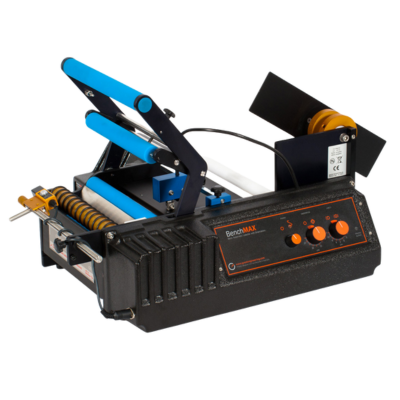
The Benchmax supports the widest range of product sizes and offers high application speeds suitable for industrial output. It applies transparent or clear labels with high precision.
Fully Automatic Labelling Machines
Fully automatic systems integrate into production lines following filling and capping. Conveyors transfer containers across each station.
Automated lines may include:
depalletisers
filling modules
capping heads
labelling stations
automated packing systems
The Polaris Line demonstrates a complete automated workflow from filling through to finished bottles.
Common Types of Labeling Machines Used in Production
Labeling machines generally come in two formats: semi-automatic and fully automatic. Semi-automatic labeling machines require manual placement of each bottle or container before the labeling cycle begins, and the operation is typically triggered by a turn handle, button, or foot pedal.
Fully automatic labeling machines are integrated directly into the production line, usually following the filling and capping stages. These systems rely on conveyors to move packaging through each section of the process. Containers may be fed in automatically by a depalletizer and packed at the exit point by machine, though these steps can also be performed manually depending on the overall line configuration and equipment capabilities.
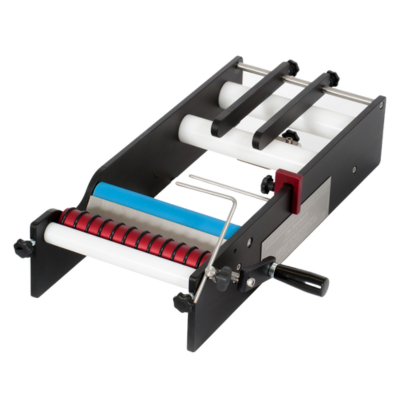
Benchmate: An Entry-Level Semi-Automatic Labeling Solution
Manufactured in Australia, the Benchmate delivers excellent performance in the entry-level category. This manually operated label applicator is driven by a simple turn handle.
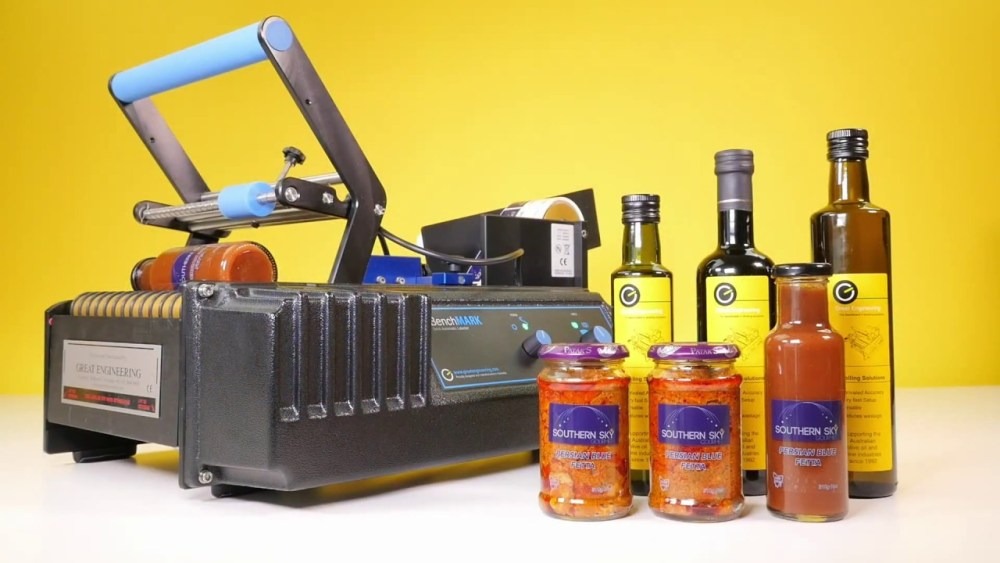
Semi-Automatic Labeling Machine for Mid-Level Production
The Benchmark, also manufactured in Australia, is the next level up from the Benchmate and can apply single, full wrap-around, or front-and-back labels with ease.
High-Capacity Semi-Automatic Labeling Machine
The Benchmax handles the widest range of product sizes and delivers exceptional speed, making it ideal for high-output industrial applications. It’s user-friendly and supports precise application of transparent or clear labels.
Observe the foot-pedal system in use.
Fully Automated Labeling Systems
Watch the full Polaris Line showcase, demonstrating filling, capping, and labeling from start to finish.
View the entire workflow of filling, capping, and labeling.
Common Labeling Issues
Over the years, I’ve encountered a wide range of labelling problems and have helped many producers fine-tune their equipment, as correct setup and label tension are absolutely critical. Some of the most common labelling issues arise because:
Tearing often happens when the wrong label material is used during production. In some cases, poor machine calibration can prevent labels from applying smoothly, causing them to drag across the container and tear.
Peeling often happens when moisture is present or when the adhesive has aged or isn’t the right type for the application.
Curling typically appears when the adhesive releases from the container, which is more common in colder environments, such as refrigeration. It can also stem from die strikes created during the label-cutting process. These die-cutting issues tend to be more noticeable on automated production lines.
Die strikes can occur during the label manufacturing stage, and it is the label supplier’s responsibility to ensure their equipment is calibrated and operating correctly to prevent them.
Wrinkling and folds develop when a label is applied incorrectly to the bottle or container. Manufacturing inconsistencies in the container’s sidewall can also prevent the label from adhering smoothly. Proper label tension is essential as well—if the tensioner is worn or malfunctioning, it can lead to wrinkling, folding, or the formation of ridges during application.
Bubbles typically appear when the container or bottle has surface inconsistencies, preventing the label from adhering evenly across the wall.
Clear labels won’t apply properly when the sensor is unable to detect the gap between each label.
Correct setup of the labelling machine is essential. Below, you can see the BenchMax being adjusted for operation:
Importance of Expert System Configuration
Correct configuration of equipment, such as the BenchMARK and BenchMAX systems, requires:
precision tension control
accurate sensor calibration
pressure pad adjustment
roller alignment
verification of material compatibility
These steps ensure repeatability and reliable performance.
Summary and Technical Recommendations
PC Great Engineering
Work with an experienced labelling specialist during selection and commissioning.
Confirm compatibility between the machine design and all container dimensions and materials
Perform routine calibration and mechanical inspections.
Ensure appropriate label material selection to avoid common application issues.
A label is a critical component of product presentation and an extension of brand identity. Reliable equipment ensures consistent quality, operational efficiency, and long-term cost stability.
If you require guidance in selecting labelling equipment, you can contact The Olive Centre on 07 4696 9845 or email sales@theolivecentre.com.au. Having details about your bottles or containers, as well as your label sizes and shapes, will help us assist you more effectively.
Overview of Great Engineering
Australian-made, Great Engineering labellers offer a suite of features that position them among the best in the industry. These pressure-sensitive labelling machines represent a new generation of “on-demand” equipment designed for cylindrical containers. They’re ideal for sectors such as food and beverage, pharmaceuticals, cosmetics, wine, essential oils, edible oils, brewing, contract packaging, health foods, and preserves — providing consistent product identification and strong shelf presence for any round container. With a global reputation for reliability and performance, their machines are now exported to 55 countries and are recognised for their innovative engineering and high manufacturing quality.
Polaris Automazioni has been active in the bottling sector since the 1960s, operating from its facility in Reggio nell’Emilia, Italy. Over time, the company has become highly specialised in developing and manufacturing automatic filling systems for unique and specialty bottles, a product line that has achieved strong success in markets worldwide.
The company now offers an extensive range of machines featuring advanced technology, high production efficiency, and patented engineering, enabling them to meet a wide variety of industry needs. Today, the Polaris team continues to uphold the technical heritage established by its founder, driving further growth through a blend of expertise, innovation, and forward-looking design.
Capturing The Australian Consumer Online And Leveraging Digital Trends
This article explores how Australian consumers search for, discuss, and purchase olive oil online. It highlights evolving preferences for extra virgin and organic oils, growing sustainability expectations, and the rising role of social media in shaping consumer behaviour.
Please log in to view the entire article
Extra Virgin Olive Oil: A Comprehensive Guide for Australian Consumers
CONSUMER EDUCATION
Extra Virgin Olive Oil: A Comprehensive Guide for Australian Consumers
Extra Virgin Olive Oil (EVOO) is often hailed as a “liquid gold” in kitchens around the world – a term famously used by the ancient Greek poet Homer. For Australians, EVOO is more than just an ingredient; it’s a heart-healthy cooking staple and a link to centuries of Mediterranean tradition. This guide will explain exactly what EVOO is and how it differs from other olive oils, how it’s produced (from grove to bottle), its science-backed health benefits, and the many ways you can use it – both in your cooking and beyond. Along the way, we’ll share some interesting facts that highlight why this oil has been prized since antiquity. Let’s dive in!
What Is Extra Virgin Olive Oil (EVOO)?
Extra Virgin Olive Oil is the highest grade of olive oil, essentially the fresh “juice” of the olive fruit. It is obtained purely by mechanical means (crushing and pressing/centrifuging olives) without any chemicals or excessive heat. To qualify as EVOO, the oil must meet strict standards: free acidity of ≤0.8% (a measure of oleic acid) and no sensory defects in taste or aroma. In other words, a true EVOO tastes and smells fresh and pleasant (often fruity, grassy, or peppery) and is very low in free fatty acids. This minimal processing also means EVOO retains more of the natural antioxidants, vitamin E and plant phytosterols from the olives.
By contrast, other grades of olive oil are lower in quality or more processed:
Virgin Olive Oil (VOO): Also made by mechanical means with no chemicals, but comes from riper or lower-quality olives. It can have up to 2.0% acidity and slight taste defects, making it a lower grade than EVOO. Virgin olive oil is less common on supermarket shelves, as most high-quality production is sold as EVOO.
“Olive Oil” or “Pure/Light” Olive Oil: These commonly labelled supermarket oils are typically blends of refined olive oil and a bit of virgin oil. Refined olive oil starts as lampante (lamp oil) grade – oil from defective or over-ripe olives – which is then put through industrial refining (using methods like filtering, deodorising, high-heat treatment) to remove impurities and off-flavours. The result is a neutral-tasting oil with very low acidity, which is then mixed with a small amount of virgin olive oil to give it some olive flavour. These oils lack the rich flavour and many of the antioxidants of EVOO because refining strips away most polyphenols and nutrients. Note: Terms like “Pure,” “Light,” or “Extra Light” olive oil are marketing terms for refined oils – not lower-calorie oils. In fact, Australian standards don’t permit “Extra Light” on labels because it can mislead consumers; “light” just refers to lighter flavour, not less fat or calories.
Olive-Pomace Oil: After the first pressing, the leftover olive pulp (pomace) still contains some oil. Lower-grade producers use solvents to extract this last bit, then refine it. The result, “olive pomace oil,” is an even more processed product used in some commercial frying or food manufacturing. It’s not allowed to be called olive oil under Australian standards, and it lacks the health attributes of EVOO.
In summary, EVOO stands apart from other olive oils because it’s unrefined, of top sensory quality, and packed with natural compounds. If you drizzle a good EVOO on a salad or taste it on a spoon, you’ll notice a bright, complex flavour – something you won’t get from the flat, one-note taste of refined “olive oil” blends.
How Extra Virgin Olive Oil Is Produced
EVOO’s journey from tree to bottle is a fascinating combination of ancient tradition and modern food science. It all starts in the olive groves. Olives destined for high-quality EVOO are often hand-picked or gently shaken off trees (modern farms may use mechanical harvesters that vibrate the trunks or use catching frames). The timing of harvest is crucial: early in the season, when olives are green to purplish, they yield less oil, but it’s very rich in flavour and antioxidants; later harvest (ripe black olives) yields more oil but with mellower taste. Many premium Australian producers, much like those in the Mediterranean, opt for early harvest to maximise quality.
Once picked, speed is key – olives are quickly transported to the mill, because freshly harvested olives start to oxidise and ferment if they sit too long. Ideally, olives are pressed within 24 hours of harvest to prevent quality loss. At the mill, the olives are washed to remove leaves and dust, then crushed (pits and all) by either traditional stone mills or modern steel crushers. This creates an olive paste, which is then gently malaxed (slowly churned) for 20–45 minutes. Malaxation allows tiny oil droplets to coalesce, but it’s done under strict temperature control – this is where the term “cold-pressed” or “cold extraction” comes in. To qualify as cold-pressed, no heat above 27 °C is applied during extraction. Keeping the paste cool preserves aromatic compounds and nutrients; higher temperatures could extract a bit more oil, but at the cost of flavour and antioxidants. Australian and European producers alike adhere to this, as heat can reduce EVOO’s polyphenols and vitamin E (and increase oxidation)
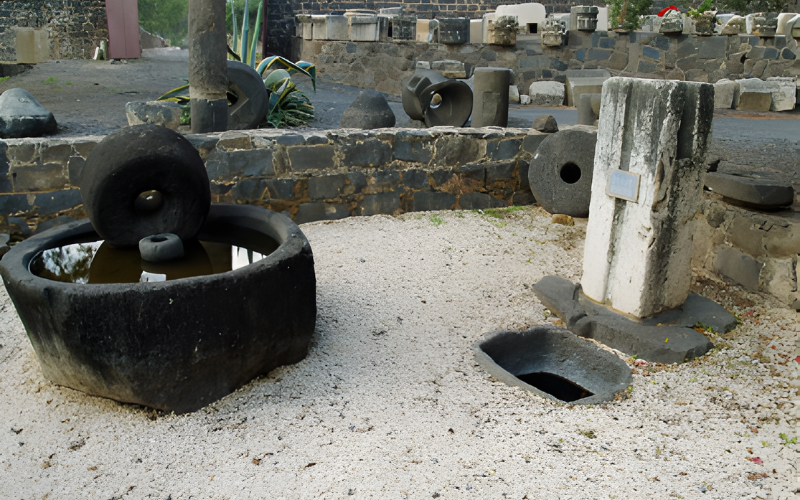
A Roman-era olive oil press in Capernaum, Israel. Ancient presses used large millstones to crush olives, and the oil was separated by gravity. Today, modern cold-pressing uses centrifuge extractors, but the goal remains the same – to physically squeeze oil from olives without chemicals or high heat, preserving quality. (photograph of a Roman-era olive mill in Capernaum)
After malaxation, the paste is pressed or, more commonly, centrifuged. Modern mills use a decanter centrifuge, which rapidly spins the olive paste to separate oil from water and olive solids. The result is fresh olive oil (plus some vegetable water). The oil may then be filtered or simply left to settle so that tiny particles and moisture drop out over time. Some artisan oils are unfiltered, yielding a cloudy appearance, but most commercial EVOOs are filtered for clarity and stability. Finally, the oil is stored in stainless steel tanks (ideally with minimal air exposure) and later bottled.
Throughout production, maintaining quality is paramount. At no point are solvents or refining used – EVOO is purely a natural juice. This careful process explains why EVOO is more expensive than generic cooking oil: it takes a lot of olives and care to produce. In fact, it typically takes around 4 to 6 kilograms of olives to cold-extract just 1 litre of EVOO (for some early harvest oils, even more). That represents roughly 8000–10,000 individual olives in each litre of premium oil! Such figures help us appreciate the effort and agricultural value inside each bottle of EVOO.
Australian EVOO note: Australia may be far from the Mediterranean, but it has a burgeoning olive oil industry of its own. Olives were first brought to Australia in the 1800s, and the industry remained small until a boom in the late 20th century. The Australian olive industry is over 150 years old, but it has expanded rapidly across all mainland states in recent decades. Today, Australia produces high-quality EVOOs, particularly in regions with Mediterranean-like climates (such as parts of South Australia, Victoria, and Western Australia). Aussie EVOOs often win awards for their robust flavours and purity, thanks to modern farming and milling techniques. So when you shop, know that some EVOO on the shelf – in addition to imports from Italy, Spain, Greece, etc. – is grown and pressed right here in Australia.
Proven Health Benefits of EVOO
Extra Virgin Olive Oil isn’t just a tasty fat – it’s exceptionally good for you. Its health benefits are backed by a wealth of scientific research and have even been recognised by international health authorities. Here are some of the top evidence-based benefits:
Heart Health & Cholesterol: Replacing saturated fats (like butter or ghee) with EVOO can significantly improve your blood lipid profile. EVOO is high in monounsaturated fat (oleic acid), which is heart-friendly, but beyond that, it’s packed with bioactive compounds like polyphenols. Studies show that regular consumption of EVOO can lower LDL “bad” cholesterol levels while raising HDL “good” cholesterol. Even a relatively small daily intake (for example, 15–20 mL, about a tablespoon) has measurable benefits on cholesterol. The Australian Heart Foundation also recommends olive oil and other unsaturated fats as part of a heart-healthy diet, noting they can improve cholesterol levels and reduce blood pressure when used in place of saturated fats. In fact, populations adhering to a Mediterranean diet rich in EVOO have lower rates of heart disease. One long-term study found that people who used just half a tablespoon or more of olive oil daily had a 19% lower risk of heart disease death compared to those who ate little to none.
Lower Blood Pressure: High blood pressure is a risk factor for cardiovascular disease, but EVOO may help keep it in check. Clinical trials have shown diets enriched with EVOO lead to significant reductions in both systolic and diastolic blood pressure over time. Polyphenols in EVOO are thought to improve blood vessel function (endothelial function), helping arteries relax and dilate, which lowers pressure. This blood-pressure-lowering effect is another reason EVOO-based diets (like the Mediterranean diet) are protective for the heart.
Anti-Inflammatory and Antioxidant Effects: Chronic inflammation is at the root of many diseases (heart disease, cancers, arthritis, etc.). EVOO has natural anti-inflammatory compounds. A famous example is oleocanthal, a polyphenol in fresh EVOO that actually mimics ibuprofen! Oleocanthal has a similar mechanism – it can inhibit COX enzymes, which are linked to inflammation and pain, and it’s responsible for the peppery “throat sting” high-quality EVOO often gives. (That little cough you might get from a robust EVOO is literally a sign of its potency; it’s the oleocanthal at work, and indeed it’s been likened to a small dose of anti-inflammatory medicine .) Additionally, EVOO’s plethora of polyphenols (like hydroxytyrosol, oleuropein, etc.) function as antioxidants, protecting your cells and blood lipids from oxidative stress. Research has shown that EVOO-rich diets reduce markers of inflammation in the body. For example, consuming EVOO can lower levels of inflammatory cytokines and oxidation of LDL cholesterol (oxidised LDL is particularly harmful for arteries). In simple terms, EVOO helps “cool down” inflammation and prevents oxidative damage internally, which is a big win for long-term health.
Diabetes and Metabolic Health: EVOO may improve blood sugar control and insulin sensitivity. It’s a key component of the Mediterranean diet, which has been shown to lower the risk of developing type 2 diabetes. For those with diabetes, adding EVOO can help reduce blood glucose spikes and improve HbA1c (a measure of long-term glucose control). One Australian study even found that incorporating EVOO in the diet significantly improved HbA1c levels in people with type 2 diabetes (from 7.1% to 6.8%) and was associated with a 55% relative risk reduction in developing diabetes in a high-risk group.
Other Potential Benefits: Research (mostly observational and some clinical) suggests EVOO consumption is linked with lower incidence of certain cancers, better cognitive function (potentially reducing risk of neurodegenerative diseases like Alzheimer’s), and even improved mood and lower depression rates. While these areas are still being studied, the general finding is that diets rich in EVOO correlate with longer life and lower risk of many chronic diseases. In fact, olive oil consumers in a large study had lower overall mortality (death from all causes) than non-consumers – an impressive testament to how protective EVOO can be as part of a healthy lifestyle.
It’s important to note that many of the benefits above are most pronounced with Extra Virgin (unrefined) olive oil, not the cheaper refined olive oils. The polyphenols and vitamin E that make EVOO so special are largely missing in “pure” or refined olive oils. For example, the U.S. FDA and European Food Safety Authority have acknowledged that consuming polyphenol-rich olive oil (at least 20 g providing ≥5 mg of polyphenols) can protect LDL cholesterol from oxidative damage – but you need genuine EVOO to get those polyphenols.
Lastly, remember that EVOO is a fat and thus calorie-dense, so use it in place of other fats rather than simply adding on (to balance overall energy intake). But as fats go, EVOO is about the best you can choose for your health. It’s no surprise the Australian Dietary Guidelines and Heart Foundation include olive oil as a core part of a healthy eating pattern, encouraging people to swap butter and animal fats for olive or other plant oils. EVOO isn’t a miracle cure-all, but it is a potent, natural contributor to wellness – and a delicious one at that!
Culinary Uses: Cooking, Dressing, and Beyond
One of the beauties of EVOO is its culinary versatility. You can use it raw, you can cook with it, you can even bake with it. Here are some popular ways to integrate EVOO into your daily diet, along with tips particularly suited for Australian kitchens:
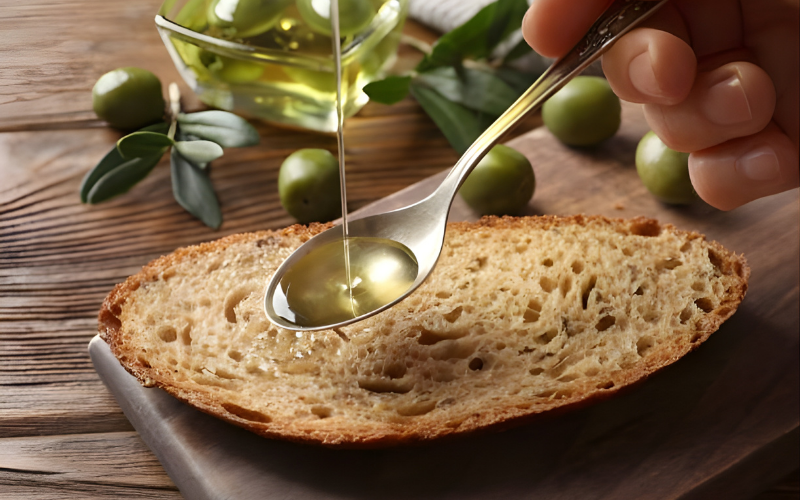
Salad Dressings and Dips: Perhaps the simplest use – whisk EVOO with vinegar or lemon juice for a quick vinaigrette, or drizzle it straight on greens. A classic combo is EVOO with balsamic vinegar. In Australia, a popular appetiser is fresh, crusty bread dipped in EVOO with dukkah (a spiced nut/seed mix) – a delicious, healthy alternative to butter on bread. You can also drizzle EVOO atop dips like hummus or Greek yogurt tzatziki for extra richness.
Cooking (Sautéing, Roasting, Frying): There is a persistent myth that you “can’t cook with extra virgin olive oil” – that it has a low smoke point or will burn. In reality, good EVOO has a moderate to high smoke point, around 190–210 °C (375–410 °F), which is sufficient for most stovetop cooking and oven baking. The average pan sauté is around 120– 150 °C, and deep-frying is ~180 °C, all within EVOO’s range. Extra virgin olive oil’s smoke point varies with quality (lower acidity oils have a higher smoke point), but many EVOOs won’t smoke until over 200 °C. More importantly, EVOO is very stable under heat due to its high antioxidant content and predominantly monounsaturated profile. Studies have shown EVOO to be one of the most stable oils for cooking, producing fewer harmful oxidation products compared to refined seed oils. So feel confident using it to sauté vegetables, stir-fry, pan-sear meats, or roast veggies. For example, toss your pumpkin, potatoes or sweet potatoes in olive oil and rosemary and roast them – they’ll come out golden and flavorful. (Tip: because EVOO is flavorful, its taste will be noticeable in baking; that’s lovely in an olive oil cake or when roasting tomatoes, but for delicate baked goods like scones, you might use a lighter-tasting refined olive oil or half butter/half EVOO.)
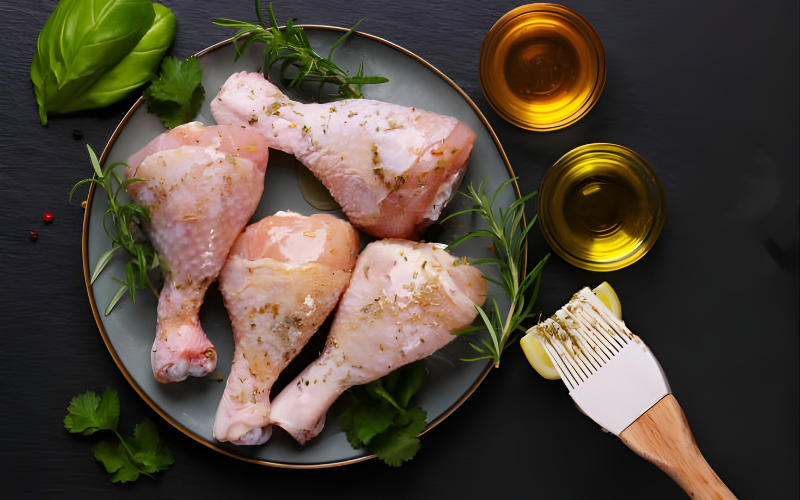
Grilling and Marinades: Olive oil is a key ingredient in marinades for meats, fish, or tofu. It helps carry flavours of herbs and spices, and also moistens/protects foods during grilling. Australian barbeques can get an EVOO upgrade: marinate your prawns or chicken in olive oil, garlic, lemon, and herbs before throwing them on the BBQ. Or brush veggies like eggplant and zucchini with EVOO so they grill without sticking and take on delicious char. A drizzle of fresh EVOO after grilling (on steak, fish or even pizza) can also boost flavour – this is called “finishing” a dish with olive oil.
Baking and Spreads: As Aussies look for healthier baking fats, EVOO is a great substitute for butter or margarine in many recipes. You can bake moist olive oil cakes (commonly lemon or orange-scented – a Mediterranean favourite), use EVOO in banana bread, or make pastry crusts with olive oil. Extra virgin oil will impart a slight olive fruit aroma to baked goods, which can be wonderful. Also try olive oil spread: simply mix EVOO with softened butter and a pinch of sea salt, then chill – it creates a creamy spread that has less saturated fat than butter alone. You can even drizzle EVOO on toast with Vegemite or avocado (many Aussies already enjoy avocado toast; adding a splash of good EVOO takes it to the next level of yum and nutrition).
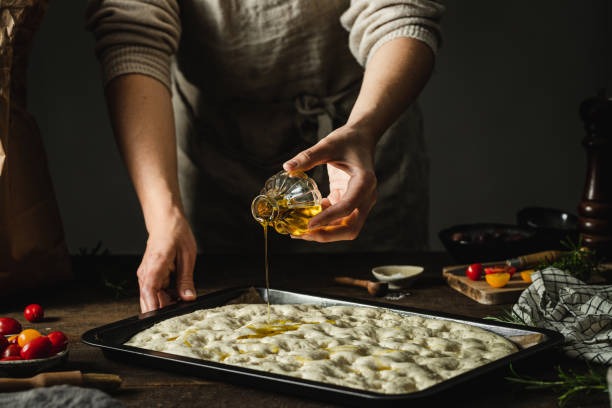
Soups and Pasta: In Mediterranean cooking, it’s common to finish soups or stews with a swirl of EVOO just before serving, to add richness and aroma. Try it with pumpkin soup or minestrone. For pasta, instead of heavy creamy sauces, a simple aglio e olio (garlic and olive oil) dressing is delicious – gently fry sliced garlic in EVOO, toss with spaghetti and chilli flakes. Or drizzle EVOO over cooked pasta and grilled vegetables. Basically, think of EVOO as both an ingredient and a condiment – a few drops on top of a dish right before eating can amplify flavour.
Storing and Using: Keep your EVOO in a cool, dark place (pantry, not next to the stove) to maintain its quality, as light and heat can degrade it over time. Use it generously but also while it’s fresh – olive oil is best within 1–2 years of harvest (check bottle for harvest or best-by date). Rancid oil loses health benefits and tastes off, so it’s better to buy smaller bottles more frequently than a giant tin that sits for years. Fortunately, Australians are consuming more olive oil than ever – on average around 2 kg per person per year – so your bottle might not last too long anyway!
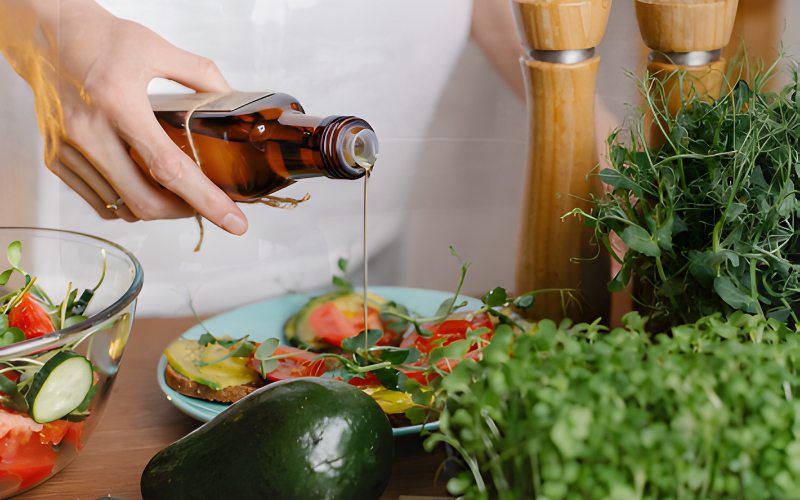
Drizzling extra virgin olive oil over a salad of avocado, tomato, and greens. Incorporating EVOO into daily meals can be as simple as using it to dress salads, dip bread, or finish cooked dishes – adding both flavor and healthy fats to the Australian diet.
Quick recipe ideas:
Breakfast: Sauté mushrooms and spinach in EVOO and serve on wholegrain toast (instead of using butter). Or drizzle olive oil over smashed avocado and feta on toast, with a squeeze of lemon – a nutritious twist on avocado toast.
Salad upgrade: Toss roasted beetroot and pumpkin with rocket (arugula), add walnuts and goat cheese, and dress with EVOO + balsamic vinegar. The olive oil helps absorb fat-soluble vitamins from the veggies and makes the salad more satisfying.
Marinade: Mix EVOO with Aussie native herbs or lemon myrtle, add garlic and pepper, and marinate fish fillets for 30 minutes before grilling – a heart-healthy dinner.
Oven fries: Cut sweet potatoes into wedges, toss in EVOO, salt, pepper, and paprika. Bake until crispy. You’ll get tasty “chips” without deep frying, and the olive oil aids in browning and adds antioxidants.
Dessert: Try baking an orange and almond olive oil cake. The EVOO gives a moist crumb and a fruity aroma that pairs beautifully with citrus. Search for “Mediterranean olive oil cake” – you’ll find it’s a beloved recipe.
In all these cases, EVOO isn’t just a passive oil – it actively enhances flavour. Its unique taste can range from buttery to grassy to peppery, depending on the olive variety and harvest. Explore Australian-produced EVOOs too; some are made from single olive cultivars (like Picual or Frantoio) and have distinct tasting notes. Much like wine tasting, you can even do olive oil tastings to appreciate the differences (yes, olive oil sommeliers are a thing!).
Beyond the Kitchen: Non-Culinary Uses for Olive Oil
Olive oil’s usefulness goes far beyond food. Throughout history, olive oil has been used in daily life in myriad ways – and many of these uses are still relevant or just plain handy today. Here are some nonculinary applications of olive oil:
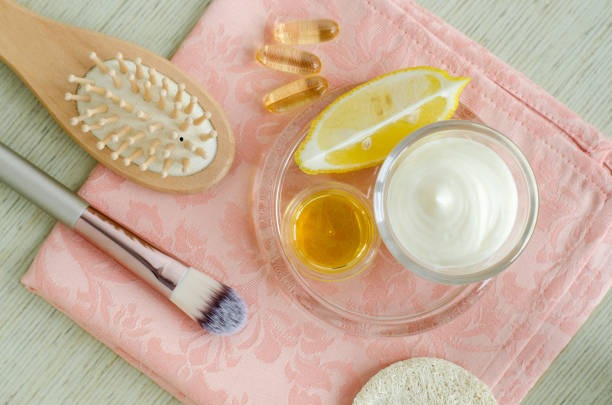
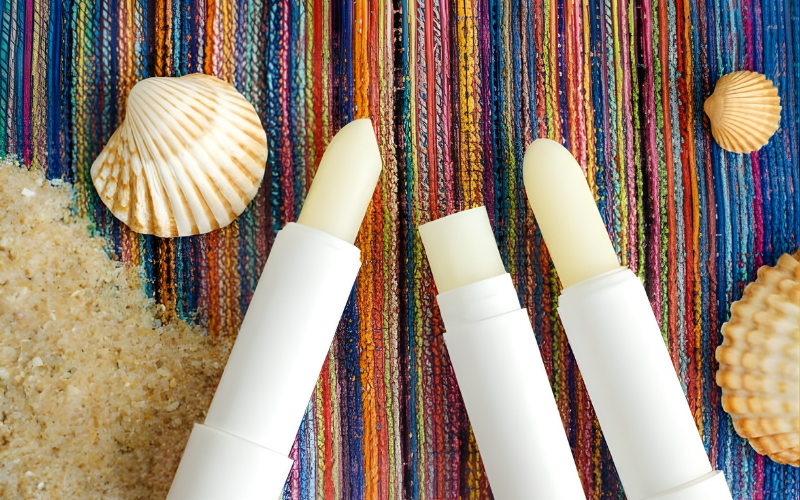
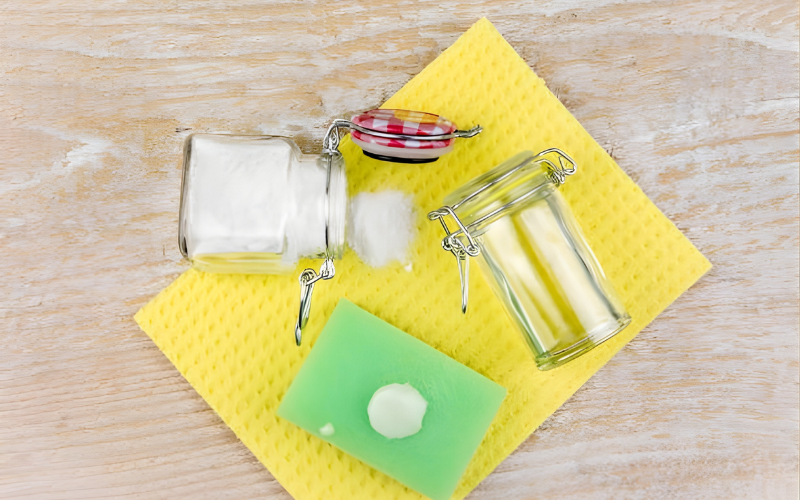
Skin Moisturiser and Cleanser: Olive oil can work wonders as a natural beauty product. It’s a common ingredient in soaps, lotions, and DIY skincare. You can use a few drops of EVOO as a moisturiser for dry skin or hands, rub it into dry cuticles to nourish nails, or even apply it to chapped lips instead of lip balm. Olive oil is rich in vitamin E and antioxidants, which may help soothe inflammation. (Tip: For a simple exfoliating body scrub, combine olive oil with sugar – it will leave your skin soft .) In fact, the famous Castile soap from Spain is traditionally made from olive oil. Many artisan soap makers and natural cosmetic brands still prize olive oil for its gentle, hypoallergenic properties.
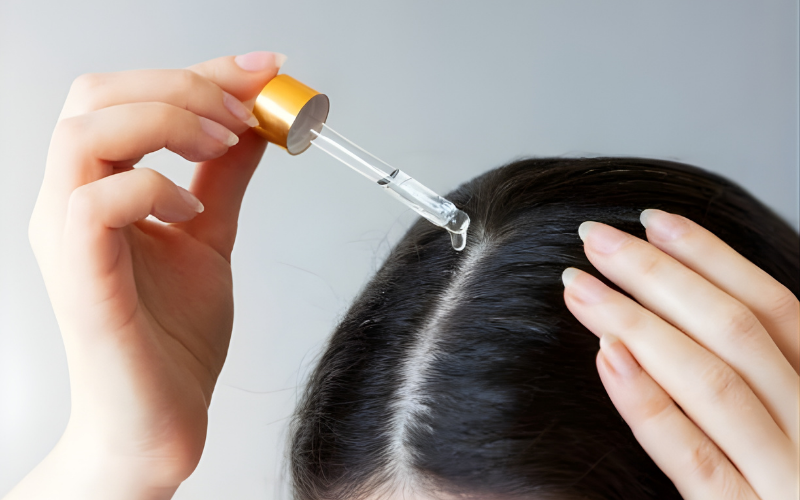
Hair Care: If you have dry or frizzy hair, olive oil can come to the rescue. Warm a few tablespoons and use it as a deep conditioning mask – massage into your scalp and hair, leave for 15-30 minutes (you can cover with a shower cap), then shampoo out. It helps add shine and reduce split ends. Just a drop rubbed between your palms can also tame frizz and protect hair ends from damage. Some people also swear by olive oil to treat dandruff or dry scalp, as it has a soothing effect.
Makeup Remover: Olive oil can gently dissolve makeup, including stubborn mascara or theatre makeup. Apply a small amount to a cotton ball and wipe – it will remove makeup while moisturising your skin. Afterwards, wash your face with a normal cleanser to remove the oily residue. This is an inexpensive, natural alternative to commercial makeup removers (just avoid getting it directly in your eyes).
Shaving and Personal Care: Out of shaving cream? Olive oil can act as a shaving lubricant – smooth a thin layer on your skin and shave as usual. It reduces razor burn and leaves skin hydrated. It’s also sometimes used as a massage oil base; mix a bit of olive oil with a few drops of an essential oil (like lavender or peppermint), and you have a lovely massage oil with aromatherapy benefits.
Household Uses: Olive oil’s utility extends to the home as well. Have a squeaky door hinge? A tiny drop of olive oil can lubricate it. Need to condition a wooden cutting board or wooden utensils? Food-grade oils like olive oil can be used to season wood (though mineral oil is more commonly recommended since it doesn’t go rancid as quickly). For a quick fix on dried-out wood furniture, you can mix olive oil with a bit of lemon juice and use it as a natural furniture polish – it can restore lustre to wood surfaces. Olive oil can also help remove sticky label glue. Or get gum out of hair by dissolving the stickiness – just be sure to wash the area with soap afterwards.
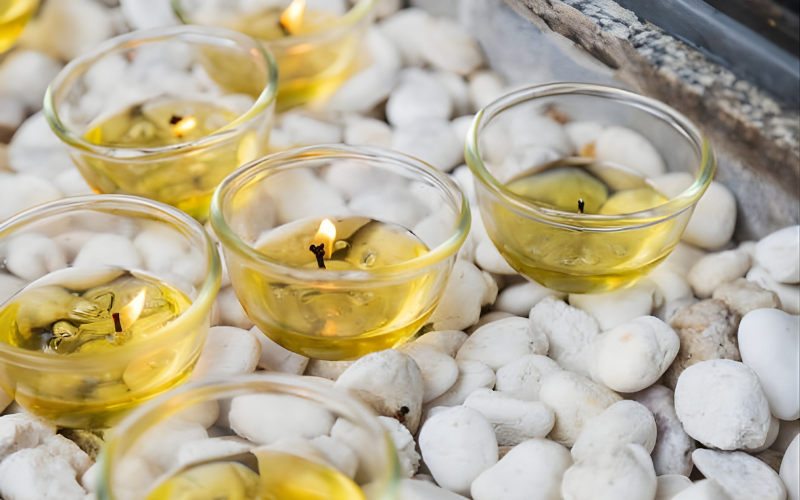
Lamps and Candles: Going truly old-school, olive oil was the lamp fuel of the ancient world. In a pinch, you can actually burn olive oil in certain oil lamps as it’s relatively stable and has a high flash point. Olive oil candles (usually a wick in a container of olive oil) are a DIY project some people use for a cozy, slow-burning light source that doesn’t emit the chemicals that petroleum-based candles might. Fun fact: ancient Mediterranean peoples, including Egyptians and Romans, routinely used olive oil lamps for lighting – it was considered a clean and precious fuel.
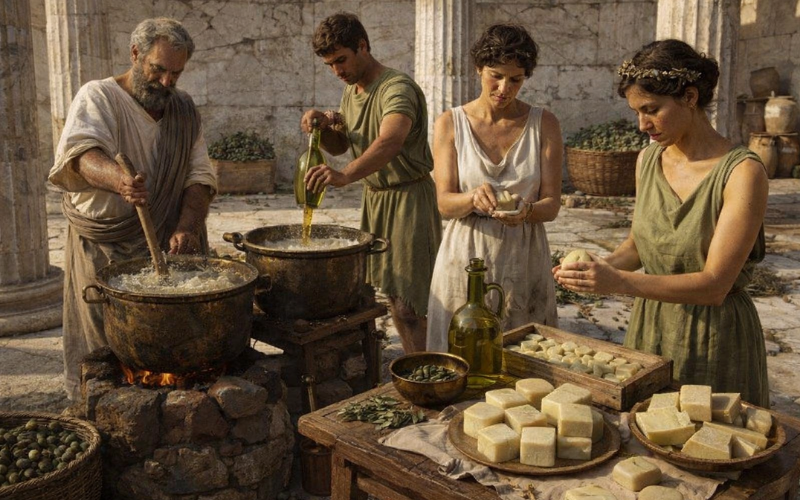
Historical self-care: The concept of using olive oil for skin and body care isn’t new. The Ancient Greeks and Romans used olive oil like a soap – they would smear it on their bodies and then scrape it off with a strigil (a blunt metal scraper), effectively removing dirt and dead skin. They found that it both cleansed and moisturised the skin. Olive oil was also infused with herbs or perfumes for use as a body oil or hair tonic in many cultures.
As you can see, a bottle of olive oil in the cupboard can double as a mini home remedy kit! One caveat: for non-food uses, you don’t necessarily need to use your finest extra virgin oil – a basic grade or older bottle that you don’t want to cook with can find a second life polishing your coffee table or deep-conditioning your hair. Food-grade olive oil for beauty and home use means you’re avoiding the petrochemicals found in some commercial products, which is a win for those with sensitive skin or who prefer eco-friendly options.
Interesting Facts and Trivia About Olive Oil
To round out our EVOO guide, here are some fun facts and bits of trivia that make olive oil even more fascinating:
Ancient Prestige: Olive oil has been treasured since antiquity. Besides being “liquid gold” to Homer, it was so valued that in ancient Olympic Games, winners were crowned with olive wreaths, and often awarded amphorae (jars) of top-grade olive oil – a highly prized reward. (In the 2004 Athens Olympic Games, organisers even used branches from a 2,000+ year-old olive tree in Crete to make victor’s wreaths, connecting modern athletes with ancient tradition !)
Etymology: The very word “oil” has its roots in olive oil. It comes from Latin oleum, which in turn came from the Greek elaion, meaning olive oil. That’s because for Greeks and Romans, “oil” by default meant olive oil – it was the primary oil they knew. Many Romance languages still reflect this (e.g., olio in Italian means oil, implicitly olive oil). The word “olive” itself traces back to Greek elaia. So when you say “oil,” you’re linguistically invoking olives!
Olive Trees Live for Millennia: Olive trees are amazingly long-lived. They grow gnarled and hollow with age but can survive for many centuries and continue to bear fruit. One famous example is the Olive Tree of Vouves in Crete, Greece, which is estimated to be at least 2,000 years old – and possibly over 3,000 or 4,000 years old, according to some scientists. Incredibly, that tree is still producing olives today! Throughout the Mediterranean, there are numerous “millennial” olive trees. In Croatia, Spain, Italy, and the Middle East, you can encounter trees that were planted around the time of the Roman Empire or even earlier. Talk about resilience! (However, note that exact dating is tough; some recent studies suggest many aren’t quite as old as legend says, but certainly hundreds of years old at least.) Regardless, olive trees symbolise peace and longevity – qualities embodied in their oil as well.
“The Great Healer”: The ancient physician Hippocrates, often called the father of medicine, referred to olive oil as “the great healer.” He prescribed it for various ailments – from soothing skin conditions to helping with pain. Modern science, as we saw in the health section, echoes some of these beliefs in different terms (anti-inflammatory, cardioprotective, etc.). It’s fascinating that over 2,000 years ago, olive oil was recognised for its therapeutic properties.
Olive Oil as Currency: In certain eras, olive oil was so valuable that it functioned like currency. It was a major trade commodity in the ancient world. For instance, in medieval Spain under Islamic rule, taxes were sometimes paid in olive oil because it was considered liquid wealth. The storied prosperity of ancient civilisations like the Minoans and Phoenicians was partly built on the olive oil trade. There’s even a story of the Greek philosopher Thales using knowledge of an upcoming good olive harvest to rent all local olive presses in advance; when the bumper crop came, he made a fortune – essentially an olive oil futures market in the sixth century BC!
Only Cooking Oil from a Fruit: Unlike seed oils (canola, sunflower, etc.), which are extracted from hard seeds often using industrial processes, olive oil is unique in that olives are fruits, and EVOO is a fresh-squeezed fruit juice. It requires simply crushing and separating the natural oil. This is why high-quality EVOO is cloudy when unfiltered and has distinct taste nuances, much like a fruit juice. It also explains why it perishes with time (it’s best when young and fresh).
Smoke Point Misconception: We touched on cooking with EVOO, but it’s an interesting fact on its own: Many people assume you cannot fry in olive oil. In reality, Mediterranean cultures have fried in olive oil for generations (think Spanish churros, Italian fritto misto, etc.), and studies by food scientists have confirmed EVOO’s stability makes it ideal for frying – it resists oxidation better than many refined oils. So the humble fish & chips could be made a tad healthier if fried in olive oil (some fish and chip shops in Australia have started doing this to differentiate their product and because the oil lasts longer in the fryer without breaking down).
Colour is Not a Quality Indicator: Olive oils can range from deep green to golden to pale straw colour. Don’t judge an oil by its colour alone. Some excellent EVOOs are green (often those made from early harvest or certain olive varieties with high chlorophyll), while others are yellow. The flavour, aroma, and chemistry determine quality, not the hue. In fact, professional olive oil tastings use blue or brown tasting glasses so the evaluator can’t see the colour and be biased. So, that old trick of picking the greenest oil isn’t reliable – better to look for quality certifications or awards on labels, or just taste it.
Sediment or Cloudiness: If you see some sediment at the bottom of a bottle of EVOO, it’s likely unfiltered, and those are tiny bits of olive flesh – it’s not a defect per se. In unfiltered oils (also called “olive oil veiled”), the microscopic solids can add extra flavour, though they also shorten shelf life a bit. Most large producers filter oil for stability and appearance, but artisan oils might not be filtered. If you store olive oil in a cool spot, it might even solidify or get cloudy (especially in the fridge), because it contains waxes – this will clear up at room temperature and is not a sign of it being spoiled.
With these facts, it’s clear that EVOO is not just another cooking oil – it’s a product steeped in history, cultural significance, and nutritional science. Few ingredients check as many boxes: flavour, health tradition, and versatility. It’s no wonder Mediterranean people historically treated olive oil with reverence, and why modern nutritionists sing its praises.
Conclusion
Extra Virgin Olive Oil is truly a kitchen all-star – it elevates our food and supports our health. We’ve learned that EVOO differs from lesser olive oils in quality and production, coming straight from fresh olives without chemicals or refining. We’ve seen how it’s made, preserving its sensory and nutritional treasures. Science shows that incorporating EVOO into your diet can benefit your heart, reduce inflammation, and even help you enjoy your veggies more (because they taste better with a good drizzle!). And beyond cooking, olive oil proves its worth in our beauty routines and households.
For Australian consumers, the message is embrace EVOO: use it in your salad dressings, swap it for butter when you can, try it in new recipes – both traditional Mediterranean dishes and local Aussie favourites. With Australian olive oil production on the rise, you might even explore home-grown EVOOs, which can be world-class. Remember to store it well, use it generously but mindfully, and appreciate the story behind it – from ancient olive groves to your dinner table.
In summary, Extra Virgin Olive Oil is more than an ingredient; it’s a lifestyle choice towards better eating and living. So go ahead – enjoy that splash of liquid gold in your meals every day, and taste the difference it makes!
References (selected):
Olive Wellness Institute – Grades of Olive Oil (explains EVOO standards and differences in grades)
Olive Wellness Institute – 5 Heart Health Benefits of EVOO (summarises clinical findings on cholesterol, blood pressure, inflammation)
Heart Foundation (Australia) – Fats, Oils and Heart Health (recommends olive oil for healthy fats, notes benefits on cholesterol and inflammation)
Better Health Channel (Victoria Govt) – Diet and Heart Disease Risk (advises replacing saturated fat with olive oil to lower LDL cholesterol)
Wikipedia – Olive Oil Extraction (details on cold-press temperature limits and effects on quality)
AboutOliveOil.org – Olive Oil Smoke Point (dispels myth about not cooking with EVOO; gives smoke point ranges and stability info)
OliveOil.com – Non-Cooking Uses for Olive Oil (historical and modern household/beauty uses for olive oil)
Great Italian Chefs – How Olive Oil Became “Liquid Gold” (history, Homer’s quote, Hippocrates’ view on olive oil)
Olive Oil Times – Record High Olive Oil Consumption in Australia (stats on Australians’ olive oil intake and growing interest in quality EVOO)
Wikimedia Commons – Ancient Olive Press (image)
Understanding Phthalates in Olive Oil: Risks, Regulations, and Best Practices
A comprehensive guide to phthalate contamination in olive oil, explaining health risks, international regulations, export implications, testing methods, and best practices for producers.
Please log in to view the entire article
Opportunities for Australian EVOO Exports to India
India’s olive oil market is small but rapidly growing, with rising health awareness, premiumisation and tariff reductions under the Australia-India ECTA creating new opportunities for Australian extra virgin olive oil exporters.
Please log in to view the entire article
Food Ministers Move to Consider Mandatory Health Star Rating System in 12 Months
Food Ministers have asked FSANZ to develop a proposal to mandate the Health Star Rating system in Australia and New Zealand, potentially reshaping front-of-pack labelling requirements across the food sector.
Please log in to view the entire article
European Olive Oil Market Update: Production, Stocks, and Price Pressure
Spain and Italy report surging olive oil production and record stock levels, softening EU prices and reshaping global trade dynamics, with direct implications for Australia’s import-reliant market.
Please log in to view the entire article
Northstar Sees a Potential Upside Breakout in Olive Oil Prices
A long-term technical analysis suggests olive oil prices may be entering a new structural uptrend following a multi-decade resistance breakout and bullish retest.
Please log in to view the entire article
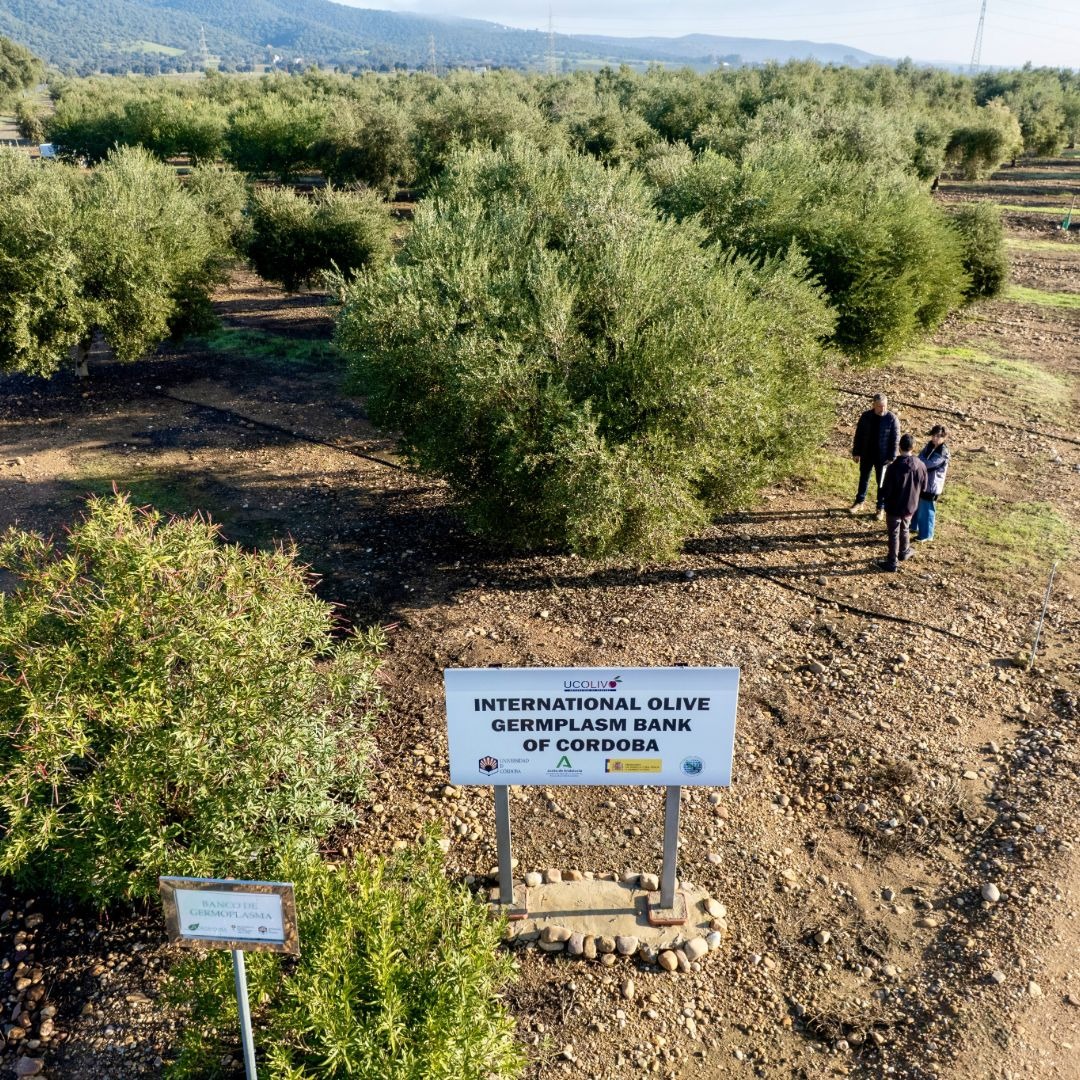
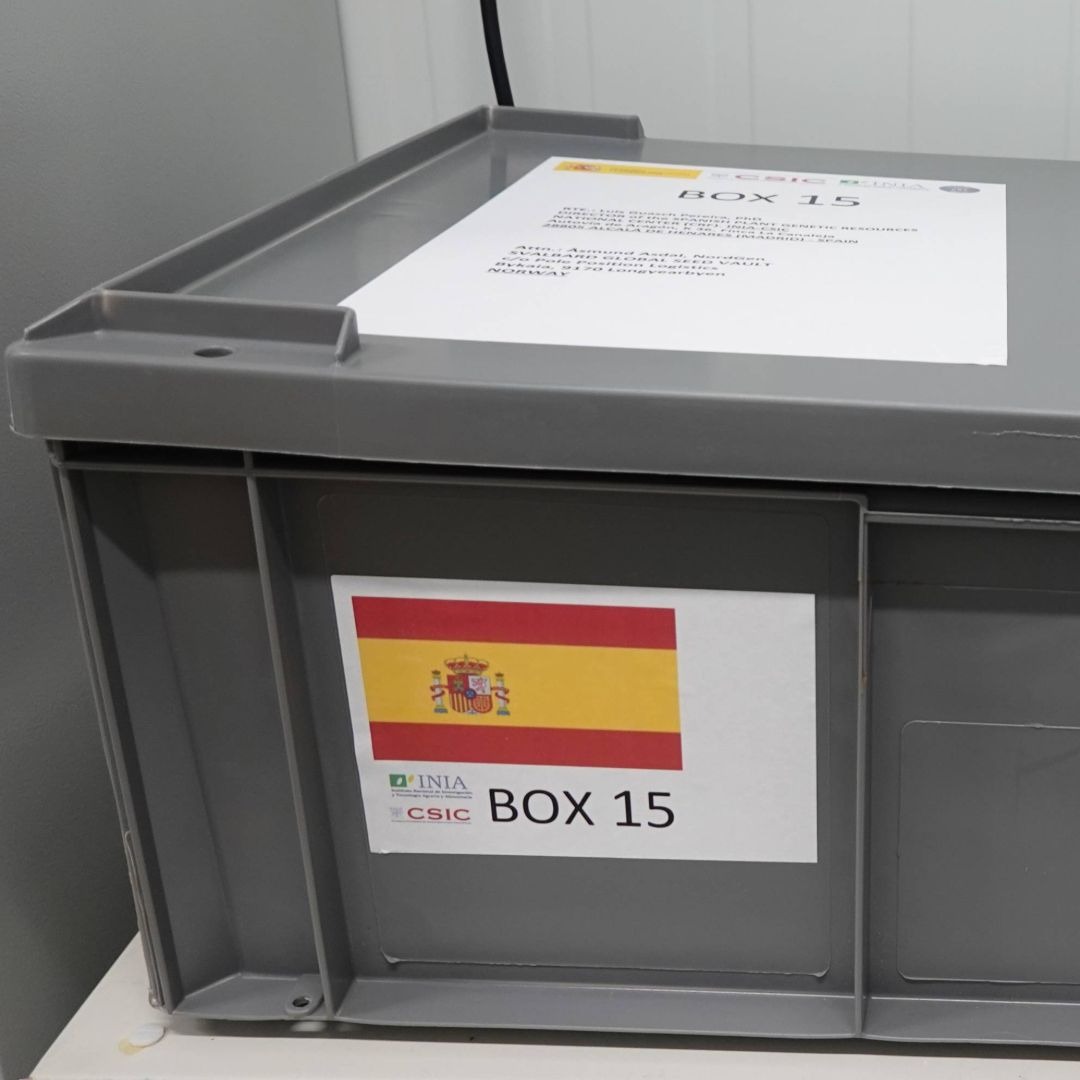
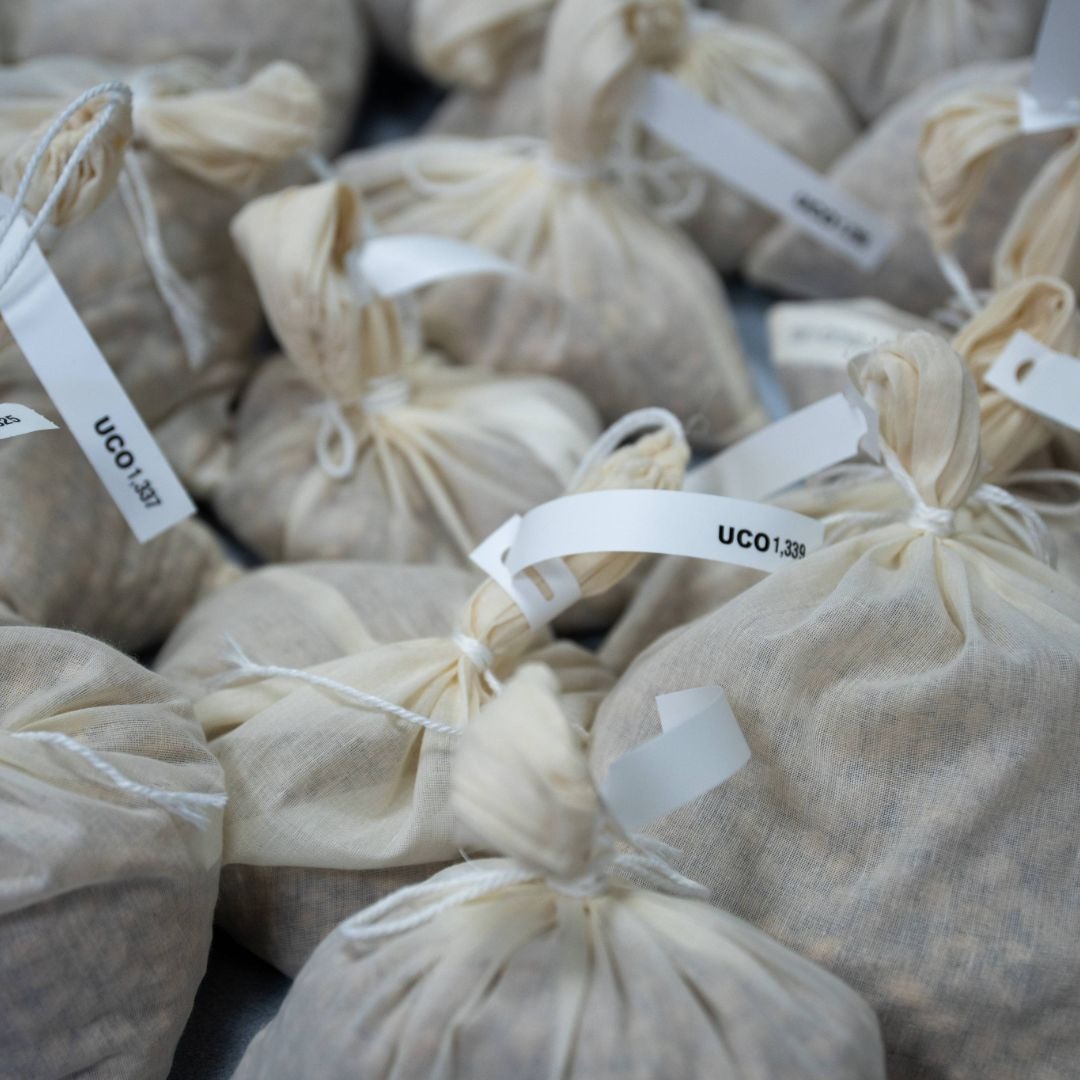
The Svalbard Global Seed Vault Receives Olive Seeds for the First Time
OLIVE GENETIC PRESERVATION
The Svalbard Global Seed Vault Receives Olive Seeds for the First Time
In a landmark moment for global agricultural preservation, olive seeds have been deposited for the first time in the Svalbard Global Seed Vault - the world’s most secure facility for safeguarding crop diversity.
Located deep within the Arctic permafrost of Norway’s Svalbard archipelago, the Seed Vault serves as a global backup system for the planet’s agricultural biodiversity. Often described as the “doomsday vault,” it protects seeds against the risks of climate change, natural disasters, conflict, and biodiversity loss.
Now, for the first time in history, olive seeds are part of that global legacy.
A Historic Milestone for the Olive Sector
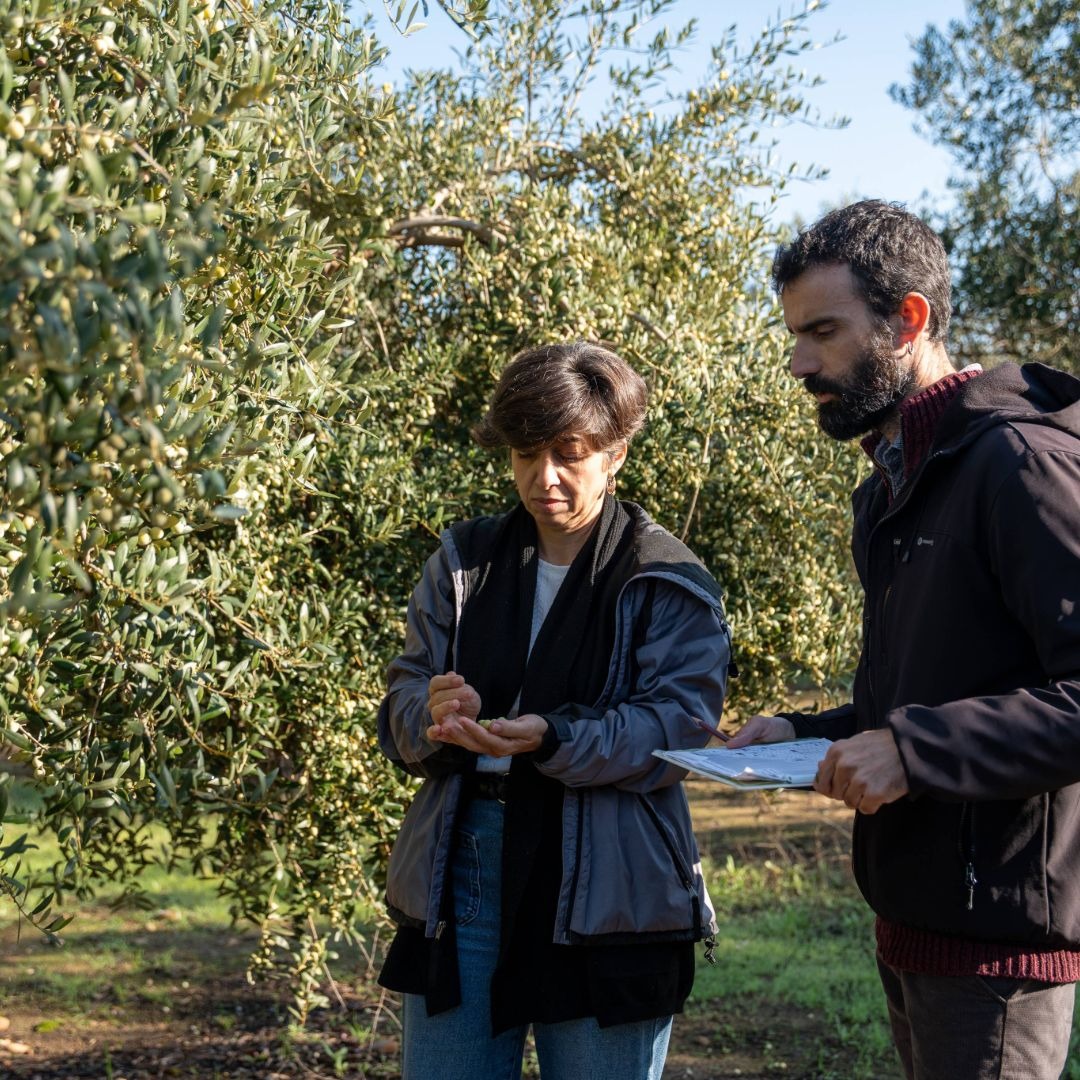
The deposit marks a significant step forward in protecting one of the world’s most iconic and culturally important crops. Olive trees have sustained civilizations for thousands of years, symbolising peace, resilience and nourishment. Preserving their genetic diversity ensures that this legacy continues for generations to come.
Jaime Lillo Lopez, Executive Director of the International Olive Council (IOC), highlighted the importance of the moment:
“The seeds we have deposited are the legacy of farmers who, throughout history, selected the most resistant trees - those that produced the best fruit or adapted to diverse soils, climates and diverse conditions. These seeds are a guarantee that future generations will continue to enjoy such an extraordinary product as olive oil.”
His words underscore what this deposit truly represents: not just seeds, but centuries of accumulated knowledge, adaptation, and agricultural selection.
A Global Collaboration for Agricultural Resilience
This initiative was launched within the framework of the European H2020 GEN4OLIVE project, a research programme dedicated to unlocking and conserving olive genetic diversity. It was subsequently promoted by the IOC, the Food and Agriculture Organization of the United Nations (FAO), and Spain’s Ministry of Agriculture, Fisheries and Food.
The collaboration extended to leading academic and research institutions, including:
Universidad de Córdoba (UCO)
Universidad de Granada (UGR)
Plant Genetic Resources Centre (CRF-INIA)
National Institute for Agricultural and Food Research and Technology (INIA)
Spanish National Research Council (CSIC)
This broad coalition demonstrates that conserving traditional and wild olive varieties is not merely a scientific exercise - it is a collective commitment to strengthening agricultural resilience and ensuring long-term food security.
Organisations such as NordGen and the Crop Trust, along with representatives including Juan Antonio Polo Palomino, Abderraouf Laajimi, Álvaro Toledo, Dr. Kent Nnadozie, Concepción Muñoz Diez, Hristofor Miho and Pablo Morello Parra, also played key roles in bringing this milestone to fruition.
Olive Genetics
For olive growers and producers worldwide, this development carries profound implications.
Olive trees are uniquely adapted to marginal soils, water scarcity, and variable climates. However, increasing pressures from:
Climate variability
Emerging pests and diseases
Water limitations
Soil degradation
Shifting production zones
Make genetic diversity more important than ever.
Traditional and wild olive varieties contain traits that may hold the key to:
Improved drought tolerance
Disease resistance
Adaptation to new climatic conditions
Enhanced oil quality characteristics
Resilience to environmental stress
By preserving these genetic resources in the Svalbard Global Seed Vault, the industry is effectively safeguarding a toolbox for future breeding, research and innovation.
From Mediterranean Heritage to Arctic Safeguard
The symbolic power of Mediterranean olive genetics being stored in Arctic ice is profound. It reflects the global importance of olives - no longer confined to traditional growing regions but increasingly cultivated across diverse climates worldwide.
As olive production expands into new regions, including areas facing climatic volatility, the value of preserved genetic material grows exponentially. The Svalbard deposit ensures that even in worst-case scenarios, the genetic foundation of the olive sector remains secure.
A Commitment Beyond Science
This initiative goes beyond seed banking.
It represents recognition that agricultural biodiversity is a shared global responsibility. Farmers, researchers, governments, and international organisations are united by a common understanding: safeguarding crop diversity is essential for future food systems.
The olive industry - deeply rooted in tradition - is demonstrating that it is equally committed to innovation, resilience and long-term stewardship.
Securing the Future of Olive Oil
For growers, processors, and industry stakeholders, this historic deposit sends a message: the olive sector is planning for the long term.
Preserving traditional and wild varieties ensures that future generations will continue to:
Cultivate olives in changing climates
Maintain oil quality standards
Protect regional characteristics and heritage
Develop improved cultivars
Sustain global olive oil production
The olive tree has endured for millennia. By placing its seeds in the world’s most secure seed vault, the global community has taken a decisive step to ensure it thrives for millennia more.
Leipzig Australia Plans $80M Olive Grove and Business Precinct in South Australia
MAJOR GROVE EXPANSION
Leipzig Australia Plans $80M Olive Grove and Business Precinct in South Australia
A concept image for the proposed olive oil plant. Photo: Leipzig Australia.
Leipzig Australia, led by chief executive Frank Vounasis, has unveiled plans for an $80 million olive grove development near Waikerie in South Australia.
The proposed project, known as Waikerie Grove, would span 1,000 hectares and become the state’s largest olive grove. It is expected to include approximately 357,000 olive trees and produce up to 2.8 million litres of olive oil annually.
Photo: Leipzig Australia.
The development is projected to create 20 full-time positions and around 70 seasonal jobs. Management of the grove will be handled by Diana Olive Oil, supported by a 30-year supply agreement with an ASX-listed distributor.
In addition to the grove, Leipzig Australia has proposed rezoning 300 hectares of nearby land to establish an employment precinct called Waikerie Park. Plans for the precinct include an olive-crushing plant and potential complementary businesses such as an abattoir, solar farm and nursery. The broader precinct is forecast to generate 346 full-time jobs and contribute approximately $38.4 million annually to the local economy.
According to Mr Vounasis, the olive grove will proceed regardless of whether rezoning for the employment precinct is approved. The project includes plans for a 10-13 kilometre pipeline drawing up to 900 litres per second from the River Murray to support operations.
If successful, a second 600-hectare plantation may also be developed. The rezoning proposal will now move to community consultation before being considered by the South Australian Government.
Source: The Greek Herald 30 / 12 / 2025, originally reported by The Advertiser.
New Grocery Supply Rules Start April 2026: What Olive Growers Need to Know
New mandatory grocery supply rules start applying from 1 April 2026, bringing stronger contract, pricing and dispute protections for olive growers supplying major supermarkets.
Please log in to view the entire article
U.S. Olive Oil Market Faces Policy Crossroads as Standards, Tariffs and Trust Take Centre
U.S. Olive Oil Market Faces Policy Crossroads as Standards, Tariffs and Trust Take Centre Stage
Please log in to view the entire article
FSANZ and High-Phenolic Olive Oil & Where Producers Stand on Health Claims | Polyphenols
Producers of high-phenolic EVOO must navigate strict FSANZ Standard 1.2.7 regulations when making health claims. While "High in Antioxidants" is prohibited for polyphenols, producers can leverage validated claims regarding heart health and cholesterol, provided they meet specific nutrient profiling scores.
Please log in to view the entire article
Australian olive oil Assessment On Are labels hiding more than they reveal?
Are your olive oil labels hiding more than they reveal? A new assessment of 100 Australian producers shows a massive gap in consumer transparency, with only 17% listing crucial harvest dates. Discover how sharing varieties, tasting notes, and storage advice builds trust, protects high-value polyphenols, and drives repeat customer loyalty.
Please log in to view the entire article
Australian olive oil Assessment On Are labels hiding more than they reveal?
Are your olive oil labels hiding more than they reveal? A new assessment of 100 Australian producers shows a massive gap in consumer transparency, with only 17% listing crucial harvest dates. Discover how sharing varieties, tasting notes, and storage advice builds trust, protects high-value polyphenols, and drives repeat customer loyalty.