My Shopping Cart
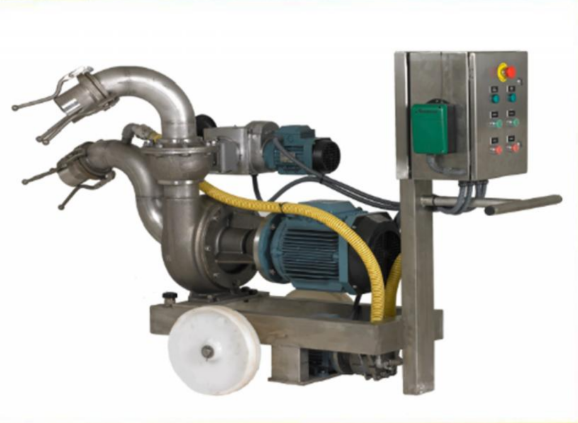
| Specification | Details |
|---|---|
| Nominal capacity | 20 tonnes per hour |
| Maximum product flow | 30 m³/hour |
| Maximum product temperature | 50 °C |
| Maximum working pressure | 3 bar |
| Maximum motor power | 3 kW |
| Motor control | Adjustable speed |
| Pump body | AISI 316L stainless steel |
| Impeller | AISI 316L stainless steel |
| Shaft | AISI 316L stainless steel |
| Sealing system | O-ring and mechanical seal (varies by application) |
| Priming system | Vacuum-assisted self-priming |
| Operating characteristics | Quiet operation, vibration-free, steady mass flow |
| Country of manufacture | Turkey |
Here is a summary of methods for processing table olives:
| METHOD | PROCESSING METHODS | VARIETIES |
| Treated Green Olives in Brine | Olives are treated in alkaline lye and then packed into brine where they undergo a complete (Sevillian or Spanish-style) - or partial lactic fermentation. ?In the latter, they may be subsequently preserved at a specified pH by sterilisation, pasteurisation, refrigeration, by the addition of preservatives or by inert gas (without brine) |
|
| Untreated Green Olives in Brine | Greek or Sicilian - Olives are placed directly in 8-10% brine and are preserved by natural fermentation |
|
| Turning Colour Olives Treated in Brine | Olives are treated in alkaline lye then preserved either by natural fermentation in brine, by heat treatment or by a combination of the two |
|
| Untreated Turning Colour Olives in Brine |
? Olives are placed directly in 8-10% brine and are preserved by natural fermentation
? Ligurian |
|
| Treated Black Olives in Brine | Olives are treated in alkaline lye then preserved by natural fermentation through one or a combination of the following: in brine, by sterilisation or pasteurisation or by an addition of preservative. |
|
| Treated Black Olives in Dry Salt | Firm practically ripe olives are given a slight alkaline treatment, then preserved in alternating layers of olives and dry salt. |
|
| Untreated Black Olives in Brine |
? Olives are placed directly in brine and are preserved by natural fermentation in brine alone, by sterilisation or pasteurisation, or by the addition of a preservative.
? ?Kalamata? Style - wine vinegar and olive oil added |
|
| Untreated Black Olives in Dry Salt | Fully ripe olives that have shrivelled on the tree are treated directly in brine |
|
| Untreated Pierced Black Olives in Dry Salt | Fully ripe olives are pierced then preserved in alternating layers of dry salt or with a sprinkling of salt over them |
|
| Dehydrated Black Olives | Ripe olives are blanched at 95? for 1-2 minutes & softened, partially dehydrated in salt than dried using gentle heat - sun or oven (50?) |
|
| Olives Darkened by Oxidation | Californian Style - Black ripe Turning Colour olives are debittered with alkali lye, darkened by oxidation, then packed in brine and preserved by heat sterilisation. |
|
| Bruised Olives | Fresh olives or ones previously treated in brine (generally green-ripe) are deliberately bruised by hitting with a blunt object. Flavours and vinegar may be added. |
|
| Split Olives | These are green, Turning Colour black olives, split lengthwise by cutting into the skin and part of the flesh and then placed in brine with or without vinegar. Olive oil and aromatic substances may be added. |
|
| Heat Cured | Ripe olives are oven dried at 50? or air-dried until the bitterness is acceptable. The dried olives can be consumed without further treatment or in packed alternating layers of salt. |
|
| Black Olives in Olive Oil | Heat cured or salt dried olives are packed with extra virgin olive oil |
|
| Water cured |
? Italian Gaetano method
? Traditional Ligurian - Benedictine style - Olives are washed and rinsed regularly for up to six weeks, then preserved in brine |
|
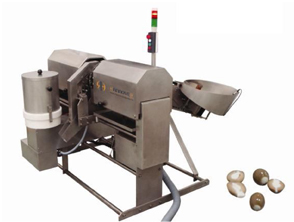
More information about Table Olive Machinery
Source:? Olives Australia
CONSUMER EDUCATION
Extra Virgin Olive Oil (EVOO) is often hailed as a “liquid gold” in kitchens around the world – a term famously used by the ancient Greek poet Homer. For Australians, EVOO is more than just an ingredient; it’s a heart-healthy cooking staple and a link to centuries of Mediterranean tradition. This guide will explain exactly what EVOO is and how it differs from other olive oils, how it’s produced (from grove to bottle), its science-backed health benefits, and the many ways you can use it – both in your cooking and beyond. Along the way, we’ll share some interesting facts that highlight why this oil has been prized since antiquity. Let’s dive in!
By contrast, other grades of olive oil are lower in quality or more processed:
In summary, EVOO stands apart from other olive oils because it’s unrefined, of top sensory quality, and packed with natural compounds. If you drizzle a good EVOO on a salad or taste it on a spoon, you’ll notice a bright, complex flavour – something you won’t get from the flat, one-note taste of refined “olive oil” blends.
EVOO’s journey from tree to bottle is a fascinating combination of ancient tradition and modern food science. It all starts in the olive groves. Olives destined for high-quality EVOO are often hand-picked or gently shaken off trees (modern farms may use mechanical harvesters that vibrate the trunks or use catching frames). The timing of harvest is crucial: early in the season, when olives are green to purplish, they yield less oil, but it’s very rich in flavour and antioxidants; later harvest (ripe black olives) yields more oil but with mellower taste. Many premium Australian producers, much like those in the Mediterranean, opt for early harvest to maximise quality.
Once picked, speed is key – olives are quickly transported to the mill, because freshly harvested olives start to oxidise and ferment if they sit too long. Ideally, olives are pressed within 24 hours of harvest to prevent quality loss. At the mill, the olives are washed to remove leaves and dust, then crushed (pits and all) by either traditional stone mills or modern steel crushers. This creates an olive paste, which is then gently malaxed (slowly churned) for 20–45 minutes. Malaxation allows tiny oil droplets to coalesce, but it’s done under strict temperature control – this is where the term “cold-pressed” or “cold extraction” comes in. To qualify as cold-pressed, no heat above 27 °C is applied during extraction. Keeping the paste cool preserves aromatic compounds and nutrients; higher temperatures could extract a bit more oil, but at the cost of flavour and antioxidants. Australian and European producers alike adhere to this, as heat can reduce EVOO’s polyphenols and vitamin E (and increase oxidation)

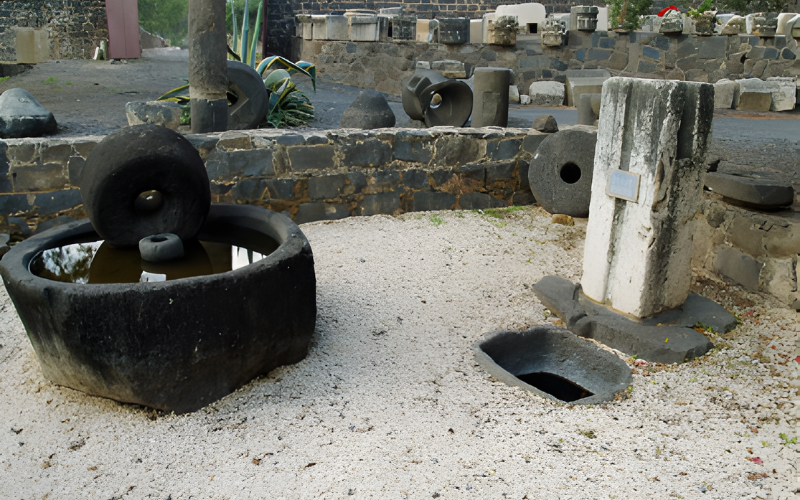
A Roman-era olive oil press in Capernaum, Israel. Ancient presses used large millstones to crush olives, and the oil was separated by gravity. Today, modern cold-pressing uses centrifuge extractors, but the goal remains the same – to physically squeeze oil from olives without chemicals or high heat, preserving quality. (photograph of a Roman-era olive mill in Capernaum)
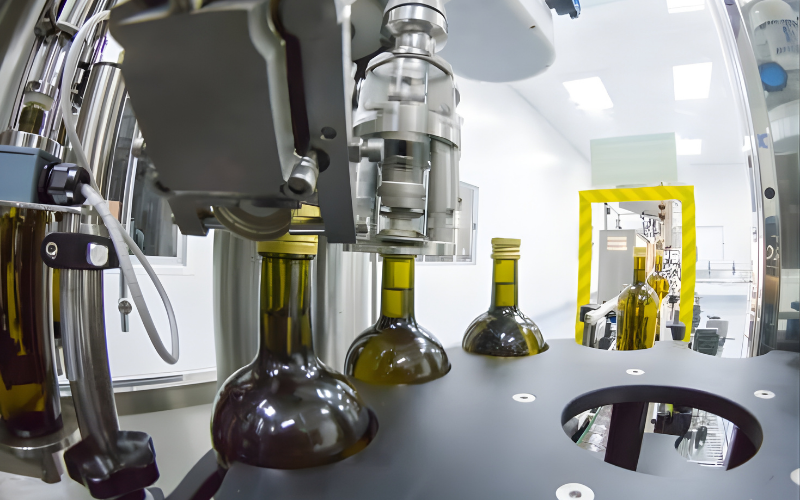
After malaxation, the paste is pressed or, more commonly, centrifuged. Modern mills use a decanter centrifuge, which rapidly spins the olive paste to separate oil from water and olive solids. The result is fresh olive oil (plus some vegetable water). The oil may then be filtered or simply left to settle so that tiny particles and moisture drop out over time. Some artisan oils are unfiltered, yielding a cloudy appearance, but most commercial EVOOs are filtered for clarity and stability. Finally, the oil is stored in stainless steel tanks (ideally with minimal air exposure) and later bottled.
Throughout production, maintaining quality is paramount. At no point are solvents or refining used – EVOO is purely a natural juice. This careful process explains why EVOO is more expensive than generic cooking oil: it takes a lot of olives and care to produce. In fact, it typically takes around 4 to 6 kilograms of olives to cold-extract just 1 litre of EVOO (for some early harvest oils, even more). That represents roughly 8000–10,000 individual olives in each litre of premium oil! Such figures help us appreciate the effort and agricultural value inside each bottle of EVOO.
Australian EVOO note: Australia may be far from the Mediterranean, but it has a burgeoning olive oil industry of its own. Olives were first brought to Australia in the 1800s, and the industry remained small until a boom in the late 20th century. The Australian olive industry is over 150 years old, but it has expanded rapidly across all mainland states in recent decades. Today, Australia produces high-quality EVOOs, particularly in regions with Mediterranean-like climates (such as parts of South Australia, Victoria, and Western Australia). Aussie EVOOs often win awards for their robust flavours and purity, thanks to modern farming and milling techniques. So when you shop, know that some EVOO on the shelf – in addition to imports from Italy, Spain, Greece, etc. – is grown and pressed right here in Australia.
Extra Virgin Olive Oil isn’t just a tasty fat – it’s exceptionally good for you. Its health benefits are backed by a wealth of scientific research and have even been recognised by international health authorities. Here are some of the top evidence-based benefits:
Lastly, remember that EVOO is a fat and thus calorie-dense, so use it in place of other fats rather than simply adding on (to balance overall energy intake). But as fats go, EVOO is about the best you can choose for your health. It’s no surprise the Australian Dietary Guidelines and Heart Foundation include olive oil as a core part of a healthy eating pattern, encouraging people to swap butter and animal fats for olive or other plant oils. EVOO isn’t a miracle cure-all, but it is a potent, natural contributor to wellness – and a delicious one at that!
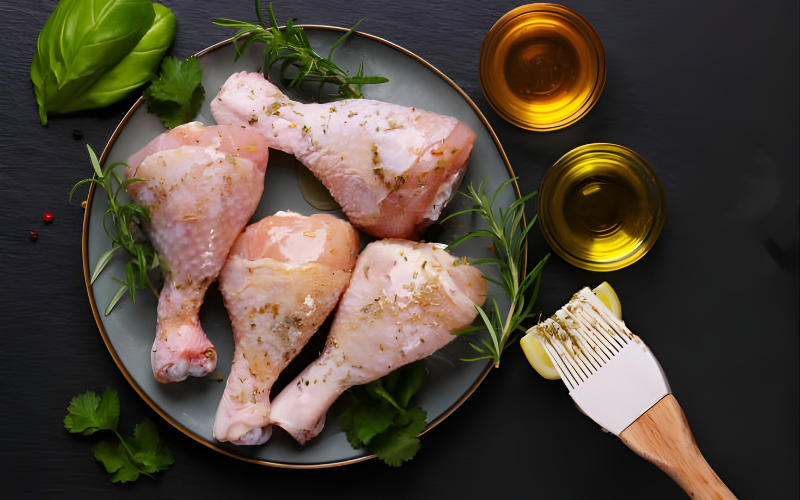
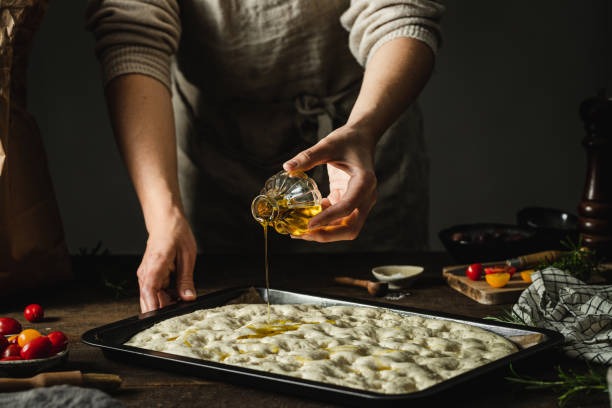
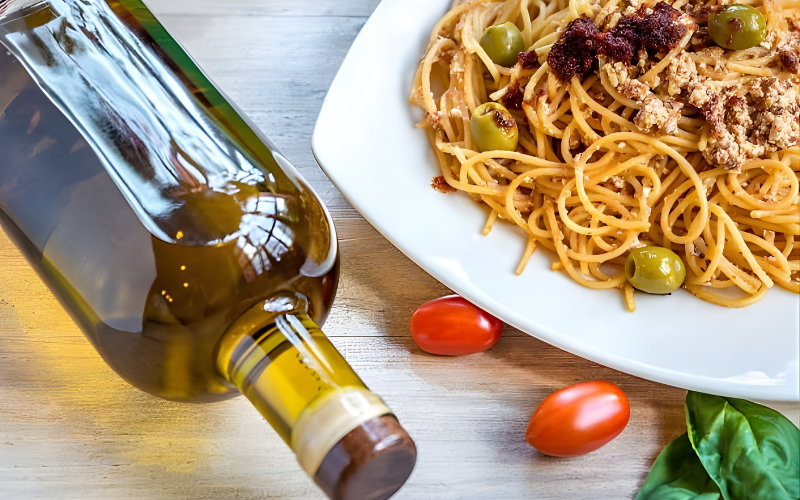
One of the beauties of EVOO is its culinary versatility. You can use it raw, you can cook with it, you can even bake with it. Here are some popular ways to integrate EVOO into your daily diet, along with tips particularly suited for Australian kitchens:
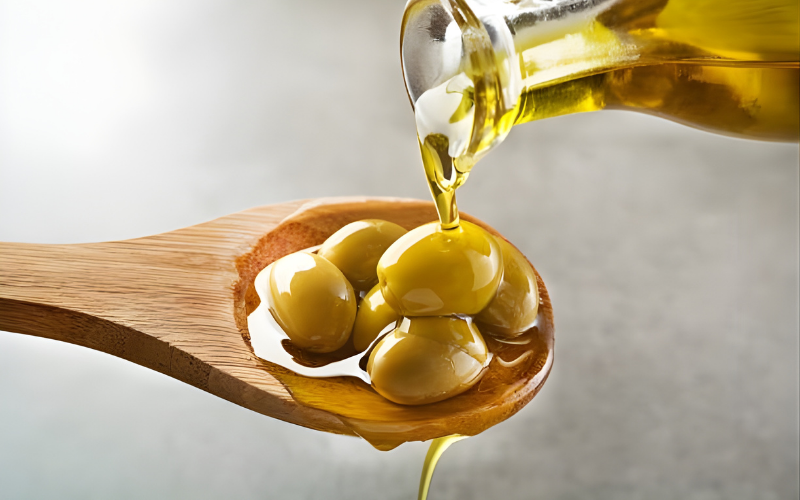
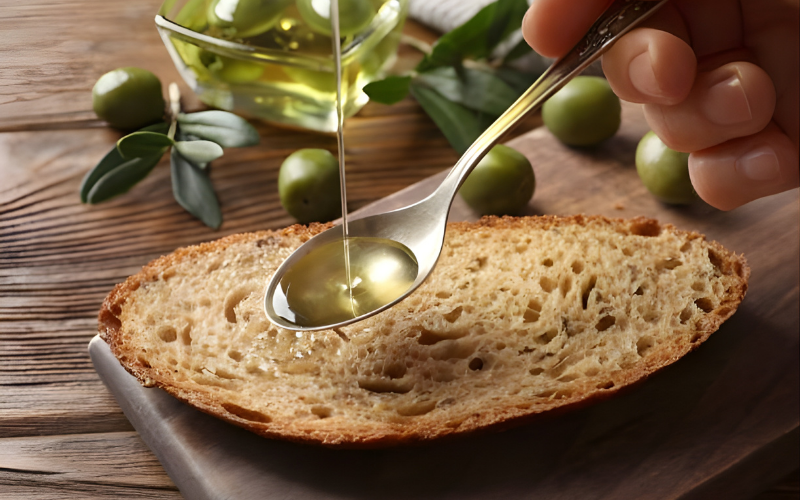
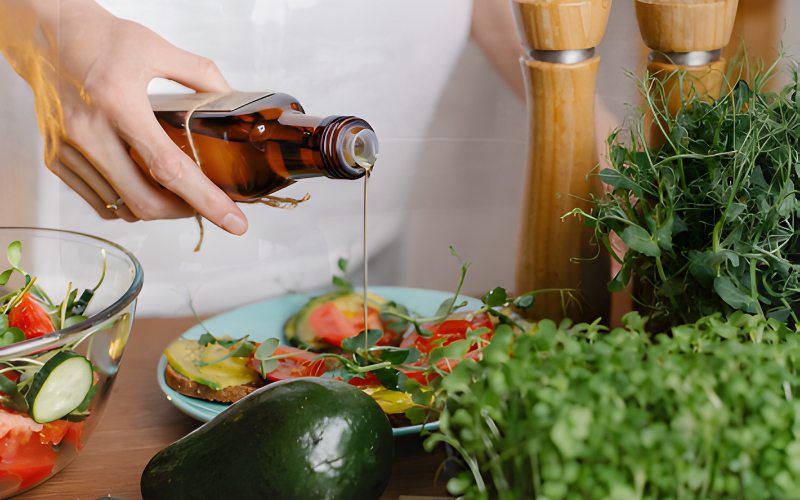
Drizzling extra virgin olive oil over a salad of avocado, tomato, and greens. Incorporating EVOO into daily meals can be as simple as using it to dress salads, dip bread, or finish cooked dishes – adding both flavor and healthy fats to the Australian diet.
Quick recipe ideas:
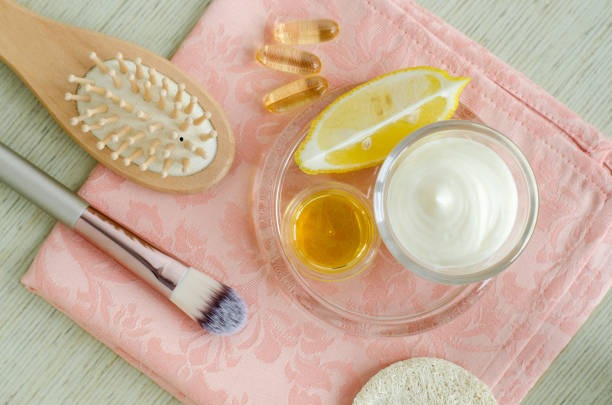
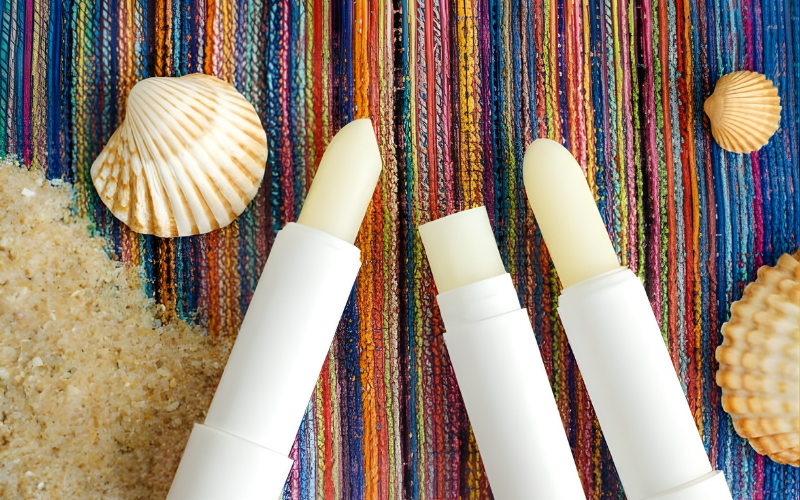
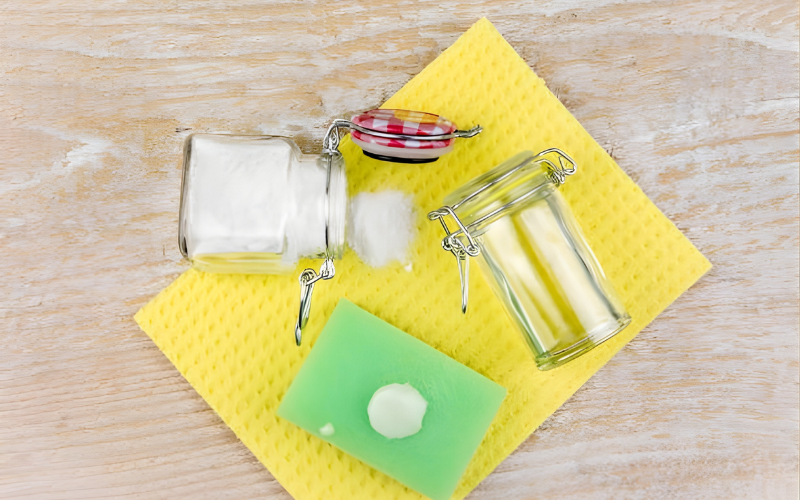
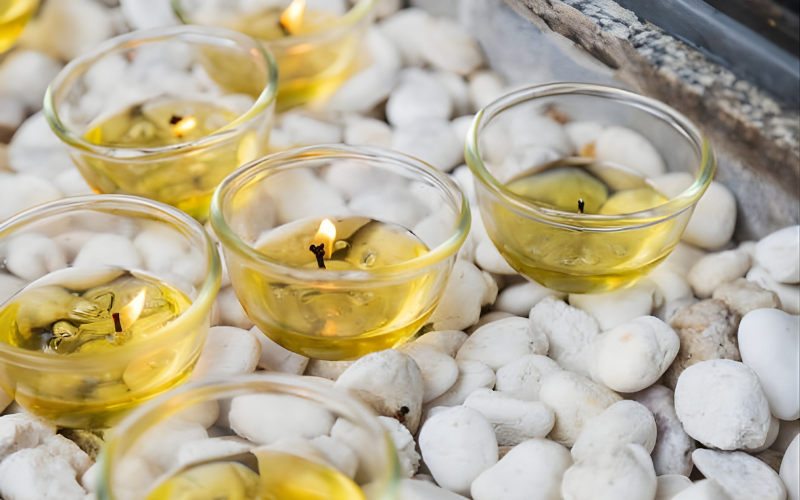
Olive oil’s usefulness goes far beyond food. Throughout history, olive oil has been used in daily life in myriad ways – and many of these uses are still relevant or just plain handy today. Here are some nonculinary applications of olive oil:
As you can see, a bottle of olive oil in the cupboard can double as a mini home remedy kit! One caveat: for non-food uses, you don’t necessarily need to use your finest extra virgin oil – a basic grade or older bottle that you don’t want to cook with can find a second life polishing your coffee table or deep-conditioning your hair. Food-grade olive oil for beauty and home use means you’re avoiding the petrochemicals found in some commercial products, which is a win for those with sensitive skin or who prefer eco-friendly options.
To round out our EVOO guide, here are some fun facts and bits of trivia that make olive oil even more fascinating:
Extra Virgin Olive Oil is truly a kitchen all-star – it elevates our food and supports our health. We’ve learned that EVOO differs from lesser olive oils in quality and production, coming straight from fresh olives without chemicals or refining. We’ve seen how it’s made, preserving its sensory and nutritional treasures. Science shows that incorporating EVOO into your diet can benefit your heart, reduce inflammation, and even help you enjoy your veggies more (because they taste better with a good drizzle!). And beyond cooking, olive oil proves its worth in our beauty routines and households.
For Australian consumers, the message is embrace EVOO: use it in your salad dressings, swap it for butter when you can, try it in new recipes – both traditional Mediterranean dishes and local Aussie favourites. With Australian olive oil production on the rise, you might even explore home-grown EVOOs, which can be world-class. Remember to store it well, use it generously but mindfully, and appreciate the story behind it – from ancient olive groves to your dinner table.
In summary, Extra Virgin Olive Oil is more than an ingredient; it’s a lifestyle choice towards better eating and living. So go ahead – enjoy that splash of liquid gold in your meals every day, and taste the difference it makes!
References (selected):
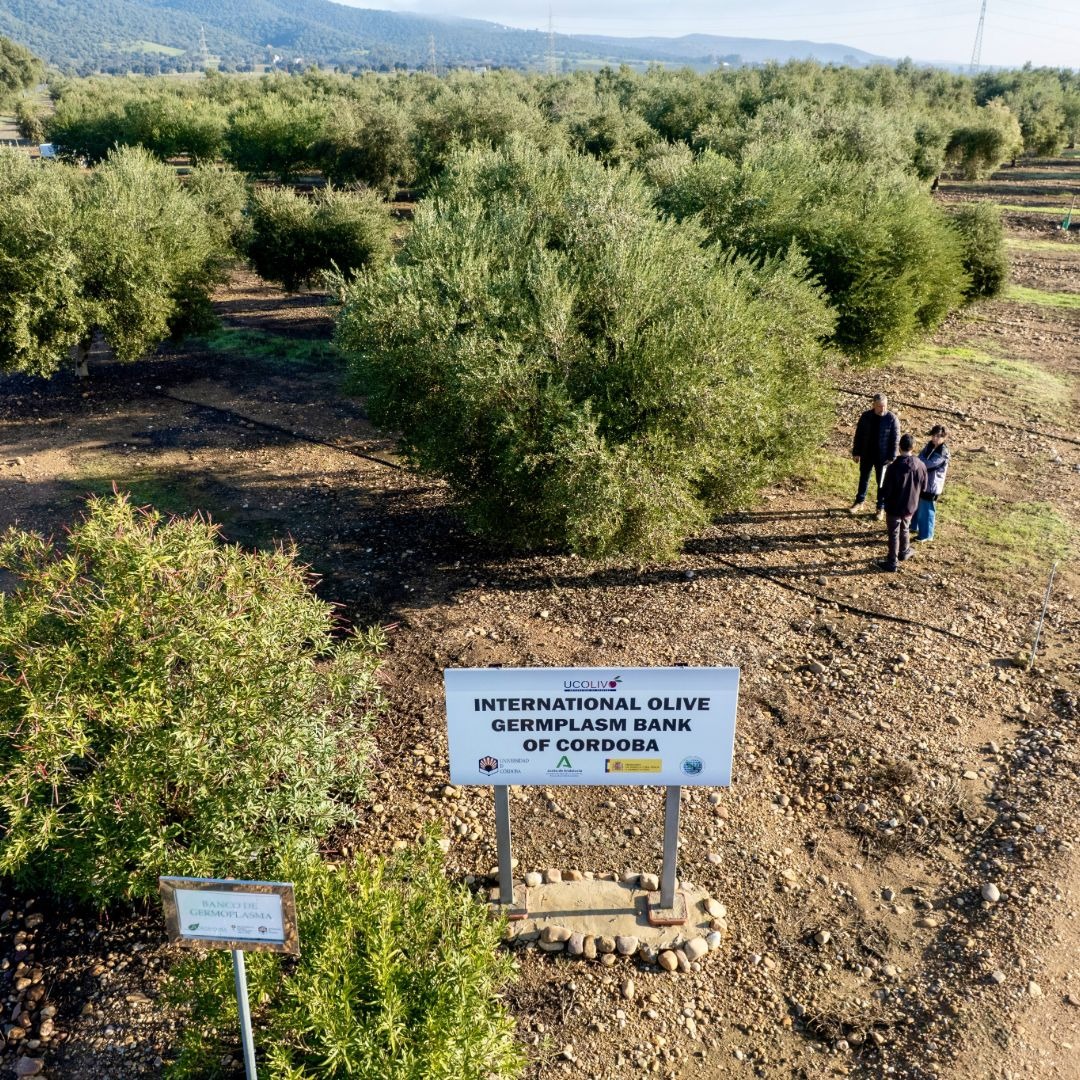
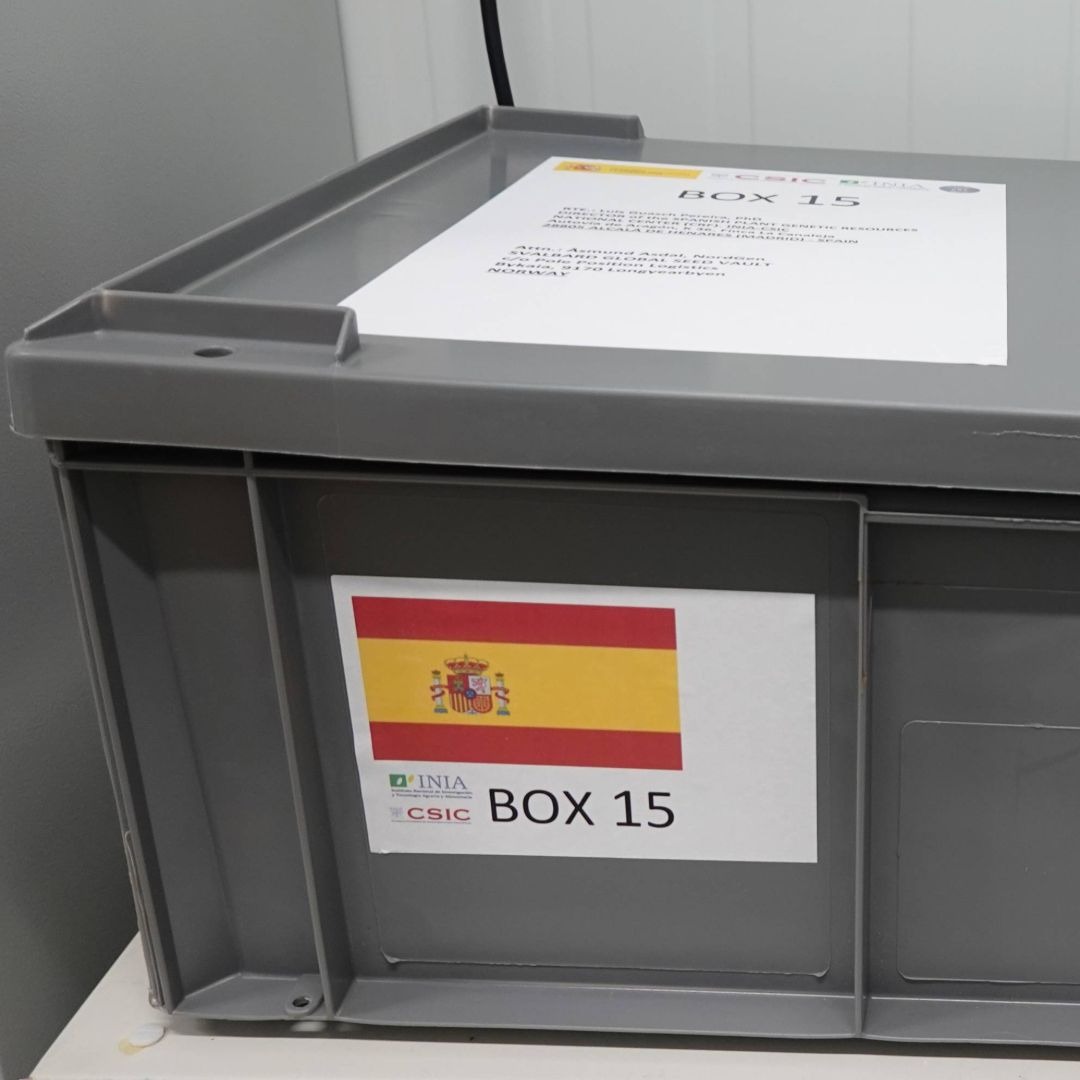
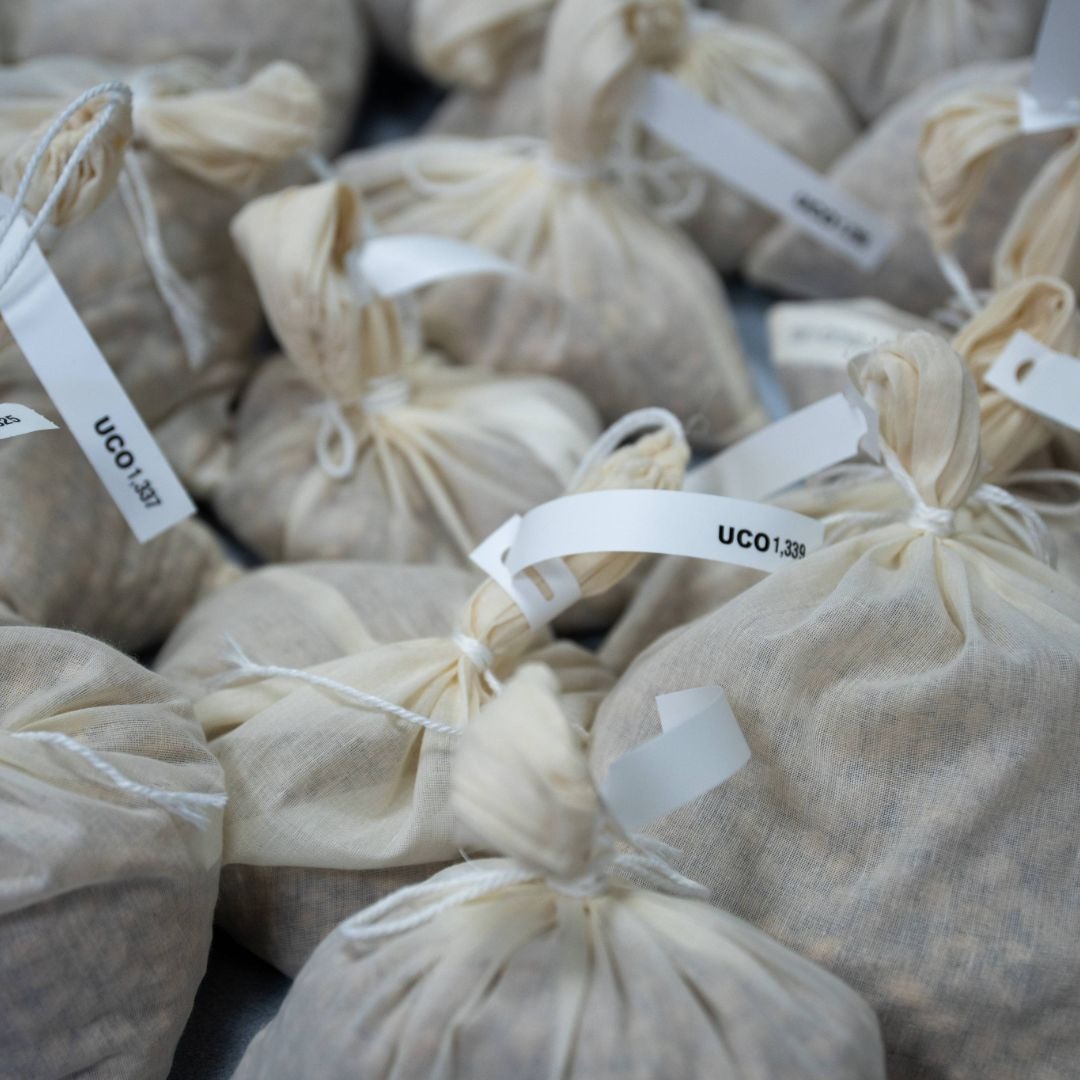
In a landmark moment for global agricultural preservation, olive seeds have been deposited for the first time in the Svalbard Global Seed Vault - the world’s most secure facility for safeguarding crop diversity.
Located deep within the Arctic permafrost of Norway’s Svalbard archipelago, the Seed Vault serves as a global backup system for the planet’s agricultural biodiversity. Often described as the “doomsday vault,” it protects seeds against the risks of climate change, natural disasters, conflict, and biodiversity loss.
Now, for the first time in history, olive seeds are part of that global legacy.
The deposit marks a significant step forward in protecting one of the world’s most iconic and culturally important crops. Olive trees have sustained civilizations for thousands of years, symbolising peace, resilience and nourishment. Preserving their genetic diversity ensures that this legacy continues for generations to come.
Jaime Lillo Lopez, Executive Director of the International Olive Council (IOC), highlighted the importance of the moment:
“The seeds we have deposited are the legacy of farmers who, throughout history, selected the most resistant trees - those that produced the best fruit or adapted to diverse soils, climates and diverse conditions. These seeds are a guarantee that future generations will continue to enjoy such an extraordinary product as olive oil.”
His words underscore what this deposit truly represents: not just seeds, but centuries of accumulated knowledge, adaptation, and agricultural selection.
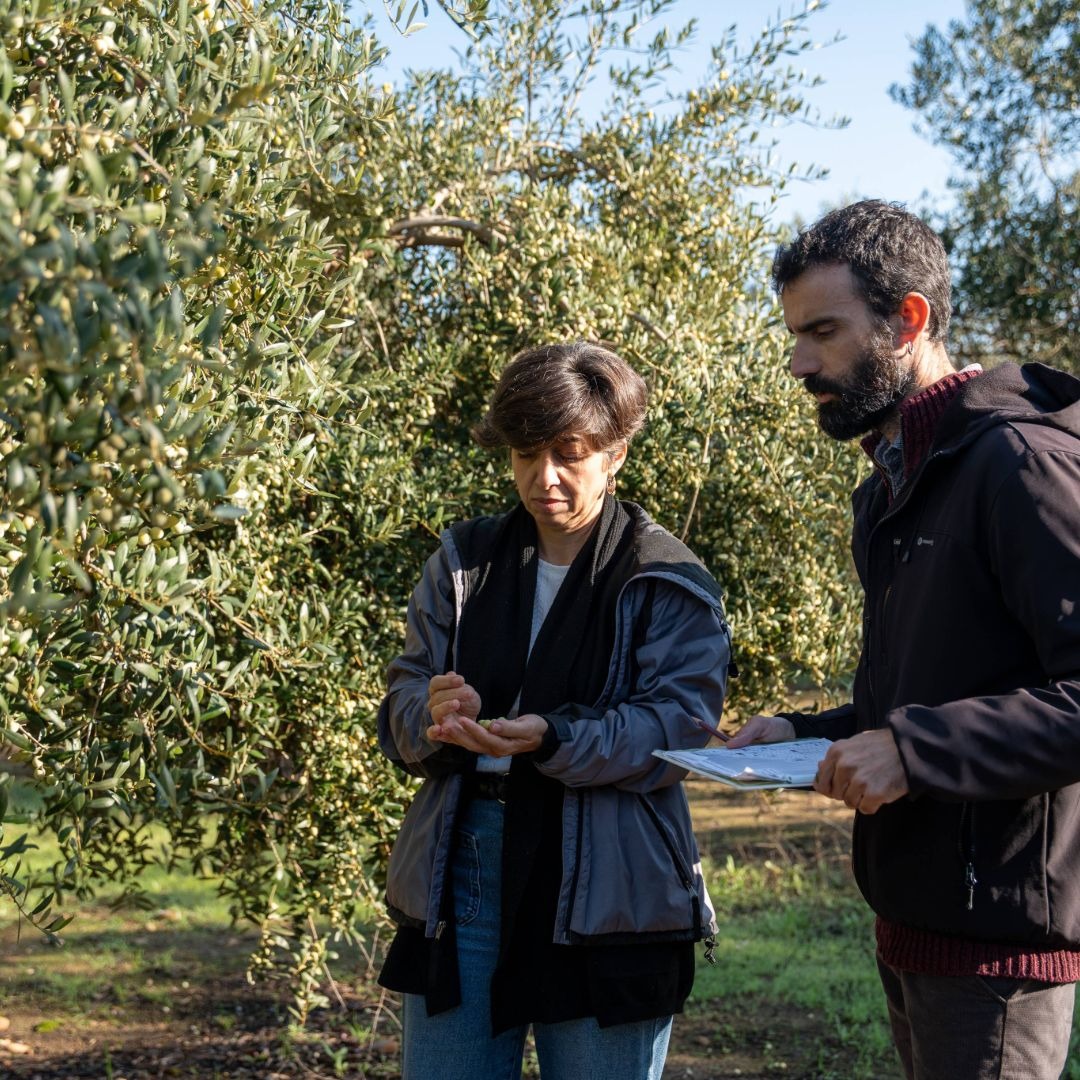
This initiative was launched within the framework of the European H2020 GEN4OLIVE project, a research programme dedicated to unlocking and conserving olive genetic diversity. It was subsequently promoted by the IOC, the Food and Agriculture Organization of the United Nations (FAO), and Spain’s Ministry of Agriculture, Fisheries and Food.
The collaboration extended to leading academic and research institutions, including:
Organisations such as NordGen and the Crop Trust, along with representatives including Juan Antonio Polo Palomino, Abderraouf Laajimi, Álvaro Toledo, Dr. Kent Nnadozie, Concepción Muñoz Diez, Hristofor Miho and Pablo Morello Parra, also played key roles in bringing this milestone to fruition.
For olive growers and producers worldwide, this development carries profound implications.
Olive trees are uniquely adapted to marginal soils, water scarcity, and variable climates. However, increasing pressures from:
Traditional and wild olive varieties contain traits that may hold the key to:
The symbolic power of Mediterranean olive genetics being stored in Arctic ice is profound. It reflects the global importance of olives - no longer confined to traditional growing regions but increasingly cultivated across diverse climates worldwide.
As olive production expands into new regions, including areas facing climatic volatility, the value of preserved genetic material grows exponentially. The Svalbard deposit ensures that even in worst-case scenarios, the genetic foundation of the olive sector remains secure.
This initiative goes beyond seed banking.
It represents recognition that agricultural biodiversity is a shared global responsibility. Farmers, researchers, governments, and international organisations are united by a common understanding: safeguarding crop diversity is essential for future food systems.
The olive industry - deeply rooted in tradition - is demonstrating that it is equally committed to innovation, resilience and long-term stewardship.
For growers, processors, and industry stakeholders, this historic deposit sends a message: the olive sector is planning for the long term.
Preserving traditional and wild varieties ensures that future generations will continue to:
Olives WA is excited to announce the re-introduction of seven table olives classes into the?2017?Perth Royal Olives Show. Olive producers Australia-wide are invited to submit their table olives?and olive oil during the months of June and July into the 2017 Perth Royal Olives Show.
Competition Administrator and olive lover Karen Sanders said: ?This year has been a bumper season?for olives and olive oil and the Show is a great opportunity for olive growers to showcase the?outstanding quality and freshness of Australian grown and produced olives and olive oil.?
The table olive judging panel, led by one of Australia?s leading table olive specialists?Professor?Stan?Kailis, will assess entries in seven different classes based on methods of processing?and product type. In each class, judges will evaluate the attributes of the olives, including flavour?(bitterness, saltiness and acidity) as well as the aroma, appearance and texture.
?Our Australian olive growers have been producing excellent table olives and I?m looking forward to?tasting a variety of them for this year?s show,? said Professor Kailis. Entries for table olives open on?Friday 9 June and close Friday 30 June 2017.
The Perth Royal Olives Show Olive Oil judging will again run under the expert guidance of?Chief?Judge Isabelle Okis. ?After a tough year for West Australian olive growers last year, the 2017?harvest is looking exceptional! We are expecting high numbers of olive oil entries this year, and we?are hoping to taste some wonderful oils.? Olive oil entries open on 10 July and close on 4 August?2017.
Award winners for both table olives and extra virgin olive oils will be announced at a promotional?event in September 2017.
Entry packs are being released on the Olives WA and Perth Royal Show websites, containing details?on how and when table olive and olive oil entries can be submitted: www.oliveswa.com.au and?www.perthroyalshow.com.au/competitions/competition-entries/olives/
Alternatively, packs can be requested by contacting Olives WA on 9337 2810 or email:?admin@oliveswa.com.au.
For further media information contact:
Karen Sanders, Competition Administrator. T: 9337 2810 E: admin@oliveswa.com.au